Category: History & Mystery

  • Did Roman Voyagers Reach Mexico Centuries Before Columbus?

    Did Roman Voyagers Reach Mexico Centuries Before Columbus?

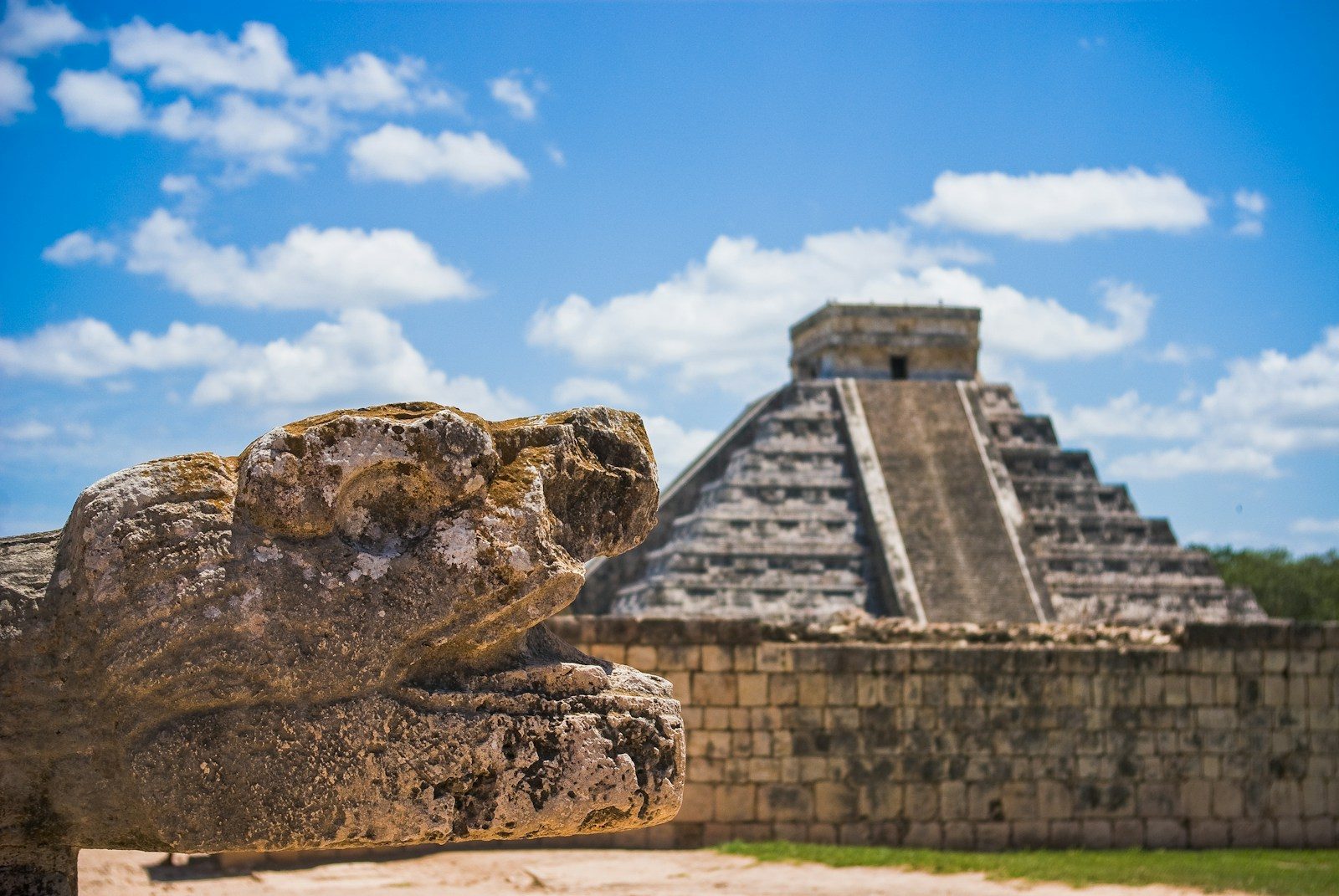
    History books tell a very simple story. Christopher Columbus reached the New World in 1492. But a tiny terracotta artifact found in a sealed Mexican tomb threatens to shatter this timeline. This is the Tecaxic-Calixtlahuaca Head. It is a small bearded clay face. Curiously, it does not resemble any indigenous Mesoamerican art style. It has European features and a classic Roman beard. For decades, archaeologists have debated its origin. Some believe it proves ancient Roman voyages across the Atlantic. Others smell a hoax. The scientific evidence is highly controversial. It raises questions that mainstream historians struggle to answer. The mystery began during a routine excavation in central Mexico.

    Archaeologists Uncover an Unlikely Bearded Face
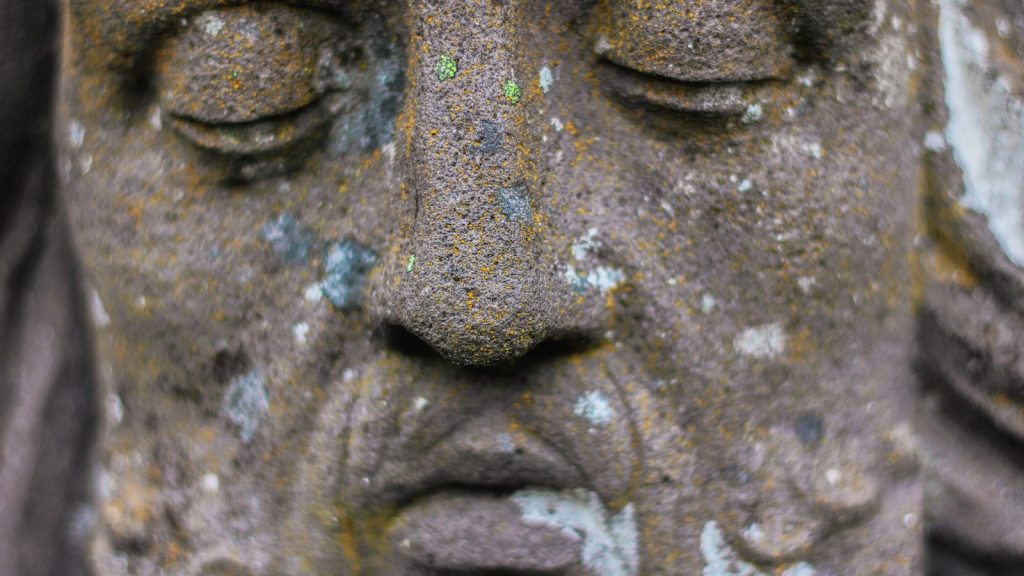
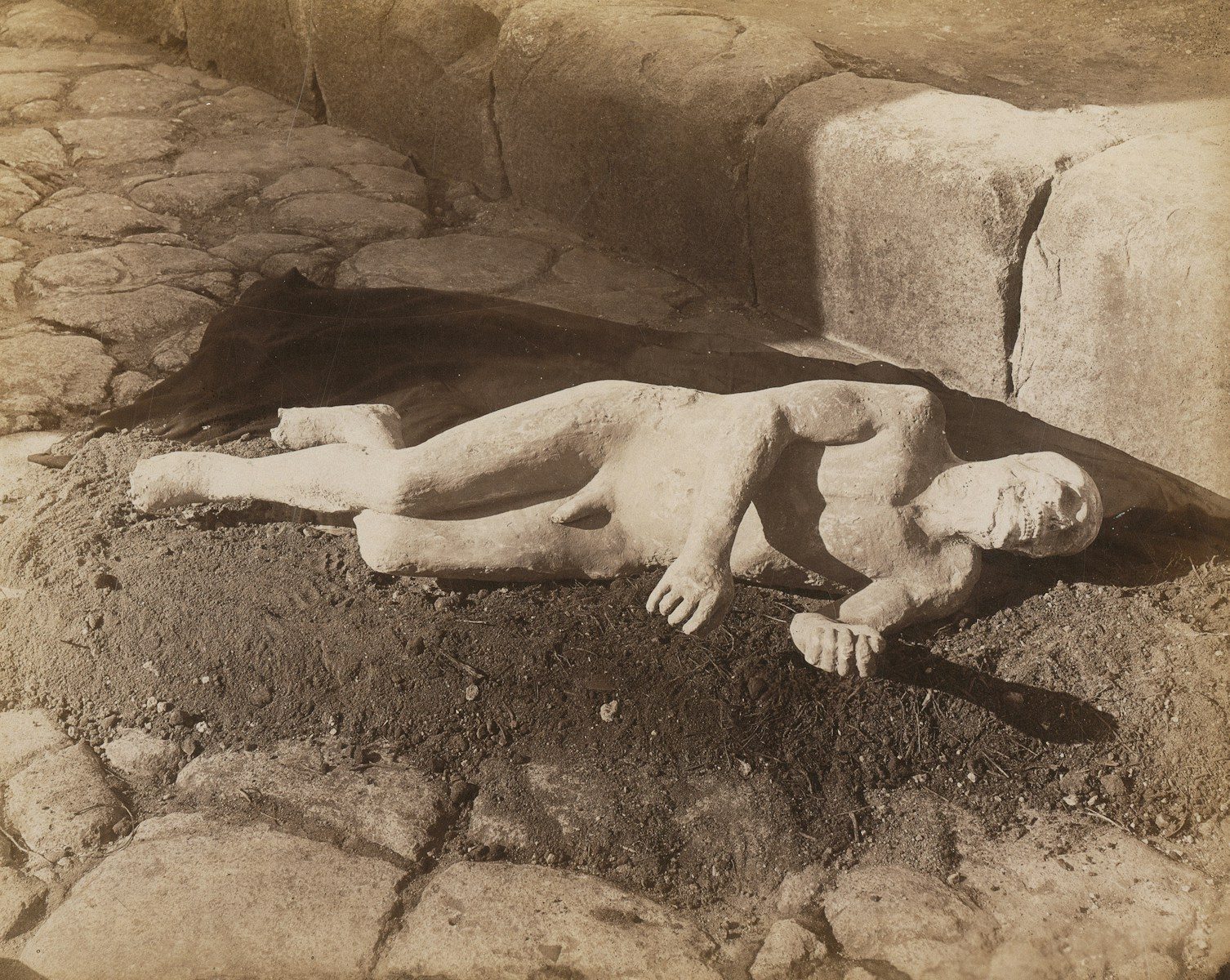
    man's face statue
    Photo by DDP on Unsplash

    José García Payón excavated a pyramid site in 1933. This was in the Toluca Valley. He was clearing a sealed burial tomb. Among the pre-Columbian pottery, he found something shocking. It was a tiny terracotta head. The figure had a thick beard. Mesoamerican artists rarely depicted facial hair. This style was completely foreign. Payón documented the find immediately. A European art specialist would later identify the exact origin of this face.

    Artistic Styles Match the Ancient Roman Empire
    grayscale photo of child holding on white metal fence
    Photo by Paolo Chiabrando on Unsplash

    German archaeologist Bernard Andreae examined the artifact. He was a leading expert on classical Roman art. Andreae concluded the head was, without a doubt, Roman. He analyzed the hair and beard. They matched the fashion of the Severan Dynasty around 200 AD. The execution was identical to Mediterranean art. But style is not physical proof. Scientists needed to test the clay itself to verify its true age.

    Physics Testing Verifies the Artifact is Ancient

    grayscale photo of man standing in front of sewing machine
    Photo by Austrian National Library on Unsplash

    Researchers sent clay samples to a lab in Germany. They performed thermoluminescence testing. This scientific method measures light energy to date pottery. The results shocked the team. The test dated the head to between 900 BCE and 1200 CE. This range is wide. However, it officially proved the artifact was ancient. It existed before any European contact. The mystery of its burial location was about to deepen.

    Intact Clay Layers Prove No Modern Interference
    a dirt field with a white line in the middle of it
    Photo by Wolfgang Hasselmann on Unsplash

    The tomb was sealed. Payón found the head beneath three intact layers of clay. These layers were completely undisturbed. This indicates that nobody could have sneaked the head into the grave in modern times. The burial took place around 1500. This was just before Cortés arrived. So how did a Roman object cross the ocean? One theory involves the power of the sea.

    Atlantic Currents May Have Carried Ancient Ships
    ocean waves crashing on shore during daytime
    Photo by César Couto on Unsplash

    Ancient Mediterranean ships were highly durable. Roman, Phoenician, and Berber vessels routinely traveled the African coast. Sometimes storms struck. A ship blown off course could get caught in powerful Atlantic currents. These currents flow directly toward South America. A drifting vessel might have crossed the sea accidentally. Local people would have scavenged the shipwreck. They could have traded the terracotta head inland. But critics point to a darker possibility.

    A Historic Hoax or Excavation Prank

    person holding magnifying glass
    Photo by Mick Haupt on Unsplash

    Mainstream archaeologists remain highly skeptical. They point out a major problem. No other Roman coins, weapons, or ruins have ever been found in the Americas. This makes a full voyage unlikely. Some scholars suggest a hoax. They believe an excavation worker may have planted the artifact as a prank. Payón was not always supervising the trenches. However, the sealed clay layers make a modern prank nearly impossible. This bizarre scientific standoff continues to puzzle researchers today.

    The Mystery Remains Unsolved in Mesoamerica
    a person standing on a stone structure surrounded by trees
    Photo by Laura LaBrie on Unsplash

    The terracotta head is an archaeological anomaly. It defies explanation. Without further discoveries, we cannot prove ancient contact. Yet, we cannot easily dismiss the physical evidence either. The artifact rests silently in a Mexican museum. It remains a fascinating puzzle. Perhaps future excavations will finally solve the riddle of its transatlantic journey. Until then, history keeps its secrets.

    Featured Image: Photo by Marv Watson on Unsplash

  • There a “Lost” Civilization Preserved Under the Antarctic Ice?

    There a “Lost” Civilization Preserved Under the Antarctic Ice?

    Antarctica is a land of white silence. But beneath two miles of ice lies a “Ghost Continent” that hasn’t seen the sun in 30 million years. In 2026, scientists using new gravity maps have revealed a world of hidden mountain ranges and deep river valleys. This isn’t just a pile of frozen dirt; it is a perfectly preserved landscape from a different era. The question is: was there someone there to see it before it froze?

    These new maps are hitting the news as the “last frontier” of Earth. Researchers are finding that Antarctica was once a lush, green paradise. This discovery is changing everything we know about where our ancestors might have lived. We are looking at a time capsule the size of a continent that is starting to melt. But what exactly is hiding in those sub-glacial lakes? Wait until you see the “Piri Reis” map mystery.

    The Map That Shows Antarctica Without Ice

    political map book page
    Photo by NOAA on Unsplash

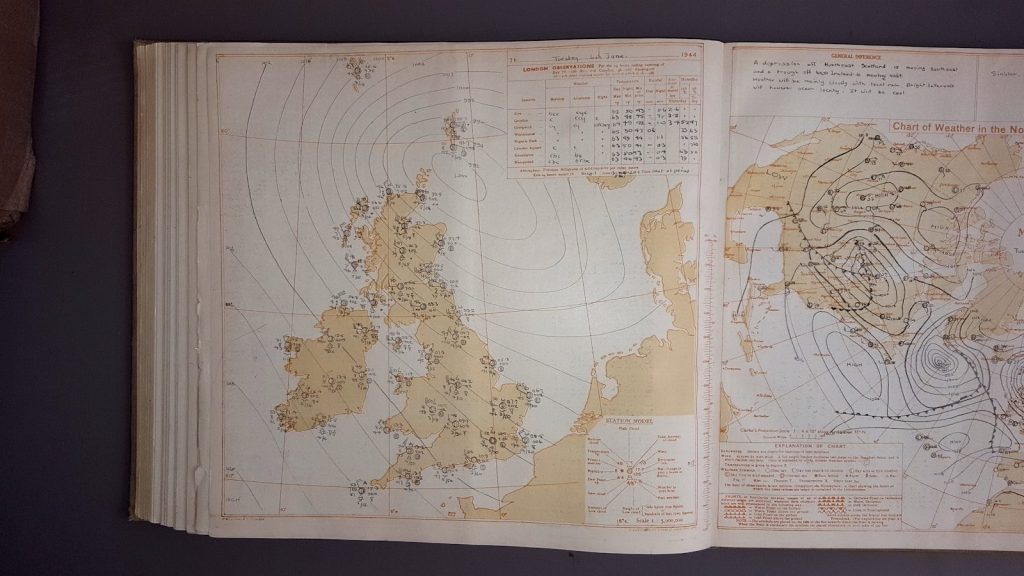
    One of the greatest mysteries is the Piri Reis map from 1513. It appears to show the coastline of Antarctica without any ice. For centuries, historians thought it was a mistake. But modern sub-glacial scans prove the map is incredibly accurate. This suggests that a lost civilization might have explored the continent before it froze. We are looking at a history that our textbooks haven’t even written yet. But what did they find in the mud?

    Fossilized Forests in the Frozen Desert

    a piece of wood that is brown and black
    Photo by Aditya Ghodke on Unsplash

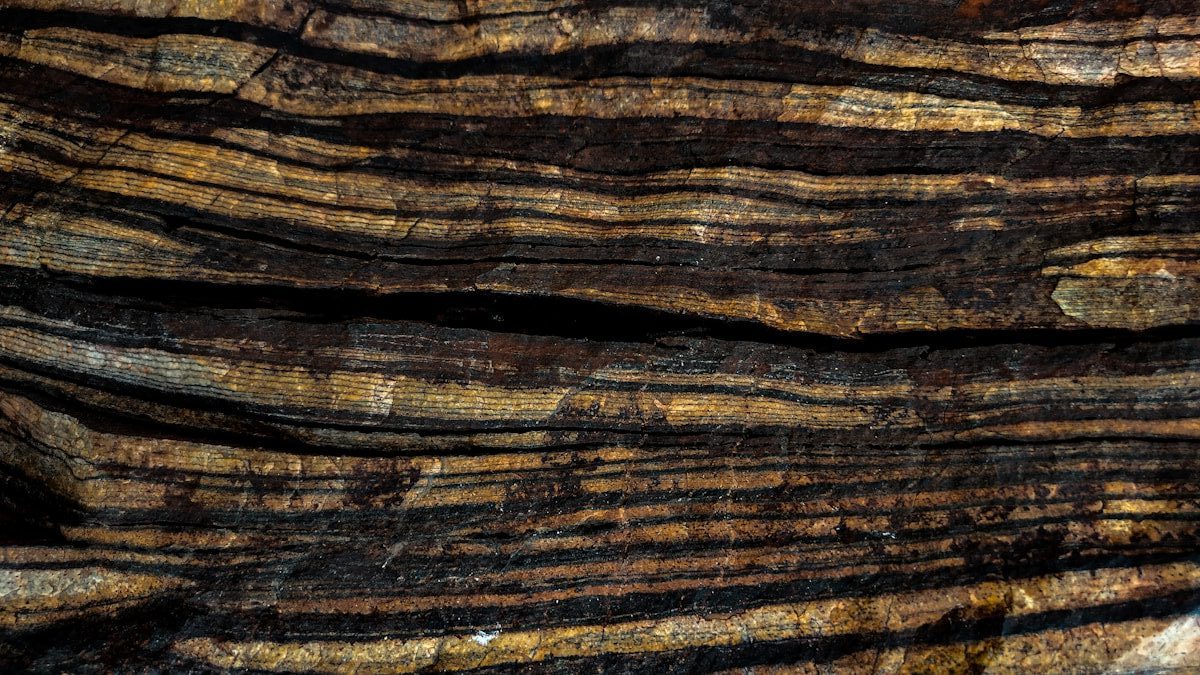
    In 2026, drilling teams pulled up soil samples containing tree roots from 90 million years ago. This proves that Antarctica was once covered in temperate rainforests. Giant reptiles and early mammals once roamed these woods. We are realizing that the South Pole was the “central station” for life on Earth before the continents drifted apart. It was a bridge between the Americas and Australia. But the ice is now telling a secret about our future.

    The Ghost Mountains of the South Pole

    Snow-covered mountains with pine trees below.
    Photo by Ahmet Yüksek ✪ on Unsplash

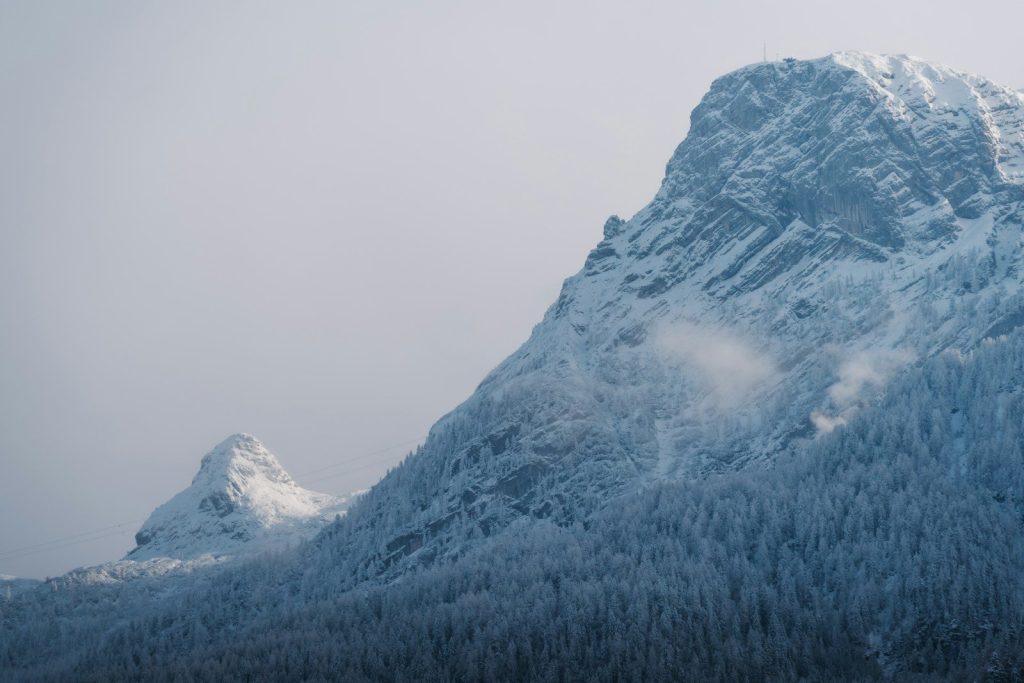
    Deep inside the ice sheet, there is a mountain range the size of the Alps. They are “pristine” peaks that have been protected from wind and rain by the ice for eons. Scientists believe these mountains hold the secret to how the Ice Age actually began. But the real surprise is the water flowing beneath them. There are over 400 liquid lakes buried under the ice. Some could house “alien” life forms. But could a human city be down there?

    The Mystery of the Anomalous Heat Spots

    earth, continents, land, satellite map, night
    Photo by WikiImages on Pixabay

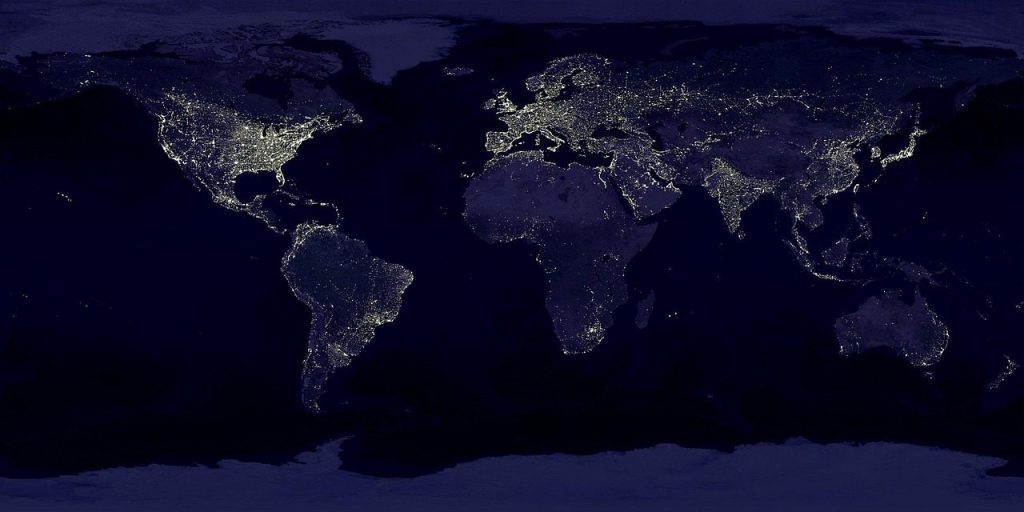
    Satellite scans have picked up “heat anomalies” deep beneath the ice. While some are volcanoes, others have a shape that looks suspiciously geometric. Some researchers whisper about “buried structures” that generate their own heat. While the mainstream scientific world is skeptical, the data is hard to ignore. We are essentially living on top of a giant pressure cooker. What happens if these “civilization sites” are revealed as the ice melts?

    The “Time Machine” Trapped in Air Bubbles

    Close-up of trapped air bubbles in ice creating a unique texture.
    Photo by Colour Zony on Pexels

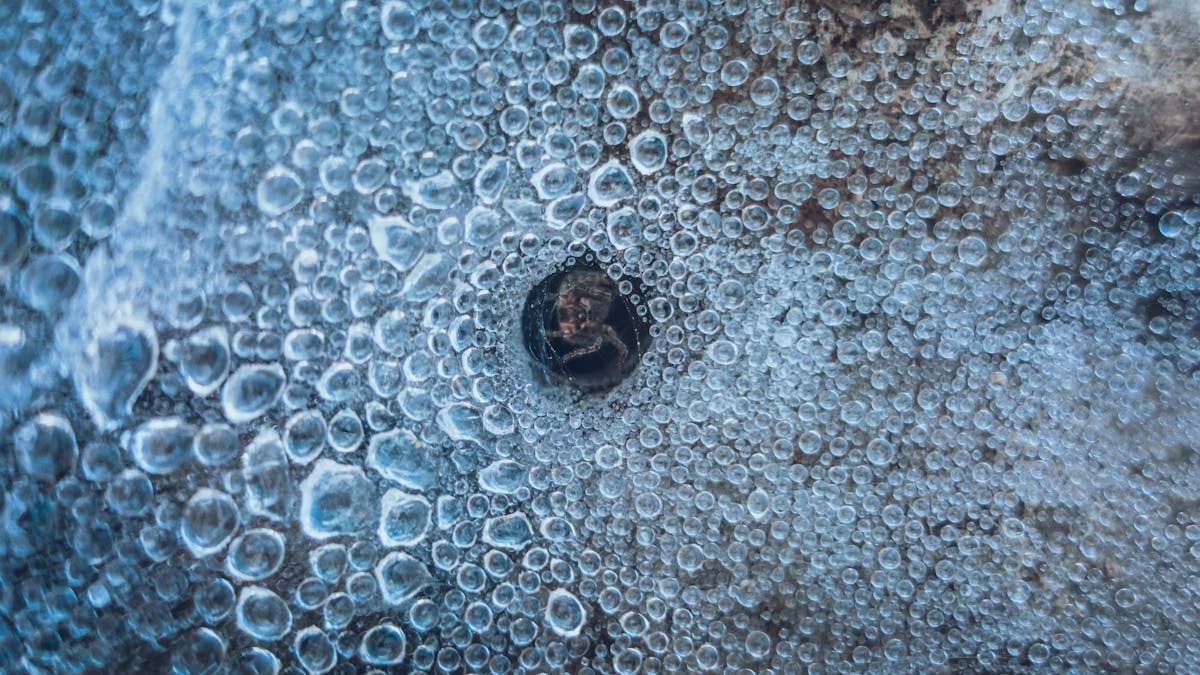
    Every time snow falls, it traps a tiny bit of the atmosphere. By drilling deep into the “lost continent,” scientists can “breathe the air from 800,000 years ago. This ice core data is the most accurate record of our planet’s history. It shows us exactly how much the world has changed. It is a biological ledger of our world’s health. But wait until you see the “red waterfall” that looks like blood.

    Blood Falls and the Iron Secret

    a large waterfall is coming out of the side of a cliff
    Photo by Geronimo Giqueaux on Unsplash

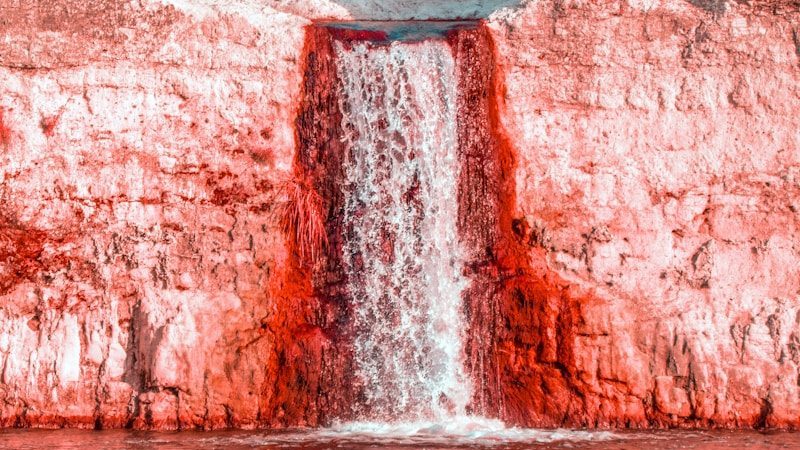
    In the McMurdo Dry Valleys, a glacier is “bleeding.” This is Blood Falls. For a long time, we thought it was algae. However, the 2026 data shows it is saltwater rich in iron from a reservoir that hasn’t seen oxygen in two million years. It “rusts” instantly when it hits the air. This prehistoric soup contains microbes that survive without sunlight. It is the blueprint for how life might exist on other planets. But is the continent about to wake up?

    The Final Countdown for the Lost Continent

    ice berg beside river
    Photo by Annie Spratt on Unsplash

    The race is on to map every inch of the lost continent before the melting accelerates. We are finding that Antarctica is more than just a block of ice; it is a vital organ for our planet. The secrets hidden in the mud could save our future or warn us of our end. It is a story of a world that was, and a world that could be again. But are you ready for the truth about the Library of Alexandria?

    Featured Image: Photo by Jota Van Deiri on Unsplash

  • The Secret Compartments Found by LiDAR

    The Secret Compartments Found by LiDAR

    For centuries, archaeologists explored the jungles of Central America with machetes and maps. They thought they had found every major structure the Maya ever built. But they were looking at the world with human eyes, and that was their mistake. A new technology called LiDAR (Light Detection and Ranging) has just “erased” the jungle to reveal a massive, hidden urban network. Most shockingly, it has identified “Secret Compartments” inside buildings that were previously thought to be solid stone. These hidden rooms have stayed sealed for over a thousand years, protected by the very earth that buried them.

    These compartments aren’t just empty spaces; they are appearing in places that suggest they were used for high-level rituals or to hide royal treasures during times of war. Some of these rooms are located deep beneath the floors of plazas, while others are tucked into the tops of giant pyramids. We are talking about thousands of new structures and “ghost rooms” that are rewriting the history of how the Maya lived and died. But how can a simple laser see through solid rock and dirt?

    The Lasers That Can See Through Time

    Drone photograph capturing the thick, vibrant green forest canopy from above, showcasing nature's density.
    Photo by K on Pexels

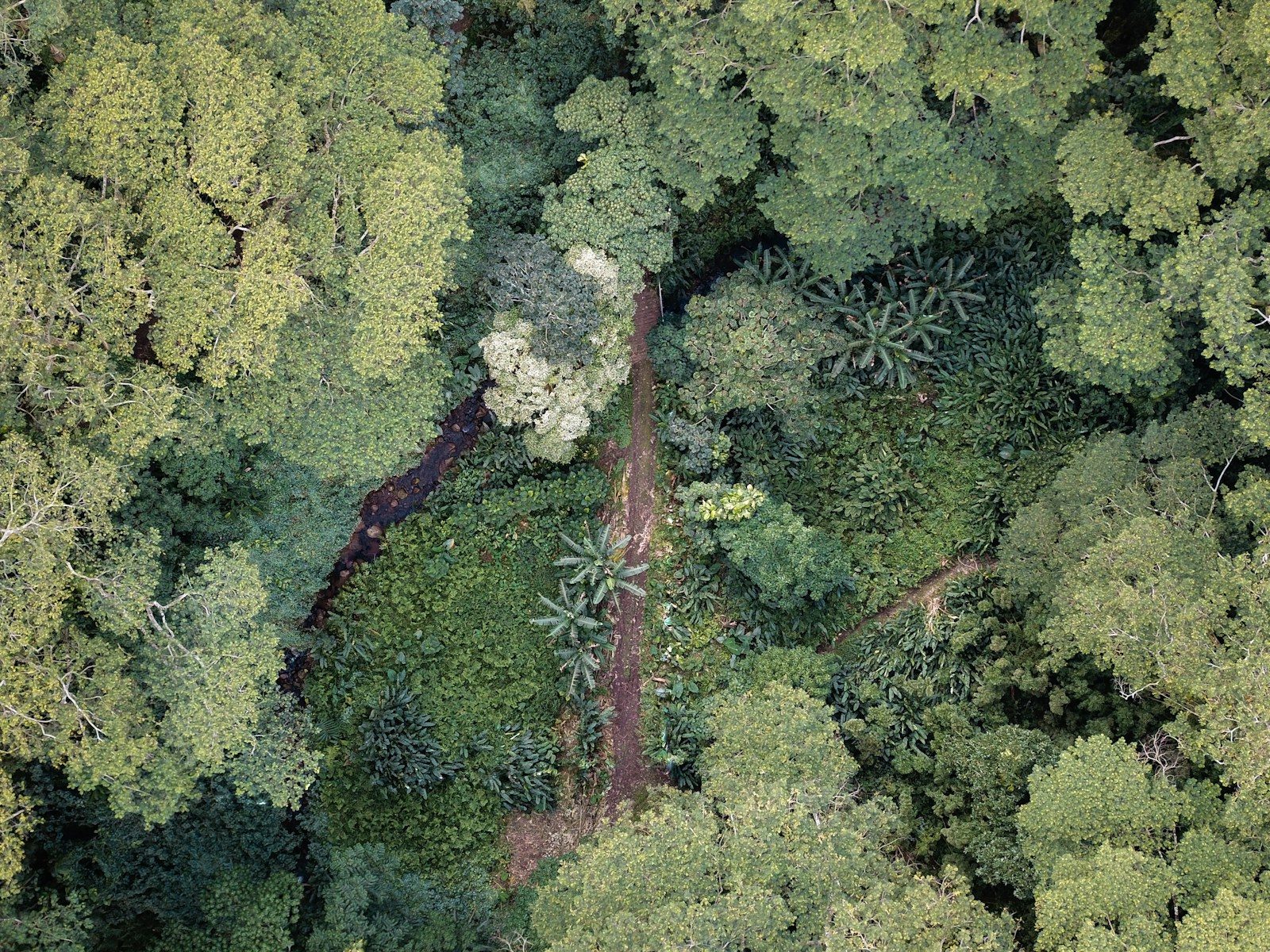
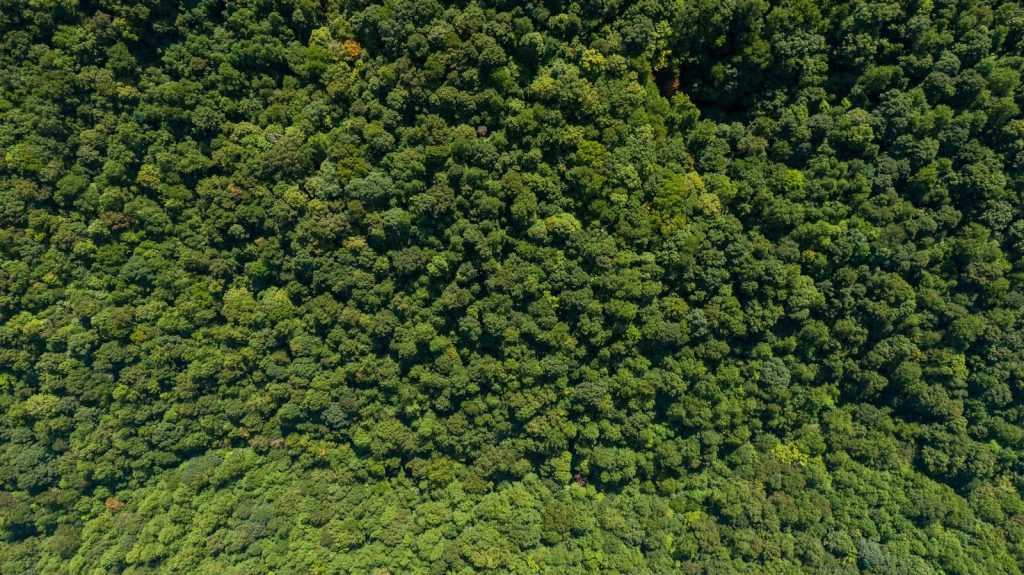
    LiDAR works by firing billions of laser pulses from an airplane or drone. These pulses travel through the gaps in the leaves and bounce off the ground. The computer then filters out all the trees and plants, leaving behind a 3D map of the bare earth. This “digital deforestation” has revealed that the Maya civilization was much larger than we ever dreamed. We are seeing irrigation canals, highways, and the outlines of these secret rooms. It’s like having X-ray vision for the entire planet. But what happens when we actually try to open one of these rooms?

    Inside the Chamber of the Jaguar

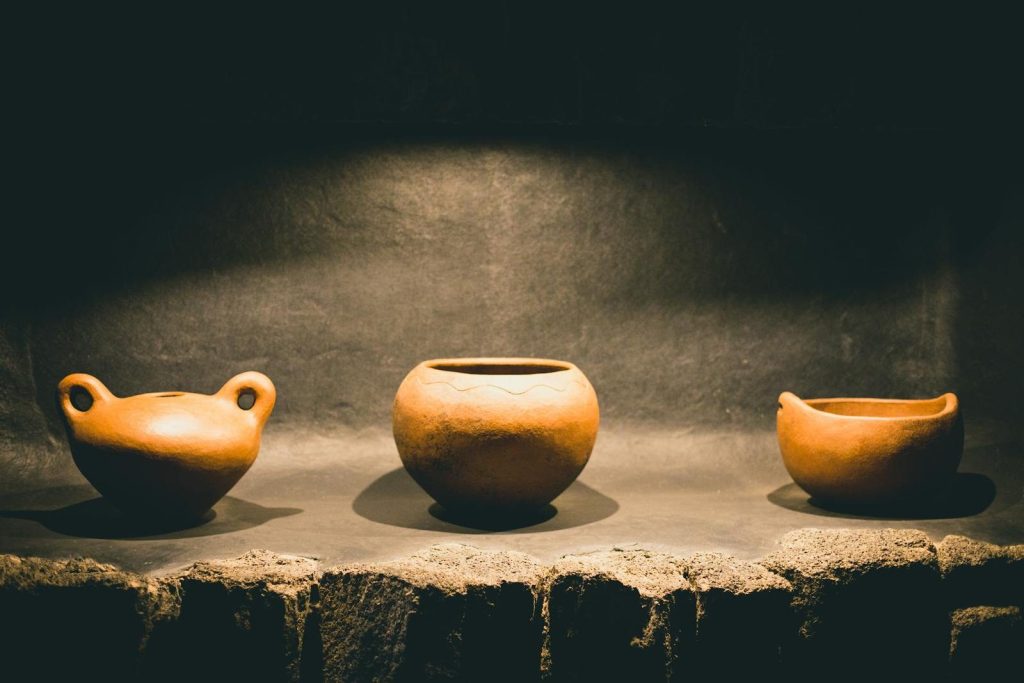
    Elegant handcrafted clay jars presented under spotlight creating a warm, artistic feel.
    Photo by Niall Dennehy on Pexels

    One of the first “secret compartments” to be explored was found in a temple dedicated to the Jaguar. Archaeologists used a tiny robot camera to peek inside a small crack. They found a room filled with perfectly preserved pottery and jade jewelry. This wasn’t a tomb; it was a “time capsule” left by the priests. The room had been intentionally sealed with a heavy stone slab before the city was abandoned. It gives us a rare look at the items the Maya valued most. But these rooms aren’t just for treasure.

    Hidden Rooms for the Royal Guard

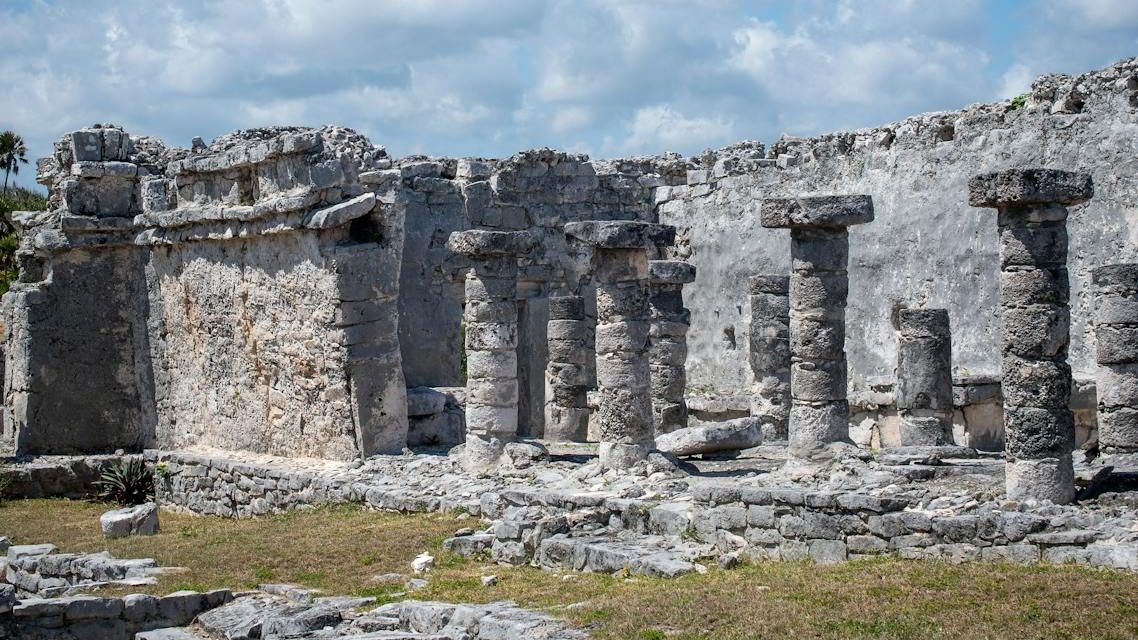
    Explore the ancient Mayan ruins of Tulum under a clear blue sky.
    Photo by Margo Evardson on Pexels

    LiDAR has also found “hidden barracks” built into the walls of Maya fortresses. These narrow compartments could house dozens of soldiers who were ready to ambush any invaders. It suggests that the Maya were much more focused on warfare and defense than we previously thought. Their cities weren’t just religious centers; they were high-tech military bases designed to protect the king. These hidden rooms allowed them to move around the city without ever being seen from the street. But wait until you see the “water rooms” found in the floor.

    The Secret Reservoirs Beneath the City

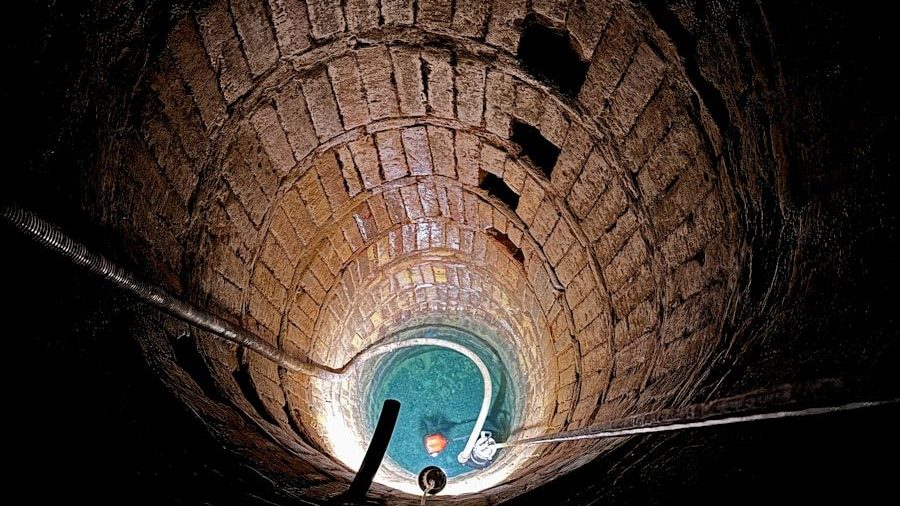
    a man standing in the middle of a tunnel
    Photo by Raymond Setzer on Unsplash

    Survival in the jungle depends on water. LiDAR has revealed massive, hidden water tanks buried beneath the main plazas. These “secret compartments” allowed the cities to survive long droughts that would have killed off their rivals. The engineering used to keep the water clean and cool underground is a masterpiece of ancient technology. Some of these tanks are still full of water today, over a thousand years after the last person left. But the lasers also found something much more disturbing in the mountains.

    The Prison Cells of the Lost Kings

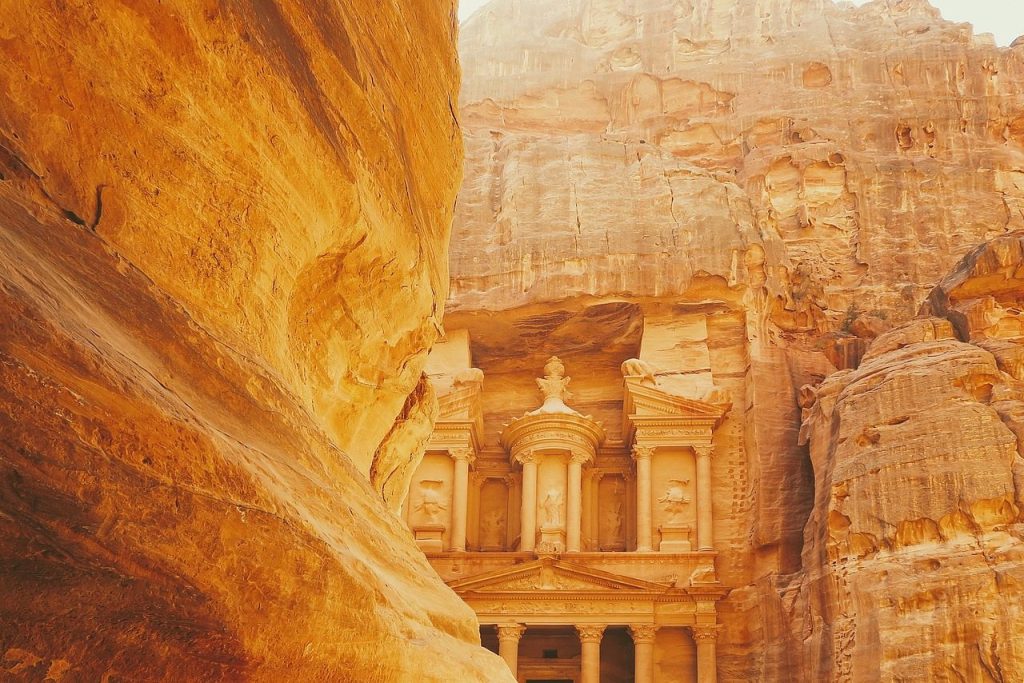
    archaeology, city, petra, jordan, historical site, landscape, petra, petra, petra, petra, petra, jordan, jordan, jordan
    Photo by StockSnap on Pixabay

    In the remote hills, LiDAR identified small, square compartments carved directly into the cliffside. These appear to be high-security prisons where captured enemy lords were kept. The walls are covered in “count-down” scratches and drawings of far-away homes. These rooms are a grim reminder that the Maya world was full of conflict and political drama. They weren’t just building for the gods; they were building to control their enemies. But these secret rooms are also appearing in Europe and Asia.

    LiDAR Finds the “Lost Cities” of Europe

    person in blue jacket walking on brown concrete blocks during daytime
    Photo by Daniel Qura on Unsplash

    It’s not just the jungle. LiDAR is being used to scan the forests of Germany and England. It has found “hidden compartments” in ancient castles and lost Roman roads that were buried under centuries of farmland. We are finding that our ancestors left behind a much more complex “infrastructure” than we thought. Every time we fly a LiDAR drone, we find another room that wasn’t on the map. We are living on a planet that is literally hollow with secrets. But what if the most important room is currently under the ocean?

    Mapping the World’s Hidden Architecture

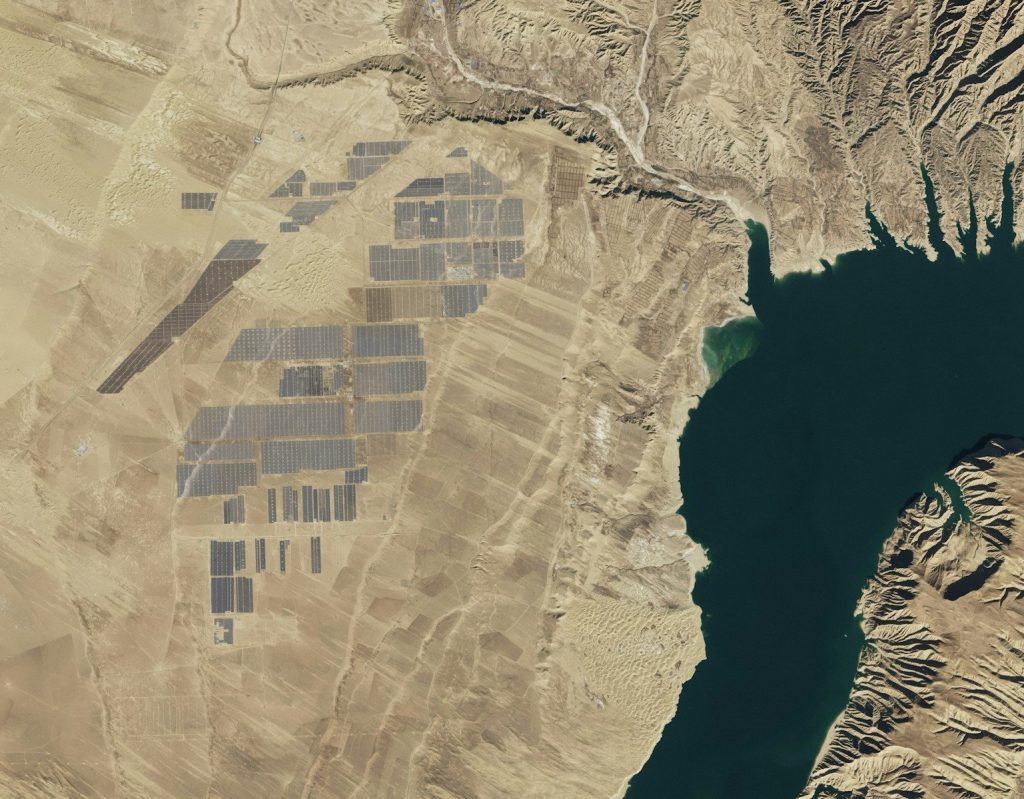
    Aerial view of a large solar farm by a reservoir
    Photo by USGS on Unsplash

    The goal now is to create a “Global LiDAR Map.” Scientists want to scan every square inch of the Earth’s surface to find every hidden room and lost city before they are destroyed by construction or climate change. We are in a race against time to save our digital heritage. Each “secret compartment” we find is a new chapter in the story of humanity. As the lasers continue to fire, we are getting closer to the ultimate truth about our past. But are we ready for what we will find when we open the doors?

    The End of the Hidden Era

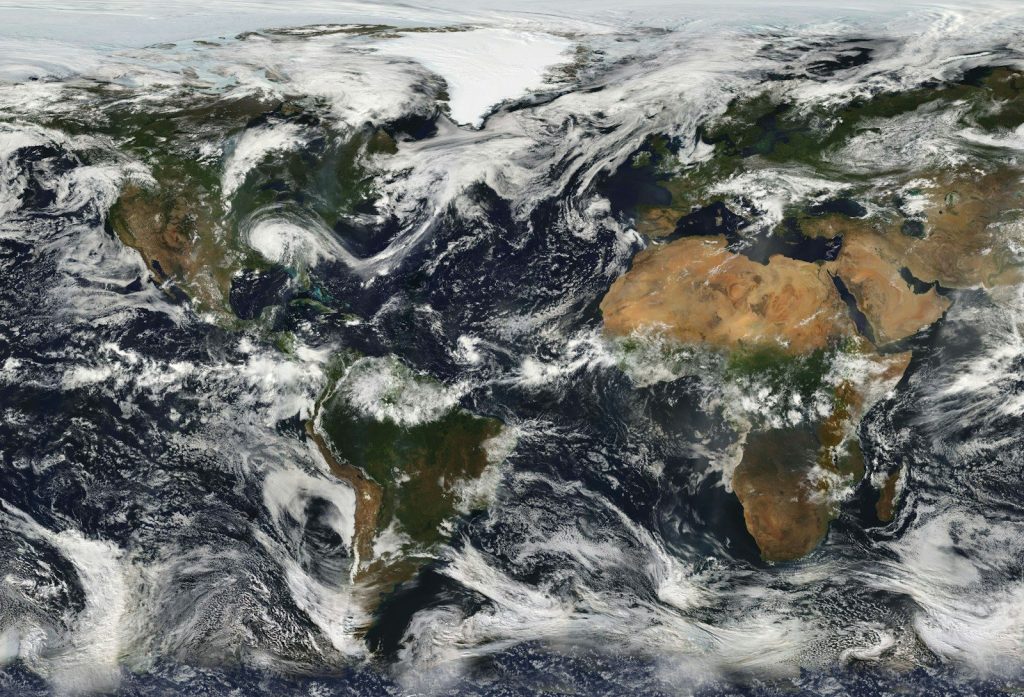
    The continents and oceans with clouds
    Photo by NASA on Unsplash

    The era of “unseen” history is coming to an end. With LiDAR, the world is becoming a transparent book that we are finally learning how to read. These secret compartments are the keys to understanding how our ancestors survived the same challenges we face today. From water storage to military defense, their secrets are now our lessons. Keep your eyes on the ground, because the next big discovery is rising out of the waves. Have you heard about the city that is currently re-emerging from the sea?

    Featured Image: Photo by Michael Olsen on Unsplash

  • The Solomon’s Knot Mystery: The Stunning Ancient Mosaic Just Uncovered Beneath a Bustling Modern City

    The Solomon’s Knot Mystery: The Stunning Ancient Mosaic Just Uncovered Beneath a Bustling Modern City

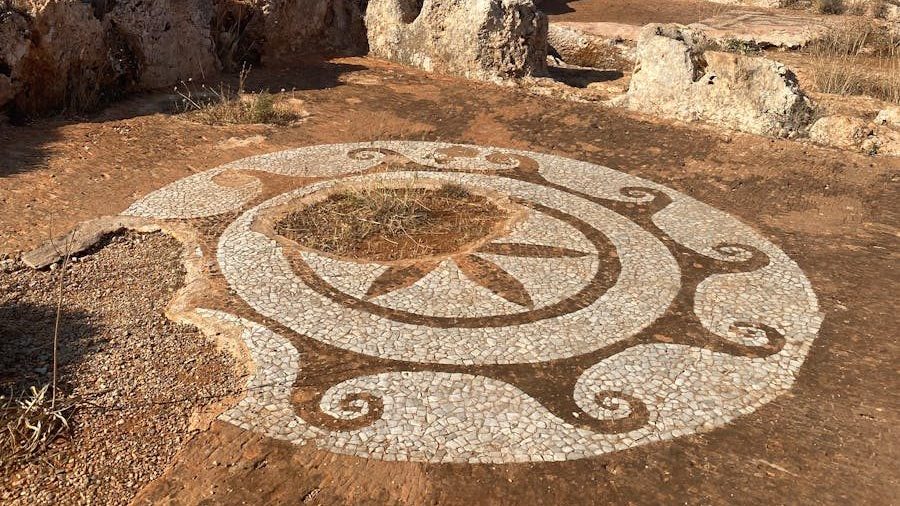
    Every day, thousands of people walk over a secret they never knew existed. In the heart of a bustling European city, a routine construction project for a new subway line has just hit the jackpot. Construction workers digging thirty feet below the pavement stopped their machines when they saw a flash of color in the grey dirt. They had accidentally uncovered a massive, perfectly preserved Roman mosaic floor featuring the legendary “Solomon’s Knot.”

    This geometric pattern, consisting of two interlocking loops, was considered a symbol of eternity and protection in the ancient world. Finding it here, in the middle of a modern shopping district, is a “historical bomb.” The mosaic is over forty feet wide and likely belonged to a luxury villa that was the center of power 1,800 years ago. It is a total transformation of what we know about the city’s origins. But what exactly does this mysterious knot represent?

    The Symbol That Crosses Continents

    Explore the ancient mosaic patterns set against the rugged landscape of Vathia, Greece, under a clear blue sky.
    Photo by Lydia Griva on Pexels

    The Solomon’s Knot isn’t just a pretty design. It is one of the oldest symbols in human history, appearing in cultures from Rome to China. Because the loops have no beginning and no end, they were used as a “spiritual lock” to keep out demons. In this newly discovered villa, the knot was placed at the very center of the dining hall. It was meant to protect the guests while they ate and talked. But who were the people walking on this masterpiece?

    Life in the Underground Villa

    brown plastic bucket near brown concrete building
    Photo by Yaopey Yong on Unsplash

    Archaeologists believe the villa belonged to a high-ranking Roman governor. Along with the mosaic, they have found fragments of painted plaster walls and bronze lamps. The level of luxury is staggering for what was supposed to be a small frontier town. It seems this city was much more important to the Roman Empire than history books ever suggested. The villa was essentially a “smart home” of the ancient world, complete with heated floors. But how did the mosaic stay so bright?

    The Secret of the Roman Stone

    a close up of a mosaic on a wall
    Photo by Adrien Antal on Unsplash

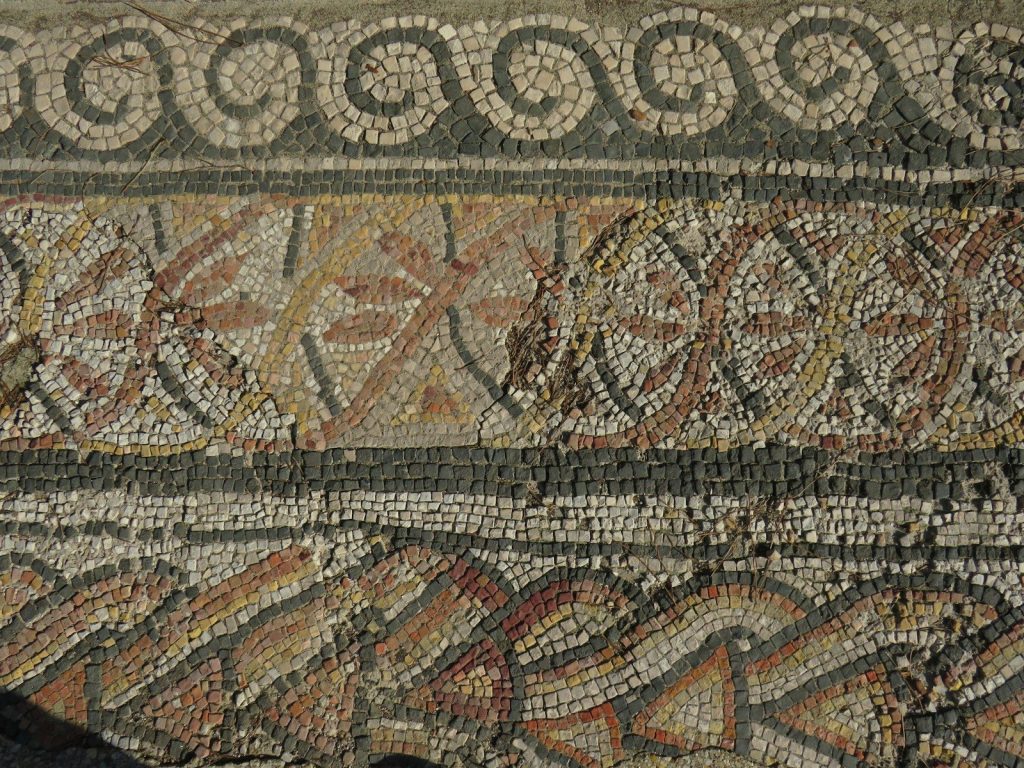
    The mosaic is made of thousands of tiny cubes called “tesserae.” The Roman artists used natural stones like marble, limestone, and even glass to get the colors just right. Because the city was built directly on top of the villa, the layers of asphalt and concrete acted as a protective seal. The moisture was kept out, and the colors never faded. It is a biological miracle that the stones haven’t shifted at all in 1,800 years. But wait until you see what was found hidden under the knot.

    A Hidden Message in the Mortar

    Ancient mosaic with greek inscription and floral pattern
    Photo by Cansu Sarp on Unsplash

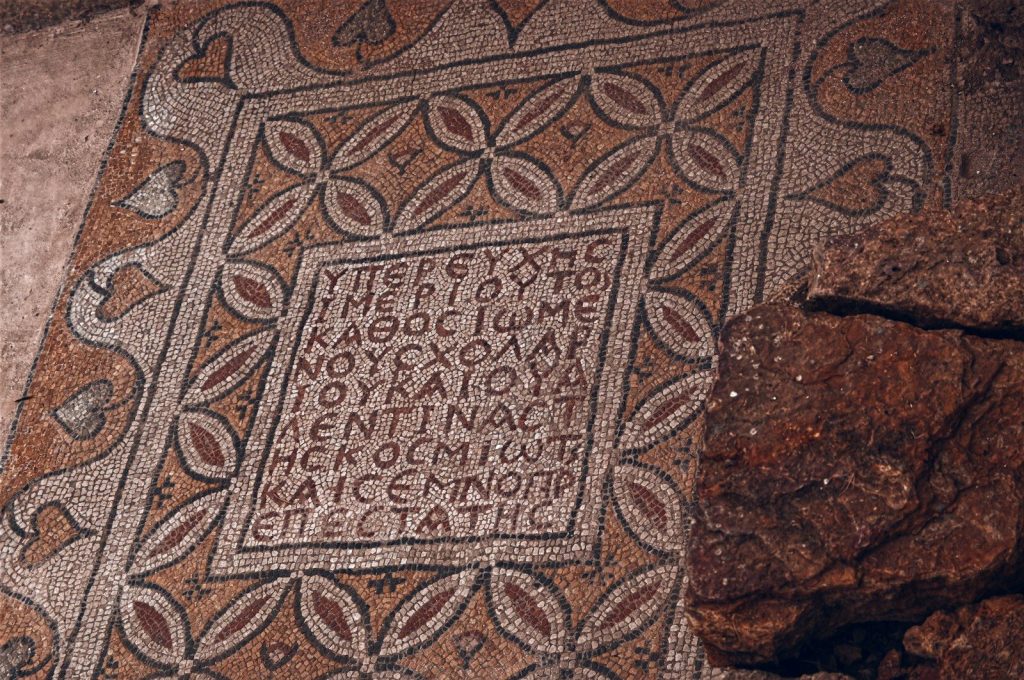
    When researchers lifted a small, loose section of the Solomon’s Knot, they found a surprise. Scratched into the drying mortar underneath was the name of the artist: “Felix.” In the Roman world, mosaic artists were usually anonymous slaves or low-wage workers. For Felix to leave his name suggests he was a “superstar” of his time. This discovery gives a human name to a masterpiece that has been nameless for centuries. But the city’s modern growth is now a major threat.

    The Battle Between Progress and History

    Workers polishing large stone slabs outdoors
    Photo by Annie Spratt on Unsplash

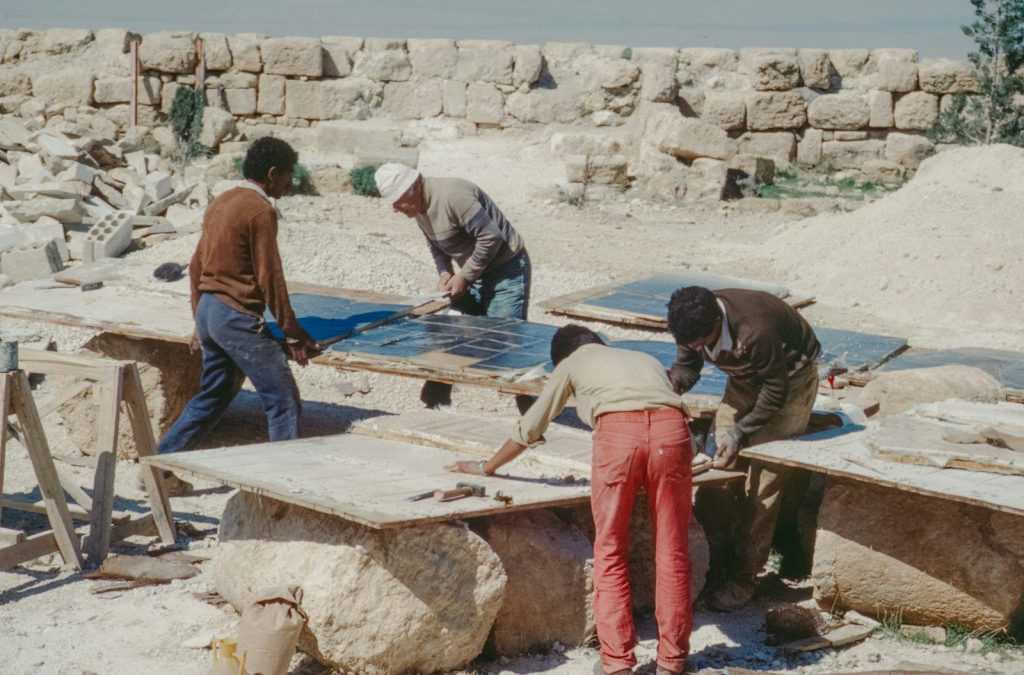
    Now that Solomon’s Knot has been found, the billion-dollar subway project has been put on hold. There is a massive public debate happening right now: should the mosaic be moved to a museum, or should the subway be rerouted to keep the history where it belongs? Moving such a large mosaic is incredibly risky and could shatter the stones. Rerouting the subway would cost millions. It is a high-stakes standoff between the past and the future. But the knot is telling us another secret.

    A Global Network of Knowledge

    eyeglasses, world map, map, map of the world, nickel glasses, glasses, vacations, plan, world map, world map, world map, world map, world map, map, map, map
    Photo by beasternchen on Pixabay

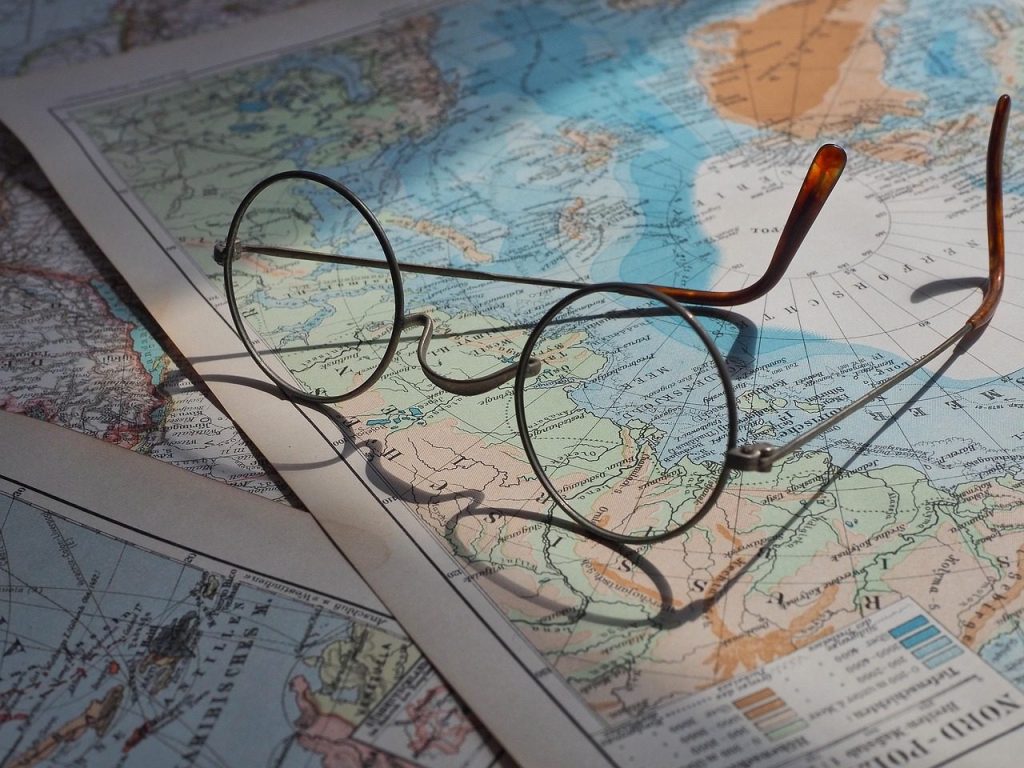
    Finding Solomon’s Knot in this specific city proves that ancient architects were following a “global blueprint.” They were sharing design tips and symbolic meanings across thousands of miles without the internet. It shows a level of “intellectual trade” that we are only just beginning to map. The knot is a reminder that humans have always been connected. But while these Romans were building cities, they were still doing something very “primitive.”

    The Final Verdict on the City’s Roots

    Explore the excavated ancient site of Çatalhöyük in Çumra, Konya, Türkiye, showcasing remarkable ruins.
    Photo by Talha Aytan on Pexels

    The Solomon’s Knot discovery is a wake-up call for modern urban planners. It reminds us that we are just the latest layer in a long story. As we continue to dig, we are finding that our ancestors were much more like us than we thought. They loved beauty, security, and luxury. The mystery of the knot is finally opening up, but are you ready to hear why the arrival of farming didn’t stop people from fishing?

    The Puzzle is Just Beginning

    a painting on the side of a building
    Photo by Casey Lovegrove on Unsplash

    We have only uncovered about 20% of the villa. There is so much more to find beneath the city streets. Every time a bulldozer hits the ground, we might be seconds away from the next world-changing discovery. The Solomon’s Knot was just the first piece of the puzzle. Keep your eyes on the dirt, because the history books are being rewritten in real-time. But why did our ancestors keep their fishing poles even after they learned to farm?

    Featured Image: Photo by David Klein on Unsplash

  • What Eerie Relics Are Hiding Inside the Newly Discovered 2,300-Year-Old Scythian Tomb?

    What Eerie Relics Are Hiding Inside the Newly Discovered 2,300-Year-Old Scythian Tomb?

    Deep in the Altai Mountains of Siberia, a team of archaeologists has just cracked open a portal to a forgotten world. They have discovered a massive, undisturbed tomb belonging to the Scythians—the legendary nomadic warriors who terrified the ancient Greeks. Because the tomb was built into a permafrost zone, it has acted as a giant natural refrigerator for over 2,300 years. This isn’t just a site of old bones; it is a time capsule of “eerie” perfection.

    Inside, researchers found the mummified remains of royalty, still wearing their clothes and covered in intricate tattoos that look like they were inked yesterday. The Scythians were known for their love of gold and their brutal rituals, and this tomb contains both in shocking amounts. From gold-plated horses to masks made of human skin, the relics are a grim reminder of a culture that lived and died by the sword. But how did these items stay so perfect for two millennia?

    The Secret of the Frozen Mound

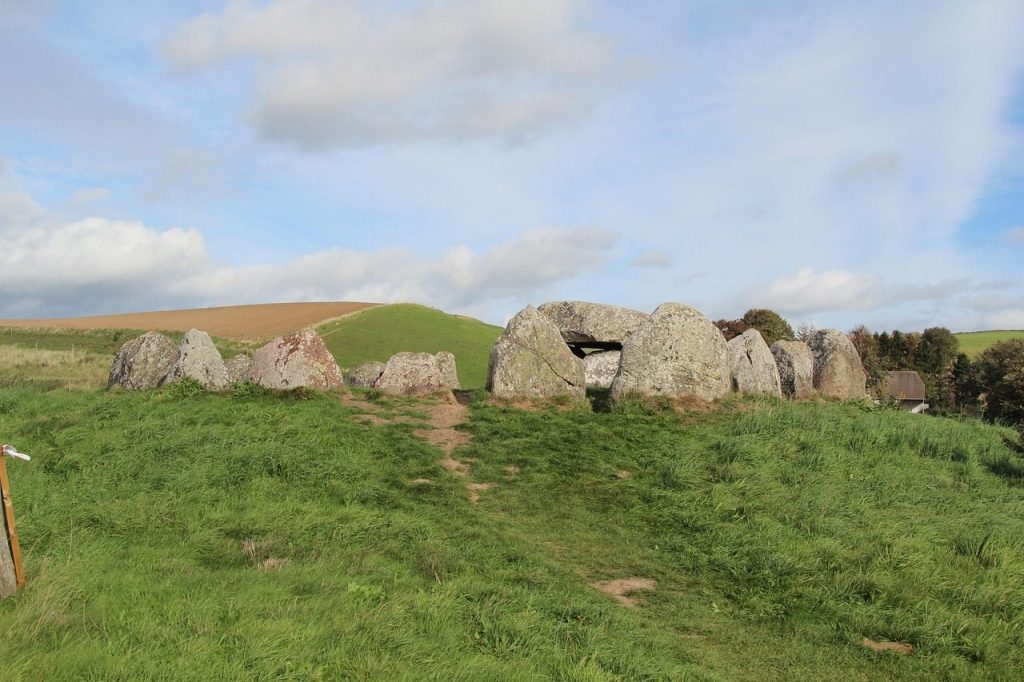
    archaeology, burial mound, hill, stonehenge, stones, building, burial mounds, great stone grave, ditch, place of worship, sightseeing, tomb, boulders, pillars, burial mound, stonehenge, stonehenge, stonehenge, tomb, tomb, tomb, tomb, tomb
    Photo by gerwitt on Pixabay

    The Scythians built their tombs, called “Kurgans,” by stacking stones over a wooden burial chamber. In the Altai region, rainwater would seep into the stones and freeze. This created a permanent block of ice inside the tomb that never melted, even in summer. This “frozen shield” prevented bacteria from breaking down organic materials. We are finding leather, wood, and silk that are as strong as the day they were buried. But the most disturbing find was the skin.

    Tattoos of the Ancient Dead

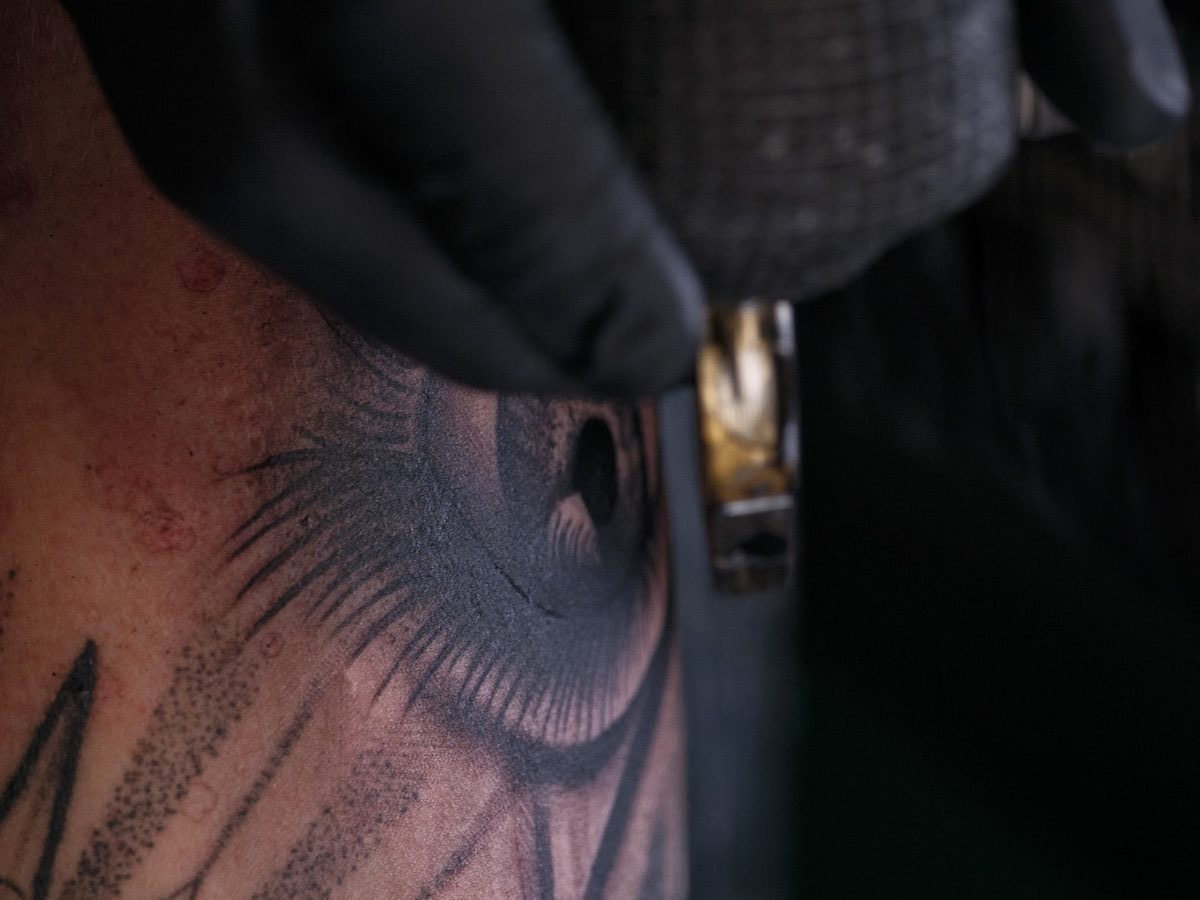
    Tattoo artist working on eye design
    Photo by Haberdoedas on Unsplash

    One of the mummies in the tomb is a high-ranking warrior whose entire body is covered in complex tattoos. The designs feature mythical creatures like griffins and “monstrous” deer with flowering antlers. For the Scythians, these tattoos weren’t just art; they were a map of the warrior’s life and rank. The ink has stayed so clear that scientists can actually see individual needle marks. But wait until you see the gold-covered companions that were found next to him.

    Horses Built for the Afterlife

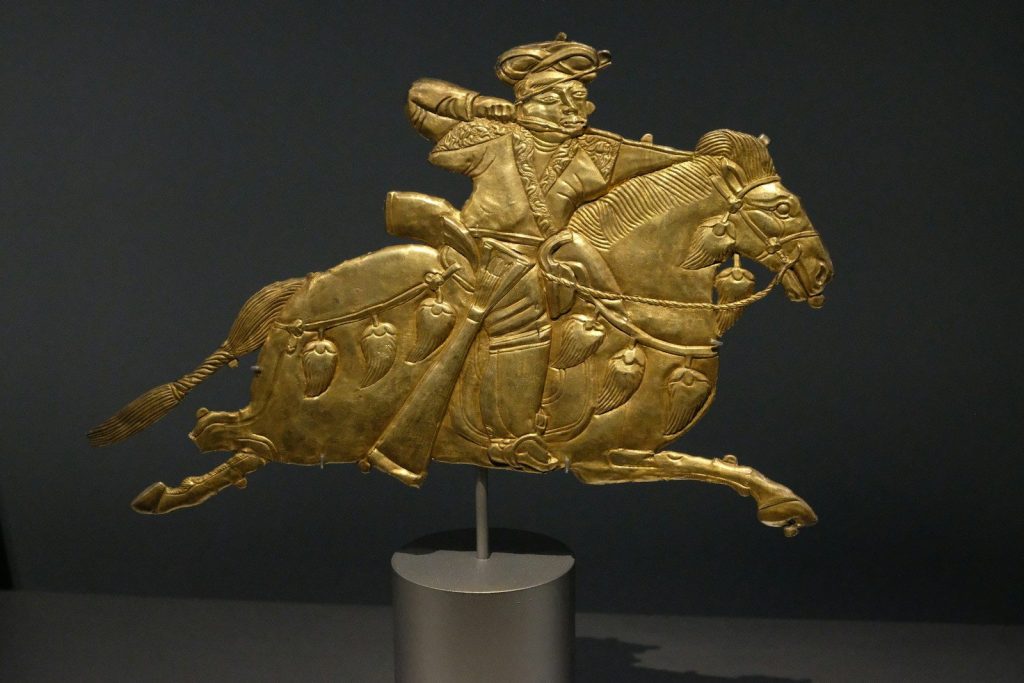
    a gold statue of a man riding a horse
    Photo by Jay Kettle-Williams on Unsplash

    The Scythians believed that a warrior needed his horses in the next world. In this tomb, eighteen horses were found sacrificed and placed in a circle around the main chamber. Each horse was wearing a “costume” made of gold and silver. Some wore masks that turned them into dragons or reindeer. These weren’t just work animals; they were spiritual guides designed to fly the king to the stars. But the humans weren’t the only ones wearing masks.

    The Eerie Face of the Shaman

    Eerie figure with mask and red candle in a haunting forest setting.
    Photo by Dmitry Demidov on Pexels

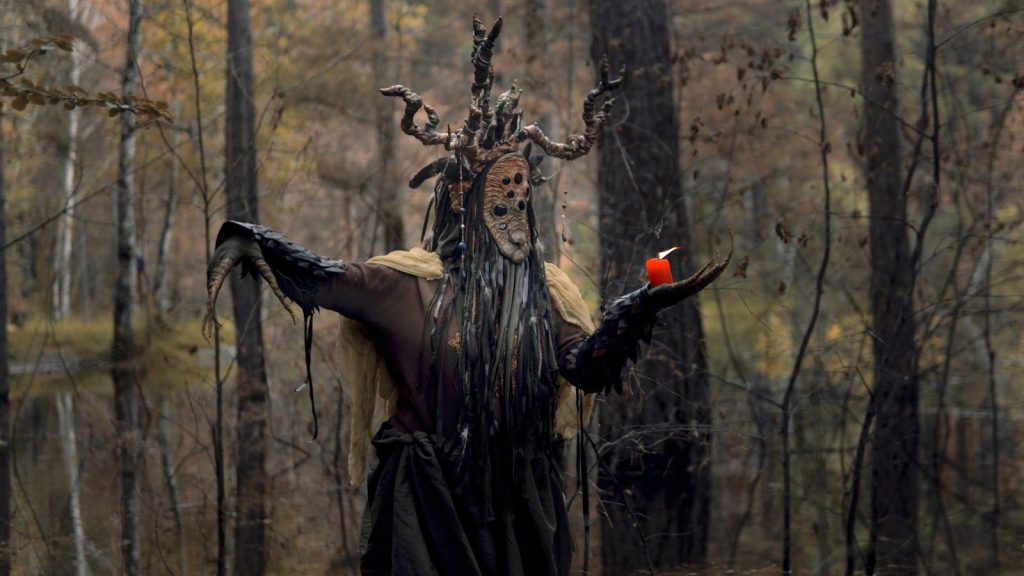
    In a smaller side chamber, researchers found a set of masks made from processed leather and real human hair. These were likely used by shamans during the burial ceremony. The Scythians were famous for using hemp and “magic” herbs to enter trances before talking to the dead. The masks have a terrifying, frozen expression that was meant to scare away evil spirits. It is a level of ritualism that feels like it belongs in a movie. But why did they need so much gold?

    A King’s Ransom in Gold

    bells, shop, display, decoration, gold, bells, bells, bells, gold, gold, gold, gold, gold
    Photo by SwastikArora on Pixabay

    The tomb is packed with hundreds of small gold plaques that were once sewn onto the royal clothing. These plaques depict scenes of lions attacking stags and warriors in battle. The Scythians were master goldsmiths, but they had no permanent cities. They carried their entire bank account on their backs. Finding this much gold in one spot is a miracle, as most Scythian tombs were looted centuries ago. But there is a hidden danger in the tomb that still works.

    Weapons Still Sharp Enough to Kill

    arrows on organizer near trees
    Photo by Marija Zaric on Unsplash

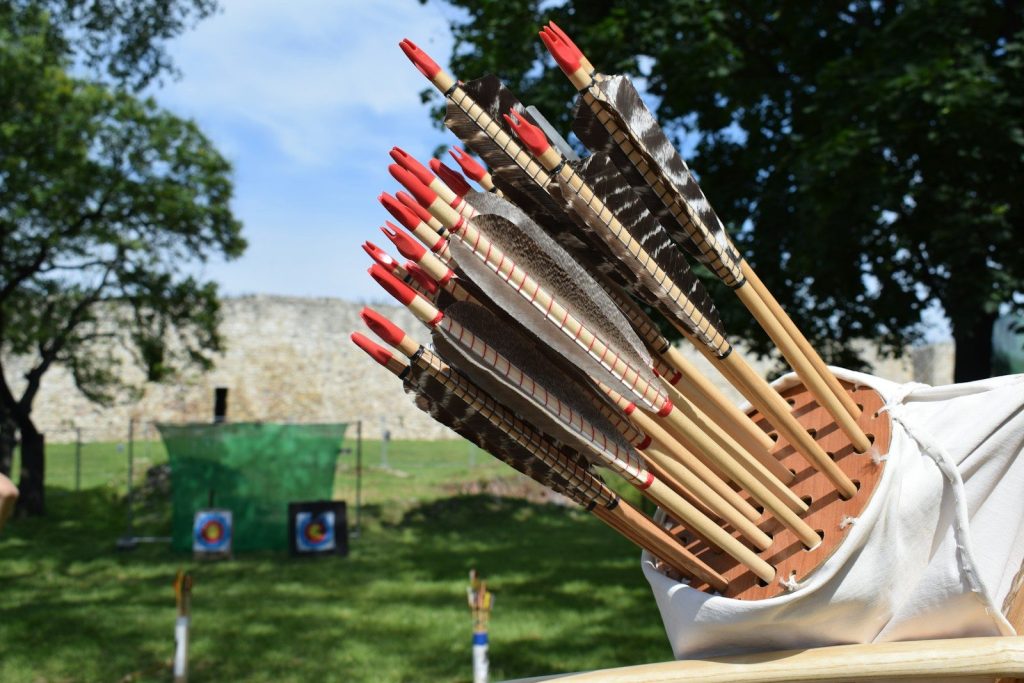
    The researchers also found a “Gorytos,” which is a combined bow-case and quiver, still full of arrows. The tips of these arrows are coated in a dark, sticky substance. In the ancient world, Scythian archers were famous for using “deadly venom” made from snake blood and rotted human remains. Even after 2,300 years, the residue is being handled with extreme caution. The warriors are still guarding their king. But wait until you see the secret message hidden in the “Knot” found under a modern city.

    The Future of the Scythian Legacy

    a painting of a cross on a black background
    Photo by Karsten Klemme on Unsplash

    The excavation of this frozen Kurgan will take another five years. Scientists are using 3D scanners to map the mummies’ internal organs before the ice melts. Every relic tells a story of a culture that was both beautiful and terrifying. We are finally learning the truth about the “ghosts of the steppe.” But while we dig in the mountains, a construction crew in a busy city just hit a “Solomon’s Knot” that has been waiting to be solved.

    Featured Image: Photo by Europeana on Unsplash

  • The Desert Find: How an 8-Year-Old Boy Stumbled Upon a 1,700-Year-Old Roman God

    The Desert Find: How an 8-Year-Old Boy Stumbled Upon a 1,700-Year-Old Roman God

    A typical afternoon walk in the desert just turned into a historical sensation. An 8-year-old boy playing near his home has made the discovery of a lifetime. While exploring a dry riverbed, he spotted a smooth, white stone that looked out of place among the jagged rocks. After brushing away the dust, he realized he was looking at a face staring back at him from the dirt. He had found a perfectly preserved marble head of a Roman god, dating back over 1,700 years.

    Archaeologists were called to the scene immediately and were stunned by the quality of the carving. This isn’t just a fragment; it is a high-status piece of art that suggests a much larger, hidden complex might be buried right beneath the sand. The boy’s sharp eyes have opened a new chapter in local history that experts didn’t even know existed. But the real mystery is why this specific god was found so far from any known Roman city. Wait until you see which deity it actually represents.

    A Face Frozen in Time

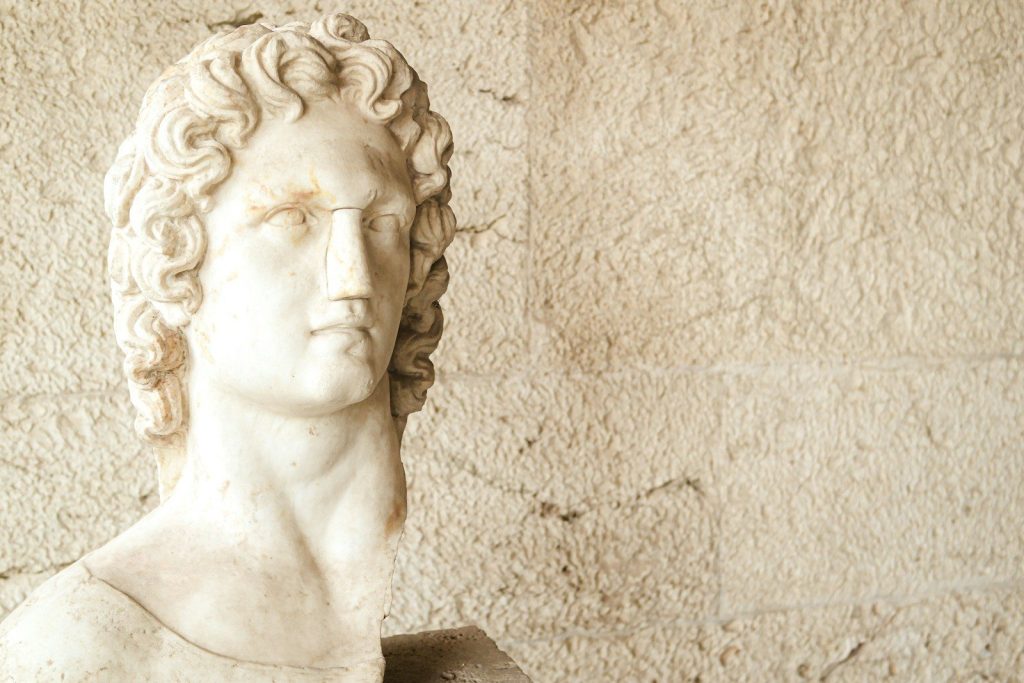
    a statue of a man with curly hair
    Photo by Tucker Monticelli on Unsplash

    The statue head is made of fine Mediterranean marble, a material that had to be imported from thousands of miles away. It depicts a young man with curly hair and a crown of laurel leaves. Experts believe it represents Apollo, the god of light and music. The craftsmanship is so detailed that you can still see the pupils of the eyes and the texture of the hair. It is a masterpiece that has survived centuries of erosion and war. But how did it end up in a remote desert wash?

    The Secret of the Ancient Villa

    man in blue jacket and blue denim jeans sitting on blue truck
    Photo by NOAA on Unsplash

    Shortly after the boy found the head, ground-penetrating radar revealed something massive. Just a few feet below the surface where he was playing lies the foundation of a sprawling Roman villa. It appears that a wealthy official once lived in this remote outpost, bringing his expensive art and luxury lifestyle with him. The villa features at least twelve rooms and traces of a private bathhouse. But the researchers found something even more valuable than marble in the next room.

    Gold Coins in the Dust

    a pile of coins sitting on top of a white table
    Photo by Barry A on Unsplash

    Inside what was likely the villa’s treasury, archaeologists discovered a hoard of gold coins. These coins date to the reign of Emperor Diocletian, which helps pinpoint exactly when the villa was abandoned. The coins are in “mint” condition, meaning they hadn’t circulated much before they were buried. It looks like the owner left in a great hurry, leaving their fortune behind. The question is, what were they running from?

    A Sudden Escape from Danger

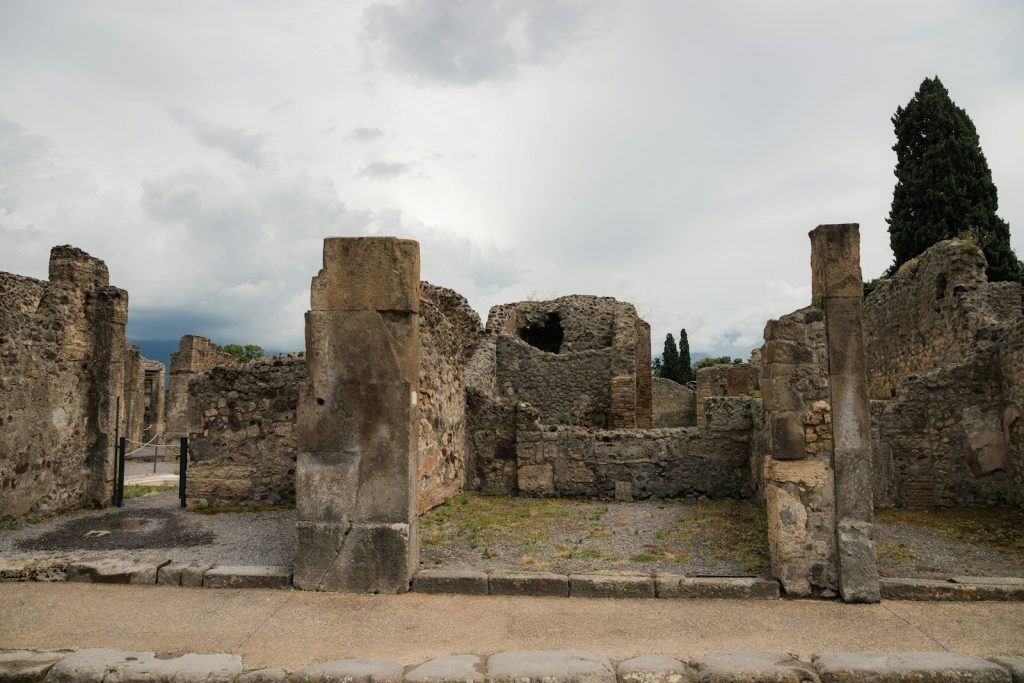
    the ruins of the ancient city of pompei
    Photo by Jovan Vasiljević on Unsplash

    Evidence of charring on the walls suggests the villa was attacked. Around 300 AD, the Roman borders were becoming unstable, and nomadic tribes were frequenting the area. The high-status owner likely fled the moment the first signal fires appeared on the horizon. They grabbed what they could, but the heavy marble statue of Apollo was left to fall into the dirt. But wait until you see the “protection” the owner left at the front door.

    The Guardian of the Threshold

    brown and beige wall art
    Photo by Bernardo Ferrari on Unsplash

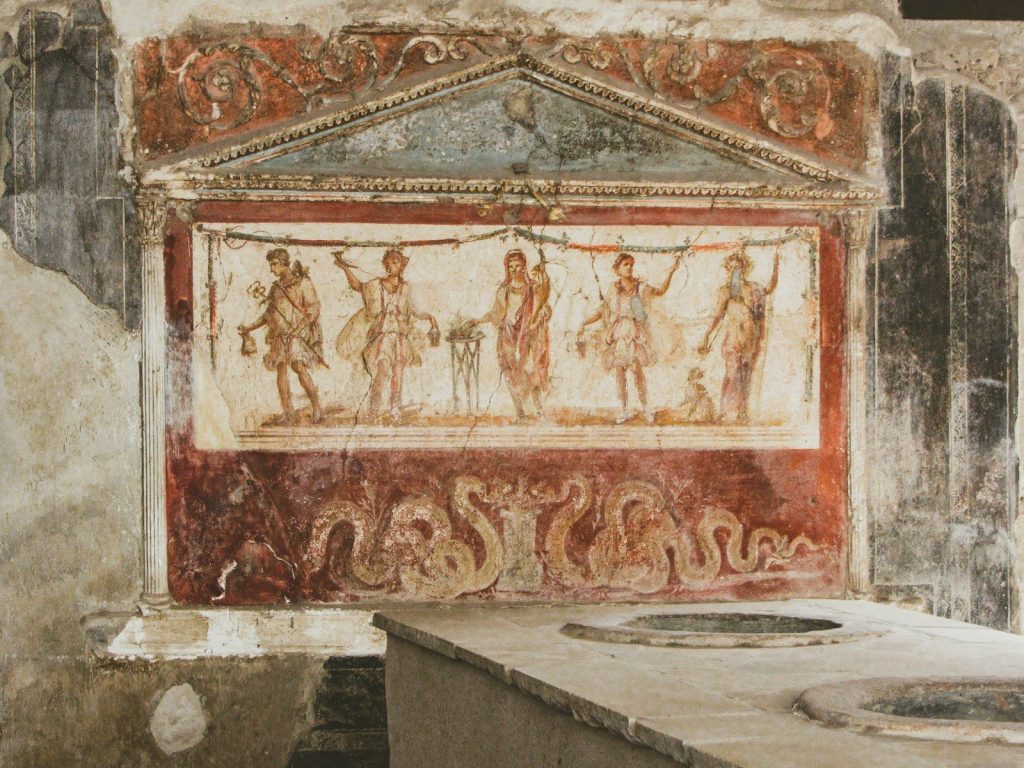
    At the entrance of the villa, a stunning mosaic floor was uncovered. It depicts a guard dog with the Latin words “Cave Canem” (Beware of the Dog). Even in the middle of the desert, Roman citizens were obsessed with security and style. The colors of the stones are still vibrant after being shielded from the sun for 1,700 years. This discovery shows that the desert was once a place of high fashion and international trade. But what happened to the boy who found it all?

    From Playtime to National Hero

    man writing on paper
    Photo by Senshiro Sama on Unsplash

    The 8-year-old discoverer is now a local celebrity. The government has awarded him a certificate of honor for his “archaeological intuition.” He says he wants to be a historian when he grows up, but for now, he’s just happy his “weird stone” turned out to be a god. The site is now a protected national monument, and digging will continue for years. But while the Romans were building villas, another culture was changing the world on horseback.

    The Legacy of the Find

    Rocky desert landscape under a clear blue sky
    Photo by Francesca Fabian on Unsplash

    The discovery of the Roman god has changed how we view the ancient frontier. It proves that Roman influence was much wider and more permanent than we previously thought. Every artifact pulled from the dirt tells a story of survival and ambition. The desert still holds thousands of secrets, and this 8-year-old just proved that anyone can find them. But are you ready for the new proof that says our history books have the dates of horse riding all wrong?

    Featured Image: Photo by Azzedine Rouichi on Unsplash

  • These New Scans Reveal A Deadly Secret Beneath The Pacific Ocean

    These New Scans Reveal A Deadly Secret Beneath The Pacific Ocean

    The Pacific Ocean hides some of the most violent forces on Earth. For decades, scientists have monitored the “Ring of Fire,” but our maps of the seafloor have always been blurry and incomplete. That has just changed. A new fleet of high-tech sonar drones has just completed the most detailed scan of the Cascadia Subduction Zone in history. This fault line, which runs from Canada down to Northern California, is a “silent giant” that hasn’t had a major eruption in over 300 years.

    The new scans have revealed something frightening. The fault line is not a single smooth line, as we once thought. It is a rough, high-pressure “megathrust” zone that is currently locked tight. The images show massive amounts of stress building up in areas that were previously invisible to our sensors. This isn’t just an academic discovery. It is a warning that the “Big One” could be much more powerful than anyone predicted. How can a sound wave show us the future of a disaster?

    The New Technology That Can See Through Rock

    A dark room with a blue light coming from the ceiling
    Photo by Алекс Арцибашев on Unsplash

    In the past, we mapped the ocean floor using ships that stayed on the surface. This was like trying to map a city from a plane flying through thick fog. The new sonar drones dive deep, hovering just a few feet above the tectonic plates. They use “multi-beam” sound waves to create a 3D model of the Earth’s crust with centimeter-level precision.

    These scans can see through layers of sediment to the solid rock underneath. What they found was a series of “hidden” fractures that have never been mapped before. These fractures act like zippers that could unzip all at once during a quake. But why is this fault line different from the famous San Andreas?

    Why This Fault Line Is A Sleeping Giant

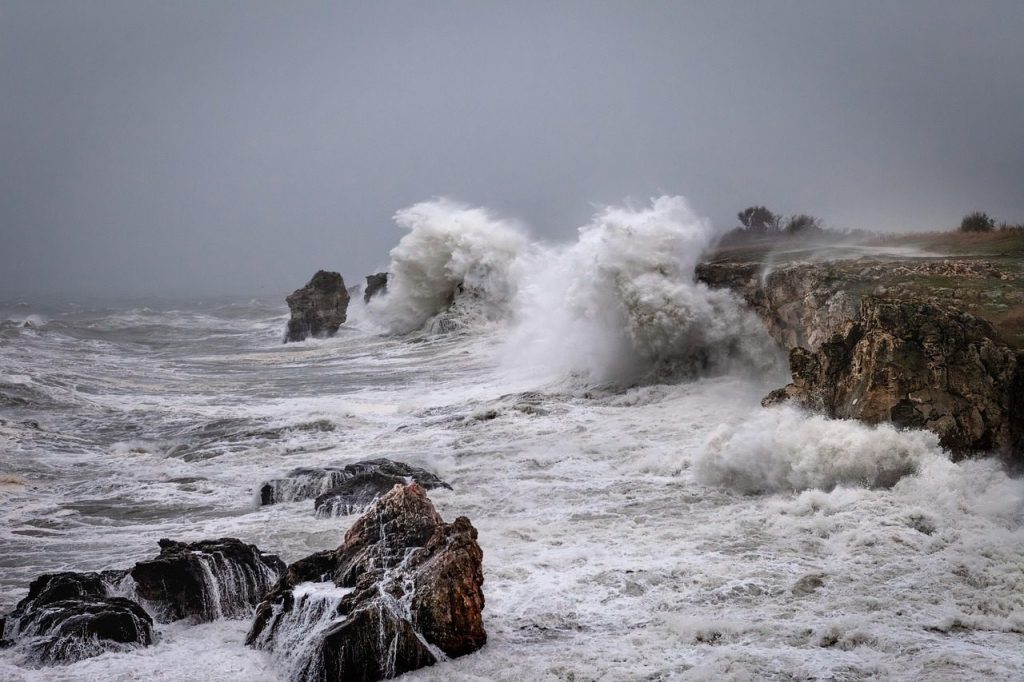
    big waves, storm, coast, nature, water, rocks, land, seascape, sea, ocean, storm, storm, storm, storm, storm, sea, sea, ocean
    Photo by AlKalenski on Pixabay

    The San Andreas fault in California is a “transform” fault, where plates slide past each other. It causes a lot of damage, but it rarely triggers tsunamis. The Cascadia fault is a “subduction” zone, where one plate is being forced under another. This builds up a massive amount of vertical energy.

    When it finally snaps, the seafloor will jump up by as much as 30 feet. The new scans show that the plates are “bulging” upward, like a spring being compressed. We are currently living in the longest period of silence this fault has seen in 10,000 years. This silence isn’t a good sign—it means the tension is reaching a breaking point.

    The Terrifying Discovery Of The “Locked” Zones

    A crack in a rock with a tree branch sticking out of it
    Photo by Zoshua Colah on Unsplash

    The most concerning part of the scan is the “locked” zones. These are areas where the plates are so rough that they can’t slide at all. They are completely stuck. The drones detected “micro-tremors” happening all around these zones, which is a sign that the surrounding rock is starting to crack.

    If these locked zones break simultaneously, the resulting earthquake would be a Magnitude 9.0 or higher. That is 30 times more powerful than the earthquake that destroyed San Francisco in 1906. The scans show that the largest locked zone is positioned directly off the coast of major cities. What happens when the ground starts to move?

    A Tsunami That Could Reach The Other Side Of The World

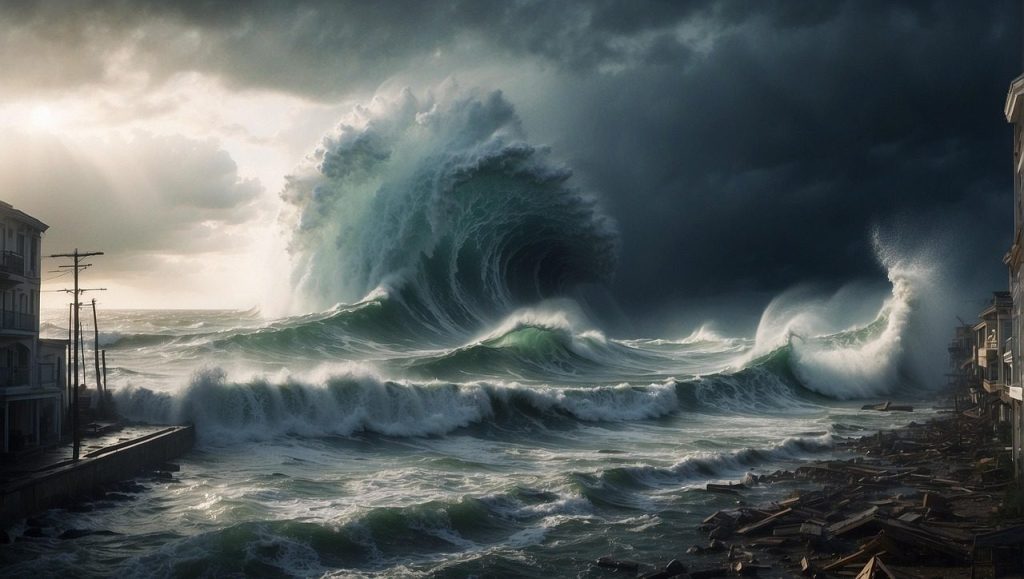
    ai generated, tsunami, sea, wave, destruction, nature, ai generated, ai generated, ai generated, ai generated, ai generated, tsunami, tsunami, wave
    Photo by alfaunicorn81 on Pixabay

    The new models suggest that a Cascadia quake would send a wall of water across the entire Pacific. While the West Coast would be hit within 15 minutes, the wave would reach Japan and Hawaii a few hours later. The scans help us see the exact shape of the seafloor, which tells us which way the water will move.

    By knowing the “path of the wave,” we can create better evacuation maps. However, the scans also show that some coastal areas are “sinking” as the fault pushes them down. This means the tsunami will reach much further inland than we previously thought. Are we prepared for a wave that spans an entire ocean?

    The “Silent Quakes” That Give Us Hope

    stock, trading, monitor, business, finance, exchange, investment, market, trade, data, graph, economy, financial, currency, chart, information, technology, profit, forex, rate, foreign exchange, analysis, statistic, funds, digital, sell, earning, display, blue, accounting, index, management, black and white, monochrome, stock, stock, stock, trading, trading, trading, trading, trading, business, business, business, finance, finance, finance, finance, investment, investment, market, data, data, data, graph, economy, economy, economy, financial, technology, forex
    Photo by 3844328 on Pixabay

    It’s not all bad news. The drones also discovered “Slow Slip Events.” These are tiny earthquakes that happen over several weeks instead of seconds. They are too small for humans to feel, but the drones can hear them. These silent quakes release a little bit of the pressure without causing damage.

    Scientists are now trying to figure out if we can trigger more of these “slow slips” to prevent a major disaster. If we can find a way to lubricate the fault line, we might be able to “bleed off” the energy. But the technology to do that doesn’t exist yet. For now, the best we can do is watch and wait.

    Why This Scan Is A Game Changer For Homeowners

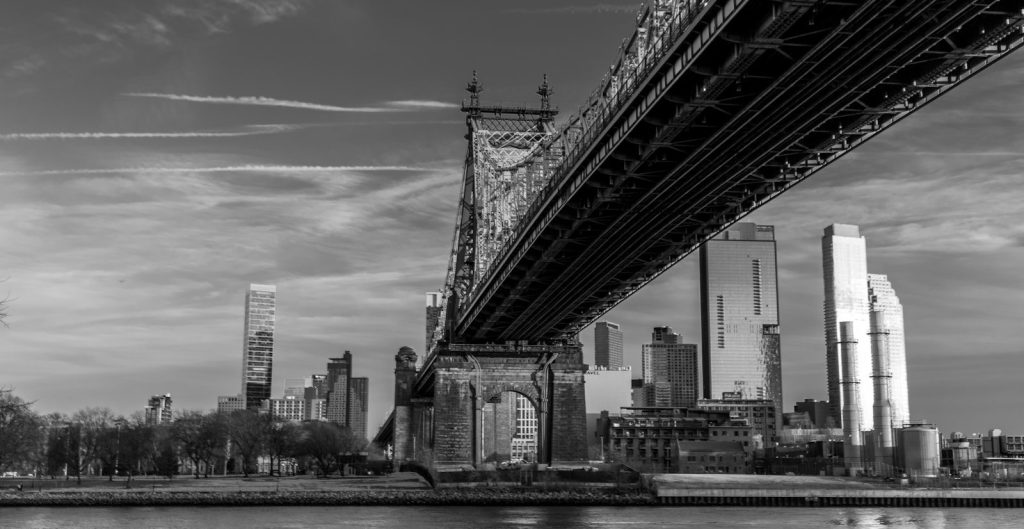
    Underneath a large bridge with city skyline beyond
    Photo by Zoshua Colah on Unsplash

    If you live anywhere near the Pacific Northwest, these scans are about to change your life. Insurance companies and city planners are already using this data to rewrite building codes. We now know exactly which neighborhoods are built on “liquefaction” zones—areas where the ground will turn into liquid during a quake.

    While it might be scary to find out your house is in a danger zone, this information will save lives. It allows people to retrofit their homes and cities to strengthen their bridges. Knowledge is the only defense we have against the earth’s raw power. But how much time do we have left?

    The Final Countdown To The Big One

    coffee, coffee grinder, cup, clock, coffee cup, time, dark, alarm clock
    Photo by RuslanSikunov on Pixabay

    The data from the scans suggest we are in the “window of occurrence.” Geologically speaking, this fault line is overdue. Every day that passes without a quake is another day that the pressure builds. The researchers are now deploying more drones to monitor the “locked” zones in real-time.

    We are entering an era of “predictive seismology.” We might soon be able to give a 24-hour warning before the ground starts to shake. Until then, the golden rule remains: be prepared. The ocean has revealed its secret, and now it’s up to us to listen.

    Featured Image: Photo by USGS on Unsplash

  • Did This Massive Asteroid Impact Actually Create Our Oldest Epic Poems?

    Did This Massive Asteroid Impact Actually Create Our Oldest Epic Poems?

    For centuries, historians believed that ancient epic poems like the Iliad and the Epic of Gilgamesh were purely the work of human imagination. They were seen as stories of gods and monsters used to explain the world. But a group of geologists and archaeologists has just presented a theory that is turning history on its head. They have found evidence of a massive asteroid impact that occurred exactly when these oral traditions were starting to form. This wasn’t just a small meteor shower. It was a world-altering event that turned the sky black and caused massive tsunamis.

    The researchers argue that the “wrath of the gods” described in these poems was actually a literal description of a space rock hitting the Earth. The fire from the sky, the shaking of the mountains, and the floods that wiped out cities were not myths; they were eyewitness accounts. This discovery suggests that our greatest literature is, in fact, a hidden record of a stellar catastrophe. But how did they link a hole in the ground with a poem written thousands of years ago?

    A Fire In The Sky That Changed Human History

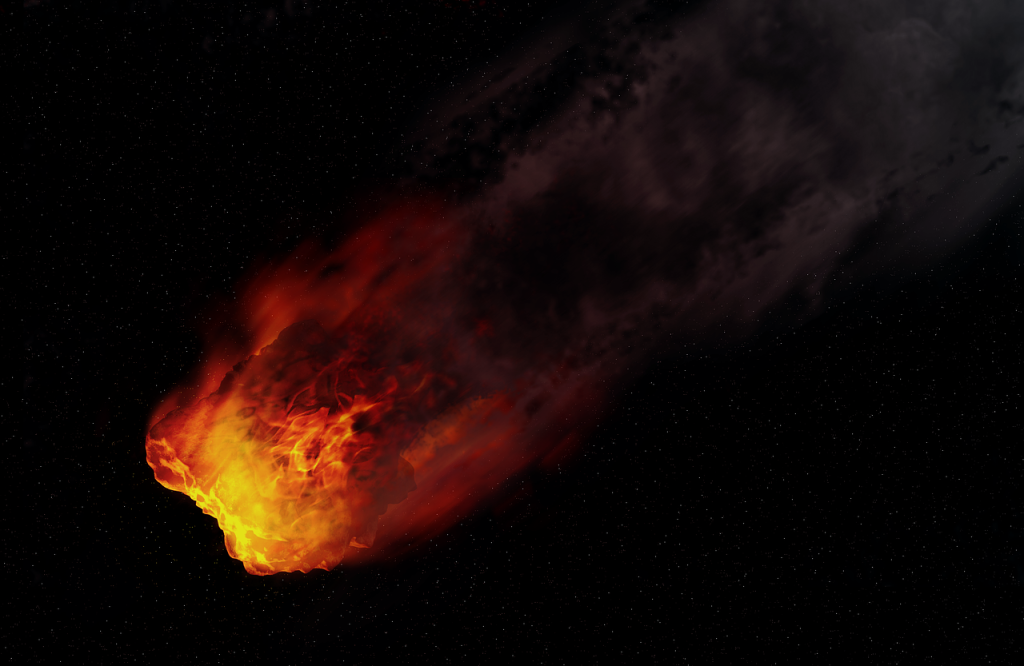
    meteor, asteroid, space, disaster, comet, astronomy, meteorite, universe, star, galaxy, falling, night sky, cosmos, sky, science, night, shooting, trail, bright, nature, tail, glow, starry, glowing, effect, earth, fire, smoke, armageddon, planet, globe, worldwide, catastrophic, impact, rock, black sky, black earth, black fire, black science, black stars, black galaxy, black night, black smoke, black universe, black globe, black rock, black natural, black planet
    Photo by AlexAntropov86 on Pixabay

    About 4,000 years ago, something bright appeared in the sky over the Middle East. According to the new data, an asteroid roughly the size of a football stadium slammed into the Earth’s atmosphere. It exploded with the force of hundreds of nuclear bombs. To the people living below, it would have looked like the sun had fallen from the heavens.

    The explosion would have flattened forests for hundreds of miles and sent a shockwave around the world. This fits the descriptions in ancient manuscripts of a “heavenly fire” that consumed entire armies. This event was so terrifying that it burned into the collective memory of every survivor. But where is the physical proof of such a gigantic explosion?

    The Crater That Was Hiding In Plain Sight

    abandoned, airplane, wreck, wreckage, crashed, crash, decay, iceland, aircraft, broken, dilapidated, abandoned, abandoned, abandoned, airplane, airplane, airplane, crash, iceland, iceland, iceland, iceland, iceland, aircraft, broken, broken, broken
    Photo by Pexels on Pixabay

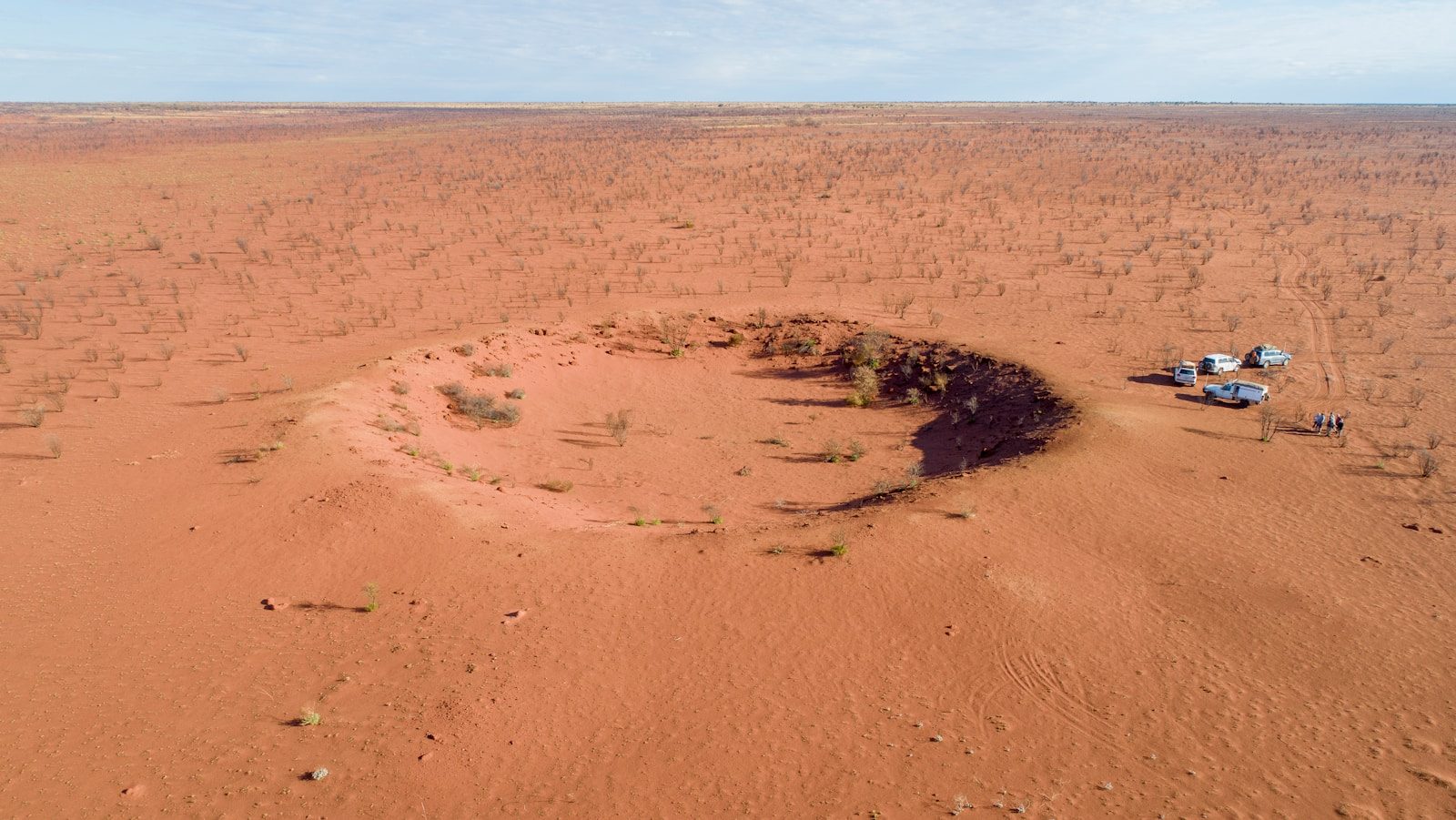
    For years, a strange circular depression in Iraq was dismissed as a simple salt flat. However, recent soil samples have revealed “shocked quartz” and high levels of iridium. These are the tell-tale signs of an asteroid strike. The crater, known as the Umm al-Binni structure, perfectly matches the timeline of the collapse of the Akkadian Empire.

    This empire was one of the most powerful in history, and it suddenly disappeared without explanation. Ancient poems from that time describe a “dark wind” and a “curse from the sky” that made the land barren. We now know that the “curse” was likely the dust and soot from the asteroid impact. But what about the famous stories of the Great Flood?

    The Real Origin Of The Great Flood Myths

    grayscale photo of beach waves
    Photo by Matt Hardy on Unsplash

    Almost every ancient culture has a story about a massive flood that nearly wiped out humanity. Scientists now believe these stories were inspired by the asteroid hitting the ocean. An impact in the sea would have triggered “mega-tsunamis” hundreds of feet high. These waves would have traveled miles inland, destroying everything in their path.

    To a person living in a coastal village 4,000 years ago, it would have seemed like the entire world was underwater. The Epic of Gilgamesh contains a detailed account of a hero building a boat to survive a six-day storm. The details in the poem match the meteorological effects of a major impact. But could a poem really stay accurate for thousands of years?

    Why Oral Traditions Are More Accurate Than We Thought

    old books, book, old, library, education, archive, book shelf, antique, old books, book, book, book, book, book, library, education, education
    Photo by jarmoluk on Pixabay

    We used to think that “oral history” was like a game of telephone, where the story changes every time it is told. But new research into indigenous cultures shows that these stories are actually incredibly stable. Some groups have accurately described volcanic eruptions that happened 10,000 years ago.

    The epic poems were a way for ancient people to preserve lifesaving information. By turning the asteroid impact into a story about gods, they ensured that the warning would be carried down through generations. It served as a cosmic “safety manual’ disguised as entertainment. But the asteroid didn’t just bring fire and water; it also changed the same air we breathe.

    The Decade Without A Summer

    mountains, snow, nature, winter, trees, plane, cliff, forest, snow storm, glaicer, frozen water, rocks, dark clouds, landscape, lost, travel
    Photo by Mollyroselee on Pixabay

    After the impact, the Earth would have entered a “mini-ice age.” The dust in the atmosphere would have blocked out the sun for years. Crops would have failed, and millions would have starved. This “long winter” is described in Norse mythology as Fimbulwinter, a three-year winter that precedes the end of the world.

    Archaeologists have found evidence of a massive drop in global temperature around 2200 BC. This corresponds to the tree ring data from Europe and Asia. The asteroid didn’t just hit a spot on the map; it hit the global thermostat. This explains why so many civilizations collapsed at exactly the same time. How did the survivors describe the object itself?

    Identifying The “Dragons” Of The Ancient Sky

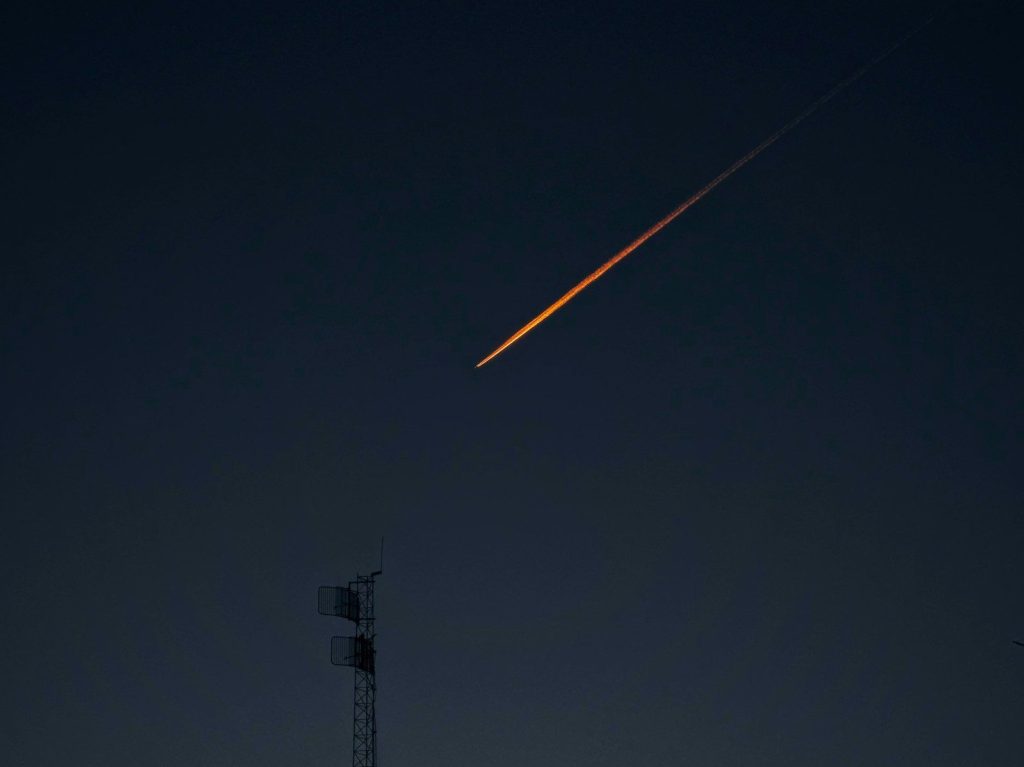
    An airplane contrail glows orange against a dark sky.
    Photo by Wolf Lieff on Unsplash

    In many ancient poems, heroes fight giant, fire-breathing dragons that descend from the clouds. If you watch a large meteor enter the atmosphere, it leaves a long, glowing tail of smoke and fire. To someone with no concept of space, this would look exactly like a serpent or a dragon.

    The “breath” of the dragon was the intense heat that set fields on fire before the impact. By re-reading these poems through the lens of astronomy, we are finding a literal record of the sky. The dragons weren’t monsters; they were pieces of the solar system. Does this mean we need to re-examine all of our myths?

    The Hidden Warning For Our Modern World

    moon, space, earth, universe, stars, cosmos, planet, galaxy
    Photo by Interline_Graphics on Pixabay

    The realization that an asteroid shaped our culture is a wake-up call. These ancient poems aren’t just about the past; they are a reminder of what could happen in the future. We live in a cosmic shooting gallery, and we have been hit before.

    The “gods” that the ancients feared are still out there, floating in the darkness of space. Our ancestors used poetry to remember the danger. Today, we use telescopes. But the message remains the same: the sky can fall at any moment. Are we doing enough to make sure we don’t become the subject of a future civilization’s epic poem?

    Featured Image: Photo by Stephen Mabbs on Unsplash

  • The Roman Port Re-emerging from the Sea

    The Roman Port Re-emerging from the Sea

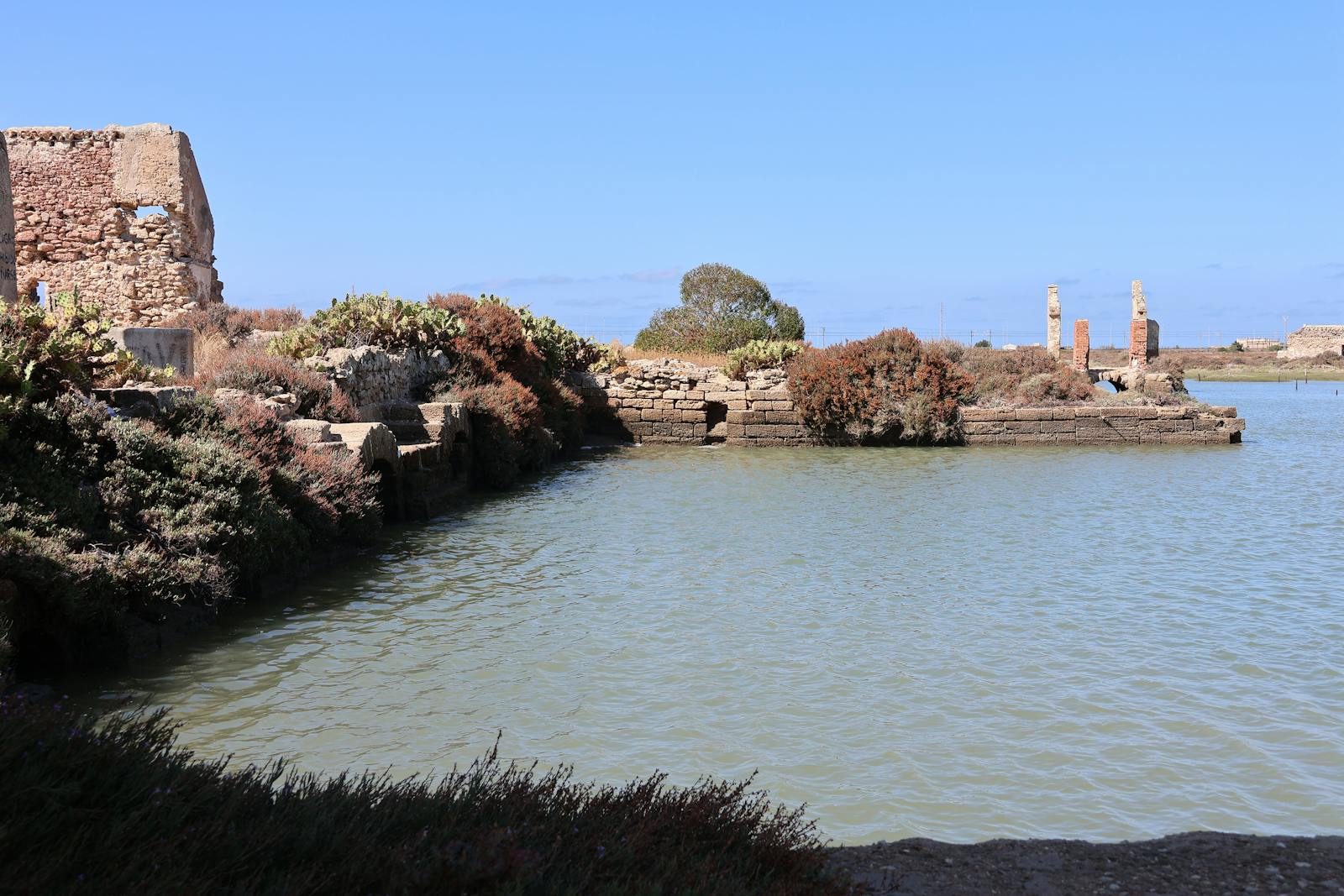
    The ocean is usually a place where history goes to be forgotten. But along the coast of Italy, the tide is starting to give back what it stole 2,000 years ago. A massive Roman port, once the most important naval base in the Mediterranean, is re-emerging from the waves. This isn’t just a few scattered stones; it is a sprawling industrial complex of docks, warehouses, and grand villas. Known as Baiae, this “Vegas of the Roman World” was once the playground for emperors like Nero and Caesar before it was swallowed by a shifting coastline and volcanic activity.

    Now, due to a geological phenomenon called “bradyseism,” the ground is actually pushing back up. People walking along the beach are finding that they can see ancient mosaic floors just inches below the water. Divers are swimming through underwater hallways that were once filled with the most powerful people on Earth. This re-emergence is providing a “perfectly preserved” look at Roman engineering that has been frozen in salt water for two millennia. But the real secret isn’t the gold; it’s the concrete.

    The Concrete That Gets Stronger in the Sea

    a long row of wooden posts sitting on top of a beach
    Photo by Pascal Debrunner on Unsplash

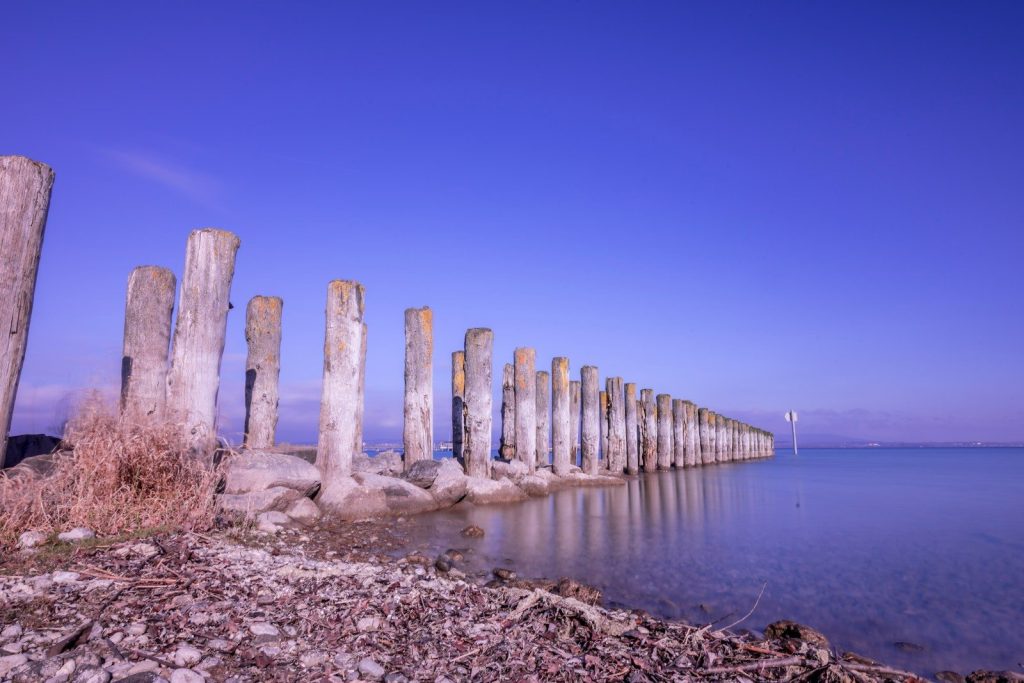
    Modern concrete starts to crumble in salt water within 50 years. But the Roman docks of Baiae are still perfectly intact after 2,000 years. Scientists have just discovered the secret: they used volcanic ash from nearby Mount Vesuvius. This ash creates a chemical reaction with the salt water that actually grows new minerals inside the concrete, making it stronger over time. We are literally studying these re-emerging walls to learn how to build better sea walls for our modern cities. The Romans solved a problem we are still struggling with today. But what were they hiding in those luxury villas?

    The Sunken Playground of the Emperors

    A stunning sunset view of a submerged church in Sliven, Bulgaria.
    Photo by Yassen Kounchev on Pexels

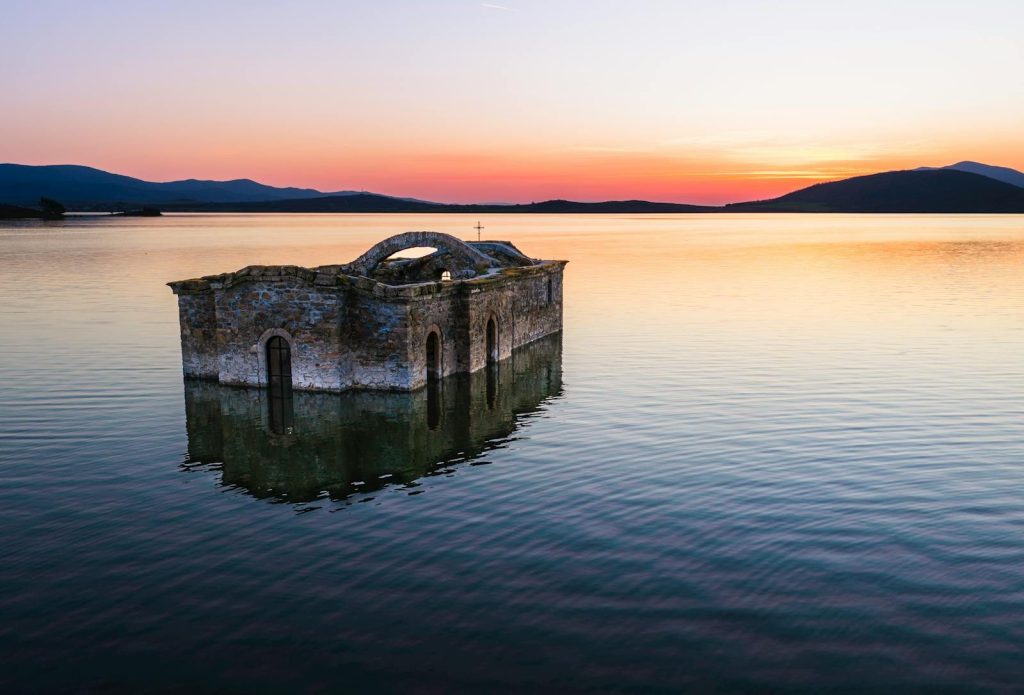
    Baiae wasn’t just a port; it was a resort for the elite. The re-emerging ruins include massive thermal baths and banquet halls where the wealthy would feast for days. Archaeologists have found statues of gods and goddesses that look as if they were carved yesterday. The salt water has acted as a shield, protecting the delicate marble from the air. We are seeing the true decadence of the Roman Empire, right down to the “heated floors” that were powered by the nearby volcanoes. But the port also carried a much darker cargo.

    The Trade Hub for an Empire’s Greed

    brown pots
    Photo by Rafał Rudol on Unsplash

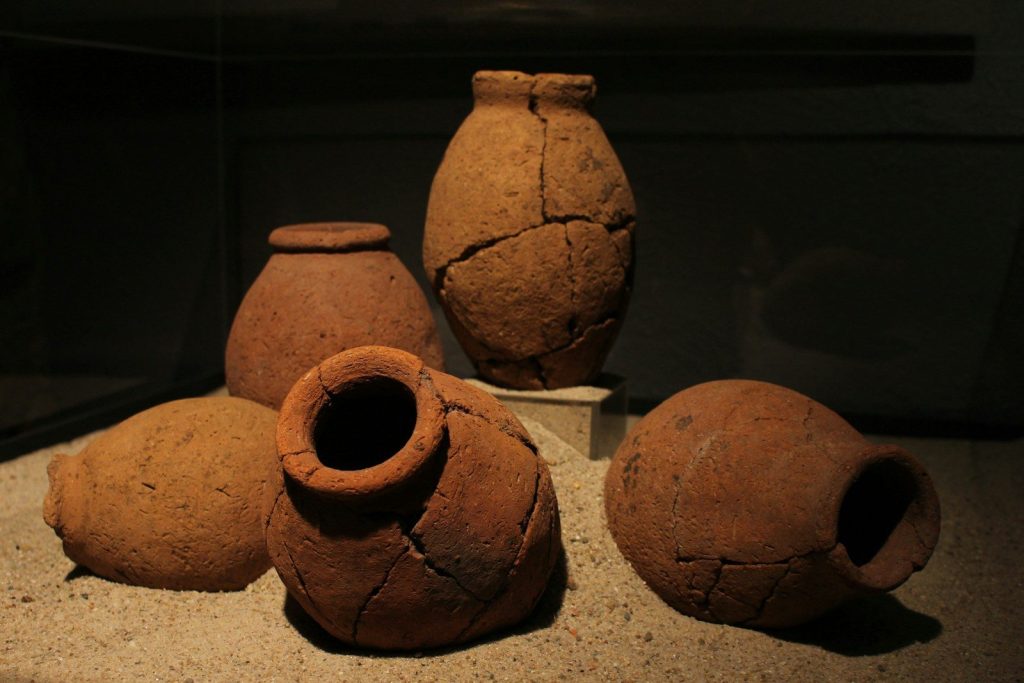
    Through these docks, the Romans imported everything from Egyptian grain to African lions. It was the “Amazon Hub” of the ancient world. The re-emerging warehouses are still full of giant clay jars, or “amphorae,” that once held wine, olive oil, and fish sauce. By studying the residue inside these jars, we are learning exactly what the Romans were eating and where it came from. It is a map of global trade that existed long before the modern world. But there is a hidden danger in the port that is also re-emerging.

    The Volcanic Fire Still Burning Below

    Stunning aerial view of a volcanic crater in Iceland's rugged terrain.
    Photo by Björn Austmar Þórsson on Pexels

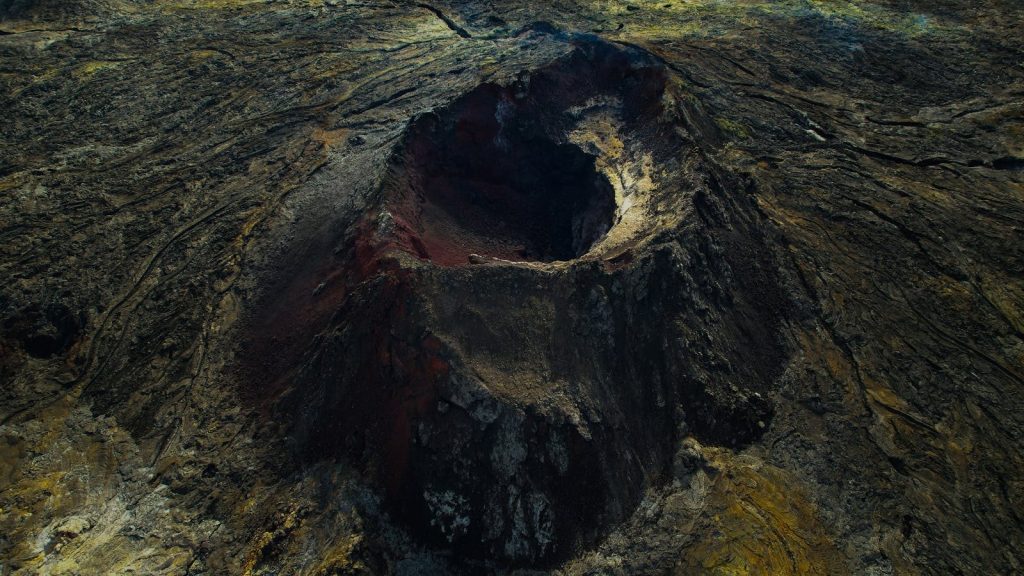
    The same volcanic energy that gave the Romans their concrete and their hot baths is what destroyed the city. Baiae sits on the “Phlegraean Fields,” a massive super-volcano that is still active today. The ground is constantly moving up and down as the magma “breathes” below. The re-emergence of the port is a sign that the pressure is building up again. While archaeologists are excited, local residents are worried. The city is a beautiful warning that the Earth can take back what it gives at any moment. But wait until you see the “ghost ships” found in the mud.

    Ships That Never Made It Home

    sunken ship
    Photo by Olga ga on Unsplash

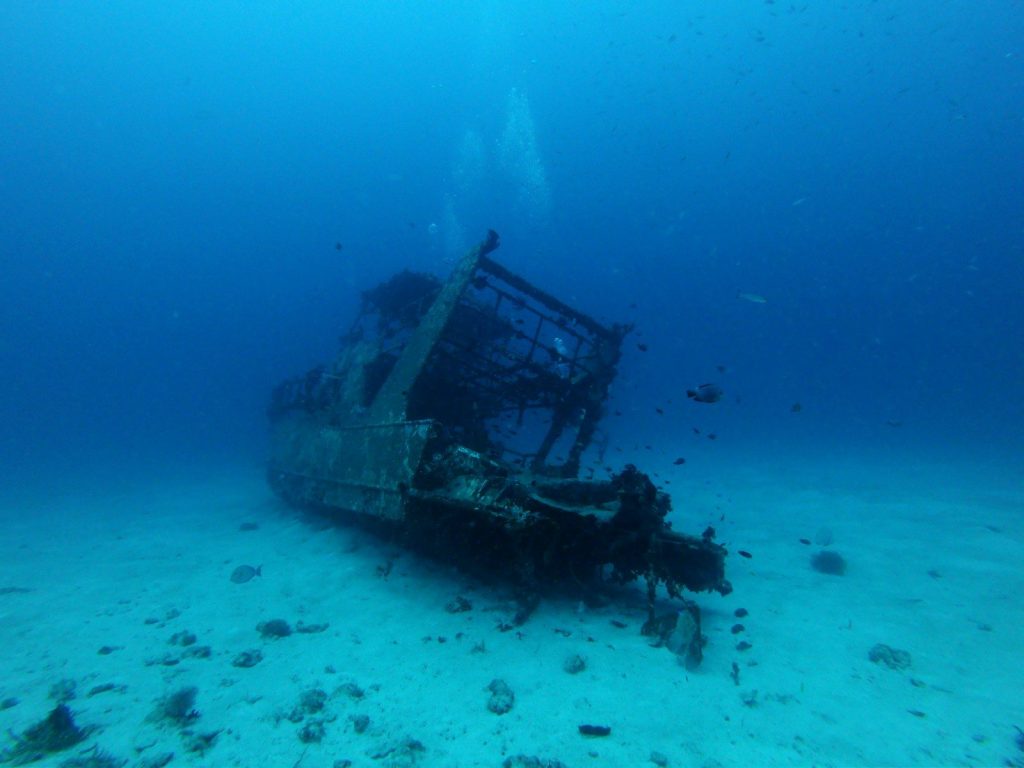
    As the water recedes, the outlines of ancient Roman galleys are appearing in the silt. These ships were likely sunk during the massive earthquakes that eventually drowned the city. Inside these wrecks, researchers are finding the personal belongings of the sailors—shoes, dice for games, and even small religious charms. It makes history feel much more personal. These were real people who lost their lives in a sudden disaster. We are finally telling their stories for the first time. But is the port about to disappear again?

    The Race to Map the Sunken City

    A scuba diver explores the underwater world.
    Photo by Niklas Jonasson on Unsplash
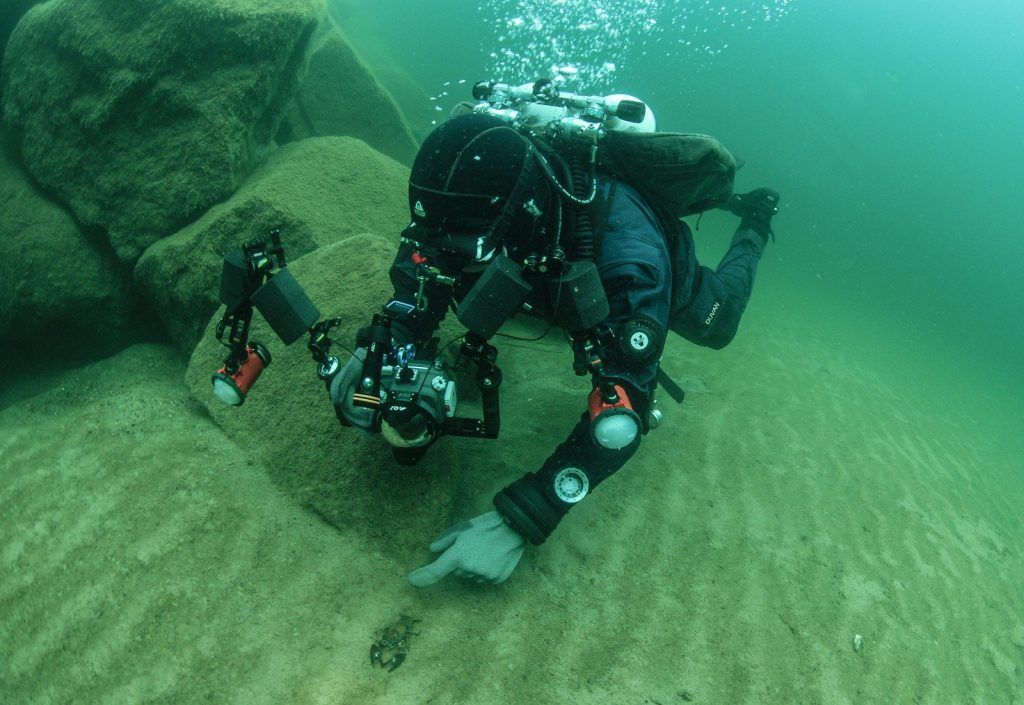
    Geologists say the ground will eventually sink back down. We are living in a brief “window of time” where the port is visible. Teams of scientists are using 3D scanners to create a digital twin of Baiae before it returns to the abyss. They want to ensure that even if the physical city is gone, the data will live on forever. This digital heritage will allow future generations to “walk” through the port in virtual reality. It is the ultimate merger of ancient history and future tech. But what if this isn’t the only city coming back?

    The End of the Sunken Mystery

    grayscale photo of person scuba diving
    Photo by Talia Cohen on Unsplash
    The re-emergence of Baiae is a reminder that history is never truly gone; it’s just waiting for the right moment to return. This Roman port is teaching us about engineering, trade, and the raw power of our planet. As the waves retreat, we are forced to confront our own relationship with the sea. Will our cities one day re-emerge for a future civilization to study? The clock is ticking, and the tide is always moving. Are you ready for the next big discovery that is already hitting the news?

    Featured Image: Photo by Antonio Garcia Prats on Pexels

  • He said there are structures on the moon – and claims it was all recorded on camera

    He said there are structures on the moon – and claims it was all recorded on camera

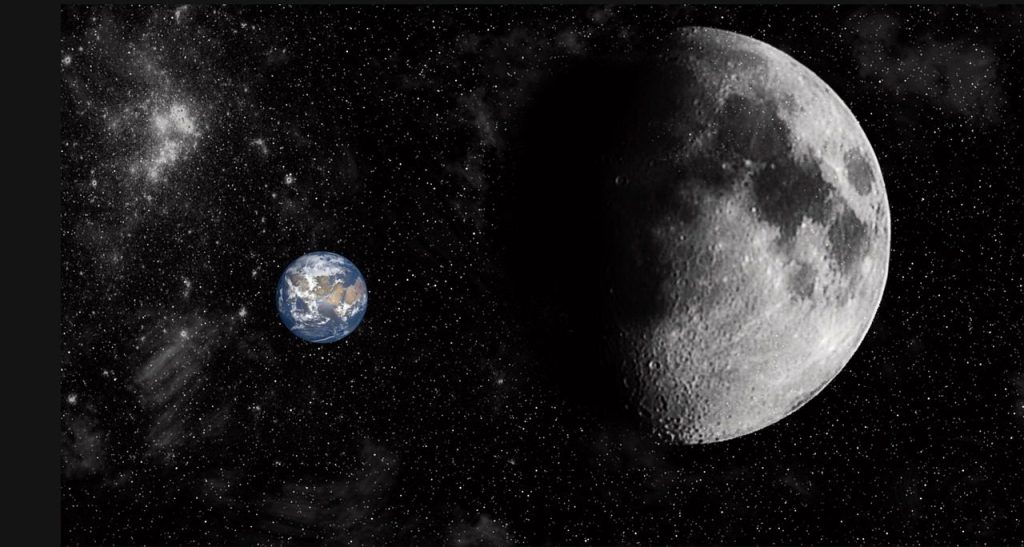
    Many people look up at the night sky and see a quiet rock. But one military veteran saw more. He claimed that a secret base was hidden on the dark side of the moon during a classified military photo project. This wild story has puzzled space fans for years. It began with a sudden trip to a secure military facility in Virginia in 1965. What he saw there changed his life forever. According to reports from the Disclosure Project, he decided to share his story with the public decades later. He insisted that high-definition cameras had captured clear evidence of ancient engineering. The details he described were nothing short of mind-boggling. But his incredible journey first started with a very simple request for technical help.

    An unexpected assignment inside a secure base

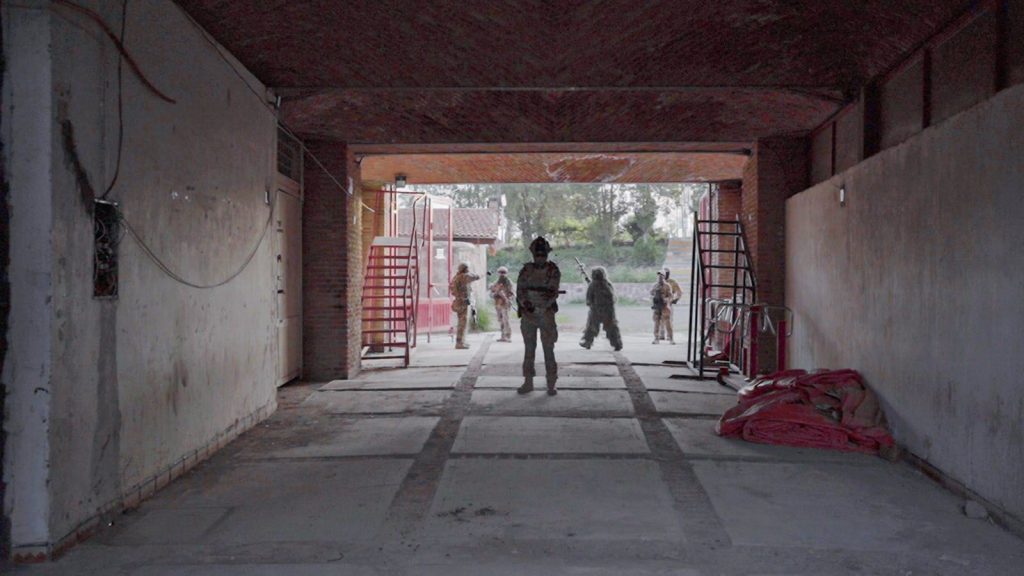
    Soldiers wearing camouflage uniforms in a garage setting, ready for action.
    Photo by Amar Preciado on Pexels

    Karl Wolfe was a young electronics technician serving in the United States Air Force in the sixties. He had a high-security clearance for his work. One day, supervisors ordered him to report to a facility managed by the Tactical Air Command at Langley Air Force Base. A piece of specialized equipment had broken down. The project involved processing highly detailed images from the Lunar Orbiter missions that were mapping the moon. He quickly realized that this was no ordinary repair job. He walked into a dark room where another technician was working. The man looked incredibly stressed and was eager to share a terrifying secret. Slide 3 reveals the shocking images that were sliding through the development trays.

    The secret photographs of the lunar surface

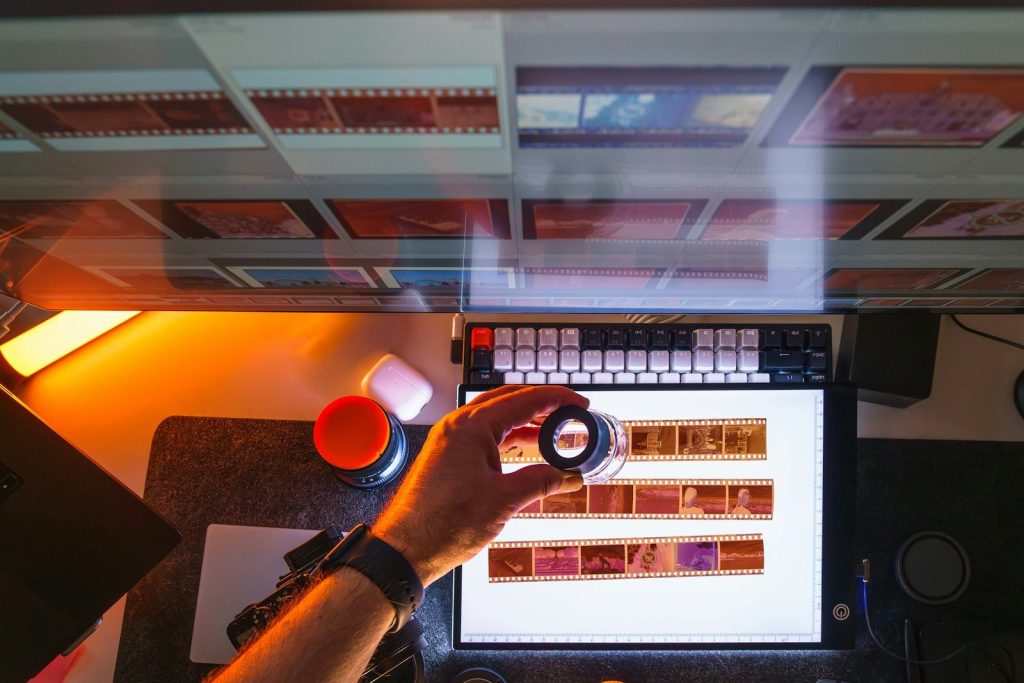
    Person examining film negatives on a light table.
    Photo by Jakub Żerdzicki on Unsplash
    The laboratory was processing images destined for the public domain. But technicians were secretly removing certain details before the official press releases were sent to the media. The other worker pointed to prints. He told Wolfe that the cameras had captured things on the lunar surface that the government was not ready to explain. This warning made the young technician very uneasy. He leaned over the light table to inspect the large photographic plates of the moon’s far side. His eyes immediately locked onto something impossible. The stark landscapes did not look like the empty craters he expected to see. The unusual shapes in the gray dust looked far too organized to be natural.

    Geometric shapes in the lunar dust

    moon, moon rover, apollo 11, moon buggy, astronaut, nasa, aerospace, outer space, gray moon, gray universe, moon rover, moon rover, moon rover, moon rover, apollo 11, apollo 11, apollo 11, apollo 11, apollo 11, moon buggy
    Photo by NASA-Imagery on Pixabay

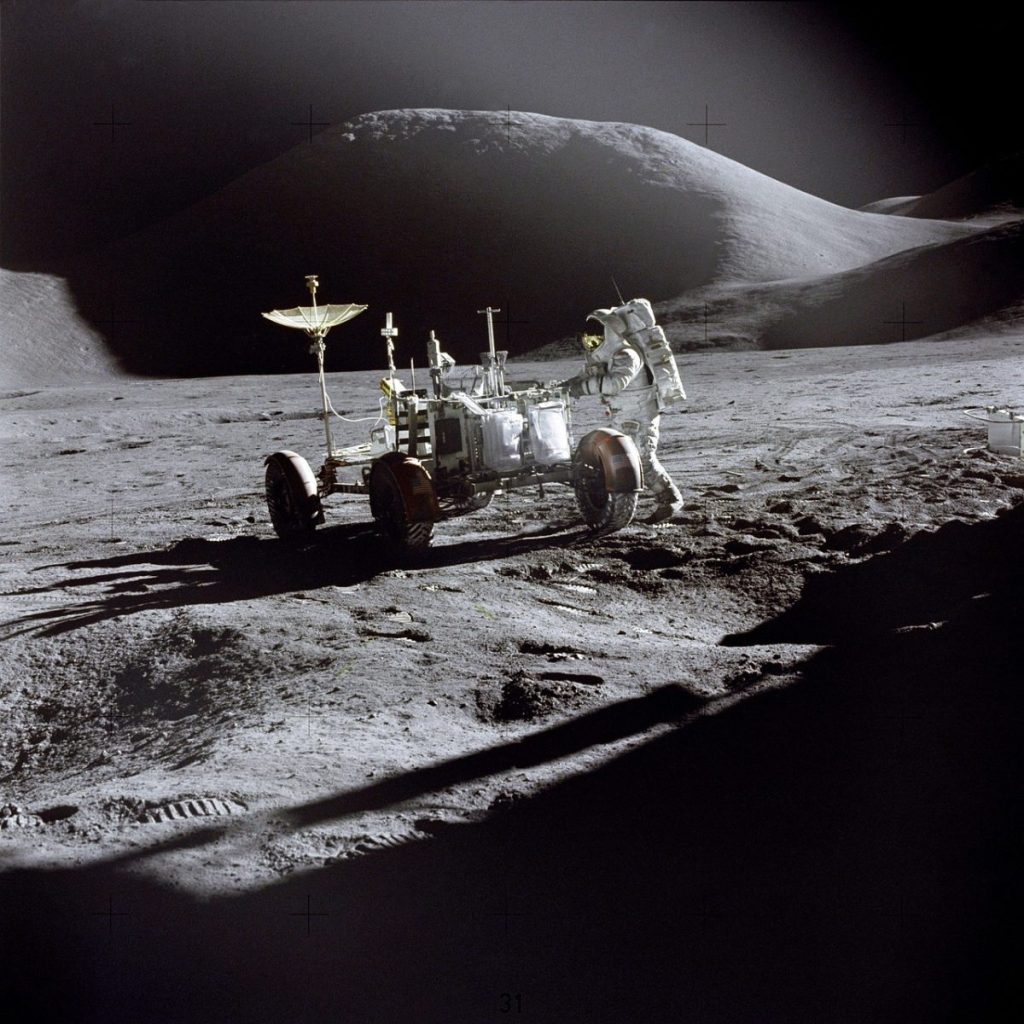
    Wolfe claimed he saw structures that featured clear geometric patterns, including sharp angles and massive dome-like shapes in the valleys. They looked like actual buildings. Some structures resembled tall towers, while others looked like massive radar dishes reflecting light from the sun. They were clearly not rocks or shadows. The sheer scale of these shapes suggested they were built by some advanced intelligence. He stared at the prints in absolute, silent disbelief. He knew that human technology could not have built them in 1965. But the conversation was cut short. A sudden heavy footstep outside the room forced them to hide the images.

    A sudden warning to stay silent

    hallway with lights turned on in a hallway
    Photo by Ashwini Chaudhary(Monty) on Unsplash
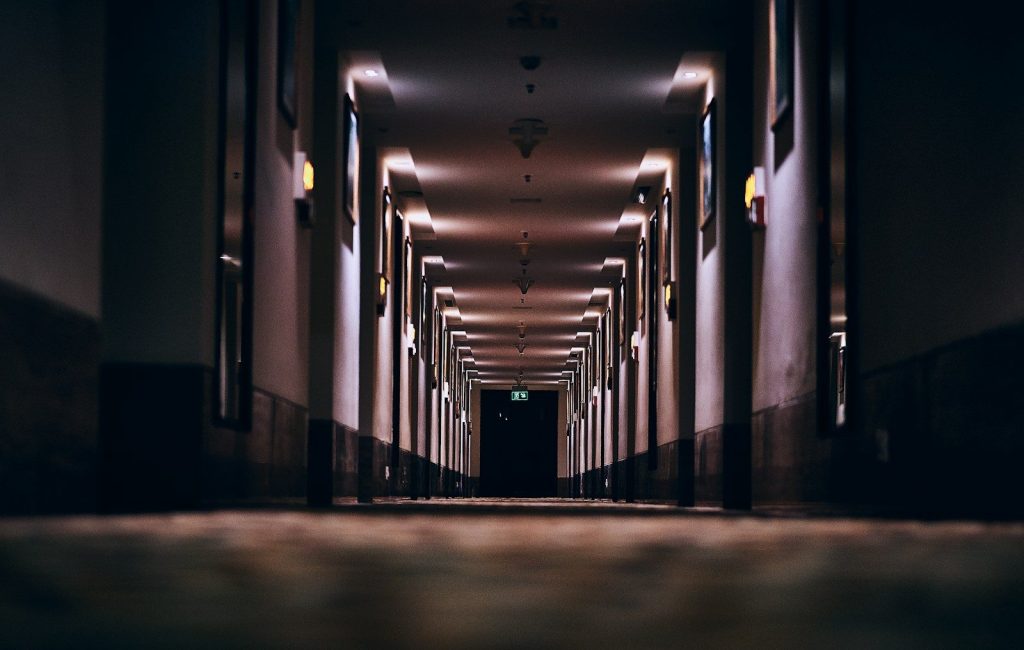
    The other technician quickly gathered the sensitive photo plates and slid them into a cabinet. An officer entered the laboratory moments later. Wolfe finished his repair work on the faulty machine as quickly as possible and left the secure building. He felt a cold sense of dread. He knew that speaking about what he saw could lead to a court-martial or worse. He decided to keep his mouth tightly shut. For thirty years, he did not tell his family or his closest friends. He carried the memory in silence. But a major public event in Washington would eventually force him to speak.

    Decades of carrying a heavy secret

    a man with a serious look on his face
    Photo by Mehdi Raad on Unsplash
    Wolfe kept his promise of secrecy long after he left the military. He started a civilian career. But the memory of those sharp geometric shapes on the moon never faded from his mind. In 2001, he made a bold choice. He joined several other former military officers at a press event to reveal classified government secrets. He spoke openly about his time at Langley. His testimony was broadcast to millions of curious viewers around the world. It triggered a massive wave of debate. Many people believed his emotional story, but scientific critics remained highly skeptical.

    Why skeptics point to camera anomalies

    Close-up of a vintage camera lens with textured background.
    Photo by Jonathan Cosens Photography on Unsplash
    Skeptics argue that those strange shapes were actually simple processing errors on the photographic plates. Lunar Orbiter cameras were complex. According to historical guides from the National Air and Space Museum, the system used dynamic film processing inside the spacecraft. This onboard method sometimes left strange streaks and marks. Dust, air bubbles, and chemical leaks could easily make a random crater look like a building. The human brain loves to find patterns. Psychologists call this tendency pareidolia, which makes us see faces and towers in random dust. But this scientific explanation does not satisfy everyone who studies the video.
    The ongoing search for lunar truth

    A woman interacts with a touchscreen showing the moon's surface, exploring lunar details.
    Photo by ThisIsEngineering on Pexels

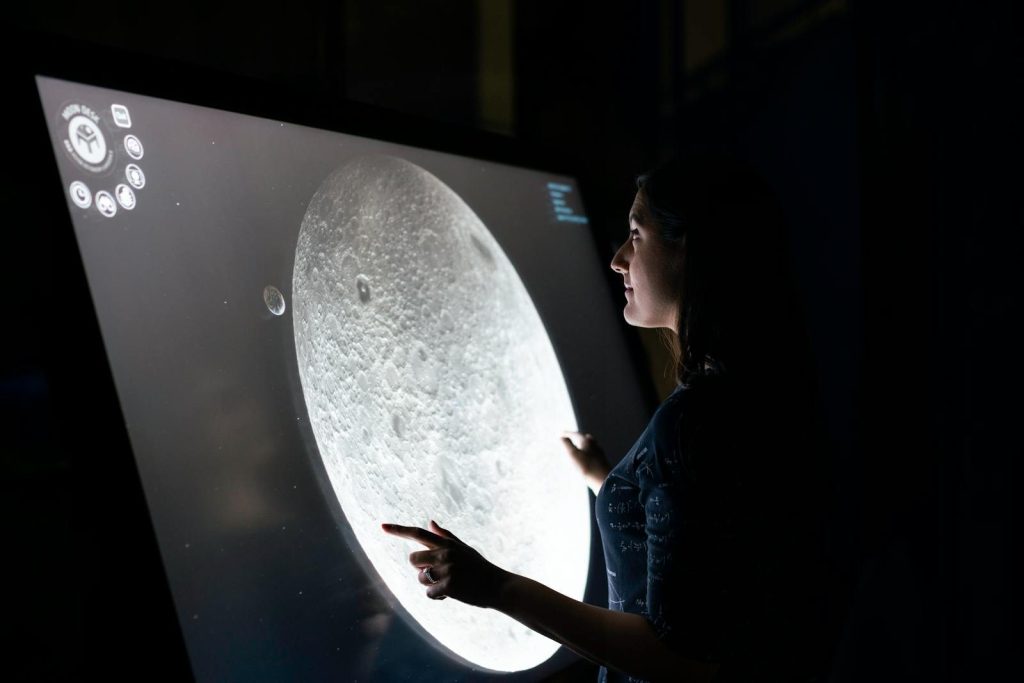
    Modern space agencies have sent advanced cameras back to orbit the moon. These new sensors capture incredibly sharp details. According to data released by the Lunar Reconnaissance Orbiter mission, we now have high-definition maps of the entire surface. No massive towers have been found. Yet, space enthusiasts continue to zoom in on old archive photos looking for clues. They believe that some secrets are still hidden. They argue that the official maps are carefully edited before they reach the public. This persistent suspicion keeps the space whistleblower community highly active online. The ultimate truth behind Karl Wolfe’s claims remains locked in secret archives.

    Keeping the mystery of space alive

    astronomy, cosmos, night sky, dark, milky way, nature, night, sky, stars, starry, starry night, starry sky, stargazing, constellations
    Photo by Pexels on Pixabay

    Whether you believe the whistleblowers or the scientific consensus, space mysteries capture our imagination. They remind us of the great unknown. Karl Wolfe passed away in 2018, but his dramatic testimony continues to inspire books and documentaries. It challenges us to look closer at history. As private companies plan new lunar missions, we might finally get clear answers. Until then, the moon remains a silent guardian. It keeps its cold secrets safe from the eager eyes of those who watch from the earth.

    Featured Image: Photo by Zhang jie on Unsplash