A team of restoration workers in Dijon, France, recently made a startling discovery under the floorboards of an ancient church. They were trying to repair structural damage caused by salt and moisture. When they pulled up a heavy section of stone, they found a hidden staircase. This secret passage led them directly into a dark, sealed burial vault. What started as a routine maintenance project quickly transformed into an extraordinary archaeological dig. Researchers have spent months uncovering layers of history that span over a thousand years. This single church has preserved secrets from the Middle Ages and the Roman Empire. The findings have stunned experts and are completely rewriting the history of the region. It is a powerful reminder that ancient secrets can lurk directly beneath our feet. But the journey into this hidden world began with a disastrous modern mistake.
A Botched Restoration Wreaks Havoc on History
The Saint-Philibert Church has stood in Dijon for over eight hundred years. It is a beautiful Romanesque building with a long and troubled past. After the French Revolution, the church was decommissioned and used to store salt. This salt slowly seeped into the stone foundations over the centuries. In the 1970s, workers installed a heated concrete slab in a misguided attempt to restore the building. This concrete trapped the moisture and caused the stone walls to split apart. This structural disaster forced experts to take drastic action.
Uncovering a Secret Pathway Below the Floor
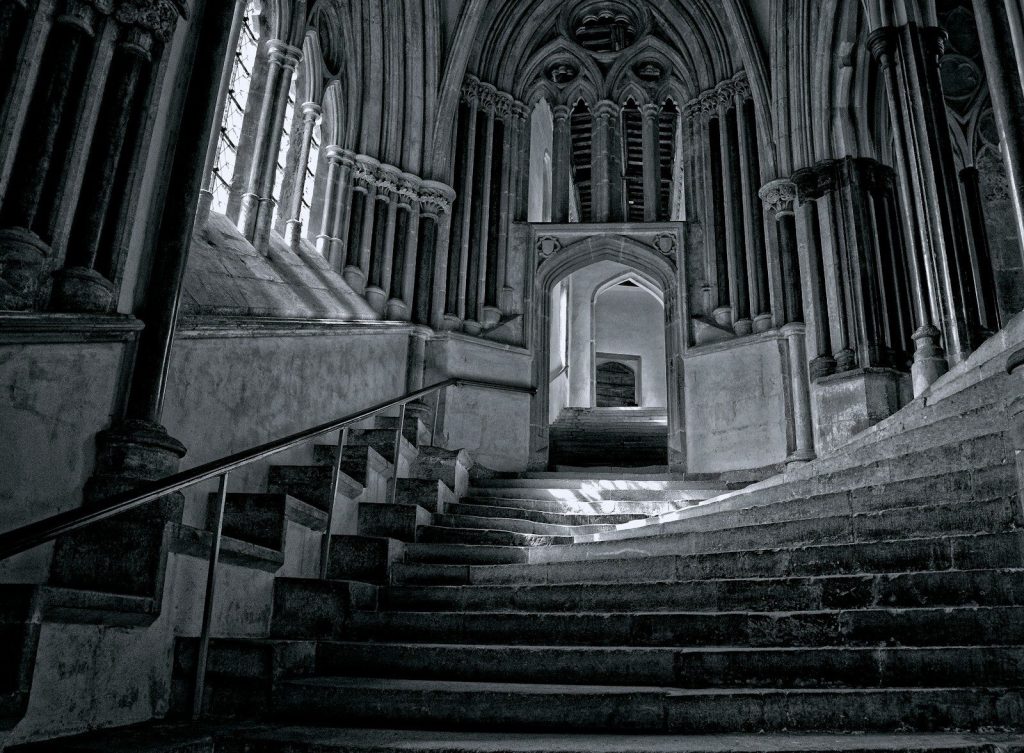
Archaeologists from the French National Institute for Preventive Archaeological Research stepped in to help. They carefully removed the destructive concrete slab to assess the damage. Beneath the floor, they noticed a strange structural alignment. They cleared away loose soil and uncovered a staircase that was not on any of the church plans. This stone pathway was at least four hundred years old. It had been sealed and forgotten since the 1940s. The team carefully descended the dark stairs to see what was at the bottom.
A Sealed Vault Packed With Human Remains
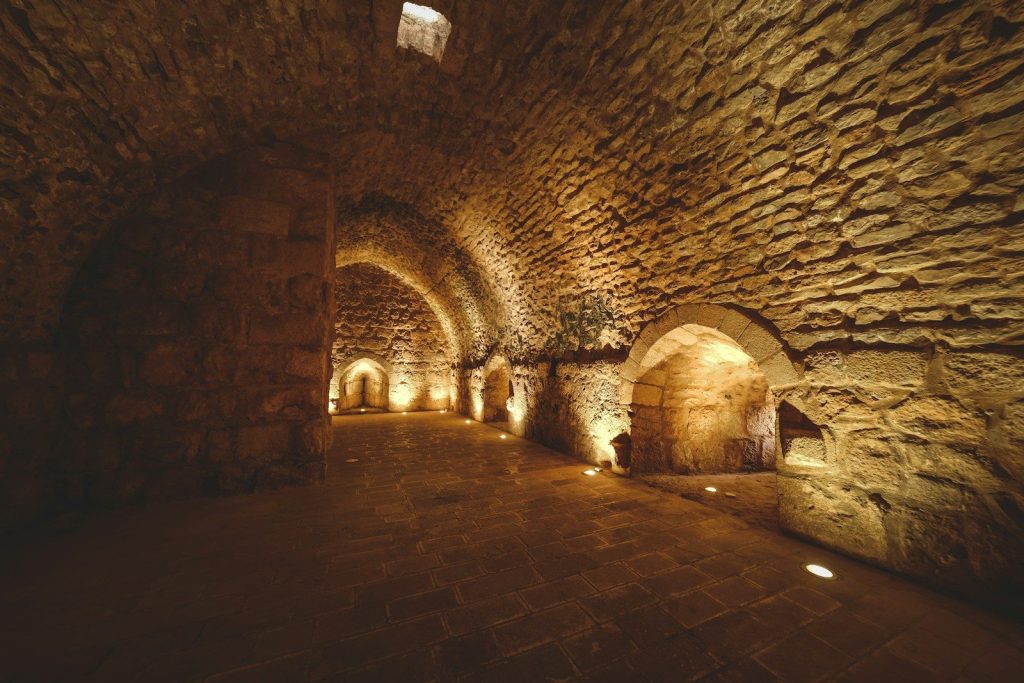
At the bottom of the staircase, the team discovered a massive burial vault. This dark chamber was the final resting place of dozens of individuals. The room contained the coffins of both children and adults. Surprisingly, the bones of earlier burials had been pushed to the sides of the vault. This was done to make room for the newly deceased when space became scarce. This macabre arrangement suggests a sudden influx of deaths. But what could have caused so many people to die at once?
The Somber Clues of a Historical Catastrophe
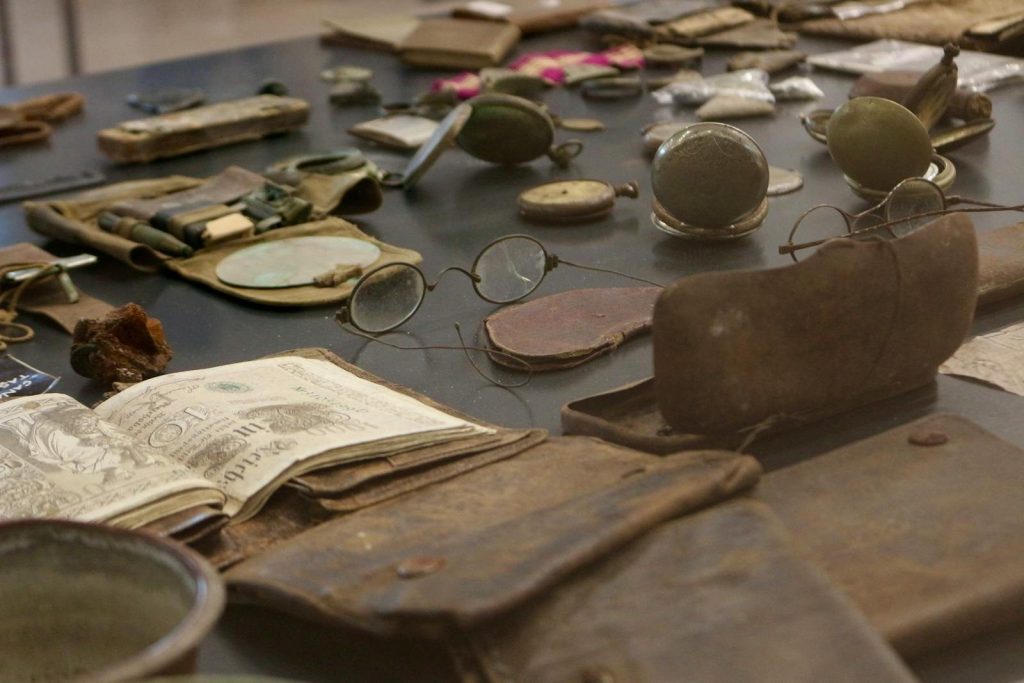
The researchers analyzed the remains to determine how these people died. They found very few luxury items inside the coffins, apart from two rosaries and some small coins. This lack of wealth suggests these were ordinary citizens rather than elite clergy. Experts believe these mass burials were the result of a sudden historical catastrophe. A severe pandemic or a devastating famine likely overwhelmed the community. This forced them to bury their loved ones quickly in a shared space. However, this vault was only the first layer of history.
Digging Deeper Into the Medieval Past
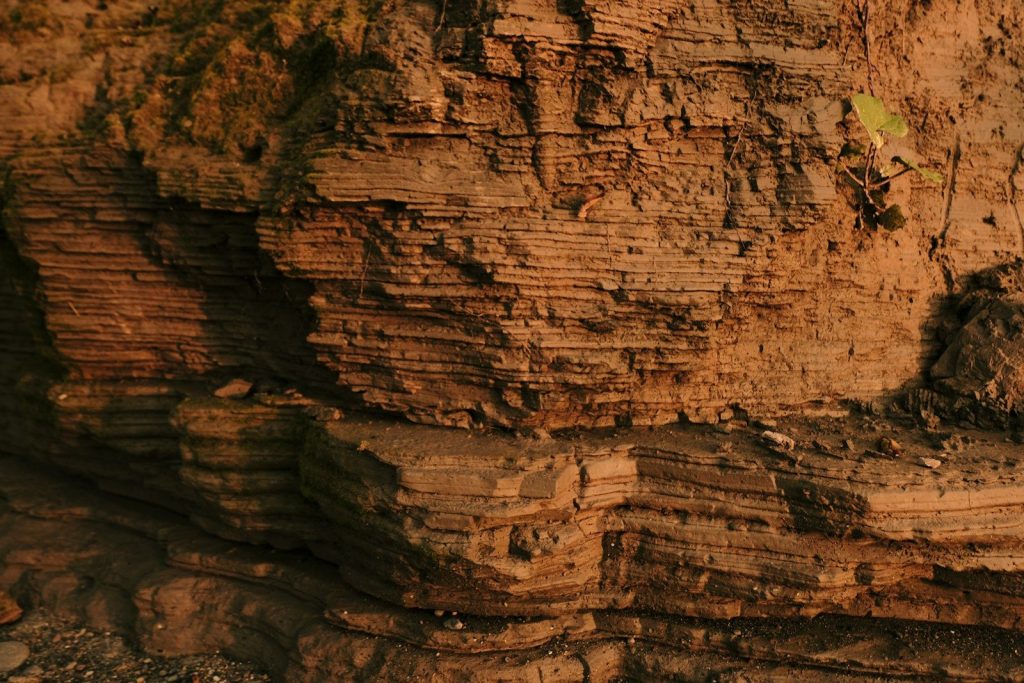
Digging deeper, the team excavated beneath the vault floor. They carefully dug through the soil and uncovered another layer of graves. This time, they found slab tombs dating from the eleventh to the thirteenth centuries. These graves were even older than the current Romanesque church itself. This proved that the location had been used for sacred burials long before the current building was constructed. It was a fascinating discovery. But the earth was holding an even older secret.
Sarcophagi From the Dawn of the Middle Ages
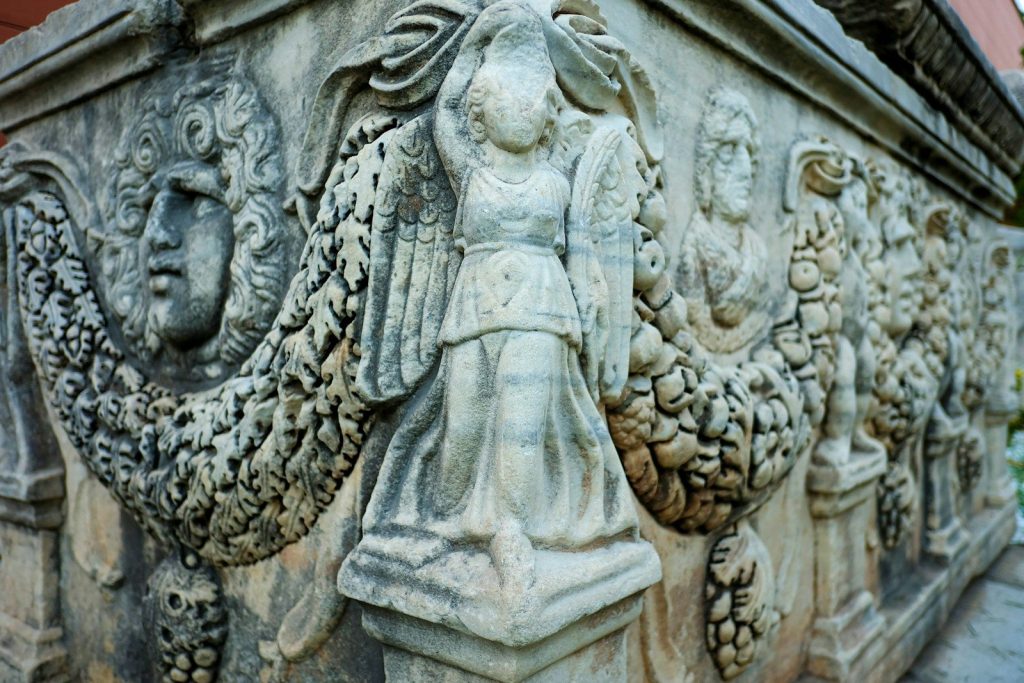
As the archaeologists dug deeper, they struck heavy stone. They uncovered six ancient sarcophagi dating from the sixth to the eighth centuries. This era is known as the Merovingian period, the very dawn of the Middle Ages. Some of these stone coffins were beautifully sculpted, indicating they belonged to wealthy individuals. Their presence proved that this spot had been considered sacred for over fourteen hundred years. This incredible timeline shocked the researchers. But the site still had architectural secrets to share.
Tracing the Footprints of a Lost Church
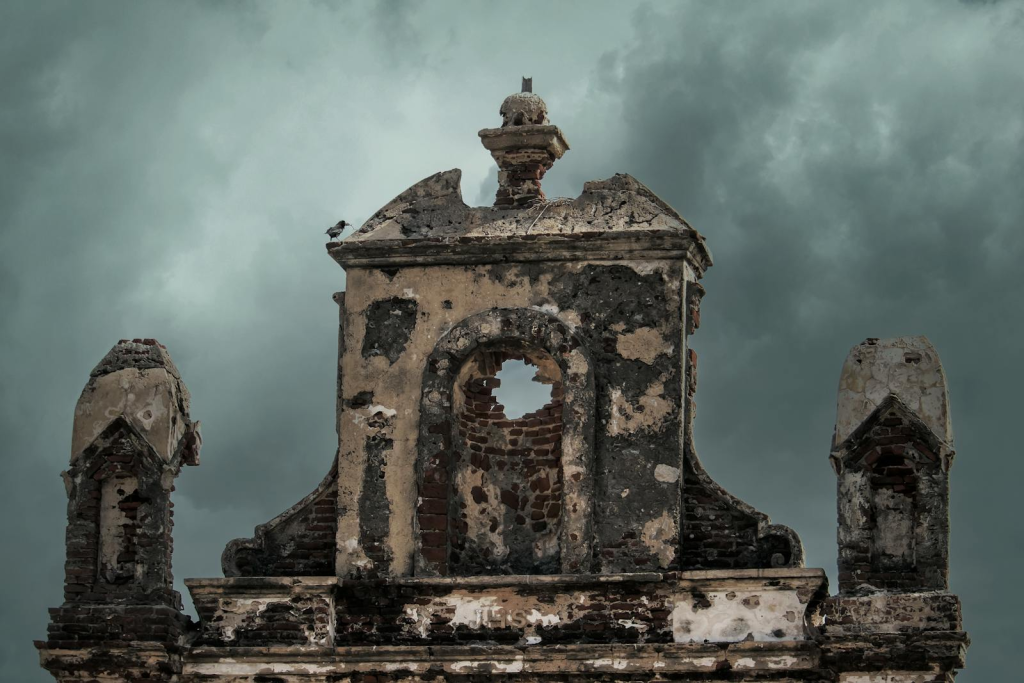
Below the sarcophagi, the team uncovered ancient masonry. They found walls built in a unique herringbone pattern typical of the tenth century. This masonry is the footprint of an earlier church that existed before the current structure. A brief excavation in 1923 first hinted at this building, but it was never fully explored. Now, we have direct evidence of how this sacred space evolved over time. Each generation built its place of worship directly on top of the old one. This vertical layout creates a spectacular puzzle.
A Vertical Time Capsule of French History
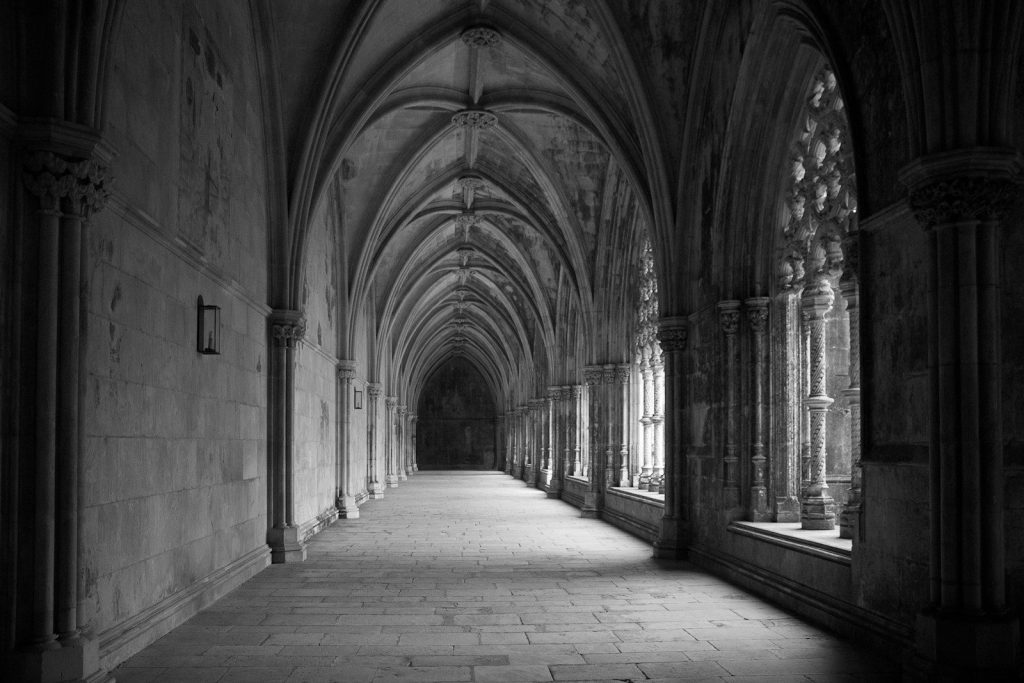
The Saint-Philibert Church is no longer just a place of worship. It is a stunning vertical time capsule of French history. From ancient Roman-style sarcophagi to medieval tombs and early modern vaults, the site preserves a continuous story of human life. This accidental discovery has given historians a rare opportunity to study how burial practices changed over a thousand years. It shows how the past is always waiting to be found. The secrets of Dijon are finally seeing the light of day.
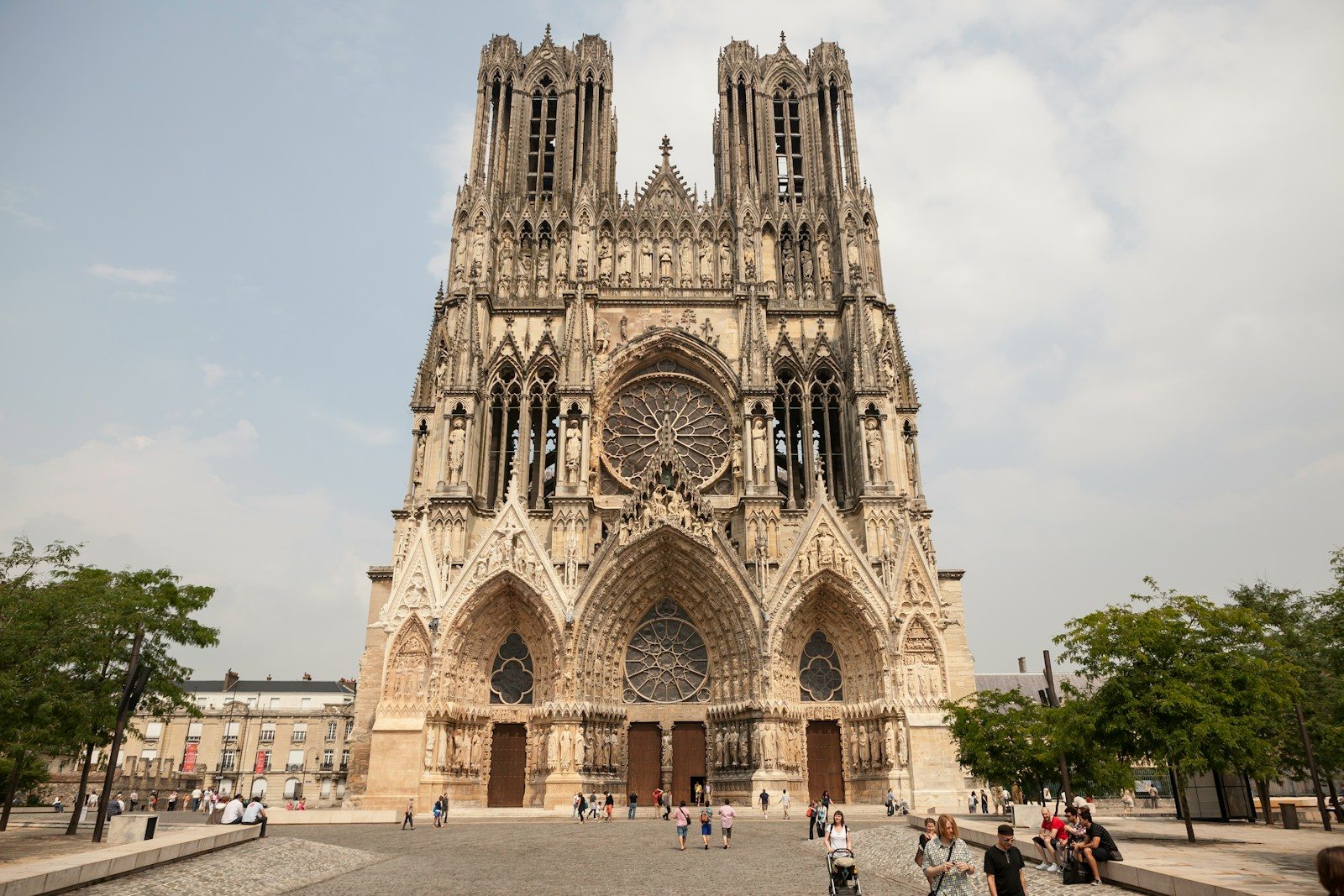
Featured Image: Photo by Reno Laithienne on Unsplash
Leave a Reply