Category: History & Mystery

  • Acorn-shaped UFO crashes and soldiers seal Pennsylvania forest

    Acorn-shaped UFO crashes and soldiers seal Pennsylvania forest

    The quiet town of Kecksburg, Pennsylvania, was changed forever on December 9, 1965. A brilliant streak of light tore through the evening sky. Thousands of witnesses across multiple states watched the glowing object plunge toward the earth. Suddenly, a massive metallic object crashed into a remote ravine. Armed military personnel quickly arrived and sealed off the entire forest from the public. This dramatic event sparked decades of intense speculation, government denials, and scientific debates. It remains one of the most compelling unresolved mysteries in modern history. Some believe it was an extraterrestrial spacecraft. Others suspect a highly classified military experiment went wrong. The raw evidence from that cold December night continues to challenge official narratives. But the story begins with a sudden flash of light that startled the local residents.

    A sudden fireball tears through the evening sky
    Crescent moon in a dark blue twilight sky.
    Photo by MChe Lee on Unsplash

    The event began just before five in the evening. A glowing object was spotted flying over several Canadian provinces and American states. According to reports compiled by the Mutual UFO Network, the object adjusted its flight path before descending into the woods of Kecksburg. It did not behave like a typical meteor. Witnesses described a controlled descent rather than a random fall. This unusual movement immediately triggered panic among local emergency responders. They rushed toward the crash site, hoping to help. But they were quickly turned away by an unexpected authority.

    Armed military personnel secure the quiet woods.
    Chain-link fence gate at night with light
    Photo by Fabio Sasso on Unsplash

    State police and military officials arrived at the scene within hours. They established a tight security perimeter around the ravine. According to eyewitness accounts from local volunteer firefighters, armed soldiers threatened to arrest anyone who tried to enter the woods. Search parties scanned the dark forest with powerful spotlights. Residents watched flatbed trucks carrying heavy equipment pass through the roadblocks. The sudden, intense military presence suggested that this was no ordinary weather balloon or space debris. But some determined locals managed to slip through the dragnet.

    Eyewitnesses spot a strange metallic object.
    a large object sitting on top of a lush green hillside
    Photo by Abdur Ahmanus on Unsplash

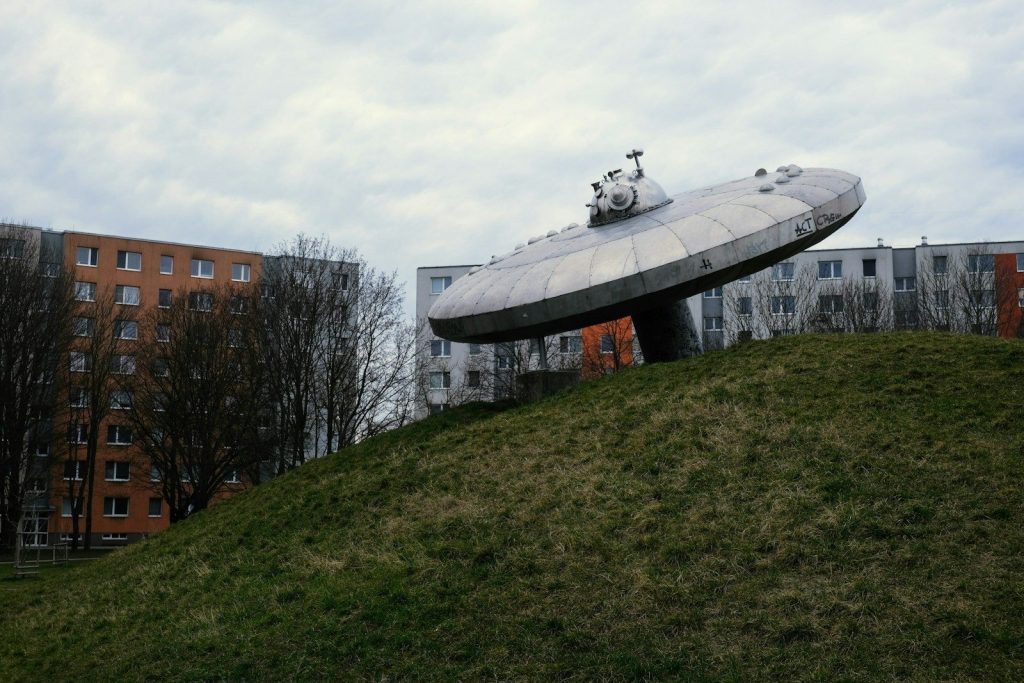
    A few brave individuals managed to catch a glimpse of the object before the military secured the area. They described a massive, metallic craft shaped like an acorn. According to statements gathered by independent researchers, the object was large enough for a person to stand inside. It had no wings, no windows, and no visible propulsion systems. The metallic skin had a dull, bronze-like finish that showed no signs of heat damage from entering the atmosphere. It appeared to be completely intact despite the high-speed impact. But the most shocking detail was found on the back of the craft.

    The mysterious writing on the metallic hull
    A large object in the middle of a foggy sky
    Photo by Arthur Neindre on Unsplash

    Eyewitnesses reported seeing strange symbols engraved around the base of the acorn-shaped craft. According to testimony from local resident John Murphy, who claimed to have photographed the object, the writing looked like ancient Egyptian hieroglyphs. It consisted of geometric patterns, stars, and unusual circles. The symbols did not resemble any known English or Soviet military markings. This detail fueled theories that the object was of extraterrestrial origin or part of a highly advanced, secret project. But the physical evidence was about to vanish under the cover of darkness.

    Flatbed trucks carry a hidden cargo away.
    night, truck, road, big truck, delivery truck, cargo truck, traffic, street, car, vehicles, transportation, transport, delivery, car wallpapers, logistics, driving
    Photo by amrothman on Pixabay

    Just before dawn, the military operation began to wrap up. Witnesses saw a large flatbed truck carrying a massive, covered object leave the forest. According to local tracking reports, the convoy was escorted by military police and headed toward Wright-Patterson Air Force Base in Ohio. This specific base is famous for housing classified research projects. By morning, the roadblocks were removed, and the public was finally allowed into the ravine. They found a deep depression in the soil, but no traces of the object. But investigators quickly offered a very different explanation.

    Skeptics point to a Soviet space failure.
    grayscale photography of astronaut
    Photo by Sam te Kiefte on Unsplash

    Many researchers believe the Kecksburg object was actually a failing Soviet space probe. They point to Kosmos 96, a Venus probe that re-entered the atmosphere on that exact day. According to records from the US Space Command, the timing of the probe’s descent matched the Kecksburg sighting. However, orbital data suggests the Soviet craft actually crashed in Canada hours earlier. This discrepancy keeps the debate alive among aerospace experts. The true identity of the object remained locked in government vaults for decades. But a legal battle was about to force a breakthrough.

    NASA releases a surprising storage locker report
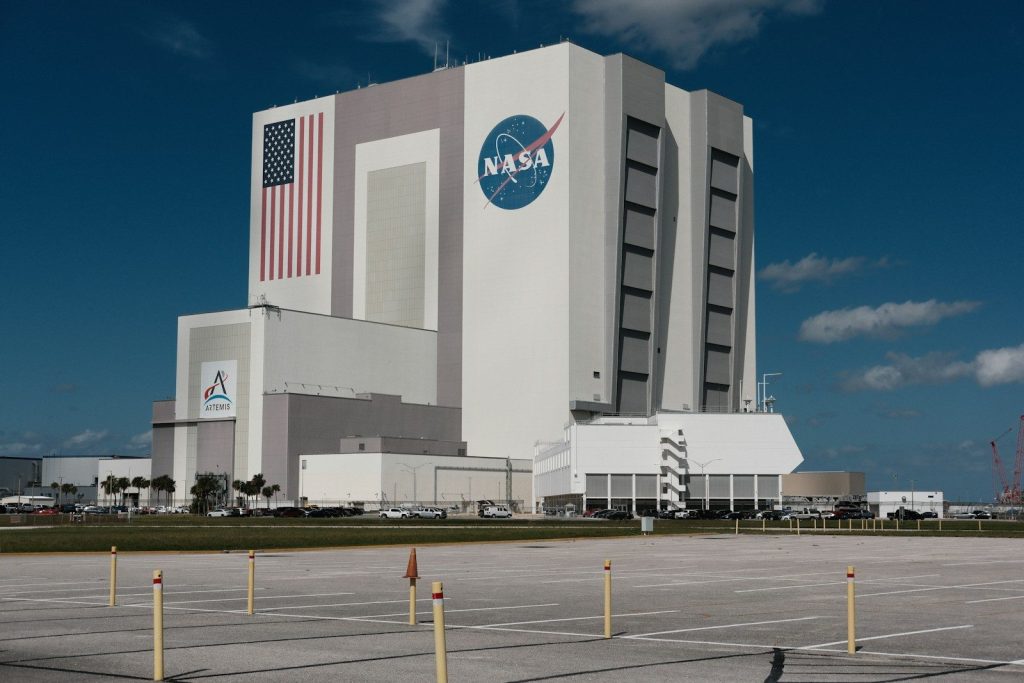
    The nasa vehicle assembly building stands tall.
    Photo by Yuzhe Dong on Unsplash

    The quest for answers eventually led to a massive federal lawsuit against NASA. In 2003, investigative journalist Leslie Kean sued the agency to release all classified documents regarding the Kecksburg incident. According to court records, NASA was forced to search its archives for missing files. The agency eventually admitted that several boxes of physical evidence and records had been lost or destroyed. They claimed the object was merely a meteor, but the lack of documentation kept suspicions high. The mystery remains a powerful symbol of government secrecy.

    Keeping the secrets of Kecksburg alive
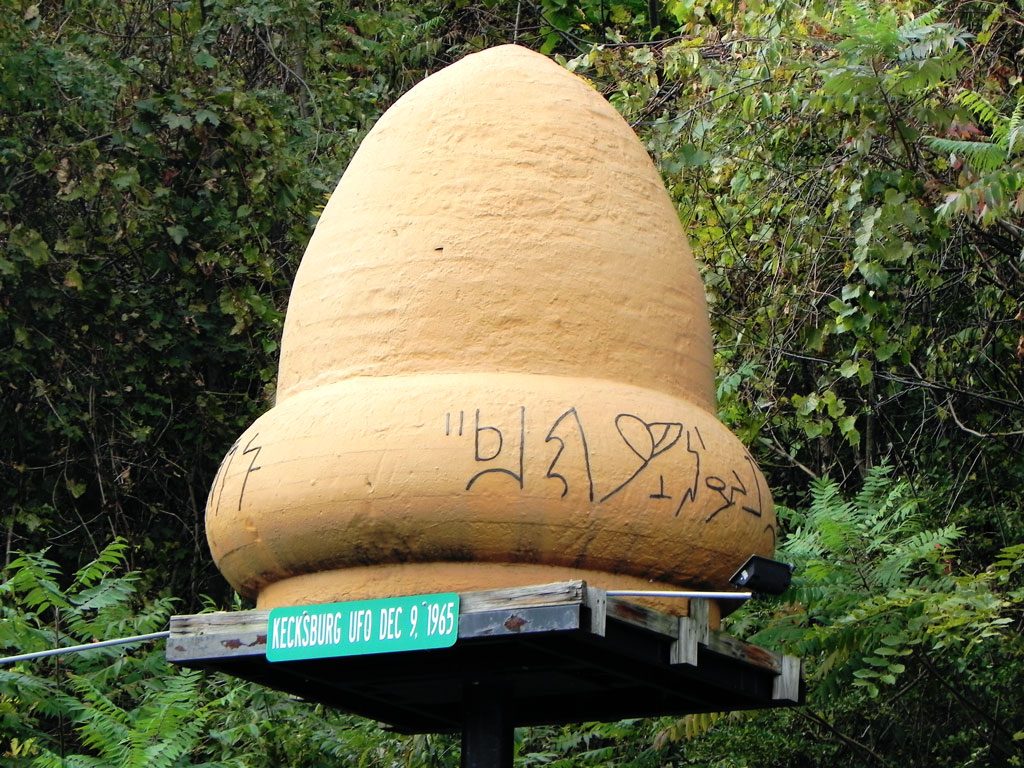
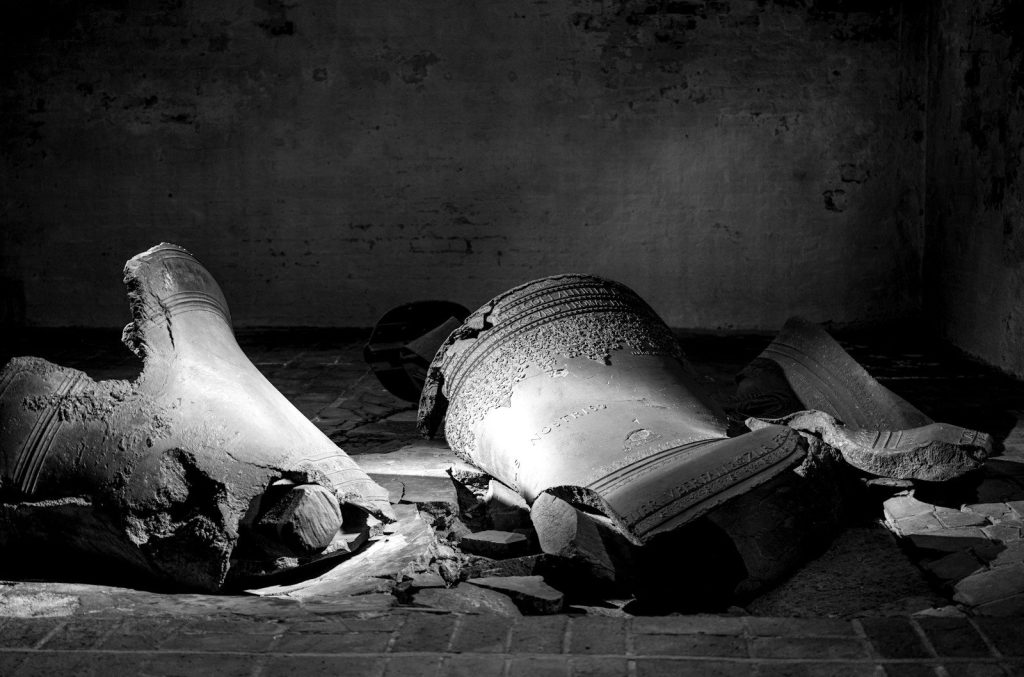
    Kecksburg Bell Monument” by Hawaiian Sea is licensed under CC BY-NC-ND 2.0

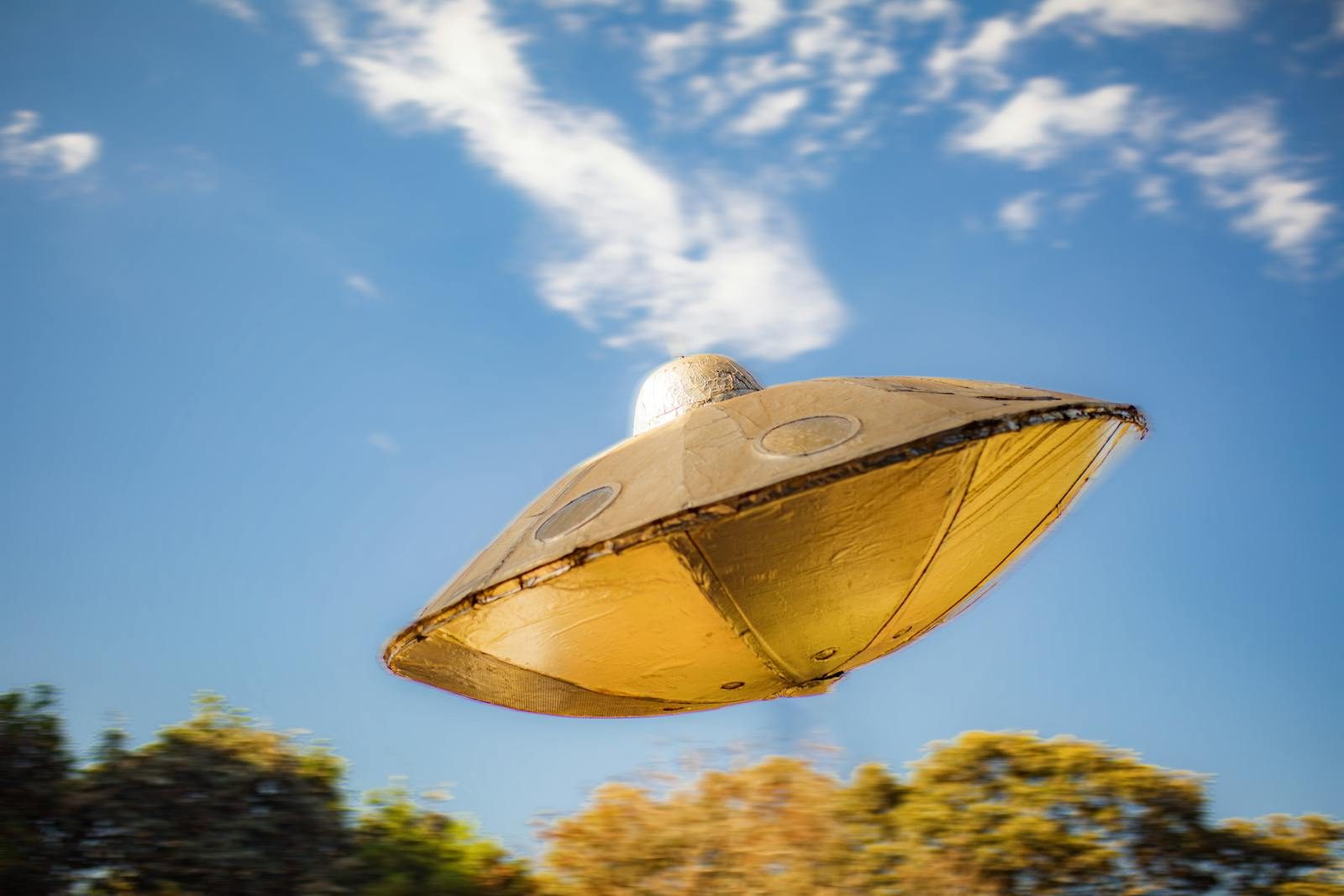
    The Kecksburg incident remains one of the most famous cases in UFO history. It highlights how a single event can unite a community and challenge official history. Decades later, residents still gather annually to discuss the crash and search for new clues. The acorn-shaped craft is commemorated with a life-sized model in the town center. It serves as a reminder that our skies hold secrets that are not easily explained. The search for the ultimate truth continues, and the quiet woods of Pennsylvania are still keeping their secrets.

    Featured Image: Photo by Lucas Pezeta on Pexels
  • A Farmer Just Found the Largest Viking Gold Hoard in History

    A Farmer Just Found the Largest Viking Gold Hoard in History

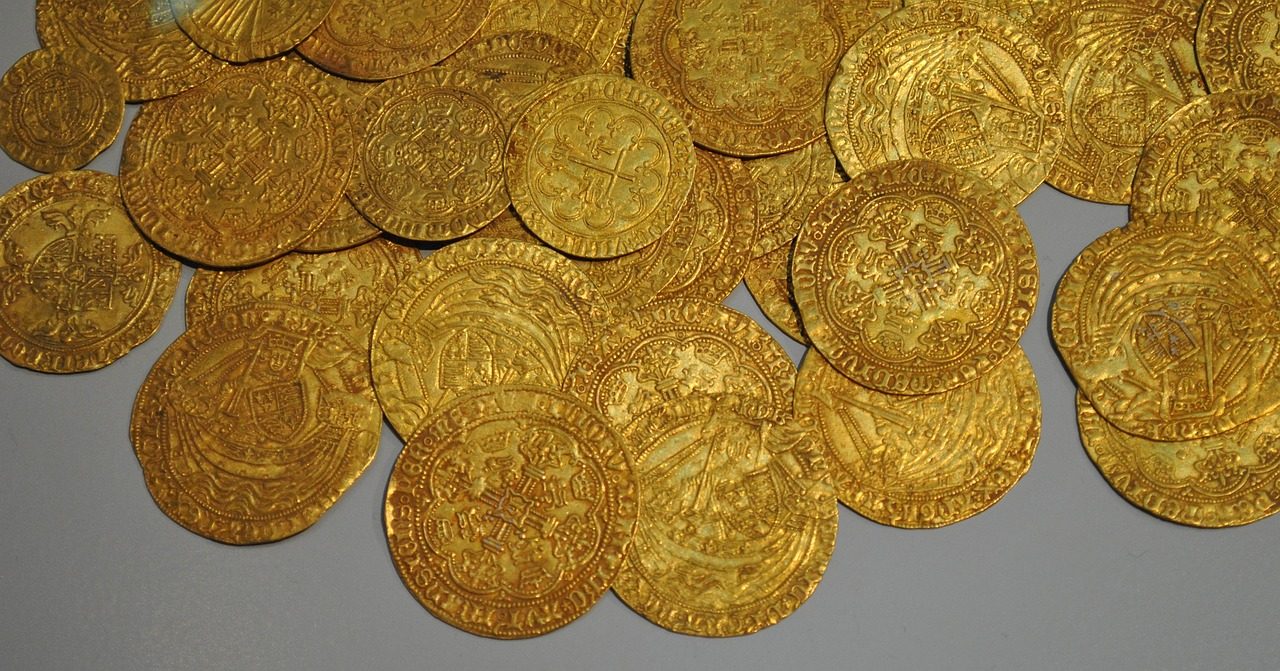
    A simple day of plowing has turned into a multi-million dollar mystery. A farmer in Norway was working in his field when his tractor hit something hard. Expecting a rock, he hopped down to clear the way. Instead, he found a glint of yellow in the dark mud. He had just uncovered the largest Viking gold hoard ever found in human history. We are talking about over 1,000 pieces of solid gold, including rings, bracelets, and rare coins from across the world.

    It is a treasure so massive that it is being called the “Viking Bank.” For over a thousand years, this fortune sat just inches beneath the surface, waiting for a single plow to catch it. But this isn’t just about the money; it is about who put it there and why. The gold tells the story of a global network that stretched from Scandinavia to the Middle East. But why would someone bury a king’s ransom in a muddy field and never come back for it?

    The Global Reach of the Viking Raiders

    tractor, field, agriculture, farmer
    Photo by carlitocanhadas on Pixabay

    Among the gold coins, researchers found pieces from the Roman Empire and the Silk Road. This proves that the Vikings were much more than just raiders; they were the ultimate world travelers. They were trading furs and slaves for gold in the markets of Baghdad and Constantinople.

    This hoard is a map of their journeys. Every coin tells a story of a ship that sailed thousands of miles into the unknown. They were the “global citizens” of the 9th century. But having all this gold made them a target for their own kind.

    A Secret “Savings Account” in the Ground

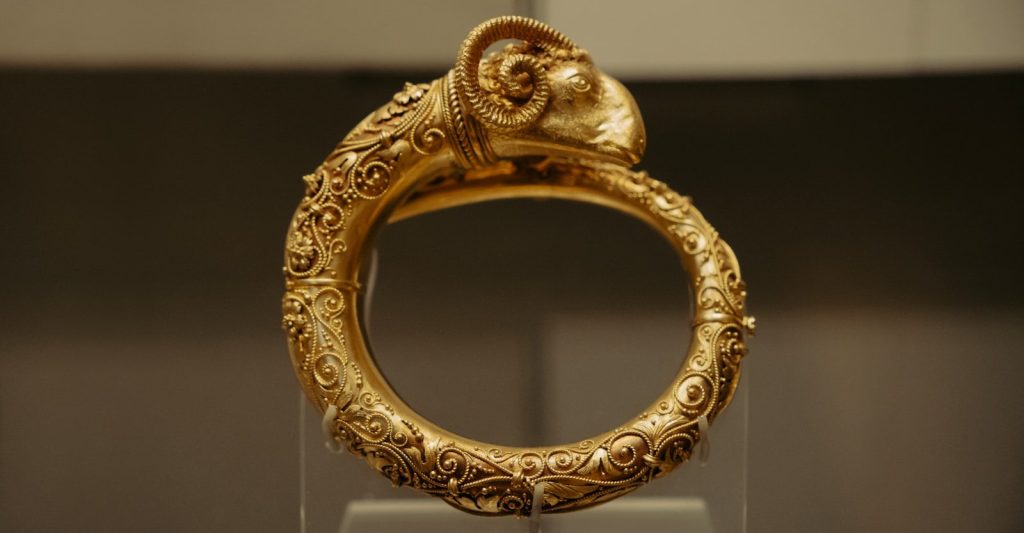
    a gold ring with an animal head on it
    Photo by Vitaliy Burov on Unsplash

    In the Viking age, there were no banks. If you were a wealthy warrior, the safest place for your gold was under the ground. Many Vikings believed that if they buried their treasure, they could use it in the afterlife.

    This hoard might have been a “pension fund” for a powerful leader. By burying it in a secret spot, they ensured that no one could steal it while they were away at war. But something must have gone wrong, because this “bank” stayed closed for ten centuries. What was the secret signal used to find the spot?

    The Jewelry That Represents Power

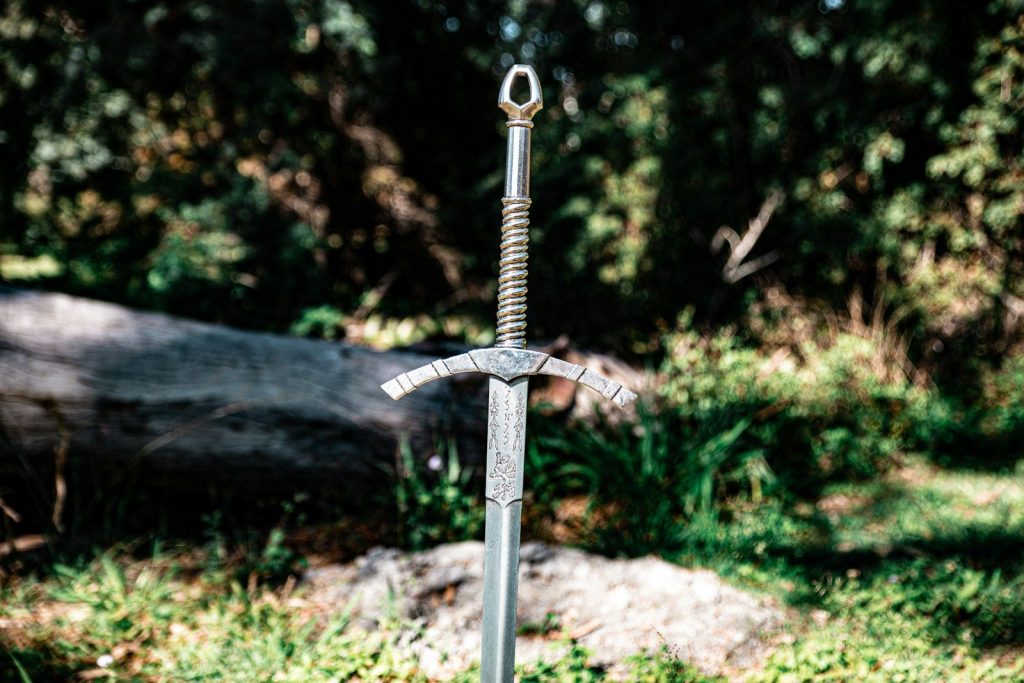
    gray metal sword near grasses
    Photo by Dunamis Church on Unsplash

    The hoard contains several “Torcs,” which are thick gold rings worn around the neck. In Viking culture, these weren’t just jewelry; they were symbols of rank. Only the most powerful lords were allowed to wear them.

    Finding this many torcs in one place suggests that this field might have been a meeting place for several kings. It is a “Who’s Who” of Viking power buried in the mud. The quality of the gold is so pure that it looks like it was made yesterday. But wait until you see the weapon that was buried right next to the gold.

    The Sword That Guarded the Hoard

    Ancient mosaic map showing cities and waterways
    Photo by Jametlene Reskp on Unsplash

    Right at the bottom of the pit, the farmer found a single, perfectly preserved sword. The blade is still sharp, and the handle is covered in silver wire. In Viking tradition, a sword was often buried with a hoard to “guard” it from evil spirits.

    It is a warning to anyone who tries to take the gold without permission. The sword shows signs of having been used in many battles before it was put into the ground. It is the final signature of a warrior who was ready to fight even in death. But who was this mysterious guardian?

    The Curse of the Golden Field

    egypt, pharaoh, grave robbers, tomb, tutankhamun, luxor, gold treasure, burial chamber, old, hieroglyphs, egypt, egypt, pharaoh, pharaoh, tutankhamun, tutankhamun, tutankhamun, tutankhamun, tutankhamun, luxor
    Photo by garten-gg on Pixabay

    Local legends in this part of Norway talk about a “cursed” field where the grass never grows straight. The farmer always thought it was just a story to keep kids away. Now, he realizes the legends were trying to protect the hoard.

    The people who buried the gold likely created these stories to scare away anyone who went looking for it. It worked for over 1,100 years. The farmer is now an overnight celebrity, but he says he still feels like he is being watched. But what happens to the gold now?

    A Total Reset for Viking History

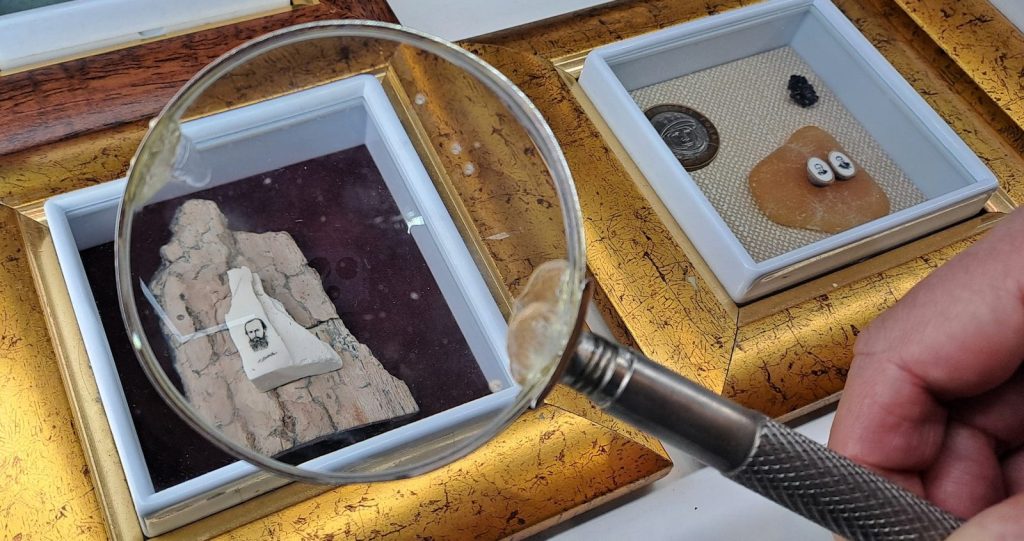
    a hand holding a magnifying glass over a picture
    Photo by Ludmila Uleva on Unsplash

    Museums are already fighting over where to display the gold. Each piece is being cleaned and studied by the world’s top experts. This hoard is giving us a look at the “hidden” economy of the Vikings.

    It proves that they were much wealthier and more organized than we ever thought. We are rewriting the history books one gold coin at a time. It is a golden era for archaeology. But wait until you see the discovery that is rewriting the timeline of the entire human race.

    Featured Image: Photo by timcgundert on Pixabay

  • Why Did This 4th-Century Christian Church Have No Doors?

    Why Did This 4th-Century Christian Church Have No Doors?

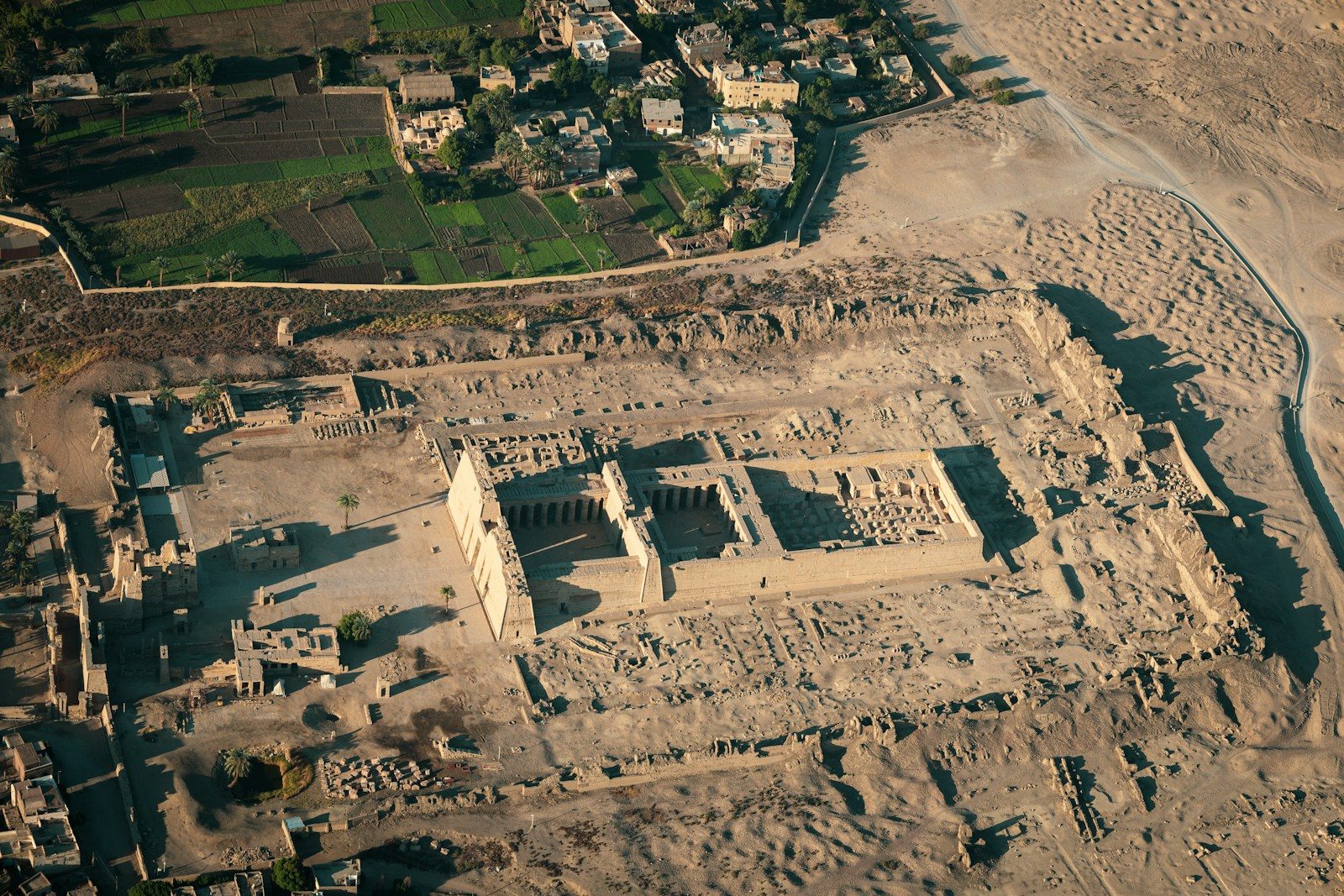
    Archaeologists in Egypt have just uncovered a building that is leaving them speechless. It is a 4th-century Christian church, but it has one massive problem: there are no doors. The stone walls are completely solid on all sides. For over 1,600 years, this structure has sat in the desert, hiding its secrets from the world. Usually, churches are built to welcome people in, with large entrances and open hallways.

    This one was built like a stone fortress. There is no evidence that doors were ever filled in or removed later. It was designed from the very first brick to be a “closed” system. This discovery is shaking our understanding of early religious life. Why would a community build a house of worship that no one could walk into? The answer might lie in a secret entrance that was hidden from the human eye.

    Entry From Above? The Sky Passage Theory

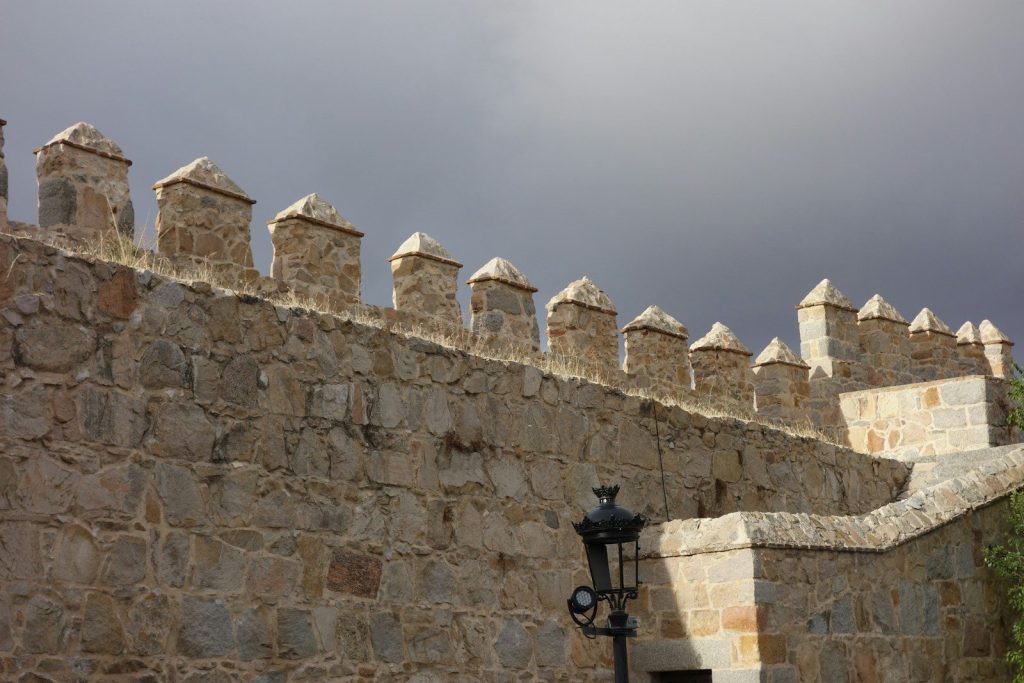
    A stone wall with a lamp post in front of it
    Photo by Arthur Tseng on Unsplash

    One of the leading theories is that the church was entered through the roof. Archaeologists found remnants of what might have been wooden ladders or stairs leading to the top of the walls. In the 4th century, many religious groups felt they needed to be closer to the sky.

    By entering from above, the worshippers were making a symbolic journey toward heaven every time they went to church. It was a way to keep the “sacred” space separate from the “dirty” ground. But this wasn’t just a religious choice—it might have been a survival tactic.

    A Secret Fortress Against Desert Raiders

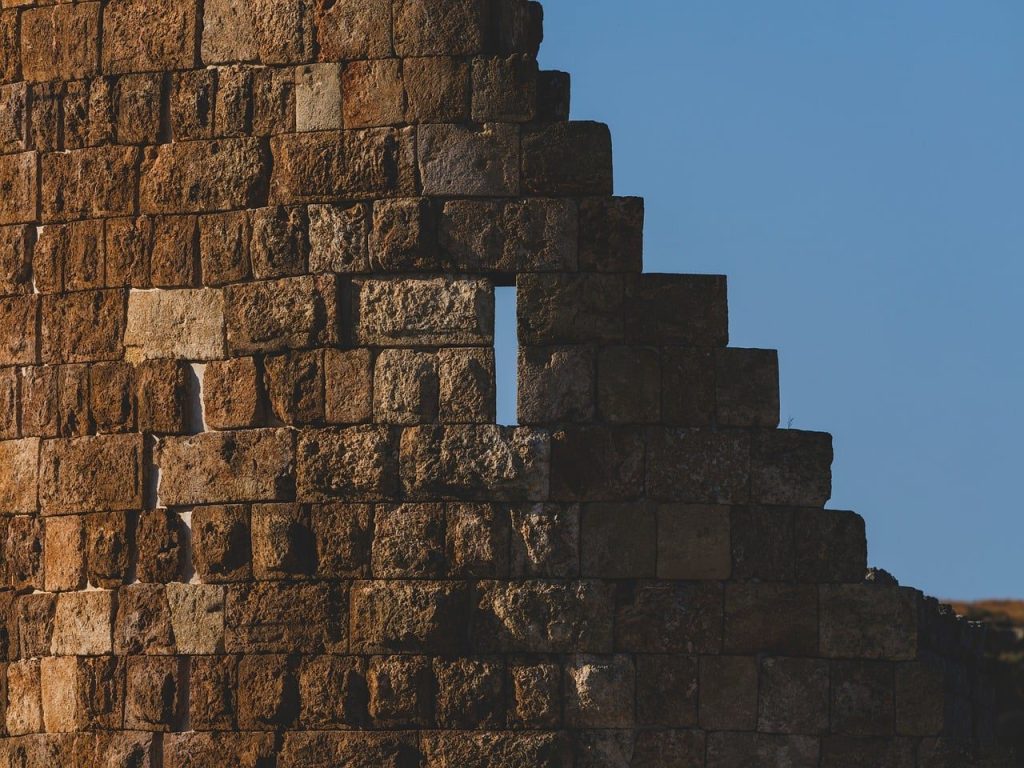
    historical, ruins, ancient, wall, city, history, old, archaeological, caliper, novel, culture, heritage, greek, marble, hellenistic, beauty, nature, travel, stone, rock, building, structure, past, antalya, turkey, summer
    Photo by Engin_Akyurt on Pixabay

    The 4th century was a violent time in the Egyptian desert. Bandit groups and rival tribes often raided small communities. A church with no doors is the perfect defense. If there is no door to break down, the treasure inside stays safe.

    The people could pull up their ladders and hide inside until the danger passed. It was a “safe house” that doubled as a temple. But the things they were protecting inside were more valuable than gold. Wait until you see what was carved into the inner walls.

    The Mysterious Murals Hidden in Darkness

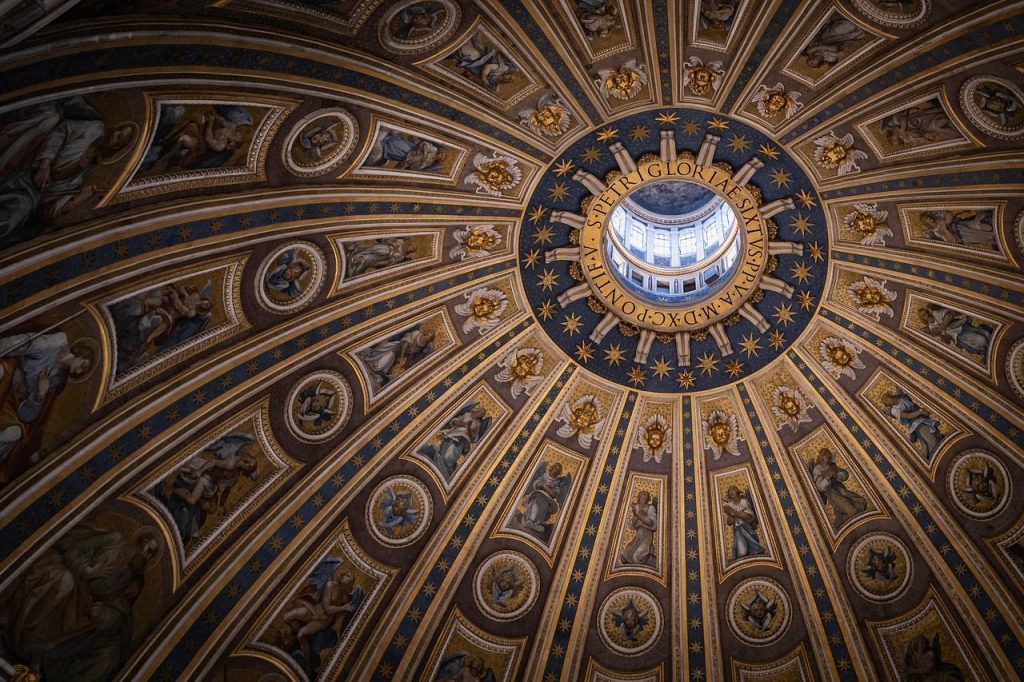
    rome, ancient city, vatican, dome, ceiling, windows, architecture, rome, rome, rome, rome, rome, vatican, vatican
    Photo by JanSimons on Pixabay

    Once the researchers finally got inside the structure, they found incredible artwork. Because there were no doors or low windows, the paintings have been perfectly preserved for centuries. The walls are covered in bright blue and gold images of saints and strange symbols.

    These symbols aren’t found in any other church from this time period. It suggests this group had a very different set of beliefs from the mainstream church. They were “encoded” messages that were only meant for the eyes of the followers. But why were they so afraid of outsiders seeing their art?

    A Place for the “Quiet Ones”

    A Buddhist monk stands in orange robes at an ancient stone temple, depicting peace and spirituality.
    Photo by Eky Rima Nurya Ganda on Pexels

    Some historians believe this church belonged to a group of monks who took a vow of total silence. By building a church with no doors, they were creating a physical boundary between them and the loud world. They didn’t want anyone to knock or walk in unannounced.

    Inside the church, they found tiny cells where the monks would sleep and pray for days without ever seeing sunlight. It was a life of total isolation and focus. But if they never left, how did they get food and water?

    The Delivery Hatch Discovery

    vegetables, basket, vegetable basket, harvest, produce, organic, fresh, fresh produce, fresh vegetables, assorted, nature, food, garden, salad, healthy
    Photo by congerdesign on Pixabay

    Archaeologists eventually found a small, square opening high up on one of the walls. It was too small for a human to fit through, but it was perfect for a basket. Local villagers would likely bring food and water to the wall and leave it in the hatch.

    The monks would pull the basket inside without ever having to talk to the outsider. It was a 4th-century version of “contactless delivery.” It allowed the monks to stay pure and focused. But something happened that forced them to leave their “doorless” home forever.

    Why the Church Was Eventually Buried

    black and brown mountain under white sky at daytime
    Photo by Bas de Korte on Unsplash

    The soil around the church shows signs of a massive sandstorm that lasted for weeks. The monks likely couldn’t get their food deliveries, and the sand eventually reached the roof entrance. Instead of digging their way out, it seems they abandoned the site or died inside.

    The church was swallowed by the desert and forgotten until a satellite scan picked up the square outline under the sand. It is a time capsule of a lost way of life. But as we unlock the secrets of this building, we are finding even stranger secrets inside our own heads.

    The Mystery of the Missing Entrance Continues

    australia, continent, geography, map, nature, ocean, pacific ocean, satellite image
    Photo by WikiImages on Pixabay

    Even with all the theories, the “No Door” church remains one of the weirdest buildings in Egypt. It reminds us that ancient people had reasons for their designs that we are still trying to understand. Every stone we move brings us closer to the truth.

    It is a hopeful time for archaeology, as technology lets us see through the walls without breaking them. The past is finally opening up, even if it doesn’t have a door. But wait until you see how brain scans are proving that we are not the first “humans” to think this way.

    Featured Image: Photo by Martijn Vonk on Unsplash

  • What Really Happened During the World’s Most Famous Shipwrecks

    What Really Happened During the World’s Most Famous Shipwrecks

    The ocean floor is a massive graveyard holding thousands of years of human history. We often think of shipwrecks as simple accidents caused by bad weather or poor luck. But the truth is often much darker and more complicated. Recent technology is allowing divers and robots to reach depths that were once impossible. These new discoveries are changing everything we thought we knew about history-s greatest disasters. From golden treasures to tragic errors, the stories behind these wrecks are finally coming to light.
    The Titanic is just the beginning. There are ships that vanished without a trace and others that were carrying secrets that could have changed the outcome of wars. Every time a new wreck is found, we get a glimpse into the final moments of the people on board. Some of these stories involve incredible bravery, while others reveal shocking greed. But wait until you see the wreck that was found after 100 years in the most frozen place on Earth.

    Finding Shackleton’s Endurance in the Frozen Weddell Sea

    sea, ship, ice, steamship, steamer, ocean, nature, water, winter, ice cap, scenic, scenery, cold, arctic sea, arctic ocean, antarctica
    Photo by 12019 on Pixabay

    In 1915, the explorer Ernest Shackleton watched his ship, the Endurance, get crushed by Antarctic ice. He and his crew were trapped for months but miraculously survived. For over a century, no one knew exactly where the ship sank. In 2022, a team of researchers found the wreck 10,000 feet deep in the Weddell Sea. Because the water is so cold, the wood is perfectly preserved. You can still see the name “Endurance” on the stern. It looks exactly like it did the day it went down. But how did a massive warship sink just minutes into its first trip?

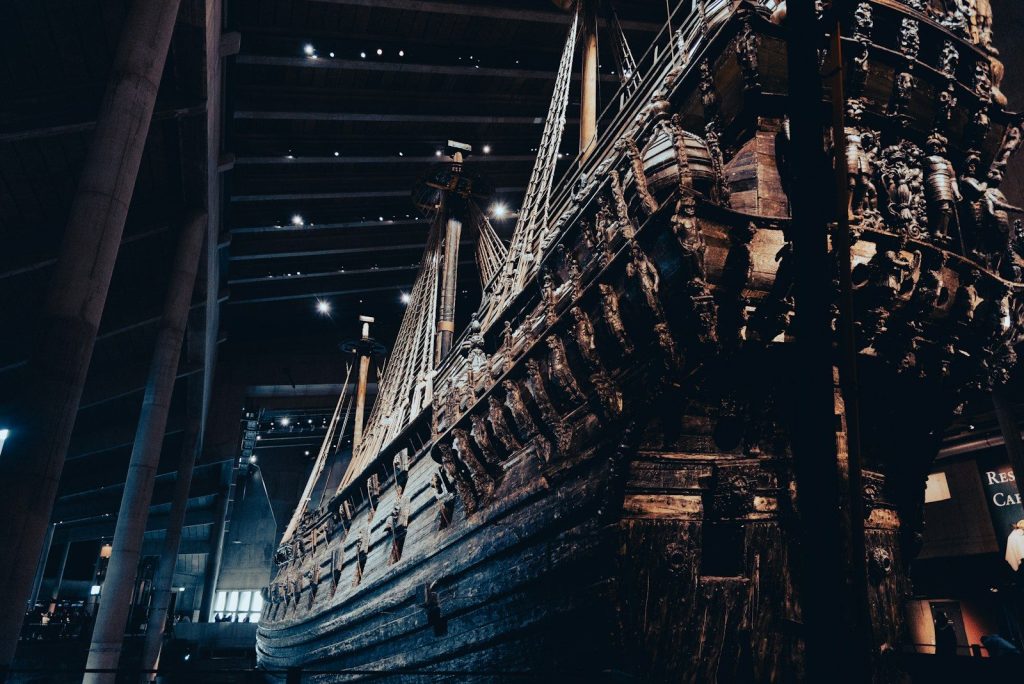
    The Swedish Warship That Sank on Its Maiden Voyage

    a large wooden boat in a building
    Photo by Lorenzo Liverani on Unsplash

    The Vasa was supposed to be the most powerful warship in the world. In 1628, it set sail from Stockholm with thousands of people watching from the shore. Less than a mile into the trip, a light gust of wind tipped the ship over. Water rushed into the gun ports and the ship sank in minutes. It was a national embarrassment. The problem was that the King wanted too many heavy cannons on the top deck, making it unstable. After 333 years, the ship was raised and is now a museum. But wait until you see the shipwreck that actually helped end a world war.

    The Lusitania Mystery and the Hidden Cargo

    A large ship is beached by crashing waves.
    Photo by Marco Bianchetti on Unsplash

    The sinking of the Lusitania by a German submarine in 1915 helped push the United States into World War I. For a long time, Germany claimed the ship was carrying illegal ammunition. Britain denied it. Decades later, divers found thousands of rounds of rifle ammunition in the wreck. This discovery changed how historians look at the event. It was a tragic loss of 1,200 lives that might have been avoided if the ship hadn’t been a secret target. But there is a wreck in the Caribbean that holds a treasure worth billions of dollars.

    The Billion Dollar Treasure of the San Jose

    From above back view of unrecognizable male in diving suit swimming in rippled sea with wooden box
    Photo by tugay aydın on Pexels

    The San Jose was a Spanish galleon that sank during a battle with the British in 1708. It was carrying a massive amount of gold, silver, and emeralds from the New World. In 2015, the Colombian government finally found the wreck. Experts estimate the treasure is worth up to 17 billion dollars. Now, multiple countries are fighting over who owns the gold. While the lawyers argue, the treasure remains at the bottom of the sea. But wait until you see the ship that was so big it was called “unsinkable” before it hit an iceberg.

    The Unsolved Questions Behind the Titanic Disaster

    sunken ship
    Photo by NOAA on Unsplash

    We all know the story of the Titanic. However, scientists are still finding new clues about why it sank so fast. Some believe the rivets used to hold the steel together were too weak. Others think a fire in the coal bunker had already damaged the hull before the ship ever left port. Every new robot mission to the wreck brings back photos of shoes and personal items that remind us of the human cost. The wreck is slowly being eaten by bacteria and may vanish within our lifetime. But what about the ship that was found with no one on board?

    The Mary Celeste and the World’s Greatest Sea Mystery

    brown ship on white snow covered ground during daytime
    Photo by Graham Meyer on Unsplash

    In 1872, a ship was found drifting in the Atlantic Ocean. The sails were set, and the cargo was untouched. But there was not a single person on board. The captain’s log was still there, but the last entry gave no clue about what happened. There was no sign of a struggle or a storm. To this day, no one knows why the crew abandoned a perfectly good ship. It remains the most famous “ghost ship” in history. As we look at these mysteries of the deep, our own bodies hold a secret that is just as strange.

    The Ship of Gold That Sank in a Hurricane

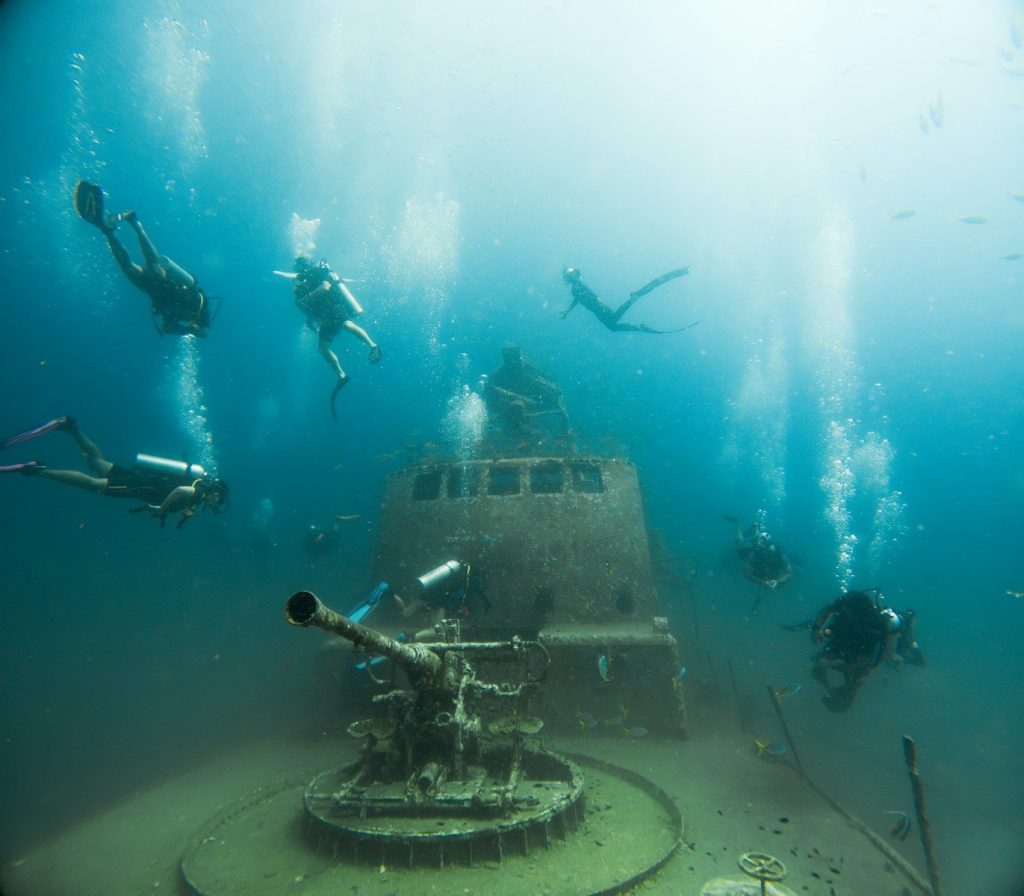
    Scuba divers explore a sunken shipwreck with a cannon.
    Photo by Nathanaël Desmeules on Unsplash

    The SS Central America was carrying 30,000 pounds of gold during a massive hurricane in 1857. When it sank off the coast of the Carolinas, it caused a financial panic in the United States. Divers eventually found the “Ship of Gold” in 1988. They recovered thousands of gold coins and bars that had been sitting in the mud for over a century. It was one of the largest treasure hauls in history. While we search for gold in the sea, we are discovering that the key to our happiness might be in our stomachs.

    Featured Image: Photo by Jackdrafahl on Pixabay

  • Scientists Finally Discover What Lives Inside That Mysterious Deep Sea Egg

    Scientists Finally Discover What Lives Inside That Mysterious Deep Sea Egg

    Deep at the bottom of the Pacific Ocean, a remote-controlled sub came across something that appeared to belong in a horror film. It was a shiny golden orb about four inches wide, stuck to a rock two miles below the surface. The internet quickly dubbed it the “Golden Egg” and theories began to fly. Was it an alien artifact? A discarded piece of high-tech waste? Or something more biological? Scientists were confused because the object had a mysterious hole in the front, suggesting something had already crawled out of it.

    After months of careful study in a high-security lab, researchers have finally cracked the mystery. Using DNA sequencing and high-resolution scans, they have identified the origin of this strange treasure. The truth is actually more incredible than the wild theories people posted online. This object represents a part of the Earth that we have never seen before. But to understand what was inside, we first have to look at the terrifying environment where it was found.

    The Shiny Object Found Two Miles Below The Surface

    scuba diving, nature, swimming, sea, ocean, water, underwater, underwater diving, diver, diving, recreational activity
    Photo by 12019 on Pixabay

    The discovery took place during an expedition by the NOAA ship, Okeanos Explorer. Their robotic sub was filming a dormant volcano when the cameras caught a glint of gold. The team was shocked to find something so bright in a world of total darkness. At that depth, the pressure is enough to crush a car, and the temperature is near freezing.

    Anything living down there has to be incredibly tough. When the sub’s robotic arm touched the “egg,” it felt like soft skin or muscle tissue rather than a hard shell. This was the first hint that they were dealing with a living creature. But why would an animal want to look like a piece of jewelry?

    Why Scientists Could Not Identify The Mysterious Skin

    mushroom, oyster, mycology, nature, macro, texture, closeup, mushroom, mushroom, mushroom, mushroom, mushroom, texture
    Photo by a_m_o_u_t_o_n on Pixabay

    When the sample arrived at the surface, the lead scientists were speechless. They expected it to be a known type of sponge or coral, but the texture didn’t match anything in their database. The “golden” color was actually a unique type of biological coating that reflects the faint light from deep-sea vents.

    Under a microscope, the skin looked like it was made of metallic threads. It was surprisingly flexible, but nearly impossible to tear. This protective layer was designed to keep the occupant safe from the extreme pressure of the abyss. But the most chilling part was the clean circular hole found on the side.

    What The DNA Testing Finally Revealed

    dna, biology, medicine, gene, microbiology, science, genetics, genetic material, laboratory, dna, dna, dna, dna, dna, biology, medicine, gene, science, genetics, laboratory
    Photo by PublicDomainPictures on Pixabay

    After weeks of testing, the results came back with a shock. The DNA from the golden egg did not match any known species on record. About 90 percent of its genetic code was completely new to science. However, the remaining 10 percent showed a distant link to a family of deep-sea predators.

    It turns out the “egg” wasn’t an egg at all. It was a protective casing for a new type of invertebrate that undergoes a radical transformation. Think of it like an underwater cocoon. The creature that grew inside this golden shell is a master of camouflage that has been hiding from humans for millions of years.

    The Creature That Crawled Out Of The Gold

    a large jellyfish swimming in the water
    Photo by Heidi Bruce on Unsplash

    So, what exactly was the occupant? The DNA points to a highly advanced type of deep-sea snail or mollusk, but one with a terrifying twist. Unlike the slow snails we see in our gardens, this creature is a fast-moving hunter. It uses the metallic casing to shield itself while it develops its predatory organs.

    Once it reaches adulthood, it “hatches” and disappears into the darkness of the trenches. This explains why we have only ever found the empty shells. We are looking at the nursery of a ghost. But if these creatures are everywhere, why are we only finding them now?

    A New Kingdom Of Life In The Twilight Zone

    jellyfish, aquatic, animal, ocean, underwater, nature, dark, blue animals, blue dark
    Photo by StockSnap on Pixabay

    This discovery has forced scientists to redraw the map of the ocean. It proves that there is an entire “hidden” ecosystem living beneath the seafloor. There are likely thousands of species down there that look nothing like the life we know. These “golden” species use chemical energy from the Earth’s core to survive instead of sunlight.

    We are essentially looking at an alien world right here on our own planet. The golden egg is just the tip of the iceberg. Some researchers believe there are massive structures made of this biological metal deep inside the ocean trenches. What else could be hiding in the 80 percent of the ocean that remains unexplored?

    Why This Discovery Matters For Human Medicine

    a bottle filled with liquid and a pipe sticking out of it
    Photo by Cosmin Ursea on Unsplash

    While the idea of a deep-sea “metal snail” is cool, the real value is in its chemistry. The metallic skin of the golden egg has incredible healing properties. It can withstand extreme heat and acidic environments without breaking down. Scientists are now looking at how to use these proteins to create better medical implants for humans.

    We could see a new generation of heart valves or bone replacements based on the “golden” recipe found in the abyss. This serves as a reminder that nature is often the best engineer. But as we move to collect more samples, environmentalists sound the alarm.

    The Battle To Protect The Deep Sea Nursery

    lionfish, underwater, marine life, reef fish, tropical fish, invasive species, ocean wildlife, coral reef, underwater photography, exotic fish, venomous spines, striped fish, sea life, aquatic animal, marine biodiversity, scuba diving, snorkeling, underwater close-up, nature, wildlife photography
    Photo by DJB_Images on Pixabay

    As soon as the “Golden Egg” went viral, mining companies began to take notice. The deep sea is full of valuable minerals, and now we know it’s full of biological secrets too. There is a growing fear that deep-sea mining could destroy these habitats before we even get to study them.

    If we wipe out these “nursery” areas, we might be killing off species that hold the cure for diseases. The golden egg has become a symbol for the fight to protect our oceans. Will we choose to explore the mystery, or will we mine it into extinction? The answer lies in what we find next.

    Featured Image:Photo by Franziska_Stier on Pixabay

  • The “Silent Cities” are buried right beneath our modern streets.

    The “Silent Cities” are buried right beneath our modern streets.

    Every time you walk down a busy street in London, Rome, or Mexico City, you are literally walking on top of the dead. For thousands of years, humans have built cities on top of older ones. In 2026, new “Ground-Penetrating Radar” technology is hitting the news as it reveals the “Silent Cities” that were forgotten by history. We aren’t just talking about a few old walls; we are talking about entire neighborhoods, temples, and palaces that are perfectly preserved just a few feet beneath the pavement.

    These buried worlds are providing a “lost map” of human history. Archaeologists are finding that the ancients had sophisticated plumbing, secret tunnels, and even high-speed transport systems that we are only just rediscovering. It is a total transformation of how we think about our ancestors. They weren’t just building for themselves; they were building the foundations we still use today. But wait until you see the “Underground City” that can house 20,000 people.

    The Multi-Layered Mystery of Rome

    A room with a bed and a table in it
    Photo by Artfox Photography on Unsplash

    Rome is the ultimate “lasagna city.” When you dig a hole for a new subway line, you almost always hit a Roman palace or a 2,000-year-old shop. In 2026, engineers found a perfectly preserved barracks for the Emperor’s guard buried deep under a shopping mall. These layers of history show us how the city grew and changed over two millennia. It is a living timeline made of stone and mortar. But Rome isn’t the only place with a secret basement.

    Seattle and the City That Was Raised

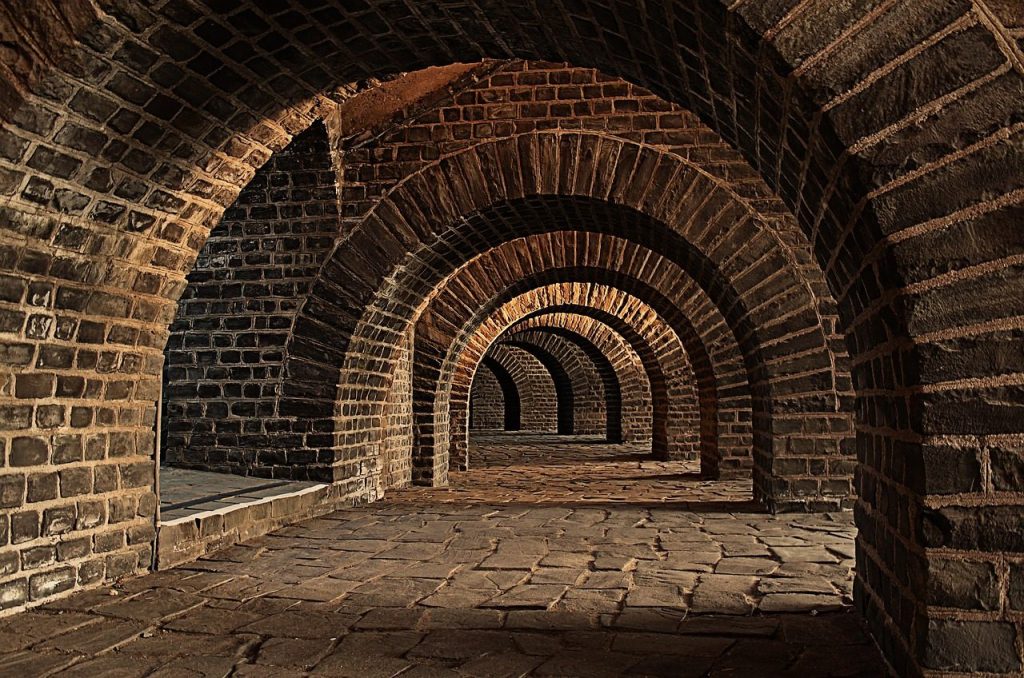
    vaulted cellar, tunnel, arches, keller, cellar speed, rhaeto romanic, culture, history, architecture, stone, places of interest, 4k wallpaper, brown wallpaper, brown history, hd wallpaper, brown culture, brown stone
    Photo by 132369 on Pixabay

    In the late 1800s, Seattle had a massive flooding problem. To fix it, the city decided to simply build a new street level one story higher. This left the original ground floor completely buried. Today, you can take tours of the “Seattle Underground,” walking through old saloons and hotel lobbies that haven’t seen the sun in over a hundred years. It is a ghost town trapped in the soil. But wait until you see the massive stone labyrinth found in Turkey.

    Derinkuyu – The 18-Story Underground Fortress

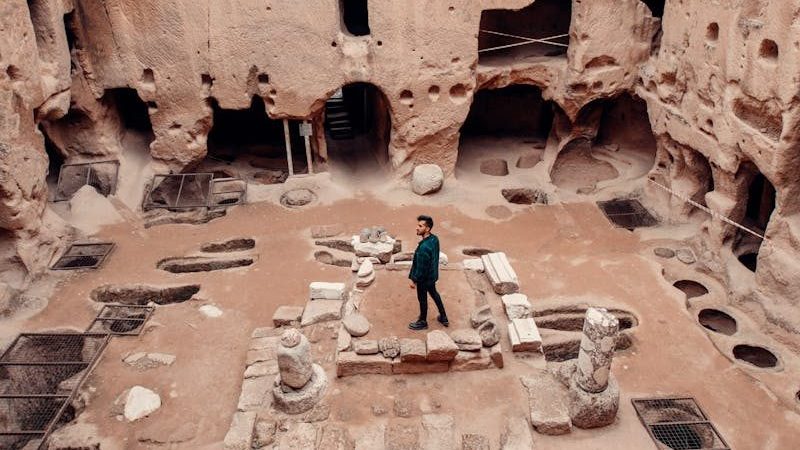
    Person exploring the historic Gumusler Monastery ruins in Niğde, Türkiye.
    Photo by Kadir Avşar on Pexels

    Found by a man renovating his basement in 1963, Derinkuyu is a massive underground city in Turkey that goes down 18 stories. It was built to protect thousands of people from invading armies. It had schools, churches, and even stables for animals. The level of engineering required to provide air and water at that depth is still baffling to modern scientists. It is a masterpiece of “survival architecture.” But why did the people eventually leave their mountain home?

    London’s Lost Rivers and Hidden Vaults

    cave, river, underground, puerto princesa, subterranean river, cavern, boat, nature
    Photo by Humpty22 on Pixabay

    The River Thames isn’t the only water in London. There are dozens of “lost rivers” like the Fleet and the Tyburn that were covered over centuries ago to make room for houses. These rivers now flow through giant brick sewers and tunnels right under the feet of millions of commuters. Along with the rivers, there are abandoned “ghost stations” on the Underground that were used as bomb shelters during the war. But the most shocking “silent city” is currently being mapped in the Amazon.

    The Laser Map of the Amazon Jungle

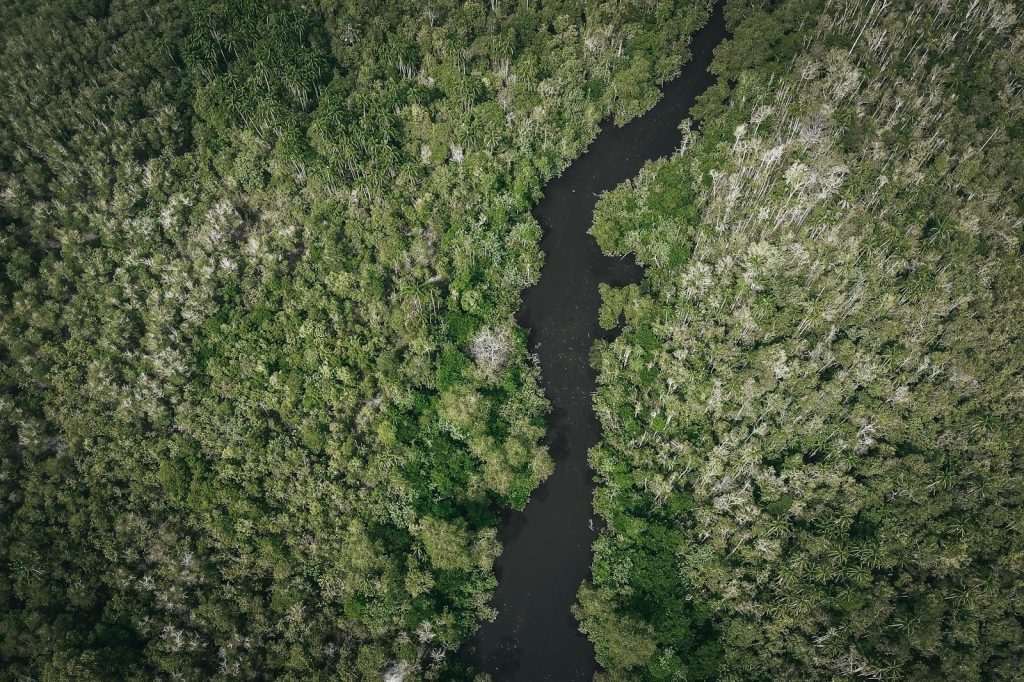
    Stunning aerial view of a river cutting through a dense, lush forest landscape.
    Photo by Pok Rie on Pexels
    For centuries, we thought the Amazon was a wild, untouched forest. But LiDAR (laser) scans have revealed a massive network of “garden cities” buried under the trees. These cities had straight roads, giant mounds, and complex irrigation systems that once supported millions of people. The jungle literally grew over their history in less than 500 years. We are realizing that the “Silent Cities” are everywhere, even in the most remote places on Earth. But how did these people move so much dirt?

    The Secret of the Ancient Concrete

    italy, rome, colosseum, nature, sunset, ancient architecture, travel, roman arena, tourists
    Photo by MARTINOPHUC on Pixabay

    One of the reasons these cities have stayed silent for so long is the strength of their materials. Roman concrete is actually more durable than the concrete we use today. Scientists have discovered that the ancients used “self-healing” volcanic ash that gets stronger in salt water. This is why their buried harbors and vaults are still intact while modern buildings crumble. We are literally studying the dirt of the past to build the future. But what happens when these cities start to “talk” back?

    Predicting Disasters Using Buried History

    Two young men working on stone blocks outdoors.
    Photo by Annie Spratt on Unsplash

    By studying how ancient cities fell, geologists can predict where future earthquakes or floods will hit. Many of the “Silent Cities” were destroyed by natural events that follow a regular cycle. The buried ruins act as a “black box” recording for the planet’s history. They tell us when the earth shook and when the water rose. This data is being used to save modern lives today. It is a collaboration between the dead and the living. But wait until you see the secret hiding in the feathers of a bluebird.

    Featured Image: Photo by Etienne Dayer on Unsplash

  • The 10 historical “Geniuses” who were actually terrible people

    The 10 historical “Geniuses” who were actually terrible people

    We love to put our heroes on pedestals. We are taught from a young age that the “Geniuses” of history—the scientists, philosophers, and inventors—were paragons of virtue who only cared about progress. But as we dig into the personal letters and private journals of these legends in 2026, a much darker reality is emerging. Many of the people who gave us the lightbulb, the laws of gravity, and even our modern democracy were actually “monsters” in their private lives.

    This isn’t about “canceling” history; it is about seeing the full, messy truth of the human condition. We are finding that high intelligence does not equal high morality. From extreme cruelty to their own families to supporting horrific political movements, these “Geniuses” had secrets that would make your skin crawl. We are looking at a total rewrite of our Cultural Hall of Fame. But wait until you see the “hero” who actually stole his greatest invention from a dead friend.

    Thomas Edison and the Great Theft

    ai generated, thomas edison, man, inventor, edison, thomas, thomas edison, thomas edison, thomas edison, thomas edison, thomas edison
    Photo by PakPixelPro1 on Pixabay

    Thomas Edison is called the “Wizard of Menlo Park,” but he was also a ruthless businessman who would do anything to win. He didn’t just “invent” the lightbulb; he improved on a dozen other people’s work and then sued them out of existence. Most famously, he ran a smear campaign against Nikola Tesla that involved publicly electrocuting animals to “prove” that Tesla’s electricity was dangerous. He was a master of marketing, but a failure as a human being. But he wasn’t the only one with a cruel streak.

    Aristotle and the Defense of Slavery

    Marble statue of a man reading a book.
    Photo by Junipero Verbeke on Unsplash

    Aristotle is considered the “Father of Western Philosophy.” Yet, in his writings, he explicitly argued that some people are “natural slaves” and that their only purpose is to serve their masters. He provided the intellectual framework that was used to justify slavery for over 2,000 years. While he was a genius in logic and biology, his views on human rights were horrifying even for his time. But wait until you hear about the “Man of Peace” who was a nightmare to his own children.

    Albert Einstein’s Secret Family Life

    ai generated, man, scientist, albert einstein, art, abstract, figure, fantasy, albert einstein, albert einstein, albert einstein, albert einstein, albert einstein
    Photo by 1tamara2 on Pixabay

    Albert Einstein changed our understanding of the universe, but he was a disaster as a husband and father. He treated his first wife, Mileva, like a servant, giving her a list of rules that included “don’t expect any affection from me.” He was often absent and emotionally cold to his sons, one of whom spent much of his life in a mental institution with little support from his famous father. We celebrate his brain, but his heart was a different story. But he looks like a saint compared to the next scientist.

    Isaac Newton and the Art of Revenge

    a statue of a man holding a globe
    Photo by Rafael Ishkhanyan on Unsplash

    Sir Isaac Newton was perhaps the smartest human to ever live, but he was also incredibly paranoid and petty. He used his power as the head of the Royal Society to destroy the reputation of any scientist who disagreed with him. He spent decades in a vicious legal war with Robert Hooke and Gottfried Leibniz over who invented calculus. He was known to be a lonely, bitter man who preferred the company of his equations to any human being. But why was the “founder” of modern medicine so obsessed with pain?

    The Dark Side of Steve Jobs

    silver iPhone 11
    Photo by AB on Unsplash

    Steve Jobs gave us the iPhone, but he also gave his employees nervous breakdowns. He was famous for his “reality distortion field” and his verbal abuse of anyone who couldn’t meet his impossible standards. Most shockingly, he initially denied paternity of his own daughter, Lisa, even while he was worth millions and she was on welfare. He was a visionary for products, but a nightmare for the people who actually built them. But can a “Genius” also be a literal criminal?

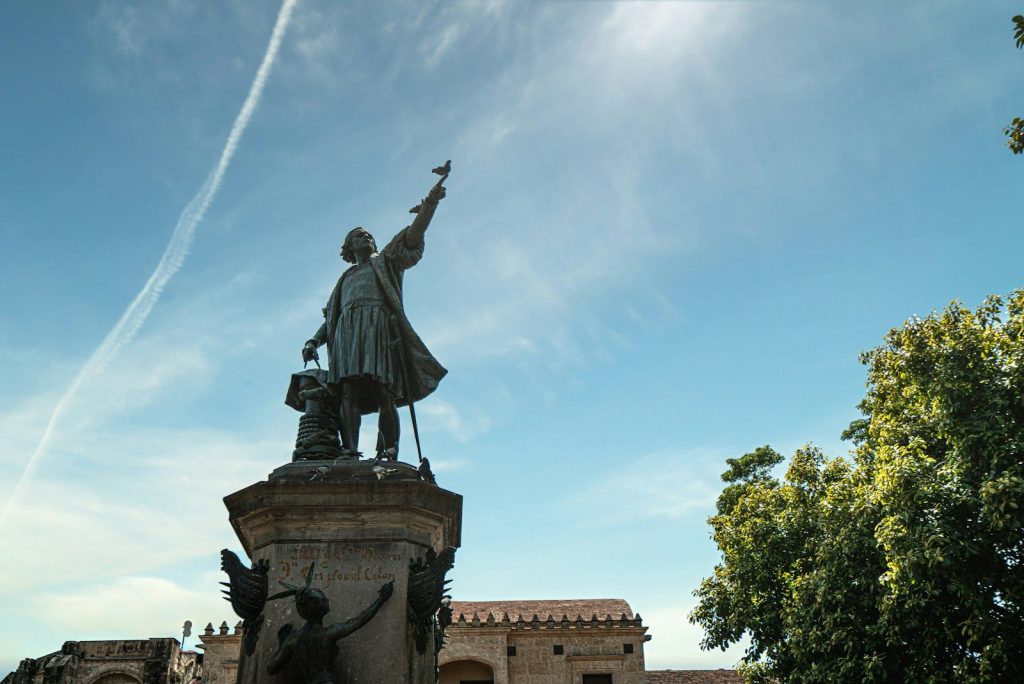
    Christopher Columbus and the Myth of Discovery

    a statue of a man with a bird in his hand
    Photo by Kevin Olson on Unsplash

    We used to have a holiday for Christopher Columbus, but the 2026 history books tell a different story. Columbus was so cruel to the indigenous people of the Caribbean—and even his own colonists—that he was eventually arrested by the Spanish crown and sent back to Europe in chains. He didn’t just “discover” America; he brought a system of forced labor and torture that wiped out entire islands. He was a “Genius” at navigation, but a pioneer of genocide. But wait until you see the secret life of the “Great” Roman leaders.

    Julius Caesar and the Ego of an Empire

    man holding stick statue under blue sky during daytime
    Photo by Nemanja Peric on Unsplash

    Julius Caesar is the most famous Roman of all time. He was a brilliant general and writer. However, he also started an illegal civil war just to avoid being prosecuted for his political crimes. He killed nearly a million people in Gaul (modern France) just to increase his own personal wealth and power. He was a “Genius” at power, but he destroyed the very Republic he was sworn to protect. He was the ultimate narcissistic leader. But how do we judge these people today?

    Learning to Separate the Art from the Artist

    a black and white photo of a broken vase
    Photo by Dieter K on Unsplash

    The discovery that our “Geniuses” were terrible people is a hard pill to swallow. It forces us to ask: can we still use their inventions and enjoy their art? The 2026 cultural shift suggests that we should acknowledge their brilliance while never ignoring their crimes. We are moving toward a more honest version of history where no one is “perfect.” It is a lesson in humility for the entire human race. But while we fix our history, our own brains are going through a scary change.

    Featured Image: Photo by Philippe Tinembart on Unsplash

  • Why everything you were taught about the Pyramids is probably wrong

    Why everything you were taught about the Pyramids is probably wrong

    For years, we believed the Pyramids were just massive tombs built by thousands of slaves. That is the story in every textbook. But new evidence suggests that nearly everything we know might be a total myth. Archaeologists have found that the workers were, in fact, well-paid artisans. Even more shocking is that we have never found a single mummy inside the Great Pyramid itself. The accuracy of stone blocks is so perfect that a razor blade cannot fit between them. This level of mathematics was supposed to be impossible back then. Now we are looking at a mystery that points to lost technology or a much older timeline. Some experts even think that the structures were designed for energy, not burials. As we dig deeper, the ground starts to give up secrets that challenge logic. Wait until you see the truth about how they moved those massive rocks across the sand.

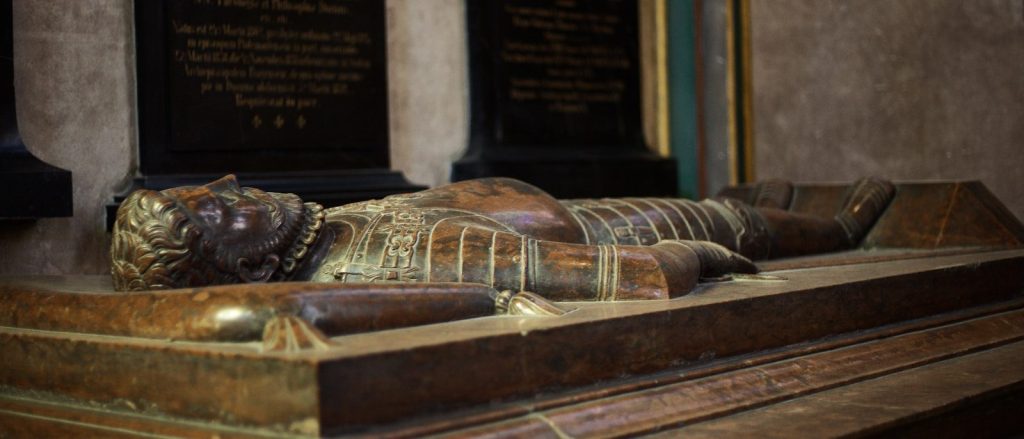
    The mystery of the missing mummies

    Effigy of a knight lying on a tomb.
    Photo by Andrew V on Unsplash

    If the pyramids were built as tombs, why is the Great Pyramid empty? No royal bodies were ever found inside the granite chest of the King’s Chamber. Historians often blame grave robbers, but there are no signs of forced entry in the original passages. It seems the pyramid was sealed empty from the very beginning. This has led many to believe that the “tomb” theory was just a cover-up for a much larger purpose. But the stones themselves tell an even weirder story about their alignment.

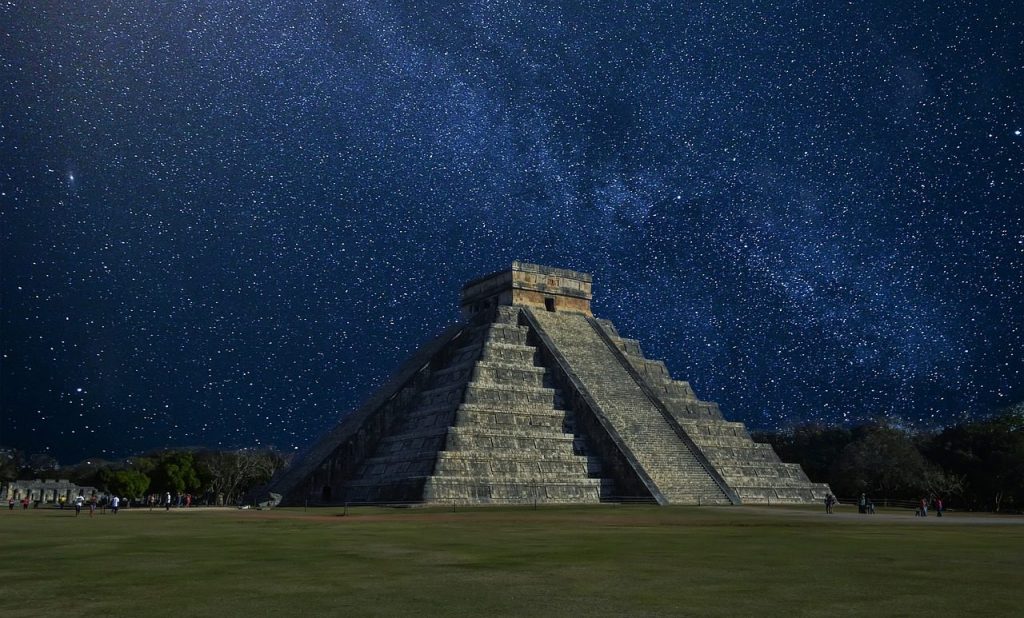
    Alignment with the stars is too perfect.

    chichen itza, mexico, pyramid, milky way, night, mayans, archaeology, archaeological site, stars, starry sky, starry night, landmark, famous, places of interest, chichen itza, mexico, mexico, mexico, mexico, mexico, pyramid
    Photo by Walkerssk on Pixabay

    The Great Pyramid is almost perfectly aligned to the true north with a tiny margin of error. It also corresponds to the positions of the stars in Orion’s Belt with dreadful accuracy. This suggests that the builders had a deep understanding of the heavens long before modern telescopes. It wasn’t merely a pile of rocks, it was a giant astronomical clock. However, the most baffling part is how they managed to cut granite without any steel tools.

    Precision cutting with lost technology

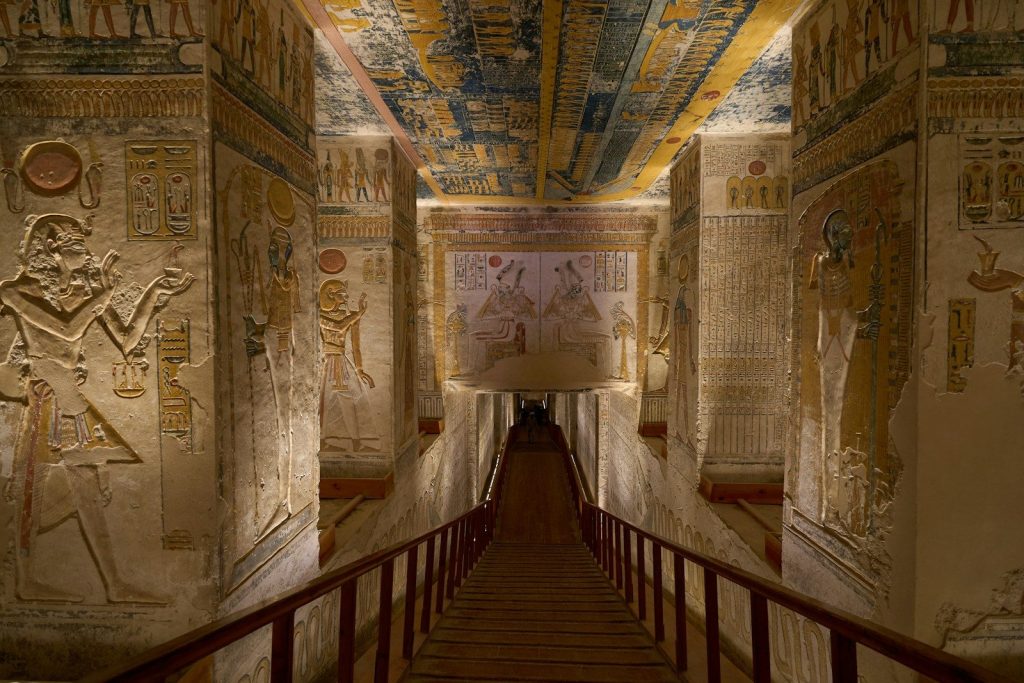
    a long hallway with paintings on the walls
    Photo by Dmitrii Zhodzishskii on Unsplash

    The King’s Chamber is built from massive red granite blocks that were shipped from 500 miles away. These blocks are so flat and square that they look machine-cut. At the time, humans only had copper saws and stone hammers. Copper is too soft to cut through granite. This suggests that the builders used a technology that has been lost to time. Some researchers are even finding circular drill marks on some of the stones. But the internal design of the pyramid is even more complex than the outside.

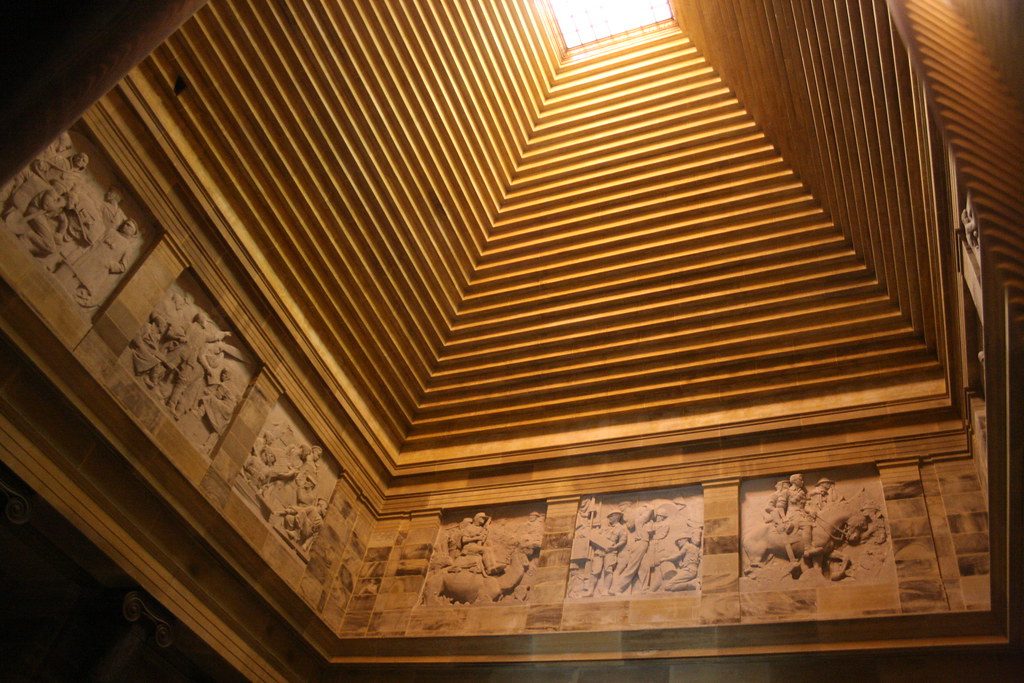
    Hidden chambers found with cosmic rays

    Shrine of Remembrance – Inside the pyramid” by electropod is licensed under CC BY-NC-ND 2.0

    Using advanced subatomic particles called muons, scientists have found a giant “void” inside the Great Pyramid that was never on any map. This massive hidden room is over 100 feet long. No one knows how to get inside yet, but it proves that we haven’t seen the whole picture. The pyramid is more like a giant machine than a building. Each new discovery makes the old “tomb” theory look like a fairytale. But what if the pyramid was actually a giant power plant?

    The energy generation theory

    ai generated, ancient, pyramid, temple, mystical, energy, fantasy
    Photo by ArtfulColorWorks on Pixabay

    Researchers have found that the Great Pyramid can concentrate electromagnetic energy inside its chambers. The materials used, such as limestone and dolomite, are both excellent conductors and insulators. This suggests that the structure might have been a giant wireless power station. It feels like science fiction, but the physics is beginning to check out. We might be looking at the world’s oldest battery. However, the dating of pyramids is the biggest fight in science right now.

    Rain erosion points to an older date.

    green leafed trees
    Photo by Christopher on Unsplash

    The Sphinx shows deep vertical grooves that can only be caused by thousands of years of heavy rainfall. The problem is that Egypt has been a desert for 5,000 years. This suggests the monuments were built much earlier, perhaps at the end of the last Ice Age. If this is true, our entire timeline of human history is wrong. We were advanced much earlier than we thought. But how did these early people know the exact dimensions of the Earth?

    The pyramid is a scale model of Earth.

    person walking near The Great Sphinx
    Photo by Spencer Davis on Unsplash

    If you take the height of the Great Pyramid and multiply it by 43,200, you get the polar radius of the Earth. If you multiply the base perimeter by 2, you get the Earth’s circumference. The number 43,200 is not random; it relates to the movement of the planet itself. The builders were encoding the dimensions of the world into stone. This level of knowledge is beyond the reach of “primitive” people. But the final secret is hidden in the very sand beneath our feet.

    Thousands of years of sand still hide secrets

    a lone plant in the middle of a desert
    Photo by JF Martin on Unsplash

    We have excavated only about 10 percent of the Giza plateau. Satellite scans show that dozens of other structures are still deep under the sand. We see only the tip of the iceberg. The real story of the pyramids is still to be uncovered. Every scoop of dirt could change everything we know about our past. Are you ready for the reality-bending truth about how your own brain tricks you?

    Featured Image: Photo by Walkerssk on Pixabay