Most maritime history lovers assume that shipwreck search teams quickly locate any vessel that disappears near busy shipping lanes. We believe that modern sonar networks can easily find lost transport hulls in shallow waters.
But a tragic disappearance in the Great Lakes proved how easily a ship can vanish. A wooden coal carrier disappeared with all fourteen crew members in 1909, only to be found 115 years later.
The Sudden Winter Storm
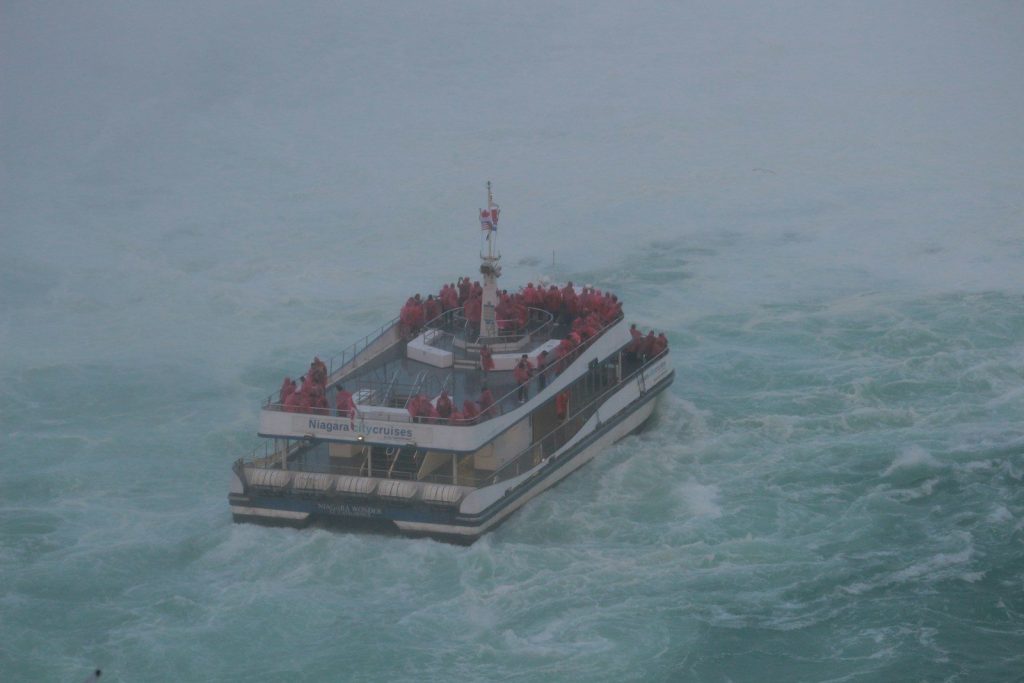
A heavy wooden vessel loaded with cargo set sail across Lake Superior during a brutal winter storm. According to historical records, the ship met fierce winds and freezing temperatures in November of 1909. The cold was intense. The captain fought desperately to keep the ship stable as giant waves battered the wooden hull. But the vessel suddenly vanished from all shore logs.
A Century Of Silence

Search teams combed the coastlines but found only scattered pieces of wood and life jackets. According to reports from the Great Lakes Shipwreck Historical Society, no signs of the crew were ever recovered. The silence was absolute. For over a century, the final resting place of the vessel remained a profound mystery. But modern remote technology eventually unlocked the dark coordinates.
Scanning The Lake Floor
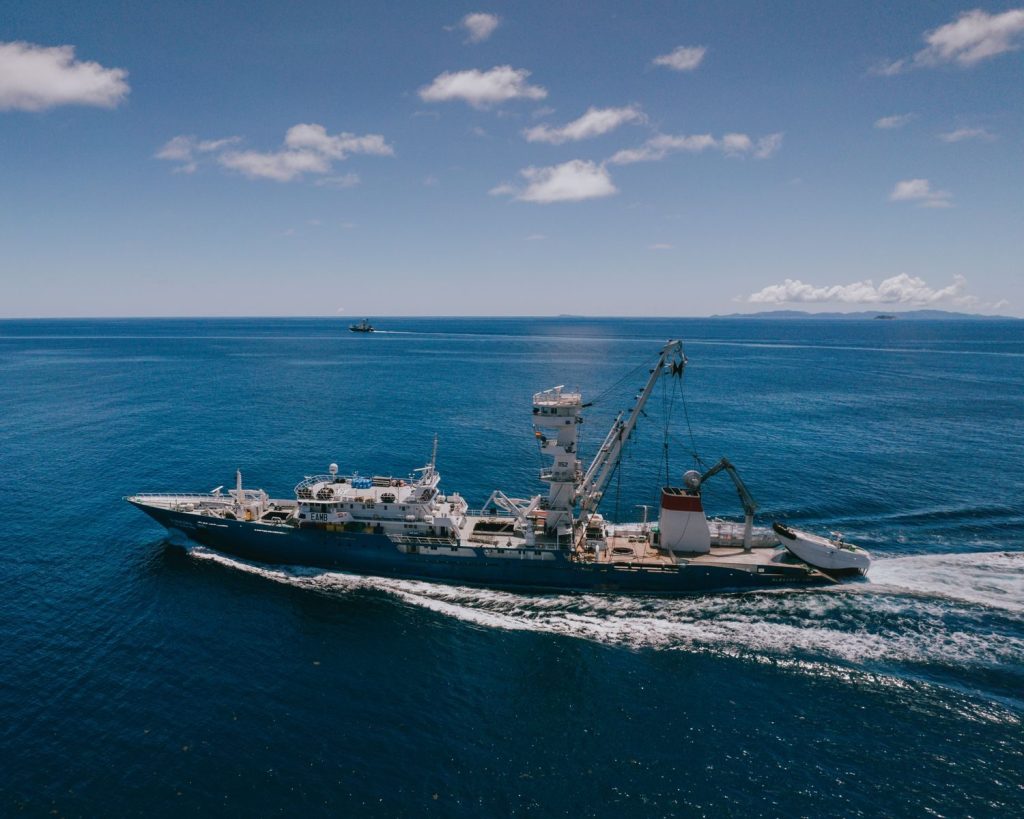
A specialized research vessel equipped with high-resolution sonar began mapping the deep waters in 2024. According to marine archaeologists, the instruments detected a massive ship-shaped anomaly resting in over 600 feet of water. The outline was clear. This high-tech scan allowed the team to pinpoint the coordinates before sending cameras down. But the condition of the wreck shocked the researchers.
Perfectly Preserved In Fresh Water
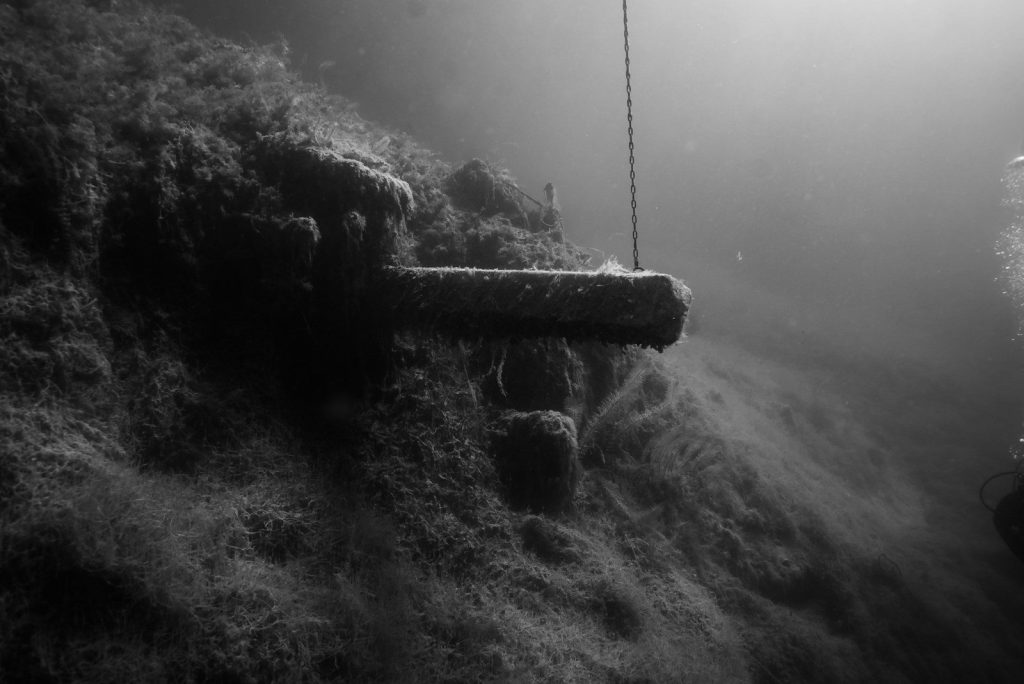
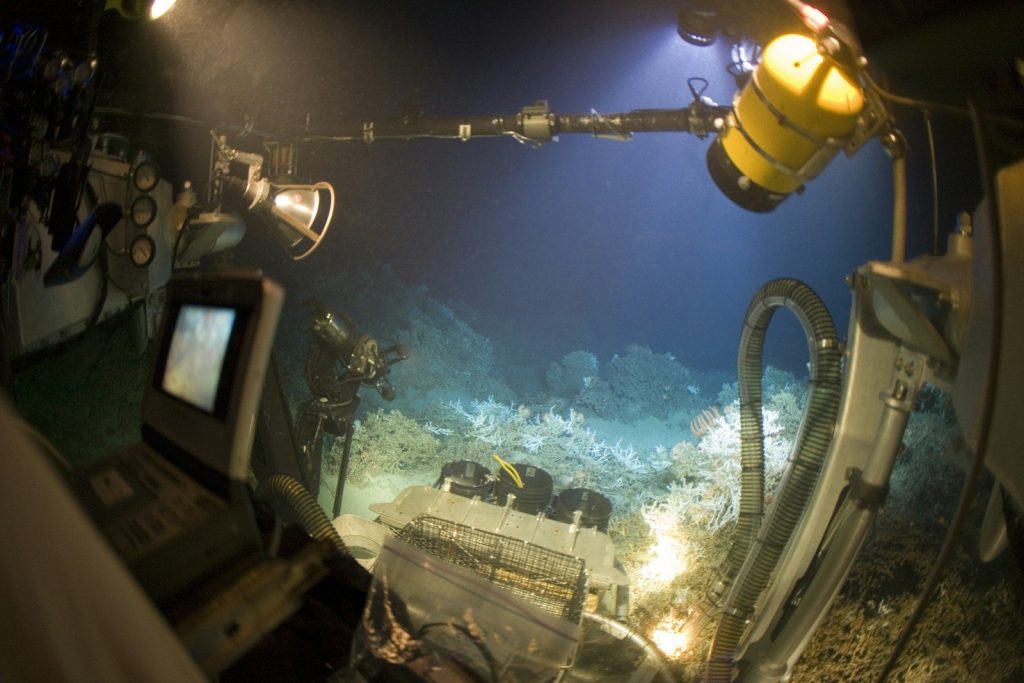
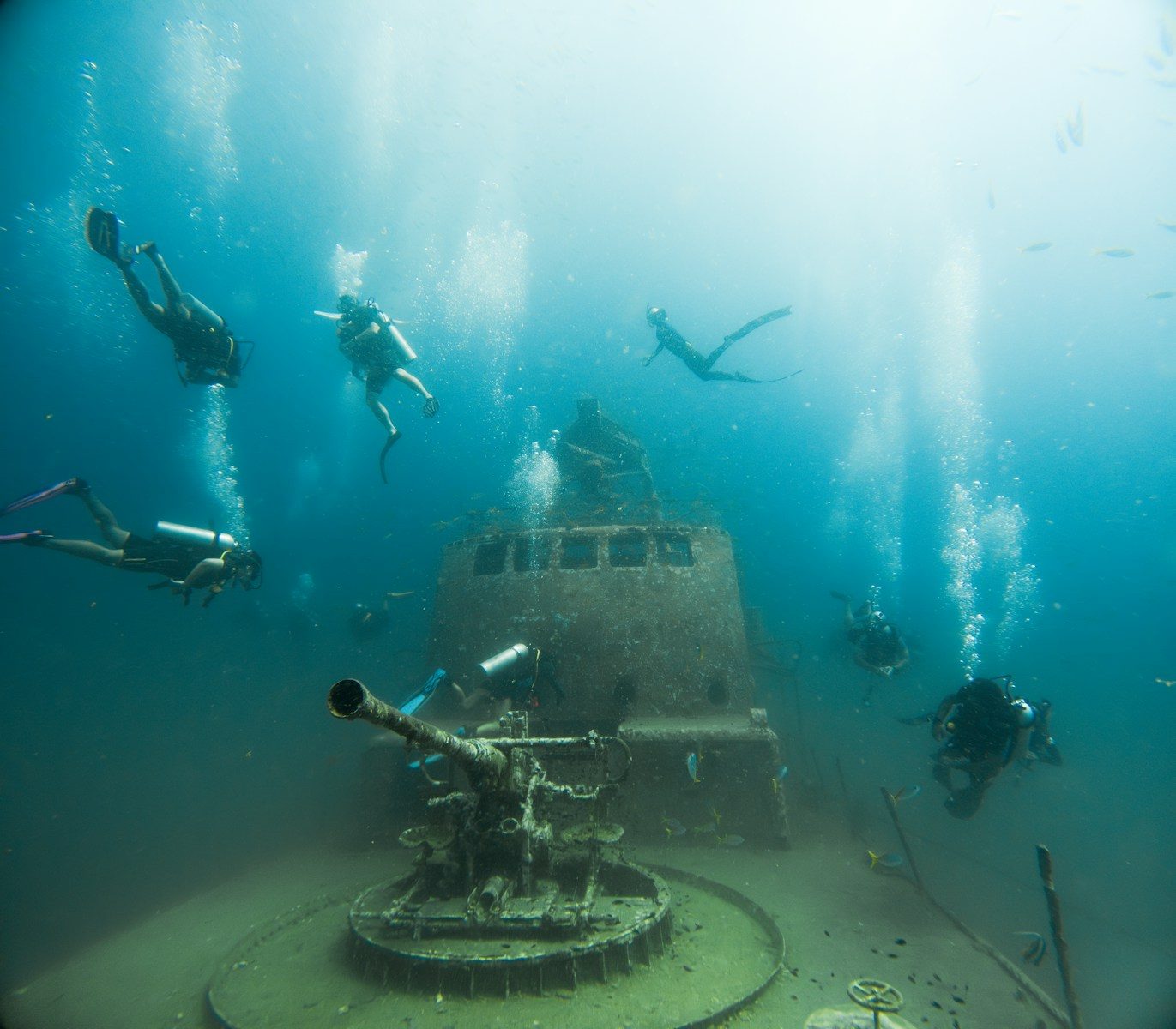
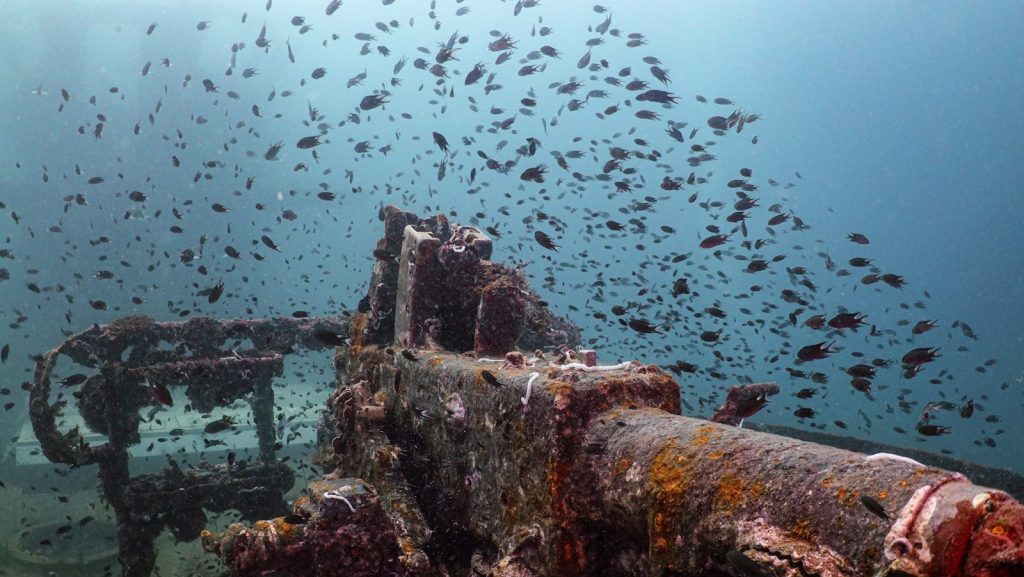
The icy and oxygen-poor depths of the lake acted like a perfect historical archive. According to underwater camera footage, the wooden cabin and main mast remained standing in pristine condition. It was a frozen capsule. The lack of saltwater and wood-eating organisms prevented the hull from decaying normally over the decades. But the silent cabins held no answers about the crew.
The Empty Lifeboat Davits
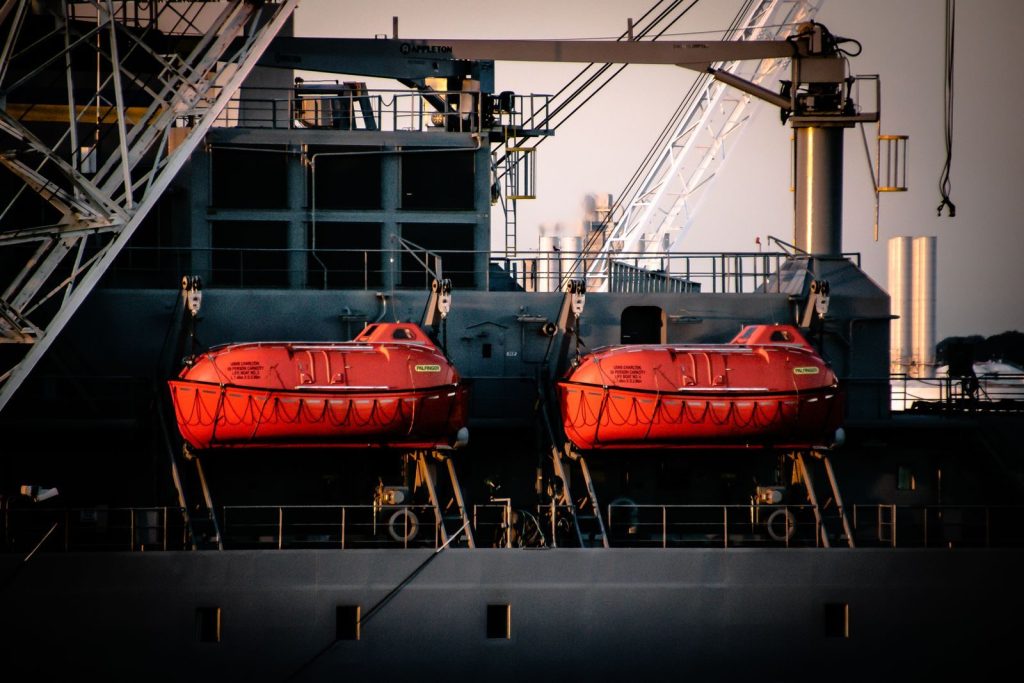
A close inspection of the deck revealed that the lifeboats were missing from their launch racks. According to search expedition logs, the crew likely attempted a daring escape as the ship began to sink. The escape was desperate. But navigating a small open boat through a freezing Great Lakes storm was a nearly impossible task. But this tragic detail is helping families find closure.
Healing Across Generations

Finding the physical wreck has brought immense relief to the descendants of the lost sailors. According to historical researchers, families had spent decades wondering about the final moments of their ancestors. The connection is emotional. This discovery turns a painful family legend into a documented historical event. But the lake still hides hundreds of other lost ships.
The Graveyard Of Ships

The unpredictable and violent storms of the Great Lakes have claimed thousands of vessels over the centuries. According to maritime databases, over six thousand ships lie buried in these inland freshwater seas. The waters are treacherous. These wrecks remain silent monuments to the dangerous early days of industrial transport. But scientists are continuing to scan the deep floors.
Learning From The Deep
The successful recovery of the ship coordinates proves that modern technology can solve our oldest historical mysteries. According to marine geophysicists, mapping these sunken vessels preserves the true stories of early maritime pioneers. The deep keeps the truth. This article is for informational purposes only.
Featured Image: Photo by Francisco Delgado on Unsplash