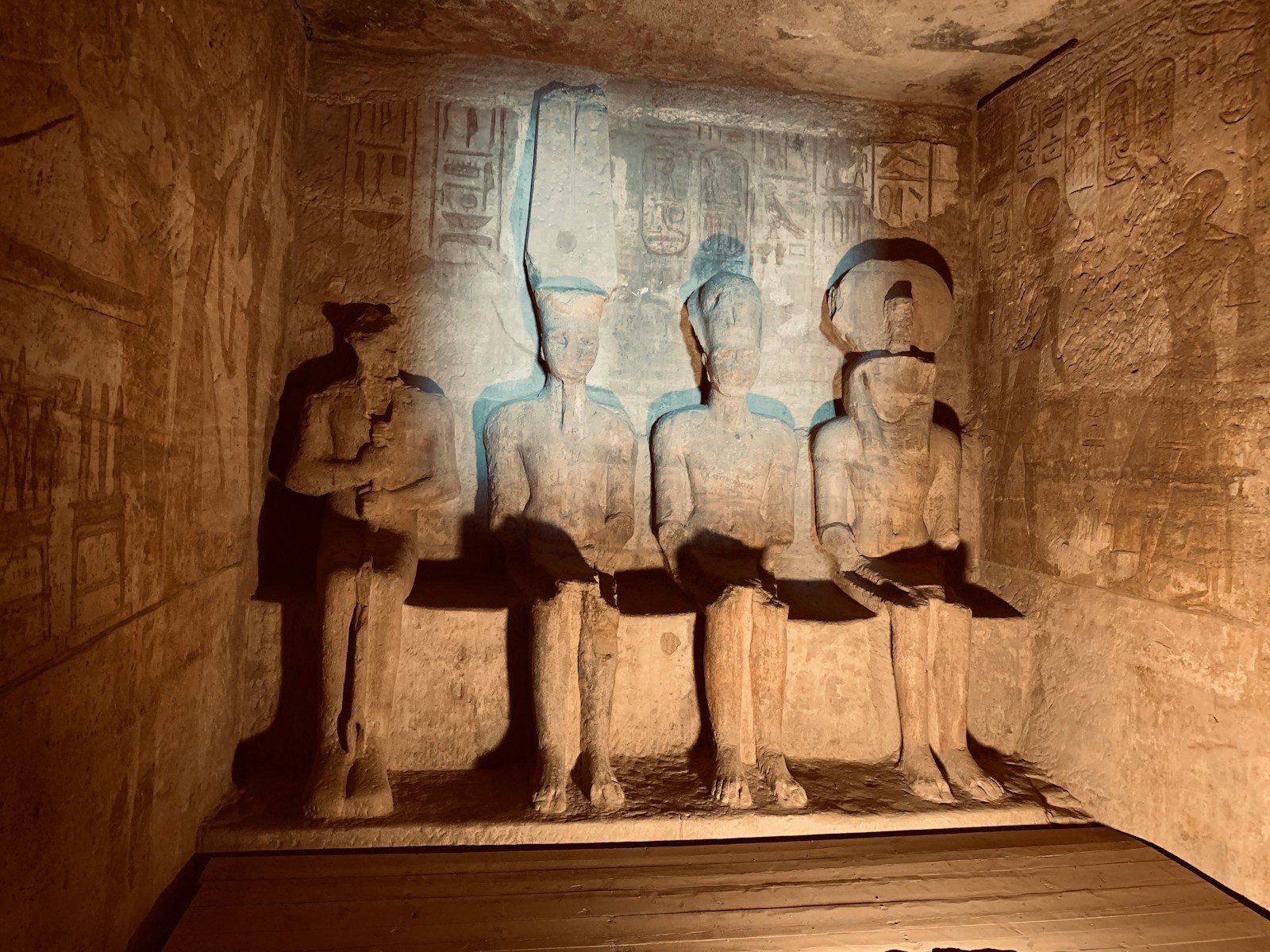
In 1848, a Croatian traveler purchased an ancient mummy in Egypt. He brought the artifact home to Vienna as a souvenir.
When experts unwrapped the bandages years later, they made a shocking discovery. The linen wraps were covered in a mysterious writing that was not Egyptian.
The mysterious writing on the linen
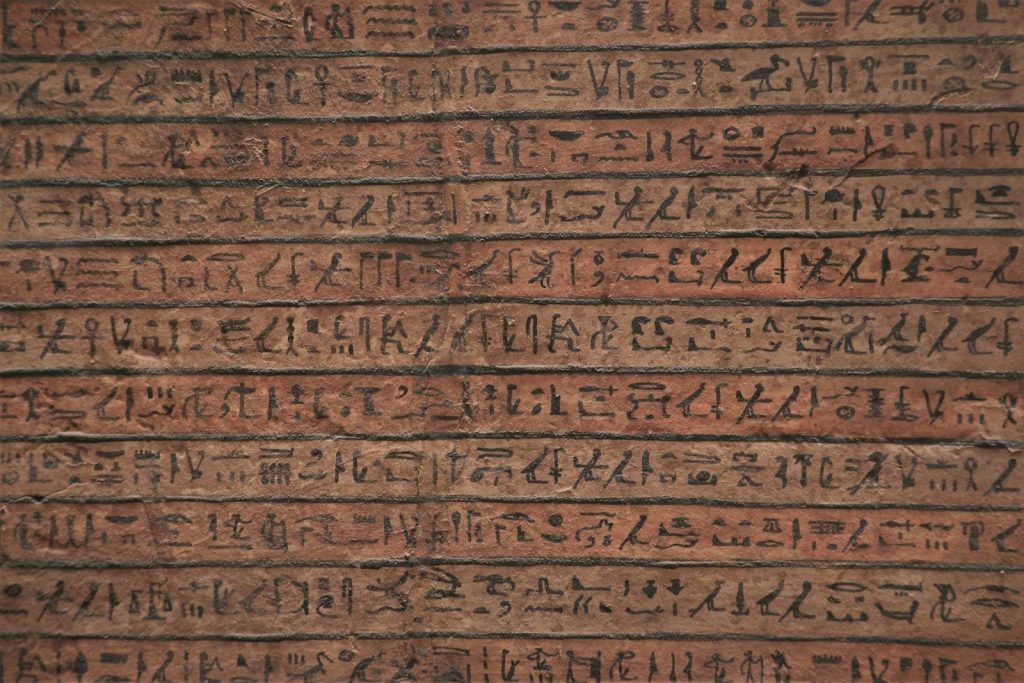
The bandages consisted of long strips of fine linen. These wraps were covered in a strange script of black and red ink. For decades, scholars failed to decode the characters. They quickly realized this was not a standard burial text. A breakthrough came from an unexpected researcher.
Unmasking a forgotten language
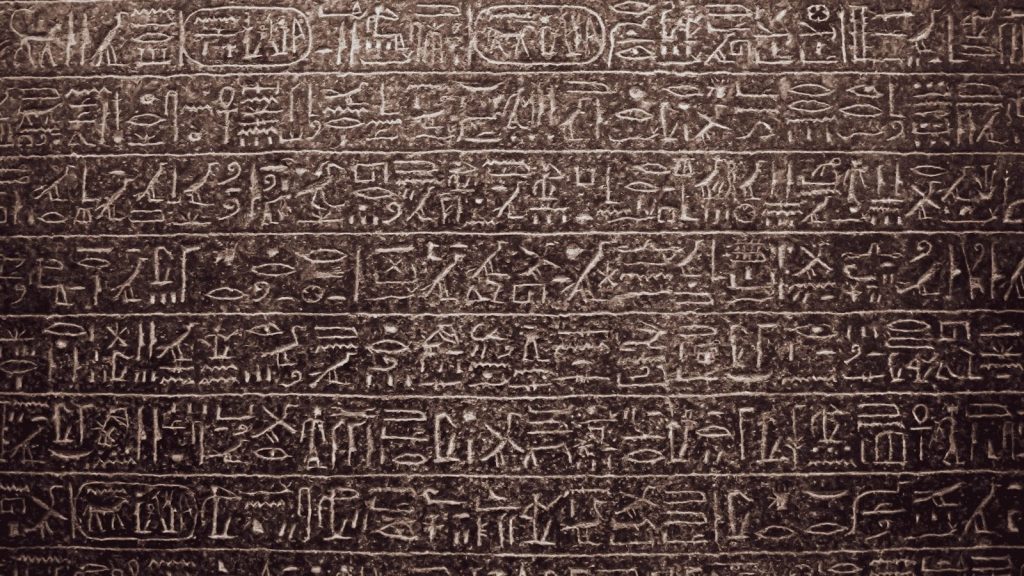
In 1892, an Egyptologist named Jakob Krall identified the writing. It was Etruscan, the language of a sophisticated civilization that ruled Italy before Rome. The Etruscan language is still largely undeciphered today. This text remains the longest Etruscan inscription ever found. But how did this European book end up buried in Egypt?
The only linen book in existence
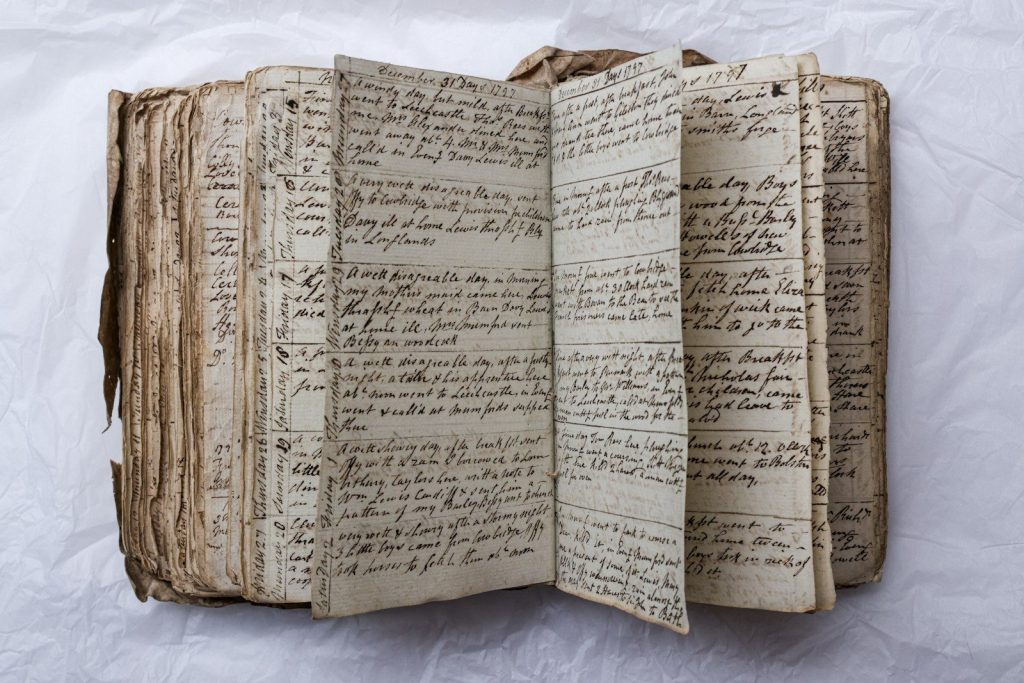
The bandages were originally a single piece of cloth. It was a linen book, or liber linteus, folded like an accordion. Inscribed around 250 BC, the text detailed a complex religious calendar of animal sacrifices. Scholars believe it was created near Perugia, Italy. The survival of this book was a complete accident.
Recycled for a cheap burial
Linen was expensive in ancient Egypt. When the Etruscan community in Alexandria collapsed, their religious books lost value. Embalmers viewed the heavy linen book as scrap material. They sliced the holy text into strips to wrap a middle-class woman. This disrespectful act preserved the book for millennia.
The woman beneath the bandages
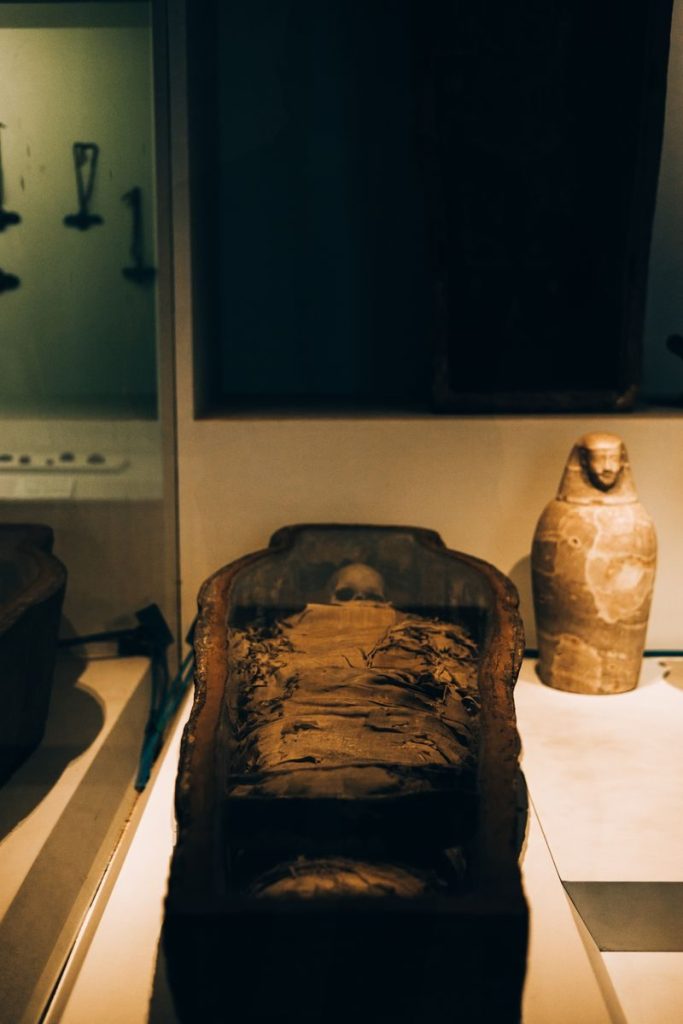
Scientists used modern imaging to study the mummy itself. She was a woman named Nesi-hensu who died in her thirties. She was not royalty, yet she received a careful mummification. She lay undisturbed for over two thousand years with a unique treasure wrapped around her. Today, the artifact sits in a quiet museum.
Deciphering the sacred calendar
Infrared photography has helped scholars read the faded ink. The text lists ceremonies, dates, and named deities. It shows how the Etruscans organized their year and worshipped their gods. This single fragile artifact provides most of our knowledge about their lost rituals. The mystery of their language still remains.
A bridge between two worlds
The Zagreb Mummy represents a remarkable cultural collision. An Italian book preserved by an Egyptian custom, now housed in Croatia. It shows how the ancient Mediterranean was deeply connected. This fragile linen survived because it was discarded.
Featured Image: Photo by Shreyas Nair on Unsplash
Leave a Reply