Most history lovers assume that shipwreck survivors are rescued within a few weeks. We believe that naval authorities always launch massive rescue missions to save lost travelers.
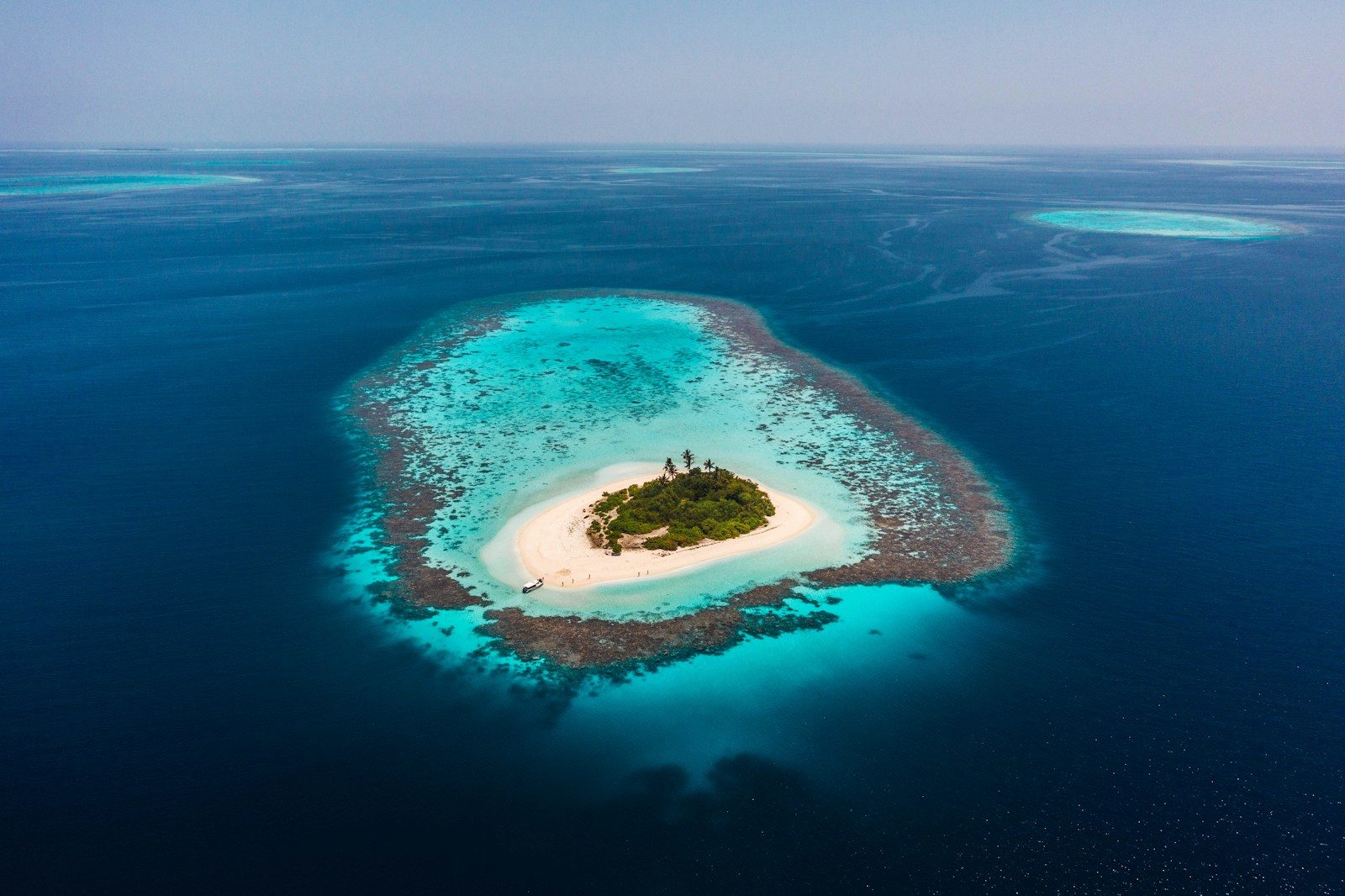
But a tragic shipwreck in the Indian Ocean proved how easily people can be forgotten. Sixty abandoned survivors were forced to build their own tiny society on a completely barren sandbar.
Shipwreck On Sand Island
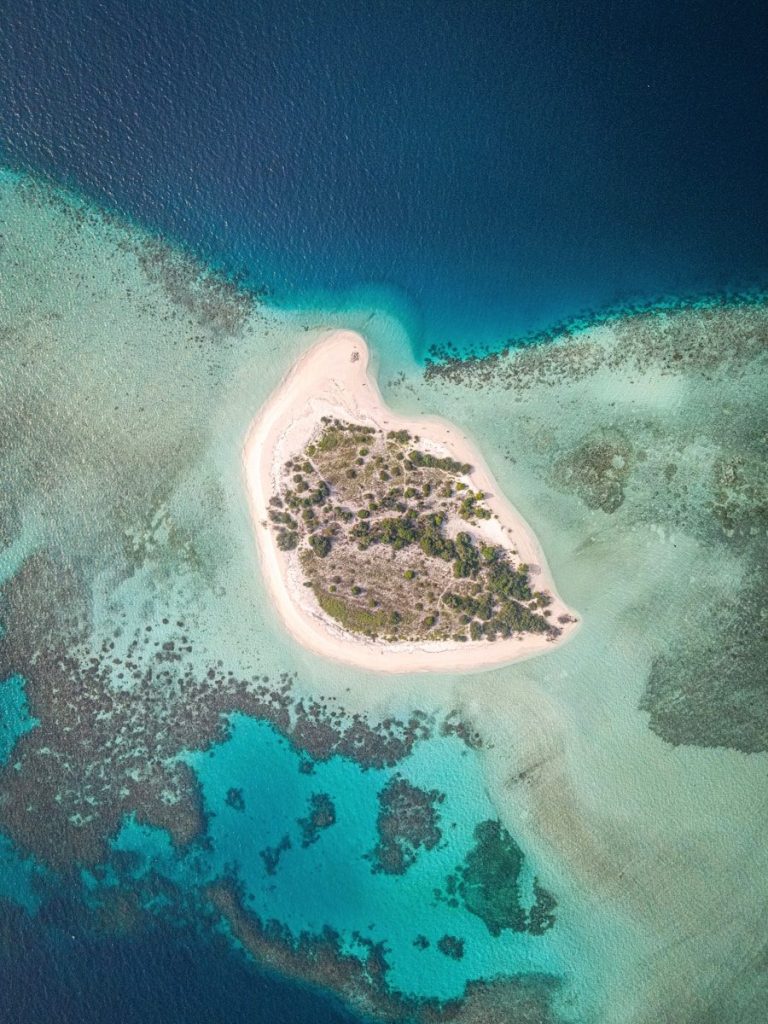
A French cargo ship ran aground on a remote reef in 1761. According to official ship logs, the vessel struck a submerged sandbar far from any major trade routes. The impact was devastating. While the white crew built a makeshift boat to escape, they abandoned sixty enslaved Malagasy people on the beach. But the departing crew left behind a promise they never intended to keep.
Left Alone to Die
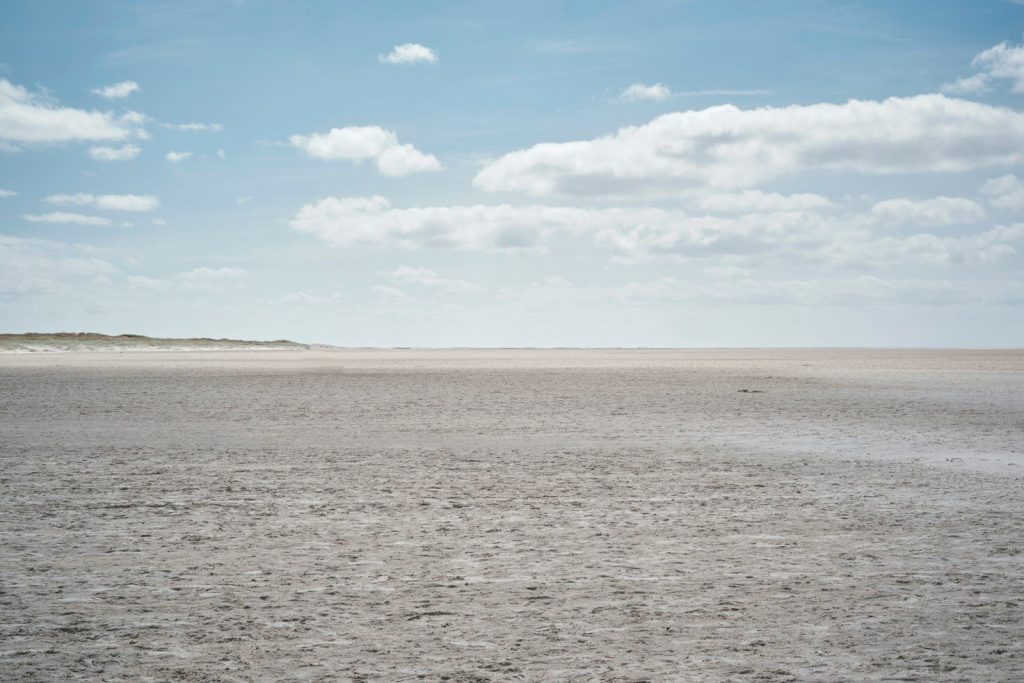
The survivors were marooned on a flat speck of land with no trees. According to marine archaeological reports, the flat island was completely exposed to violent ocean storms. Survival seemed completely impossible. With no timber to build shelters, the group had to rely on sheer human ingenuity to stay alive. But they soon discovered a way to protect themselves from the elements.
Building A Coral Village
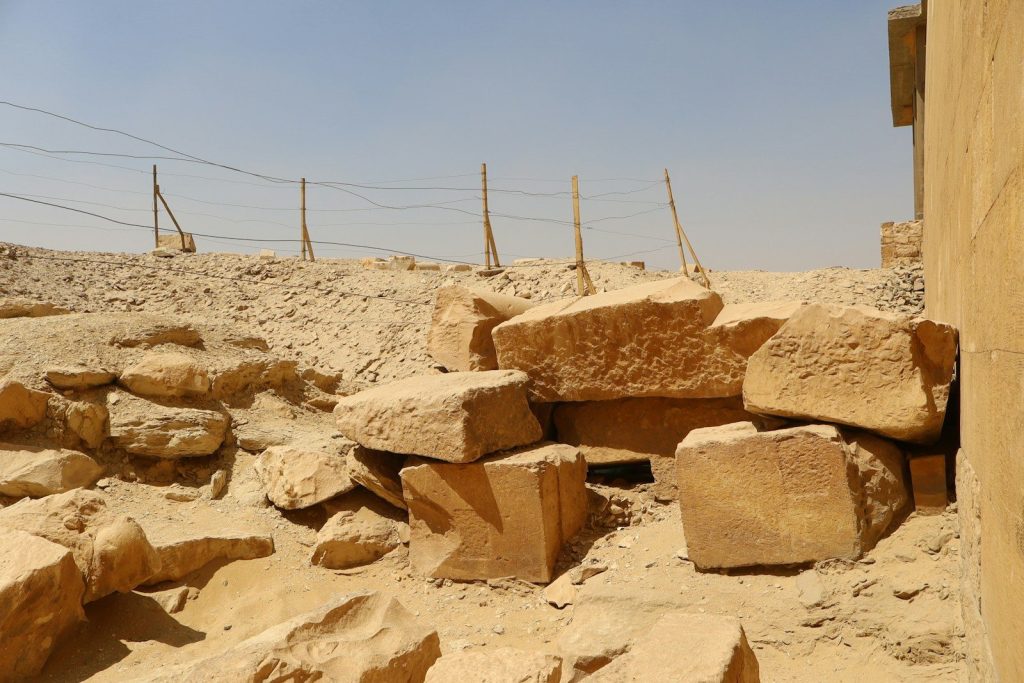
The stranded group refused to give up in the face of disaster. According to archaeological excavations led by Max Guerout, the survivors built highly durable houses out of solid coral blocks and sand mortar. They were incredibly resilient. This makeshift village kept them safe from the brutal winds of frequent Indian Ocean cyclones. Yet their most difficult challenge was finding something to eat on a barren sandbar.
Feasting On the Wild
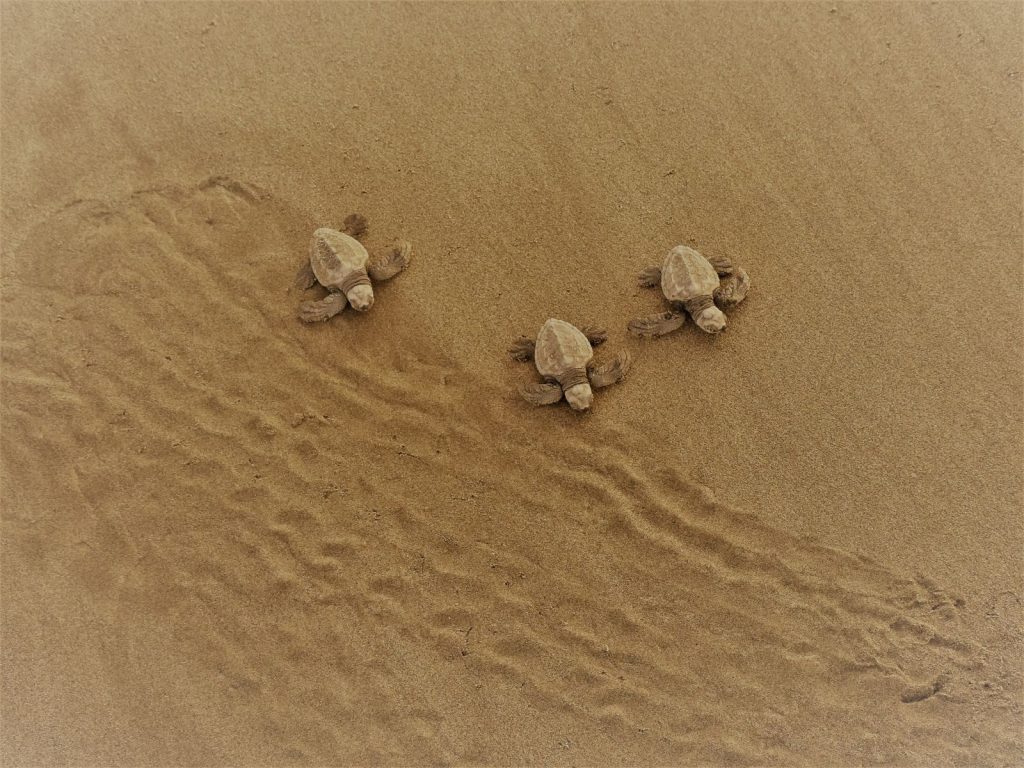
Finding food and fresh water required learning an entirely new coastal lifestyle. According to historical records, the castaways dug a five-meter well to reach fresh drinking water. They adapted quickly. They survived by eating nesting seabirds, shellfish, and green sea turtles that visited the sandy shores. But keeping their hope alive required one final and highly dangerous constant effort.
The Fifteen-Year Flame
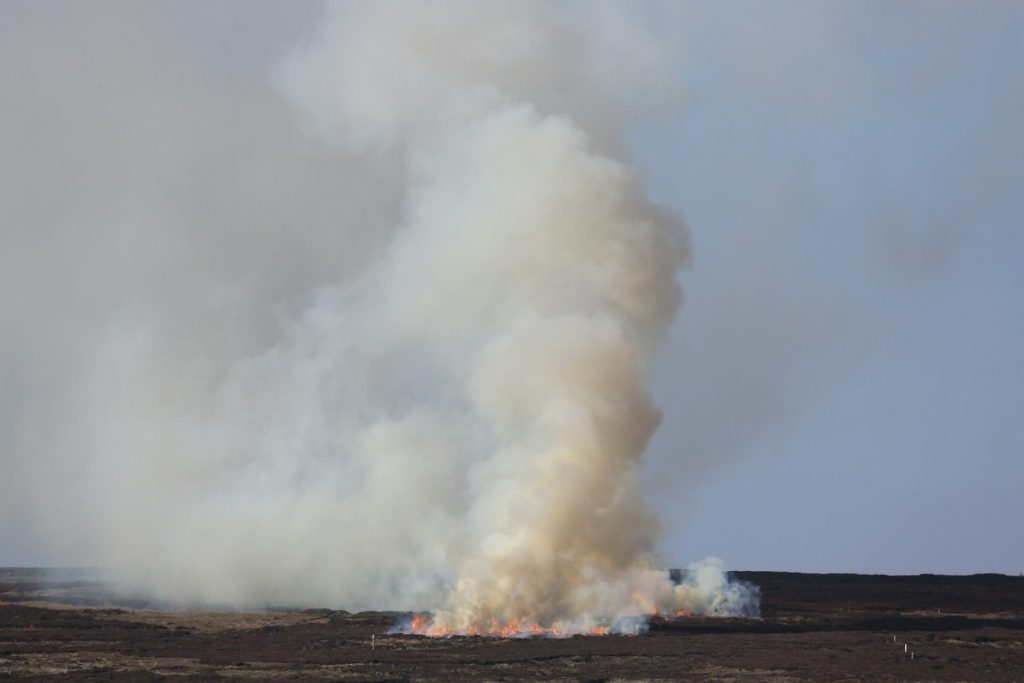
The group needed a constant signal to attract passing ships. According to archaeological research, the survivors managed to keep a signal fire burning for over five thousand consecutive days. This was a miracle. They had no wood, so they burned turtle fat and dry bird feathers to sustain the flames. But help remained far away as the world ignored them.
A Heartless Official Denial

A few passing vessels spotted the survivors but could not land. According to French historical archives, the local governor of Mauritius repeatedly refused to send a proper rescue vessel. He was cold. He claimed that risking a ship for abandoned slaves was not worth the financial cost. But public pressure in France was quietly building to force a rescue attempt.
The Final Rescue Mission
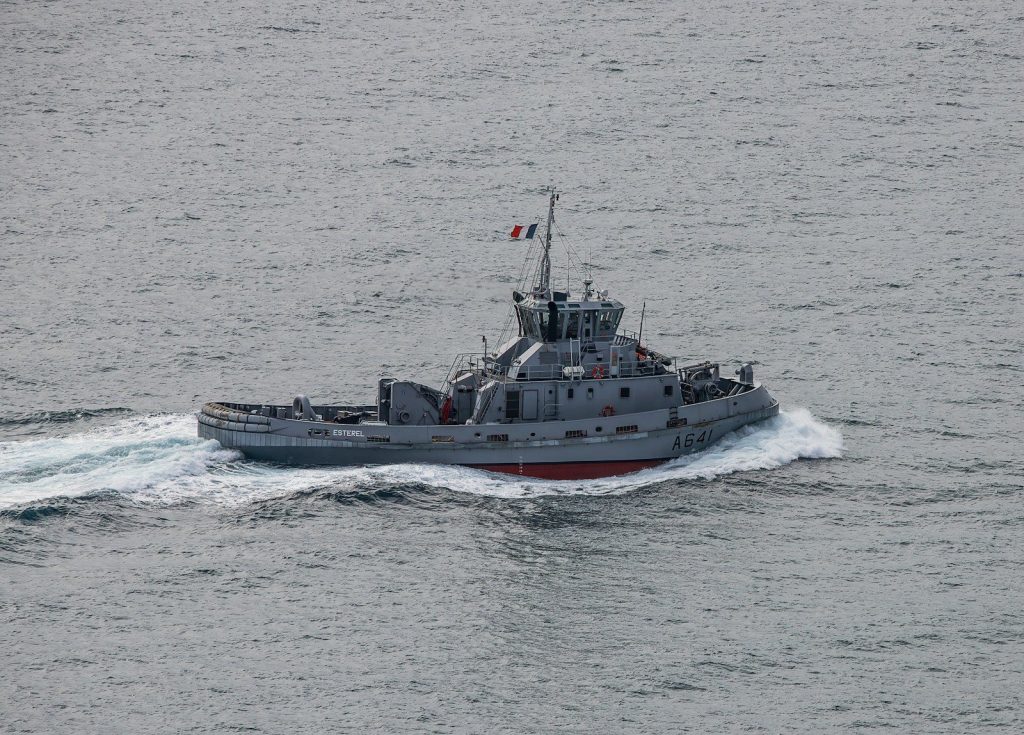
A brave naval captain named Jacques Marie de Tromelin finally took action in 1776. According to colonial files, he successfully navigated his ship through the dangerous reefs to reach the sandbar. The moment was highly emotional. He discovered that most of the original group had perished over the fifteen years of isolation. Yet a small group was still clinging to life.
Survivors of the Sandbar
Only seven women and a baby boy survived the fifteen-year ordeal. According to modern historians, the governor declared them free citizens upon their arrival in Mauritius. They had conquered the impossible. This article is for informational purposes only.
Featured Image: Photo by Roberto Nickson on Unsplash
Leave a Reply