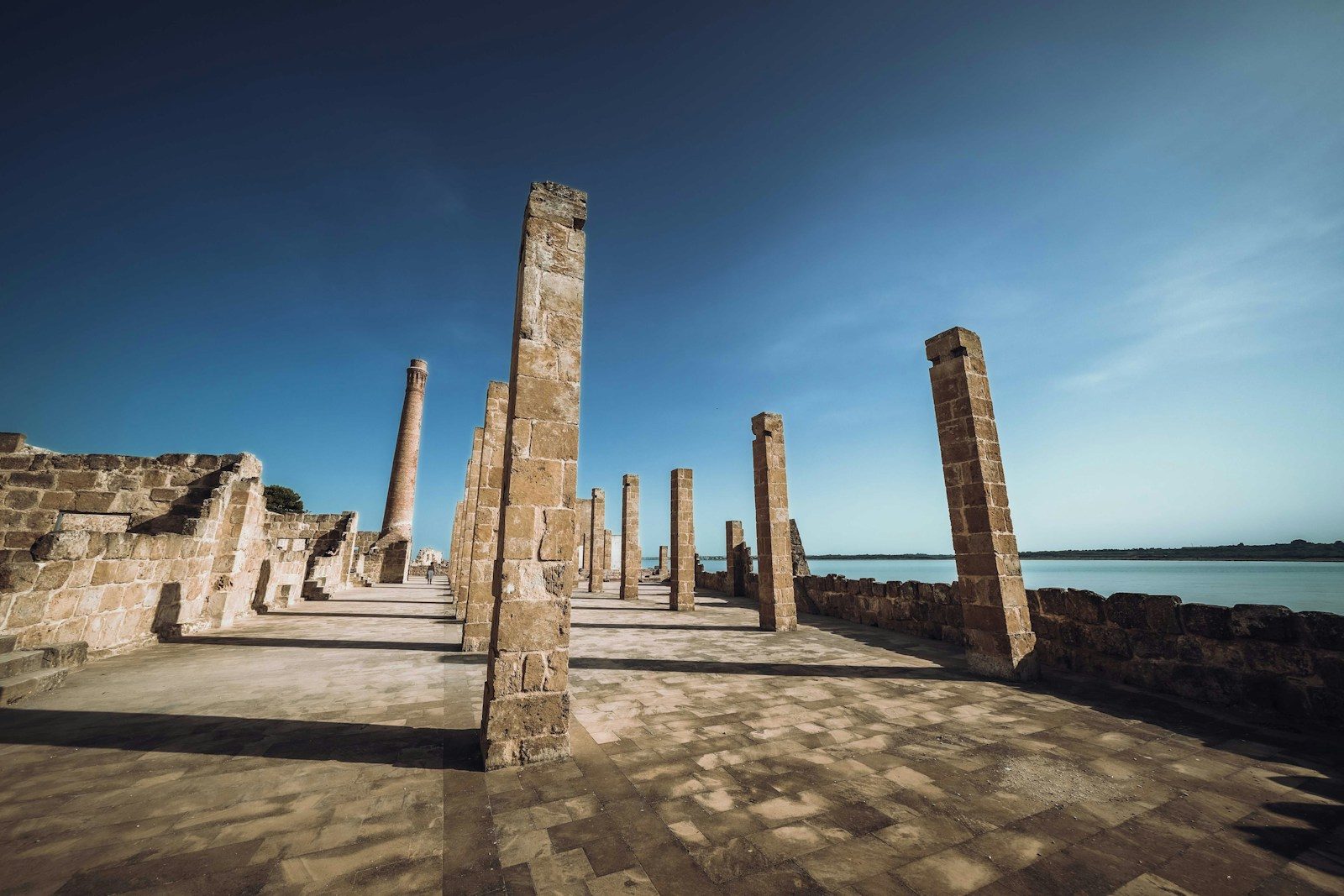
The sea hides our history. For centuries, historians have argued over the true fate of the Pharos of Alexandria. This was the legendary lighthouse of Egypt. It was one of the seven wonders of the ancient world. But a team of marine archaeologists has made a stunning discovery. They found massive eighty-ton granite blocks lying on the Mediterranean seafloor. These giant stones are not random geological shapes. They are the collapsed ruins of the ancient tower itself. This discovery is rewriting what we know about ancient engineering. It proves that the lighthouse was even larger than historical texts suggested. But mapping this underwater graveyard was an incredibly dangerous task.
Sinking a legendary giant of the ancient world

The Pharos of Alexandria was built in the third century BCE. It stood over three hundred feet tall. For comparison, that is as high as a modern thirty-story building. It guided sailors safely into the busy Egyptian harbor for a thousand years. But a series of powerful earthquakes eventually damaged the structure. By the fourteenth century, the lighthouse had vanished beneath the waves. It became a myth. But the cold ocean water preserved the stones perfectly.
Marine explorers map the watery grave.
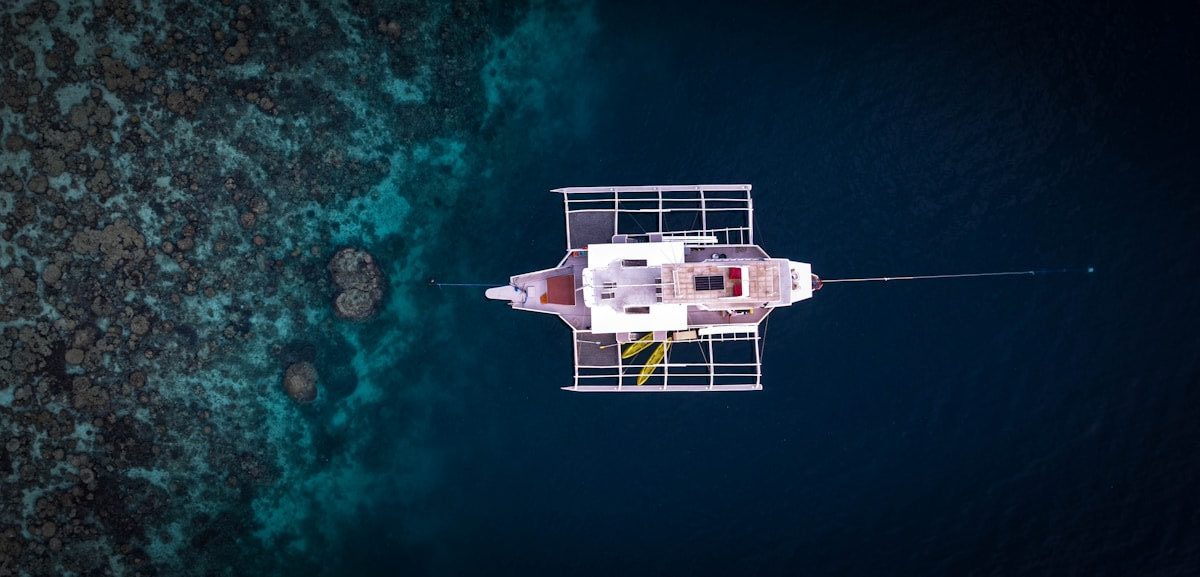
The search for the lighthouse took decades. Marine archaeologists had to brave strong currents and low visibility in the busy harbor. According to reports from the French National Center for Scientific Research, Franck Goddio led the successful expedition. His team used advanced side-scan sonar to map the seafloor. They spotted a massive field of ruins. Among the debris were giant columns, statues, and blocks. The sheer scale of the ruins shocked the diving team.
The sheer scale of eighty-ton granite blocks
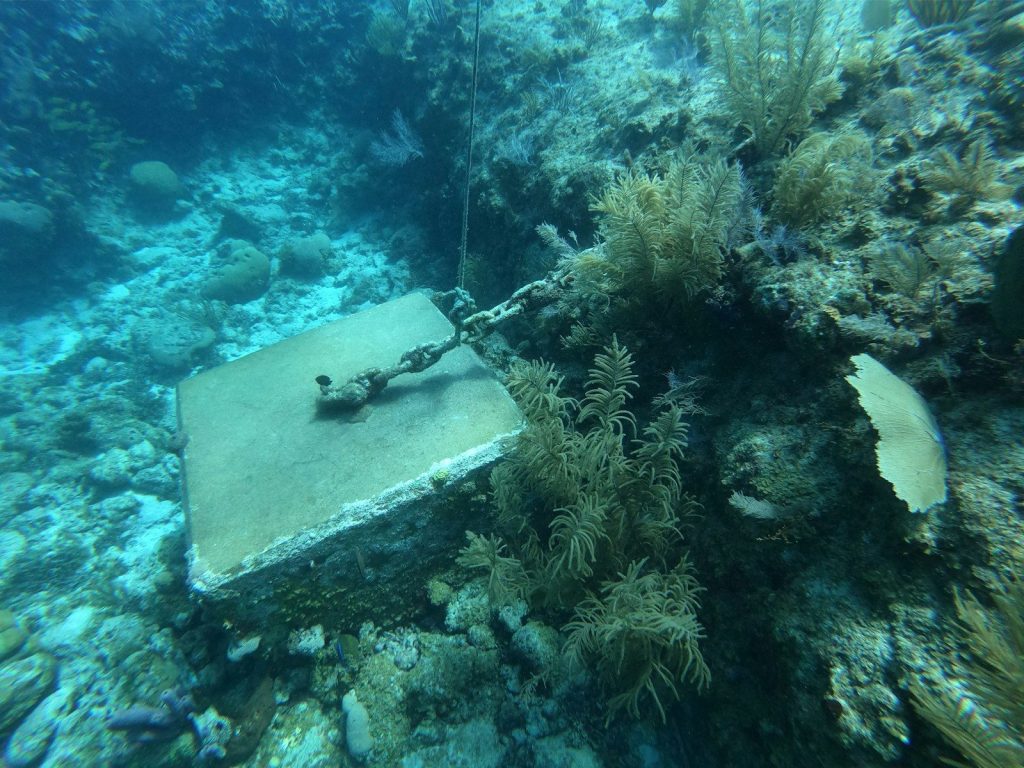
The most impressive finds were the massive granite blocks. Some of these stones weighed up to eighty tons. This is equivalent to the weight of several school buses. Moving these heavy stones in ancient times was a massive achievement. The builders imported the red granite from quarries located hundreds of miles away in Aswan. They transported them down the Nile River on giant rafts. This show of power proved the immense wealth of the Ptolemaic dynasty. But the lighthouse was more than just a pile of heavy stones.
A towering beacon that used a massive mirror
The Pharos was a technological masterpiece. At the very top, a giant fire burned constantly to guide ships. According to historical records, a massive bronze mirror reflected the light during the day. This allowed sailors to see the beacon from thirty miles away. The light looked like a star on the horizon. This advanced optical system was centuries ahead of its time. But the engineering of the foundation was just as impressive.
Pharaohs and the engineering of Alexandria
The Ptolemaic pharaohs wanted to build a capital that would impress the world. They hired the architect Sostratus of Cnidus to design the lighthouse. He used a unique three-tiered design. The bottom was square, the middle was octagonal, and the top was circular. This clever shape helped the tower withstand powerful sea winds. It was a triumph of ancient physics. But preserving these ruins presents a modern challenge.
Preserving the silent ruins of the harbor
The underwater site is a delicate museum. Removing the eighty-ton stones from the water could destroy them. Saltwater can damage ancient stone when it dries out. According to the European Institute for Underwater Archaeology, the best strategy is to keep the ruins on the seafloor. Scientists are using digital 3D modeling to share the site with the public. This allows people to explore the ruins without touching them. But the mystery of Alexandria is far from solved.
Reclaiming the lost wonders of human history
The discovery of the Pharos ruins is a victory for archaeology. It proves that ancient legends are often built on physical truth. By studying these giant stones, we can connect with the brilliant minds who built our world. The Mediterranean still holds secrets waiting to be found. The story of Alexandria continues to inspire explorers today.
Featured Image: Photo by Francesco Ungaro on Unsplash
Leave a Reply