
Imagine looking at a bright, clear sky and not having a word for “blue.” For most of human history, that was the reality. If you look at ancient texts like the Odyssey or the Bible, the word for blue never appears. Homer described the sea as “wine-dark,” not blue. Science has discovered that if a culture doesn’t have a name for a color, their brains actually struggle to see it as a distinct shade.
This isn’t a problem with the eyes; it is a “software” issue in the brain. Blue is often the last color to appear in any language. We are discovering that our vocabulary acts like a filter for reality. If you don’t have the word, you might be missing part of the world. But wait until you see the modern tribe that can spot differences in green that would be impossible for you.
The Homeric Mystery of the Wine-Dark Sea
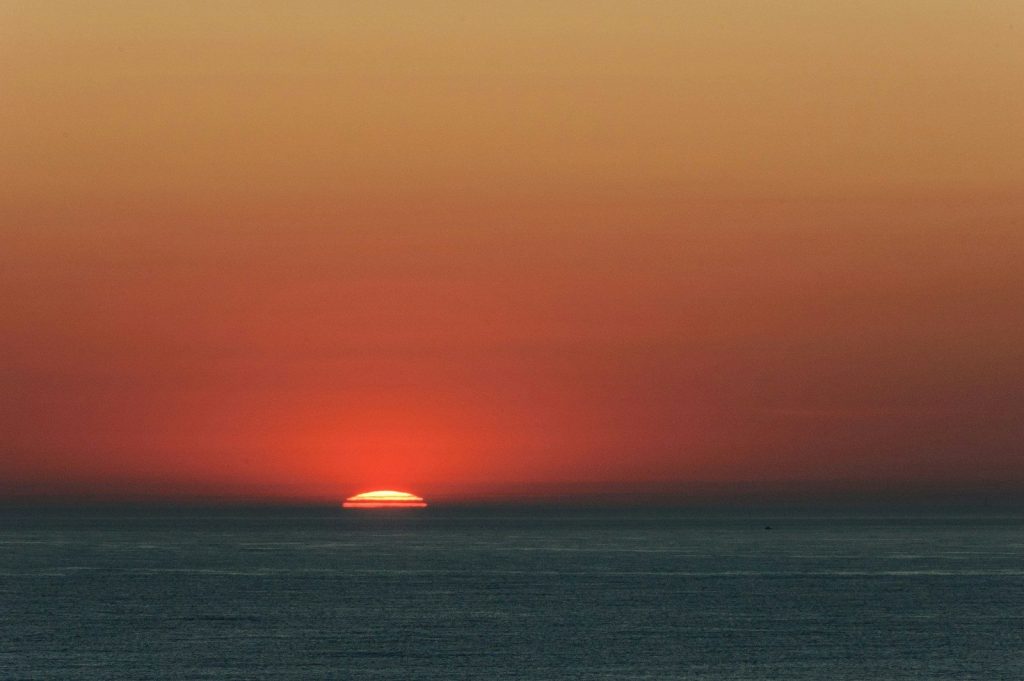
Why did the Ancient Greeks call the sea “wine-dark” or “violet”? They had words for black, white, red, and yellow, but blue was missing. Researchers believe that for the Greeks, colors were more about “brightness” than “hue.” A dark blue sea and a dark red wine were the same “category” of color to them. This suggests that the way they perceived the world was fundamentally different from ours. But how does this work in a modern tribe today?
The Himba Tribe and the Missing Blue Square
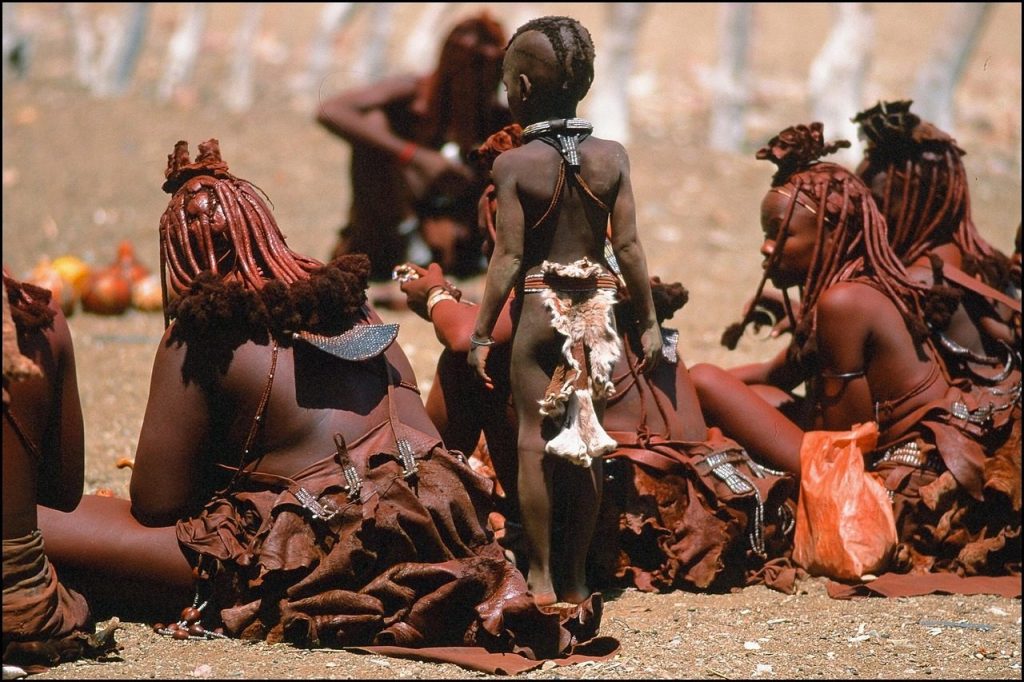
The Himba people of Namibia do not have a word for blue. When shown a circle of 11 green squares and one blue square, they often can’t point out the blue one. It takes them a long time to notice the difference. However, they have many different words for different types of green. They can instantly spot a tiny shade difference in a green circle that looks perfectly uniform to a Westerner. But why is blue always the last color to join the party?
The Universal Order of Color Discovery
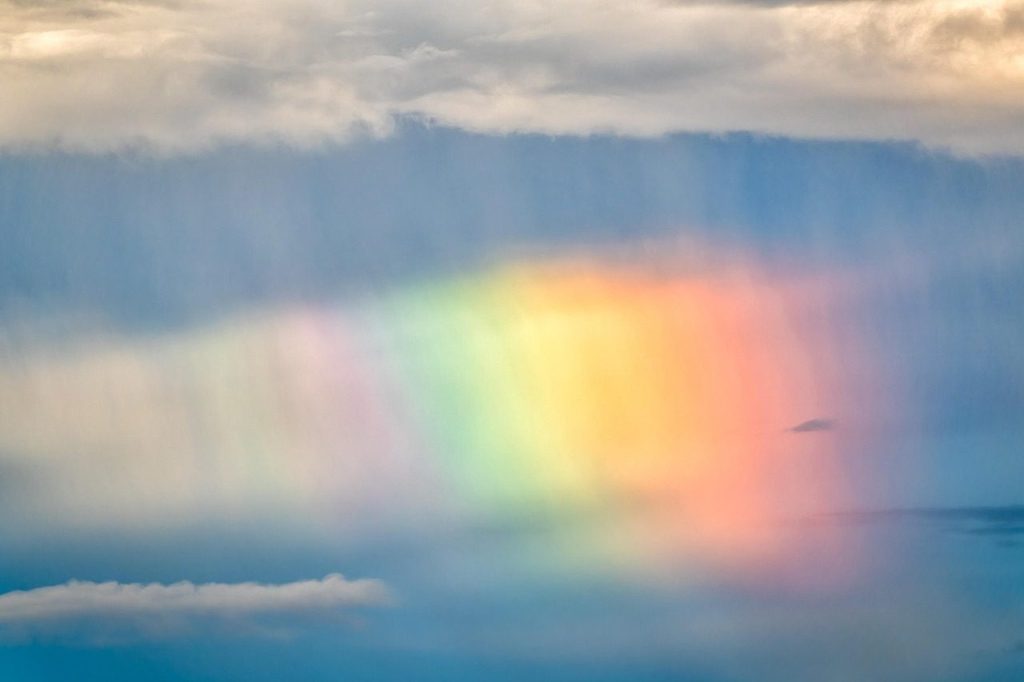
Linguists found that almost every language follows the same order for naming colors. First come “light” and “dark.” Then comes “red” (the color of blood and fire). Next are “yellow” and “green.” Finally, once a culture learns how to make blue dye, the word “blue” appears. Because blue is rare in nature—aside from the sky and sea—most early humans didn’t need a specific word for it. But wait, what does this mean for the “physical” wiring of your brain?
Language Actually Rewires Your Visual Cortex

When you learn a new word for a color, your brain starts to process that color differently. Brain scans show that when we look at colors, our language centers light up. This means your brain is “pre-sorting” the light before you even realize you are seeing it. If your language combines blue and green into one word, your brain treats them as variations of the same thing. But could there be colors we are missing right now because we don’t have names for them?
The Tetrachromats Who See Millions More Colors
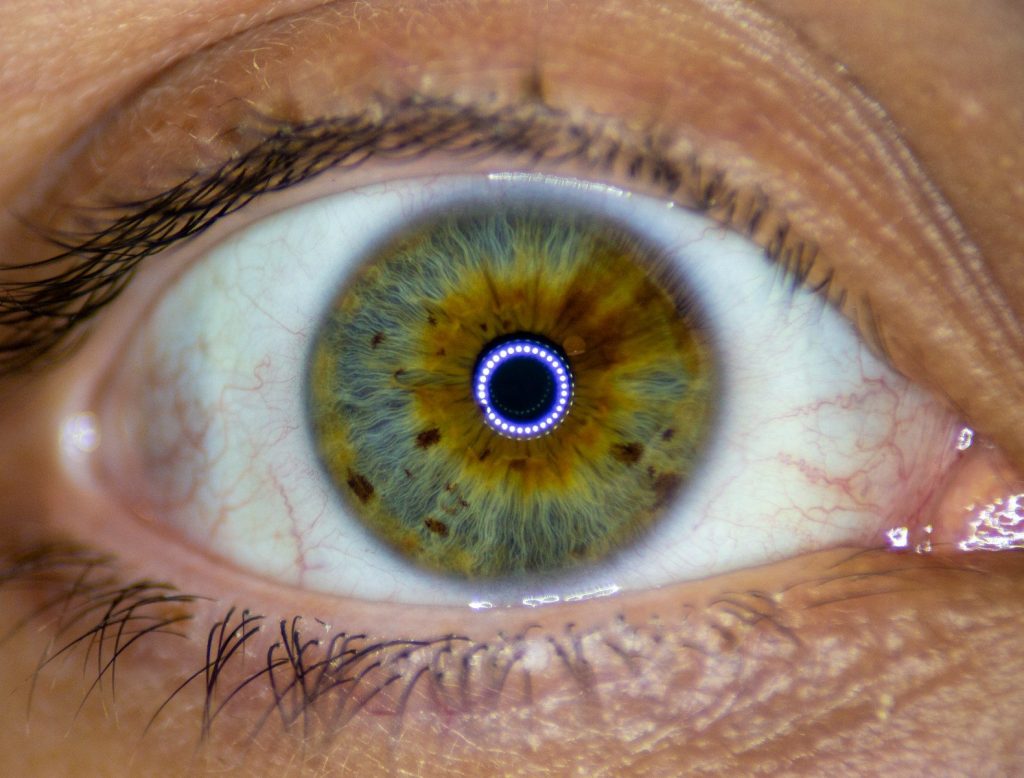
Most humans have three types of color-sensing cells in their eyes. But a small number of women are “tetrachromats,” meaning they have four. They can see shades and patterns in a sunset or a flower that are completely invisible to the rest of us. To them, a plain white wall might look like a mosaic of different colors. They have the “hardware,” but they often lack the “software” (the words) to describe what they see. But wait, what happens if a color disappears from our language?
Is The Color “Cyan” Vanishing From Our Minds?

As we move into a digital world, we are starting to simplify our color categories. Many younger people are losing the distinction between “cyan” and “light blue.” If we stop using the word, our children might literally lose the ability to see the difference quickly. We are constantly evolving how we perceive reality based on the tools we use to talk about it. But there is one color that might be the next to “appear.”
The Future Of Human Vision and New Colors
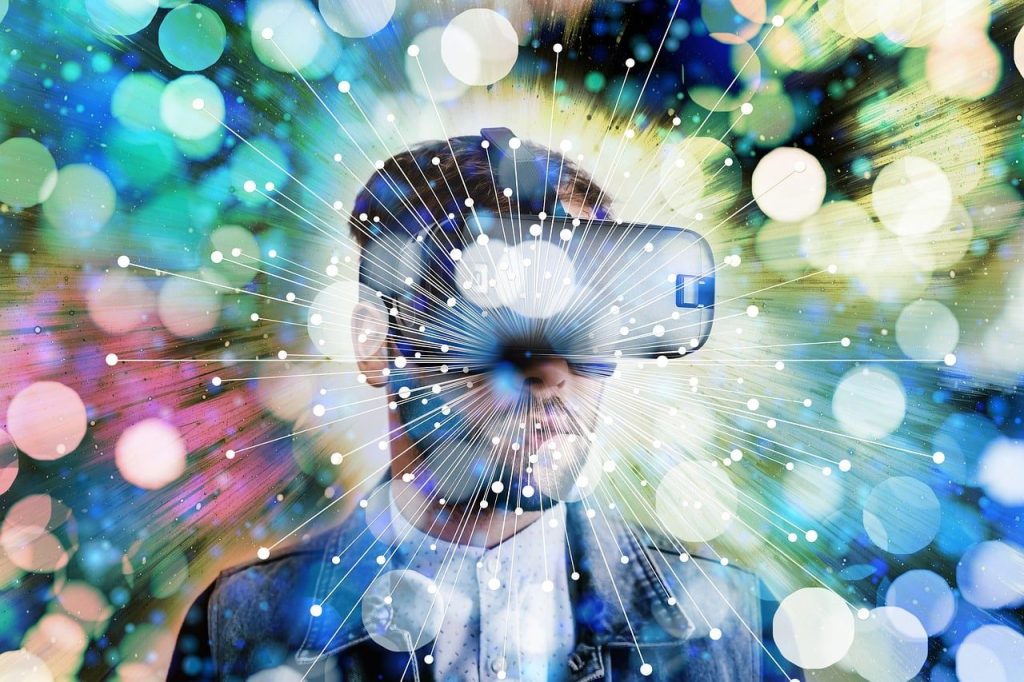
With the rise of Augmented Reality and bio-hacking, we might soon “add” new colors to our vocabulary. Imagine being able to see ultraviolet light or heat signatures and having specific words for them. Our brains would adapt, and the world would suddenly look much more complex. We are not finished seeing the world; we are just getting started. If you think the way we see the world is strange, wait until you see the technology that is going to let you “see” through time.
Leave a Reply