You probably have a memory that you would swear is 100% true. Maybe it is a childhood birthday or the way a specific movie ended. But what if science told you that memory was a complete lie? It is a terrifying reality: our brains are not video cameras. They are more like storytellers who are constantly editing the script. Every time you recall a memory, you are actually “re-writing” it. This is why thousands of people can remember the exact same thing incorrectly.
This phenomenon is shaking the world of law, science, and even our own identities. Researchers have found that they can “plant” entirely fake memories in people’s minds in just a few days. We are entering an era where we have to ask: if our memories are fake, who are we really? But wait until you see the famous “Mandela Effect” that has millions of people questioning reality itself.
The Mandela Effect and the Power of Shared Delusion
Millions of people distinctly remember Nelson Mandela dying in prison in the 1980s. But he actually lived until 2013. This shared false memory is so powerful that some people believe we are living in a parallel universe. It isn’t just Mandela; people remember the Berenstain Bears being spelled with an “E” or the Monopoly Man wearing a monocle. He never did. But if it isn’t a glitch in the universe, why does it happen to so many people at once?
How Your Brain Fills In The Blanks
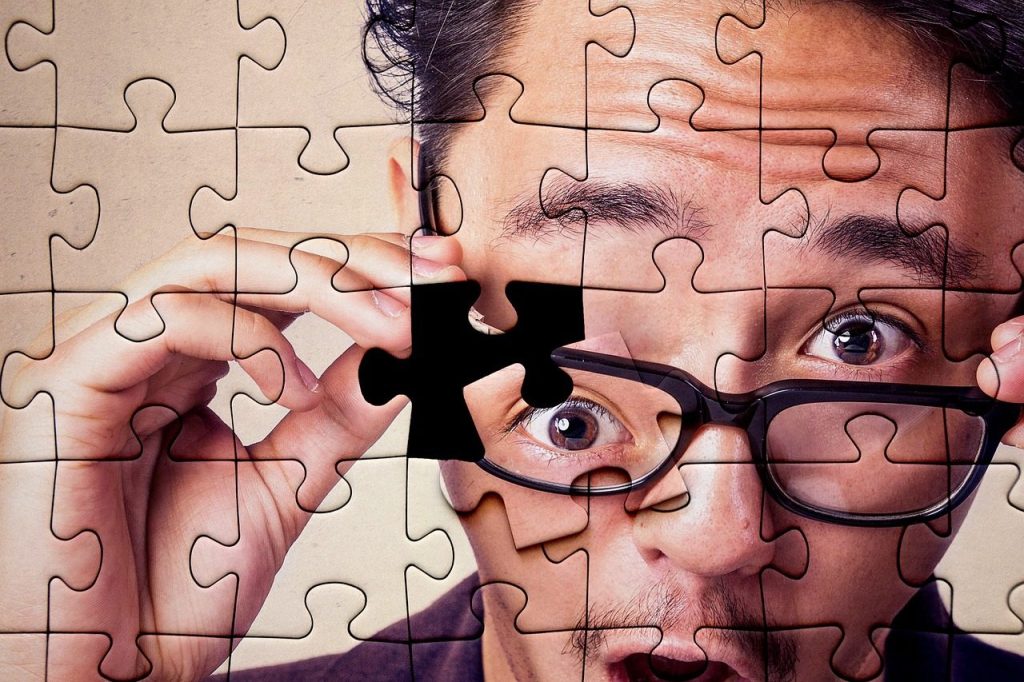
Our brains hate “empty space.” If you forget a small detail about a story, your brain will simply invent one that makes sense. It uses your expectations and past experiences to bridge the gap. Over time, that invented detail becomes just as “real” to you as the truth. Scientists call this “confabulation.” It is your brain’s way of keeping the story consistent. But wait, this process can actually be used to trick you in a courtroom.
The Danger of Eyewitness Testimony
In over 70% of cases where DNA evidence later proved someone innocent, the original conviction was based on eyewitnesses. Witnesses aren’t usually lying; they truly believe they saw the person. However, the stress of the event and the way police ask questions can actually change the witness’s memory of the face. Your brain can literally “photoshop” a suspect’s face onto a memory. But how easy is it to plant a memory from scratch?
The Experiment That Invented A Childhood Trauma

In a famous study, researchers convinced participants that they had been lost in a mall as children. They told the participants stories that their parents had supposedly confirmed. Within a week, 25% of the people claimed to remember the event in vivid detail. They even added their own fake memories, like the color of the shirt the old man who found them was wearing. This proves that our past is much more fragile than we think. But can emotions make memories more or less accurate?
Flashbulb Memories Are Often The Most Wrong
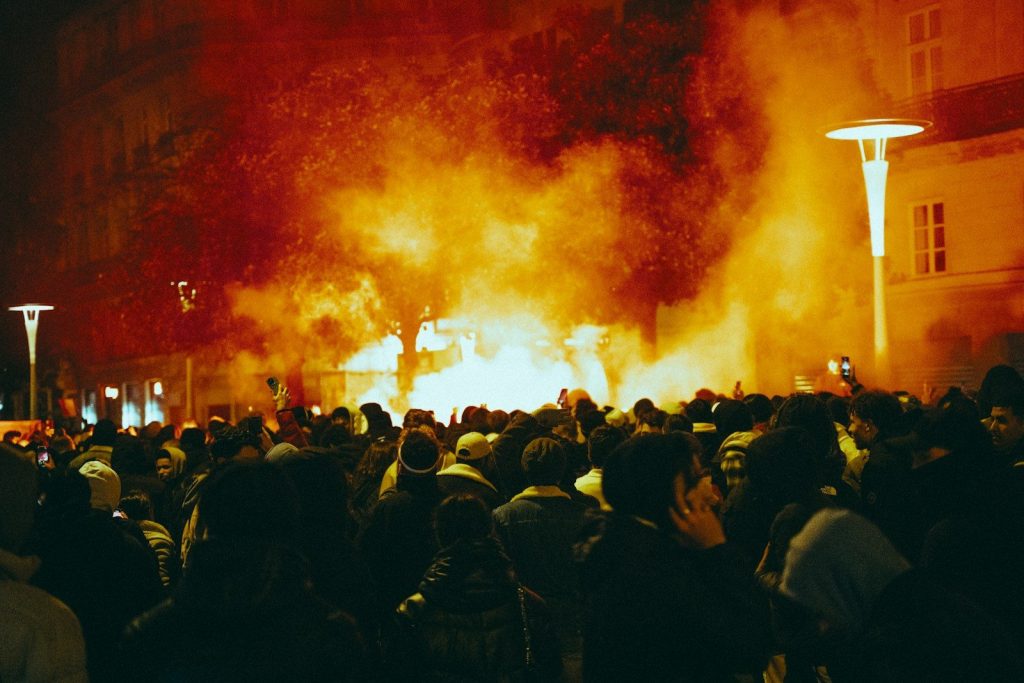
We all remember exactly where we were during major world events. We think these “flashbulb memories” are etched into our brains forever. But studies show that our memories of these events change significantly over the first year. We become more confident in our memory, but the details actually become less accurate. We are “certainly” wrong. This happens because the emotional impact makes us retell the story more often, which leads to more editing. But wait, there is a way to tell if a memory is fake.
The Brain Scan That Spots A Lie
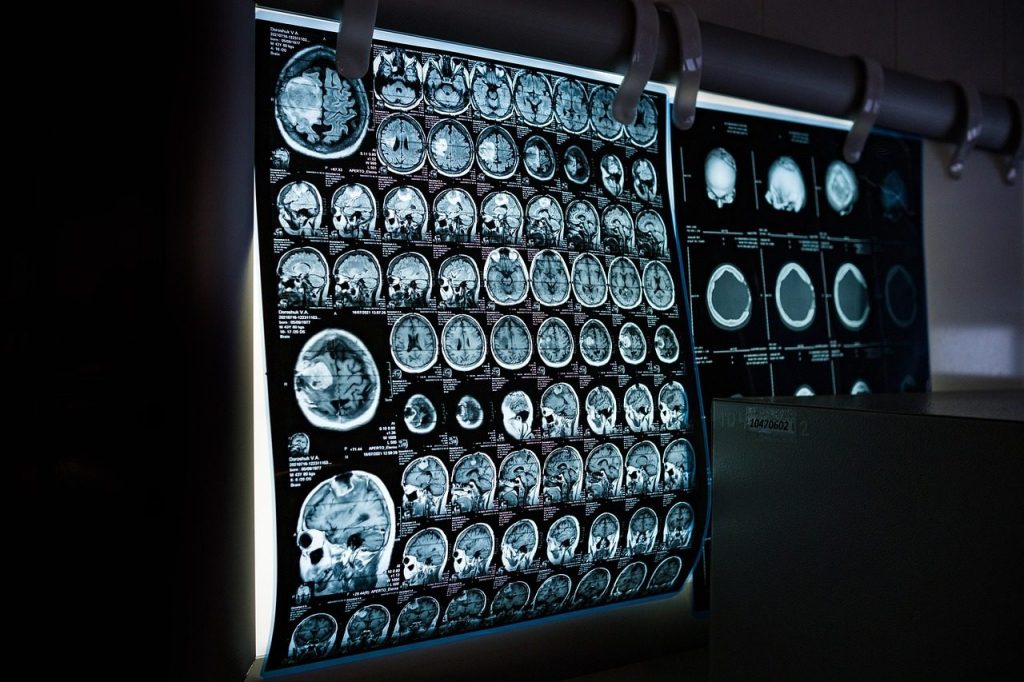
New research using fMRI scans has found that the brain processes true and false memories in different areas. When you recall a real event, the sensory parts of your brain (like sound and sight) light up. When you recall a fake memory, the logic and storytelling parts are more active. We might soon have a “memory test” that can prove if you are remembering or just imagining. But until then, you can’t even trust your own family photos.
Photos Can Actually Erase Your Real Memories
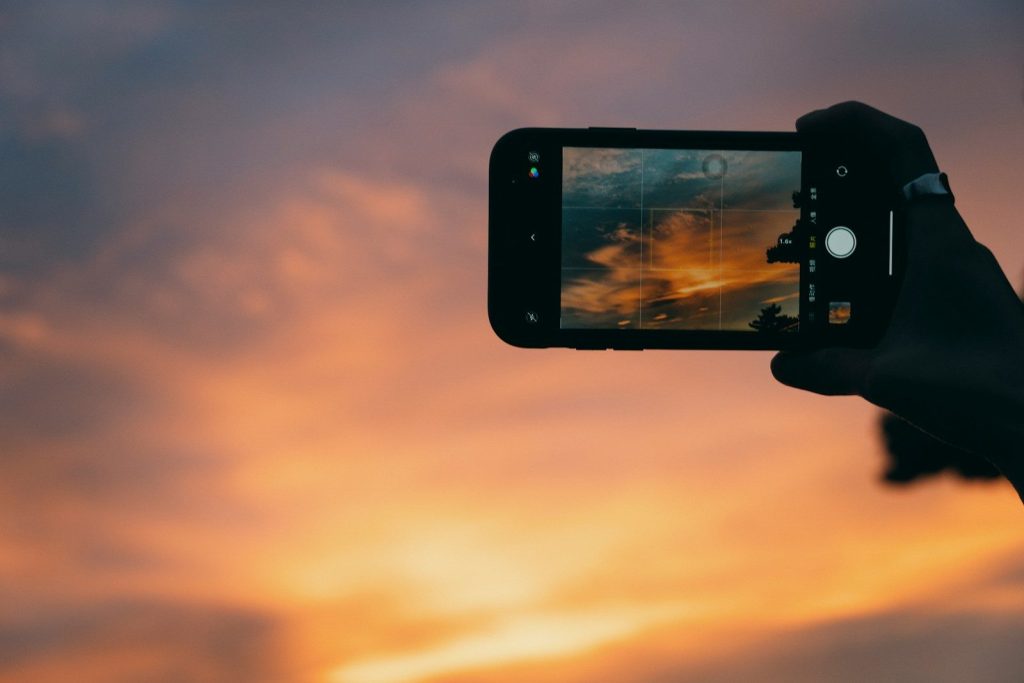
This is called “photo-taking impairment.” When you take a photo of something, your brain “outsources” the memory to the camera. You are actually less likely to remember the details of the event because your brain thinks it doesn’t need to. We are creating a world where our devices remember everything, and we remember nothing. If you find that scary, wait until you see the animals that are actually smarter than us in ways we never expected.
Leave a Reply