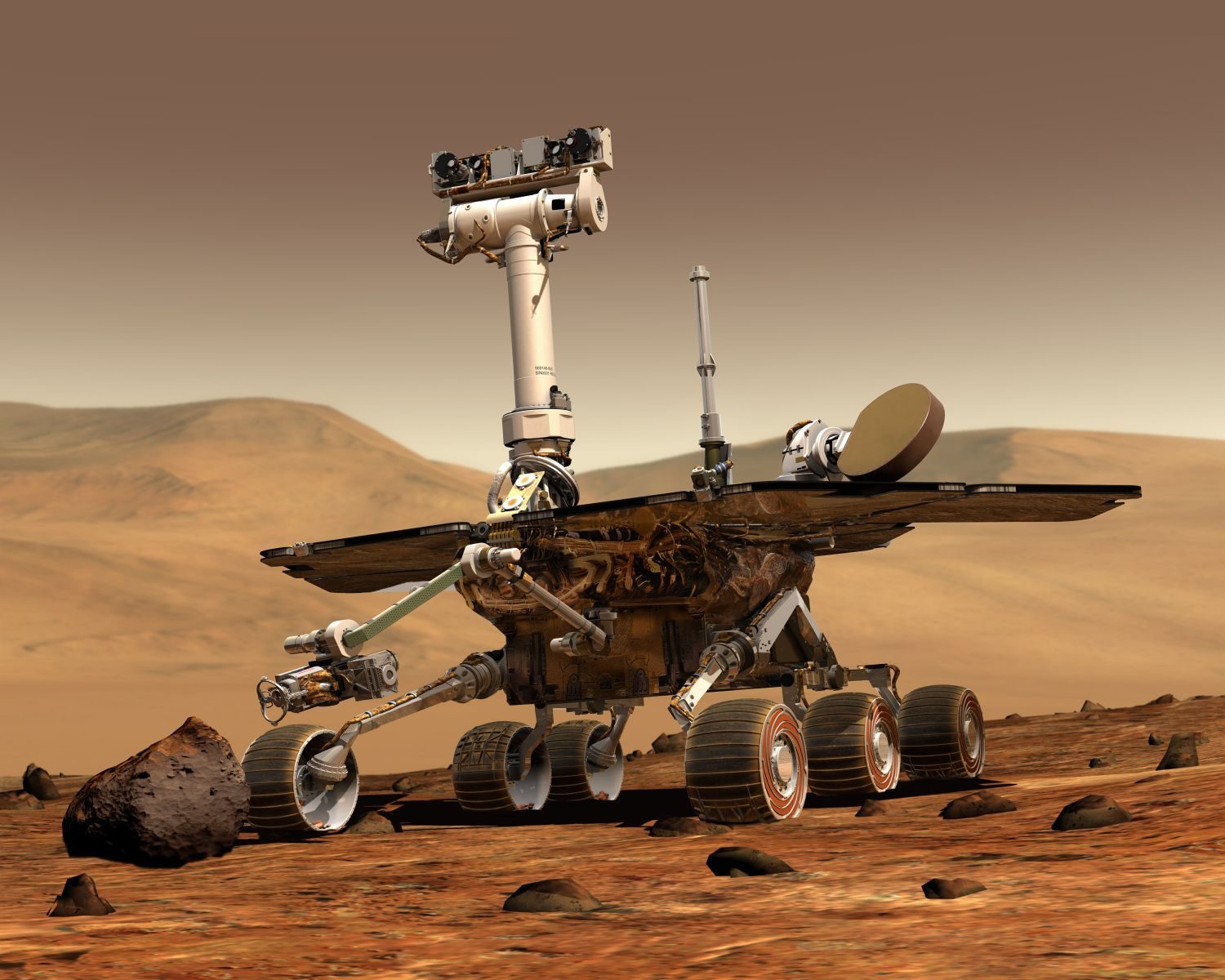
We think of Mars as a dry red desert waiting for human exploration. We assume our probes have painted a complete picture of this cold world.
But recent robotic discoveries have revealed highly unsettling details about the Martian landscape. The planet is far more active and mysterious than we ever imagined.
The Ghostly Magnetic Fields
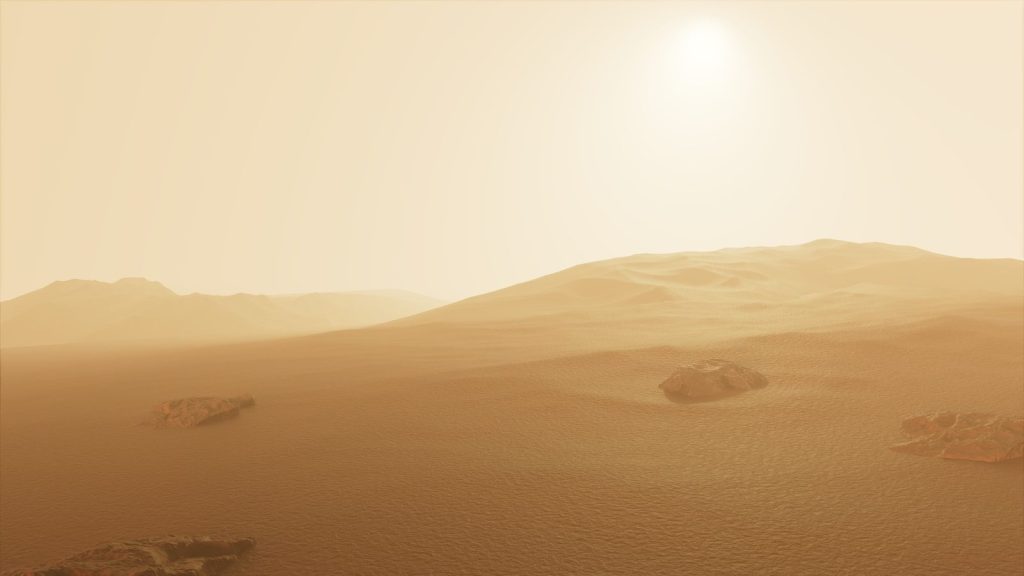
Unlike Earth, Mars does not have a global magnetic shield to deflect solar winds. Instead, it has patchy localized magnetic fields locked in the crust. According to satellite data from NASA, these magnetic umbrellas glow in ultraviolet light during Martian nights. They are beautiful. These glowing pockets of radiation create a complex environment for future explorers to navigate. But a deeper look at the soil reveals a toxic hazard.
Poison In The Red Dust
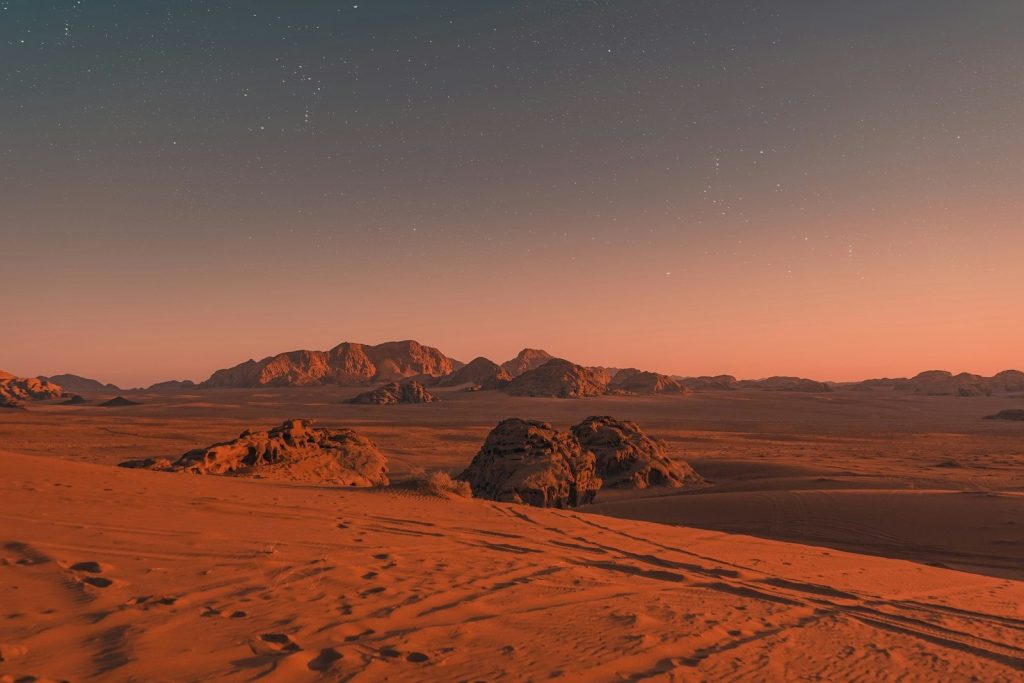
The rusty Martian dirt contains dangerous chemical compounds called perchlorates. These salts are highly toxic to human biology. According to health studies from the European Space Agency, breathing even tiny amounts of this dust could destroy thyroid function. It is deadly. Clearing this toxic soil from future habitats will require highly complex filtration systems. But there is another secret flowing beneath the frozen surface.
The Hidden Lakes Of Mars
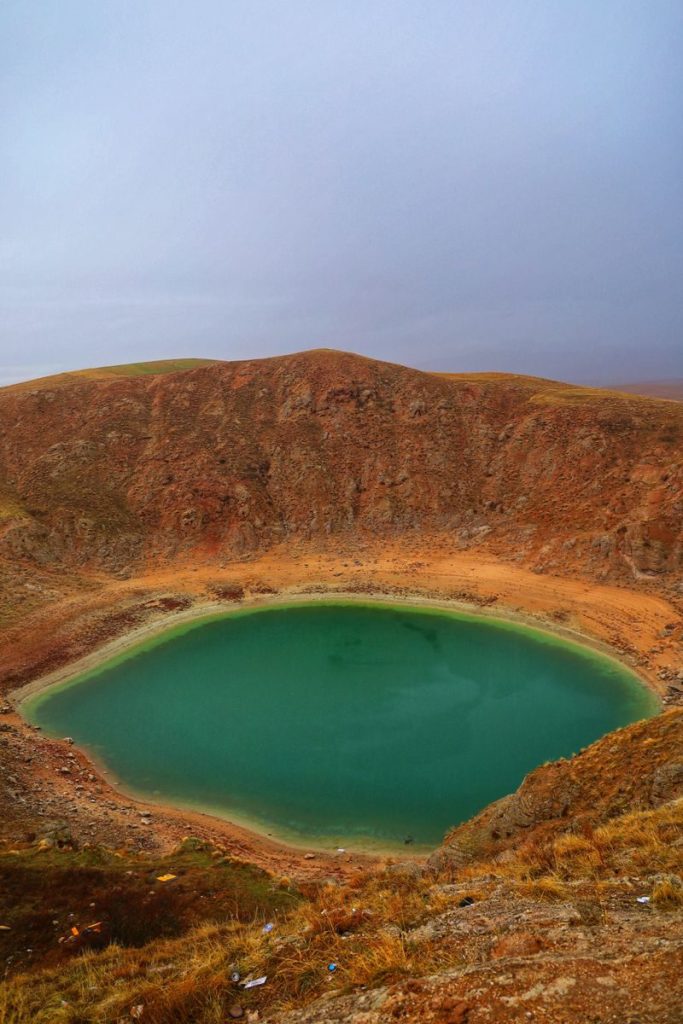
Liquid water cannot exist on the frigid Martian surface because of the thin atmosphere. However, radar instruments have detected massive liquid reservoirs deep underground. According to reports from the Italian Space Agency, these subglacial pools are incredibly salty to remain liquid in the cold. Life could survive. This liquid raises the thrilling possibility of finding subterranean microbes. But a mysterious atmospheric gas continues to baffle researchers above ground.
The Mystery Of Methane Plumes
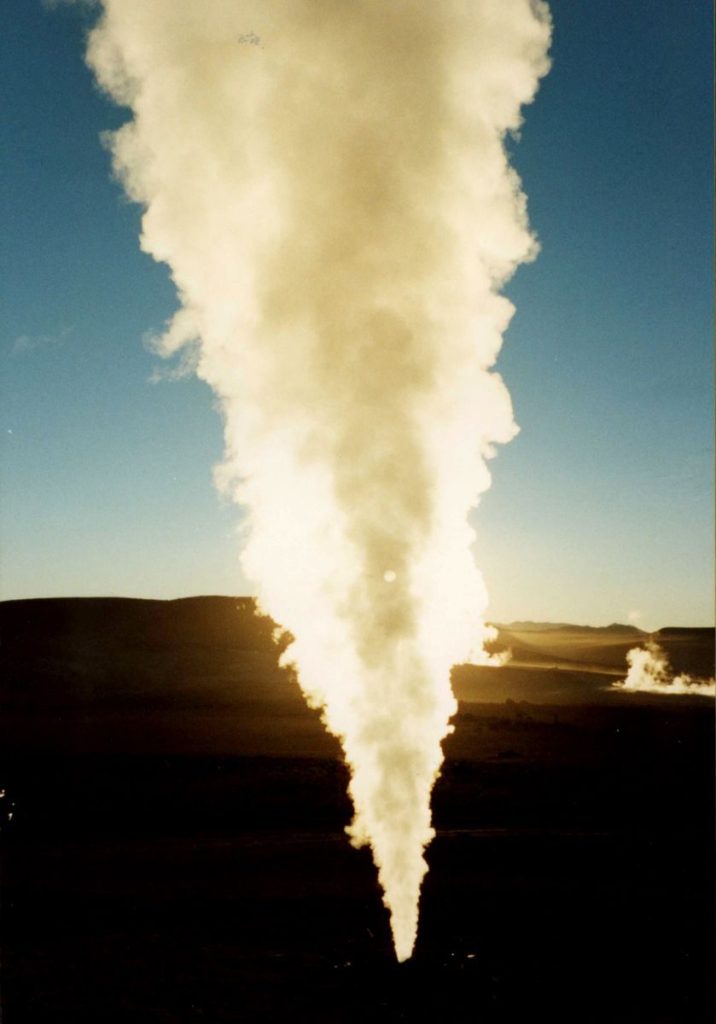
Rovers have detected sudden spikes of methane gas rising from the Martian soil. On Earth, this gas is almost entirely produced by living organisms. According to atmospheric scientists on the Curiosity mission, these spikes appear to follow a seasonal cycle. We are clueless. The gas could be coming from deep geological shifts or active underground life. But the extreme weather of Mars presents an even greater puzzle.
Global Dust Storms Arrive

Every few years, massive dust storms swallow the entire Martian globe for months. These storms completely block out the sun and choke solar-powered machines. According to climate models from the Jet Propulsion Laboratory, these events are triggered by rapid temperature changes in the thin air. They are terrifying. Understanding how these massive storms grow is vital for protecting future colonists. But the Martian moons hold their own dark secrets.
A Moon Facing Destruction
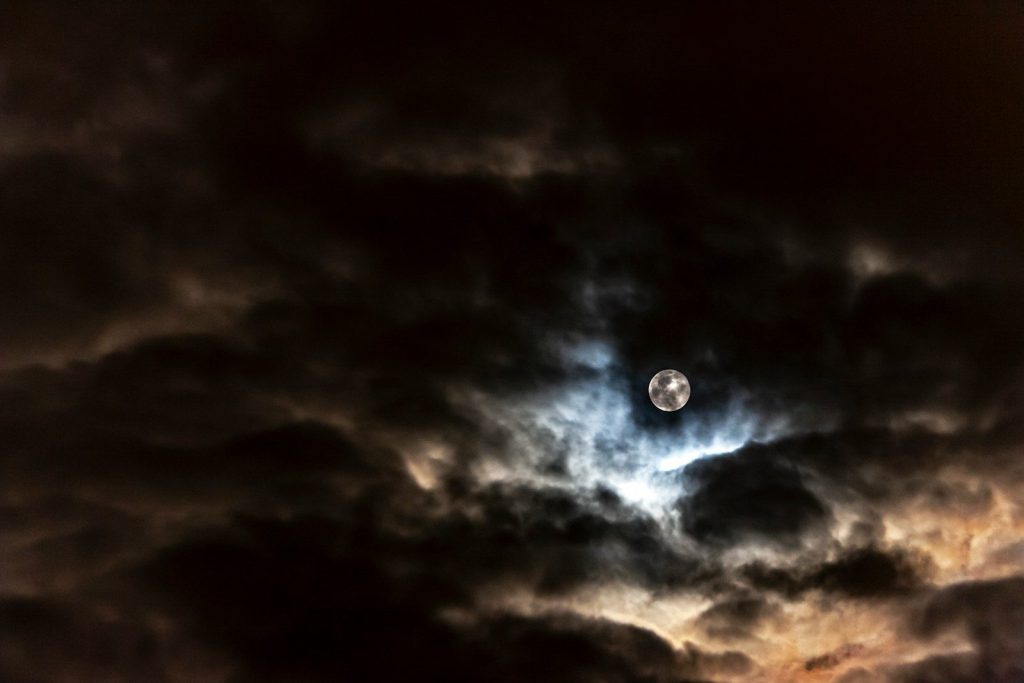
The largest Martian moon is slowly spiraling toward a violent end. Phobos is being pulled closer by gravity every year. According to orbit trackers at NASA, the moon will eventually break apart and form a dusty ring around the planet. The clock is ticking. This slow-motion destruction offers a rare chance to study planetary rings in the making. But preparing for these challenges requires rewriting our exploration plans.
Unlocking The Martian Frontier
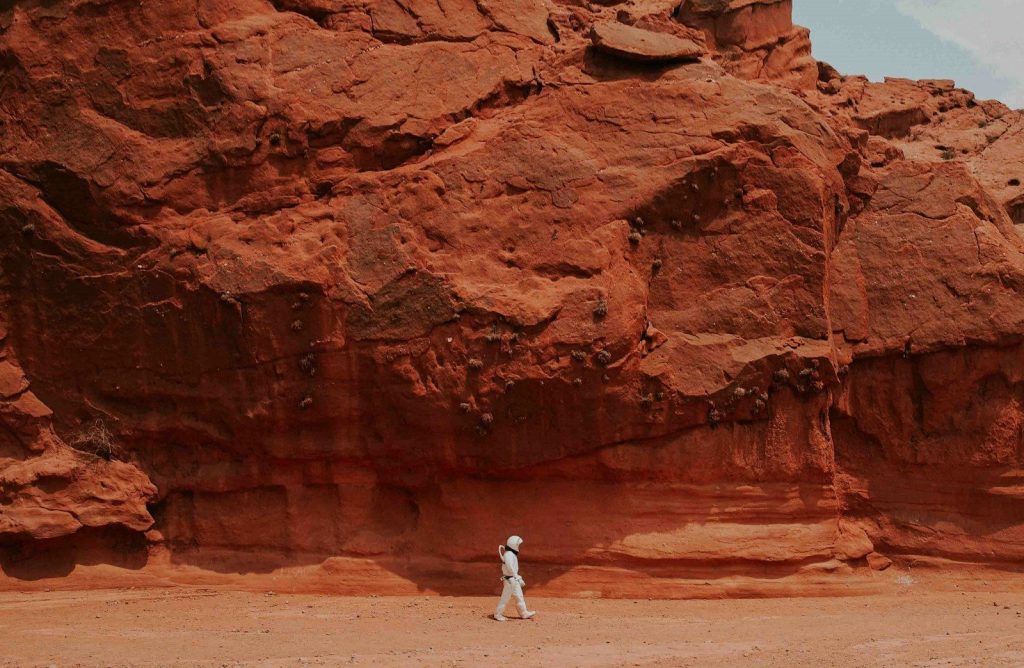
Mars continues to challenge our scientific assumptions with every piece of data sent back to Earth. Solving these deep mysteries is essential before humans ever set foot on the red sands. The red planet is not a dead desert but a complex world of hidden wonders. This article is for informational purposes only and does not constitute professional aerospace engineering advice.
Leave a Reply