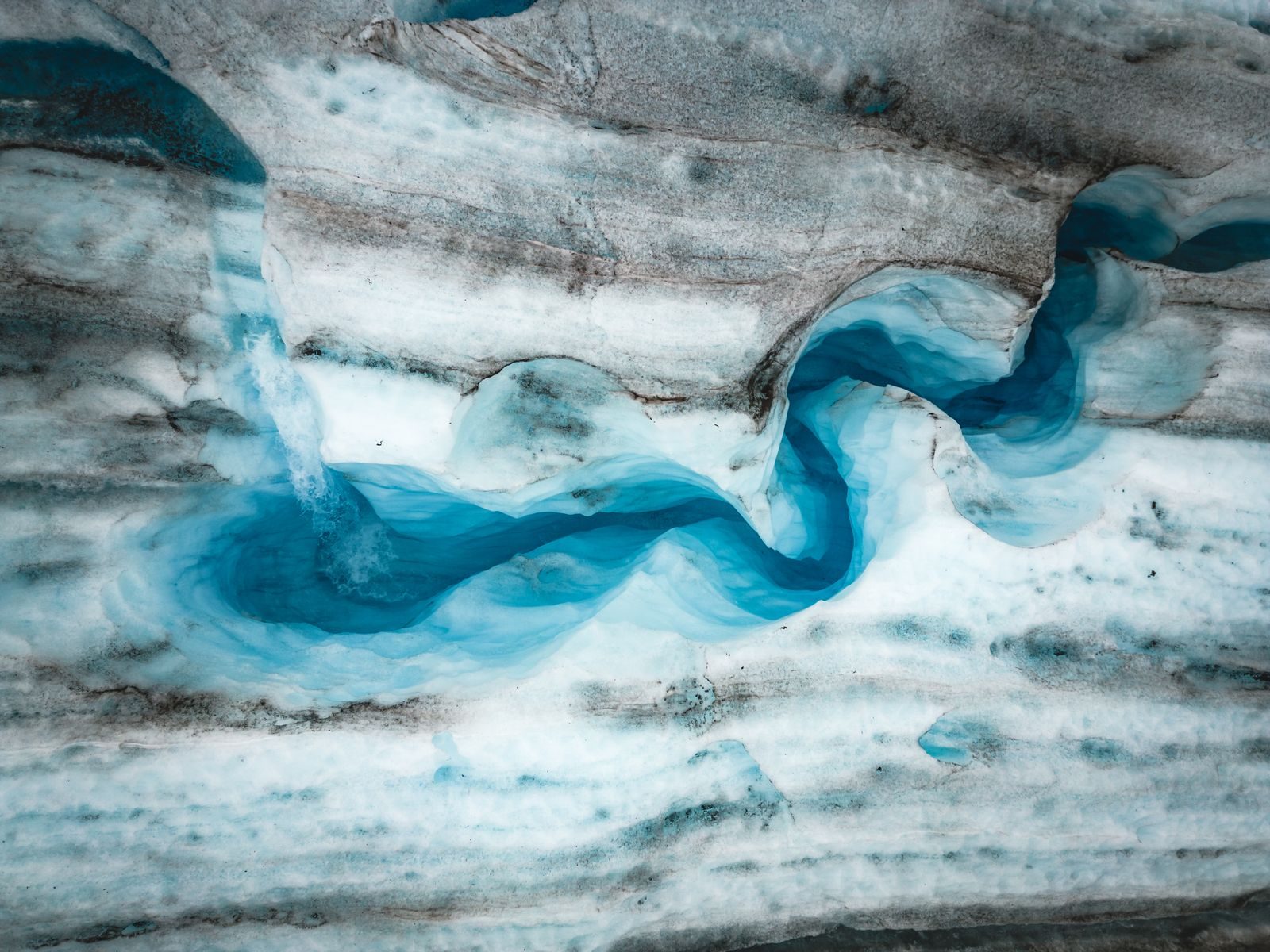
Most people picture mountain glaciers as empty frozen landscapes holding nothing but solid ice. Travelers assume high alpine ice sheets remain unchanged across centuries.
But warming temperatures are rapidly melting polar glaciers to reveal ancient artifacts preserved in pristine condition. Deep ice layers act like giant time capsules.
Ancient Weapons Emerge From Ice
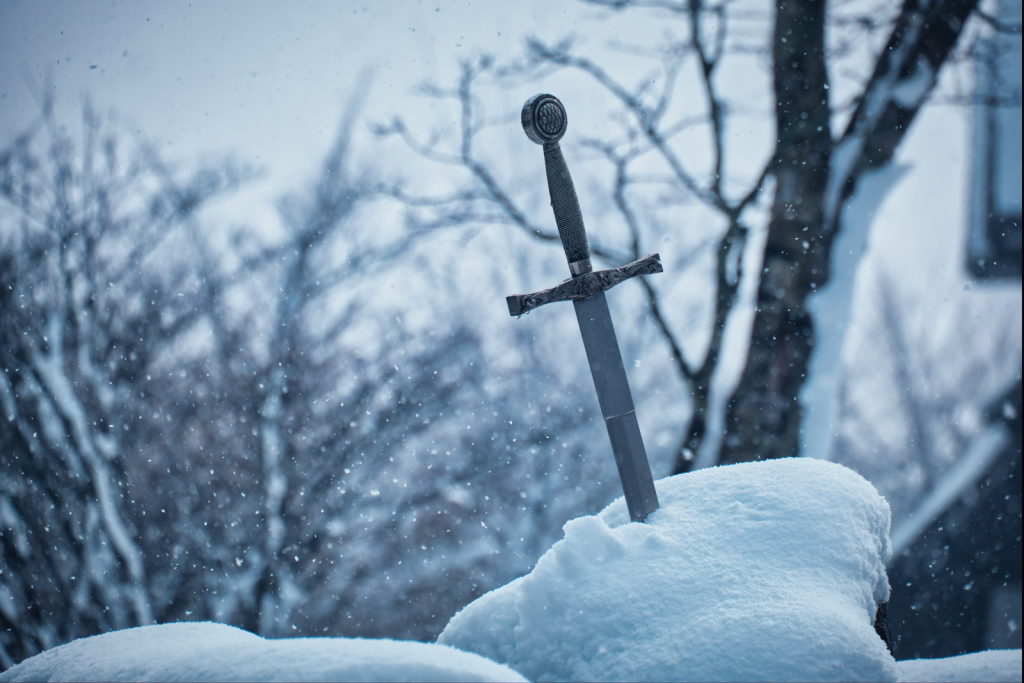
Glaciologists exploring alpine pass corridors found hunting bows intact with original sinew strings attached. Deep ice protected fragile organic materials from bacteria. Preservation was remarkable. According to glacial archaeology reports from Bern University, melting snowfields exposed three-thousand-year-old wooden arrows complete with stone points. That sudden exposure created urgent rescue missions for field researchers.
Frozen Mummies Retain Intact Organs

Hikers crossing mountain ridges discovered preserved human remains emerging from retreating ice sheets. Natural freezing prevented decomposition for over five millennia. Tattoos remained visible. According to biological research at Innsbruck University, Iceman Otzi retained stomach contents revealing his final meal. Ancient clothing items survived, preserved under mountain ice sheets intact.
Prehistoric Mammals Found With Fur
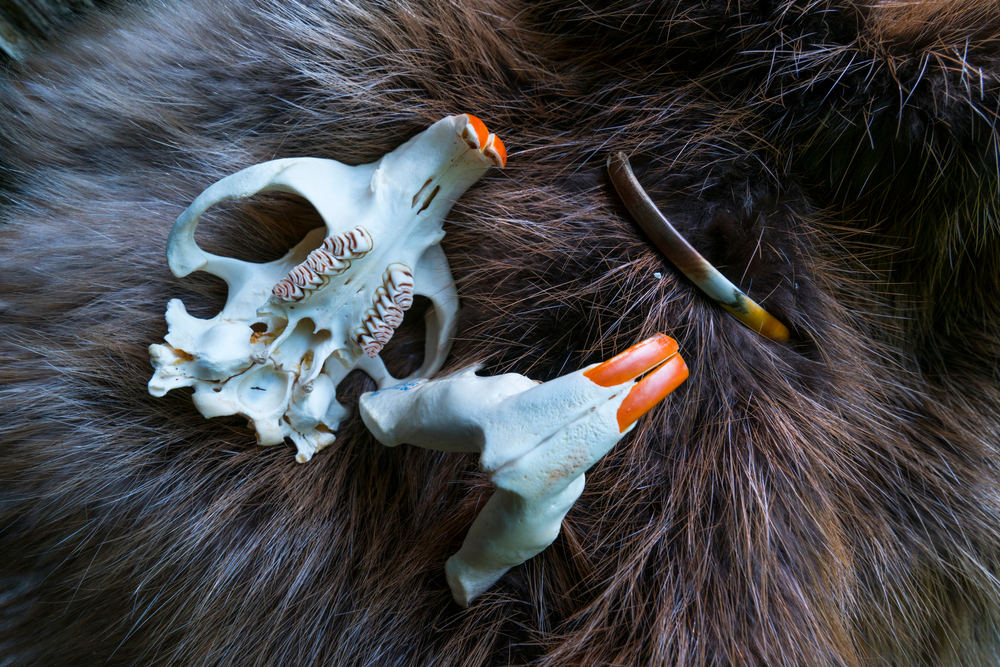
Siberian permafrost thaw revealed complete cave lion cubs with soft fur and intact whiskers. Sub-zero temperatures locked soft tissues in place since the last Ice Age. Specimens were complete. According to paleontological studies from the Russian Academy of Sciences, preserved tissues contained undamaged DNA strands. Genetic material offered rare insights into extinct Ice Age predator species.
Viking Artifacts Lie Along Passes

Melting snows along Norwegian mountain routes uncovered iron horseshoes and woven textiles from early medieval traders. Merchants crossed high mountain passes routinely. Cargo survived untouched. According to archaeological surveys from Innlandet County Council, ancient travelers left tunics and sleds along frozen mountain trails. Warm weather now reveals hidden trading corridors used centuries ago.
Microbes Awake After Millennia Frozen

Virologists sampling deep permafrost cores revived ancient bacterial strains frozen under tundra soil for thirty thousand years. Microorganisms survived frozen dormancy easily. Life endured. According to microbiology research published in Nature, ancient microbes resume biological activity when ice thaws. That microscopic survival demonstrates how resilient simple organisms remain under extreme conditions.
Frozen Forests Uncovered Under Glaciers
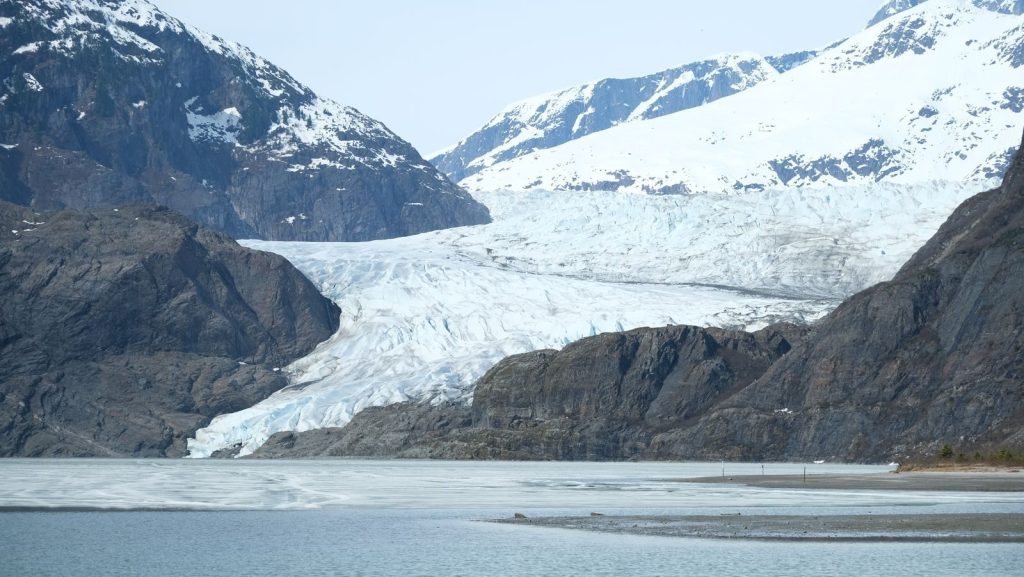
Retreating glacier edges in Alaska exposed upright tree stumps from ancient rainforests buried thousands of years ago. Glaciers originally overran living woodlands during cold climate shifts. Roots stayed anchored. According to geological studies from the Juneau Icefield Research Program, ancient wood samples show rapid climate shifts in Earth’s past. Ice preserved entire forest ecosystems intact beneath heavy frozen layers.
Air Bubbles Trap Ancient Atmospheres

Deep ice core samples drilled in Antarctica contain tiny trapped air bubbles from ancient atmospheric layers. Gas samples reveal past greenhouse levels. Gas bubbles tell stories. According to climate research from the British Antarctic Survey, analyzing frozen air allows scientists to reconstruct ancient weather patterns over hundreds of thousands of years. That historic record helps predict future atmospheric shifts.
Safeguarding Glacial Scientific Discoveries

Glacial archaeology rescues fragile organic artifacts before exposure to sunlight and air causes rapid decay. Rapid melting presents both exciting discoveries and serious conservation challenges for modern researchers. Preserving history requires speed. According to international glaciology teams, studying frozen artifacts deepens our understanding of human adaptation across millennia. This article is for informational purposes only.
Featured Image: Photo by Tomáš Malík on Pexels
Leave a Reply