Most historians believe early human populations in the Caribbean built simple temporary settlements near coastlines. Experts assumed these ancient tribes lacked engineering skills to construct permanent stone structures.
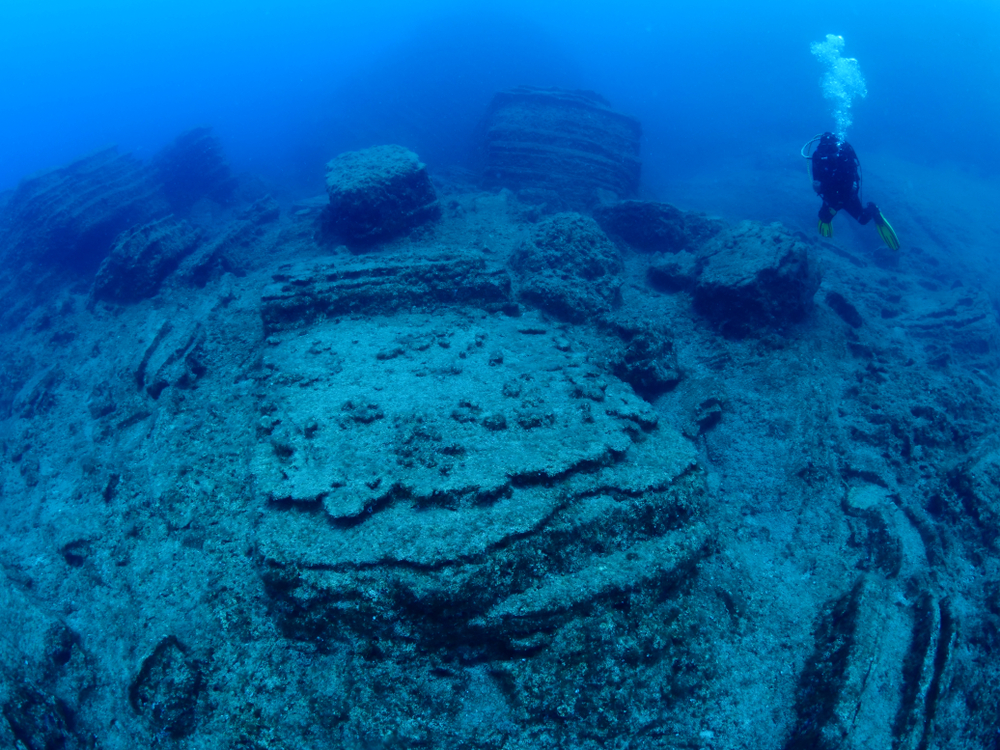
But deep-sea sonar mapping off western Cuba revealed symmetrical stone formations sitting thousands of feet underwater. Massive submerged granite blocks resemble urban planning patterns.
Sonar Scans Detect Geometric Patterns

Oceanographers using side-scan sonar equipment identified rectangular stone structures resting on deep ocean floors. Computer images displayed organized linear layouts clearly. Structures appeared intentional. According to marine research reports by Advanced Digital Communications, sonar images showed smooth granite blocks arranged in right angles. Symmetrical formations stretched across vast ocean floor areas.
Submersible Cameras Capture Carved Blocks
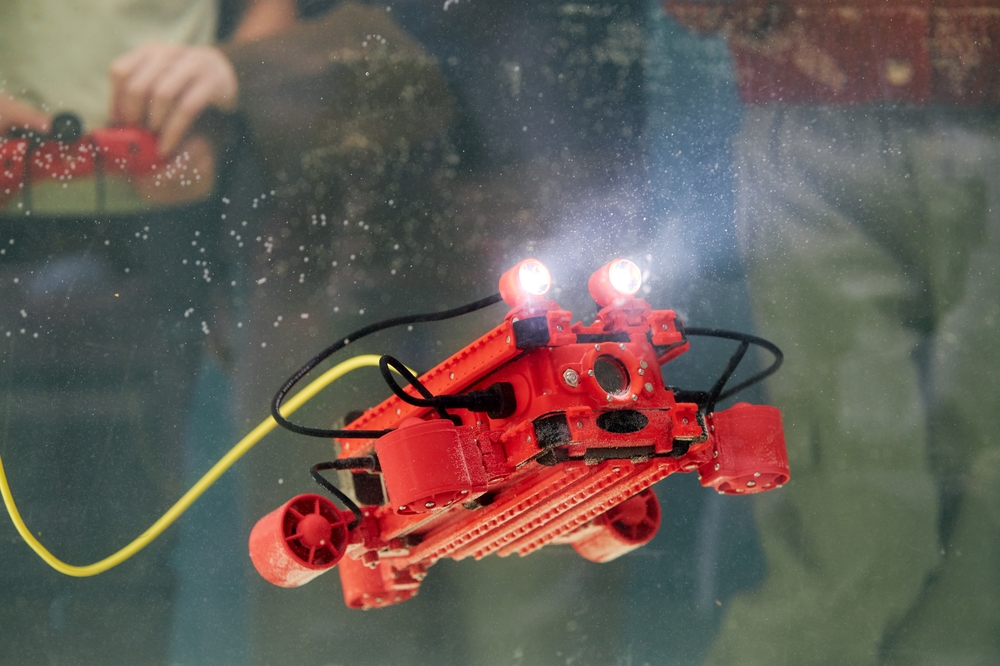
Remote underwater vehicles equipped with cameras descended into deep water to film submerged granite formations up close. Video feeds recorded pyramid-shaped stone blocks. Surfaces were smooth. According to expedition journals from Havana University, underwater stone blocks feature clear geometric cuts and polished granite surfaces. That precise cutting indicated deliberate human craftsmanship in ancient times.
Rising Sea Levels Submerge Coastal Sites

Geologists estimate these stone structures sank beneath ocean waters during post-glacial sea level rises thousands of years ago. Rapid sea rises covered coastal lands. Oceans swallowed settlements. According to climate studies from Oceanographic Institute researchers, melting ice sheets flooded coastal lowlands six thousand years ago. Submerged ruins suggest advanced coastal communities existed before flooding events.
Granite Formations Defy Natural Erosion
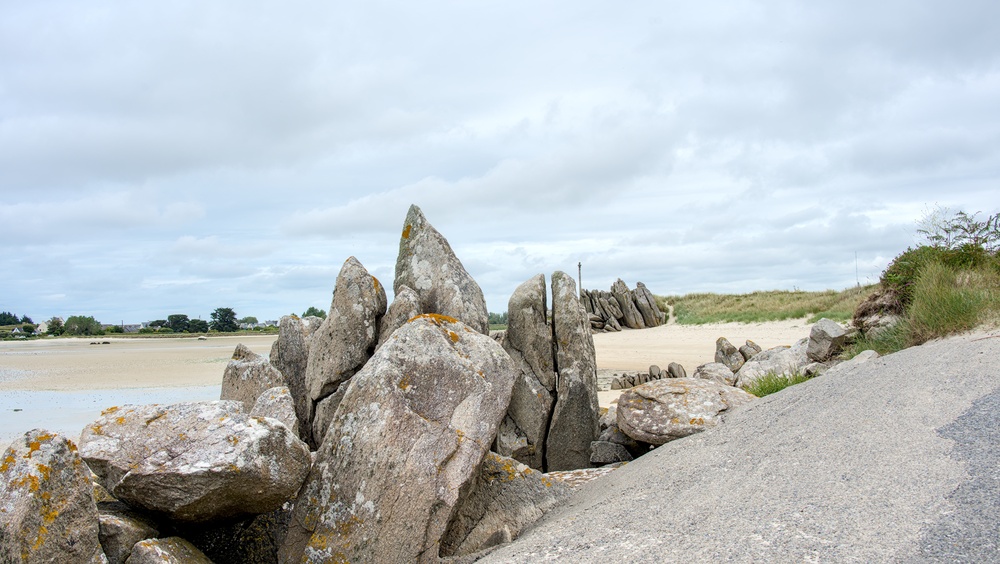
Geological analysis indicates natural underwater currents rarely carve perfectly square stone blocks across large areas. Natural erosion acts randomly. Symmetry is striking. According to geological assessments by Cuban research teams, local seafloor geology lacks natural granite formations of similar shape. That geological mismatch suggests ancient builders transported heavy stone blocks from elsewhere.
Deep Water Trench Hides Complex
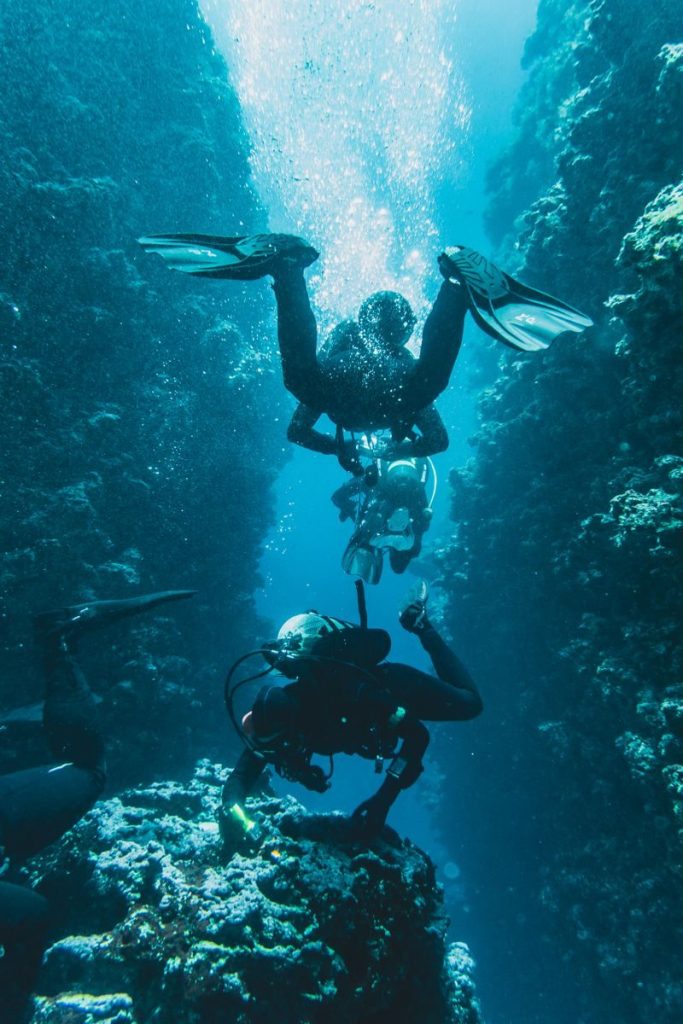
Extreme depth reaching over two thousand feet presents severe technical obstacles for scientific excavation efforts. High water pressure limits diver access. Depth complicates research. According to marine exploration reports from the National Geographic Society, specialized robotic submersibles are necessary to collect sediment samples around stone foundations. Deep water currents also make steady photography challenging.
Skeptics Debate Natural Rock Formations

Some geologists suggest underwater stone blocks represent unusual natural jointing patterns within basalt bedrock. Academic debate continues actively. Proof remains elusive. According to papers published by the Geological Society of America, distinguishing artificial stonework from natural fracturing requires direct physical core drilling samples. Researchers continue evaluating ocean floor imaging data carefully.
Investigating Deep Ocean Historic Mysteries
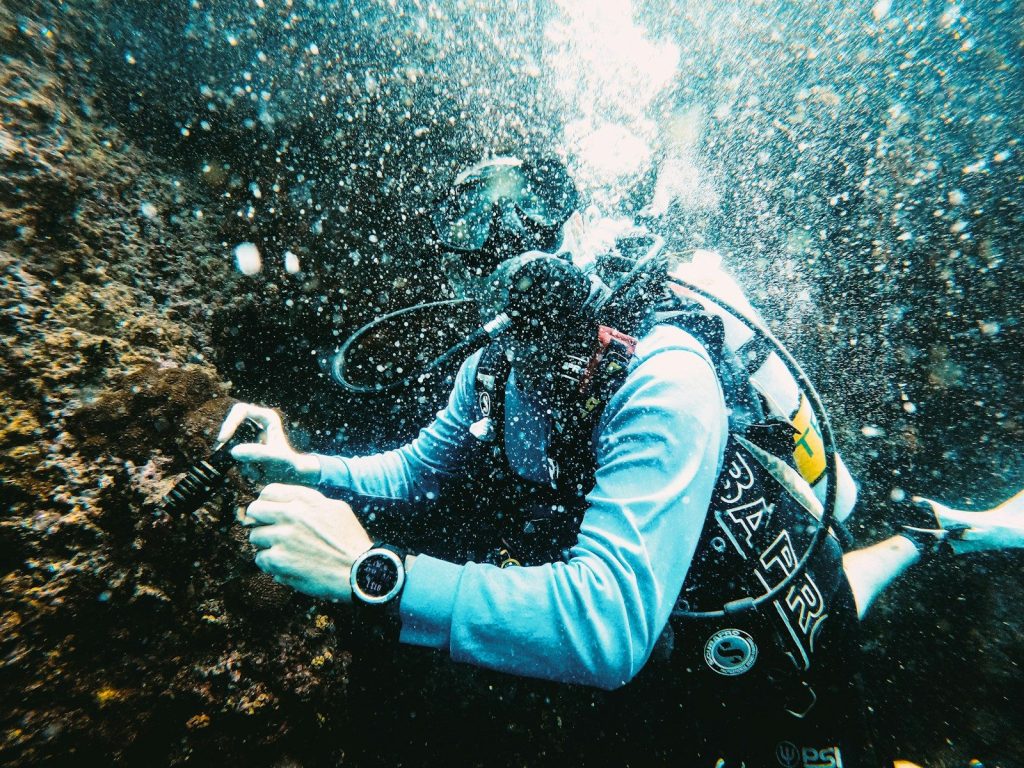
Exploring submerged Caribbean structures expands knowledge about prehistoric human migrations and ancient coastal settlements. Advanced deep-sea technologies allow marine archaeologists to investigate deep ocean floor mysteries without damaging fragile underwater sites. Ocean depths hold secrets. According to marine historians, ocean floor research will keep rewriting early human history. This article is for informational purposes only.
Featured Image: Shutterstock
Leave a Reply