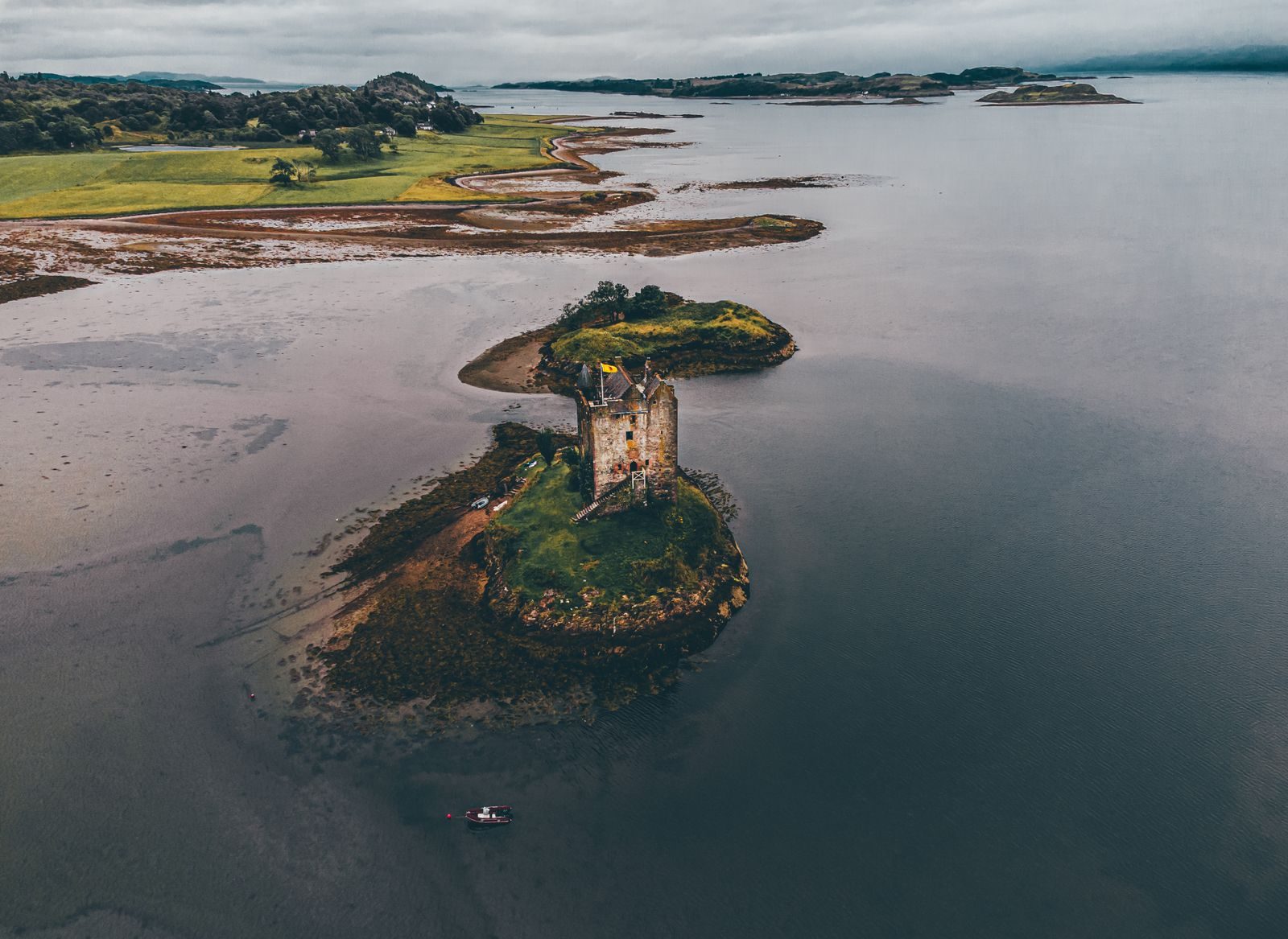
Most visitors assume small stone islands dotting Scottish lochs are completely natural geographic features formed by glaciers. People picture simple rocky outcrops rising naturally out of cold water.
But underwater archaeologists discovered these isolated islands were constructed by hand over five thousand years ago. Ancient builders hauled tons of timber and stone into deep water.
Submerged Timbers Form Strong Foundations
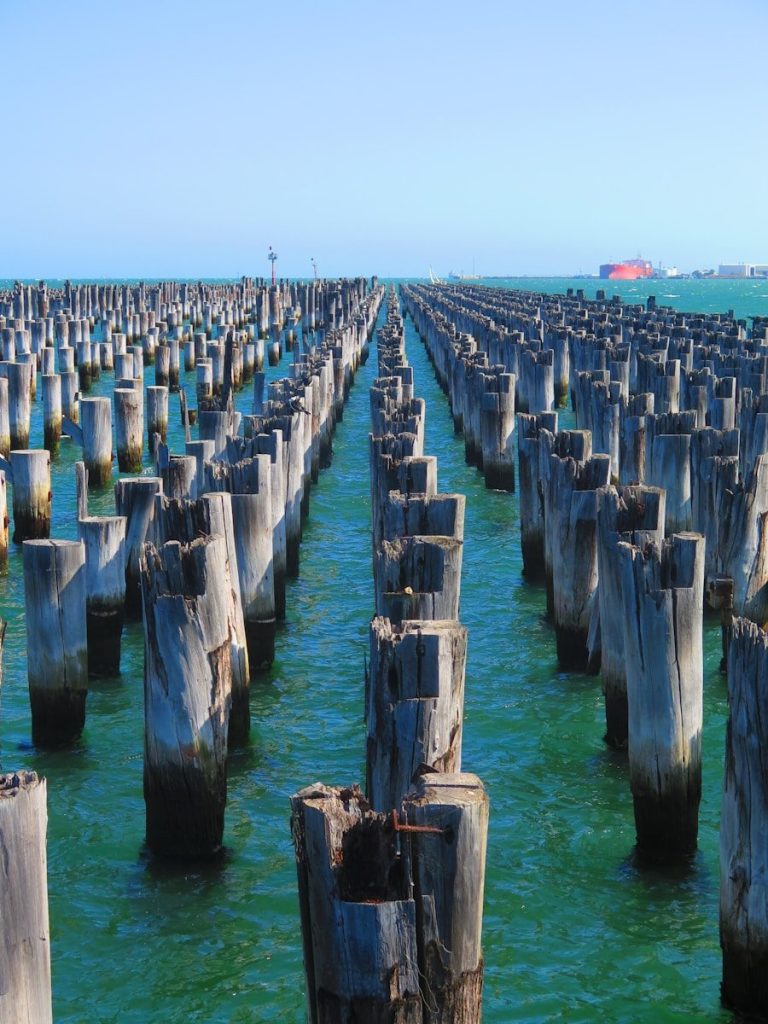
Divers exploring Scottish lochs found massive oak trunks driven deep into muddy lakebeds below stone mounds. Interlocking timber beams stabilized underwater foundations. Structures were solid. According to archaeological reports from Southampton University, radiocarbon dating proved timber foundations were laid during the Neolithic era. That age makes artificial islands older than Stonehenge.
Neolithic Pottery Found Under Water
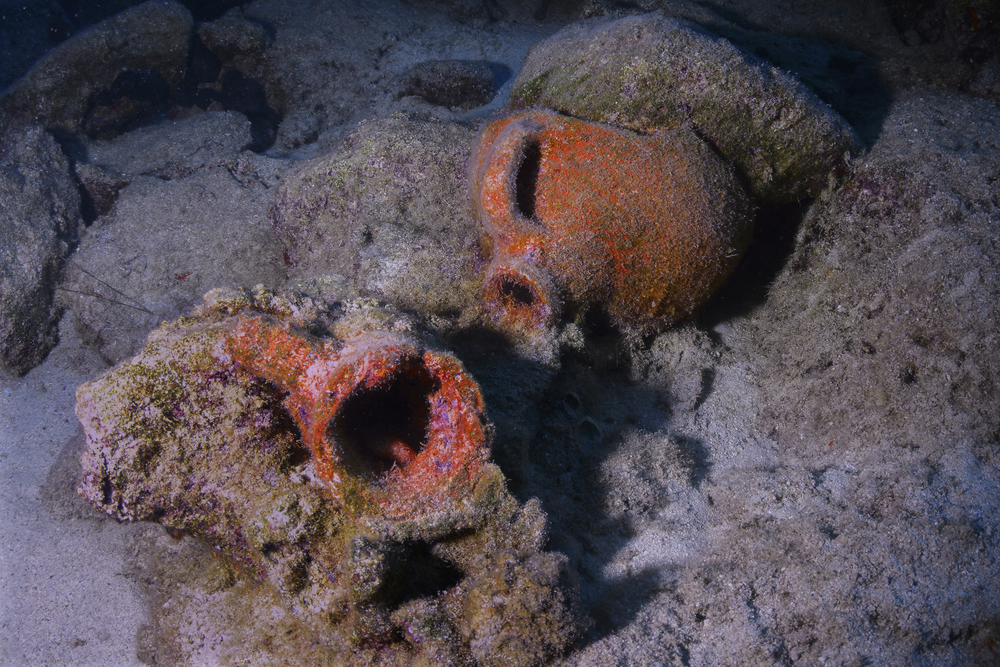
Excavations around submerged timber bases uncovered beautifully decorated ceramic vessels preserved inside soft lake mud. Submerged silt protected fragile clay pots from breaking. Artifacts survived intact. According to museum reports from National Museums Scotland, chemical residue inside clay pots showed ancient islanders cooked wheat porridge and meat dishes. Domestic items proved people lived on islands.
Stone Causeways Connect To Shorelines
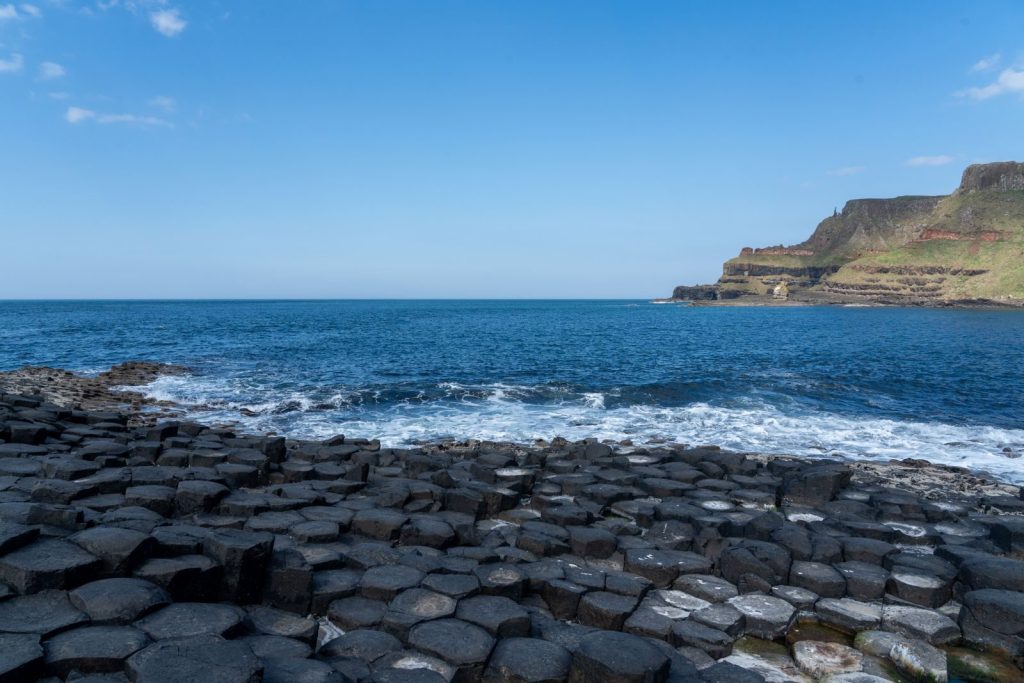
Narrow underwater stone pathways allowed island residents to wade across lochs to mainland shores safely. Underwater causeways remained hidden just below the water surface. Pathways guarded access. According to surveys conducted by Historic Environment Scotland, zigzag causeway designs prevented unwelcome visitors from reaching islands easily. Hidden pathways provided effective defense against potential raiders.
Enormous Boulders Transported Across Water
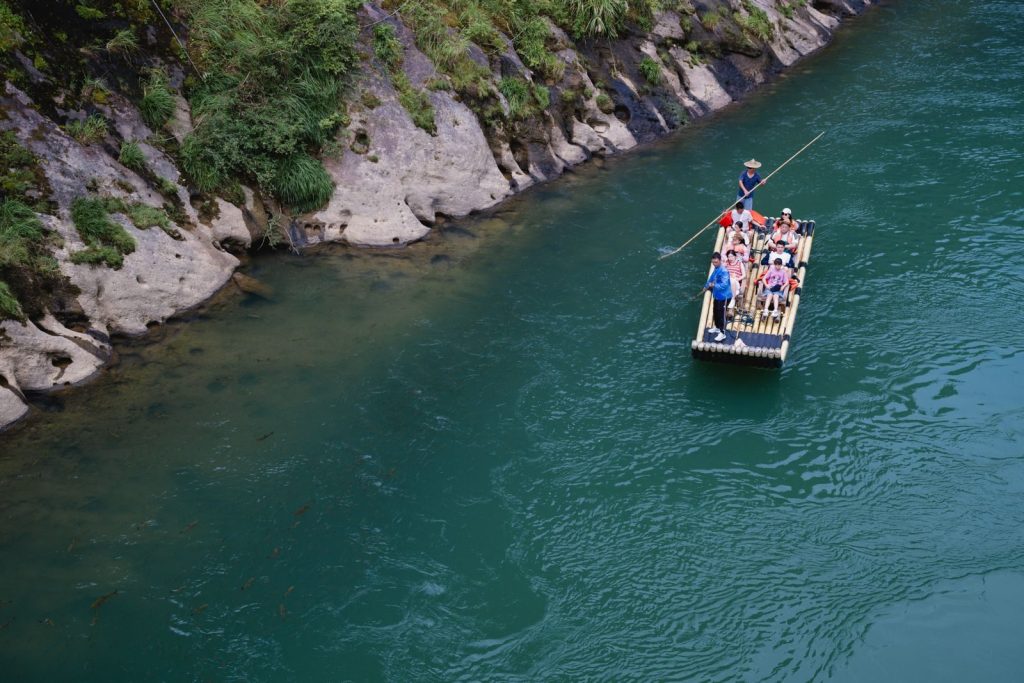
Building artificial crannogs required moving thousands of heavy stone blocks from surrounding hillsides into deep water. Workers used wooden rafts to float stone cargo. Effort was colossal. According to engineering analysis by Edinburgh University researchers, ancient communities coordinated massive labor forces to build island foundations. Collective effort demonstrated strong social organization among early farming tribes.
Sacred Ritual Ceremonies Held Offshore

Archaeologists discovered burnt timber posts and rare stone tools suggesting islands served ceremonial purposes alongside defense. Rituals took place over water. Water held spiritual significance. According to papers published in Antiquity Journal, burning precious herbs over lake waters formed core parts of ancient spiritual traditions. Offshore isolation created sacred spaces separate from daily mainland farming activities.
Cold Water Preserves Ancient Wood

Low oxygen levels inside deep loch sediments preserved wooden implements and woven baskets that decay quickly on dry land. Anoxic mud stopped decay completely. Wood stayed firm. According to organic preservation studies from Glasgow University, excavated timber items retained visible axe marks left by Neolithic stone tools. Intact wood provided rare glimpses of prehistoric woodworking skills.
Centuries Of Continuous Island Use

Excavation layers prove communities rebuilt and expanded artificial islands continuously across the Bronze and Iron Ages. Successive generations reinforced stone foundations repeatedly. Use spanned centuries. According to regional heritage logs, crannogs remained active living sites for thousands of years. Long occupation proved artificial islands offered highly effective defensive living spaces.
Unlocking Prehistoric Scottish Island Life

Investigating artificial crannogs reveals impressive engineering capabilities and rich cultural traditions among ancient Scottish builders. Modern underwater archaeology tools allow scientists to map submerged structures without disturbing fragile timber foundations below. Mysteries continue emerging. According to British archaeological teams, Scottish lochs hold priceless insights into Neolithic island living. This article is for informational purposes only.
Featured Image: Photo by urtimud.89 on Pexels
Leave a Reply