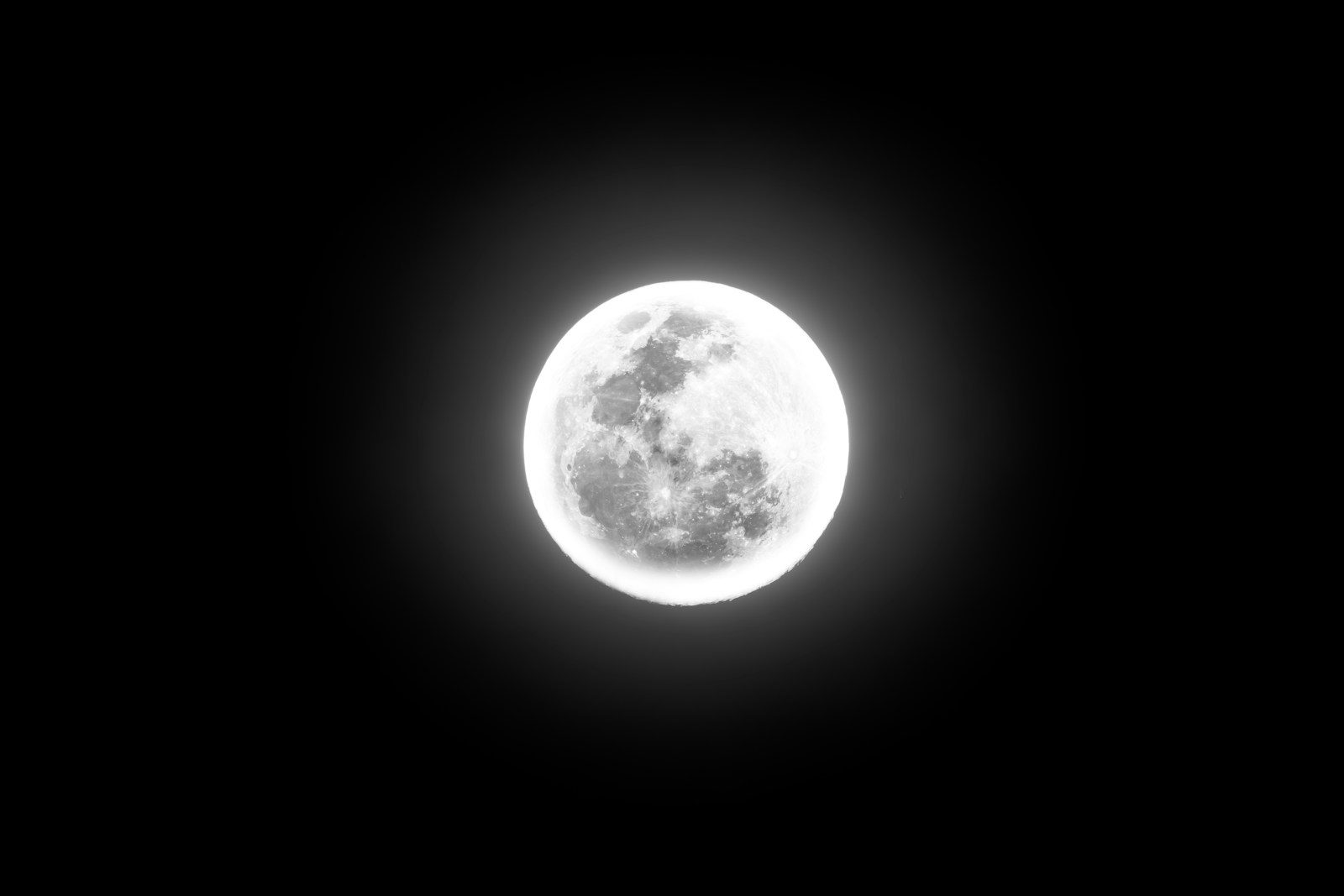
We look up at the night sky and assume the Moon is just a dead rock. We believe its presence is a simple accident of cosmic history.
But some bizarre physical characteristics have made researchers question this quiet neighbor. Its strange behavior continues to challenge our understanding of the solar system.
An Orbit Defying Cosmic Logic
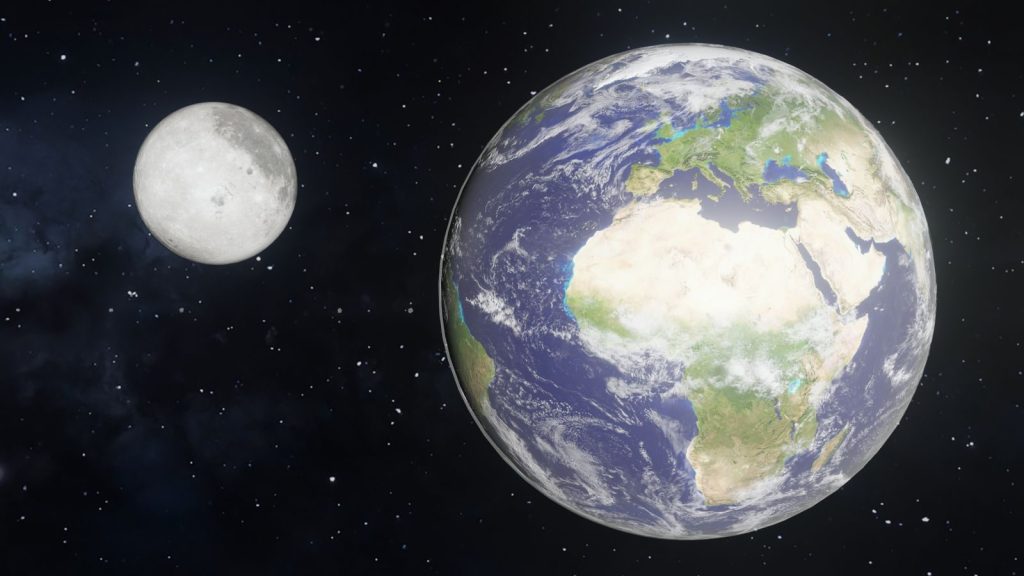
Most natural satellites in our solar system follow elliptical paths. Our Moon is different because its orbit is almost perfectly circular. According to planetary scientists at NASA, this precise geometry is highly unusual for a body of its massive size. They are baffled. This perfect path keeps the exact same side facing our planet at all times. But the bizarre internal structure of the Moon is even more mysterious.
The Strange Ringing Experiment
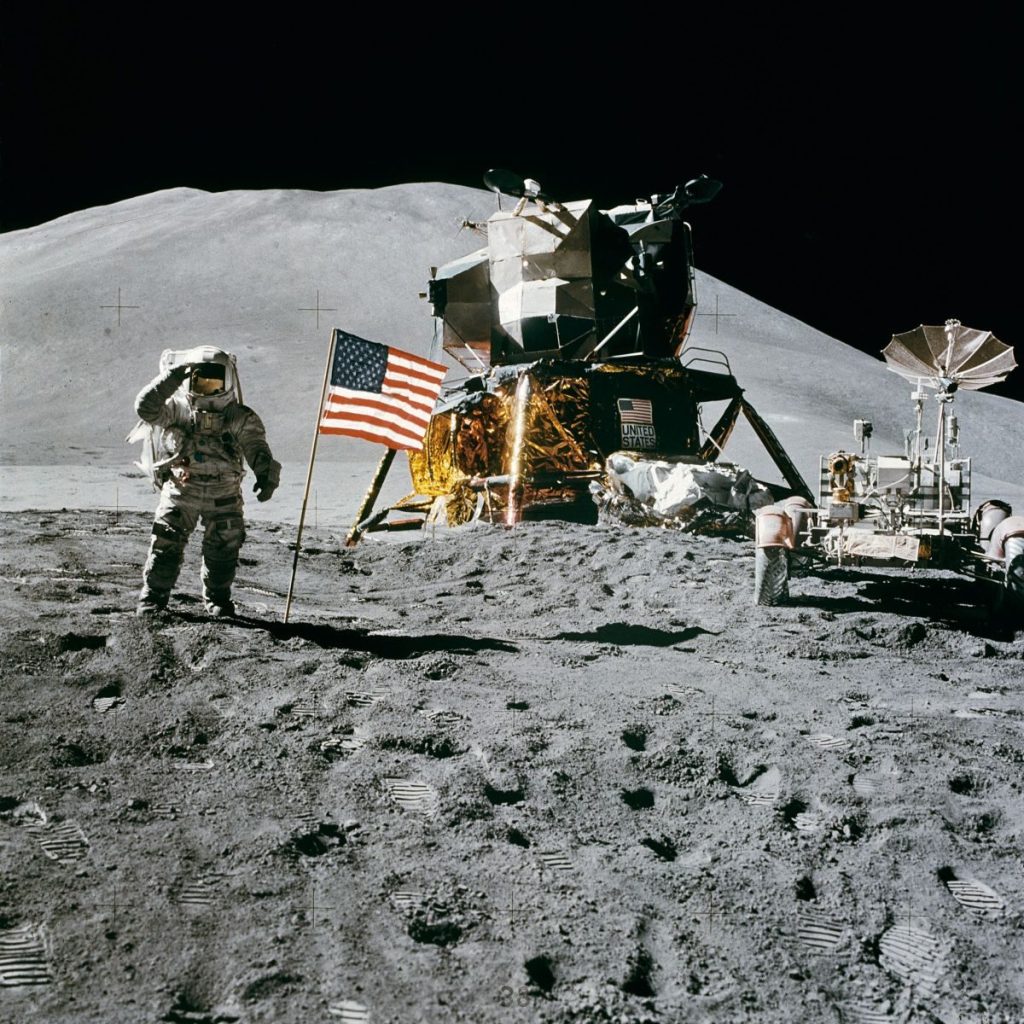
During the Apollo missions, astronauts crashed lunar modules directly into the surface to test density. The seismic results shocked the entire scientific community. According to historic records from NASA, the Moon vibrated like a giant bell for hours after impact. It sounded hollow. This unexpected acoustic reaction led some researchers to propose highly controversial ideas about its core. But a close look at lunar rocks only deepened the confusion.
Rocks Older Than Earth
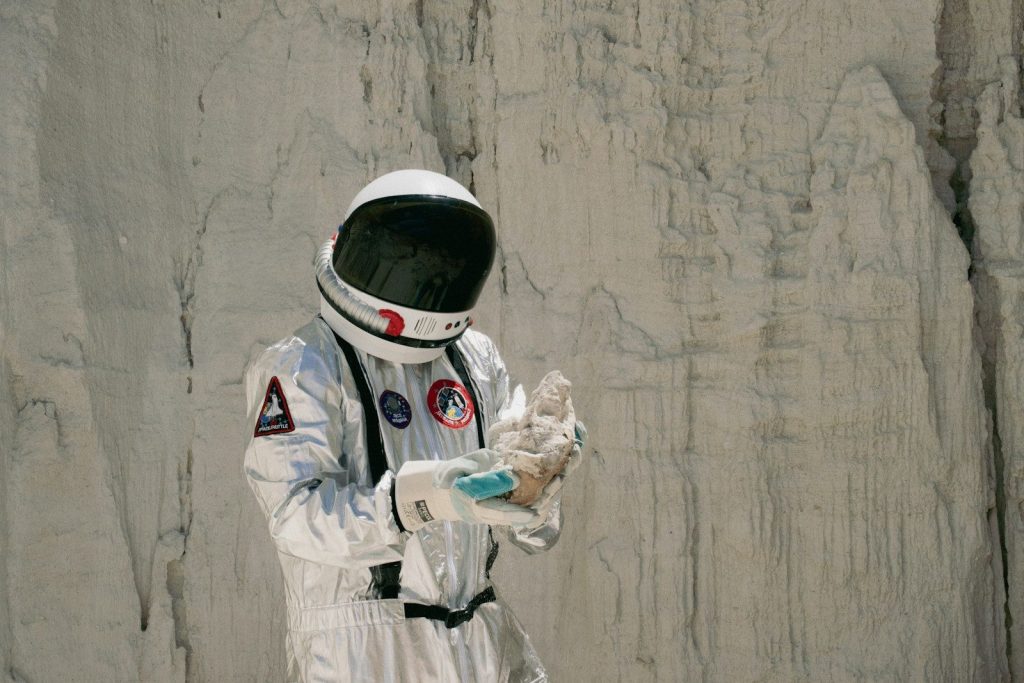
Lunar soil samples brought back by astronauts contain incredibly ancient materials. Some of these specimens predate our own planet by billions of years. According to geological reports from the Lunar and Planetary Institute, these findings contradict the common theory of how the Moon formed. The math fails. It seems impossible for a satellite to be older than the world it orbits. Yet the chemical makeup of these rocks holds another surprise.
The Missing Heavy Metals
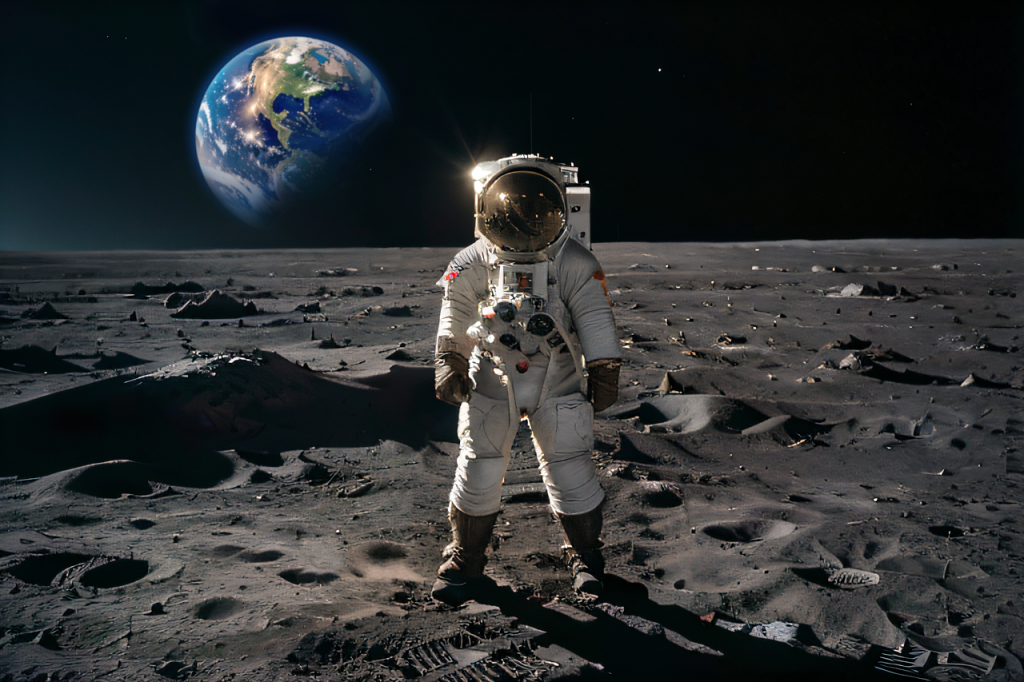
Earth has a dense iron core that creates a protective magnetic field. The Moon lacks this substantial metallic center entirely. According to researchers at the University of Arizona, the lunar interior contains surprisingly low concentrations of heavy elements. This is bizarre. This lack of metal raises massive questions about how the rock gathered enough mass to stay in orbit. And things get weirder when we look at the lunar crust itself.
Incredibly Tough Outer Shell

Impact craters on the lunar surface are surprisingly shallow despite their immense width. Large meteors should have pierced deep into the interior. According to geophysics journals, the lunar crust appears to be made of highly resilient titanium alloys. It acts like armor. This structural resistance prevents deep penetration and keeps the surface remarkably intact. But this rigid shell hides a series of strange localized gravity spikes.
Mysterious Centers Of Mass
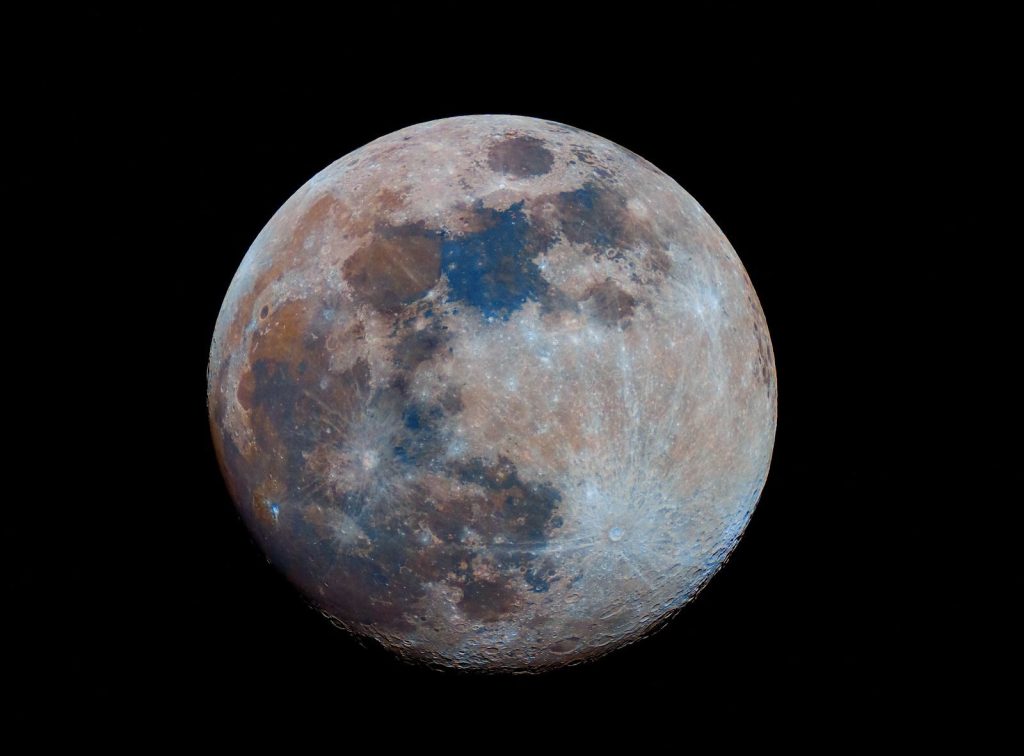
Space probes have mapped hidden dense pockets beneath the lunar maria that pull satellites off course. These areas are called mascons. According to mapping data from the Jet Propulsion Laboratory, these massive weight concentrations alter gravity across the surface. They are incredibly dense. Scientists still struggle to explain how these circular anomalies formed without leaving deep scars. But another optical mystery visible from Earth challenges our assumptions.
A Perfect Solar Alignment
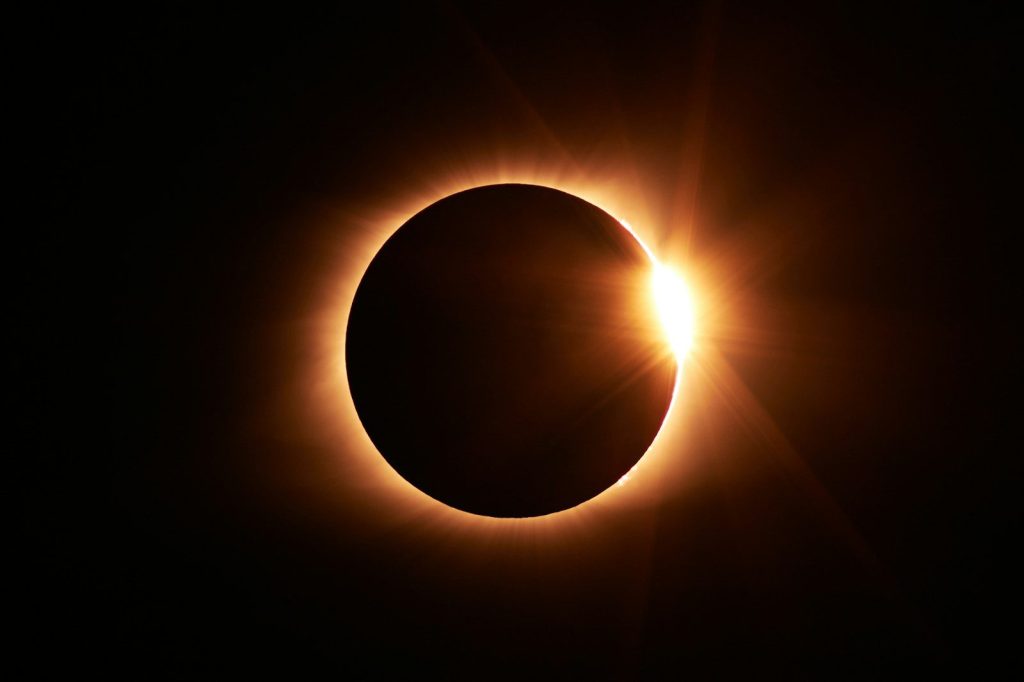
The Moon is exactly four hundred times smaller than the Sun but also four hundred times closer to us. This flawless ratio allows perfect solar eclipses to happen from our perspective. According to astronomers at the Royal Observatory, this precise spatial alignment is completely unique in our solar system. It feels deliberate. Many observers find it hard to believe such a match is a random cosmic accident. Yet one final question about its origins remains unanswered.
The Unsolved Lunar Puzzle
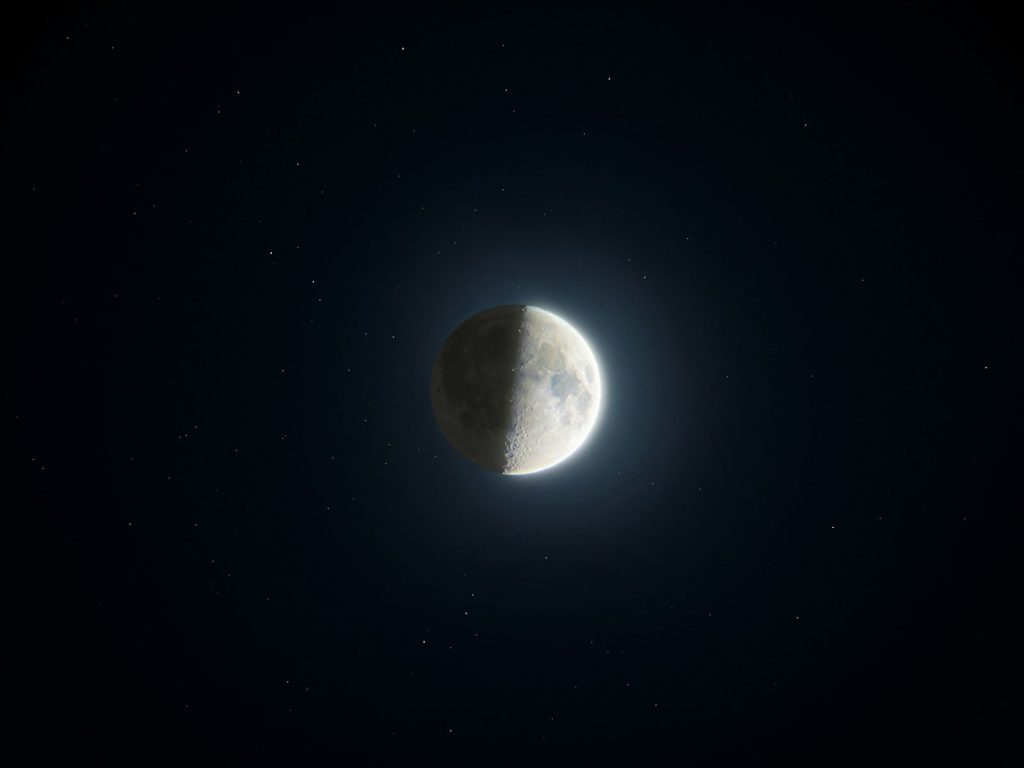
Science continues to look for logical explanations behind these incredible lunar coincidences. While alternative theories about hollow structures remain unproven, the physical data keeps challenging old models. Our celestial companion remains a brilliant mystery waiting to be solved. This article is for informational purposes only and does not constitute professional astronomical advice.
Featured Image: Photo by Syed Ahmad on Unsplash
Leave a Reply