
We often imagine our ancient ancestors as wild and beastly. History textbooks frequently depict them with exaggerated features and blank stares. But a revolution in forensic archaeology is completely shattering these old ideas. Scientists are now using cutting-edge DNA analysis and 3D printing to rebuild ancient faces. The results are absolutely stunning. These reconstructed individuals do not look like aliens or cavemen. They look like people you would easily pass on the street today. This scientific breakthrough bridges a gap of thousands of years. It allows us to look directly into the eyes of individuals who lived long before modern civilization. This process combines rigorous biology with delicate art to reveal our shared humanity. But this incredible journey begins with the work of one master sculptor.
The Swedish Artist Rebuilding the Past
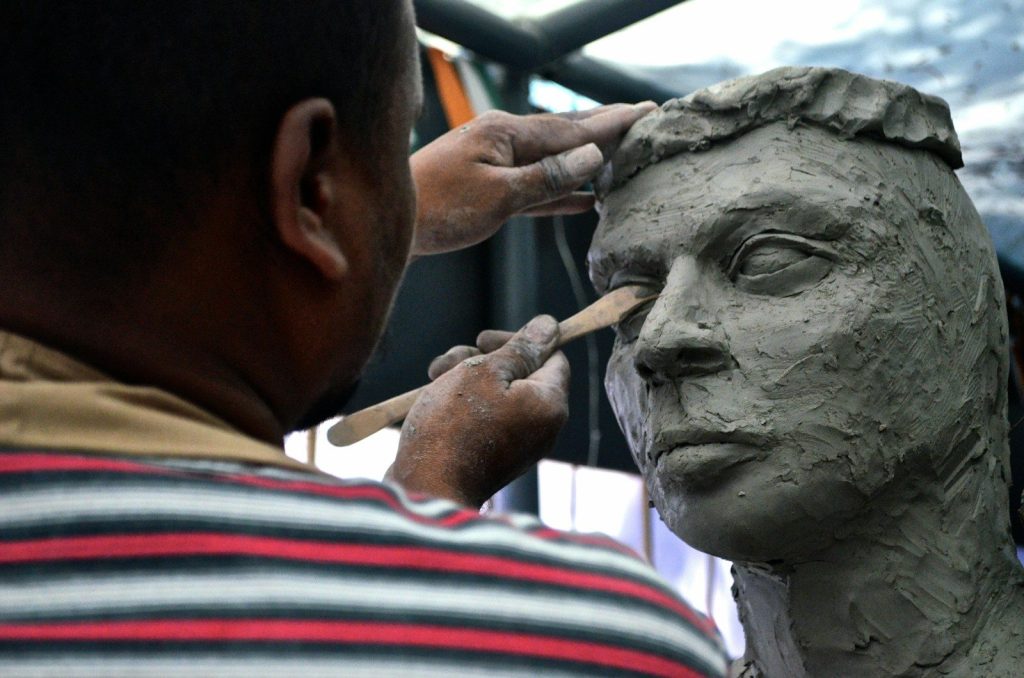
Oscar Nilsson is a forensic artist and archaeologist who has perfected this craft. He works directly with skulls recovered from ancient burial sites. First, he creates an exact 3D-printed replica of the skull to avoid damaging the original bone. He then uses forensic data to determine the thickness of the facial tissue. Nilsson carefully applies clay layer by layer to represent muscles and skin. This tedious process takes hundreds of hours to complete. The first face he brought to life shocked the scientific world.
Recreating a Teenager From the Stone Age
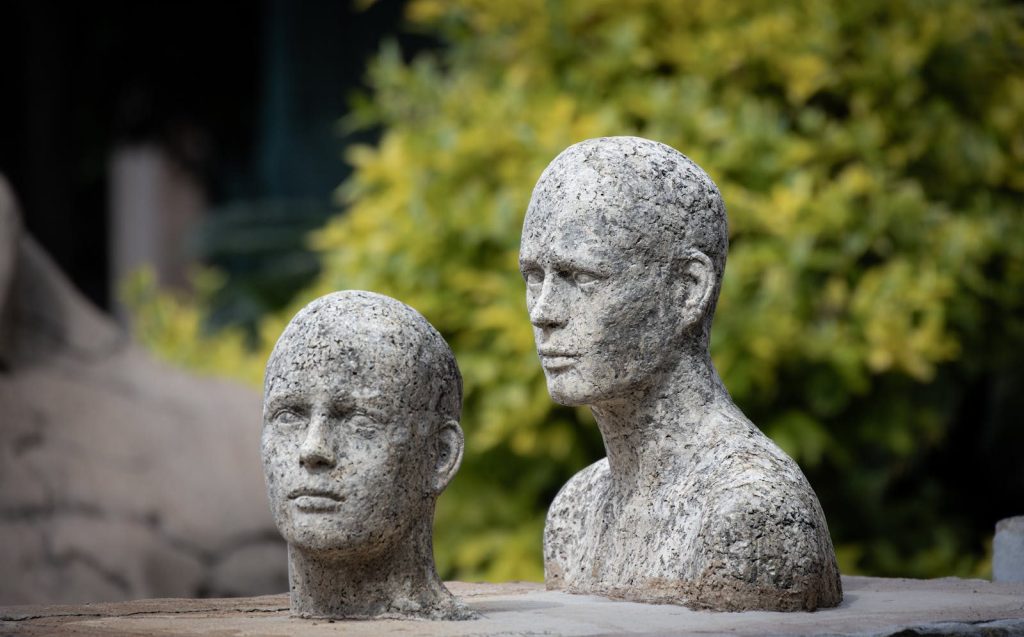
One of his most famous projects was a teenager named Avgi. She lived in Greece around seven thousand BCE. This was during a period when humans were transitioning from hunting to farming. Nilsson used her skull to reconstruct her facial features. She had a prominent jaw and a fierce, determined expression. Seeing her face allowed historians to connect with her on a deeply personal level. She was not just a collection of bones anymore. But a different reconstruction from England revealed an even more surprising detail.
The Surprising Features of a Neolithic Woman

Nilsson reconstructed the face of a woman who lived in England around thirty-six hundred BCE. She is known as the Whitehawk Woman. DNA analysis of nearby remains revealed fascinating details about her appearance. She had dark skin, dark hair, and striking light eyes. This combination of features challenged the traditional assumptions of what early Europeans looked like. It proved that ancient populations were incredibly diverse. This genetic evidence is reshaping historical narratives. Yet, another face from the Roman era had a tragic story to tell.
The Troubled Life of a Romano-British Woman

The Patcham Woman lived in Britain around two hundred and fifty AD. Her skeleton was found with a nail driven into the back of her head, suggesting a violent death. Despite her tragic end, her reconstructed face looks remarkably peaceful. She has soft features and a gaze that feels incredibly modern. Looking at her face makes her struggles feel real and immediate. It reminds us that ancient people experienced the same complex emotions we do. But the next reconstruction showed a different kind of strength.
A Saxon Warrior With a Familiar Face

A fierce warrior named the Stafford Road Man lived around five hundred AD. He died in his forties and was buried with his favorite weapons. His skull showed signs of severe dental issues and physical stress. Yet, his reconstructed face reveals a rugged, handsome man with a thick beard. He looks like someone you might meet at a local coffee shop today. This striking familiarity makes the distant past feel incredibly close. But the artist did not stop in Europe.
Bringing a Peruvian Queen Back to Life
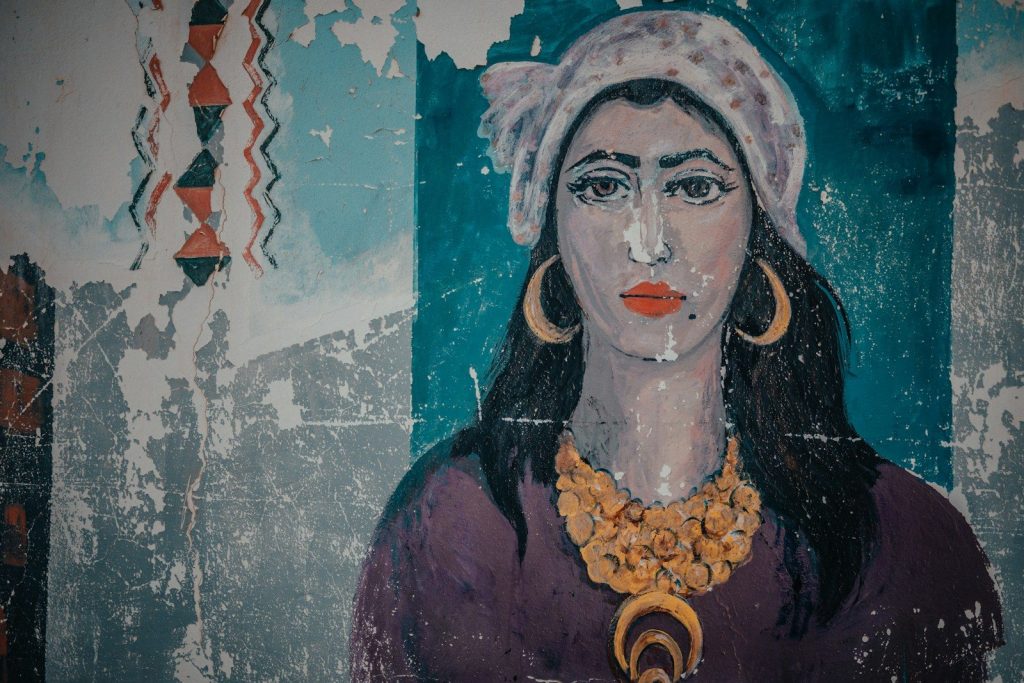
Traveling to South America, the artist reconstructed a Wari Queen. She lived in Peru about twelve hundred years ago. Her tomb was found filled with gold, silver, and precious stones. This proved she was a woman of immense power and status. Her face reveals strong, noble features that match her royal standing. Reconstructing her face allowed the local community to connect with their ancestral heritage in a new way. But how can we be sure these faces are accurate?
The Rigorous Science Behind the Art

This process is not a matter of artistic guesswork. Nilsson relies on precise scientific charts that detail tissue depth for different demographics. He looks at forensic indicators on the skull to determine muscle attachments. DNA analysis provides clues about eye color, skin tone, and hair texture. This combination of science and art ensures the reconstructions are as accurate as possible. It is a beautiful fusion of disciplines. This high-tech method is changing how we view our place in history.
Looking Directly Into Our Own History

Reconstructing these faces does something that skeletons cannot. It forces us to recognize ancient humans as our equals. They had families, worries, and dreams just like us. These lifelike sculptures remove the distance created by thousands of years. They remind us that history is not just about dates and battles. It is a story of real people who built the foundation of our world. When we look at them, we are truly looking at ourselves.
Leave a Reply