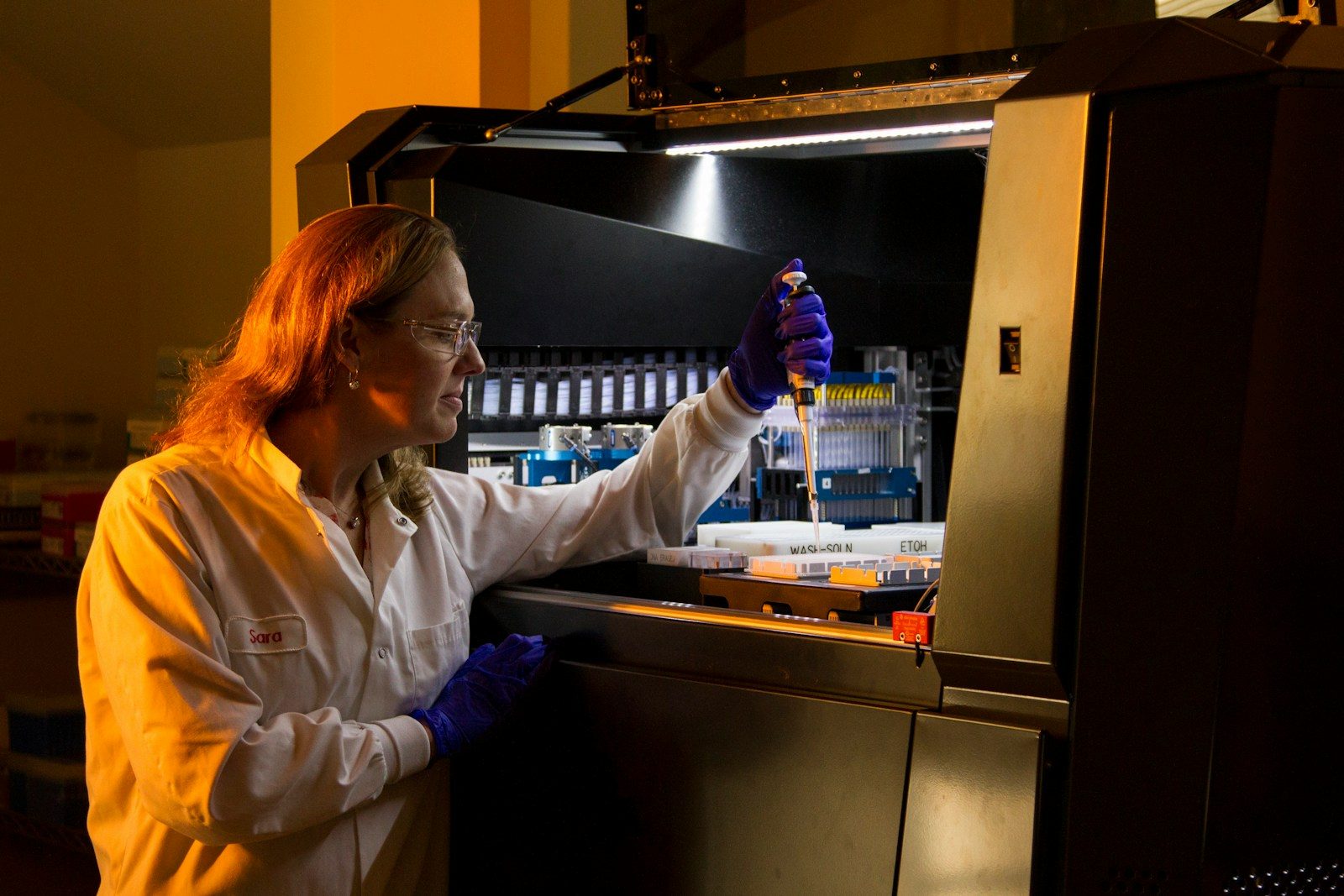
Most animal lovers believe that extinction is a permanent end for any species. We assume that once a creature dies out, it vanishes from our world forever.
But a revolutionary leap in genetic engineering is quietly shattering this biological law. Scientists are now actively working to bring extinct beasts back to life.
The Mammoth Project
A biotechnology firm has targeted the legendary woolly mammoth for a historic comeback. According to statements from Colossal Biosciences, researchers are using advanced gene-editing technology to reconstruct the lost beast. The goal is ambitious. They want to create a cold-tolerant elephant that functions exactly like its ancient ancestors. But this genetic puzzle requires combining DNA from multiple species.
Merging Ancient DNA

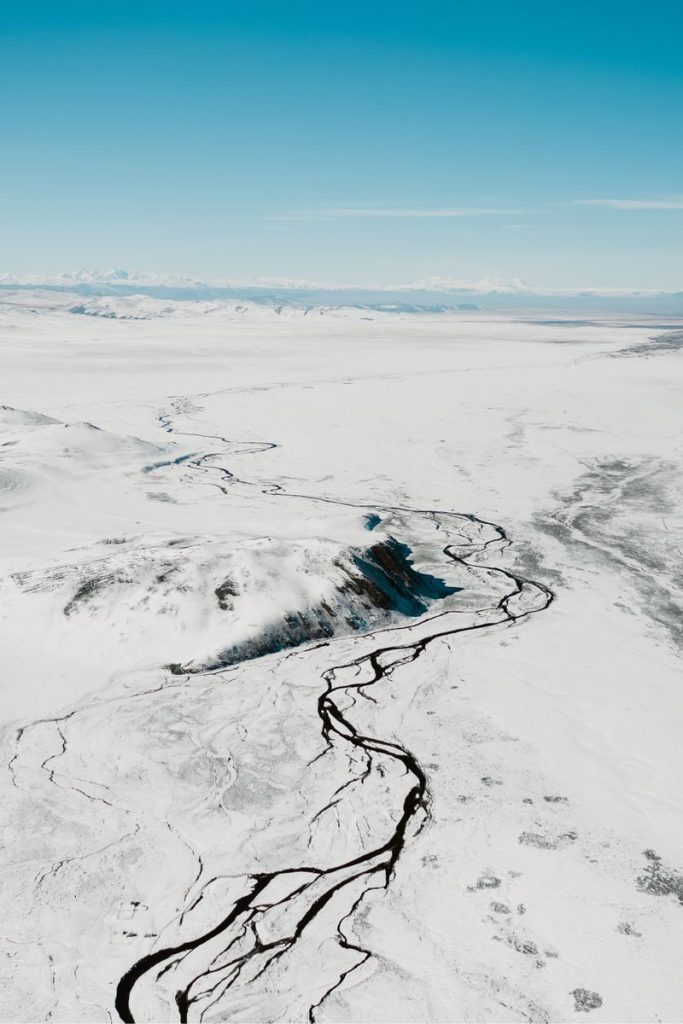
Finding well-preserved mammoth tissue in the frozen Siberian tundra was the key breakthrough. According to geneticists, scientists extracted ancient DNA and mapped the mammoth genome. It was a miracle. They are now splicing these ancient cold-resistant genes into the cells of modern Asian elephants. But bridging the genetic gap between these two species is incredibly difficult.
The CRISPR Tool
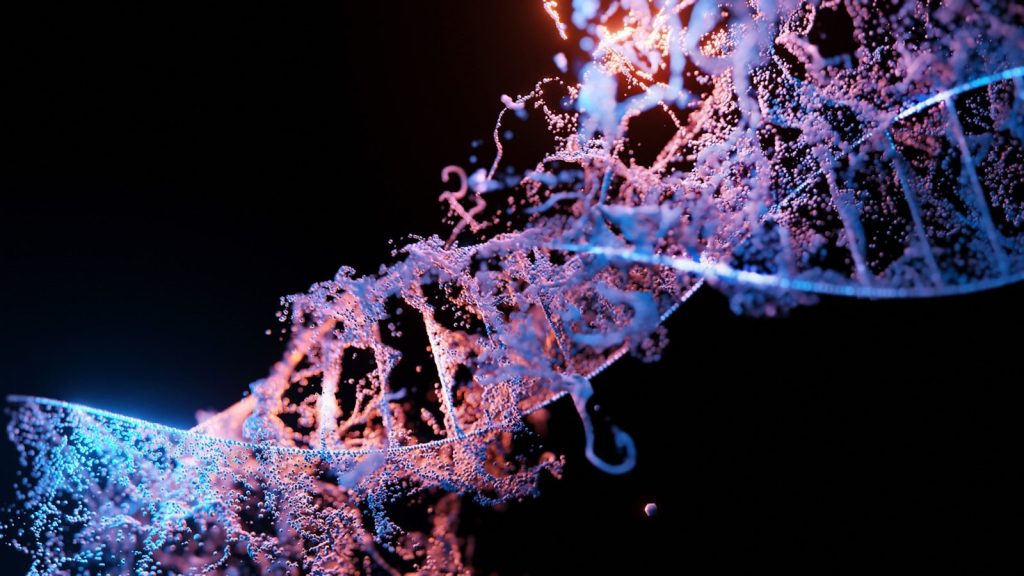
Editing the genes requires using a revolutionary molecular tool called CRISPR. According to molecular biologists, this technology allows scientists to make highly precise edits to living DNA strands. The accuracy is stunning. Researchers can easily swap out modern genes for ancient woolly traits like shaggy hair and thick fat. But growing a living embryo requires another major technological leap.
The Artificial Womb

Carrying a genetically modified elephant embryo to term presents a massive physical challenge. According to development reports, researchers are designing highly advanced artificial wombs to grow calves. The technology is new. This approach avoids risking the health of endangered modern female elephants during the long pregnancy. But the environmental impact of their release is heavily debated.
Restoring The Tundra
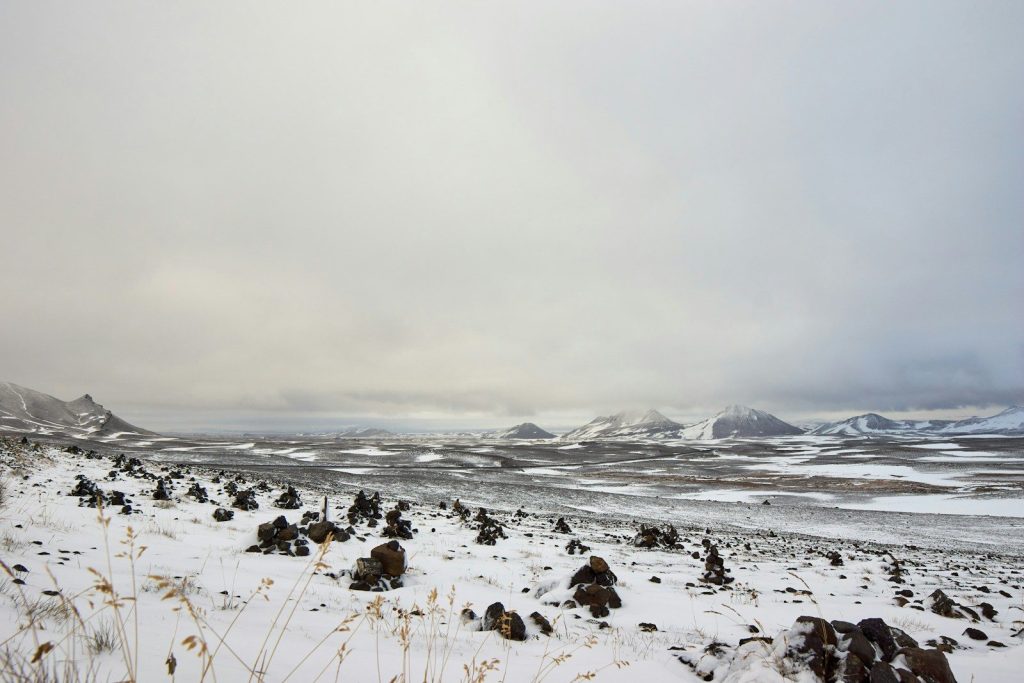
Proponents of the project believe the beasts can help combat climate change. According to ecological studies, grazing mammoths once trampled the snow and compacted the frozen soil. They were nature’s bulldozers. This activity helped lock greenhouse gases deep inside the cold permafrost. But critics argue that introducing modified beasts could permanently disrupt fragile modern ecosystems.
The Ethical Dilemma

Reviving extinct species raises intense ethical questions among the global scientific community. According to bioethicists, spending millions of dollars on de-extinction could distract from saving living species. The stakes are high. Others question if it is fair to bring an animal back to a warming world. But the technological momentum is already unstoppable.
A Bold New Era

Genetic engineering is transforming how we define the boundaries of life and death. According to scientists, we are stepping into an era where humanity can actively edit natural history. The future of conservation is changing forever. This article is for informational purposes only.
Featured Image: Photo by National Cancer Institute on Unsplash
Leave a Reply