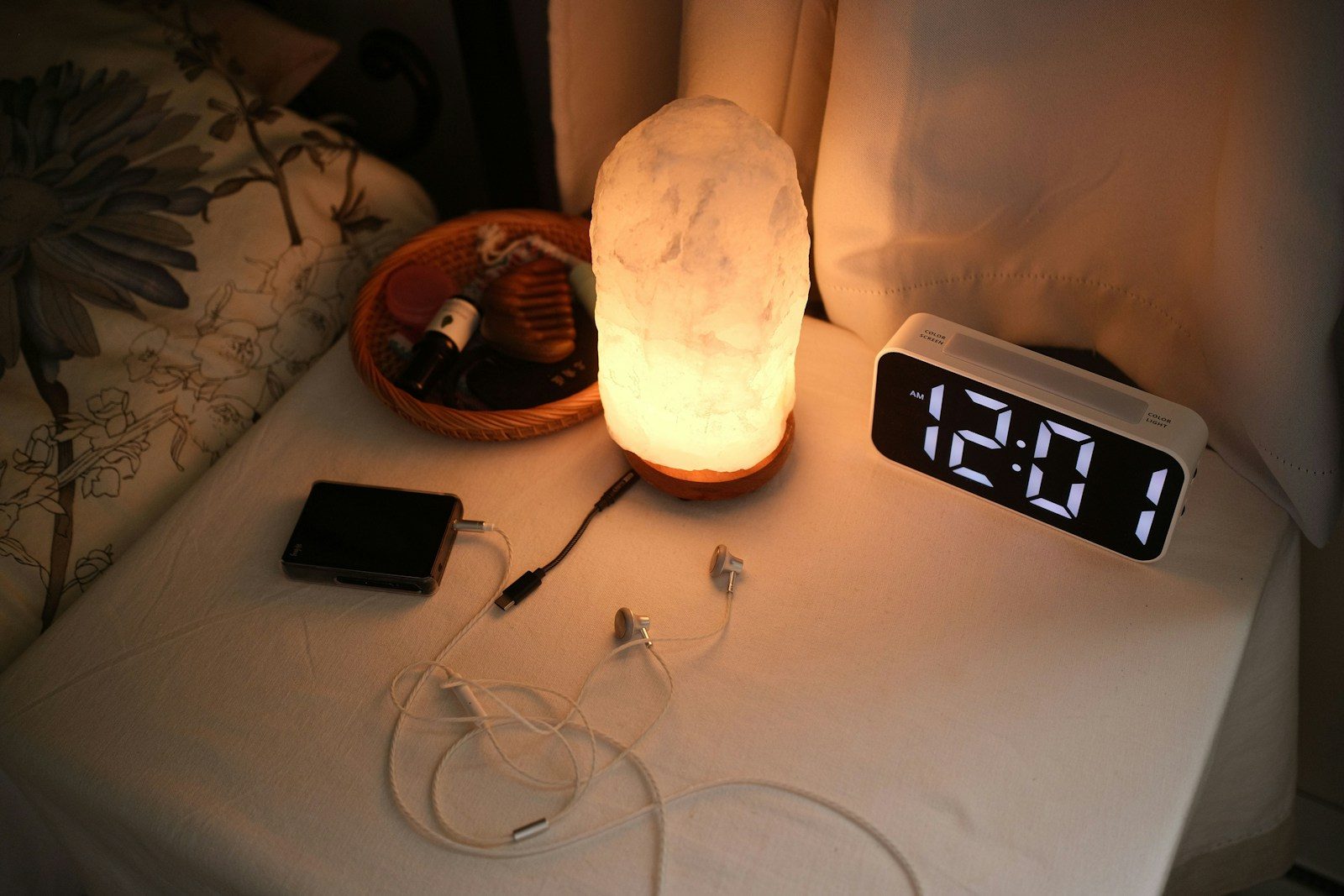
Most smartphone users believe that charging a phone to maximum capacity is the best habit. We assume that keeping our device at one hundred percent ensures optimal daily performance.
But keeping your battery fully charged actually causes severe long-term degradation. Chemical engineers have discovered that this common practice places immense physical stress on the device.
Understanding Lithium Chemistry

Modern portable electronics run on highly dense lithium-ion cells that behave like chemical sponges. According to battery engineers, these cells operate best when they are only partially filled. Balance is key. Forcing a battery to hold maximum charge causes the internal compounds to degrade much faster. But the true culprit behind this damage is a physical force we often ignore.
The Heat Trap

Leaving a phone plugged in overnight generates continuous trickle charges that produce excess heat. According to safety reports, this constant thermal pressure wears down the delicate separator membranes inside the battery. Heat is deadly. Over time, this thermal stress reduces the total energy capacity of your phone. But there is a specific sweet spot that can save your device.
The Perfect Percentage
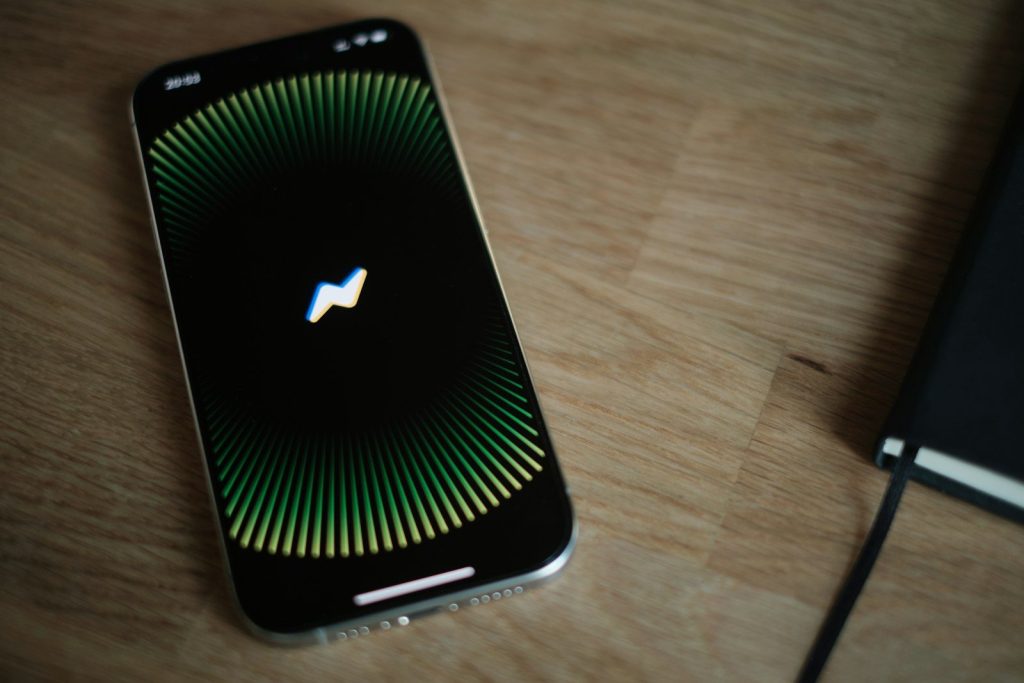
Keeping your charge level within a specific middle range can easily double the lifespan of your phone. According to tech hardware experts, maintaining a charge between thirty and eighty percent is ideal. It is simple. This balanced state minimizes voltage stress on the delicate lithium ions. But getting users to change their charging habits is incredibly difficult.
Phone Charging Tech
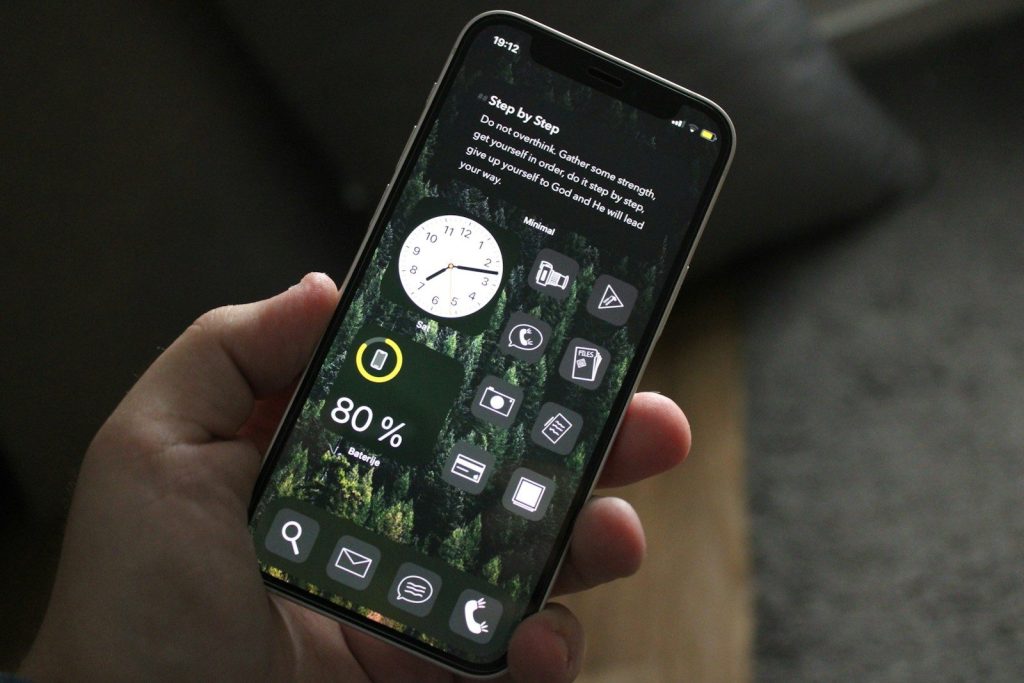
Phone manufacturers have introduced built-in software tools to help manage these issues. According to official developer manuals, newer operating systems feature optimized battery charging options that halt power delivery at eighty percent. This feature is smart. It delays the final charge until right before you wake up. But many users still keep this protection turned off.
The Fast Charger Risk
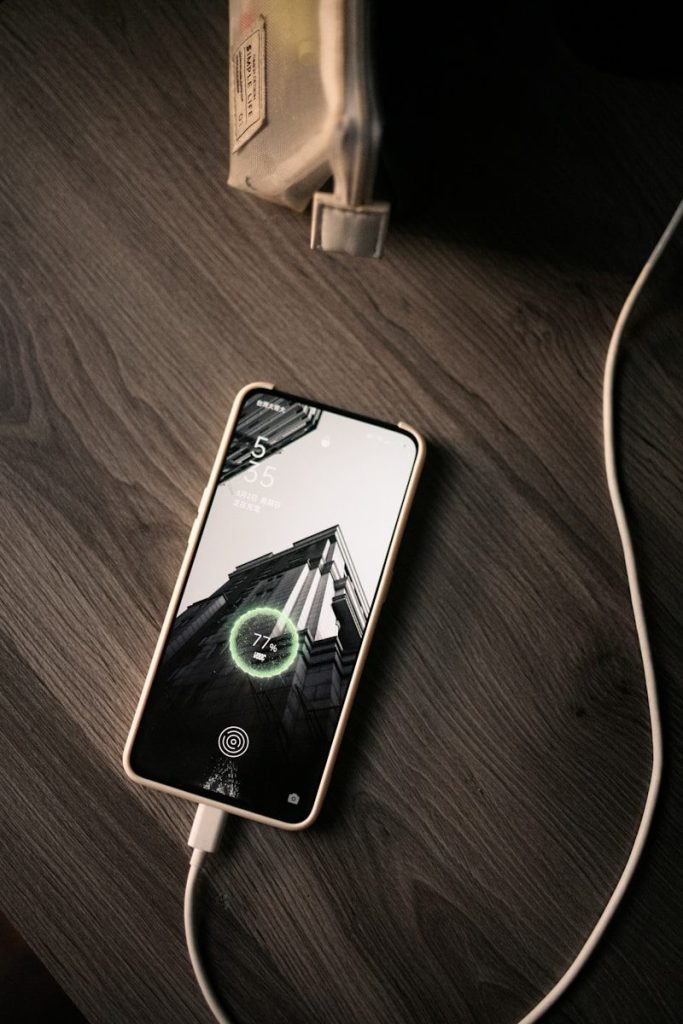
High-wattage fast chargers are convenient, but they also speed up the aging process of your cell. According to hardware tests, pushing high currents into a battery generates rapid chemical reactions that warp internal structures. Speed has a cost. This high-speed charging should only be used when you are in a rush. But bad habits are not the only threat to your battery.
Cold Weather Threats

Extreme temperatures of any kind can quickly destroy the delicate chemistry of your smartphone. According to technical guides, exposing your device to freezing cold reduces its ability to hold a charge. Protect your phone. Always avoid leaving your device in an unheated car during winter nights. But a few basic changes can keep your battery healthy for years.
Preserving Your Tech

Taking simple steps to protect your phone battery will save you hundreds of dollars in repair costs. According to electronics technicians, avoiding extreme temperatures and keeping your phone cool are the best preventative measures. Small adjustments make a massive difference. This article is for informational purposes only.
Leave a Reply