Most people assume the ocean floor is a uniform desert of cold sand. We believe that deep-sea creatures wander freely across a flat watery landscape.
But a specialized research submersible has captured something completely terrifying. Deep in the dark ocean, scientists discovered toxic underwater lakes that act like deadly mirrors.
The Underwater Surface
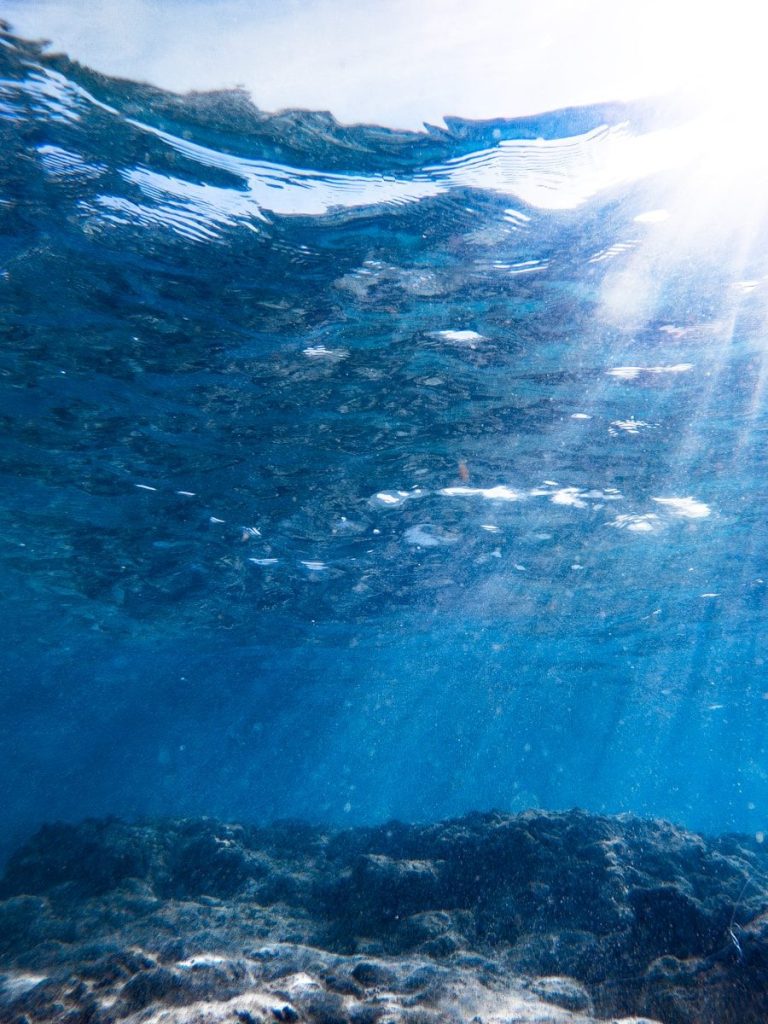
Operating thousands of feet below the surface reveals a highly alien world. According to marine geologists, deep submersibles detected clear ripples that looked exactly like a lake shoreline. It was a mirror. This shimmering surface was actually the boundary of a highly dense brine pool. But this beautiful underwater lake is one of the most hostile environments on Earth.
A Deadly Chemical Mix
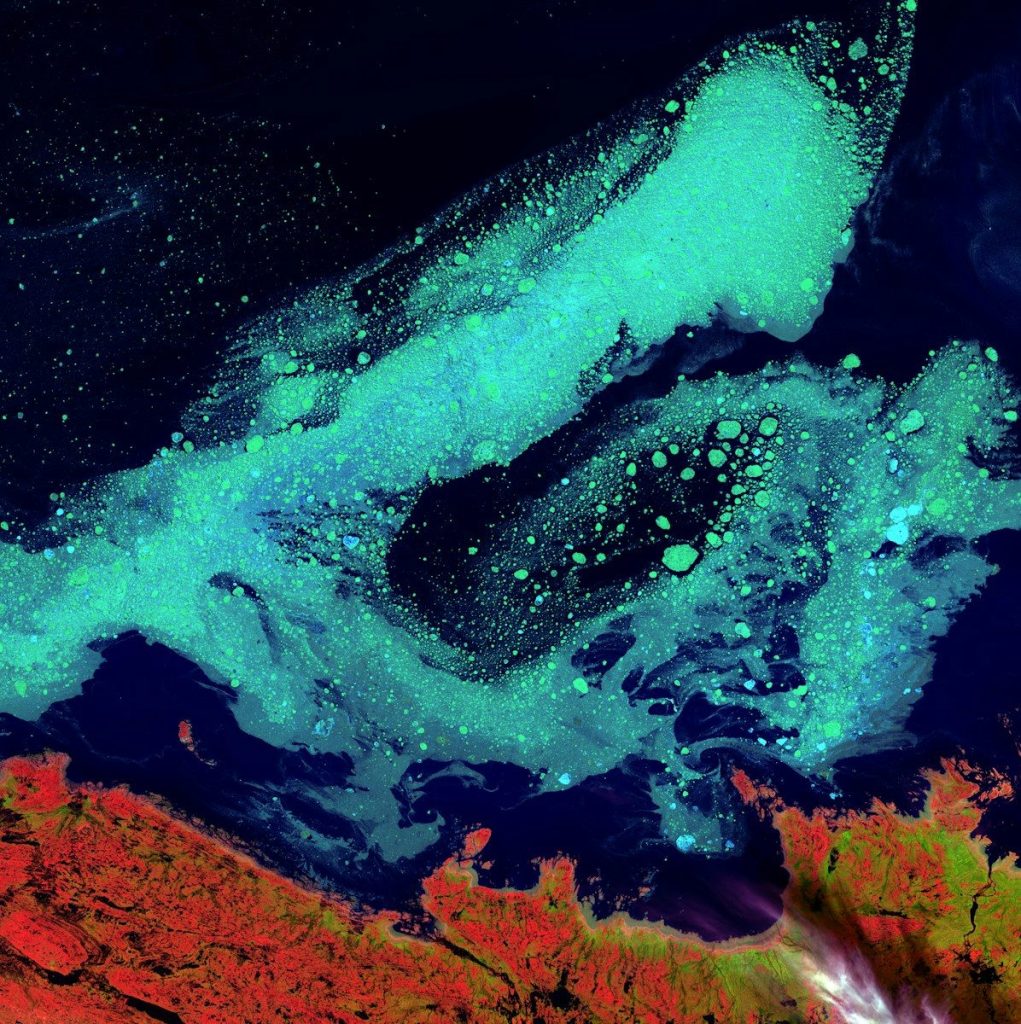
These underwater pools form when salt deposits dissolve beneath the seafloor. According to oceanographic research, the water inside these pools is five times saltier than regular ocean water. The mix is lethal. It contains almost no oxygen and is heavily saturated with toxic gases like hydrogen sulfide. But this chemical death trap produces a spectacular visual phenomenon.
The Shimmering Illusion
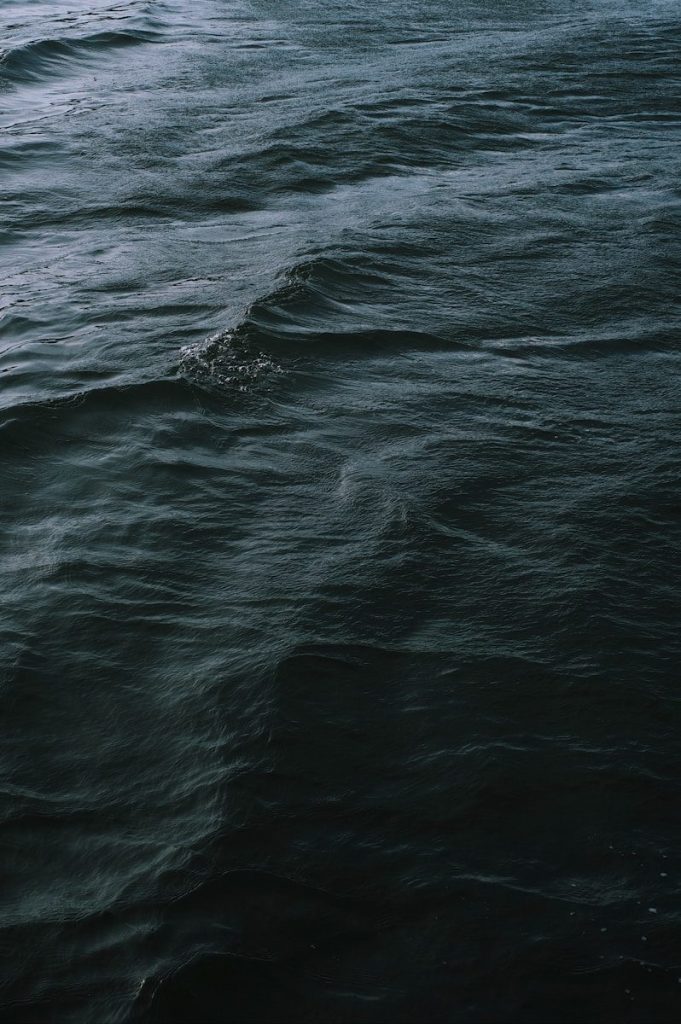
The extreme difference in water density creates a perfect mirror-like reflection. According to submersible pilots, the boundary between the pool and the ocean looks like polished glass. The view is mesmerizing. Waves actually ripple across this underwater surface when deep-sea currents pass over it. But any creature that accidentally crosses this boundary faces instant doom.
Trapped In The Brine
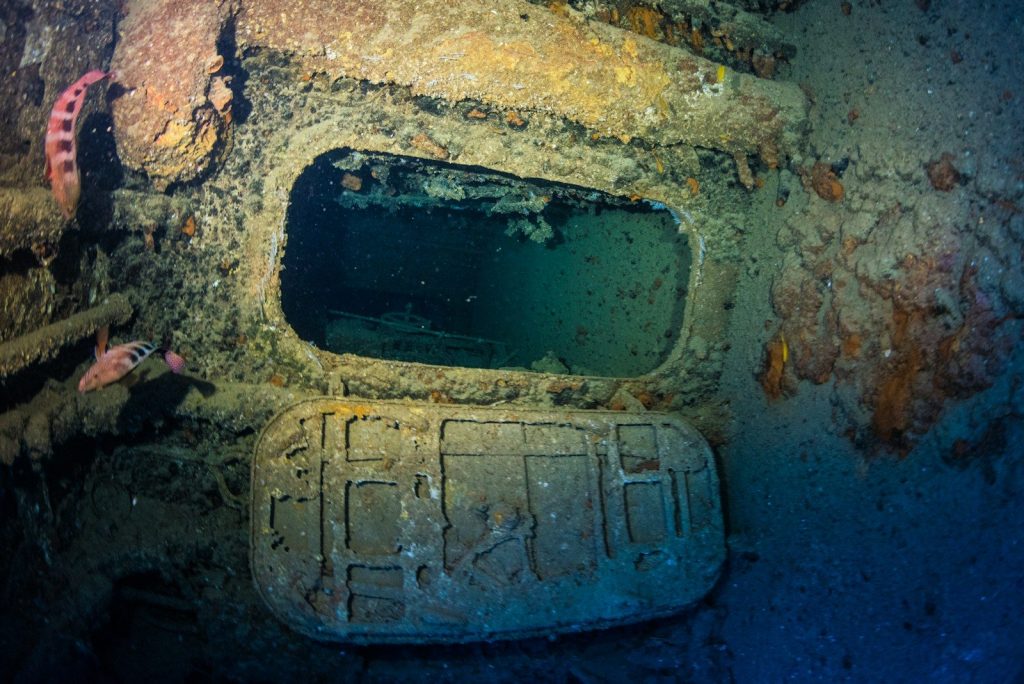
Fish and crabs that wander into the heavy water are instantly paralyzed by the lack of oxygen. According to deep-sea biologists, the high salt concentration preserves their bodies in real time. They never decay. The carcasses of lost sea life rest on the bottom of the pool in perfect preservation. But these pickled bodies are not the only things resting in the dark.
The Ring Of Life
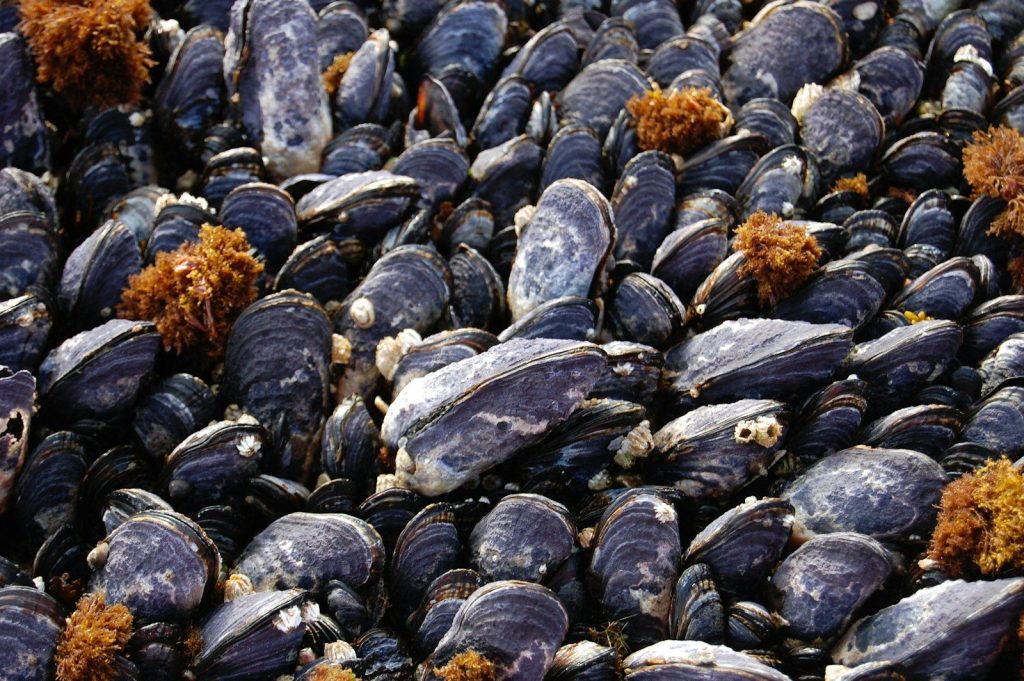
While the pool itself is completely toxic, its outer edges are bustling with activity. According to marine surveys, massive colonies of specialized mussels thrive along the shoreline of the brine. They are incredibly tough. These unique organisms feed on the toxic gases seeping from the pool using specialized bacteria. But this delicate ecosystem exists in absolute darkness.
Extreme Survival Secrets
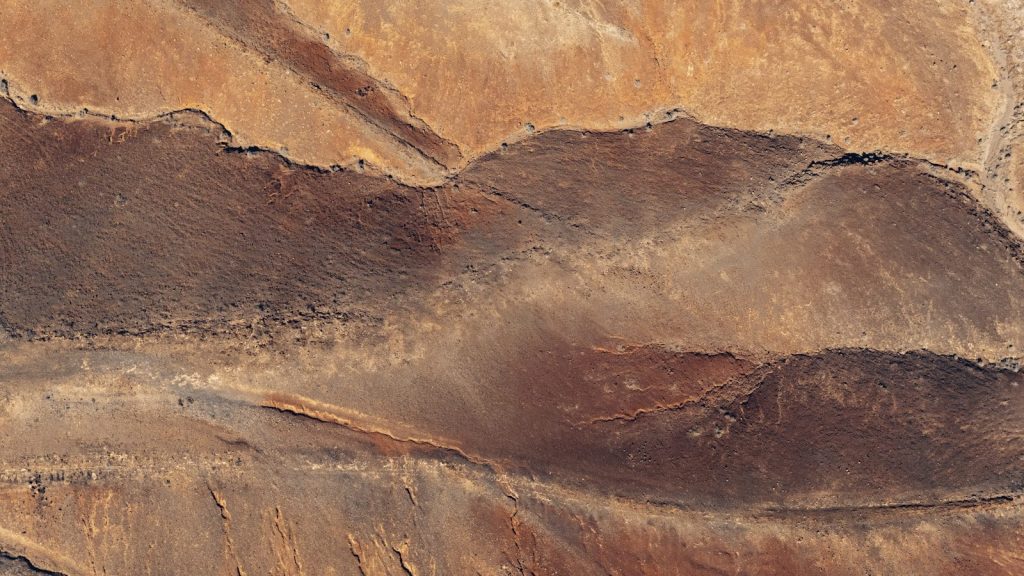
Studying these harsh environments is helping scientists search for life on other planets. According to astrobiologists, the extreme conditions of deep ocean brine pools mimic the icy oceans of Jupiter’s moon Europa. The research is vital. If microbes can survive in this toxic sludge, they might survive in deep space. But the physical forces shaping these pools are still shifting.
The Creeping Lakes
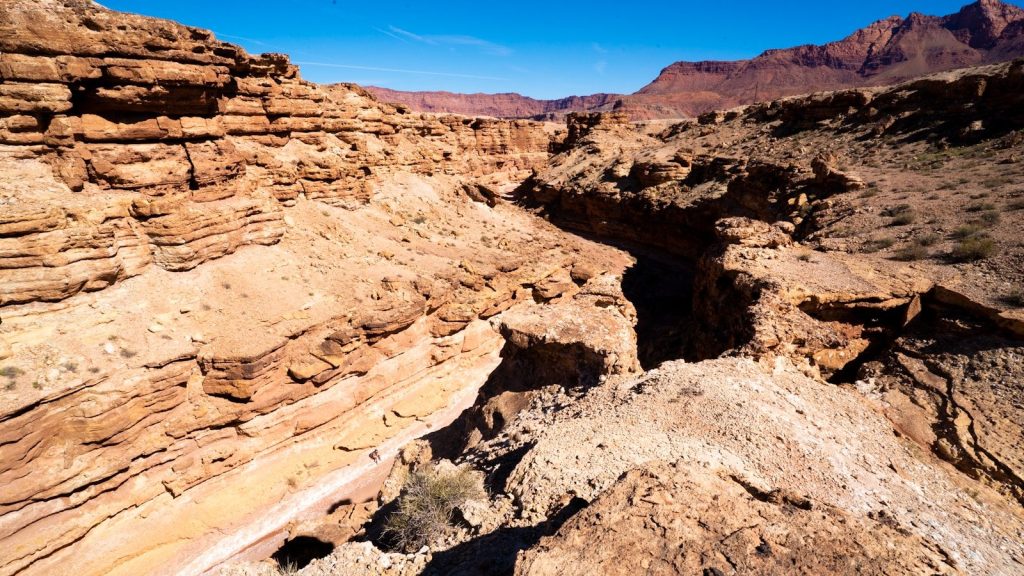
These toxic pools are constantly moving and changing the surrounding landscape. According to geologic mapping, shifting tectonic plates can cause these heavy brine reservoirs to erupt and flood new areas. The deep is unstable. These sudden underwater floods create massive dead zones where nothing can survive. But these mysterious lakes still hold many secrets.
Wonders Of The Deep
Deep ocean brine pools remind us how little we know about our own planet. According to scientists, the deep sea remains the ultimate frontier of terrestrial exploration. Nature always finds a way to surprise us. This article is for informational purposes only.
Featured Image: Photo by Jeremy Bishop on Unsplash
Leave a Reply