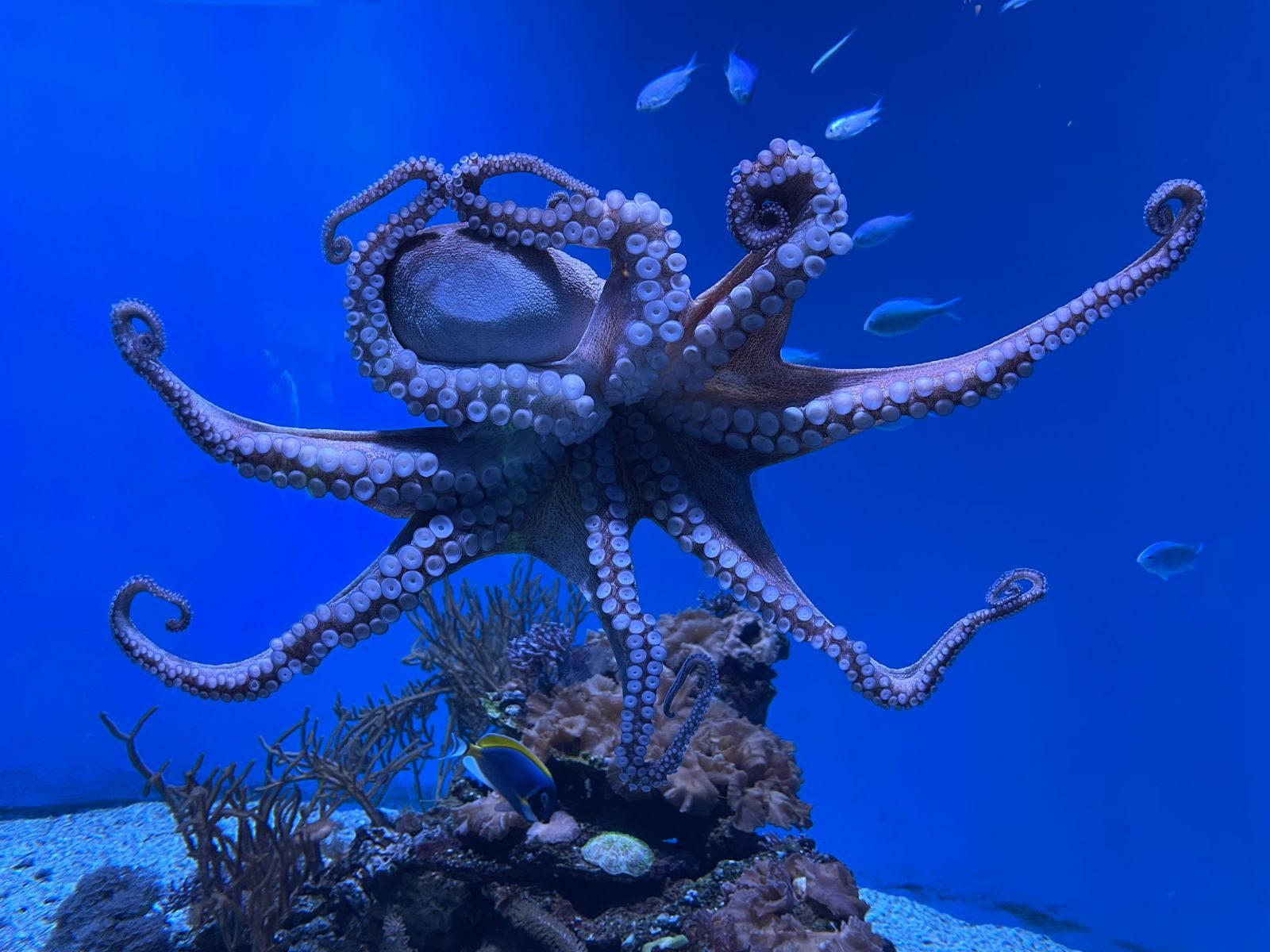
Most people believe that ancient giant sea monsters are just myths and legends. We think that creatures like the legendary Kraken only existed in old sailor stories.
But a remarkable fossil discovery reveals a terrifying truth about our ancient oceans. Millions of years ago, colossal octopuses actually reached the size of modern sperm whales.
The Ancient Ocean Terror
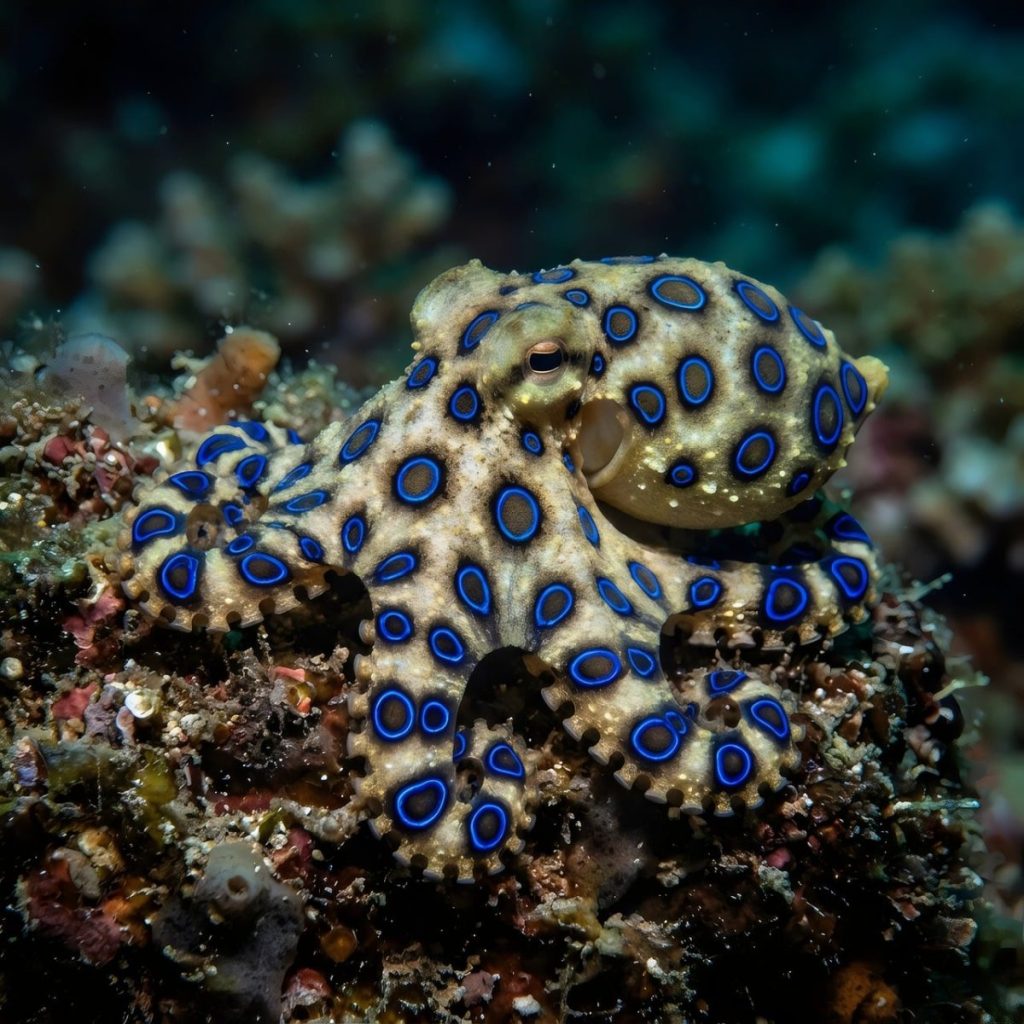
Deep in the prehistoric oceans of the Cretaceous period, a massive predator roamed the waters. According to paleontological studies, these giant soft-bodied cephalopods lived seventy-two million years ago. They were absolutely massive. These creatures easily rivaled the largest marine reptiles of their time. But finding evidence of these giant soft animals was a nearly impossible challenge for modern researchers.
The Fossilization Riddle
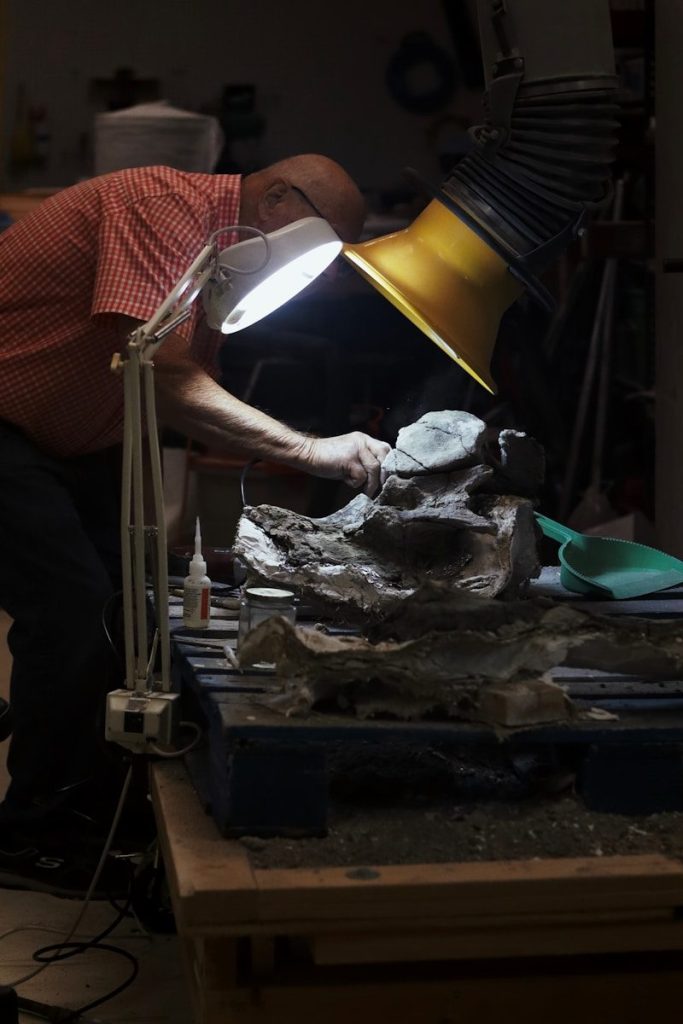
Soft-bodied animals like octopuses rarely leave behind skeletal remains after they die. According to geological reports, their lack of bones means they decay long before they can fossilize. They leave no trace. This chemical reality has kept their evolutionary history a complete mystery for decades. But scientists eventually found a highly unusual clue preserved in the ancient rock layers.
The Tell-Tale Bite Marks
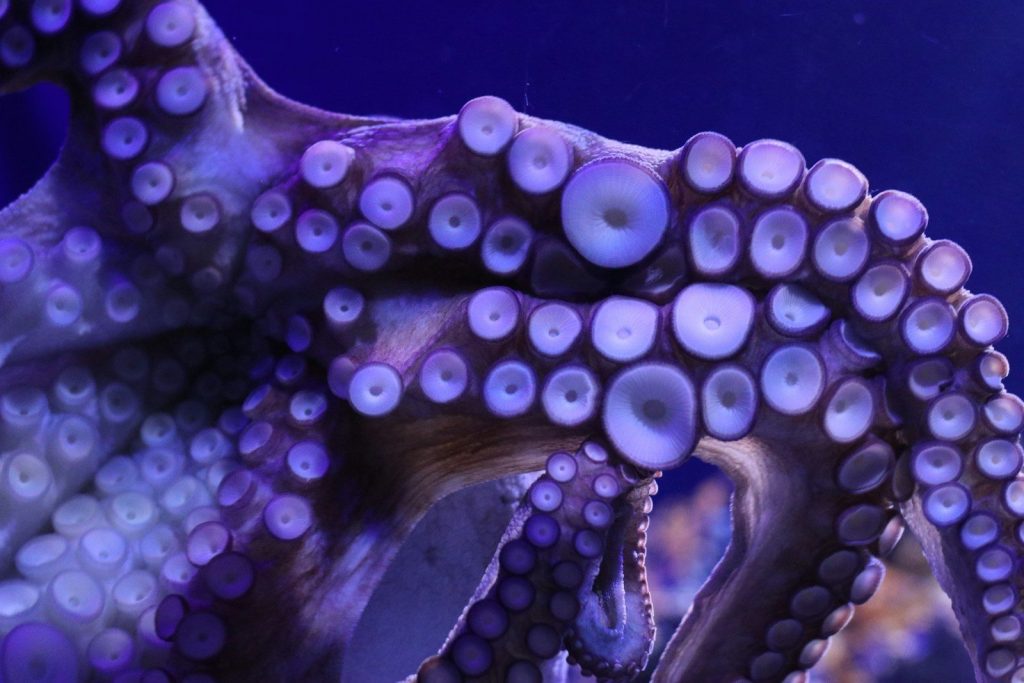
While the soft bodies rotted away, their interactions with other animals remained preserved. According to marine biologists, fossilized shells of ancient marine reptiles show massive, circular bite marks. The damage was severe. These distinct wounds match the exact structure of a colossal octopus beak. But analyzing these marks revealed a level of power that shocked the research team.
Unbelievable Mechanical Power
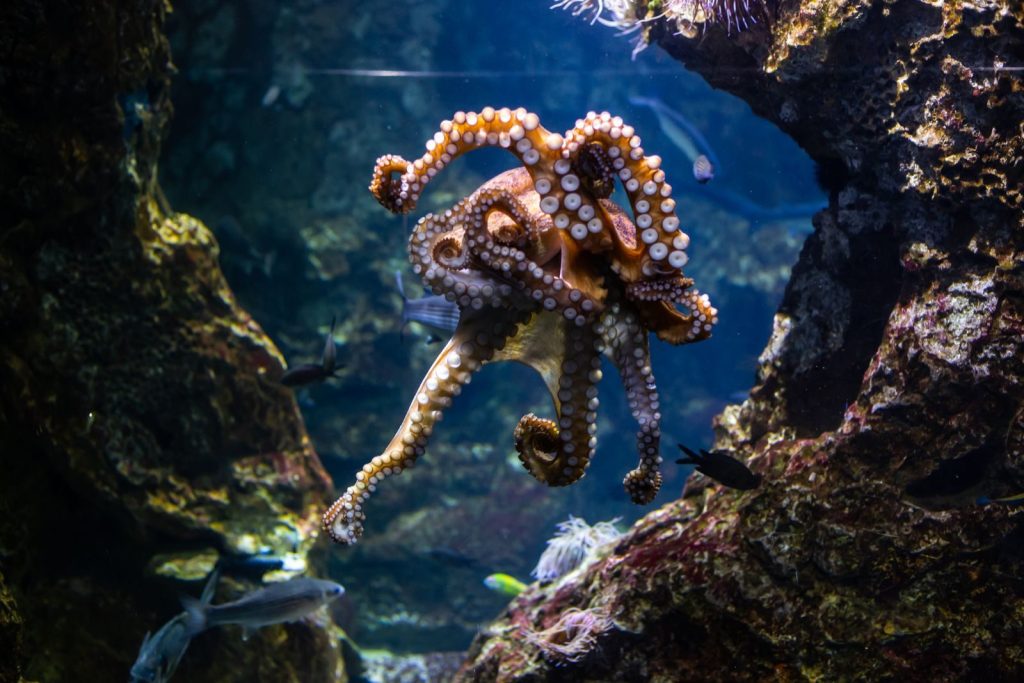
Crushing a thick reptilian shell requires an immense amount of physical pressure. According to biomechanical models, these prehistoric octopuses possessed a biting force of several thousand pounds. They were incredibly strong. This mechanical energy allowed them to hunt armored prey that other predators avoided. Yet their hunting style involved a level of intelligence that we see in modern cephalopods.
Clever Deep Sea Predators
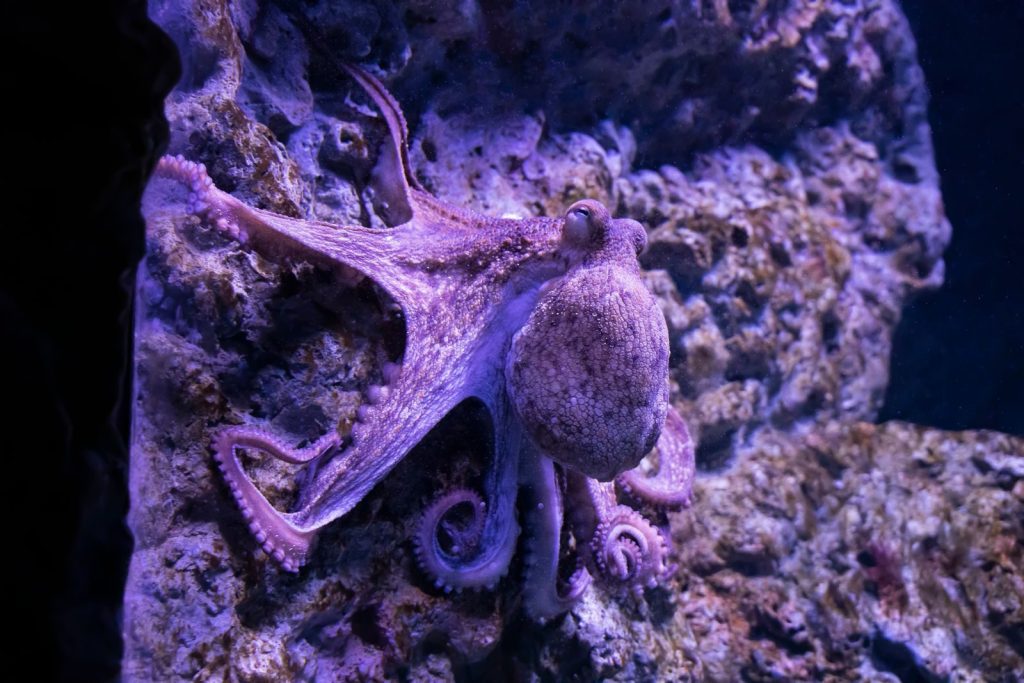
Octopuses are famous for their intelligence and highly strategic hunting methods. According to evolutionary biologists, prehistoric species likely used complex camouflage and ambush tactics to catch their prey. They were stealthy hunters. This behavioral strategy allowed them to dominate the prehistoric food web. But this terrifying reign came to a sudden end during a global mass extinction.
The Abrupt Final Collapse
Around sixty-six million years ago, a massive asteroid impact changed the global climate. According to ecological studies, the sudden drop in ocean temperatures wiped out the giant cephalopod populations. The ocean grew quiet. Their food sources vanished, and their specialized habitat collapsed. However, these giant creatures left a lasting biological legacy that still influences our modern oceans today.
Clues In Modern Descendants
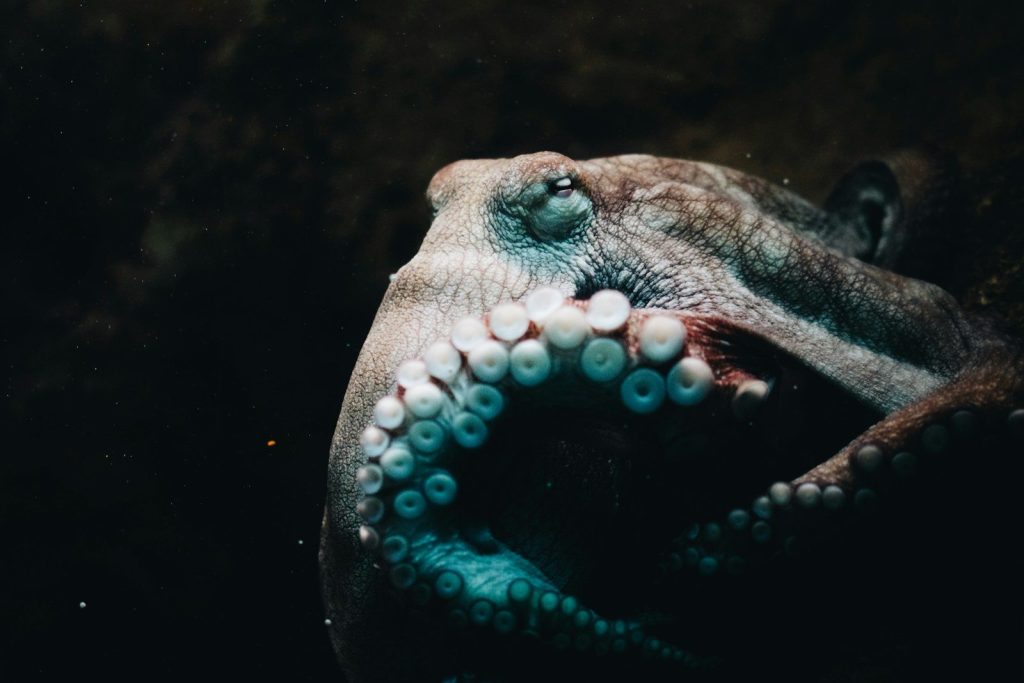
The genetic code of these prehistoric giants lives on in modern deep-sea creatures. According to genetic researchers, species like the giant squid share key physiological traits with their ancient ancestors. They are distant cousins. This connection helps scientists reconstruct how these ancient giants functioned. But this fossil discovery also changes our entire understanding of prehistoric food chains.
A Myth Made Real
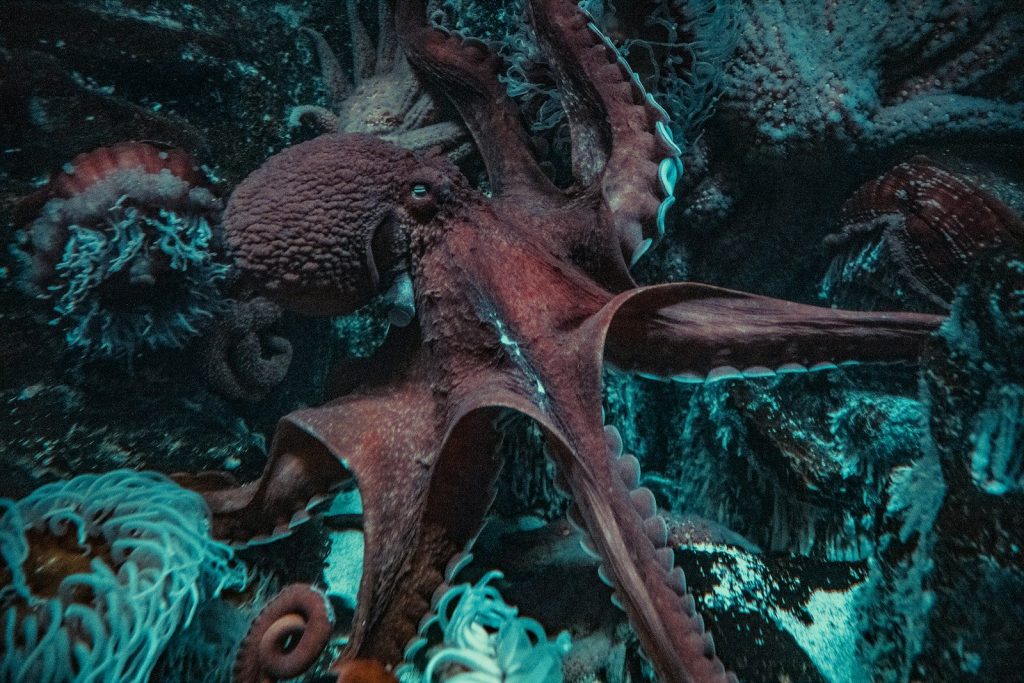
Finding proof of whale-sized octopuses proves that the ancient oceans were far wilder than we imagined. According to modern paleontology, these massive creatures played a vital role in balancing prehistoric marine ecosystems. This article is for informational purposes only and does not constitute scientific or professional advice.
Featured Image: Photo by Ashley Christiano on Pexels
Leave a Reply