
Most historians assume that advanced art started with our direct ancestors in Europe. We believe that early modern humans were the first to express complex creative ideas.
But a stunning new find in Spain is shattering this traditional timeline. Scientists just dated a cave painting that was created long before modern humans arrived.
The Ancient Red Symbol
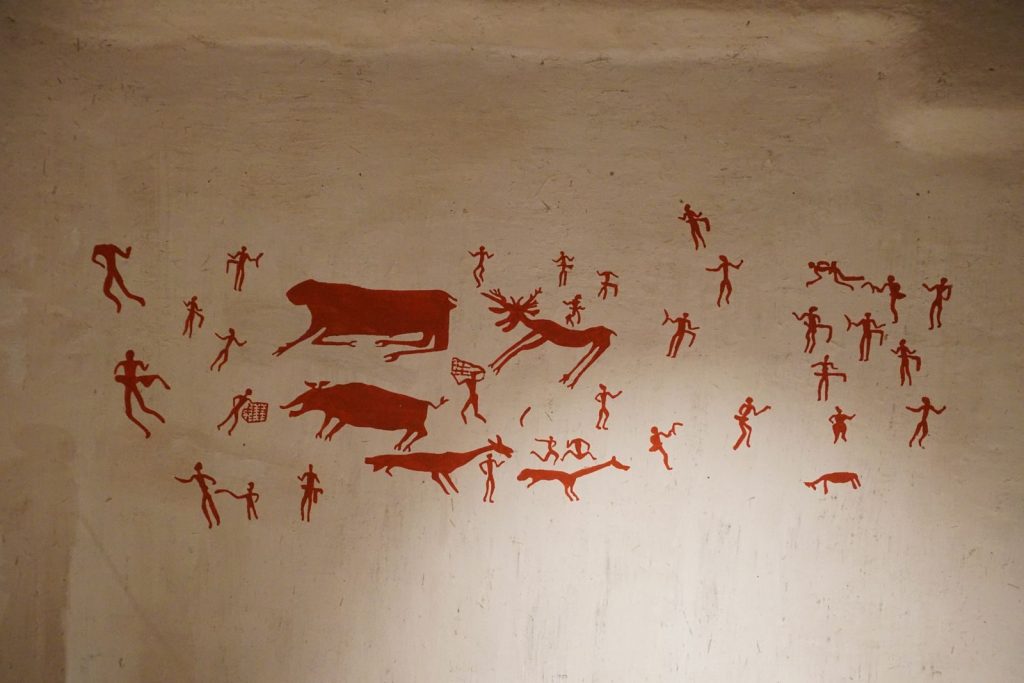
Deep inside the Ardales cave in southern Spain, researchers analyzed a simple red hand stencil. According to a study published in Science, this mineral pigment was applied over sixty-seven thousand years ago. The timeline is shocking. No modern humans lived in Europe during this distant period. But scientists soon realized this meant another human species was responsible for the art.
The Forgotten Artists

If modern humans did not paint these cave walls, only one candidate remains. According to anthropological records, Neanderthals were the sole human species inhabiting Europe at that time. They were highly intelligent. This discovery directly challenges the old belief that Neanderthals were simple brutes. But the physical nature of the painting itself held another massive surprise for the research team.
Deliberate Pigment Selection

The red paint was not an accidental splatter of mud on the stone walls. According to chemical analysis, the creators specifically selected iron oxide and mixed it with water. It was a conscious choice. This shows that Neanderthals understood materials and planned their creative actions in advance. Yet scientists had to rule out any natural causes before celebrating this historical breakthrough.
Testing Natural Explanations
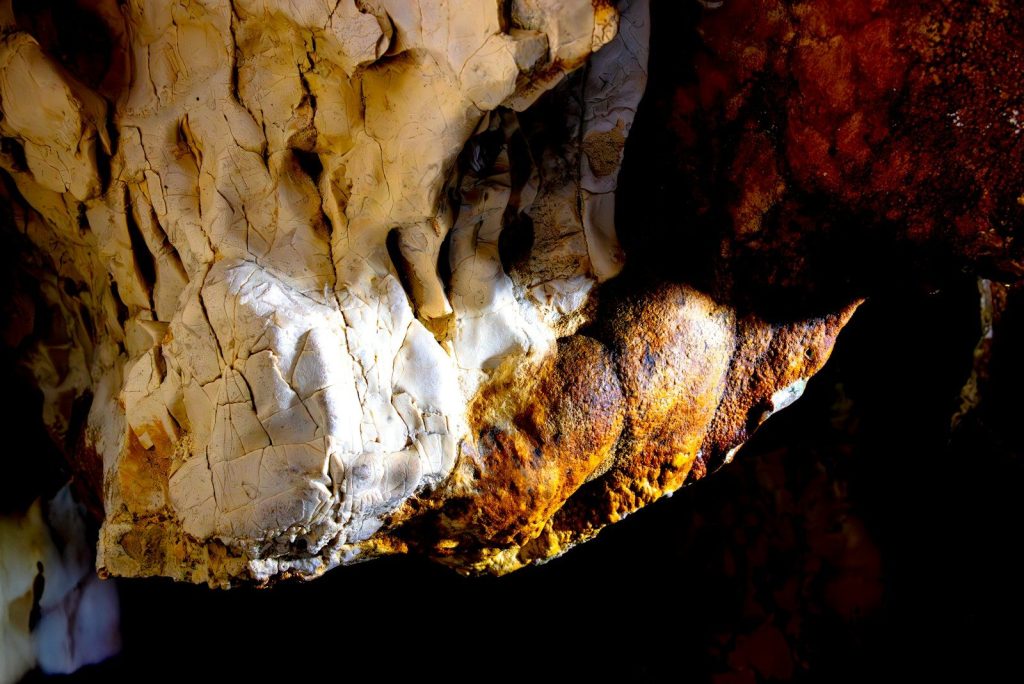
Some skeptics argued that microbes or water drippings created the red marks naturally over millennia. According to the research team, microscopic imaging proved the pigment was sprayed onto the rock deliberately. The proof was clear. The application required a controlled technique using human breath and hollow bones. But this sophisticated method suggested Neanderthals possessed a trait we thought was unique to us.
The Power Of Symbols
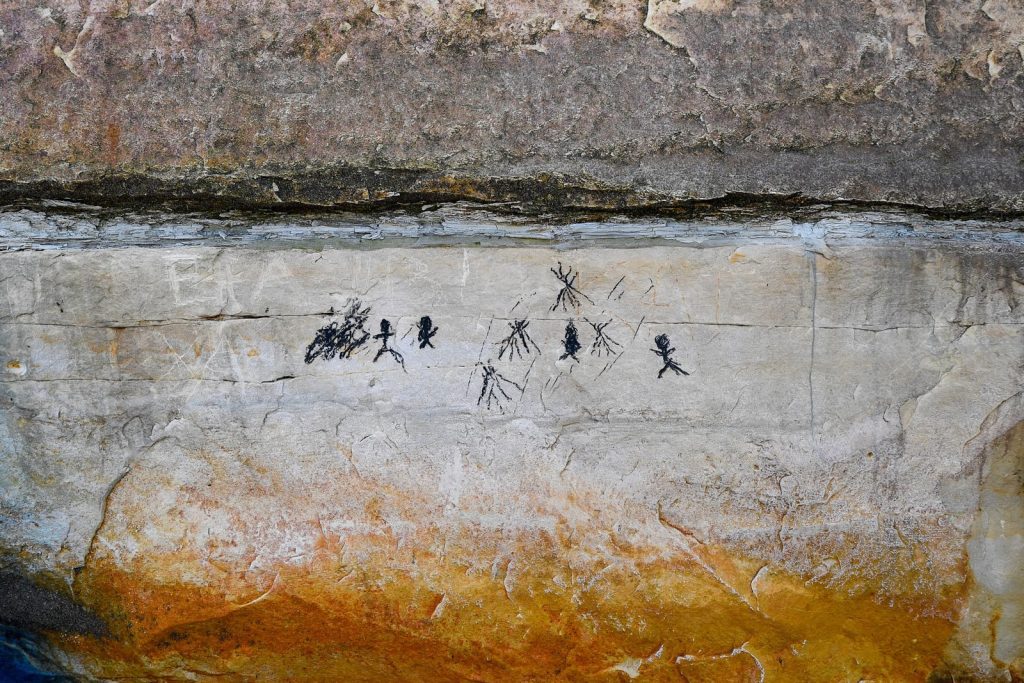
Creating art requires abstract thought and a shared understanding of symbolic meaning. According to cognitive scientists, this suggests Neanderthals communicated through a primitive form of language. They could share ideas. This level of mental processing is incredibly similar to our own early ancestors. However, this single painting was only a small piece of a much larger artistic puzzle.
More Than A Mistake

Researchers soon discovered similar ancient markings in three other caves across Spain. According to archaeological reports, these sites also featured red geometric shapes and hand stencils. This was a trend. The widespread nature of these paintings proves that symbolic art was a common Neanderthal practice. But this leaves us with a profound question about the origin of human culture.
A Shared Cognitive Legacy
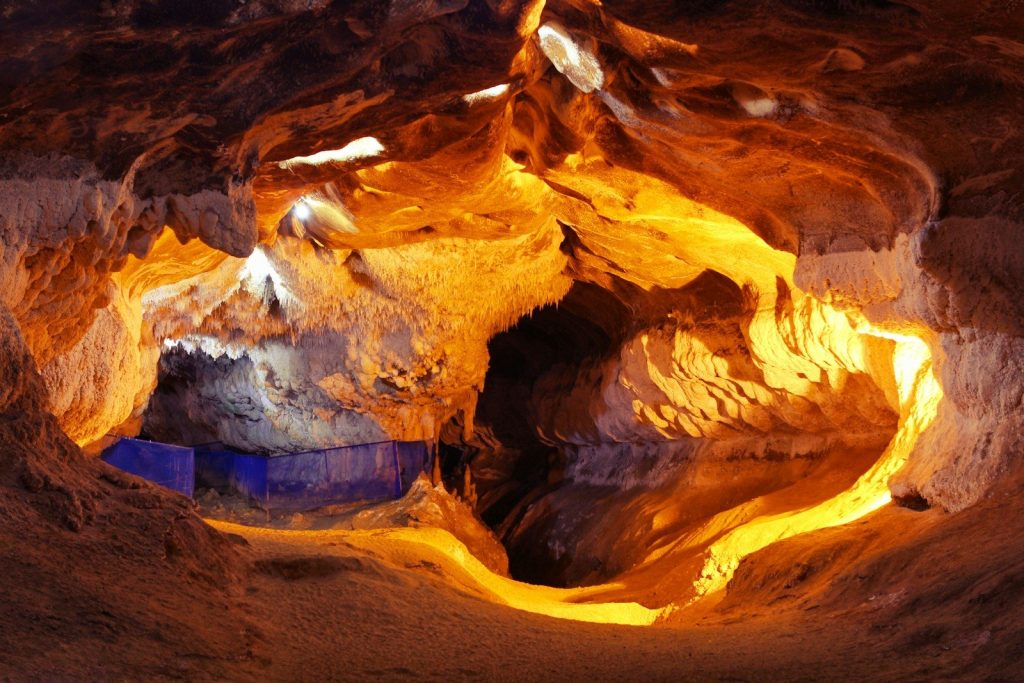
The ancient Spanish cave paintings prove that creative expression is much older than we once believed. According to modern anthropologists, Neanderthals possessed a rich inner life and a deep understanding of symbols. They were true artists. This article is for informational purposes only and does not constitute scientific or professional advice.
Featured Image: Photo by toshihiko tanaka on Pexels
Leave a Reply