
Researchers from the University of Bristol and Queen Mary University of London created a soft robotic material that bends and changes shape when exposed to electric fields. They molded it into a small humanoid gymnast that could move its limbs and swing across an overhead surface during laboratory demonstrations.
The prototype is not an autonomous humanoid robot. It does not think, see, or decide where to move. External electrodes control the electric fields that deform the material. The work demonstrates a new method for producing motion in extremely soft machines, which may eventually be useful in places where rigid motors are too heavy or dangerous.
Electro Morphing Gel Polymer Material
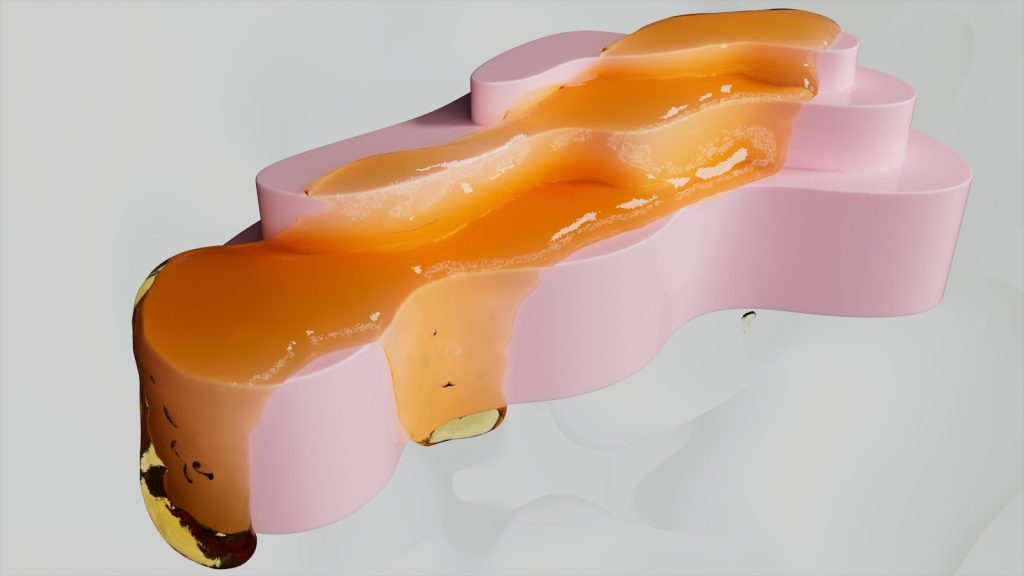
The material is known as an electro-morphing gel. It consists of a soft polymer matrix containing conductive carbon particles. When an electric field is applied, forces inside the material cause it to bend, stretch, or change shape. Researchers can control the direction of movement by changing the placement and voltage of nearby electrodes. The design combines the flexibility of a gel with electrically controlled actuation.
Flexible Soft Robotics Material Science
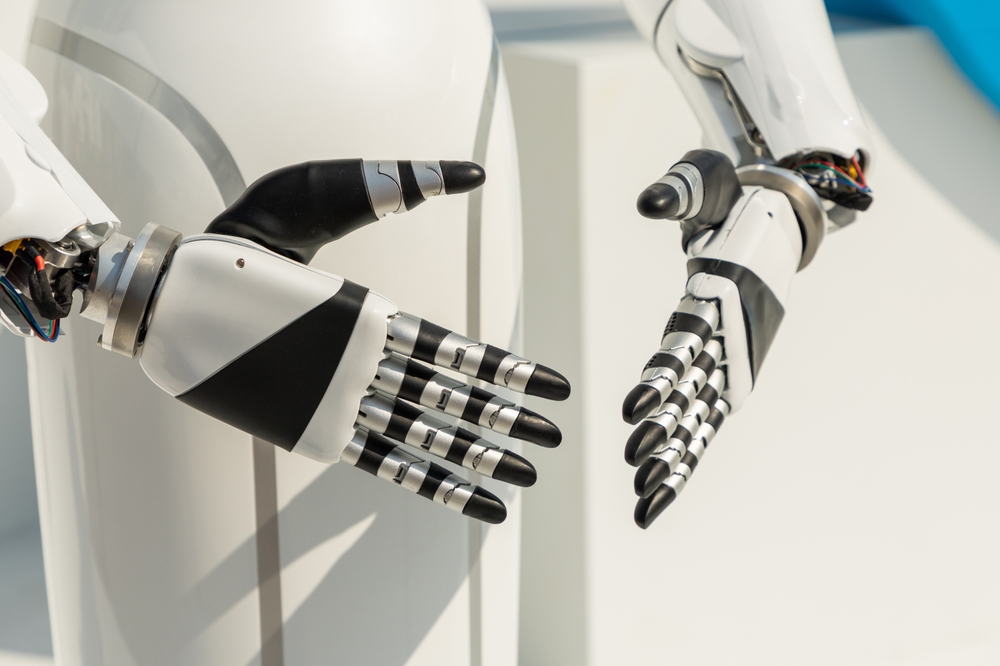
Conventional robots usually move through electric motors, gears, hydraulic systems, or pneumatic pumps. Those parts can add weight, noise, and mechanical complexity. The gel prototype produces motion throughout its material rather than around a small number of rigid joints. It still requires an external electrical control system, but it does not need a motor inside each moving limb. This distributed movement allows shapes that resemble soft biological motion.
Miniature Soft Robot Swinging Motion

The research team molded the gel into a small human-like form with flexible arms and legs. By switching electric fields around it, they made the figure grip and release an overhead surface, allowing it to move in a swinging pattern. The humanoid shape made the motion easy to see, but the research was focused on the material rather than building a human replacement. Other shapes could be designed for different tasks.
Soft Material Laboratory Durability Test

Laboratory testing showed that the material could continue operating across approximately 10,000 actuation cycles. Repetition matters because soft materials can tear, dry out, lose conductivity or change performance after repeated deformation. The result suggests that the gel has useful durability under controlled conditions. It does not yet demonstrate years of operation, outdoor reliability, or the ability to withstand heavy loads, sharp objects, and unpredictable environments.
Soft Robotic Gripper Industrial Application

Soft robots can bend around obstacles and make contact without the hard edges found on metal machines. Those qualities may help when handling fragile objects, working near people or moving through narrow spaces. A soft device could potentially wrap around an item instead of gripping it with rigid fingers. Researchers also study soft robotics for wearable technology, medical tools, manufacturing and exploration where adaptability may matter more than strength.
Laboratory Soft Robot Electrical Control

The gel remains a research material rather than a commercial robot. It is too soft for many heavy tasks, and its movement is slower and less precise than conventional machinery. The prototype also depends on nearby electrodes to produce the required electric fields. Researchers must improve control, strength, energy efficiency, manufacturing and environmental stability before the technology can operate independently outside a carefully arranged laboratory setup.
Adaptable Soft Robotics Space Exploration
Future versions could become components in adaptable grippers, shape-changing surfaces, wearable devices or lightweight machines for space exploration. Soft material might be stored in a compact form and then reshaped when needed. These applications remain possibilities rather than announced products. The important achievement is that researchers demonstrated repeatable electrical control over a flexible solid, creating motion without the conventional collection of rigid motors, hinges and mechanical joints.
Featured Image: Shutterstock
Leave a Reply