Bill Diamond, president and chief executive of the SETI Institute, has argued that life probably exists elsewhere in the universe. His view is based on the enormous number of planets and the widespread chemical ingredients associated with life. It is an informed scientific expectation, not confirmation that extraterrestrial organisms have been discovered.
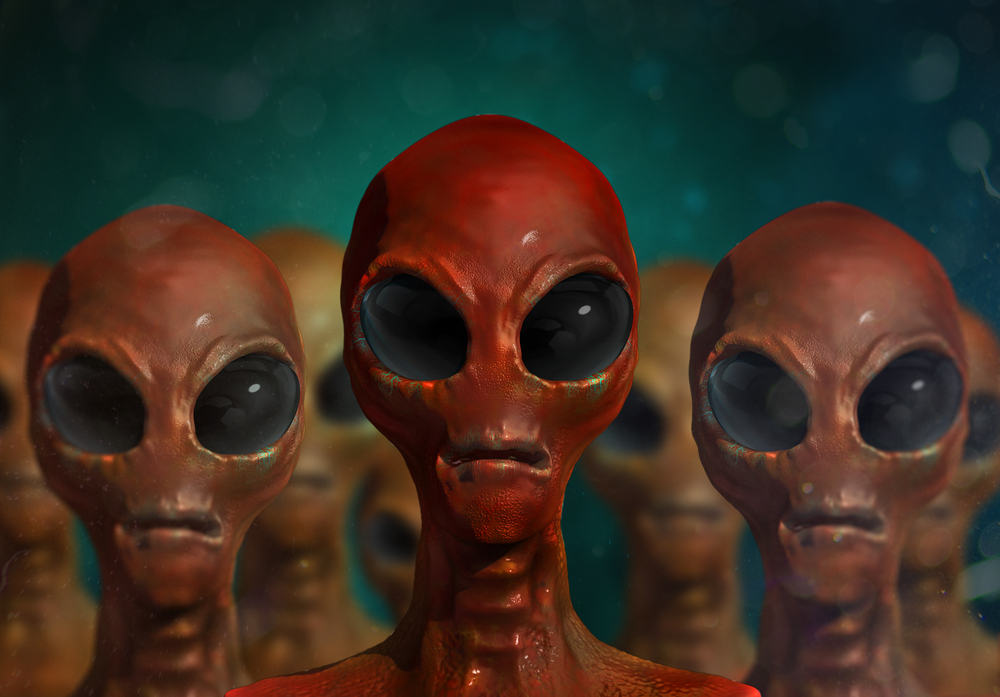
Diamond has also cautioned that alien life may bear little resemblance to familiar movie characters. Biology develops within specific environments, so organisms on another world would be shaped by different gravity, temperatures, atmospheres, oceans, and available energy. No scientist currently knows what extraterrestrial life looks like because no confirmed example has been found.
Bill Diamond SETI Institute Executive
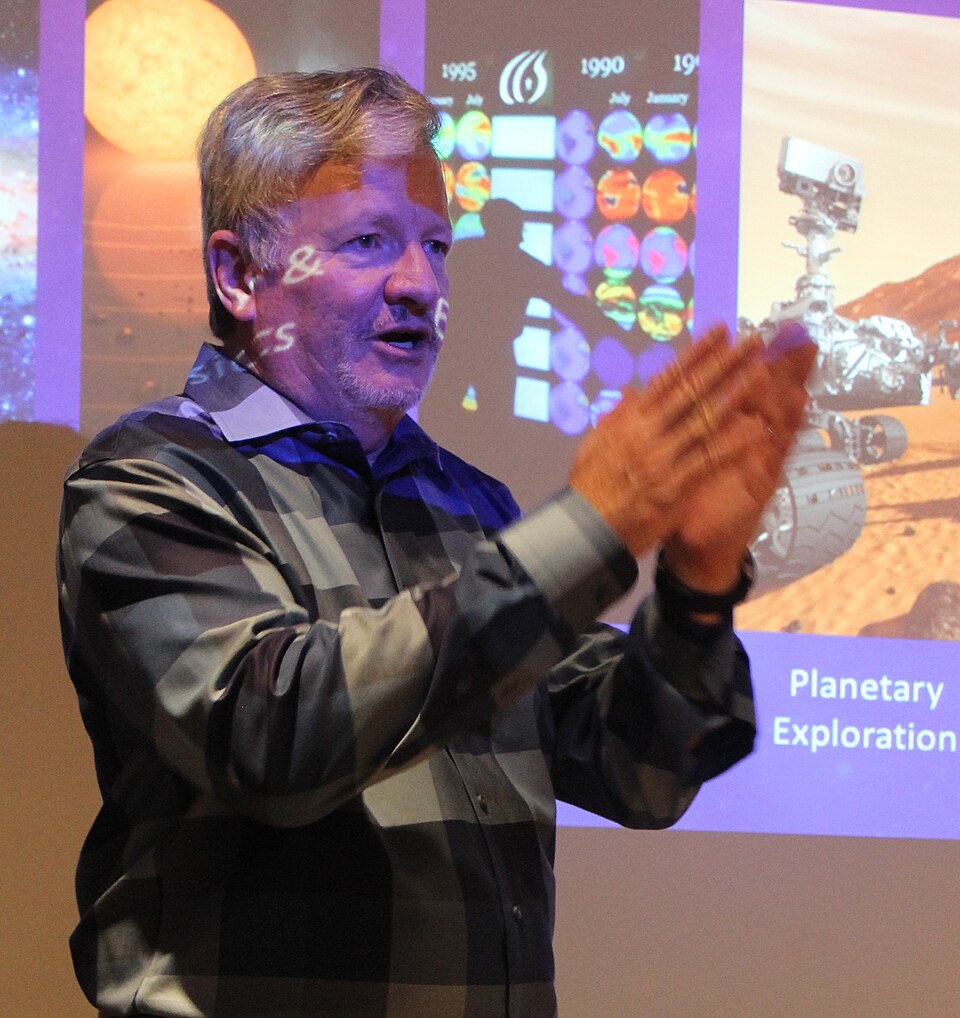
Bill Diamond leads the SETI Institute, a nonprofit research organization that studies life in the universe. Its work includes astronomy, planetary science, astrobiology and searches for signals or technology that could indicate intelligent civilizations. Describing him as the “world’s chief alien hunter” is a media label rather than an official scientific position. He represents one prominent organization within a much larger international research community.
Microscopic Extraterrestrial Single Cell Bacteria

Many astrobiologists consider microbial life more plausible than advanced technological civilizations. On Earth, single-celled organisms appeared long before animals, while complex intelligence emerged only after billions of years. A planet may support bacteria-like organisms without ever developing large animals or technology. The first confirmed extraterrestrial life could therefore be microscopic chemistry in a rock or ocean rather than a creature capable of communication or space travel.
Alien Ecosystem Environment Evolution
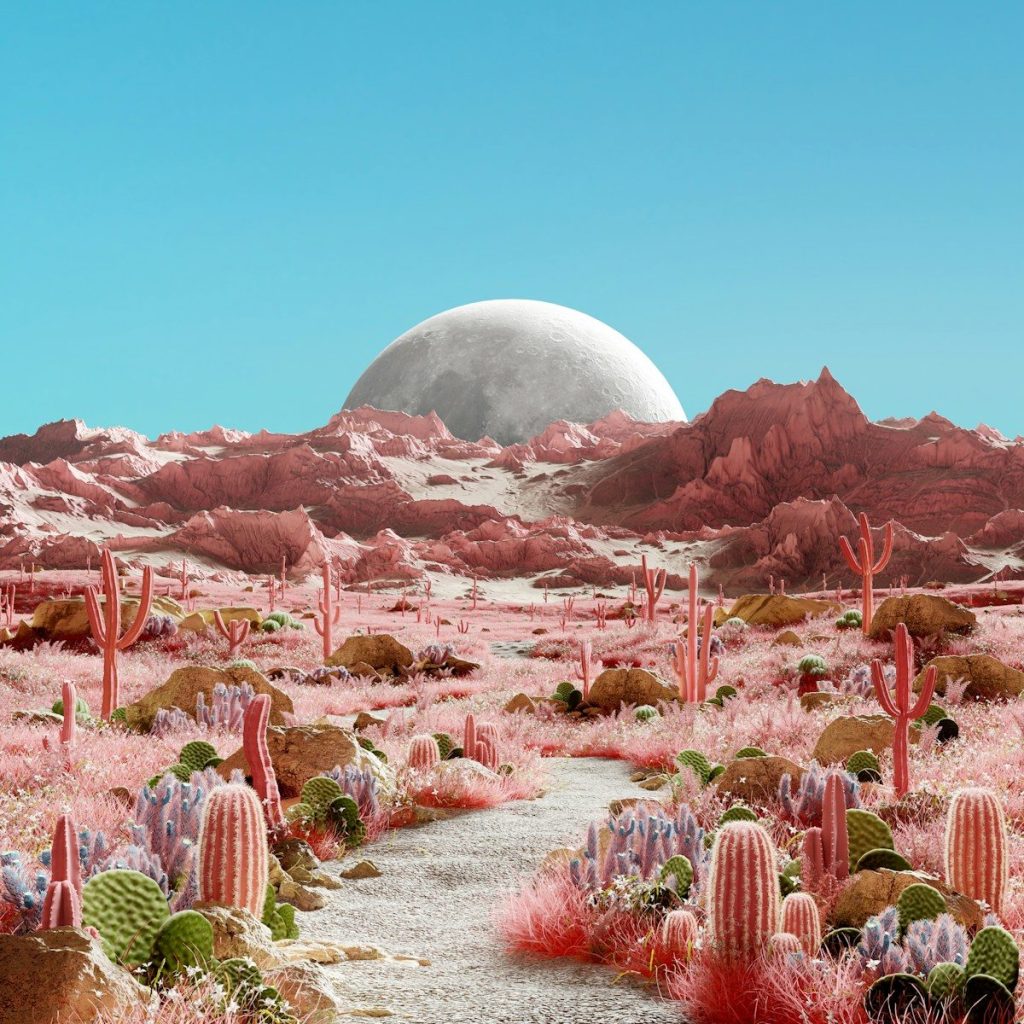
Natural selection works with local conditions. Life on a high-gravity planet might develop differently from organisms on a small world. Creatures in a dark subsurface ocean may not need eyes, while life in a thick atmosphere could use forms of movement unavailable on Earth. Even carbon-based organisms using liquid water would not necessarily develop heads, arms, legs, or faces resembling humans. Similar conditions could still produce some similar solutions.
Evolutionary Biology Humanoid Morphology
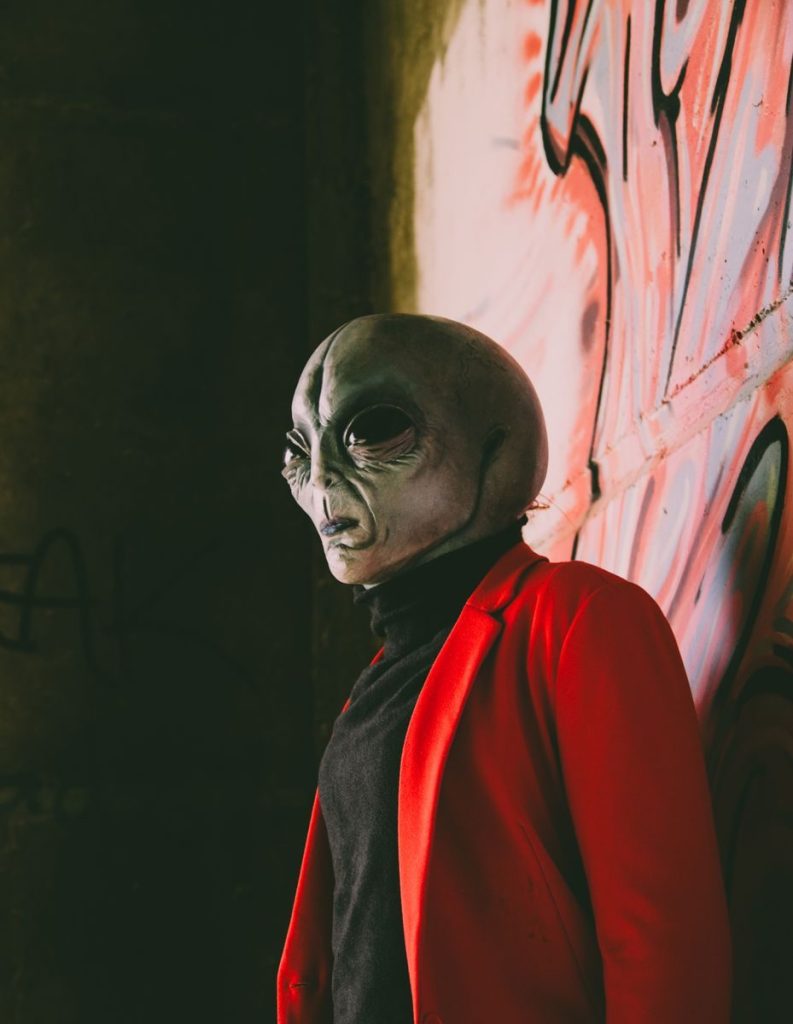
Science-fiction aliens are often humanoid because actors can portray them and audiences can read their expressions. Evolution does not aim toward the human body plan. Our appearance reflects a long sequence of events involving ancient fish, four-limbed land animals, primates and changing environments. An independent origin of life elsewhere would begin with a different history. It might produce familiar features such as symmetry or eyes, but an exact human-like form would be unlikely.
Exoplanet Atmosphere Biosignature Telescope
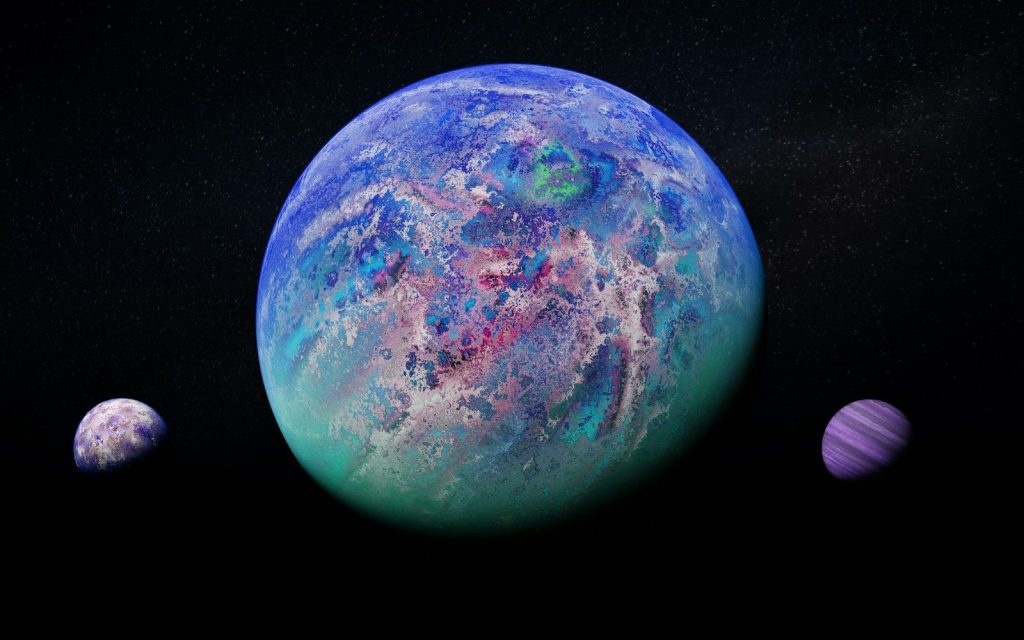
Scientists look for possible biosignatures, including atmospheric gases that may be difficult to maintain without biological activity. Telescopes can study the atmospheres of some distant planets, while spacecraft examine Mars and icy moons for habitable environments or preserved chemistry. A single gas is rarely enough to prove life because geological and chemical processes can create misleading signals. Researchers must examine several lines of evidence and rule out non-biological explanations.
SETI Radio Telescope Array Signal
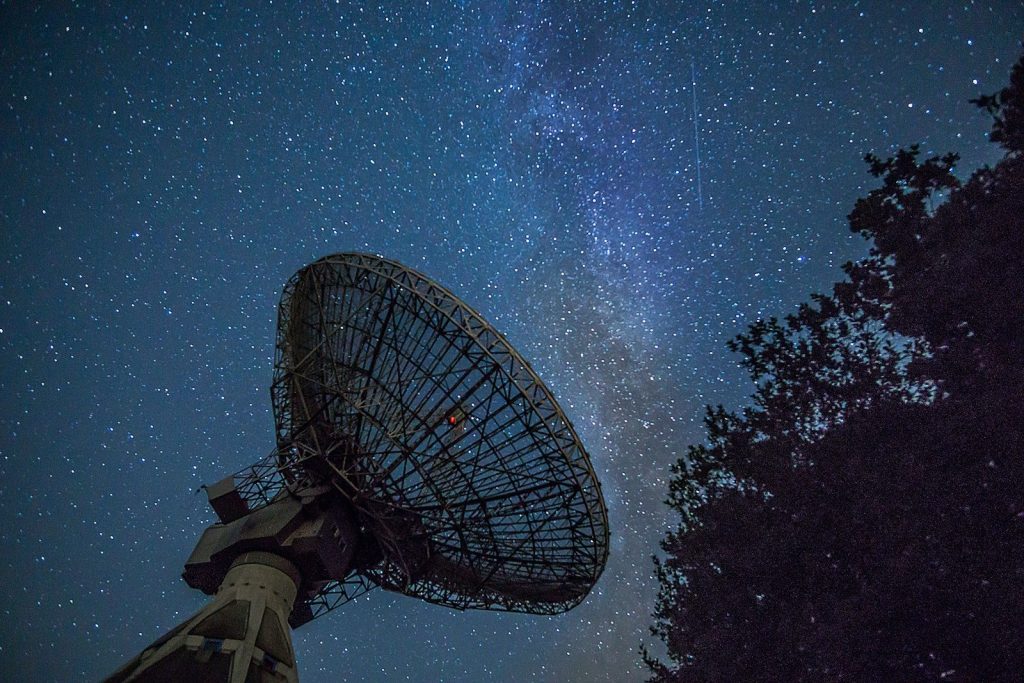
SETI researchers also search for technosignatures—signs that technology may be operating beyond Earth. These could include narrow-band radio transmissions, unusual laser pulses, atmospheric pollutants, or patterns of heat and energy difficult to explain naturally. No technosignature has been independently confirmed as extraterrestrial. Interesting signals require follow-up observations because interference, satellites, equipment errors and natural astronomical objects can initially produce unfamiliar results.
Deep Space Astronomy Observatory Night
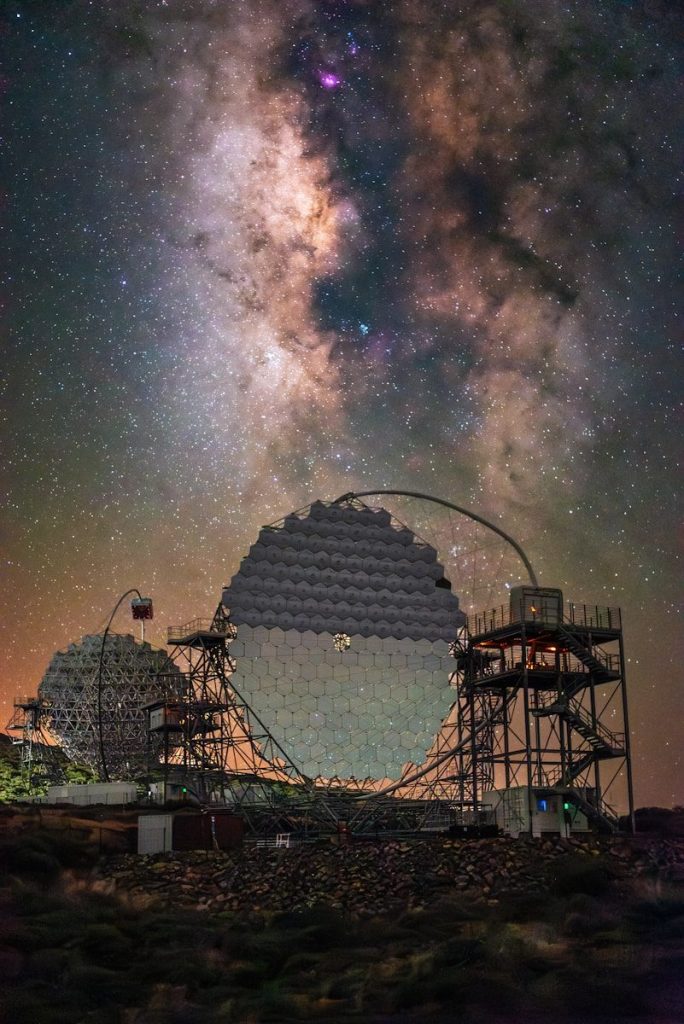
The statistical case for life elsewhere can be compelling without becoming proof. Scientists have confirmed thousands of planets beyond the solar system and found organic molecules in space, but neither discovery demonstrates inhabited worlds. The SETI Institute has also stated that unexplained objects in Earth’s skies are not automatically alien spacecraft. Diamond’s argument is that life is plausible and may be strange—not that extraterrestrials have already visited or contacted humanity.
Featured Image: Shutterstock
Leave a Reply