
Nothing in physics prevents astronauts from returning from Mars. Space agencies and private companies have studied round-trip missions for decades. The problem is that no human-rated spacecraft, Mars ascent vehicle, or complete life-support system has yet demonstrated every step required to carry a crew there, keep it alive, and bring it safely home.
A one-way robotic mission can stop working after reaching Mars, but astronauts need a reliable return chain. That includes surface equipment, fuel, a launch vehicle, orbital navigation, long-duration life support and protection during Earth reentry. A failure in any one of those systems could leave the crew without a practical rescue option.
Earth Mars Orbital Mechanics Alignment
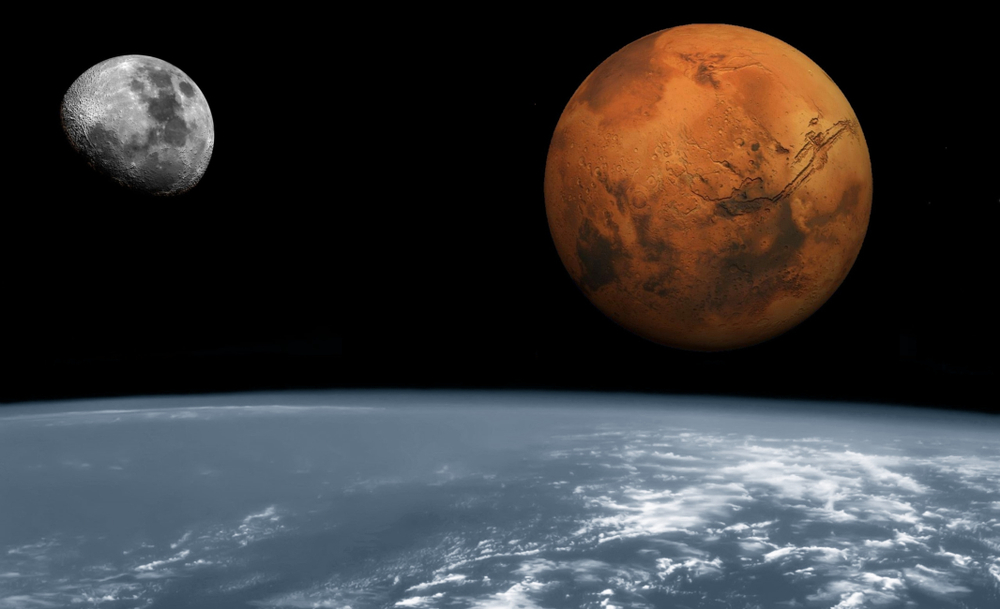
Earth and Mars move around the Sun at different speeds. The most energy-efficient launch opportunities occur approximately every 26 months, when the planets reach suitable positions. Astronauts cannot simply leave Mars whenever they choose and fly directly home. A missed window could force a much longer stay or require far more fuel. Mission planners must coordinate the outbound journey, surface operations and return departure around orbital mechanics.
Astronauts Deep Space Journey Mission

Many round-trip Mars plans would keep astronauts away from Earth for more than two years. The crew could spend months traveling to Mars, remain on or near the planet while waiting for the return alignment and then face another long journey home. Every additional day increases the amount of food, water, oxygen, spare parts and medical capability required. Recycling systems must operate reliably with limited opportunities for replacement or repair.
Mars Ascent Vehicle Rocket Launch

Astronauts would need a Mars ascent vehicle to lift them from the surface. Mars has only about 38% of Earth’s gravity, making ascent easier than launching from Earth, but it still requires a powerful rocket. The vehicle must survive delivery, landing, dust, temperature changes, and months or years of storage before ignition. It may also need to meet another spacecraft waiting in Mars orbit.
Martian Methane Oxygen Fuel Factory
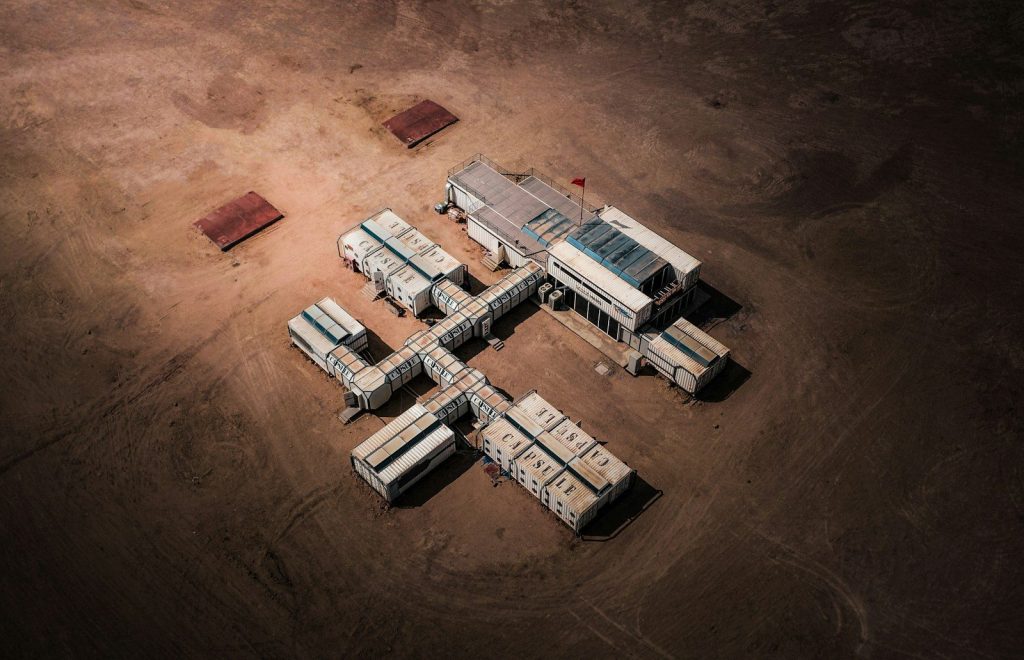
Carrying all return fuel from Earth would greatly increase the mass that must be launched and landed on Mars. One proposed solution is to manufacture methane and oxygen using Martian carbon dioxide, imported hydrogen or locally obtained water. This process is known as in-situ resource utilization. It has been demonstrated only on a small experimental scale. A crewed mission would require industrial equipment that produces and stores tonnes of propellant reliably.
Preplaced Mars Return Lander Equipment
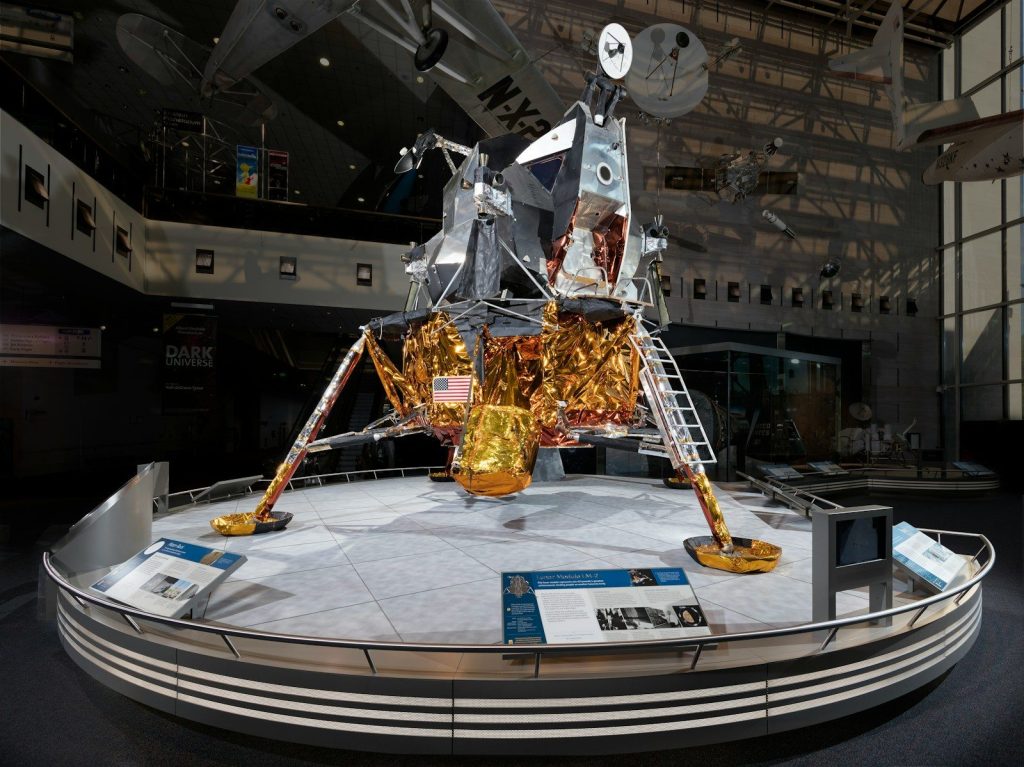
A cautious mission plan could send the return vehicle, power systems and fuel-making equipment to Mars before the astronauts leave Earth. Controllers would verify that the hardware landed safely and that enough propellant was available for the return. This approach lowers crew risk but requires multiple launches and years of preparation. Equipment must continue working without technicians while exposed to dust, radiation and extreme Martian temperature cycles.
Astronaut Deep Space Radiation Health

Astronauts traveling to and from Mars would face radiation, isolation, confinement, altered gravity and an enormous distance from medical help. Radio messages can take several minutes to travel each way, preventing real-time conversations with mission control. Prolonged weightlessness can weaken muscles and bones, while partial gravity on Mars may not fully reverse those changes. Serious illness or equipment failure would have to be managed mainly by the crew.
Spacecraft Earth Atmosphere Reentry Shield

Reaching Earth would not end the challenge. The returning spacecraft must enter the atmosphere at high speed, survive intense heating and land safely after years in space. Astronauts weakened by reduced gravity may need immediate medical assistance. A Mars return is therefore an interconnected engineering and health problem rather than one missing invention. It is achievable in principle, but every critical system must work with unusually high reliability.
Featured Image: Photo by Nicolas Lobos on Unsplash
Leave a Reply