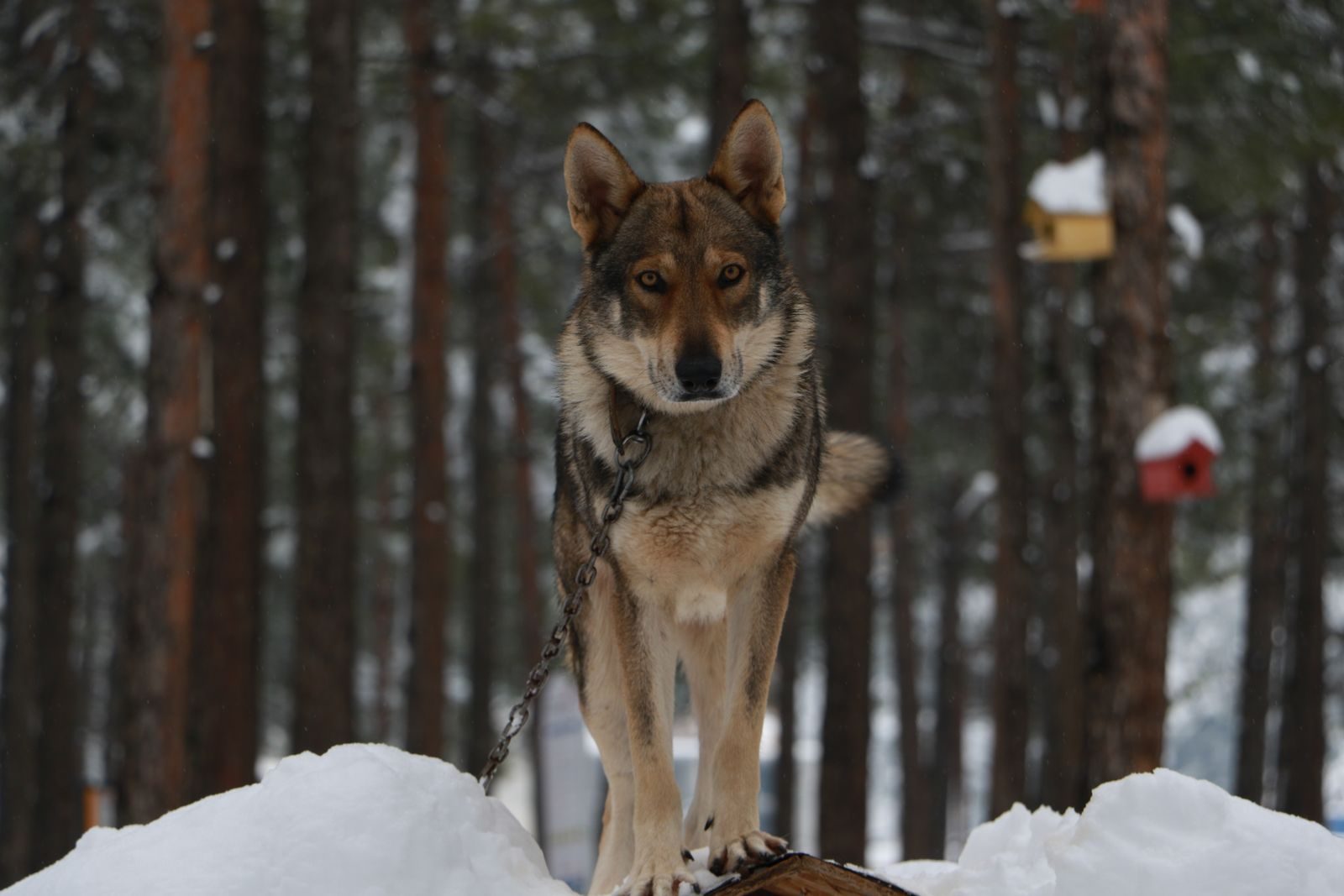
A mummified wolf puppy discovered in Siberian permafrost contained a remarkably preserved piece of meat inside its stomach. Genetic testing showed that the tissue came from a woolly rhinoceros that lived approximately 14,400 years ago.
Scientists have now sequenced its genome, creating the first high-quality genome recovered from an Ice Age animal preserved inside the digestive system of another animal.
The Mummified Tumat Wolf Puppy

The puppy was found near Tumat in northeastern Siberia and was only several weeks old when it died. Its frozen remains preserved skin, fur and stomach contents that would normally have decomposed.
Researchers believe the rhinoceros meat may have been brought to the den by adult wolves, obtained through scavenging or taken from a vulnerable young rhino. The exact feeding event cannot be reconstructed with certainty.
One of the Last Woolly Rhinos
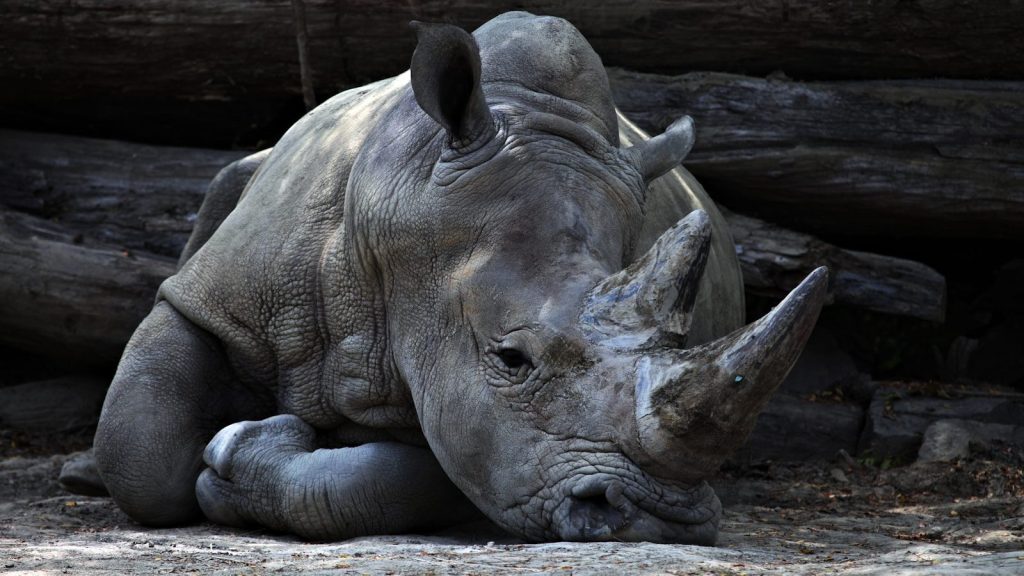
Radiocarbon dating placed both the wolf and the rhinoceros tissue at around 14,400 years old. This makes the sample one of the youngest woolly rhinoceros remains ever studied.
The species once ranged widely across northern Eurasia but disappeared around 14,000 years ago. The stomach sample therefore captures the woolly rhino population extremely close to its final extinction.
Recovering DNA from a Last Meal

The piece of tissue measured only a few centimetres and contained a mixture of damaged rhinoceros DNA, wolf DNA and environmental contamination.
Researchers prepared numerous extracts and compared the genetic fragments with reference genomes from living and extinct rhinoceros species. After carefully filtering the data, they reconstructed a high-coverage woolly rhinoceros genome from the tiny sample.
Three Genomes Across 35,000 Years

Scientists compared the 14,400-year-old genome with woolly rhinoceros genomes dating to approximately 18,400 and 49,000 years ago.
This created a genetic timeline covering the species’ final tens of thousands of years. Researchers expected the youngest rhino to show signs of prolonged population collapse, such as severe inbreeding or a major loss of genetic diversity. That is not what they found.
The Population Still Looked Genetically Healthy
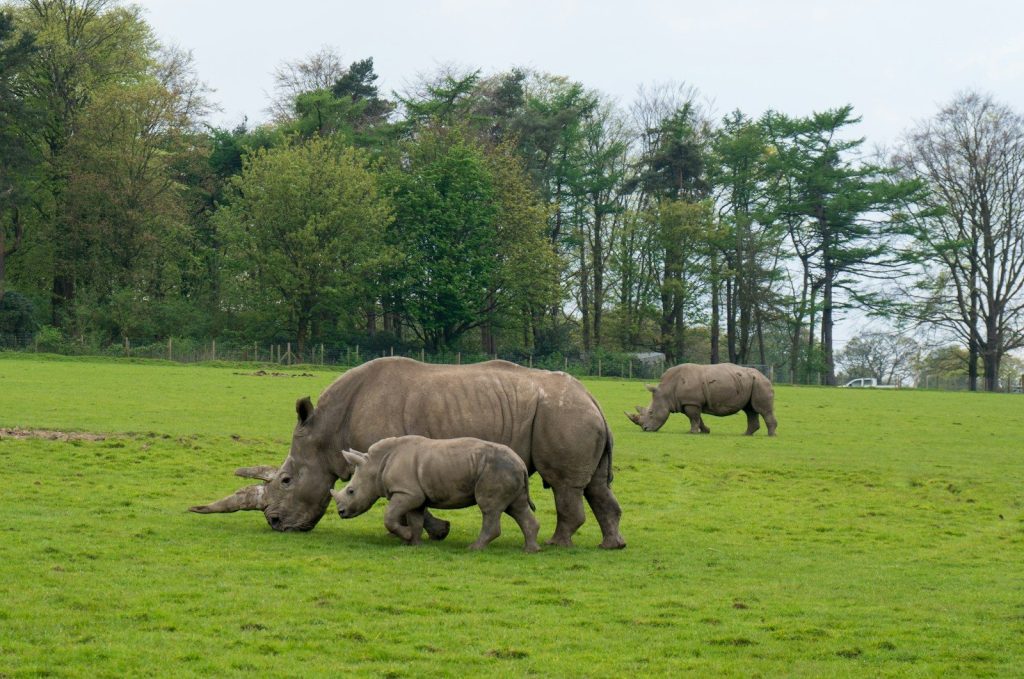
The youngest woolly rhinoceros showed no dramatic increase in inbreeding and no major genetic deterioration compared with the older animals.
This suggests that the species did not endure a long, slow decline before vanishing. Its population appears to have remained relatively stable until surprisingly close to extinction, pointing toward a rapid environmental crisis rather than centuries of unavoidable genetic collapse.
Climate Change Becomes the Leading Suspect
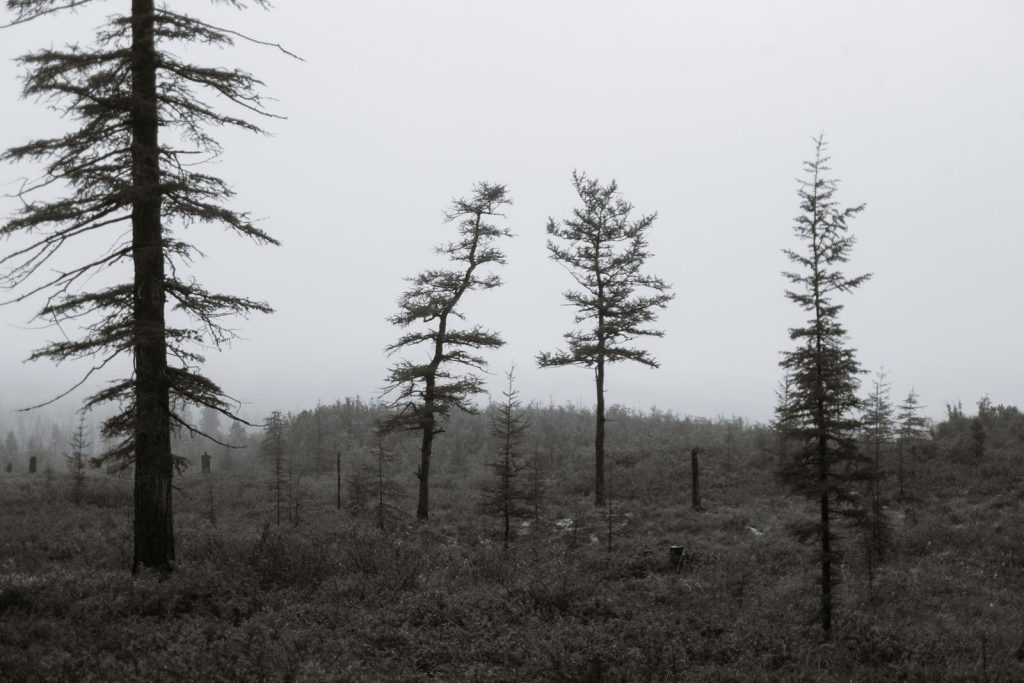
The woolly rhino disappeared during a period of abrupt warming known as the Bølling–Allerød, which transformed vegetation and habitats across northern Eurasia.
The genomic evidence supports a fast climate-driven decline, possibly as grasslands gave way to wetter and more wooded environments. Human hunting cannot be completely excluded, but the genetic timeline gives greater weight to sudden environmental change.
Frozen Stomachs Are Becoming Genetic Archives
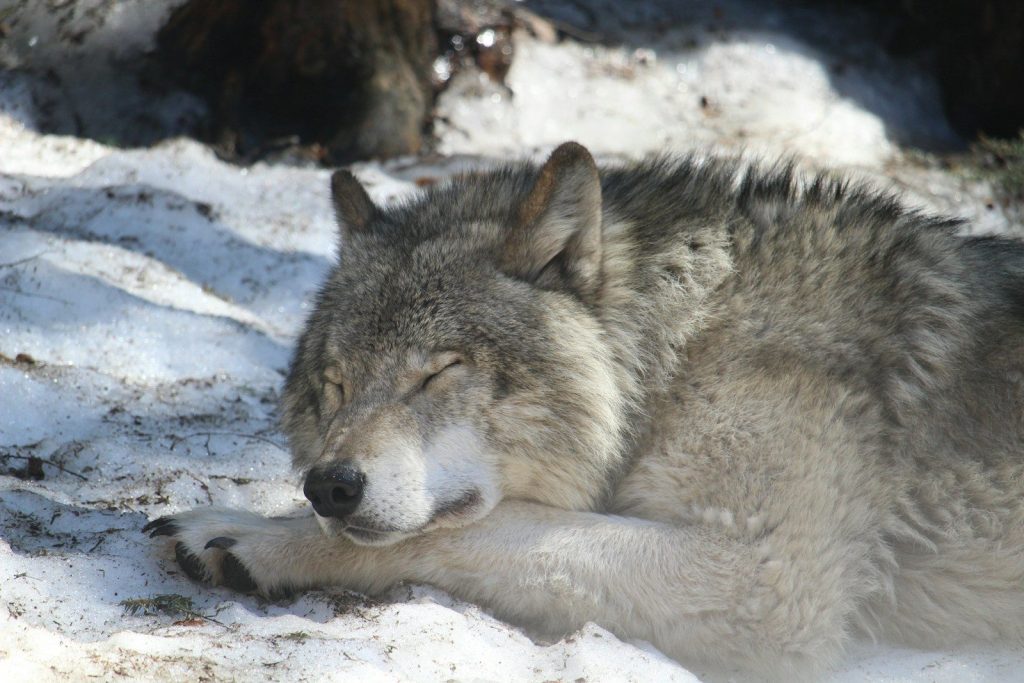
The discovery demonstrates that preserved digestive contents can hold usable genomes from animals that left few complete fossils behind.
A predator’s final meal may contain evidence about prey populations, diet, local ecosystems and extinction events. As more frozen animals emerge from permafrost, their stomachs could become unexpected archives of Ice Age biodiversity and evolutionary history.
Featured Image: Photo by Emrehan Çolak on Pexels
Leave a Reply