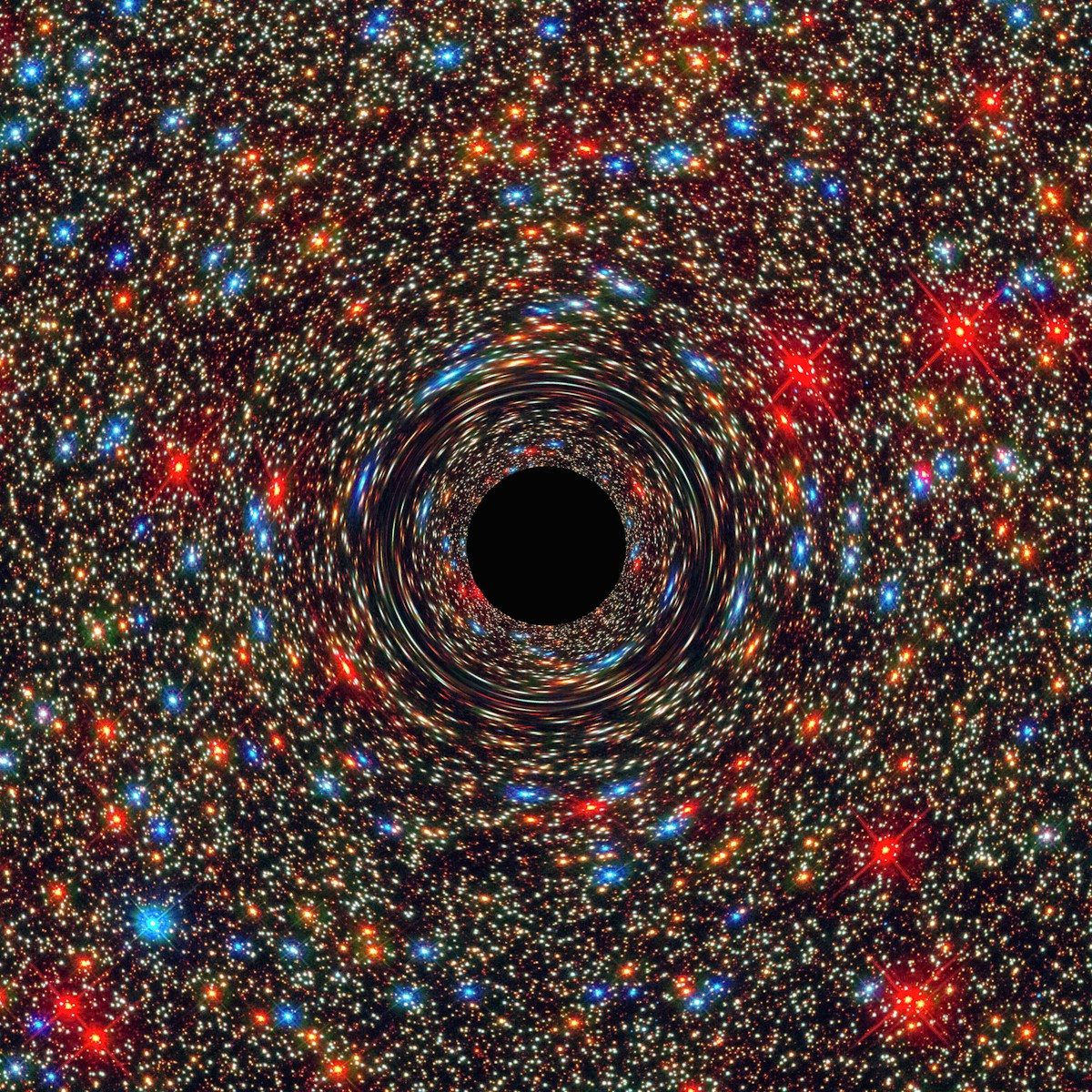
Most people picture the universe as a giant spherical bubble sitting inside an empty void. We imagine a sharp physical border where space simply ends.
But deep space observations reveal that the true boundary of space is far stranger than a simple wall. What lies beyond our cosmic horizon challenges fundamental physics.
The Observable Universe Horizon
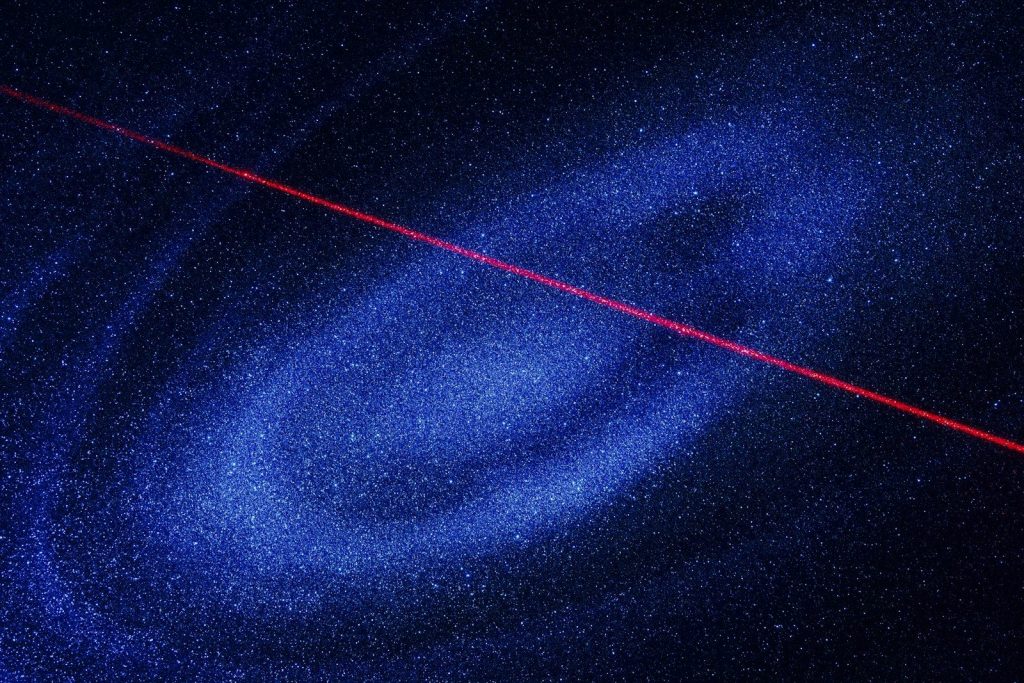
Light takes time to travel across deep space, limiting how far we can see. Telescopes hit a wall. According to cosmic measurements from NASA, our observable horizon stretches roughly forty-six billion light-years in every direction. Beyond that boundary, light has not had enough time to reach Earth. But space itself expands faster than the speed.
Expanding Faster Than Light Speed
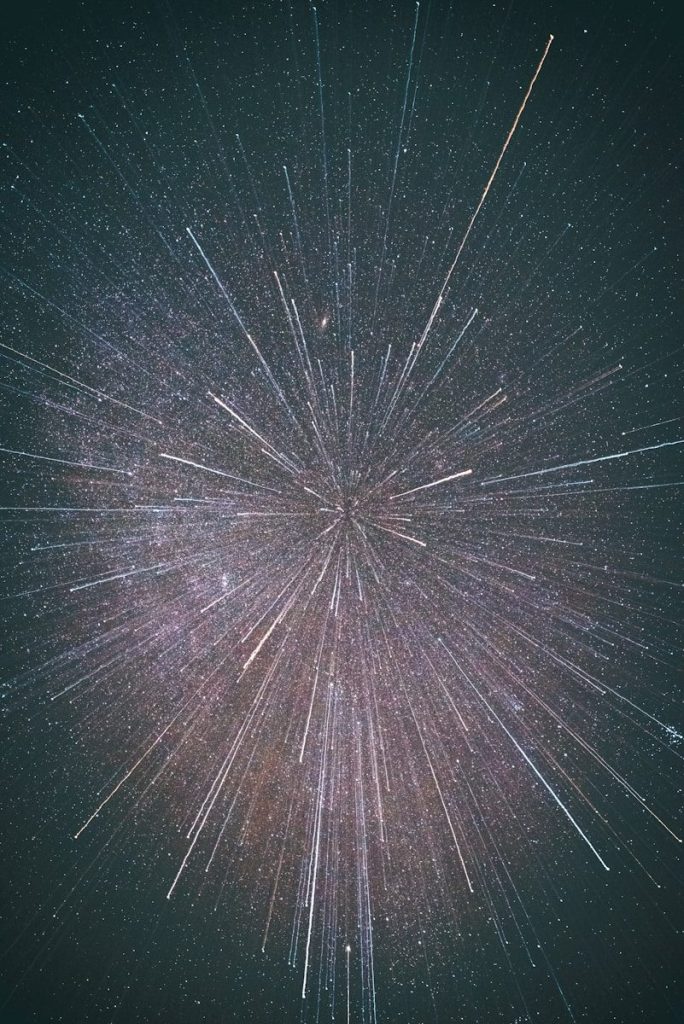
Distant galaxies recede from us at accelerating speeds because space expands between them continuously. Speed breaks limits. According to galaxy survey data from ESA, regions beyond our cosmic horizon move away faster than light speed can carry photons to us. Those distant galaxies disappear forever from view. Yet cosmic inflation hints at infinite space beyond.
Infinite Inflation Beyond Perception
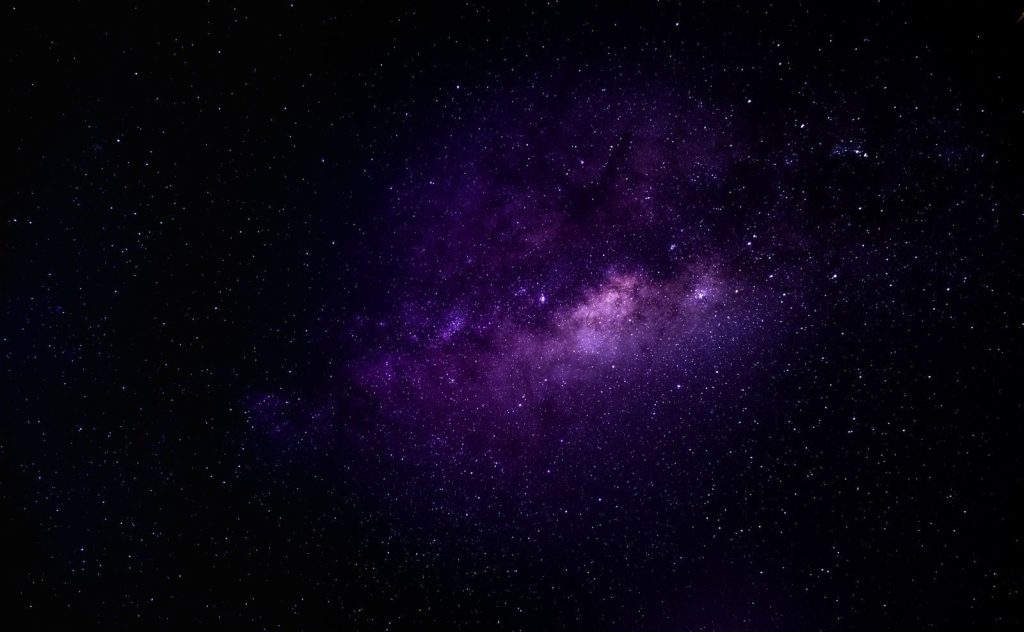
The early universe expanded exponentially during a brief phase called cosmic inflation. Expansion never really stopped. According to theoretical astrophysics research, inflation might continue endlessly in distant regions beyond our observable cosmos. Our visible universe is merely one tiny patch inside an infinite landscape. But another shape theory suggests curved space.
Is Space Flat Or Curved
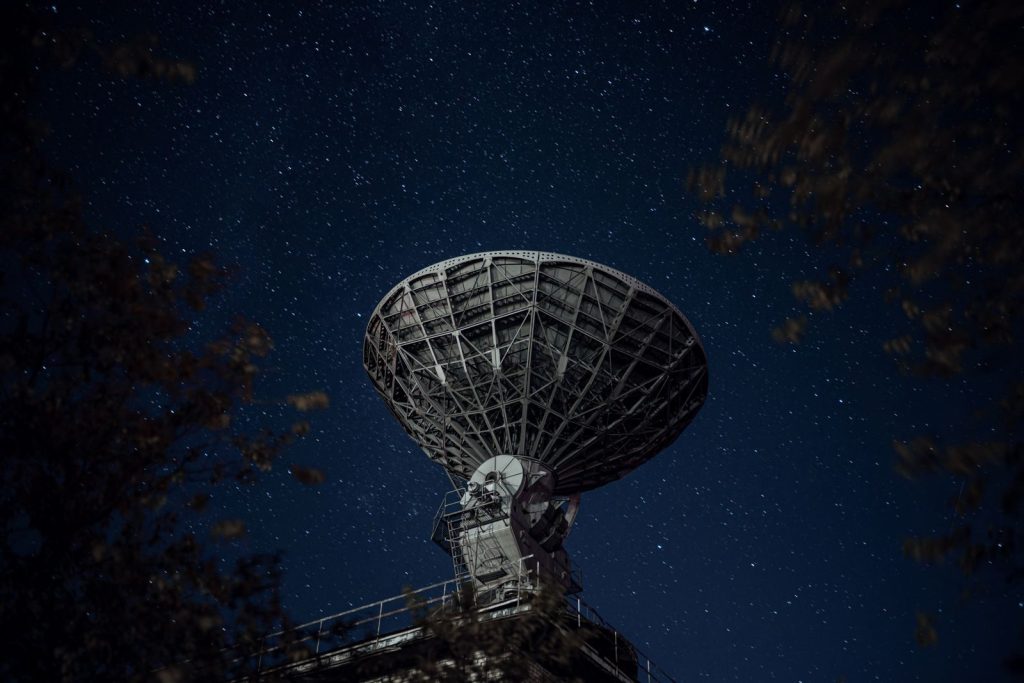
Precise cosmic microwave background measurements suggest the geometry of space is amazingly flat. Lines stay parallel. According to satellite mapping data from the Planck observatory, space curvature measures near zero across vast distances. A flat universe means space likely extends infinitely without ever wrapping around. Yet cosmic microwave radiation holds hidden clues.
Cold Spots On Cosmic Map
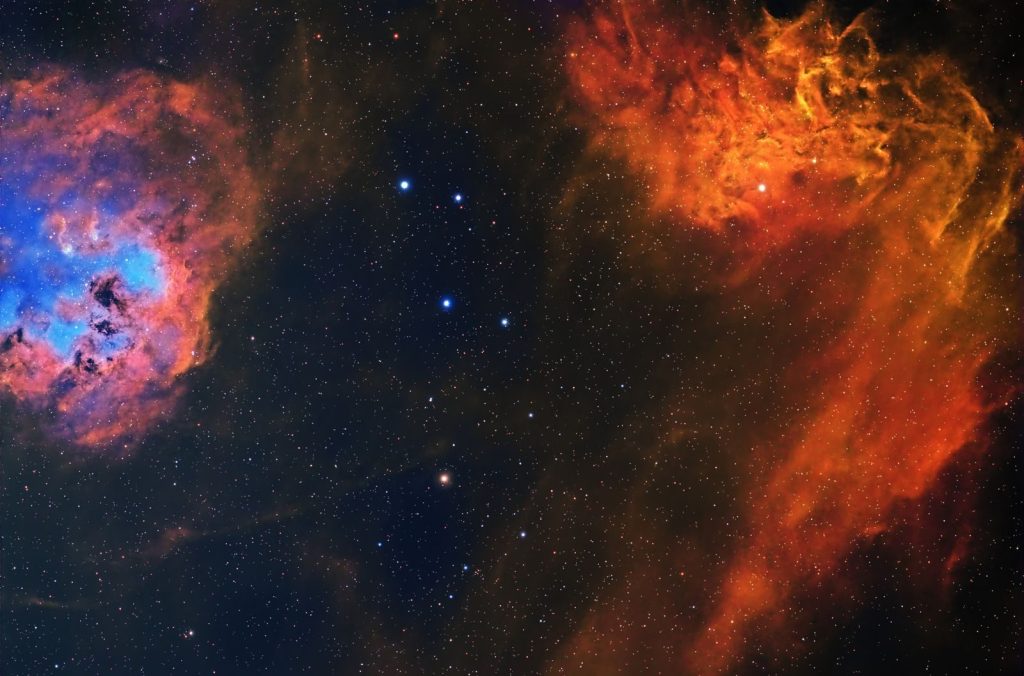
Detailed temperature maps of ancient cosmic background radiation reveal strange, unexpected cold regions. Anomaly puzzles scientists. According to astrophysicists analyzing cosmic radiation, huge cold spots might be scars left by collision with another neighbor universe long ago. Multiverse collisions could leave permanent marks. But verifying multiverse interaction remains tricky.
Endless Universes in the Multiverse
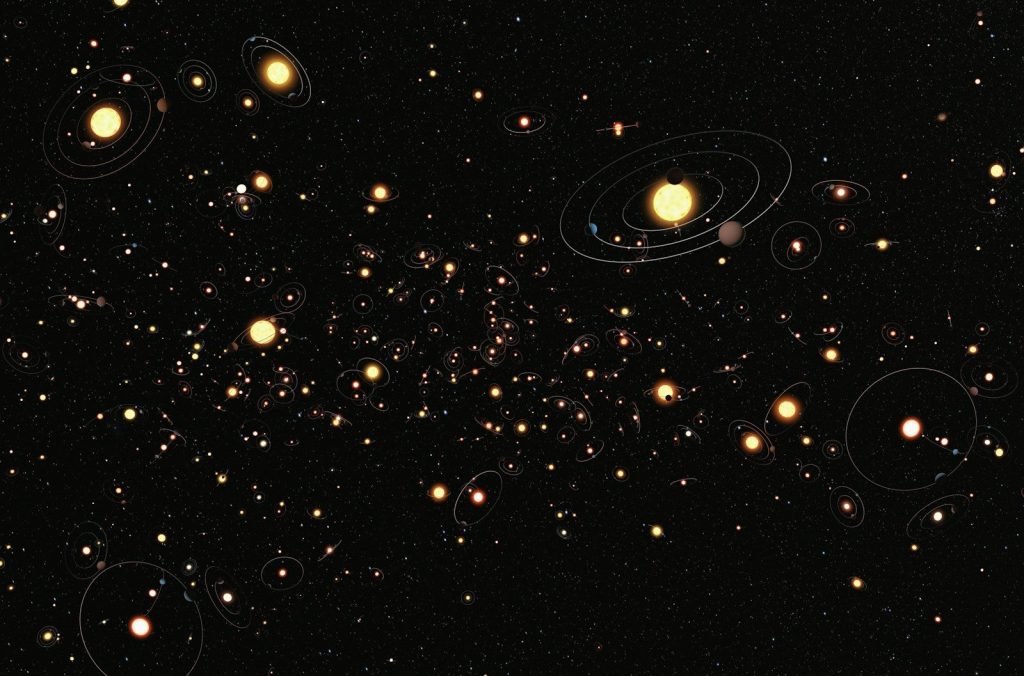
Infinite space means every possible arrangement of matter must repeat eventually across cosmic distance. Universes mirror each other. According to theoretical cosmology papers from MIT, an infinite universe guarantees identical copies of the solar system exist somewhere in deep space. Infinite space implies endless copies of reality. But exploring these limits keeps driving space science.
Expanding Human Cosmic Understanding

Learning that space extends far past our visible horizon changes humanity’s perspective on existence. Discovery never stops growing. According to space agency research teams, exploring deep cosmic boundaries reveals how vast and interconnected reality truly is. This article is for informational purposes only.
Featured Image: Photo by NASA Hubble Space Telescope on Unsplash
Leave a Reply