
What first appeared to be unusual rocks near a pond in Thailand’s Chaiyaphum Province eventually became one of Southeast Asia’s most important dinosaur discoveries.
After years of excavation and analysis, researchers determined that the bones belonged to a previously unknown long-necked dinosaur. In May 2026, the animal was officially named Nagatitan chaiyaphumensis, introducing a new giant from the final chapter of Thailand’s Early Cretaceous period.
A Giant Nearly 27 Metres Long

Researchers estimate that Nagatitan reached approximately 27 metres, or 89 feet, from head to tail. It may have weighed between 25 and 28 tonnes, placing it among the largest dinosaurs yet identified in Asia.
The surrounding rock dates to roughly 113 million years ago, when Thailand looked very different from the tropical landscape people know today.
The Bones Scientists Recovered

The fossils do not form a complete skeleton, but they preserve several highly informative parts of the body. Researchers recovered back vertebrae, ribs, pelvic bones, a humerus and an almost complete femur.
One upper-arm bone measured about 1.78 metres. Together, these remains gave the team enough anatomical evidence to reconstruct the dinosaur’s proportions and identify it as a distinct species.
How They Knew It Was a New Species
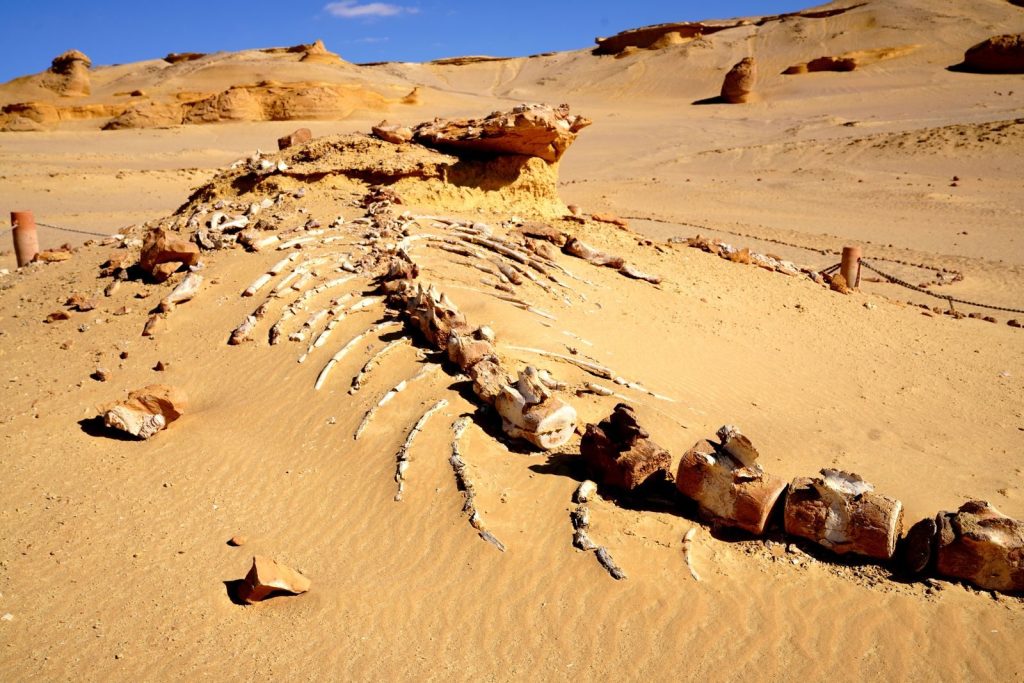
Scientists do not name a dinosaur simply because it is large. Nagatitan possessed distinctive features in its vertebrae and limb bones that had not been observed in the same combination in other sauropods.
The researchers compared hundreds of anatomical characteristics across more than 150 related dinosaurs. Their analysis placed Nagatitan among a branch of Asian long-necked dinosaurs known as euhelopodids.
Estimating the Size of an Incomplete Dinosaur
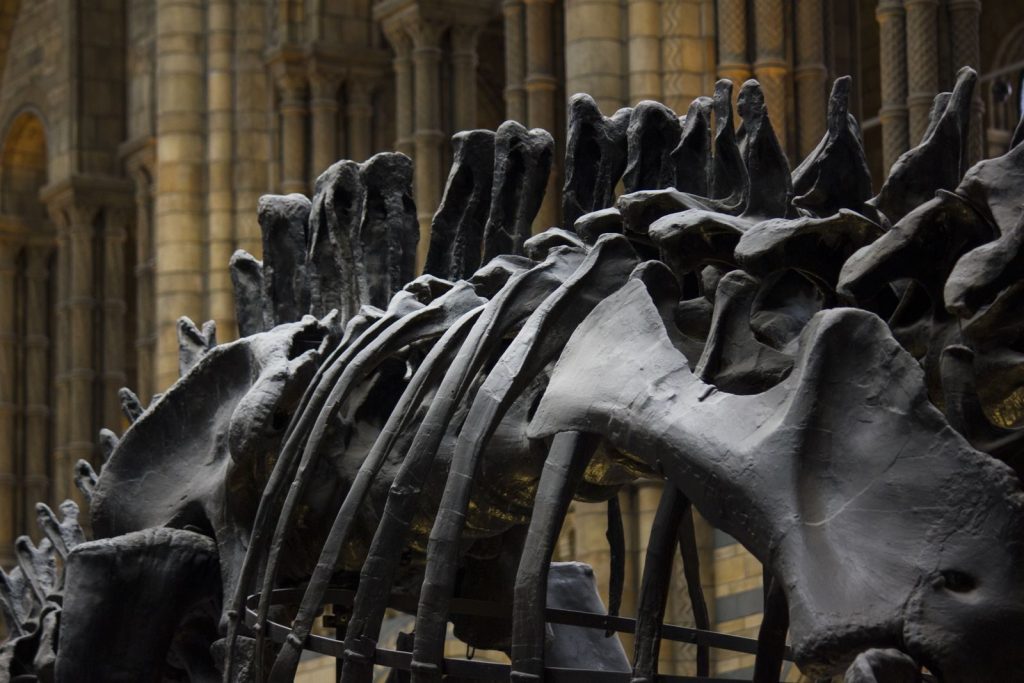
No one measured Nagatitan while it was alive. Its size had to be calculated from the dimensions of surviving bones and comparisons with better-preserved sauropods.
Such estimates carry a degree of uncertainty because individual animals varied in age, build and proportions. Even so, the recovered limb bones consistently indicate that this was an exceptionally massive animal and probably Southeast Asia’s largest known dinosaur.
Thailand’s Cretaceous Ecosystem
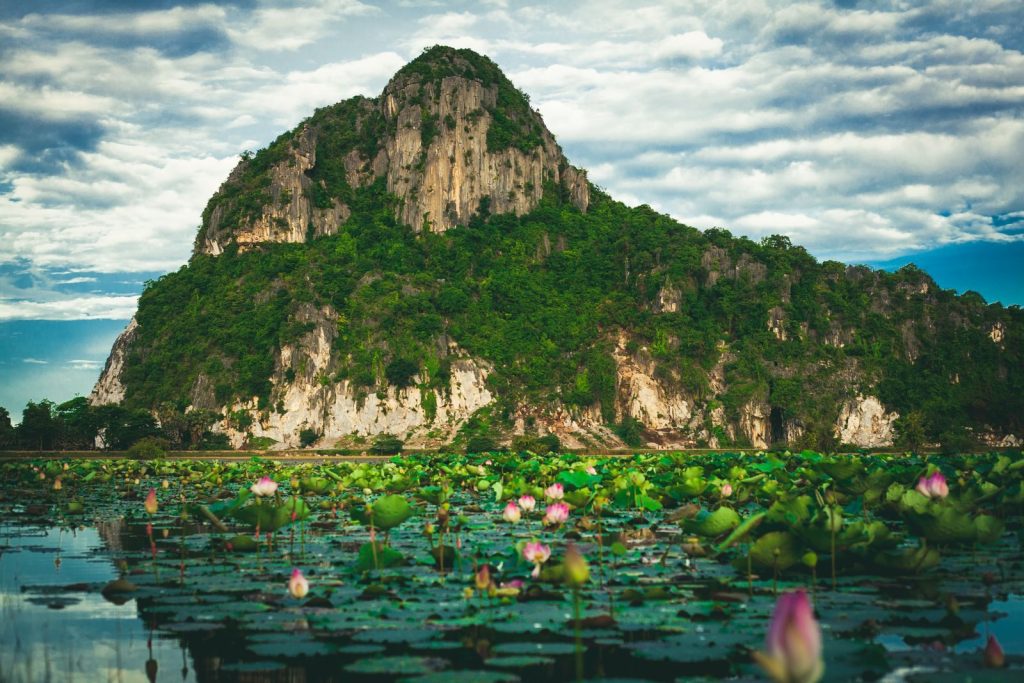
Nagatitan lived in a warm environment crossed by rivers and surrounded by open vegetation and forested areas. Fossils from the same geological formation include freshwater animals, bivalves, fish, crocodile relatives and teeth from carnivorous dinosaurs.
This was not an empty landscape dominated by one giant. It was a complex ecosystem where enormous plant-eaters shared their habitat with predators and numerous smaller species.
Why It Was Named “Nagatitan”
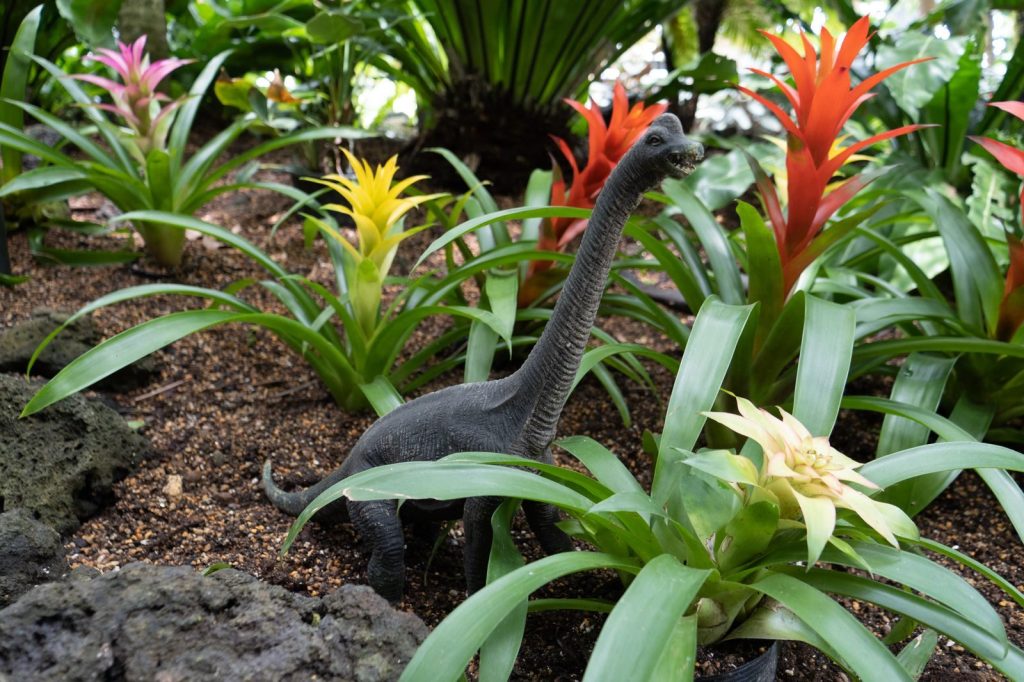
The name combines naga, referring to the powerful serpent-like beings of Southeast Asian tradition, with the Greek word titan, meaning giant. The species name honours Chaiyaphum Province, where the fossils were found.
Its geological age is equally significant. Nagatitan comes from one of Thailand’s youngest dinosaur-bearing formations, making it one of the region’s final known giant sauropods.
A Discovery That Rewrites Asia’s Dinosaur Map
Nagatitan shows that enormous sauropods continued to evolve in Southeast Asia later than the existing fossil record had suggested. Its discovery also strengthens evidence that Asian sauropod groups were more diverse and widespread than previously recognised.
Researchers have proposed that warmer conditions and expanding habitats may have contributed to increasing body size, although additional fossils will be required to test that idea.
Featured Image: Photo by Boris Hamer on Pexels
Leave a Reply