
Modern supply chains rely on global trade for advanced industrial components. Businesses assume key hardware remains accessible through standard international shipping.
But new federal regulations have blocked specific technology imports from reaching American markets. The policy targets next-generation robotics and critical electrical grid equipment.
Restricting Chinese Technology Imports
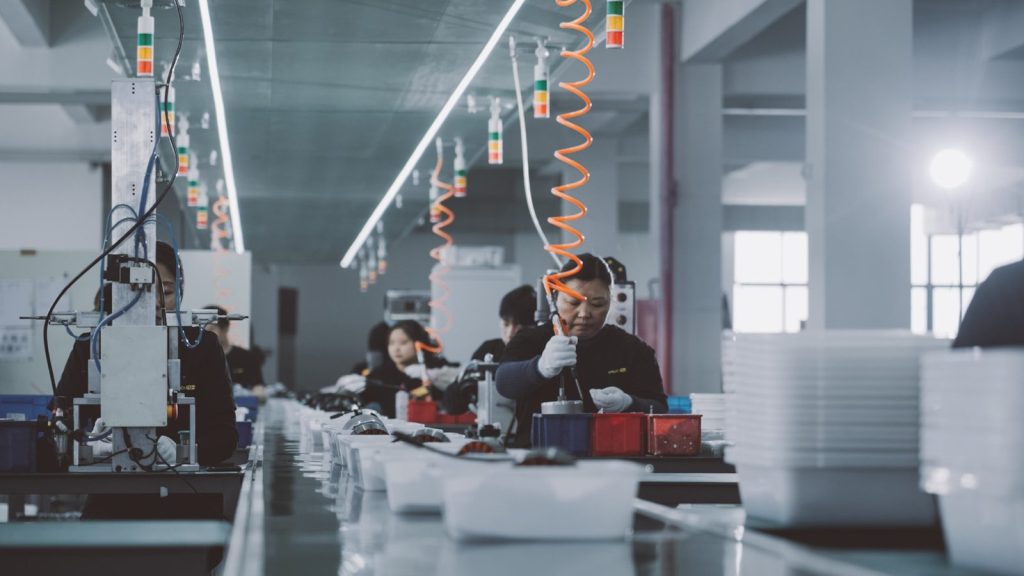
Federal trade authorities issued new administrative directives blocking specific imported electronics from entering the country. According to official government regulatory filings, the ban impacts humanoid robots and power inverters. Directives are binding. Customs officials now inspect incoming commercial freight for noncompliant equipment. But policy advisors cite clear strategic reasons for these swift actions.
National Security Concerns Raised

Security officials raised warnings about digital connectivity built into advanced foreign hardware. According to reports from the Department of Commerce, connected devices could expose critical national infrastructure. Cyber risks exist. Inverters manage energy flow across solar installations and domestic electrical power networks. And humanoid robotics present similar data tracking questions for factories.
Protecting The Electrical Power Grid

Power inverters convert direct current electricity from renewable sources into alternating current for local grids. According to energy industry analysts, foreign-manufactured inverters dominate global commercial markets. Hardware is common. Regulators worry remotely updated software could disrupt regional power distribution networks unexpectedly. Yet domestic energy installers must now adjust their sourcing plans.
Targeting Next Generation Humanoid Robotics
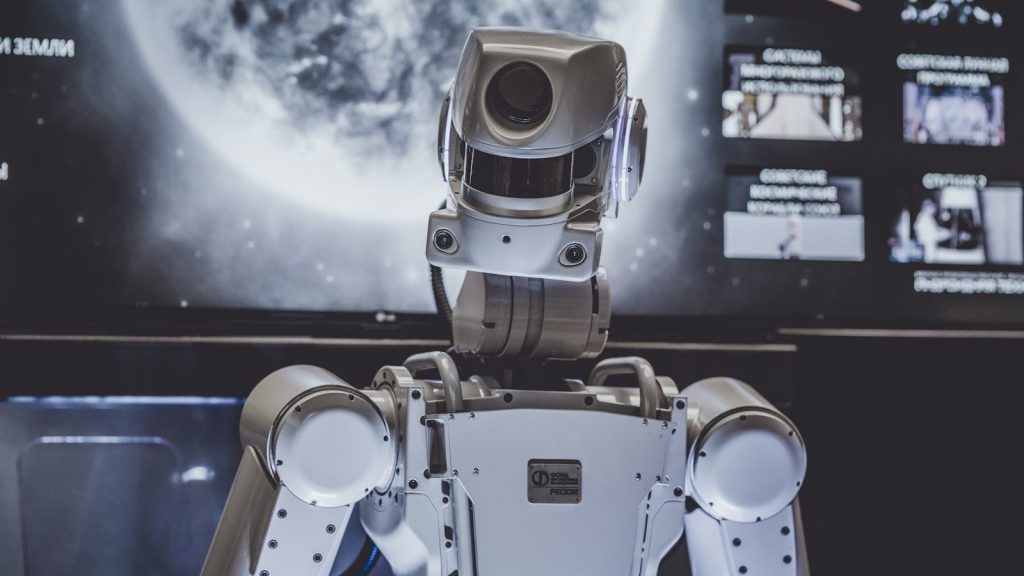
China has invested heavily in developing bipedal humanoid robots for manufacturing and logistics roles. According to international robotics trade data, Chinese manufacturers produce cost-competitive autonomous systems. Production is growing. The new import ban prevents these advanced machines from operating inside domestic warehouses. But American robotics firms see an opportunity to expand.
Impact On Domestic Clean Energy

Solar project developers face potential supply chain delays while seeking alternative inverter suppliers. According to BloombergNEF industry market reports, shifting component suppliers increases short-term costs. Adjustments take time. Solar installers must secure domestic or allied hardware that complies with regulations. And industrial automation companies face similar procurement adjustments.
Boosting Domestic Hardware Manufacturing

Federal policymakers intend for trade restrictions to accelerate domestic production of critical technology. According to economic analysis from the Information Technology Foundation, domestic factory incentives are rising. Investment is surging. Companies are constructing new manufacturing facilities within North America to meet demand. Yet global trade partners are monitoring the regulatory shifts closely.
Enforcing Strict Border Inspections

Customs and Border Protection agents are enforcing compliance checks at major maritime shipping ports. According to trade compliance officers, uncertified shipments face immediate rejection at entry points. Enforcement is strict. Importers must verify component origins before shipping items across international borders. But the broader debate over technological independence continues.
The Changing Landscape Of Global Tech

Restricting foreign humanoid robots and power hardware marks a major shift in trade policy. According to technology analysts, nations are prioritizing domestic control over essential infrastructure. Security drives policy. As technology evolves, supply chain independence will shape global industry decisions. This article is for informational purposes only
Featured Image: Photo by Pavel Danilyuk on Pexels
Leave a Reply