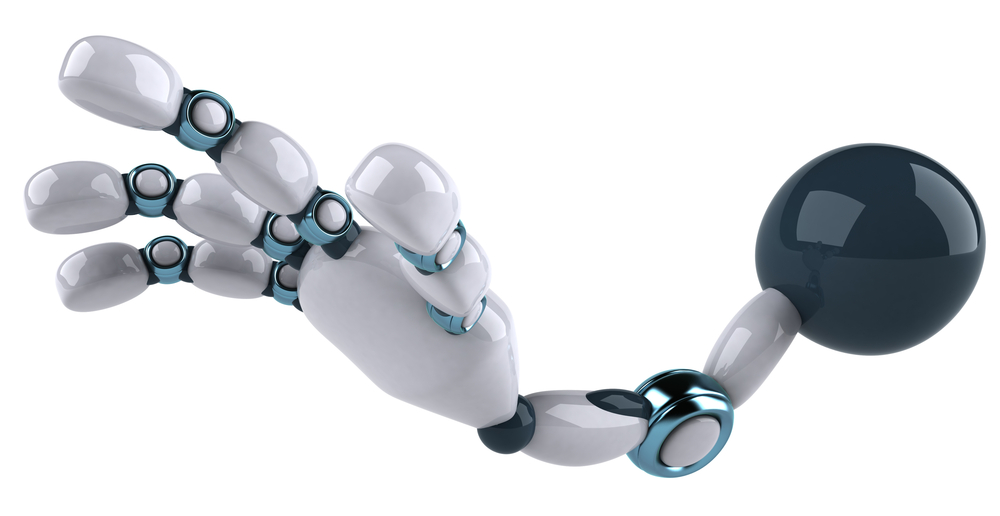
Traditional robotic arms usually struggle when switching between land and fluid environments. Engineers often build separate systems for air and ocean operation.
But a new soft robotic arm copies nature to solve this problem. Researchers built a flexible tentacle that senses and holds items anywhere.
Octopus Tentacle Suction Cups
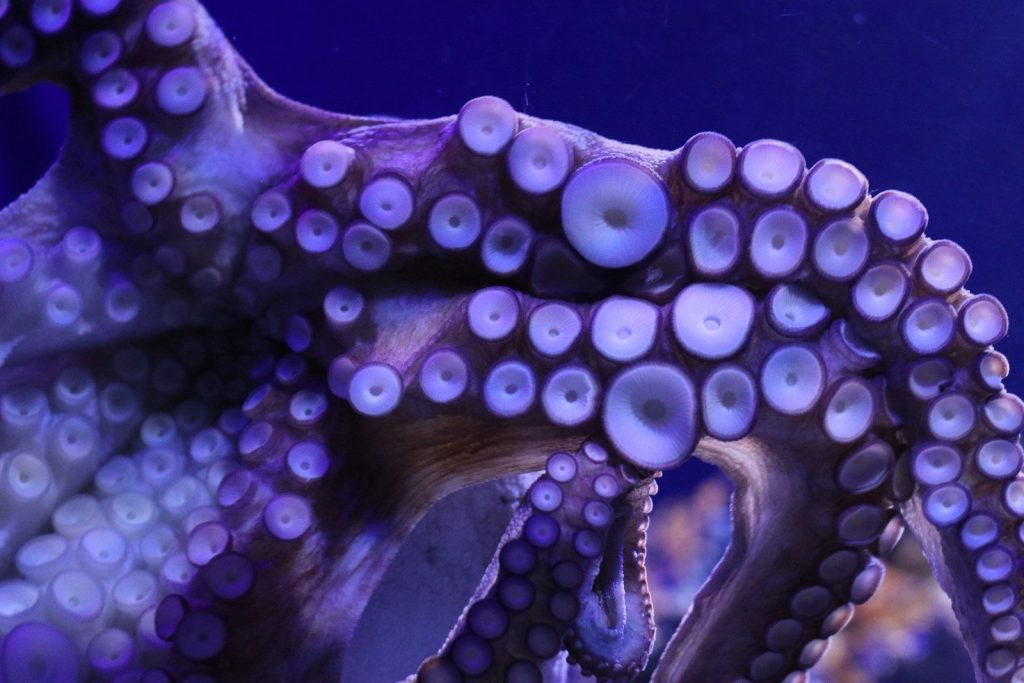
Biological octopuses maneuver smoothly through complex underwater terrain using flexible arms with suckers. According to engineering researchers at Virginia Tech, natural octopus tentacles handle delicate objects with ease. Nature guides design. Soft tissues allow the animal to wrap around irregular shapes without crushing them. But replicating that organic flexibility required novel materials.
Soft Robotic Octopus Arm

Roboticists created a soft synthetic arm lined with microactuators and flexible suction cups. According to study findings in Advanced Materials, the arm bends dynamically across multiple directions. Movement is smooth. The soft structure shapes itself around smooth glass or rough stone effortlessly. Yet gripping objects represents only half of the biological design challenge.
Robotic Arm Optical Pressure Sensors
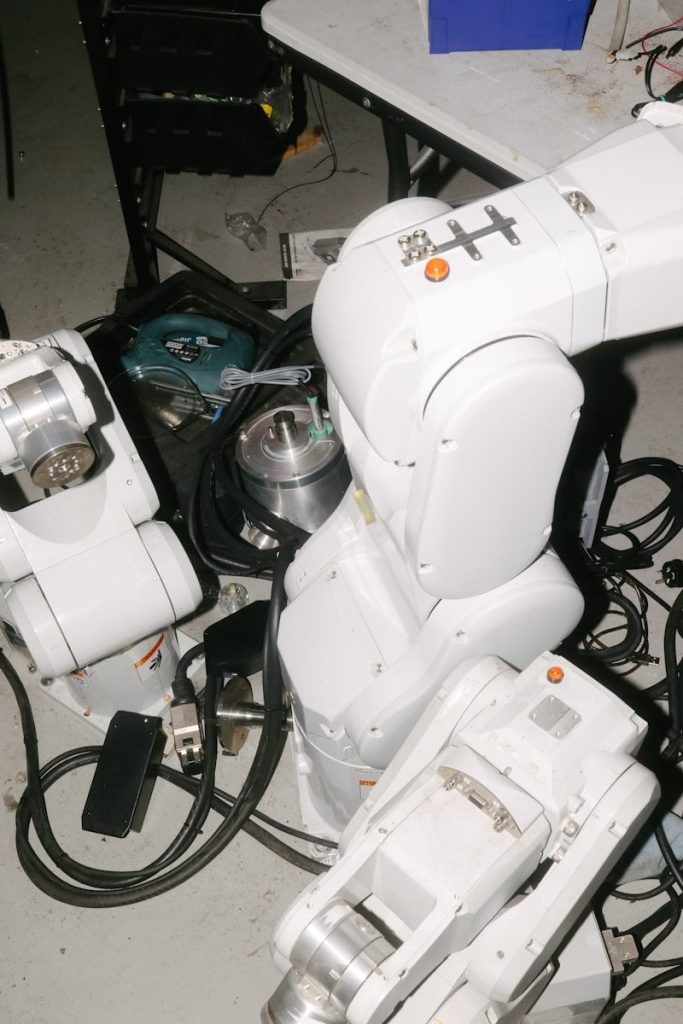
The robotic arm integrates optical and pressure sensors directly into its soft rubber skin. According to robotics reports from Beihang University, these sensors detect surface texture and distance in real time. Feedback is instant. The machine senses target objects before suction cups engage physical contact. And that sensory awareness operates across contrasting working environments.
Underwater Soft Robotic Arm

Switching from open air to underwater settings usually disrupts electronic sensing equipment. According to marine engineering tests, the octopus-inspired arm adapts fluid pressure automatically. Transition is seamless. Microfluidic channels adjust internal suction forces based on environmental medium density. But how strong can a soft rubber tentacle actually be?
Soft Robotic Arm Holding Egg
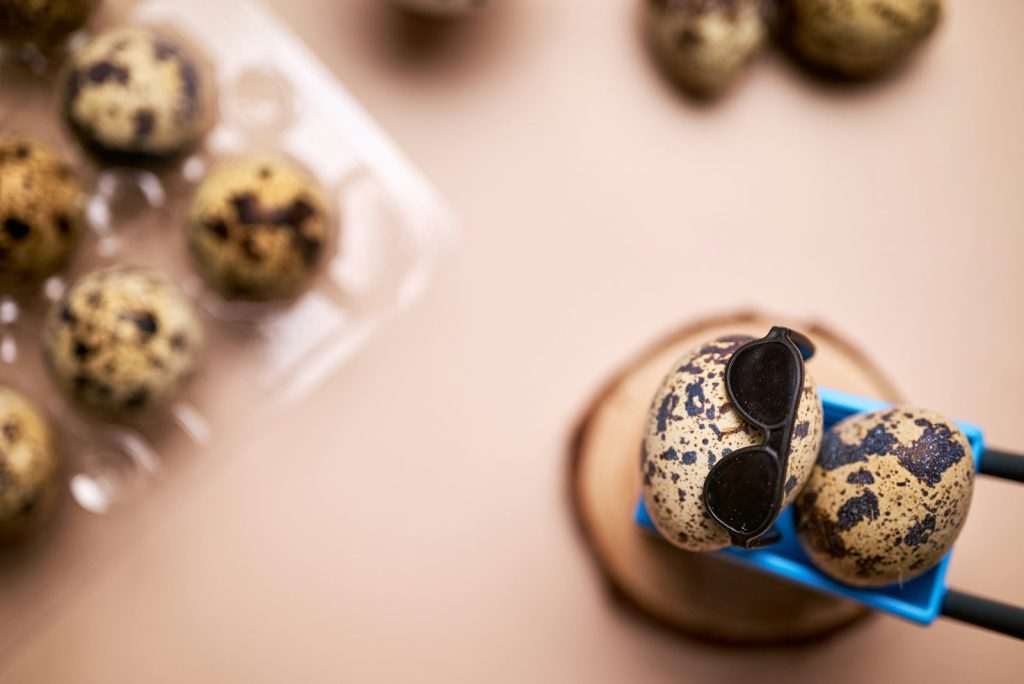
Laboratory trials proved the soft arm can lift delicate items like eggs alongside heavy metal tools. According to published test metrics, individual suction nodes maintain secure attachment without damaging surfaces. Power meets precision. The gentle touch prevents structural damage to delicate scientific samples. And this versatility holds great promise for practical industry applications.
Underwater Subsea Coral Reef Exploration

Subsea construction and marine biology research require tools that operate safely in rough waters. According to oceanography engineers, soft robotic appendages reduce collision risks near delicate coral reefs. Safety comes first. Divers and remote submersibles can collect marine samples without causing environmental harm. Yet developers continue refining the technology for broader industrial adoption.
Bio Inspired Soft Robotics Technology
Combining bio-inspired design with advanced sensors expands what autonomous robotic systems can achieve. According to lead development engineers, soft octopus arms could soon assist in hazardous search missions. Technology advances rapidly. Biomimicry continues reshaping modern engineering across land and ocean frontiers. This article is for informational purposes only.
Featured Image: Shutterstock
Leave a Reply