
Most people believe we have already mapped every corner of ancient Pompeii. We assume that decades of digging have revealed all the secrets of this lost city.
But a mysterious stone staircase has completely changed our understanding of the ruins. State-of-the-art scanning technology has just exposed a vanished world hidden in plain sight.
The Staircase To Nowhere
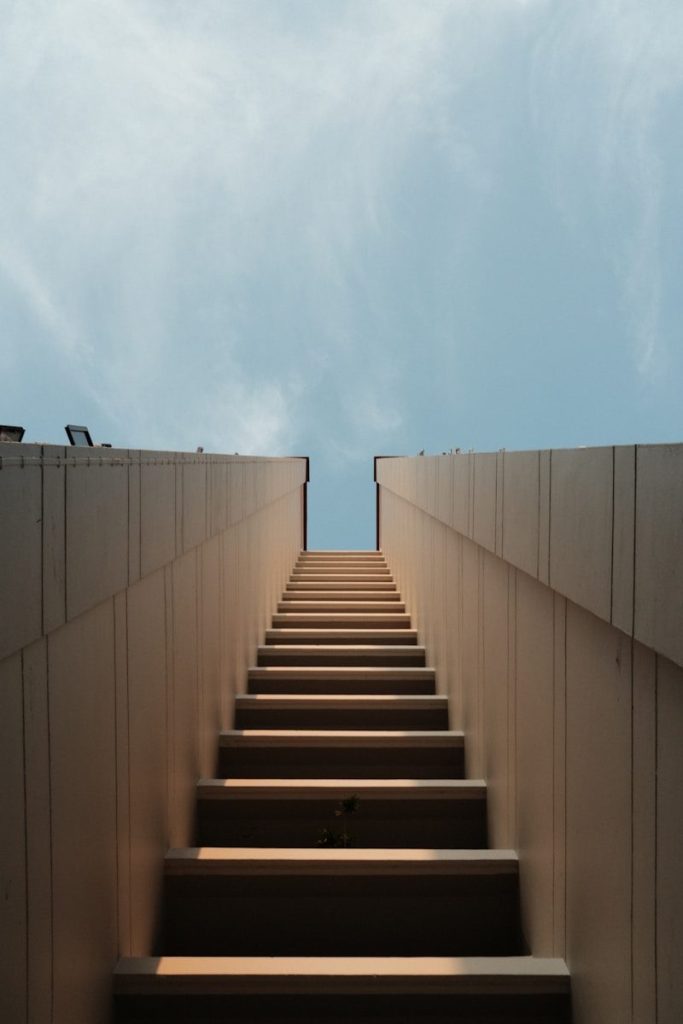
Archaeologists working in Pompeii were puzzled by a massive stone staircase in the House of Thiasus. According to the Pompeii Archaeological Park, the wide steps led directly into a broken, empty wall. It was strange. Ground-level excavations offered no clues as to why this structure existed. But researchers decided to use modern virtual technology to look up instead of down.
Scanning The Invisible Ruins

A joint research team decided to build a highly detailed digital twin of the entire villa. According to Humboldt University of Berlin, scientists used drone laser scanners to measure every surviving millimeter. It was precise. This virtual map allowed them to test structural models of what the building looked like before the disaster. But the digital model quickly revealed something completely unexpected.
The Sky High Discoveries

The computer simulation showed that the stairs were not a design mistake. According to the research project, the steps once connected to a massive forty-foot tower rising above the villa. It was massive. This reveals that Pompeii was actually a highly vertical city with towering structures. But these luxury towers were built for a very specific, surprising purpose.
Advanced Digital Testing Revealed

Advanced digital testing revealed a lavish dining room at the top of the tower. According to architectural experts, this room featured large windows designed to offer panoramic views of the sea. It was elite. Guests could dine while gazing at the stars or watching the sunset over the bay. However, this vertical lifestyle was reserved for a select few.
Historians Previously Assumed
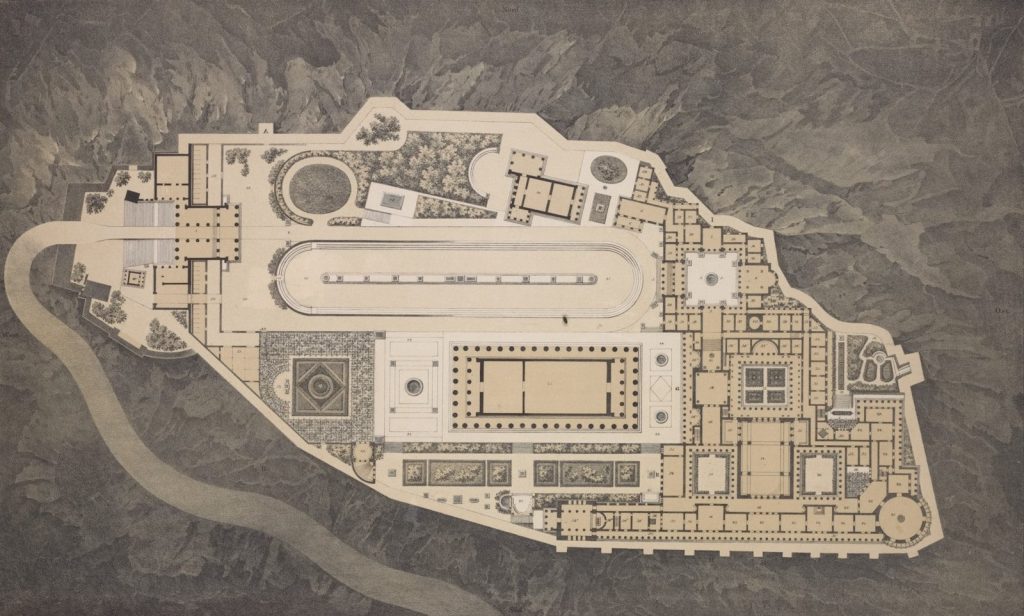
Historians previously assumed that upper floors were only used as cheap quarters for servants. According to the study, these tower rooms were actually status symbols built by Pompeii’s elite politicians. They were rich. These towering residences showed off wealth and dominance to everyone walking the streets below. But this grand vertical world was about to face a sudden, catastrophic end.
When Mount Vesuvius

When Mount Vesuvius erupted in the year 79, heavy layers of volcanic rock collapsed these top structures. According to volcanology studies, the intense heat and ash completely pulverized the upper levels of the city. It was tragic. While the ground floors were preserved, the vertical skyline vanished from history. But this new digital breakthrough is opening up fresh targets for archaeologists.
A New Virtual Future

Researchers are now scanning adjacent streets to reconstruct entire ancient neighborhoods in three dimensions. According to scientific reports, digital twins will soon bring more of lost Pompeii back to life. History is reborn. This article is for informational purposes only.
Featured Image: Photo by Mert Çelik on Pexels
Leave a Reply