Most historians assume that all ancient Egyptian temples followed a strict linear grid. We expect to find rectangular halls and sharp straight corridors in these ruins.
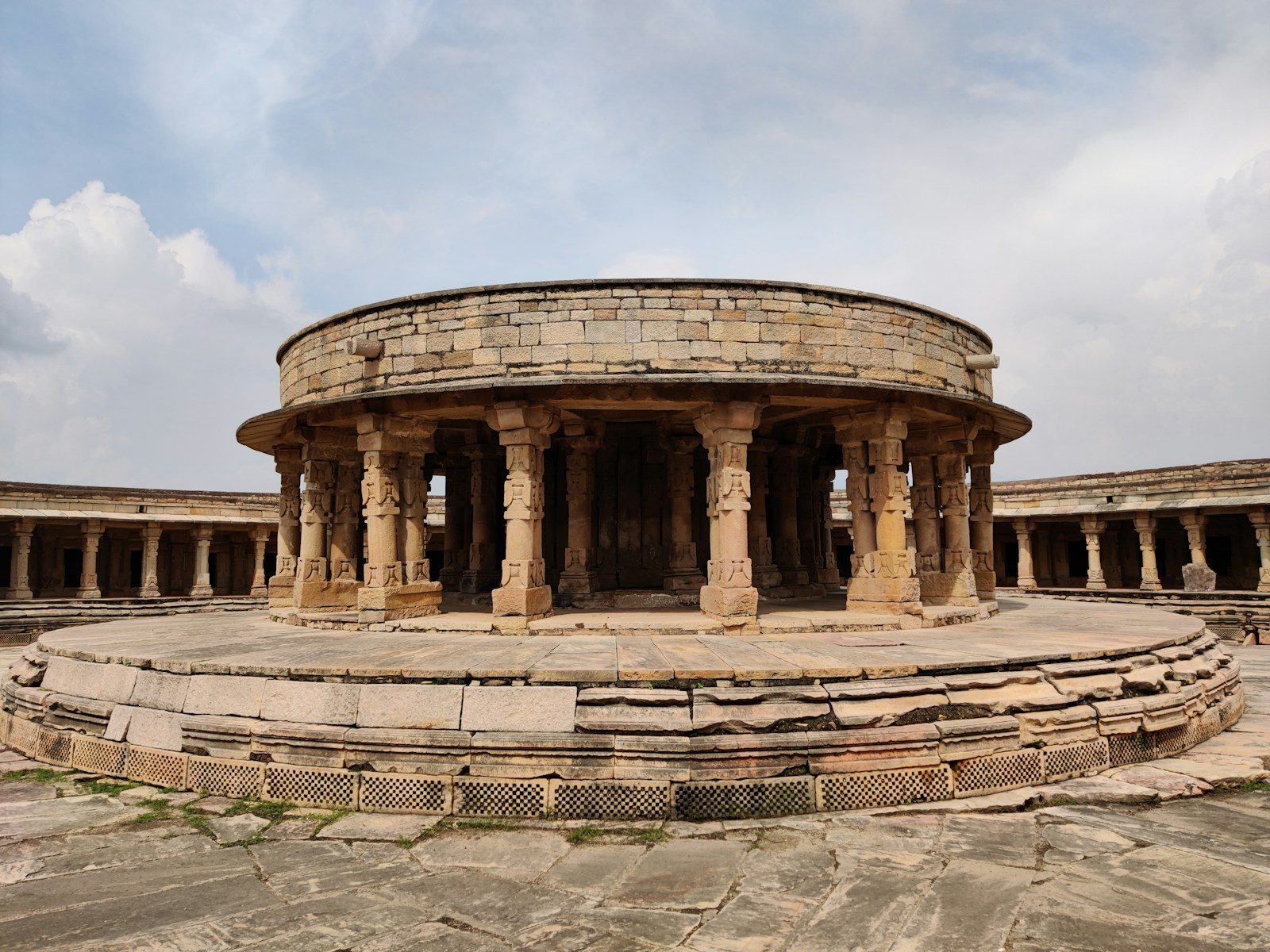
But a stunning new find in the desert is challenging these traditional ideas. Archaeologists just uncovered a mysterious circular shrine that breaks every rule of Nile architecture.
The Mysterious Desert Circle

Excavations at the ancient city of Athribis revealed a highly unusual stone structure. According to the Egyptian Ministry of Antiquities, the building features a perfectly round foundation. It was incredibly weird. Nobody expected to find curved walls in a sacred ritual space. This layout hints at a completely different kind of worship than scholars previously believed.
Worshipping The Cosmic Order

Circular temples usually point to astronomical tracking or specific stellar alignments. According to the excavation team, the builders aligned the entryway with the rising sun during key seasonal shifts. The sky dictated everything. Worshipers gathered inside this curved space to watch the alignment of the heavens. But researchers soon found signs that these ceremonies had a darker purpose.
Traces of Ancient Rituals
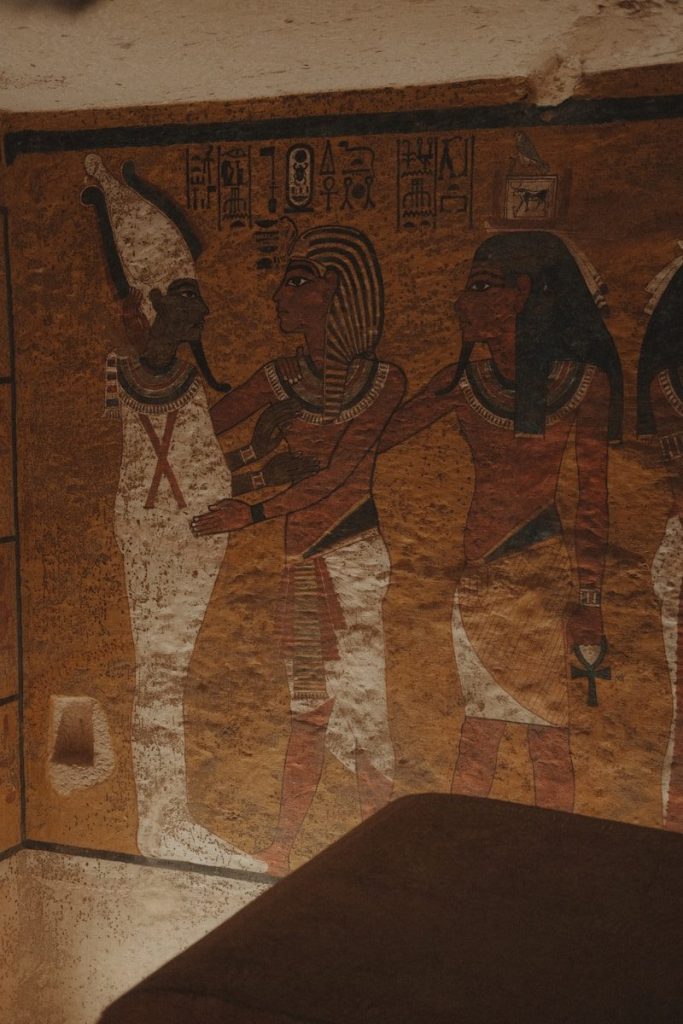
Deep within the circular inner chamber, scientists located thick layers of ash and broken ceramic vessels. According to laboratory analysis, these jars once held expensive imported wines and animal offerings. They were highly valuable. These items suggest the elite class frequented this remote shrine. Yet the structure held an even greater surprise hidden beneath its floor.
A Royal Connection Exposed
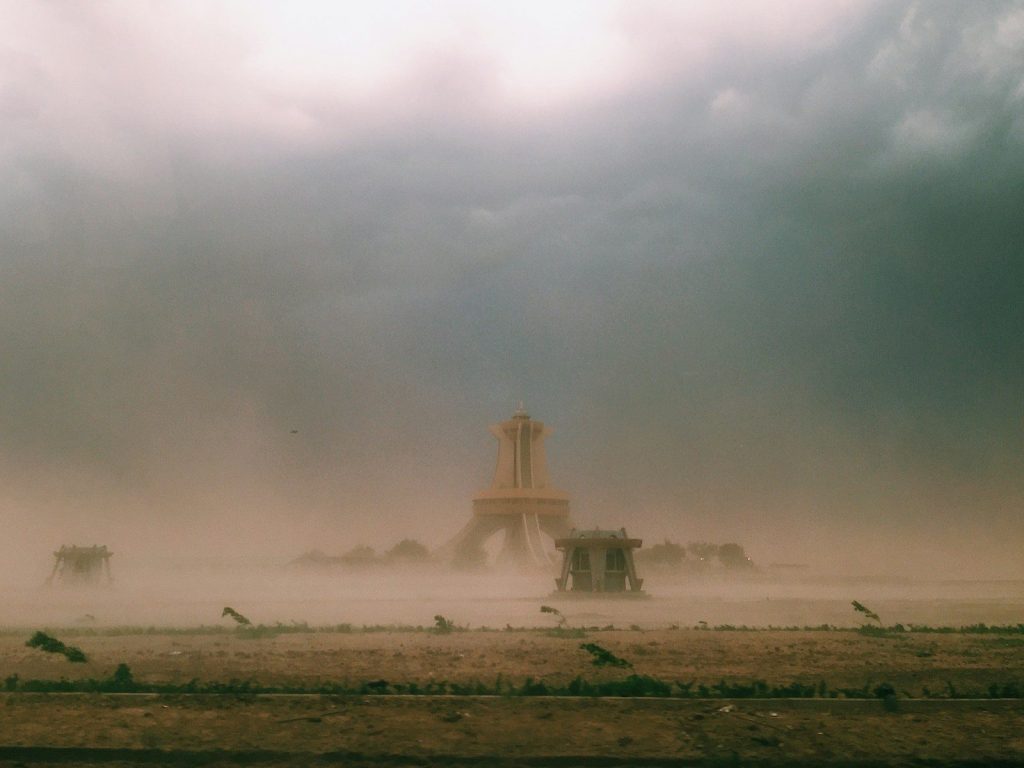
Stone carvings along the foundation mention a famous ruler from the Greek dynasty of Egypt. According to historical records, Ptolemy IV funded major building projects to gain support from local priests. He needed their loyalty. Placing a round temple here was a bold political move. But this strategic building also served a very practical function in the desert.
Surviving The Harsh Elements
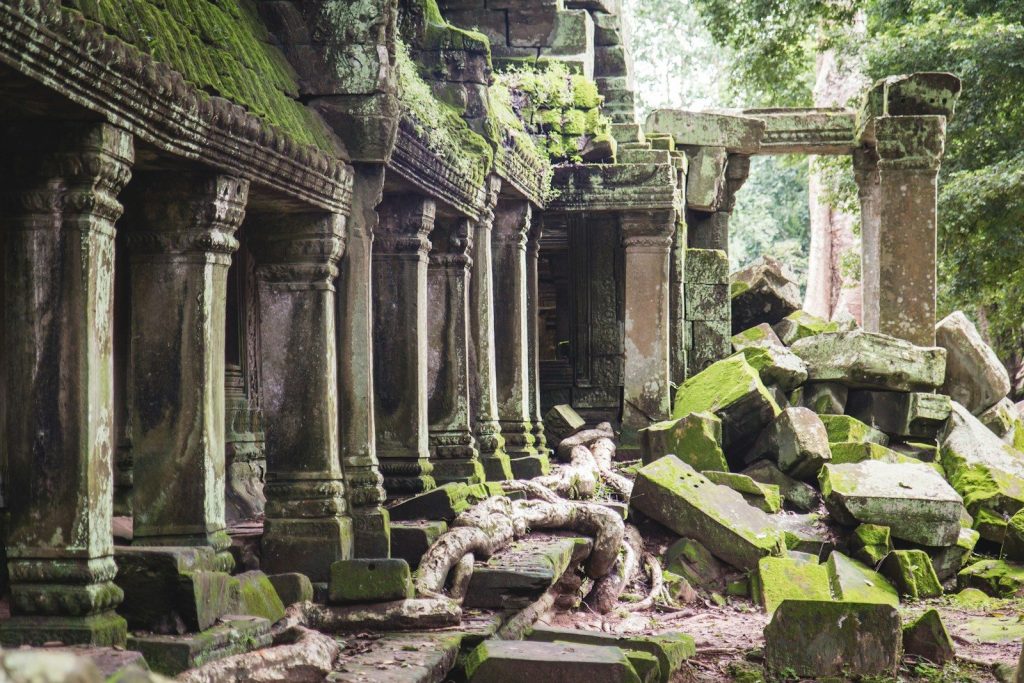
The desert winds in this region can easily destroy standard flat walls over centuries. According to architectural models, the circular shape naturally deflected strong dust storms and preserved the interior. It was pure genius. The ancient builders used aerodynamics long before the science had a name. However, the site was eventually abandoned for a mysterious reason.
The Sudden Final Silence
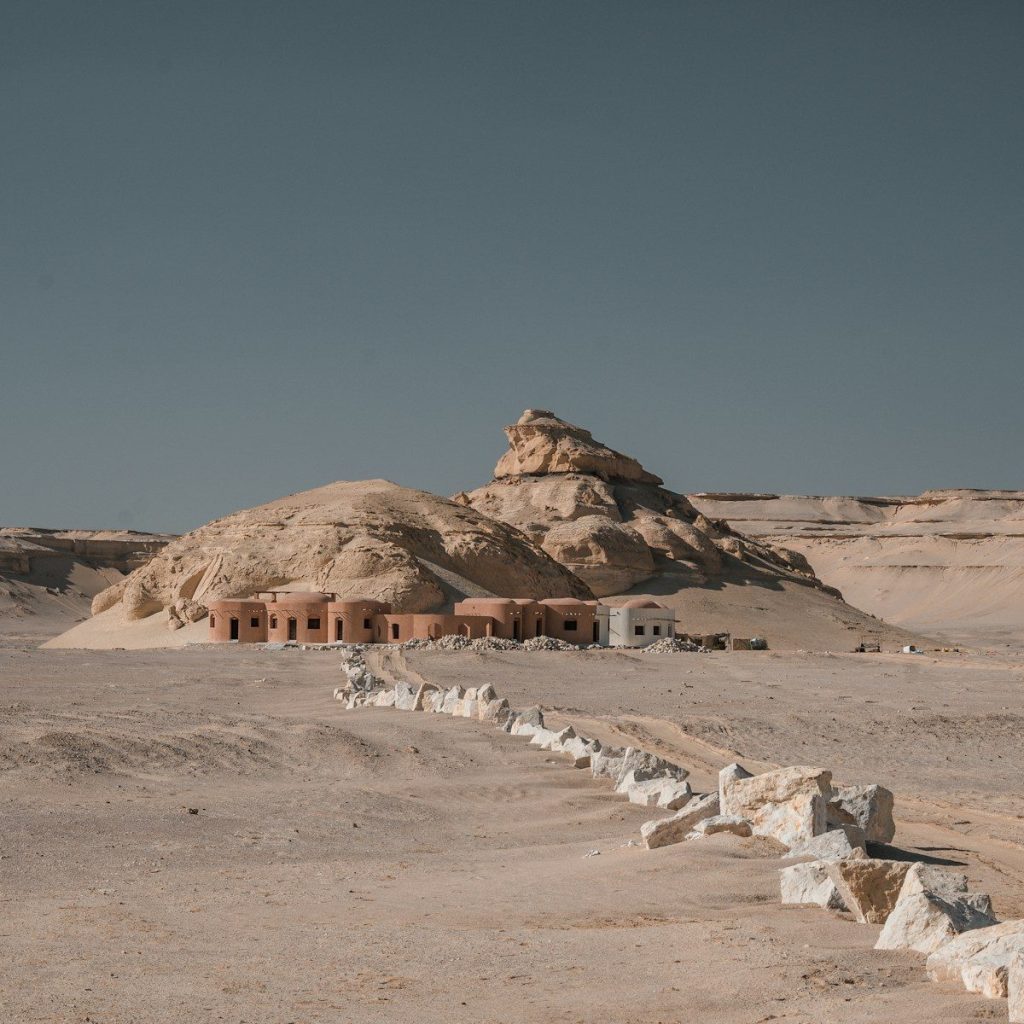
Around two thousand years ago, all activities at this round temple stopped abruptly. According to regional geological surveys, a massive earthquake shook the delta and cracked the heavy foundation. Everyone fled the site. The priests left behind their ritual tools and never returned to rebuild the shrine. Yet this ancient disaster preserved a priceless snapshot of the past.
The Shifting Historical Picture
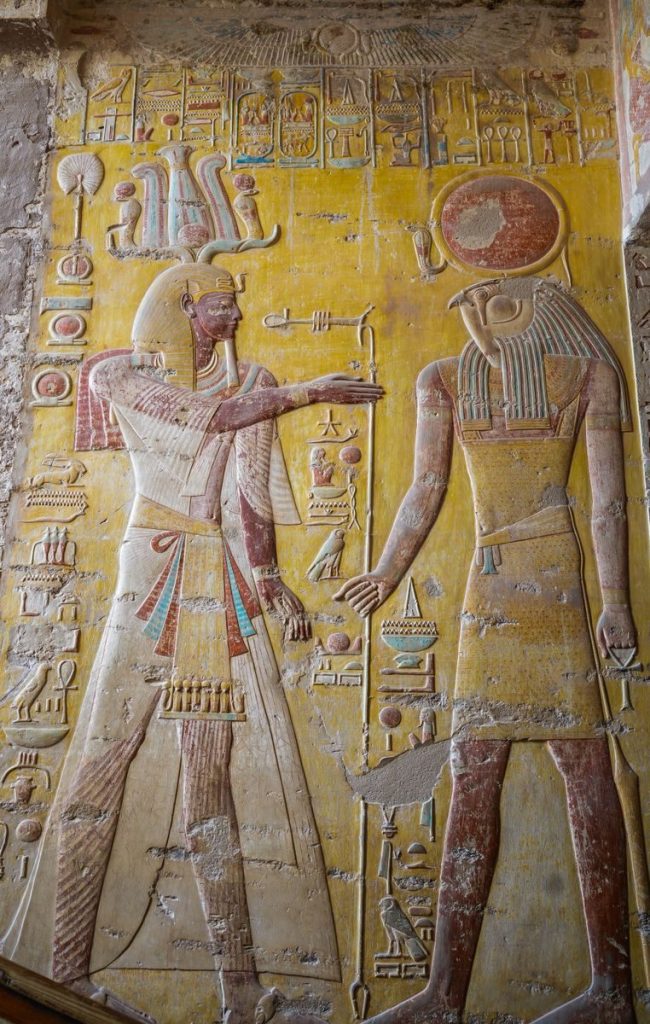
This round temple proves that ancient builders were far more experimental than we think. According to modern researchers, Egyptian architecture was constantly evolving to match new cultural ideas. They were highly adaptive. This article is for informational purposes only and does not constitute scientific or professional advice.
Featured Image: Photo by Prateek Srivastava on Unsplash
Leave a Reply