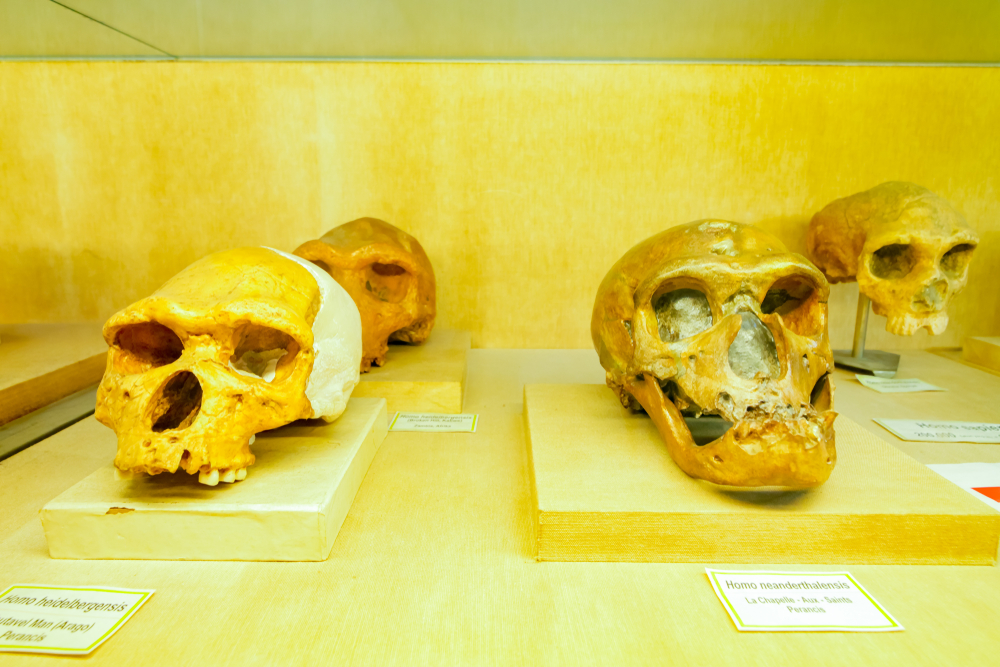
Flores Island is home to one of paleoanthropology’s strangest discoveries: Homo floresiensis, a small-bodied human relative nicknamed the “hobbit.” Its fossils are real, but the claim that living members still hide near local communities is not established science. The newest evidence continues to describe an ancient lineage, not a verified surviving population.
Homo Floresiensis Hobbit Skeleton Evidence
Anthropologist Gregory Forth has argued that Indigenous reports of small, upright, hairy beings deserve investigation. Those accounts are culturally important, yet researchers have found no recent bones, DNA, photographs, bodies, tracks, or other physical evidence connecting them to Homo floresiensis. Current scientific evidence therefore treats the species as fully extinct.
Liang Bua Cave Archaeological Excavation

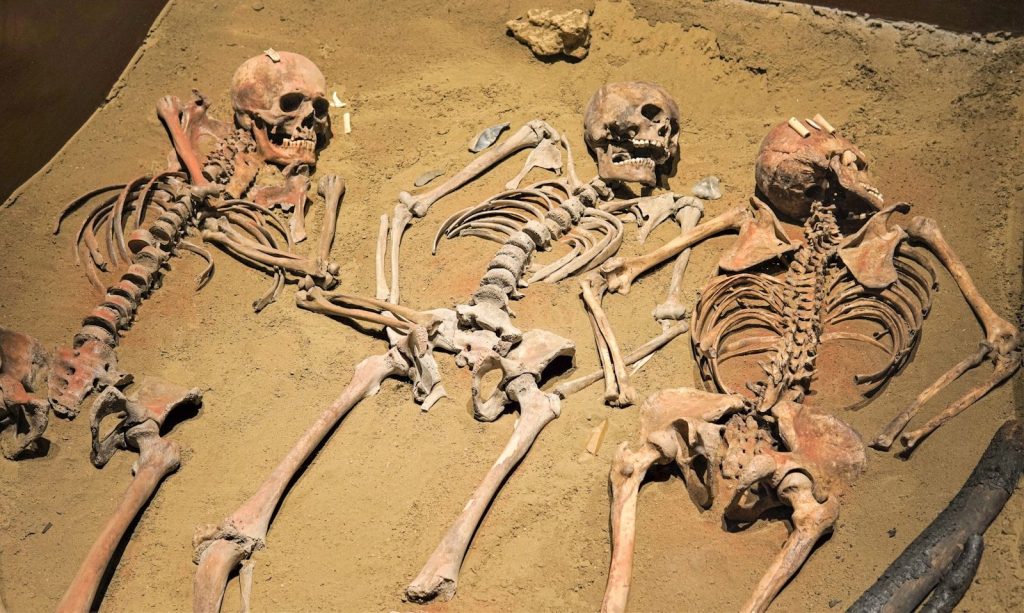
The first widely reported Homo floresiensis remains were excavated at Liang Bua cave in 2003. The best-known individual, LB1, had a small brain, short stature, and a mixture of anatomical features unlike modern people. Fossils from the cave date to roughly 100,000 to 60,000 years ago, while associated stone tools continue to about 50,000 years ago. The discovery showed that several kinds of humans survived surprisingly late in Southeast Asia in prehistory.
Ancient Dwarf Hominin Fossil Humerus

A 2024 Nature Communications study strengthened the idea that the Flores lineage had been extremely small for a very long time. Researchers described an adult upper-arm bone from Mata Menge, dated to about 700,000 years ago, that was smaller than any other known adult hominin humerus. The team concluded that Homo floresiensis most likely descended from an early Asian Homo erectus population that became dramatically smaller after generations of island isolation there for millennia.
Flores Island Local Villagers

Forth’s argument centers on reports from Flores residents describing a small, upright creature sometimes called lai ho’a. He began collecting such accounts before the fossil discovery became public, which makes the tradition anthropologically interesting. However, stories and eyewitness memories can preserve cultural beliefs, misidentifications, or descriptions of unknown animals without proving a fossil species survived. Scientific identification requires physical material that can be independently examined, dated, and compared with known Homo floresiensis remains by specialists.
Anthropologist Examining Fossil Bones
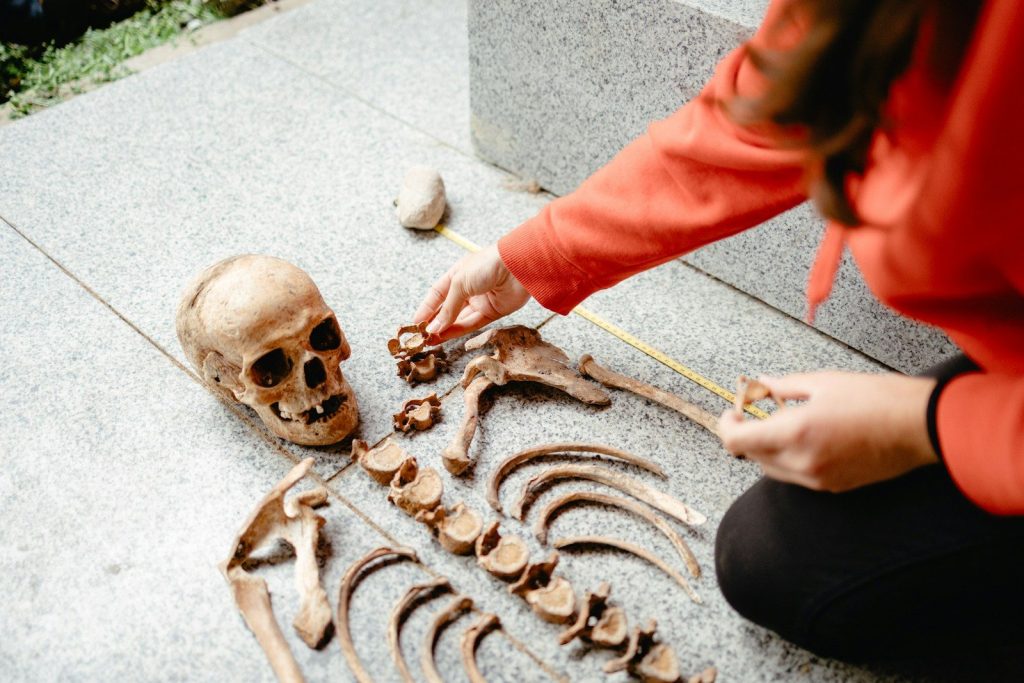
A hidden breeding population would be expected to leave more than occasional reports. Researchers would look for fresh bones, teeth, hair, feces, tools, feeding sites, clear images, or environmental DNA. None has been verified as belonging to a surviving non-sapiens human on Flores. The island is rugged, but it is also inhabited and scientifically studied. That does not make discovery impossible; it means the living-hobbit claim currently lacks the evidence needed to overturn the extinction record.
Prehistoric Dwarf Stegodon Fossil
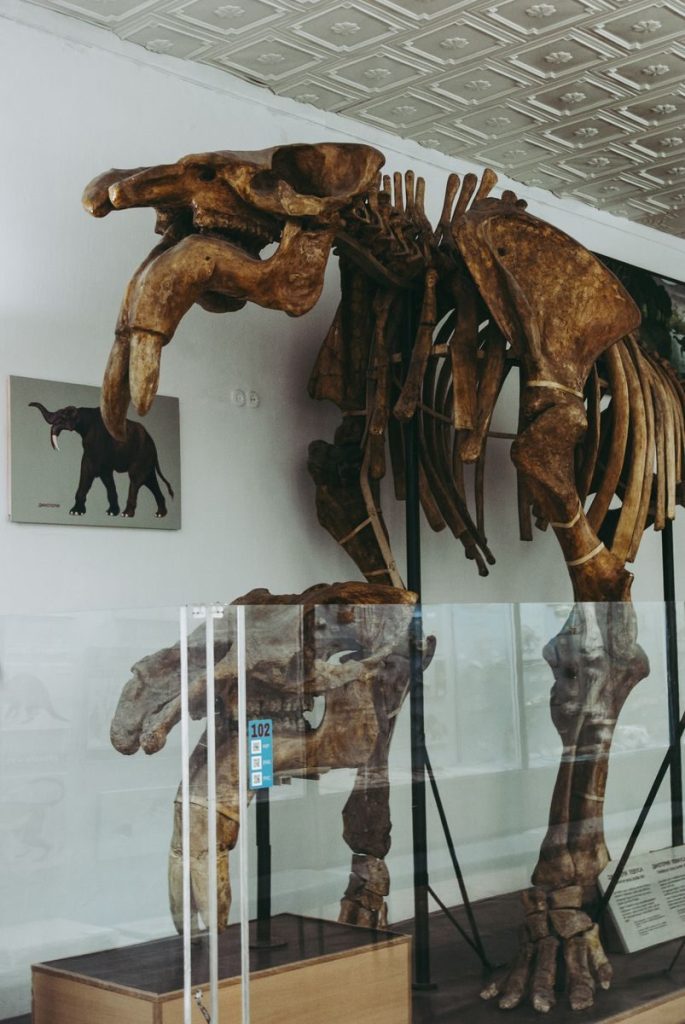
At Liang Bua, Homo floresiensis disappears from the dated archaeological sequence around 50,000 years ago, close to the last appearance of the island’s dwarf Stegodon. A 2025 climate study found that summer drying began around 61,000 years ago and may have reduced reliable freshwater and food resources. Modern humans were also spreading through the region, but scientists have not proved a single extinction cause. Climate stress, ecological change, volcanic activity, and competition remain possible contributors.
Dense Tropical Rainforest Island

The youngest known fossil does not necessarily mark the exact day a species vanished. Fossil records are incomplete, and small populations can survive longer than the latest remains currently found. Even so, a gap of about 50,000 years is enormous. Extending Homo floresiensis into the present requires positive evidence, not simply the possibility that undiscovered fossils exist. Future excavations may refine the extinction date, but they cannot confirm modern survival without recent, testable biological remains.
Anthropologist Researching Human Evolution

The most accurate conclusion is that Homo floresiensis was a genuine, long-lived human species that survived on Flores until roughly 50,000 years ago. Claims that it lived beside present-day islanders are a minority hypothesis based on oral reports rather than verified specimens. Respecting local knowledge and applying strict scientific standards are compatible. Researchers can document the stories seriously while remaining clear that, as of 2026, no accepted evidence demonstrates living “hobbit humans” on Flores. This article is for informational purposes only.
Featured Image: Shutterstock
Leave a Reply