
For decades, the fossils at Dmanisi in Georgia have supported the view that an early form of Homo erectus was the first known human relative to spread beyond Africa. A 2025 dental study now argues that the site may contain two distinct hominin taxa, making the earliest migration into Eurasia more complicated than one species moving once.
The research does not prove that an australopith like Lucy left Africa, nor does it conclusively remove Homo erectus from the story. It found unusually different tooth patterns among three Dmanisi individuals. The authors interpret that diversity as evidence of separate lineages, but other researchers may still explain it through variation within a single species.
Prehistoric Hominin Skull Fossils Excavation
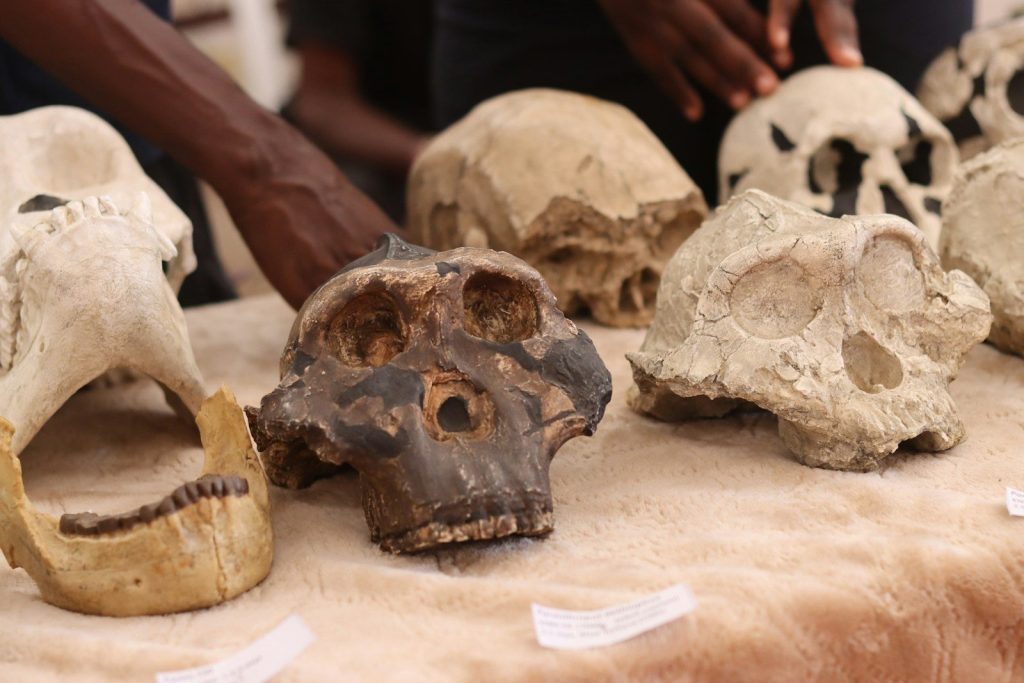
Dmanisi lies in the Caucasus at a natural crossroads between Africa, Europe, and Asia. Excavations have produced five remarkably complete hominin skulls, jaws, stone tools, and animal remains dating to about 1.8 million years ago. These are among the oldest widely accepted hominin fossils outside Africa. Their small brains and varied facial shapes have made classification difficult. Depending on the researcher, they have been called early Homo erectus, Homo georgicus, or a highly variable population near the base of Homo.
Fossil Hominin Tooth Crown Measurement
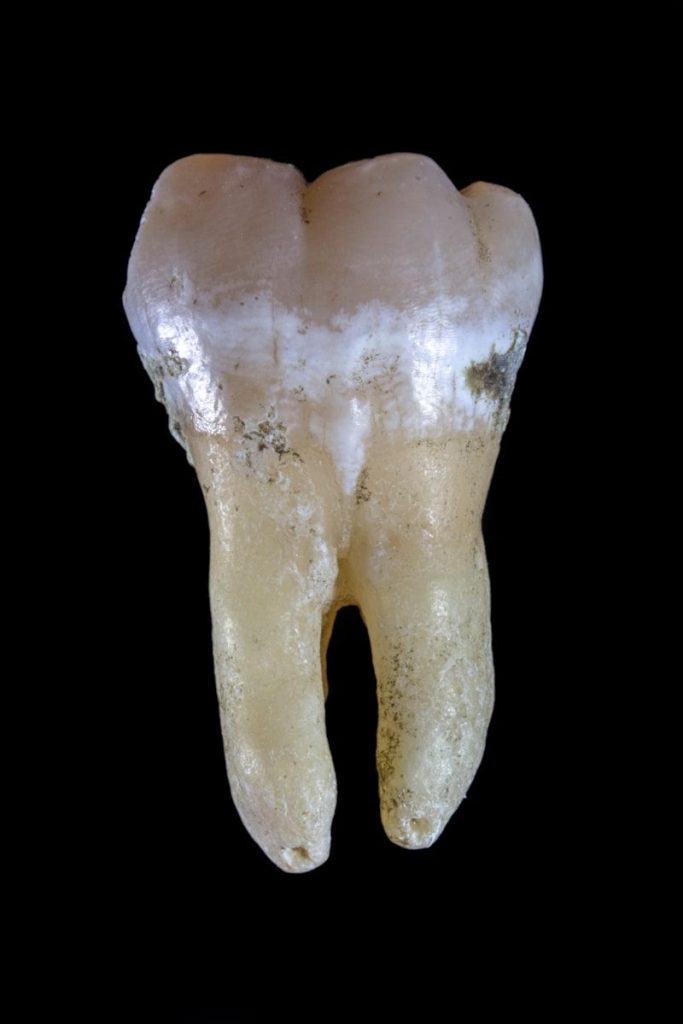
The new PLOS ONE study focused on the dental crown area because teeth preserve well and retain useful evolutionary signals. Researchers examined three Dmanisi individuals with suitable teeth and compared them with a dataset containing 583 fossil teeth from numerous hominin species. They used statistical classification to measure affinities in premolars and molars. This method cannot reconstruct an entire evolutionary tree by itself, but it can test whether the individuals resemble one another as closely as members of a single expected group.
Fossil Hominin Molars Premolars Comparison
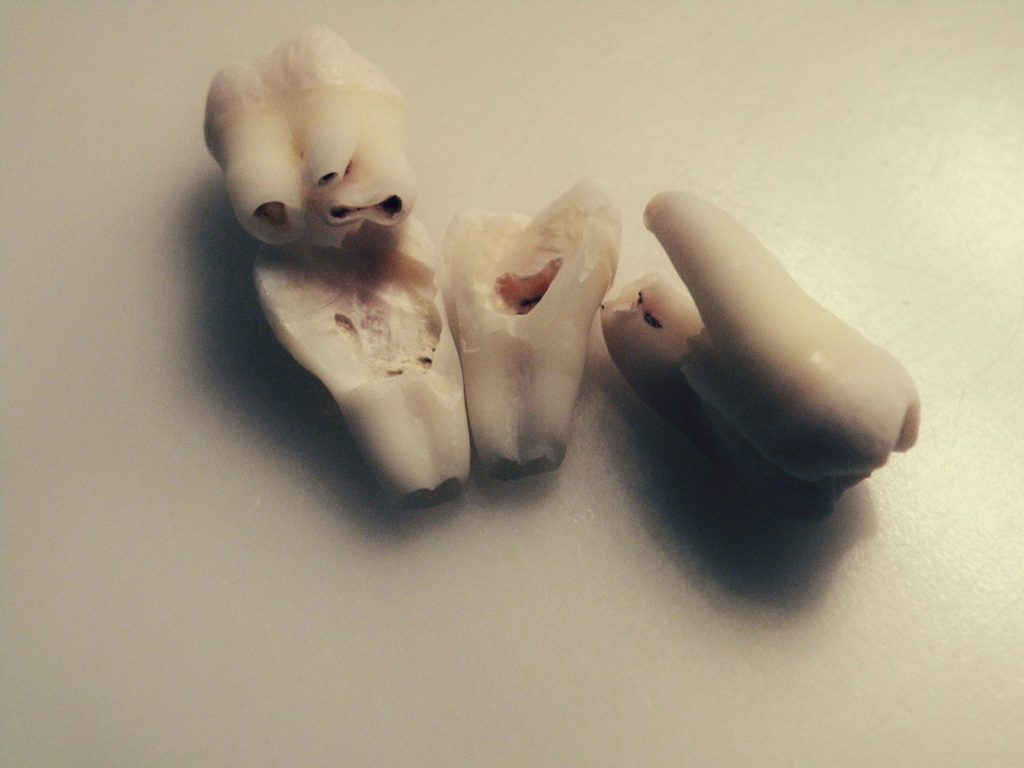
One individual, represented by skull D4500 and jaw D2600, showed strong similarities to australopiths in its upper postcanine teeth, including a relatively large third molar. Two other individuals, D2282-D211 and D2700-D2735, aligned more closely with early members of Homo. The authors argue that the split supports two taxa previously proposed as Homo georgicus and Homo caucasi. The labels remain debated and are not universally accepted additions to the human family tree at the site overall.
Human Evolution Taxa Diversity Chart
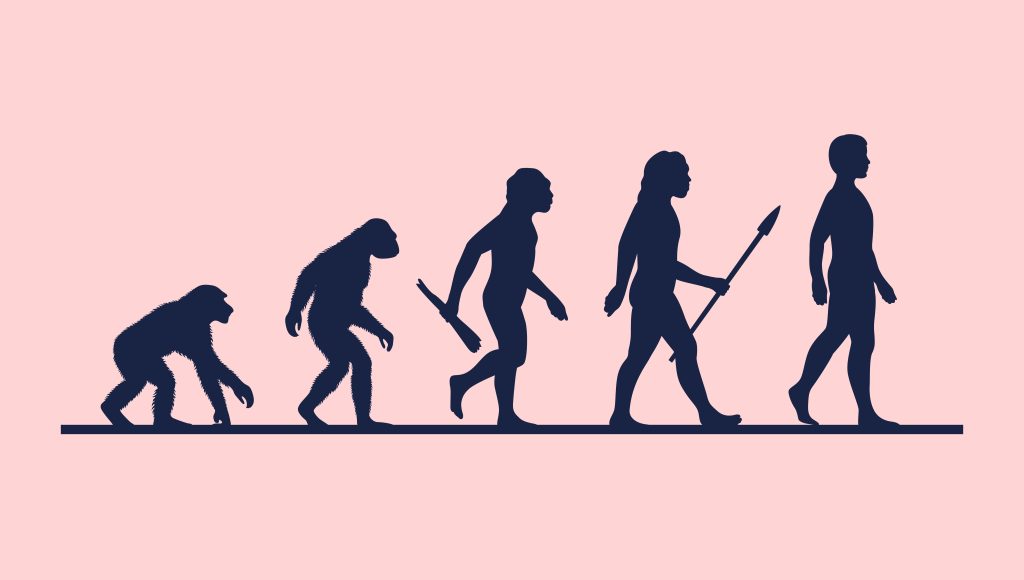
A long-standing alternative is sexual dimorphism: males and females of one species can differ greatly in body and skull size. The study compared Dmanisi tooth-size ratios with chimpanzees and gorillas and found that the differences could fit one species only if it had ape-like levels of dimorphism. Importantly, the authors acknowledged that their crown-area test could not reject the single-species explanation. They nevertheless considered two taxa more parsimonious because the contrast involved tooth proportions as well as overall size.
Prehistoric Human Migration Map Eurasia

The traditional model places Homo erectus in East Africa by about 1.9 million years ago and at Dmanisi roughly 1.8 million years ago, followed by expansion deeper into Asia. If two lineages really coexisted in Georgia, their ancestors may have separated before reaching the site and adapted independently elsewhere in Eurasia. That possibility would replace a single pioneering population with several early dispersals or branches. However, the study did not formally test when those lineages separated or identify their exact African ancestors.
Australopithecus Afarensis Skeleton Fossil
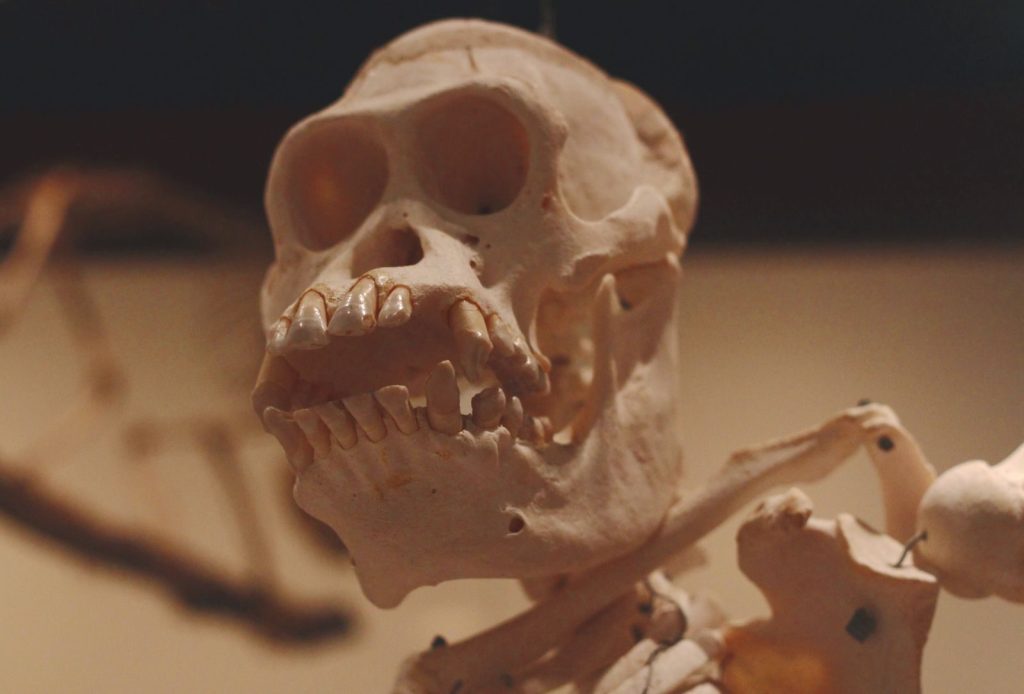
The australopith-like dental pattern does not mean the individual was an Australopithecus that walked out of Africa. Study author Victor Nery said the results instead fit early Homo forms intermediate between Homo habilis and Homo erectus while retaining older dental traits. Similarity in tooth dimensions can reflect shared ancestry without proving species identity. Stronger conclusions would require more fossils, detailed comparisons of the whole skeleton, better dating at additional sites, and ideally biomolecular evidence, although DNA is unlikely to survive at this age.
Early Human Ancestor Fossil Analysis

The safest conclusion is that Dmanisi preserves more evolutionary diversity than a simple textbook migration suggests. The 2025 study strengthens the case for two coexisting forms, but it does not settle a debate that has continued since the fossils were discovered. Homo erectus remains central to the earliest accepted expansion beyond Africa, while a more primitive early Homo lineage is now a serious possibility. Future discoveries across Africa and western Asia will determine whether the first journey involved one species or several. This article is for informational purposes only.
Featured Image: Photo by NEOSiAM 18+ on Pexels
Leave a Reply