
Most history lovers assume that archaeologists have already mapped every single chamber and tunnel near the famous pyramids. We believe that centuries of digging have left no secrets hidden beneath Giza.
But a team of modern researchers using advanced scanner technology has made a shocking discovery. A massive underground anomaly is hiding in a graveyard that sat empty for thousands of years.
The Empty Graveyard Discovery

Archaeologists were mapping the Giza Plateau when they focused on a flat sandy area known as the Western Cemetery. It was quiet. According to historical records, this region was used to bury elite members of the royal family. Most experts assumed the empty sand was completely barren. But a deep scan of the earth was about to shatter this assumption.
Scanning Through Solid Ground

Instead of using heavy shovels, the research team used ground-penetrating radar to peek beneath the desert sands. The ground spoke. According to studies published in Archaeological Prospection, the scanner revealed a highly unusual L-shaped structure buried deep in the ground. This shape was far too precise to be a natural rock formation. But these initial radar images raised more questions than answers.
An Unnatural L-Shaped Design

The radar scans showed a massive structure spanning over thirty feet in length and filled with dense materials. It was massive. According to reports from Higashi Nippon International University, the structure is buried up to six feet deep and appears to be artificially constructed. This precise layout looks like a deliberate entrance or a defensive barrier. But the dark space directly beneath this structure holds an even bigger mystery.
The Deep Dark Void
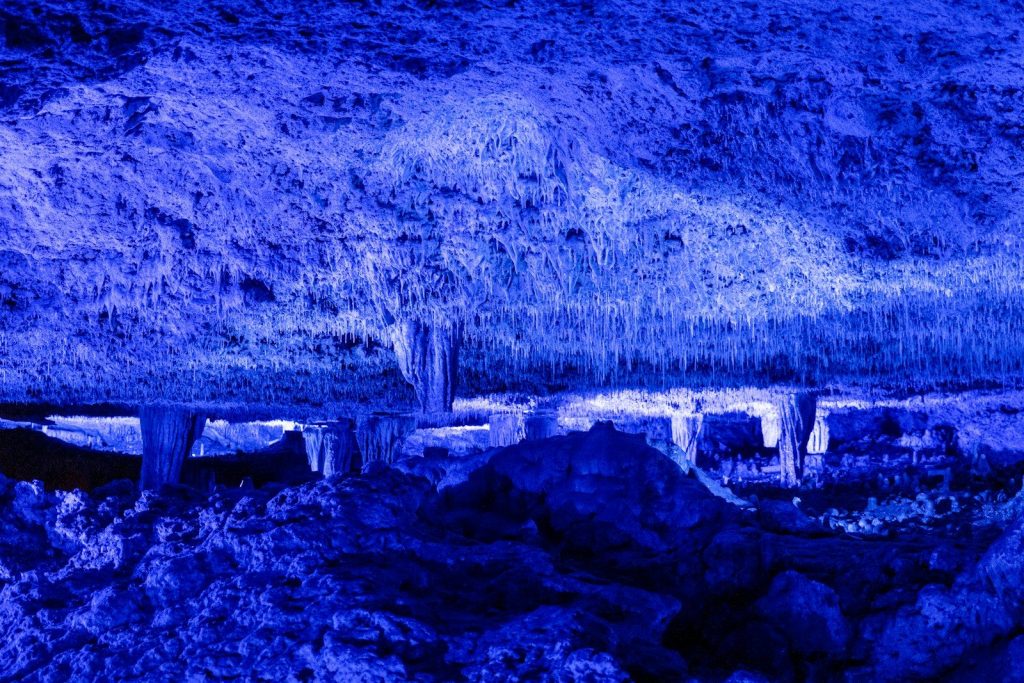
Directly below the L-shaped anomaly sits a second much larger chamber that goes even deeper into the earth. It is dark. According to geophysical measurements, this lower void sits over thirty feet deep and remains completely sealed off from the outside world. This suggests the upper structure was built specifically to block access to this cavern. But determining who sealed this chamber is a difficult puzzle.
The Builders Of Giza

During the Old Kingdom era, Egyptian builders possessed highly advanced construction techniques that allowed them to shape Giza. They were masters. According to reports from the Egyptian Ministry of Tourism and Antiquities, these builders often used buried shafts to protect the tombs of important figures from grave robbers. This practice might explain the double-layered design of the newly found anomaly. But what lies inside the void remains a mystery.
Sand-Filled Secret Vaults
The scanner data shows that the upper structure was deliberately filled with sand to pack the space tightly. It was sealed. According to archaeological reports, filling chambers with sand was a common technique to prevent structural collapse and keep out intruders. This dense layer has kept the lower void safe for over four thousand years. But a team is preparing a new mission to find the truth.
Drilling For Ancient Answers

To discover what sits inside the sealed void, researchers must drill a tiny hole to insert a fiber-optic camera. The risks are high. According to drilling guidelines from the Giza Archaeological Project, any mistake could damage the structural integrity of the ancient cemetery above. This delicate operation requires absolute precision to avoid destroying precious historical evidence. But this dangerous work could completely rewrite what we know about early Egypt.
Rewriting The Pyramid Era
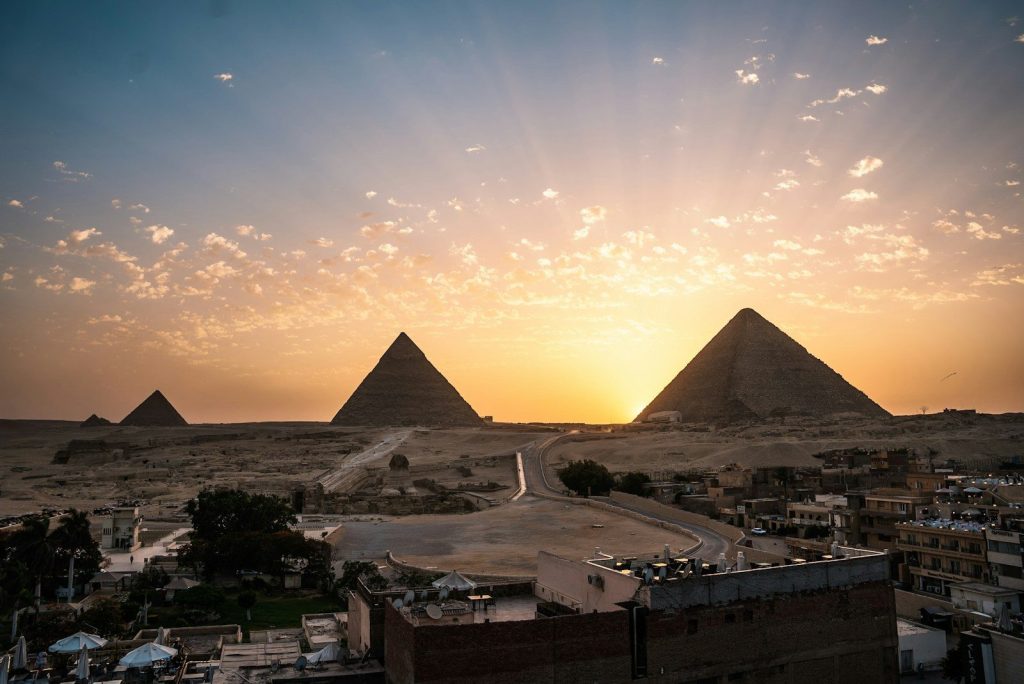
This underground discovery proves that Giza is still holding onto its oldest and deepest secrets. The past lives on. According to global archaeological research groups, finding new monumental structures near the pyramids will force us to rethink how these ancient sites were planned and used. This continuous digging reveals that our history is far from settled. This article is for informational purposes only.
Featured Image: Photo by Matheus De Moraes Gugelmim on Pexels
Leave a Reply