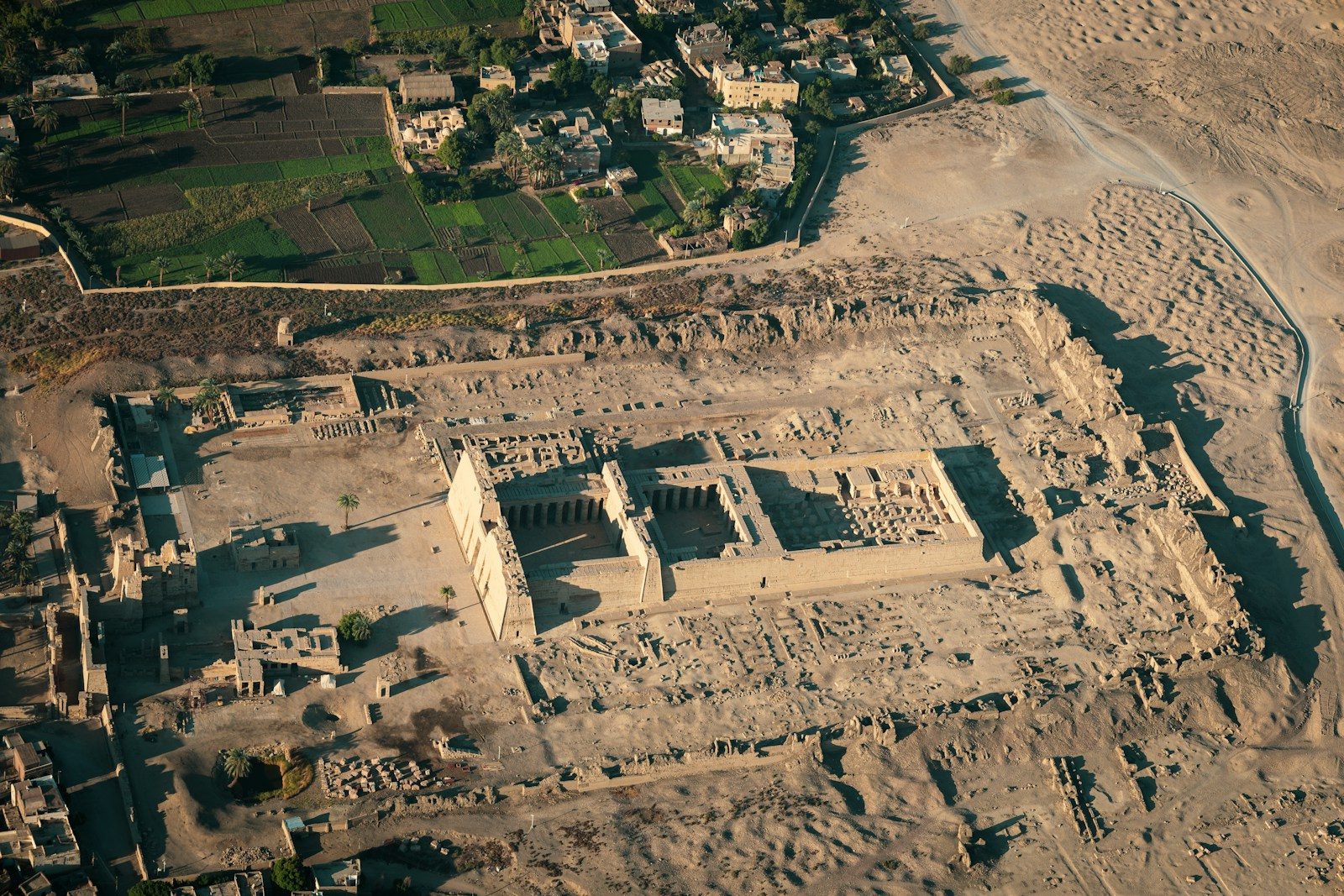
Around 12,600 years ago, Earth was experiencing the Younger Dryas, an abrupt return to colder conditions near the end of the last ice age. Some accounts claim that a comet or asteroid destroyed a civilization containing ten cities. No accepted archaeological evidence currently supports that specific story or identifies such a unified civilization.
The Younger Dryas was real and affected human communities, animals, and vegetation across several regions. A controversial impact hypothesis proposes that fragments of a space object contributed to the environmental disruption. However, researchers disagree over the physical evidence, and most archaeologists do not believe a single event has been shown to erase an advanced ten-city society.
Abrupt Ice Age Climate Shift Glacier

The Younger Dryas began approximately 12,900 years ago and ended around 11,700 years ago. Temperatures dropped sharply across much of the North Atlantic region, interrupting the broader warming that followed the last glacial maximum. Conditions became colder and drier in many areas, although the effects differed around the world. The event lasted more than one thousand years, meaning it was not simply one terrible day. Human communities experienced long-term environmental changes involving rainfall, plants, animals, and available food.
North Atlantic Ocean Water Currents Circulation

The leading explanation involves large quantities of freshwater entering the North Atlantic as ice sheets melted. Freshwater is less dense than salty ocean water and may have weakened the circulation that transports heat northward. A slower Atlantic circulation would have cooled surrounding regions and altered rainfall patterns. Scientists continue debating the precise freshwater route, timing, and sequence of events. Even so, ocean-circulation disruption currently has stronger support than the idea that an extraterrestrial explosion alone caused the entire Younger Dryas climate period.
Natufian Prehistoric Human Settlement Excavation

People living in the eastern Mediterranean included Natufian hunter-gatherers who built substantial settlements, buried their dead, and gathered wild grains. Some communities occupied stone houses and maintained regional exchange networks. These societies were culturally sophisticated, but archaeologists do not classify them as a unified urban civilization containing ten known cities. During the Younger Dryas, some settlements became smaller or were abandoned, while other groups changed their diets and movements. The record shows regional adaptation rather than the simultaneous destruction of one organized state.
Cosmic Impact Asteroid Explosion Atmosphere

The Younger Dryas impact hypothesis was formally proposed in 2007. Supporters argue that fragments of a comet or asteroid exploded in the atmosphere or struck Earth around the beginning of the cooling period. They point to materials including microspherules, platinum, meltglass, and possible nanodiamonds found at some archaeological sites. Critics respond that several markers can form through ordinary geological processes, wildfires or human activity. Researchers have also struggled to reproduce some findings consistently, and no universally accepted impact crater has been identified.
Abu Hureyra Archaeological Site Syria

Abu Hureyra in present-day Syria is frequently included in the debate. Researchers studying material preserved before the site was flooded reported meltglass and other particles that they interpreted as evidence of an intense high-temperature airburst. Other specialists question whether the material proves an extraterrestrial event or can be securely connected to a continent-wide catastrophe. Even if an airburst affected Abu Hureyra, one damaged settlement would not demonstrate that ten cities belonged to a civilization destroyed everywhere at the same moment.
Prehistoric Human Adaptation Gathering

Archaeological evidence suggests that communities responded differently to the colder and drier conditions. Some people became more mobile, while others intensified their use of grains, nuts, small animals, and local water sources. Settlement patterns changed gradually across generations. Certain sites declined, yet human occupation continued throughout the region. These adaptations may have contributed to later experiments with cultivation and permanent settlement. The record therefore describes resilience and cultural change, not the disappearance of humanity or the verified collapse of a forgotten technological civilization.
Gobekli Tepe Megalithic Stone Pillars

Göbekli Tepe is sometimes presented as a surviving monument from a civilization destroyed by the Younger Dryas. Its earliest known monumental structures date to around 9600 BCE, close to the end of the cold period rather than before the proposed catastrophe 12,600 years ago. The site was built by organized hunter-gatherer communities capable of large cooperative projects. Its impressive stone pillars demonstrate social complexity, but they do not require the existence of an earlier global civilization or prove that knowledge was inherited from ten destroyed cities.
Ancient Archaeology Climate Survival Adaptation
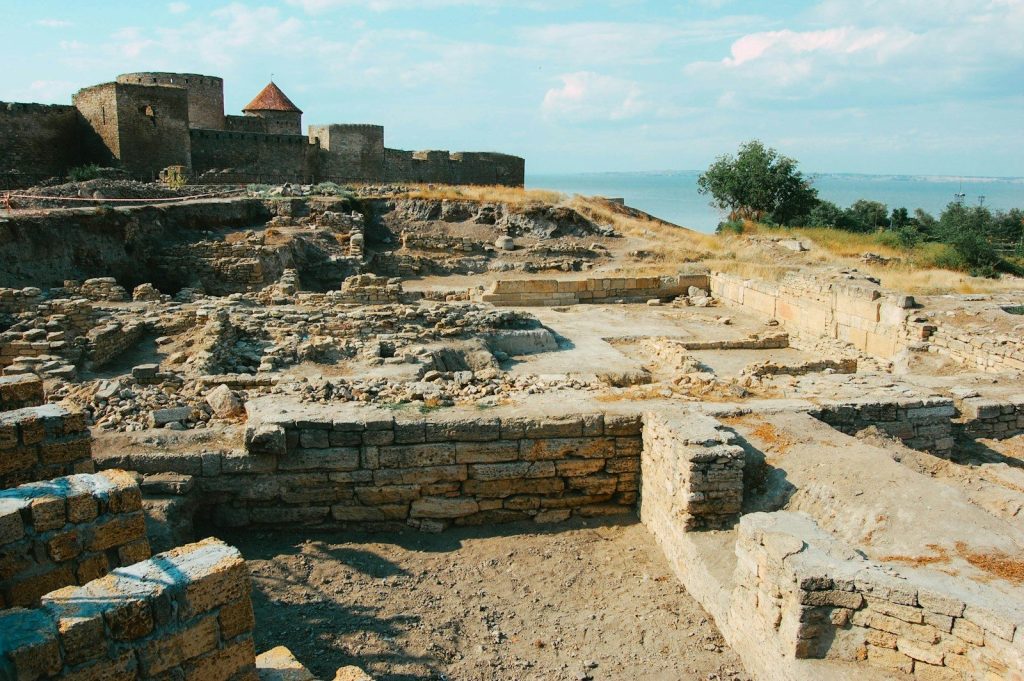
The Younger Dryas was a major climate disruption that changed landscapes and placed pressure on human populations. A cosmic impact remains a debated hypothesis rather than an established explanation, and no accepted evidence confirms that one event destroyed a ten-city civilization. Archaeologists instead find varied communities adapting, relocating, and developing new survival strategies. The true story remains remarkable without adding an unsupported lost society: people endured more than a millennium of environmental instability and eventually helped establish the first farming settlements in several regions. This article is for informational purposes only.
Featured Image: Photo by Martijn Vonk on Unsplash
Leave a Reply