SpaceX and Tesla shares both declined in late July 2026 as investors reconsidered the valuations, spending plans and execution risks surrounding Elon Musk’s largest publicly traded businesses. SpaceX closed at $113.50 on July 27, while Tesla finished the same session at $308.53 after falling about 1.4 percent.
The simultaneous declines encouraged claims that SpaceX had pulled Tesla downward. However, the evidence does not establish direct causation. Each company faced its own concerns, including SpaceX’s post-IPO valuation and Tesla’s falling operating profit. Shared leadership and investor sentiment may have connected the movements, but the stocks represent separate companies with different financial pressures.
SpaceX Rocket Launch Launchpad Stock Market
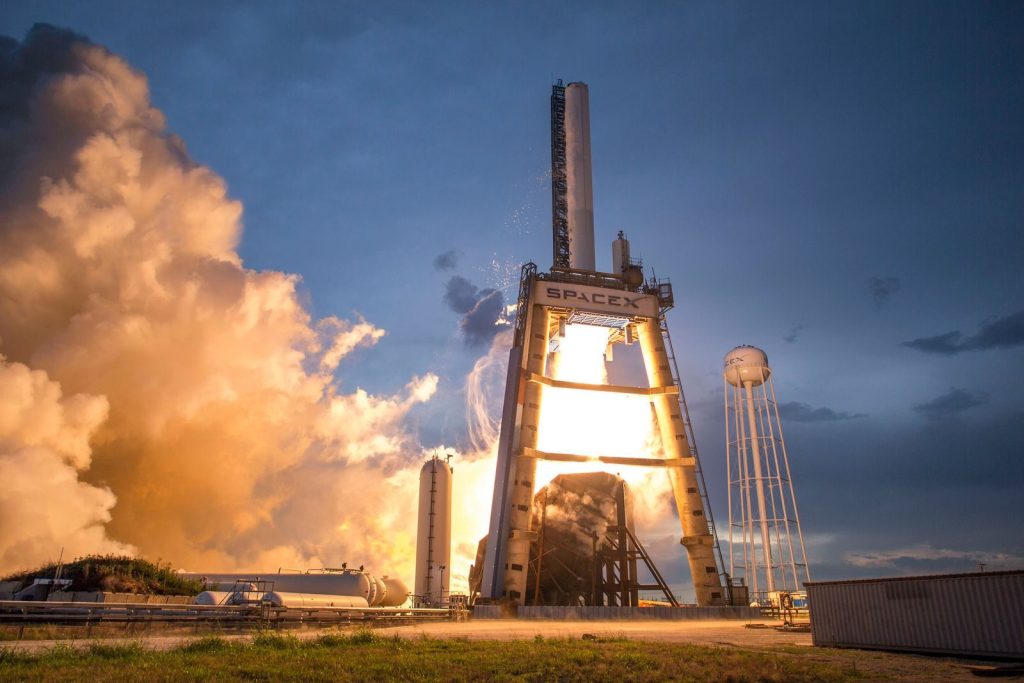
SpaceX entered public markets in June 2026 with one of the largest initial public offerings ever completed. The company sold shares at $135 each, raising approximately $75 billion and receiving an initial valuation near $1.77 trillion. Enthusiasm surrounding Starlink, launch services and future space infrastructure quickly pushed the stock above $225. That early surge reflected enormous expectations for future growth. It also meant that even small doubts about profitability, launches or shareholder selling could produce unusually large price movements.
SpaceX Stock Price Decline Financial Chart

By July 27, SpaceX shares had fallen to a record closing low of $113.50, dropping below the original IPO price and nearly 50 percent from their mid-June peak. The decline erased roughly $1 trillion from the company’s highest market value. Such a rapid reversal did not mean that SpaceX had stopped launching rockets or operating Starlink. It showed that investors were reducing the premium they were willing to pay for distant growth, particularly before seeing the company’s first public quarterly results.
Financial Investors Analyzing Stock Market Report

SpaceX disclosed heavy historical losses and continues investing enormous amounts in Starship, satellites, launch facilities and computing infrastructure. Investors were also preparing for the possible release of additional shares held by existing owners. Even a largely successful Starship test failed to reverse the stock decline, suggesting that valuation and future cash requirements mattered more than one mission. SpaceX’s first public earnings report, scheduled for August 4, 2026, became an important test of whether its financial performance could support its market value.
Tesla Electric Car Factory Manufacturing Line

Tesla reported second-quarter revenue of $28.24 billion, an increase of 26 percent from the previous year. Vehicle deliveries also rose to more than 480,000. However, operating income fell 57 percent to $398 million, leaving an operating margin of only 1.4 percent. Capital spending climbed sharply to $5.79 billion, while free cash flow turned negative. These figures gave investors Tesla-specific reasons to become cautious, particularly as the company continued funding artificial intelligence, robotics and manufacturing expansion.
Elon Musk Business Tech CEO Presentation

SpaceX and Tesla are legally separate, but their public identities remain strongly connected through Musk. Investors may view problems at one company as signals about his leadership capacity, risk tolerance or ability to manage several expensive projects simultaneously. Enthusiasm can also travel in the opposite direction, causing both stocks to benefit from successful launches or technology demonstrations. This connection is based largely on perception. SpaceX’s financial results do not automatically change Tesla’s vehicle sales, factory output or balance sheet.
Financial Market Stock Chart Comparison
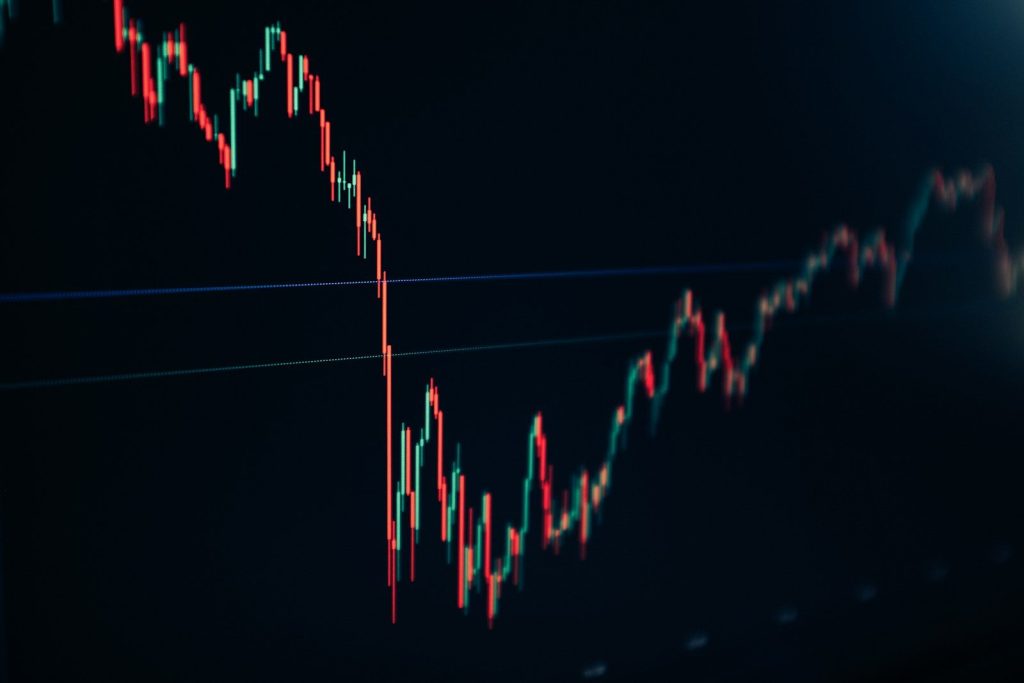
Two stocks falling on the same day does not prove that one dragged down the other. Tesla was already under pressure after weaker operating profit, negative cash flow and investor disappointment over timelines for newer products. SpaceX faced a separate reassessment following its rapid post-IPO rise. Broader technology-market conditions may also have affected both. The most accurate conclusion is that the companies experienced overlapping investor caution, with shared leadership potentially amplifying sentiment rather than creating a direct financial chain reaction.
Stock Market Trading Financial Investment Analytics

Attention now centers on SpaceX’s first earnings report, Starlink growth, Starship development and the number of additional shares entering the market. For Tesla, investors are watching vehicle margins, spending, free cash flow and progress in autonomous driving and robotics. Strong technical achievements may not immediately lift either stock if expenses continue rising faster than profits. The July selloff demonstrates that excitement surrounding Musk’s companies can produce high valuations, but public markets eventually demand measurable financial results alongside ambitious technological promises. This article is for informational purposes only and does not constitute financial advice.
Featured Image: Shutterstock
Leave a Reply