
Modern sloths are small, slow-moving tree dwellers, but their evolutionary history was once filled with giants. Some extinct ground sloths weighed several tons and stood high enough to reach vegetation far above a person’s head. Others lived in deserts, mountains, grasslands and even coastal waters across the Americas.
Their enormous range of sizes puzzled scientists because the fossil record was incomplete and different sloth families evolved similar lifestyles independently. A major study combining fossils, anatomy and molecular evidence has now shown that habitat played the leading role. Tree-dwelling sloths remained small, while ground-living species repeatedly evolved much larger bodies.
Sloth Evolution Family Tree Diagram

Researchers combined ancient DNA, preserved proteins, and measurements from more than 400 fossils held in 17 museum collections. They reconstructed the relationships of 49 sloth lineages and estimated how body size changed through more than 35 million years of evolution. The resulting family tree included tiny tree dwellers, medium-sized climbers and enormous terrestrial species. This broad approach allowed scientists to compare lifestyle, climate and size across the entire group rather than relying only on a few famous giant-sloth skeletons.
Giant Ground Sloth Versus Tree Sloth Size Comparison
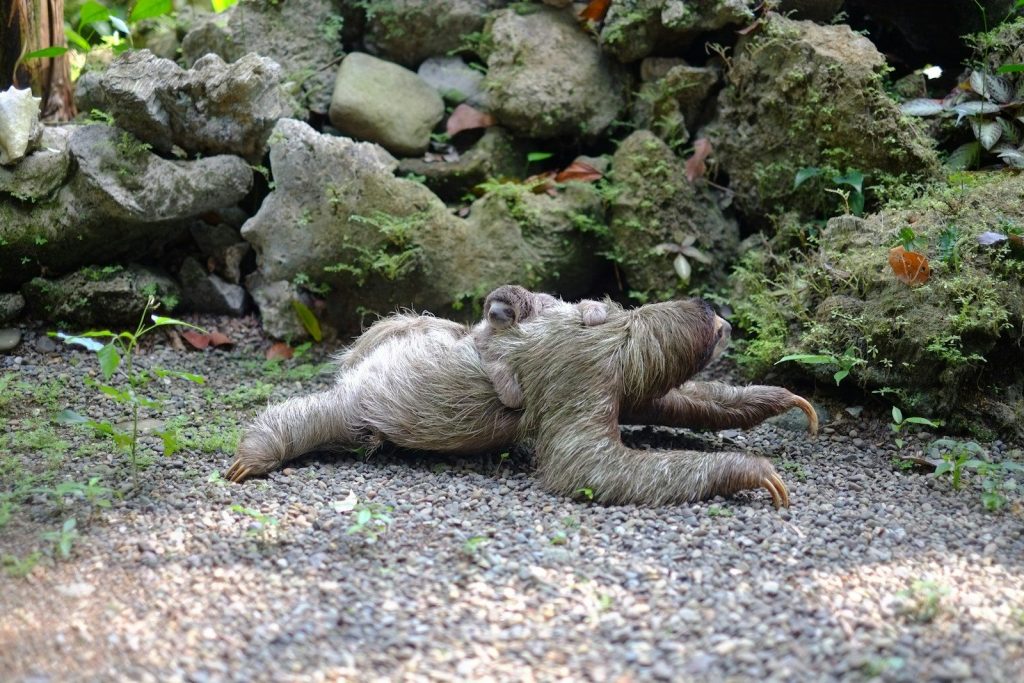
The clearest pattern involved where each animal lived. Fully tree-dwelling sloths averaged around 14 pounds, while species that split their time between trees and the ground were considerably heavier. Terrestrial species displayed the widest size range and produced every true giant. Climate still mattered because it changed forests, grasslands, and food availability. However, habitat and lifestyle explained body size more consistently than temperature alone. Moving onto the ground removed many physical limits that had prevented earlier sloths from becoming extremely large.
Modern Small Tree Sloth Hanging Canopy

Tree branches can support only a limited amount of weight, especially when an animal hangs beneath them. Small bodies also make it easier to move through dense leaves and reach food at the ends of narrow branches. Modern sloths survive on relatively low-energy diets, so remaining small reduces the amount of food required. Their slow movement is not failed evolution; it conserves energy and helps them blend into the canopy. The same physical pressures repeatedly kept tree-dwelling sloth lineages within a modest size range.
Megatherium Giant Ground Sloth Skeleton Museum

On land, sloths were no longer restricted by branch strength. Larger bodies offered advantages including protection from predators, efficient digestion of tough vegetation, and access to higher leaves. Megatherium could weigh around four tons, approaching the size of a large elephant. Other ground sloths developed powerful limbs, long claws and muscular tails that may have helped them rise upright while feeding. Giant size evolved gradually in several lineages, producing animals that occupied ecological roles very different from those of modern tree sloths.
Extinct Marine Sloth Thalassocnus Aquatic

Ancient sloths spread through an extraordinary variety of environments. Some reached cold regions of North America, while others lived in deserts, forests, and high mountain landscapes. The unusual genus Thalassocnus adapted to coastal life along western South America. Its increasingly dense bones helped control buoyancy while it fed in shallow water. These marine sloths demonstrate how flexible the group once was. Rather than representing one slow-moving lifestyle, sloths developed climbing, digging, grazing, browsing, and swimming adaptations across millions of years.
Prehistoric Ice Age Landscape Vegetation
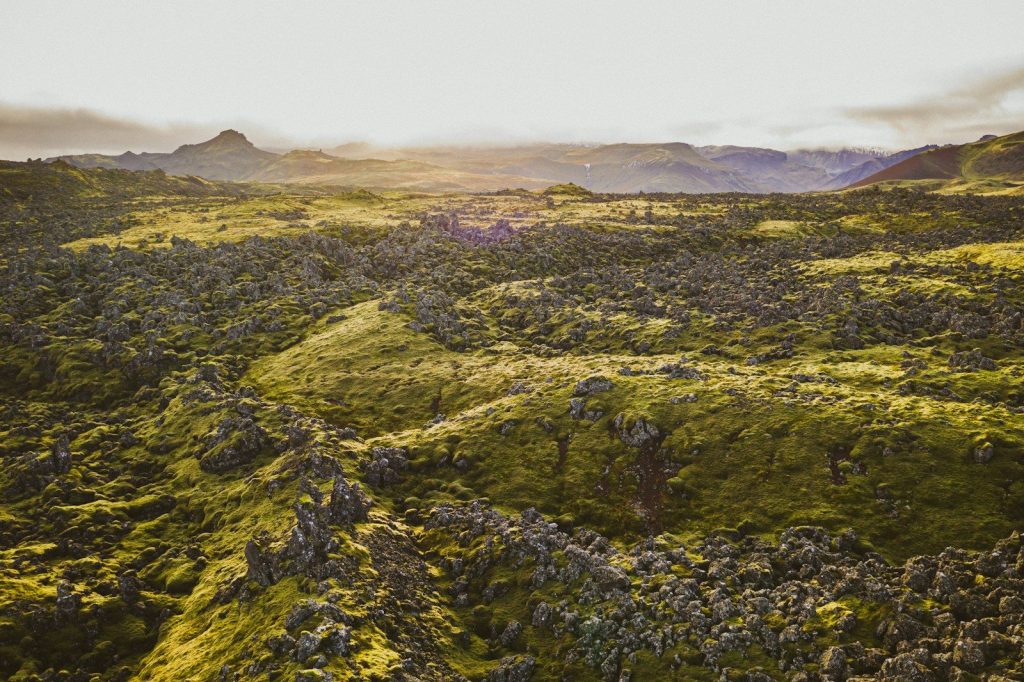
Climate influenced sloth evolution mainly by changing available habitats. Warmer periods allowed forests to expand, favoring smaller climbing species in some regions. Cooler and drier conditions created more open environments where large ground sloths could spread. The relationship was not automatic because geography, food, and competition also mattered. Different lineages responded in different ways. The study therefore rejected a simple rule that colder temperatures directly produced giant animals. Climate shaped the landscape, while lifestyle determined how sloths used that changing space.
Prehistoric Megafauna Extinction Event

Ground-sloth diversity began collapsing around 15,000 years ago as humans spread through the Americas and the climate changed rapidly. The speed and timing of the decline suggest that hunting and human landscape use probably contributed strongly. However, direct evidence of people killing sloths is less common than evidence involving some other large mammals. Scientists therefore continue debating the balance between human activity and environmental change. Caribbean sloths survived until roughly 4,500 years ago, disappearing after people reached those islands.
Small Two Toed Tree Sloth Rainforest
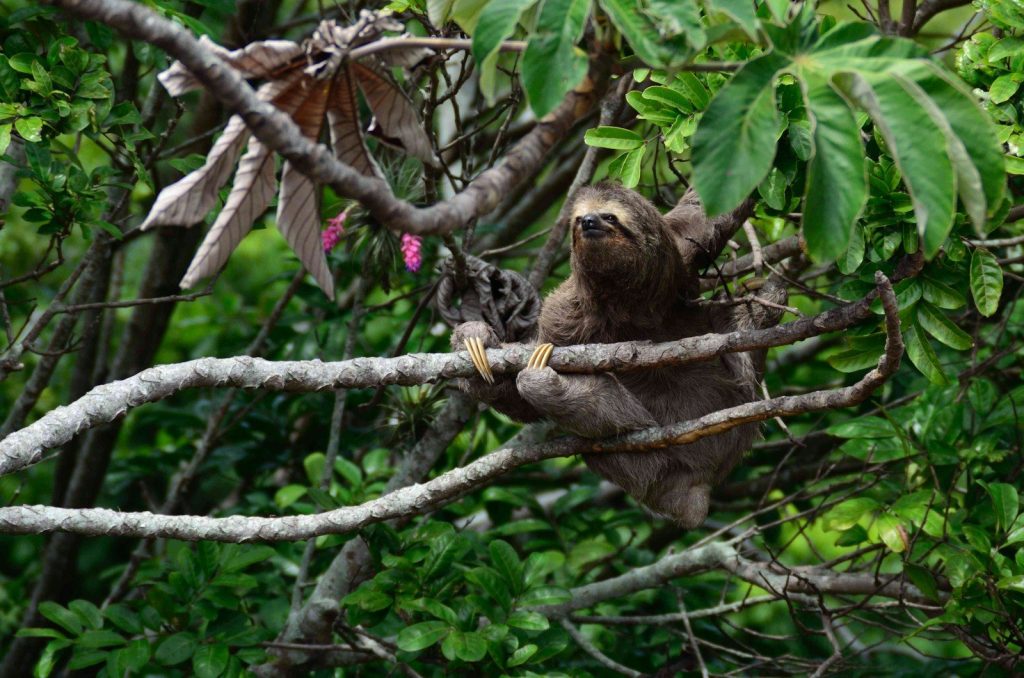
Only six sloth species survive today, and all live primarily in trees in Central or South America. Their forest habitat may have offered greater protection from human hunters than open ground, while their smaller bodies required less food during environmental change. Survival did not result from intelligence or an effort to deceive scientists. It reflected an evolutionary history shaped by habitat, body size and chance. Today’s sloths are the last small branches of a family tree that once included some of the Americas’ largest mammals. This article is for informational purposes only.
Featured Image: Photo by Aleksandar Popovski on Unsplash
Leave a Reply