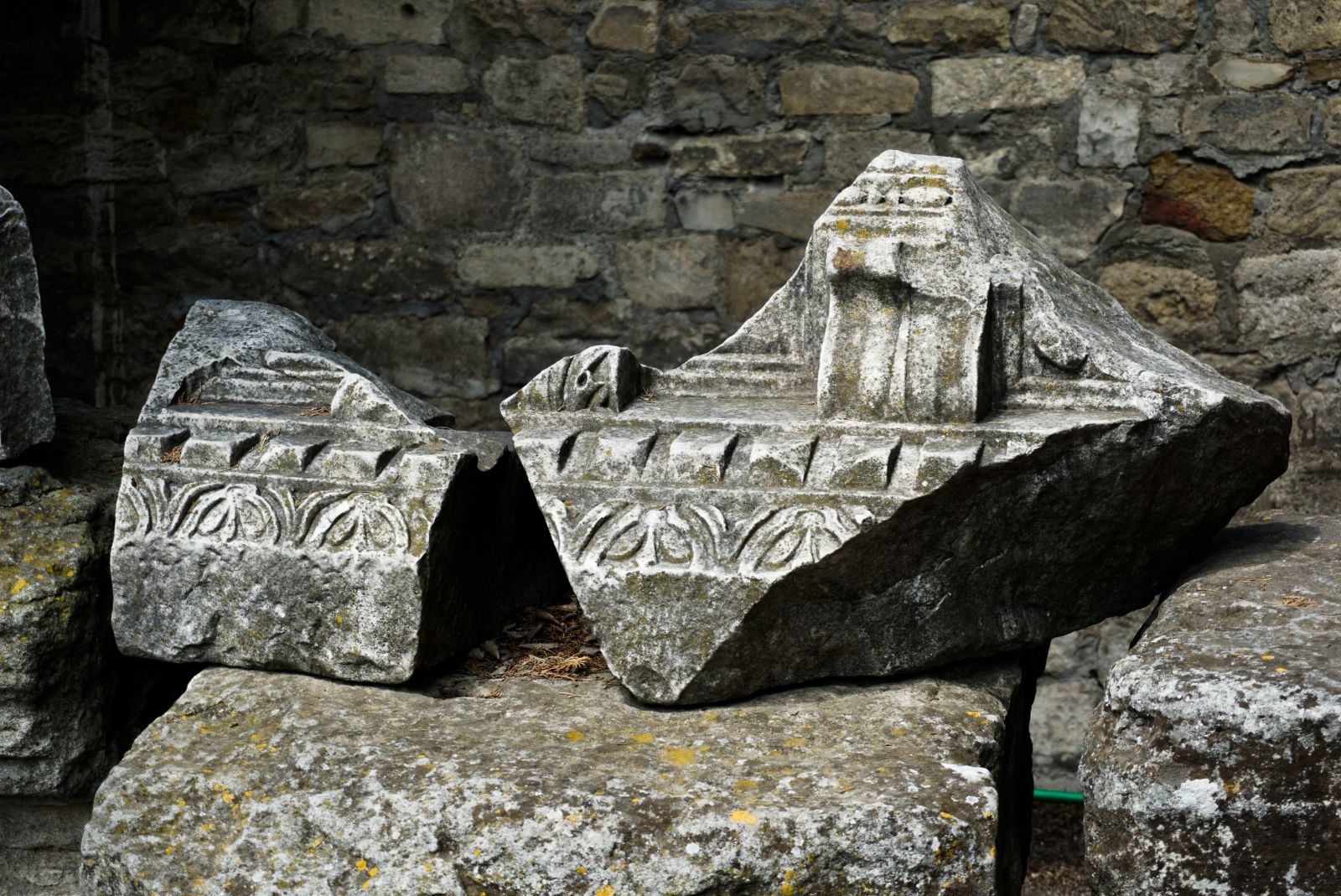
Most people assume that ancient Egyptians raised their massive monuments using only simple dirt ramps and sheer human muscle. We believe that the builders lacked any form of advanced mechanical technology.
But a groundbreaking engineering study has challenged this traditional narrative. Researchers have identified strange stone artifacts that functioned as highly complex machinery.
Reimagining Primitive Labor
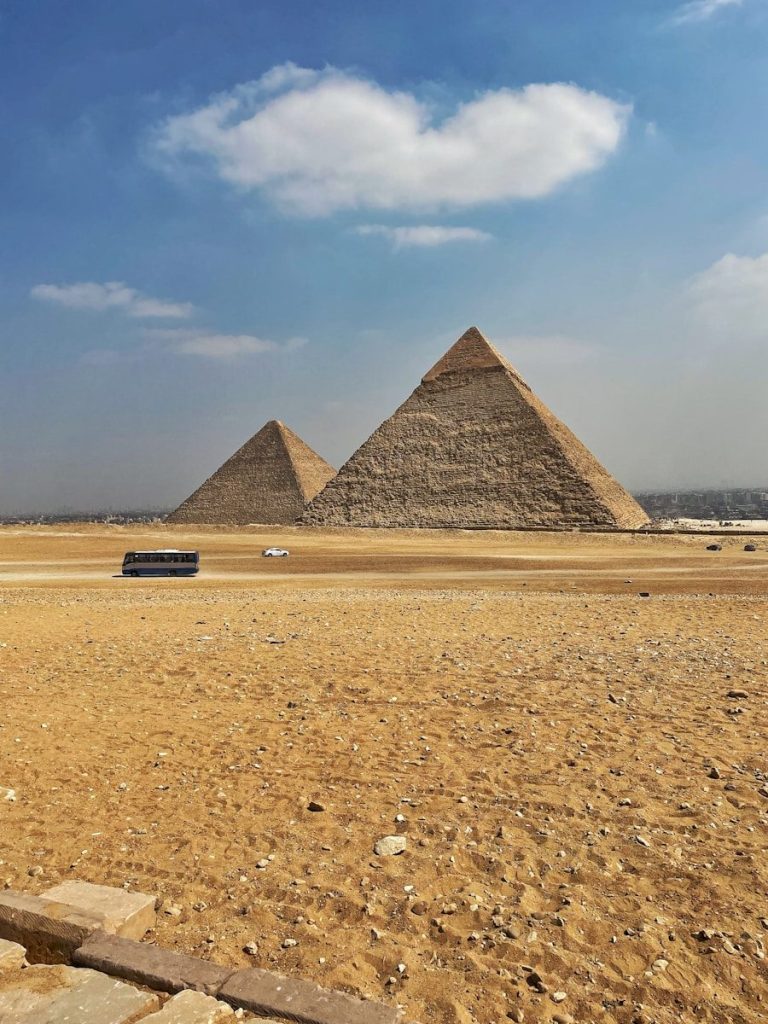
For centuries, scholars assumed that thousands of workers dragged heavy limestone blocks up incredibly long ramps. According to reports from the Land Decompression Institute, building such massive sand slopes would require more material than the pyramids themselves. The math fails. This physical limitation has forced modern engineers to search for a more logical building method. But the answer was already resting in museum collections.
Bizarre Stone Grooves
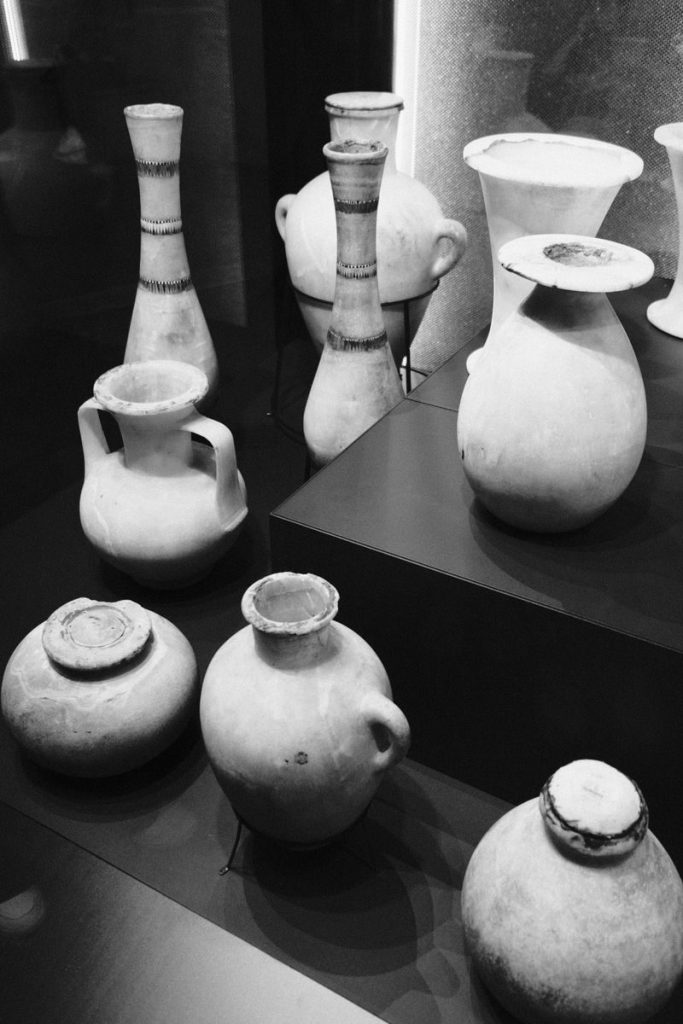
A close inspection of several ancient granite blocks revealed highly unusual structural patterns. According to mechanical engineers, these polished stones feature deep parallel channels and precise circular holes. The details are perfect. For generations, curators classified these items as simple religious altars or decorative vases. But these stones actually served a highly active mechanical purpose during construction.
The Counterweight Principle
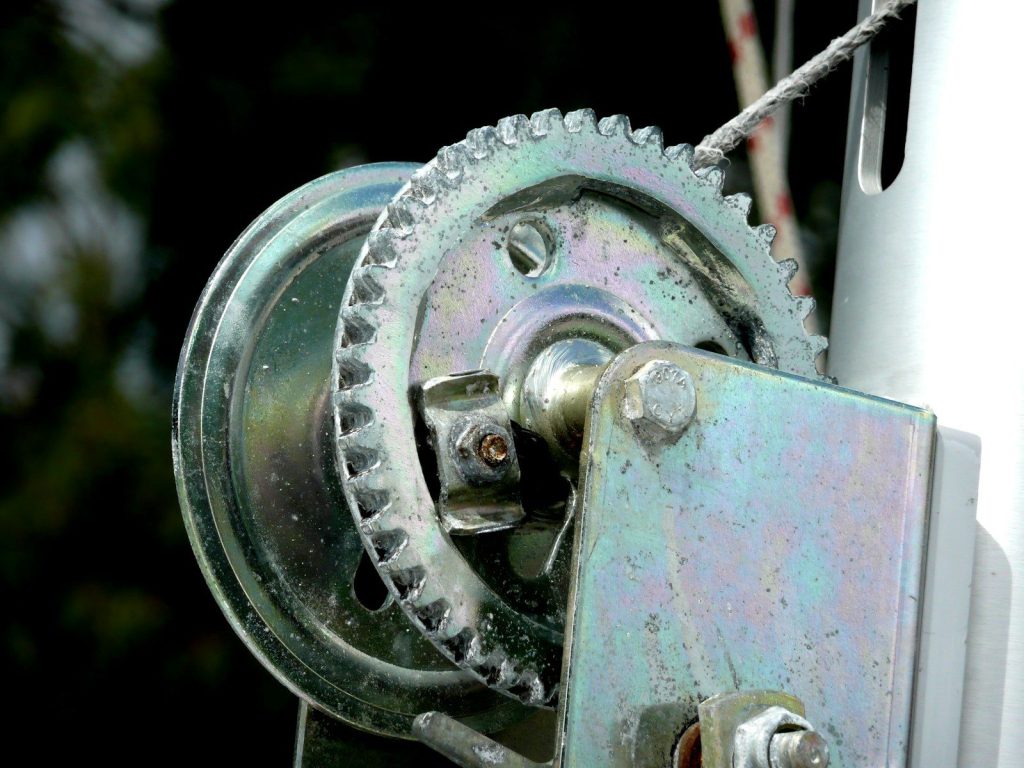
The strange stone relics likely operated as heavy pulley wheels and sliding counterweights. According to hydraulic modeling software, ancient builders used water channels and weighted blocks to lift massive materials. The lift was effortless. This mechanical setup allowed workers to elevate giant stones by letting a heavier weight slide downward. But managing this fluid pressure required a very specific design.
Hidden Water Shafts
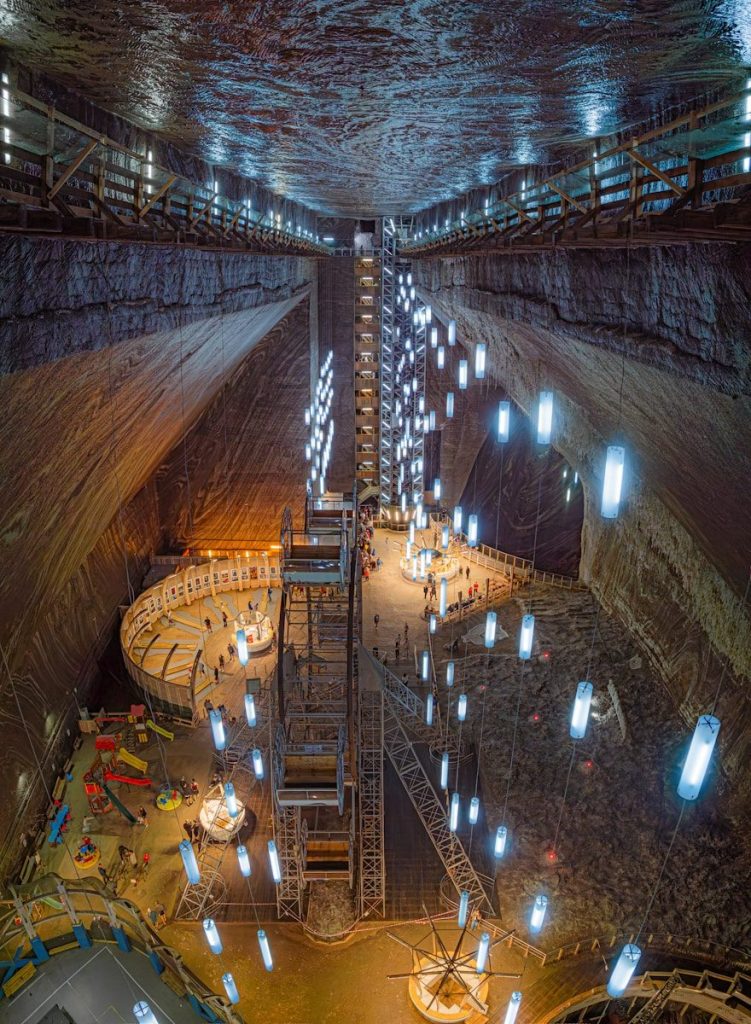
Excavating the vertical chambers inside the oldest pyramids revealed a direct connection to underground aquifers. According to archaeological geologists, these deep shafts could be filled with water to float heavy wooden platforms. The well was deep. This hydraulic lift allowed workers to move granite blocks up without dragging them. But controlling this water flow required a series of sliding gates.
Sliding Stone Valves
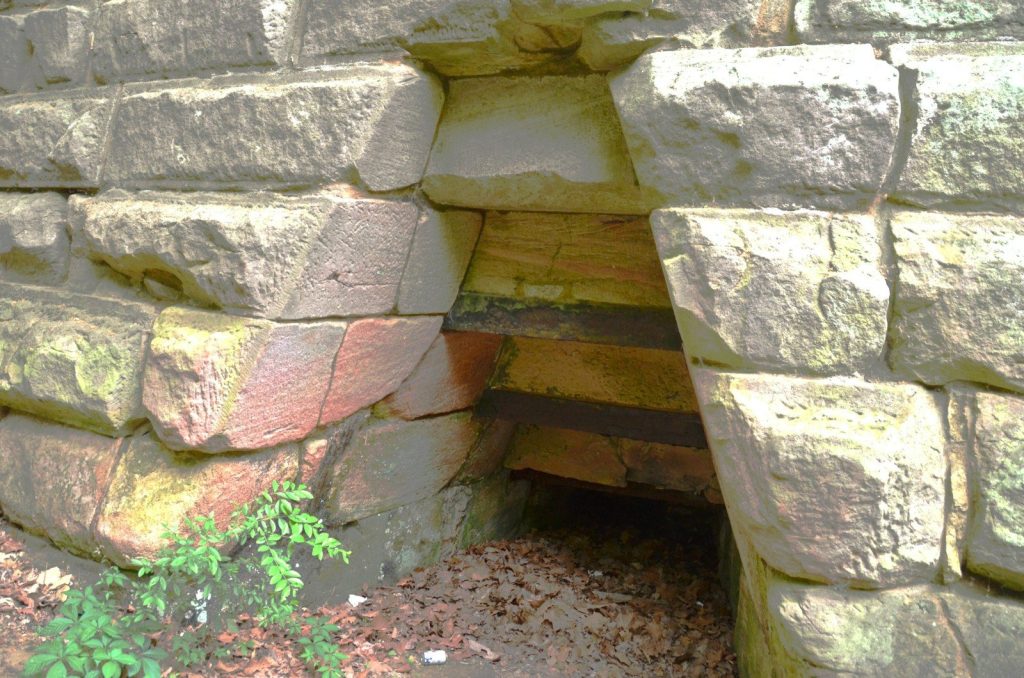
Several large rectangular blocks found inside the subterranean channels operated as primitive valves. According to structural analysts, workers could raise or lower these stone gates to regulate the internal water pressure. The seal was tight. This precise pressure control kept the hydraulic platforms moving in a highly predictable manner. But proving this theory requires looking at the surrounding landscape.
Massive Overflow Pools
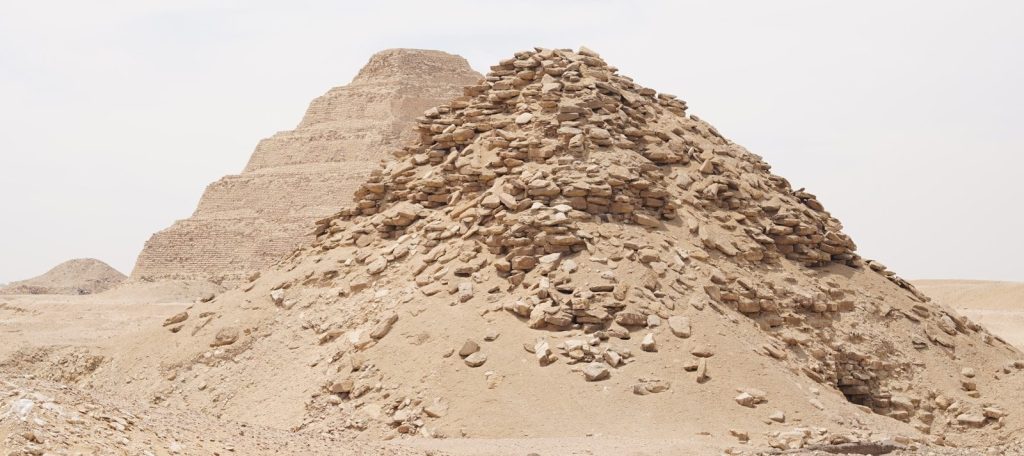
A series of deep basins surrounding the ancient monuments functioned as settling pools for the water system. According to a study published in PLOS One, these reservoirs collected sand and sediment before they could clog the valves. They were massive. This advanced filtration system kept the entire hydraulic network running smoothly during construction. But some traditional historians still reject this complex mechanical view.
Legacy Of Geniuses
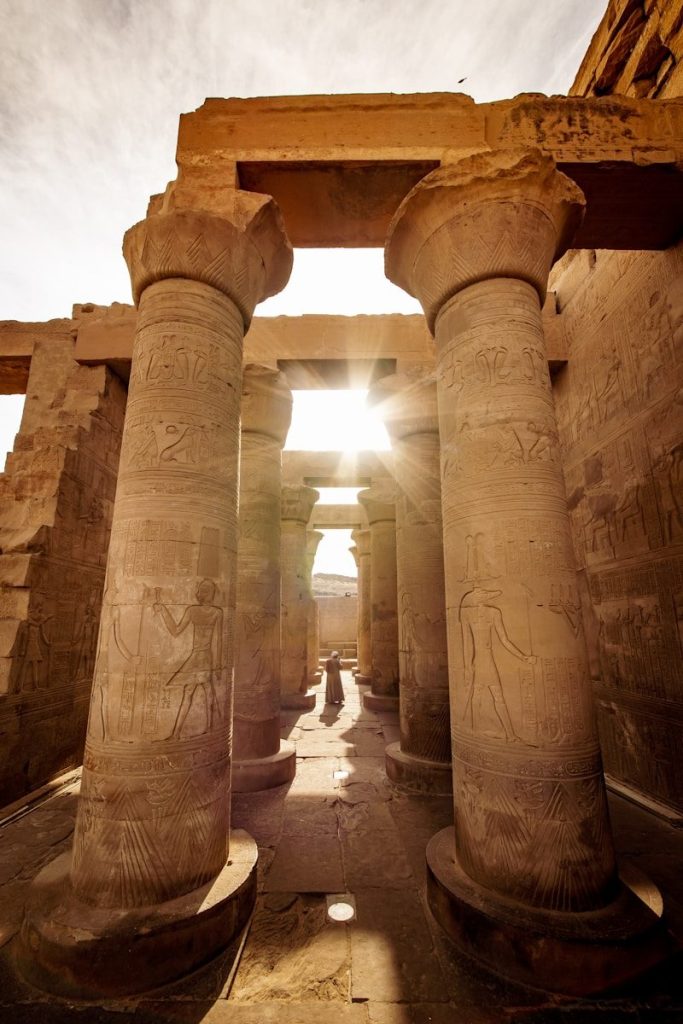
This hydraulic elevator theory proves that ancient builders possessed a master grasp of physics and fluid mechanics. According to researchers, studying these forgotten stone relics helps us appreciate the true scale of early human intelligence. Nature always surprises us. This article is for informational purposes only.
Leave a Reply