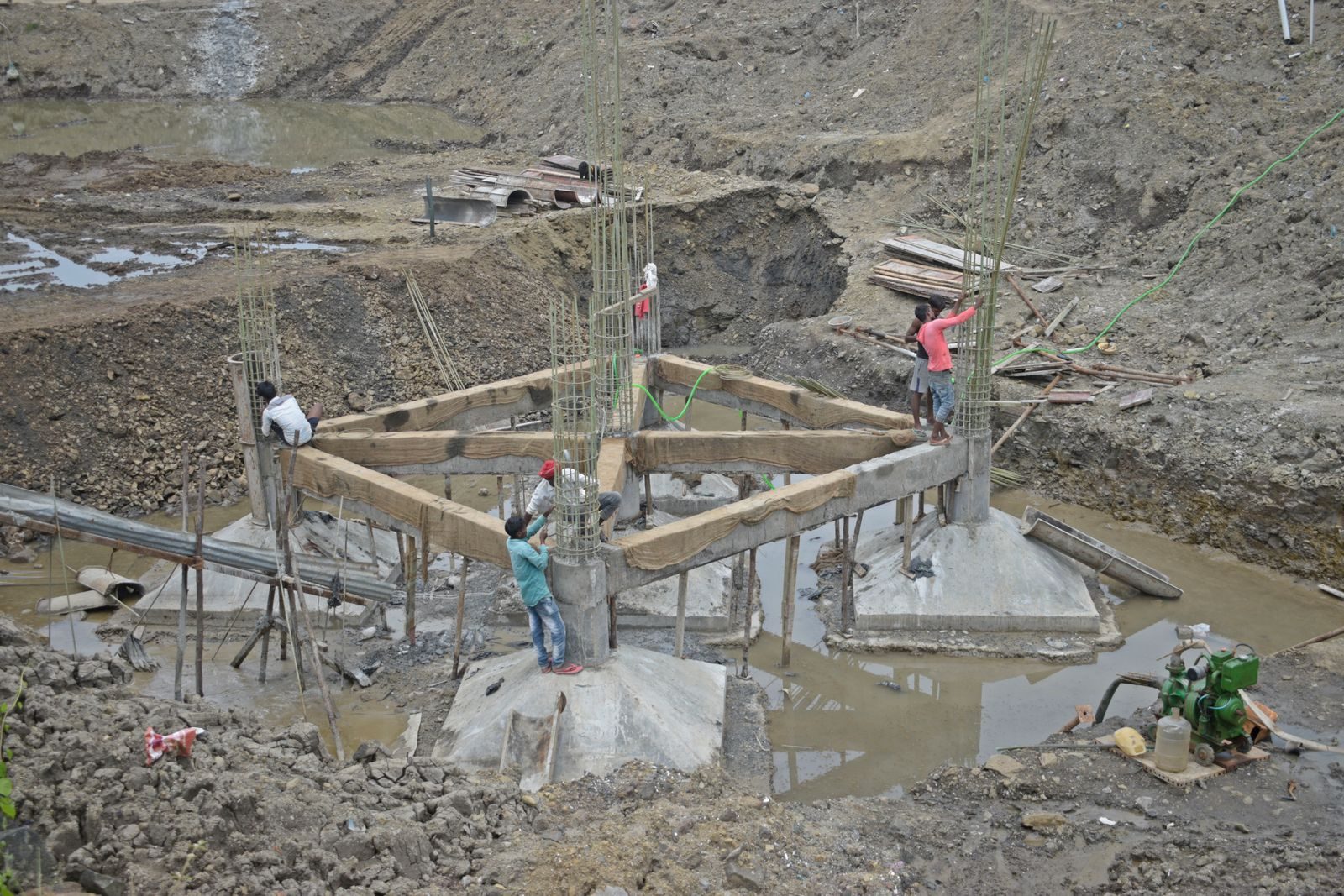
Most construction projects stop for minor delays like bad weather or ground digging issues. Crews usually expect to find dirt and rocks beneath building sites.
But workers digging a routine site in Europe stumbled upon an astonishing underground graveyard of ships. What lay buried beneath the soil rewrote local maritime history.
Uncovering Forgotten Harbor Ruins

Heavy excavators were digging deep foundations when machinery hit dense, heavy wooden beams. Work stopped instantly. According to archaeological reports from local authorities, heavy machinery uncovered the intact wooden hull of an ancient vessel buried far beneath modern streets. Workers called heritage experts immediately. But that single vessel was only the beginning of the discovery.
Finding A Fleet Underground
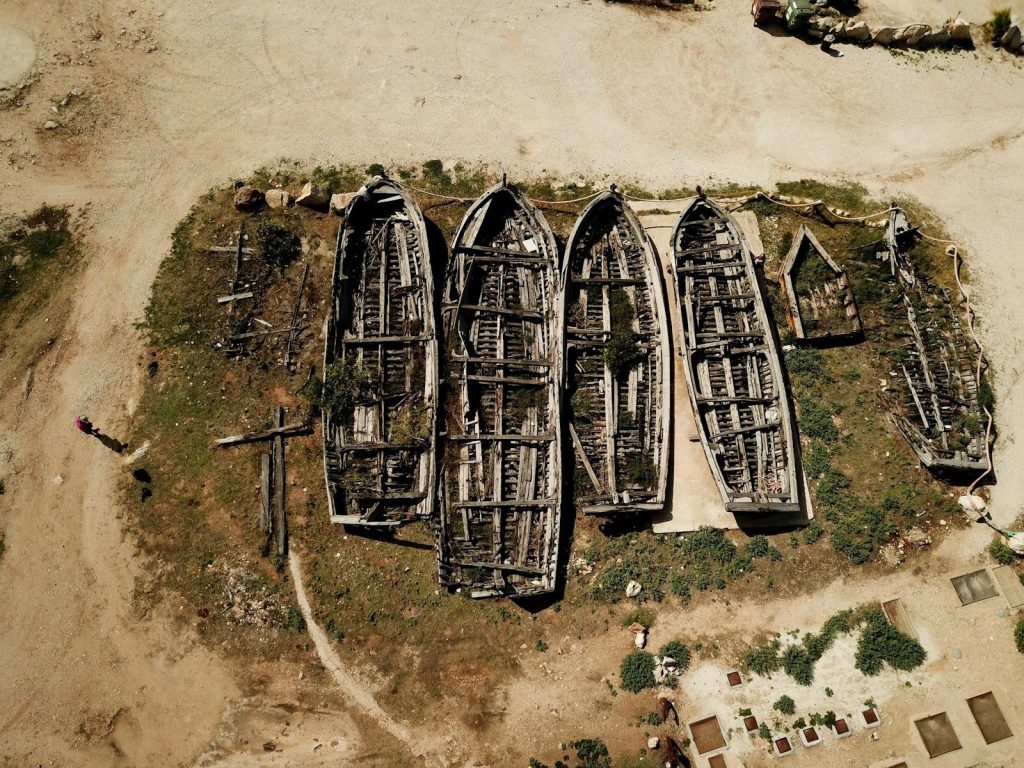
As archaeologists carefully scraped away soil layers, more wooden frames began emerging across the excavation site. Excavation efforts expanded rapidly. According to site survey logs, team members unearthed six distinct historic shipwrecks lying side by side in mud. Discovering so many ships together shocked marine historians. But how these ships got buried underground remained mysterious.
Tracing Century-Old Shorelines

Centuries ago, this dry land site was actually a bustling coastal harbor filled with ocean trading vessels. Geography changed dramatically over time. According to historical maps analyzed by researchers, artificial land reclamation projects slowly filled in the ancient harbor over hundreds of years. Ships were left forgotten in mud. Yet the state of preservation stunned the researchers.
Preserved in Oxygen-Free Mud
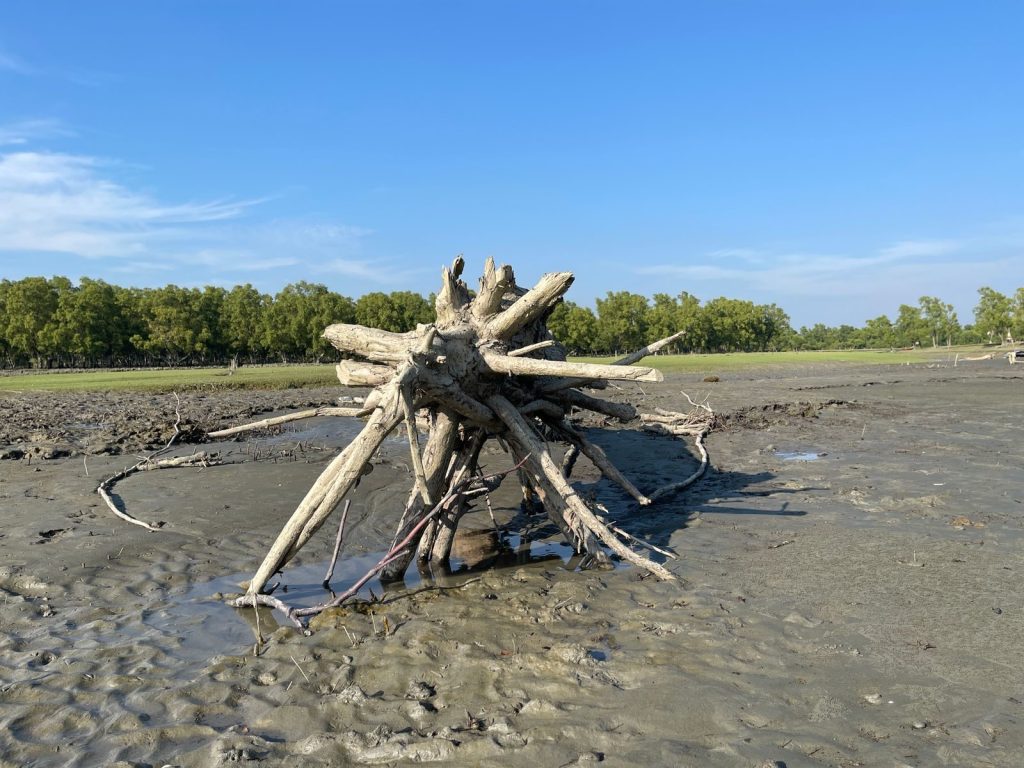
Thick waterlogged clay prevented oxygen from reaching the wooden hulls, slowing down natural decay. Preservation was almost perfect. According to timber analysis reports, the wooden frames retain distinct tool marks carved by shipbuilders centuries ago. Nails and fittings remained locked inside dense mud. But artifacts inside told an even richer human story.
Unearthing Personal Sailor Belongings

Inside the flooded holds, archaeologists recovered pottery, leather shoes, coins, and everyday cooking utensils. Time stood completely still. According to artifact conservation logs, these everyday items offer a rare glimpse into daily life aboard merchant vessels long ago. Each item helps paint a detailed picture of ancient trade. But identifying ship origin required chemical testing.
Testing Ancient Timber Rings
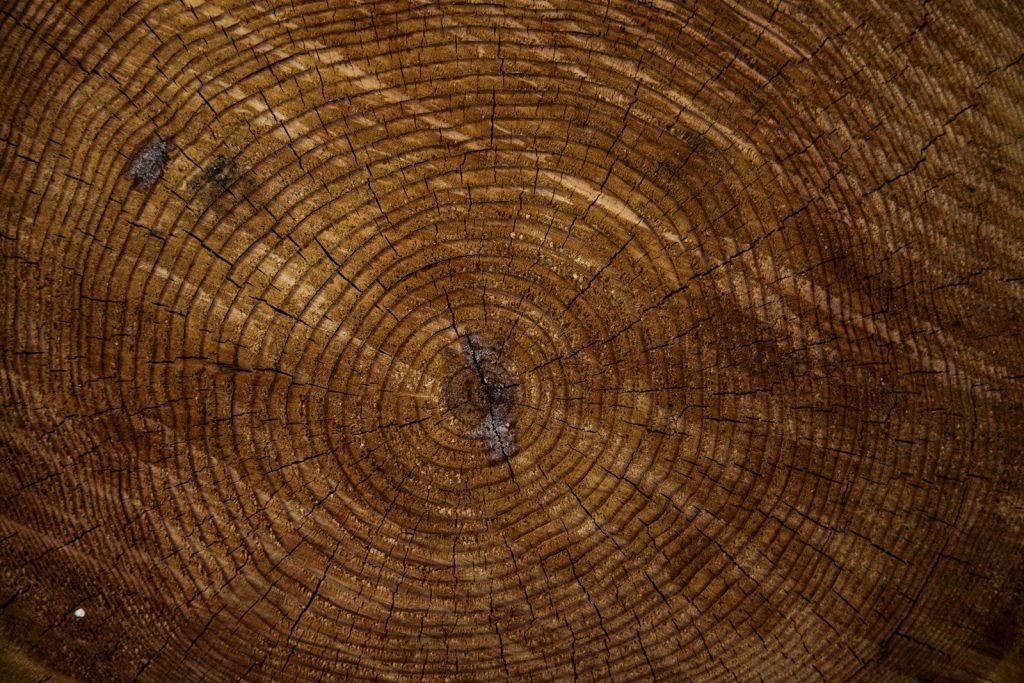
Dendrochronology experts analyzed tree ring patterns in ship timbers to determine construction dates accurately. Science solved the timeline. According to tree ring analysis data, the wood was harvested during medieval times for trade vessels across northern Europe. Mapping wood origin revealed extensive historical trade routes. Yet saving these delicate ruins created an urgent crisis.
Racing Against Rapid Decay
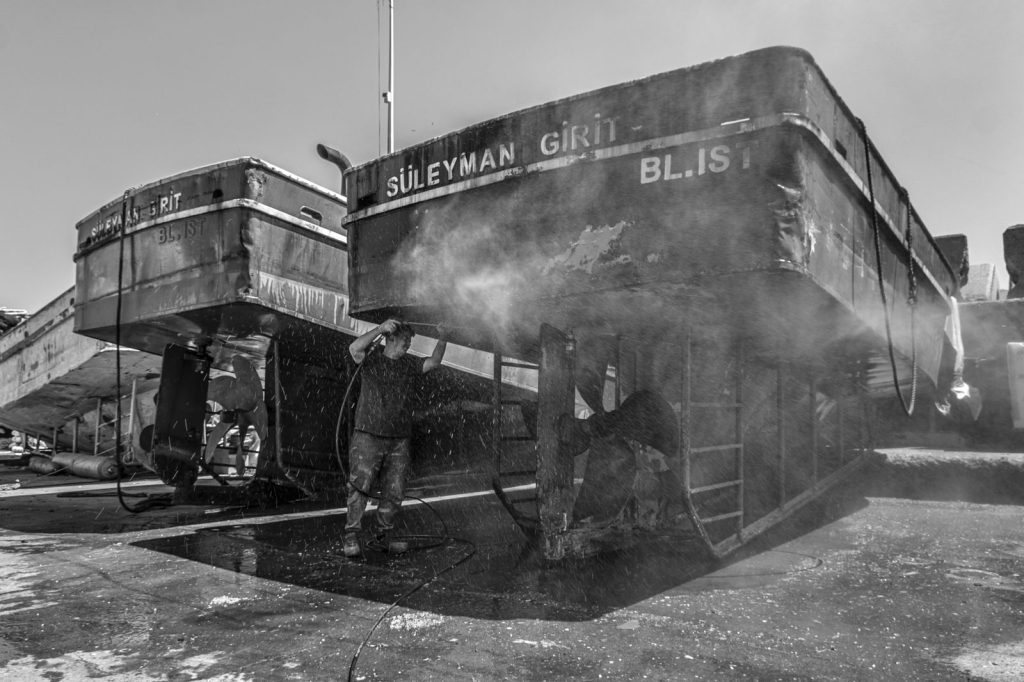
Exposing waterlogged wood to dry air causes rapid shrinking and cracking within hours. Danger was rising fast. According to marine conservation specialists, teams must spray timbers continuously with special chemical treatments to preserve structural integrity. Preserving six vessels requires massive technical effort and funding. But the reward pays off for future generations.
Rewriting Maritime Trade History
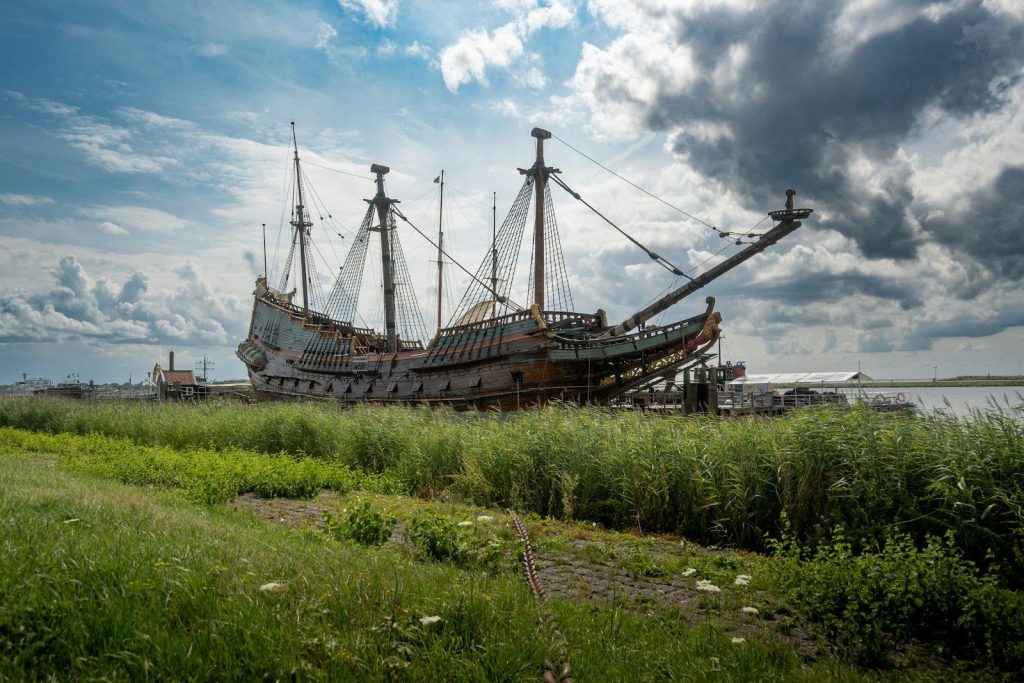
Finding six ancient ships beneath a busy construction site reminds us that history lies hidden right under our feet. Researchers continue conserving artifacts to share this history with public museum visitors. According to museum curators, these hulls rewrite local history books. This article is for informational purposes only.
Featured Image: Photo by sumit kumar on Pexels
Leave a Reply