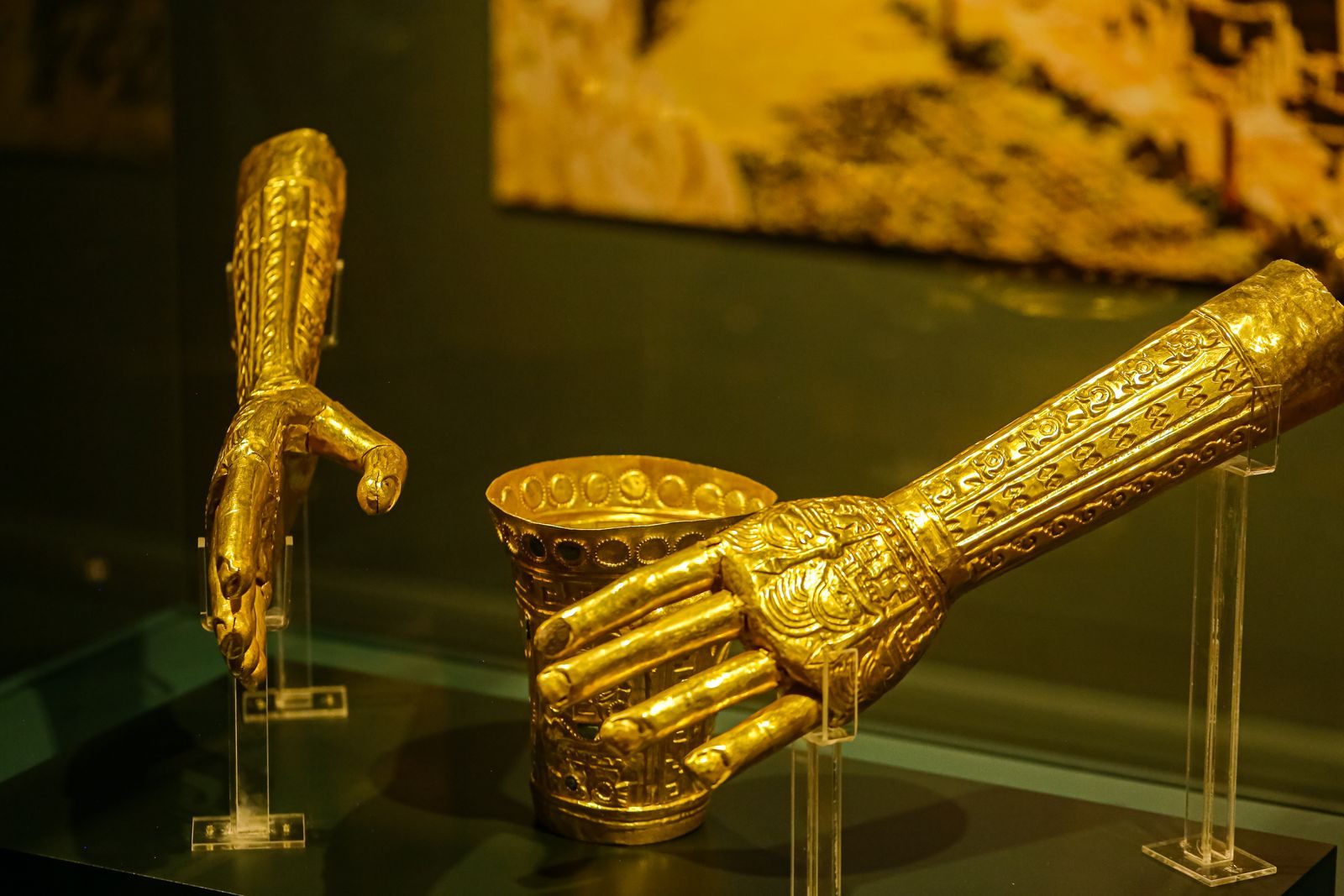
Villena near Alicante. The hoard contained 66 objects, including bowls, bracelets, bottles and ornaments. Altogether, it held almost 10 kilograms—roughly 22 pounds—of gold, making it one of Europe’s most important prehistoric metalwork discoveries.
Gold Was Only Part of the Treasure

Most attention naturally went to the spectacular gold vessels and jewellery. The collection also included three silver bottles, an amber-and-gold button and two corroded iron objects: an open bracelet and a hollow hemispherical fitting decorated with gold. Those dull pieces initially appeared far less valuable than the glittering objects surrounding them.
The Iron Did Not Fit the Accepted Timeline
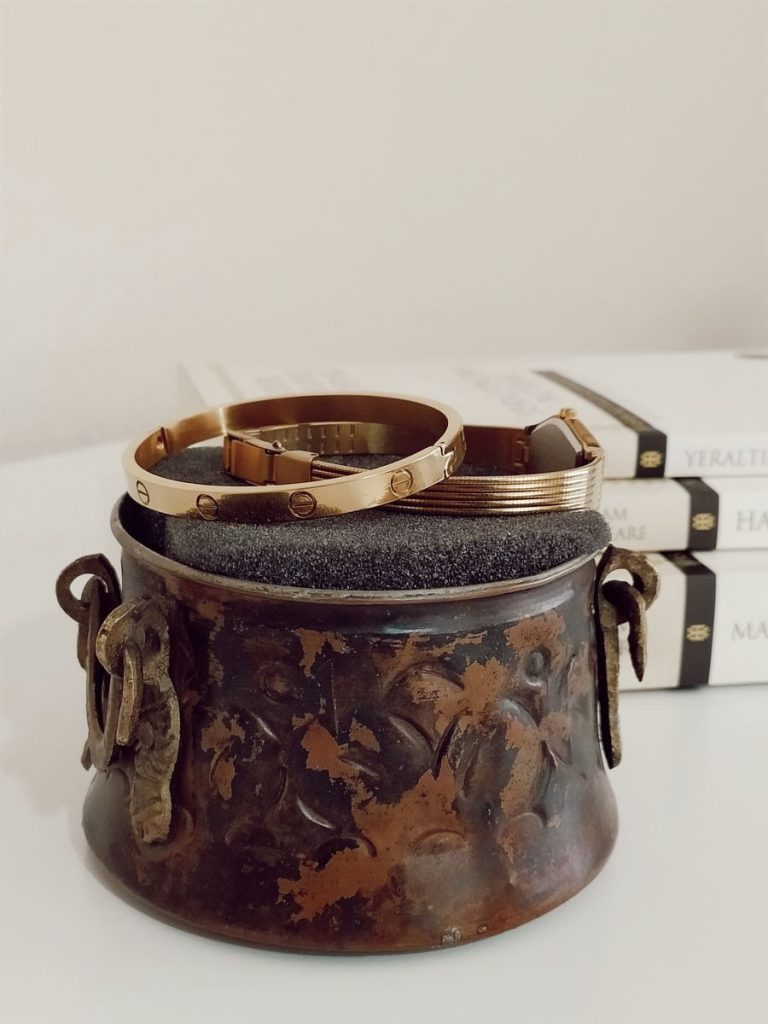
The hoard belongs to the Late Bronze Age, commonly placed between approximately 1500 and 1200 B.C. Yet widespread production of iron from terrestrial ores began much later in the Iberian Peninsula. If the two objects were ordinary smelted iron, they appeared centuries earlier than the regional technology expected to produce them.
Meteorites Offered a Possible Solution
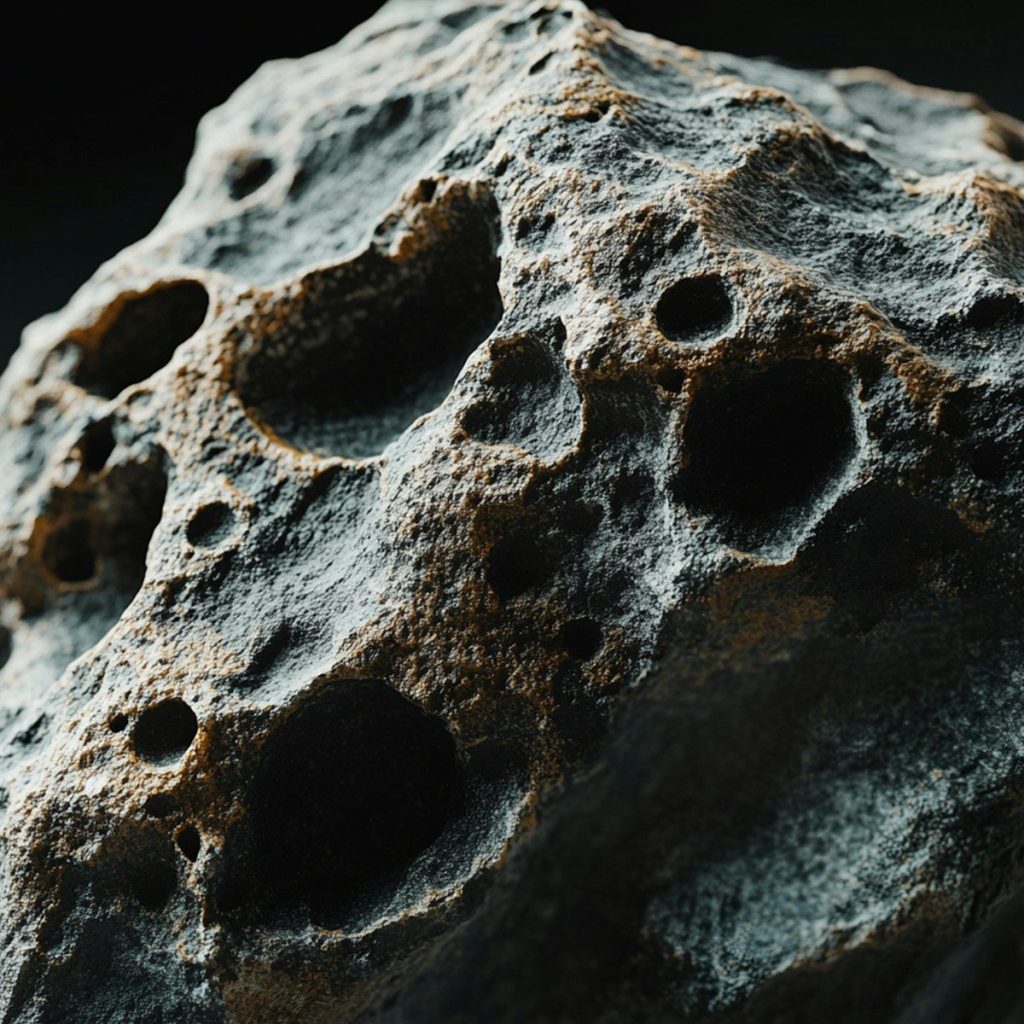
Humans could obtain metallic iron before developing iron-smelting furnaces by collecting fragments of iron-rich meteorites. Such material naturally contains substantial nickel, which helps distinguish it from most early iron produced from Earth’s ores. Researchers therefore tested whether the Villena objects might have begun as metal that fell from space.
Scientists Looked Beneath Centuries of Corrosion

The objects were heavily oxidised, making chemical analysis difficult. Researchers examined small samples and studied their iron-and-nickel composition using mass spectrometry. Both objects produced results compatible with meteoritic iron, although corrosion and contamination complicated the measurements and prevented every uncertainty from disappearing.
The Evidence Supports an Extraterrestrial Origin
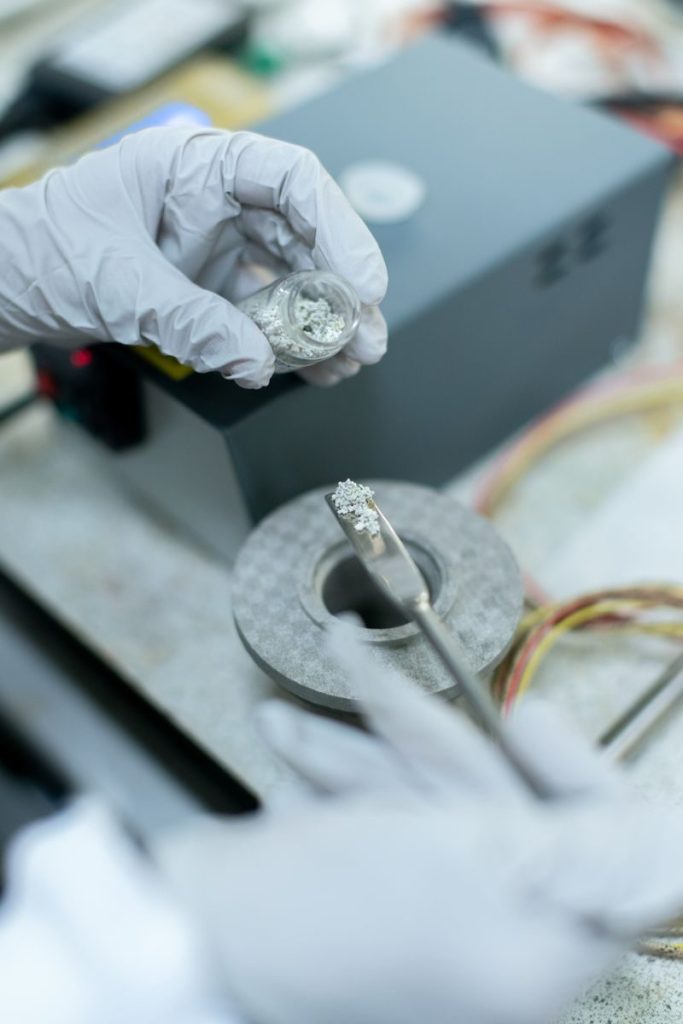
The study concluded that the available data support both pieces being manufactured from meteoritic iron. That would make them the earliest known examples of such material used in the Iberian Peninsula. It also resolves the apparent timeline problem: Bronze Age craftspeople did not need to smelt terrestrial ore if nature had already delivered usable metal.
Working the Metal Required Extraordinary Skill
Meteoric iron is rare, difficult to obtain and challenging to shape. Turning it into a bracelet and a gold-decorated fitting would have required specialised knowledge. Their placement among lavish gold objects suggests the iron may have been valued not despite its dark appearance, but because its unusual properties and scarcity made it an exceptional material.
The Hoard Still Guards Several Secrets
Researchers do not know which meteorite supplied the iron, who commissioned the objects or why the entire collection was buried. The hoard may have represented royal wealth, sacred property or resources belonging to a wider community. The space-metal explanation resolves one chronological puzzle, but the identity and intentions of the people who hid the treasure remain unknown.
Featured Image: Photo by Daniel Neves Cotta on Pexels
Leave a Reply