You might think that gravity is the same everywhere on Earth, but the scale tells a different story. If you were to stand on a scale at the bottom of the Mariana Trench, you would find that you weigh slightly more than you do on a mountaintop. This isn’t just about the crushing weight of the water above you. It is actually a fundamental quirk of physics and the shape of our planet. Because the Earth is not a perfect sphere, the distance between you and the center of the Earth changes depending on where you are.
When you move toward the sea floor, you are getting closer to the core, which increases the pull of gravity. Additionally, the massive weight of the ocean water itself creates a slight downward pull. Scientists have been measuring these “gravity anomalies” for years to map the ocean floor. But there is a hidden force involving the Earth’s rotation that might be pushing back against you.
Getting Closer to the Core
The Earth is an “oblate spheroid,” meaning it is fatter at the equator and flatter at the poles. When you dive to the sea floor, you are physically descending into the Earth’s “dent.” This brings you closer to the concentrated mass of the iron core. Every mile you go down increases the gravitational acceleration acting on your body.
It is a tiny change—usually less than one percent—, but it is enough to be measured by sensitive instruments. This extra pull is what gives you those “added ounces” at the bottom of the world. But is it just the core pulling on you, or is the rock beneath your feet changing too?
The Mass of the Water Column
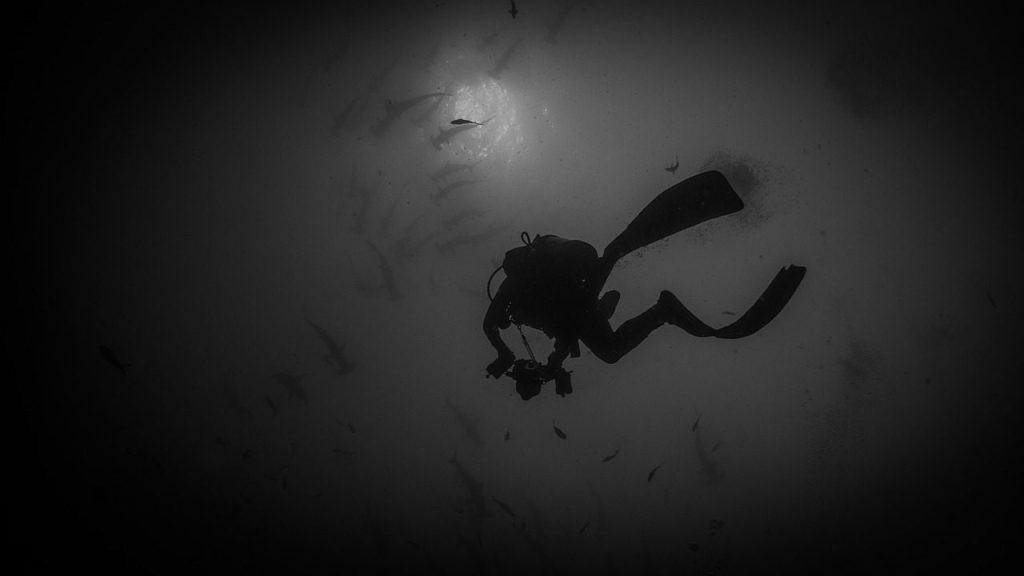
When you are deep underwater, there is a literal mountain of liquid on top of you. While this pressure does not change your mass, it creates a unique physical environment. In some cases, the vast amount of water around you can exert a gravitational pull of its own.
This “extra” gravity from the water itself is something scientists have to account for when calibrating deep-sea sensors. It makes the bottom of the ocean one of the most “gravity-heavy” places on the planet. But did you know that the rock under the ocean is actually denser than the rock on land?
Heavy Rock Means Heavy Gravity
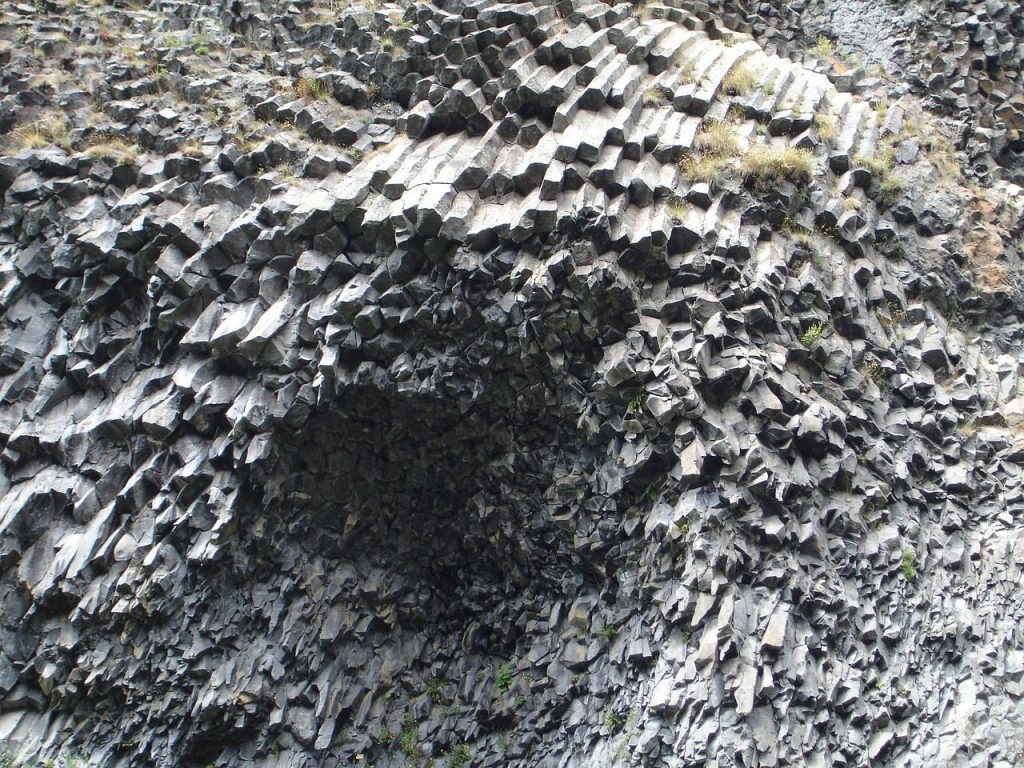
The crust under the oceans is made of basalt, which is much denser than the granite found on the continents. Because there is more mass packed into a smaller space under the sea floor, the local gravity is slightly stronger. This creates “gravity hills” in the middle of the ocean.
If you sailed a ship over a dense patch of basalt, you would technically weigh more than you did at the pier. These mass concentrations, or “mascons,” are hidden maps of the Earth’s history. But how do scientists measure something so small in such a violent environment?
The Centrifugal Effect is Weakest Down There
At the surface, the Earth’s rotation tries to “fling” you out into space. This centrifugal force actually makes you weigh less at the equator. However, as you go deeper into the ocean, you are closer to the Earth’s axis of rotation. This means the flinging effect becomes weaker.
Because you aren’t being pushed “out” as hard, gravity has an easier time pulling you “in.” This lack of centrifugal lift adds another tiny layer to your total weight. It is a perfect storm of physics that only happens in the deep. But could these gravity changes actually affect how a submarine moves?
Subs Have to Navigate Gravity Pits
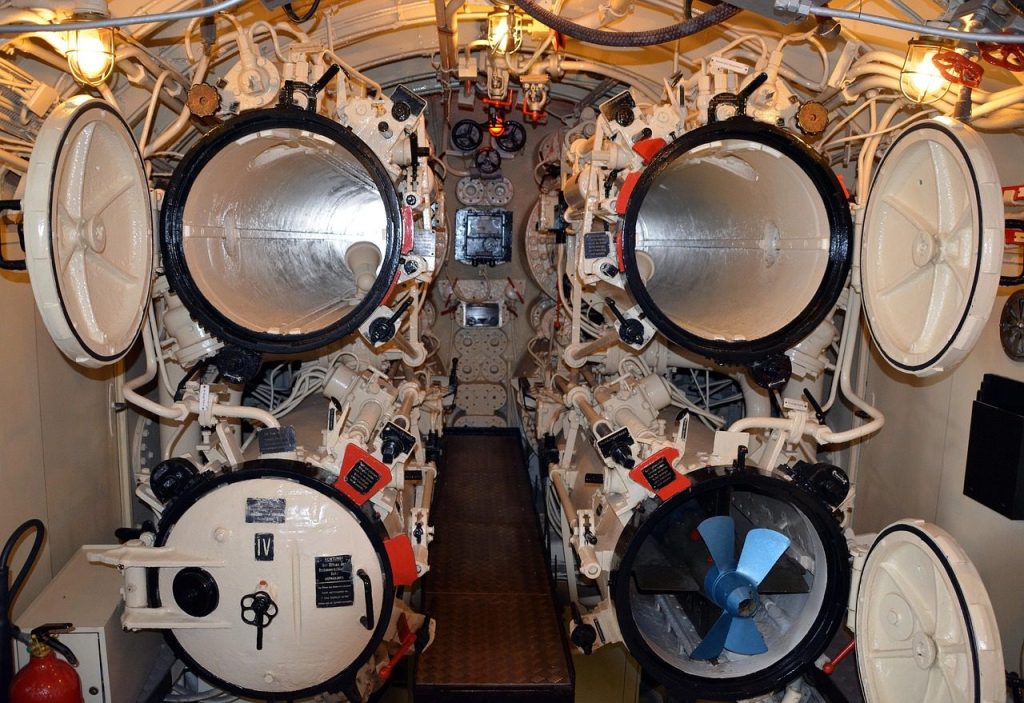
Modern submarines are so sensitive that they can feel these changes in gravity. Navigators use “gravity maps” to help determine their location without using GPS, which doesn’t work underwater. If a sub passes over a dense mountain range on the sea floor, the extra gravity can pull it slightly off course.
It is like driving a car over a series of invisible magnets. By measuring these pulls, the sub can “see” the terrain below it in total darkness. But what happens to the human body when gravity shifts like this for long periods?
The Scale Doesn’t Tell the Whole Story

While the gravity is stronger, the buoyancy of the water is also pushing you up. This is why you feel weightless in a pool, even though gravity is still pulling on you. At the sea floor, the buoyancy is immense because the water is so dense.
So, while a scale would show you weigh more, you would actually feel lighter than ever. It is a strange contradiction of the deep sea. You are being pulled down harder than ever, but the water is holding you up. But what if the gravity on the sea floor suddenly changed?
Mapping the Future of the Earth
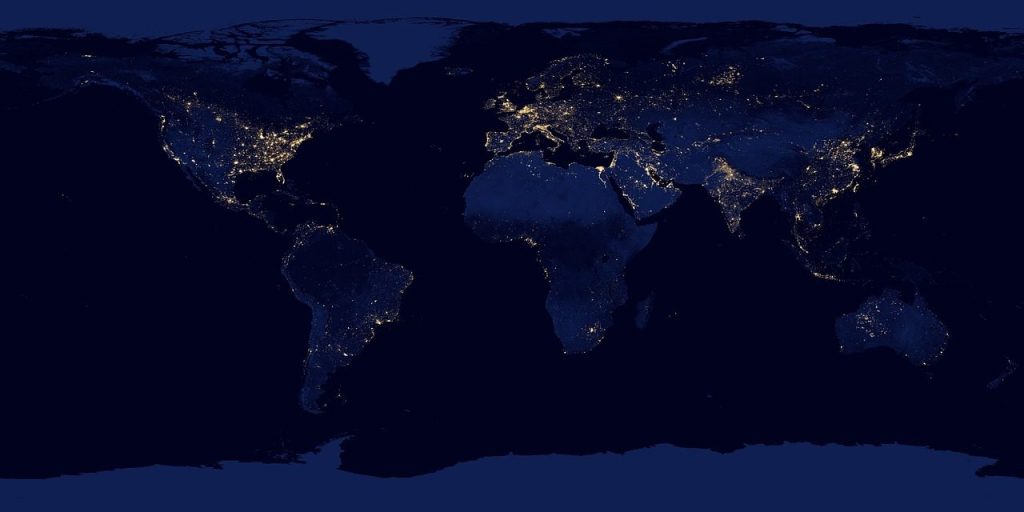
Measuring weight at the sea floor helps scientists understand the melting of the ice caps. As water moves around the planet, the “weight” of the ocean changes, which shifts the Earth’s gravity. By tracking these tiny changes, we can predict how the sea level will rise in the future.
The sea floor is like a giant scale that measures the health of the entire planet. We are learning that even the smallest change in weight can have a massive impact on our survival. But is there a mystery city hiding where the gravity is strongest?
Featured Image: Photo by Francesco Ungaro on Unsplash
Leave a Reply