Blog

  • New DNA Analysis Reveals the Shocking Truth About Ötzi’s Origin

    New DNA Analysis Reveals the Shocking Truth About Ötzi’s Origin

    Ötzi the Iceman is the most famous mummy in the world. Found frozen in the Alps in 1991, he has been poked and prodded by scientists for over 30 years. We thought we knew everything about him: his age, his diet, and even his last words. But a revolutionary new DNA analysis has just pulled the rug out from under everything we believed. The “shocking truth” is that Ötzi’s ancestry is nothing like that of the modern Europeans who live near where he was found. In fact, he is a genetic time capsule from a group that has almost completely disappeared.

    The latest study has revealed that Ötzi had much darker skin and a much more significant degree of baldness than previously thought. The earlier artistic reconstructions showed him as a light-skinned, hairy mountain man, but the DNA proves those were wrong. He wasn’t a “local” in the way we understood. He belonged to a lineage of early farmers who migrated from Anatolia, which is modern-day Turkey. This discovery is changing the face of European history. But why did his DNA stay so pure for so long?

    The Mystery of the Isolated Bloodline

    A wall with a bunch of pictures on it
    Photo by Jametlene Reskp on Unsplash

    Ötzi lived about 5,300 years ago, a time when Europe was a melting pot of different cultures. However, his DNA shows that his ancestors didn’t mix much with the local hunter-gatherers. He belonged to a very isolated community that kept its Anatolian roots alive for thousands of years. This genetic isolation is incredibly rare. It suggests that Ötzi’s people lived in a secluded valley, perhaps protecting their own traditions and trade secrets. They were the “outsiders” of the Copper Age. But his DNA revealed more than just his family tree; it showed his health secrets, too.

    The First Record of a Heart Condition
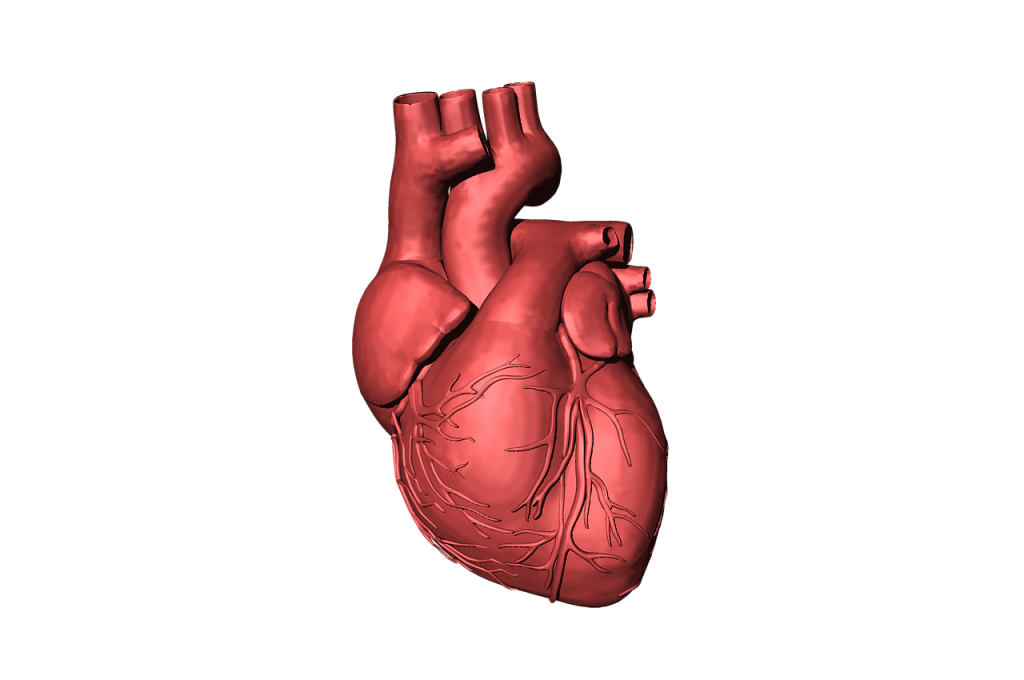
    heart, organ, human, beat, life
    Photo by 3530416 on Pixabay

    You might think heart disease is a modern problem caused by fast food, but Ötzi’s DNA says otherwise. He had a strong genetic predisposition for cardiovascular disease. Despite his active lifestyle and lack of processed sugar, his arteries were already starting to harden. He is now the oldest known case of someone with these genetic markers. It proves that our “modern” health struggles have been with us for thousands of years. But his DNA also carried a much more immediate threat.

    A Hidden Infection in the Iceman’s Gut

    a cell with two yellow cells inside of it
    Photo by National Institute of Allergy and Infectious Diseases on Unsplash

    Inside Ötzi’s stomach, researchers found the DNA of H. pylori, a bacterium that causes ulcers. This specific strain is also helping scientists track how humans moved across the globe. By studying the “stomach bugs” of the Iceman, we are learning about the migration patterns of ancient people. It’s a biological map of the world before the first cities were even built. Ötzi was likely in a lot of pain during his final journey. But his stomach also contained the secret of his very last meal.

    The High-Fat Diet of a Copper Age Hunter

    Several pieces of meat hanging from hooks in a market
    Photo by Kelvin Zyteng on Unsplash

    Ötzi wasn’t eating light. His last meal consisted of dried ibex meat, deer, and ancient grains. It was a meal designed for survival in the brutal cold of the high Alps. The high-fat content provided the energy he needed to climb through the snow. This diet is a stark contrast to what we see in modern agricultural societies. He was a man of the wild, relying on the animals he hunted. This meal was eaten just hours before his violent end. But wait until you see the weapon that was used to stop him.

    The Arrowhead That Solved a Murder

    gray metal frame
    Photo by Markus Spiske on Unsplash

    For years, people thought Ötzi simply froze to death. But X-rays revealed a stone arrowhead lodged in his shoulder. He was shot from behind. The DNA on his clothes also shows the blood of four other people. He was likely involved in a high-stakes battle or a long-distance pursuit. He died as a warrior, defending his territory or perhaps his treasure. The “murder mystery” of the Iceman is one of the oldest cold cases in history. But his belongings reveal he was much more than just a fighter.

    The Fashion Secrets of the High Alps

    brown and black metal pipe
    Photo by Jonathan Kemper on Unsplash

    Ötzi was wearing a sophisticated outfit made of leather from five different animal species. His shoes were stuffed with grass for insulation, and he carried a high-tech (for the time) copper axe. This axe was a symbol of immense wealth and power. The DNA analysis of his clothing shows he was part of a society that had a deep understanding of tailoring and animal husbandry. He wasn’t a “primitive” man; he was a highly skilled professional. But where are the rest of his people hiding?

    The Search for Ötzi’s Lost Village

    Breathtaking view of a lush green valley surrounded by majestic rocky mountains.
    Photo by Eric Huybrechts on Pexels

    Now that we have his DNA map, scientists are searching for his descendants. They are looking at the modern populations of Sardinia and Corsica, where his genetic signature is most common. We are trying to find the “lost village” where Ötzi might have grown up. This search is taking archaeologists into remote valleys that haven’t been explored in decades. We are tracing the path of his people across the continent. But wait until you see what we found hidden behind a wall in an ancient temple.

    The Future of the Iceman’s Legacy

    white angel figurine on white surface
    Photo by Олег Мороз on Unsplash

    Ötzi is no longer just a mummy; he is a bridge to our past. Every new technology we invent gives him a new voice. As we move into 2026, we are using AI to reconstruct his exact vocal cords to hear what he might have sounded like. The “Iceman” continues to surprise us, proving that the more we look, the more we find. He is a reminder that our history is written in our blood. Are you ready for the secret rooms that were just found by a laser in the jungle?

    Featured Image: Photo by Tatyana Dobreva on Unsplash
  • The Secret “Second Killer” of the Dinosaurs

    The Secret “Second Killer” of the Dinosaurs

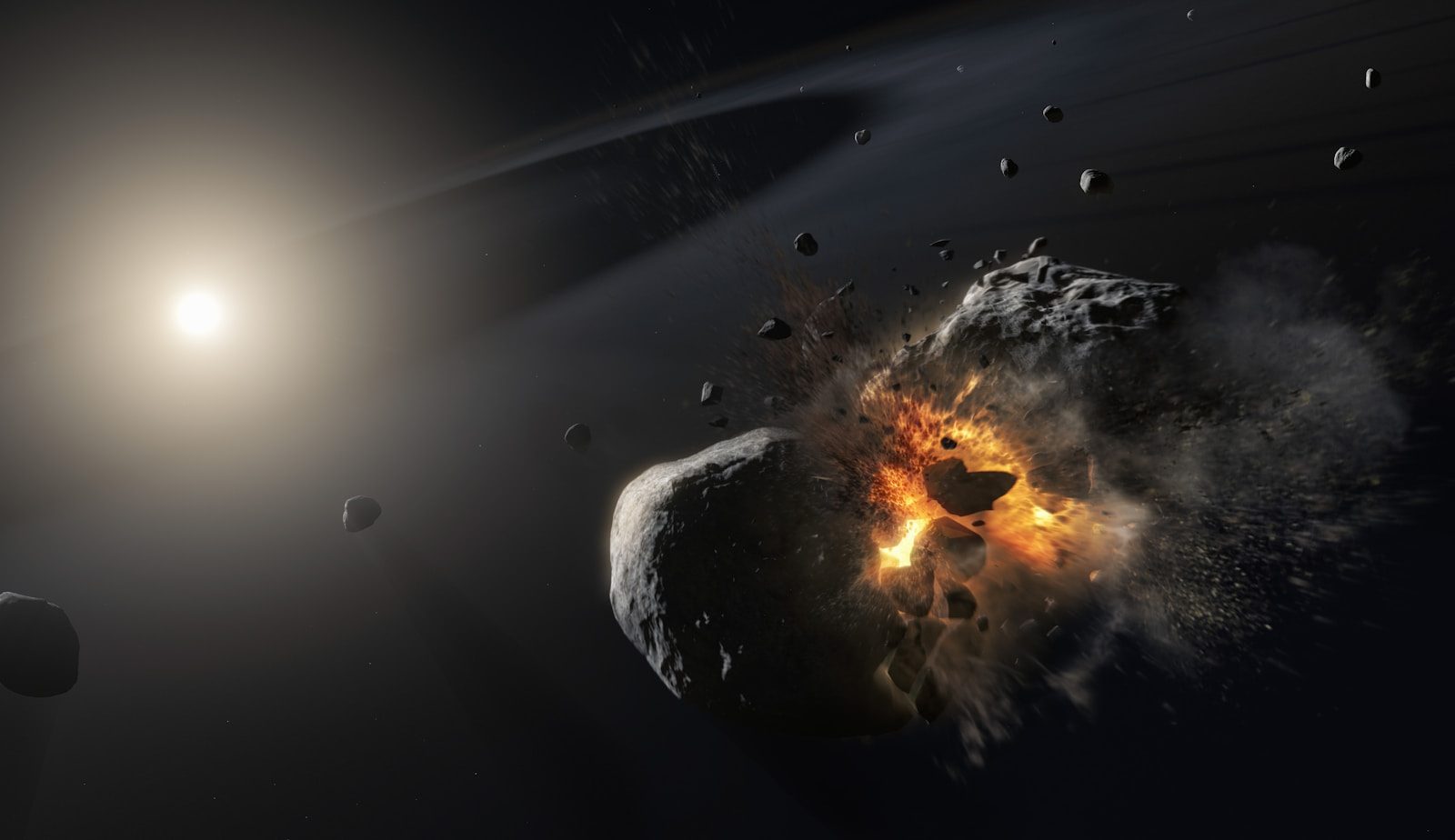
    For decades, we have blamed a single giant asteroid for the death of the dinosaurs. We were taught that one rock hit Mexico 66 million years ago and ended the age of giants. But a shocking new discovery on the other side of the Atlantic is rewriting that story. Scientists have found a second, massive impact crater off the coast of West Africa. Known as the Nadir Crater, it dates back to the exact same time as the famous Chicxulub impact. It turns out the dinosaurs weren’t hit by a single bullet; they were caught in a cosmic crossfire.

    This “Second Killer” was nearly five miles wide and slammed into the ocean with the force of thousands of nuclear bombs. It would have triggered tsunamis over 2,600 feet high that raced across the Atlantic. While the Mexico impact was the main event, this African strike ensured that any survivors had nowhere to hide. We are now looking at a “double-whammy” extinction event that makes the end of the Cretaceous period look even more violent than we imagined. But how did this second rock hide from us for so long?

    The Crater Hiding Under the Sea Floor

    underwater, top view, water surface, seaweed, water grass, nature, danube, underwater world, aerial view, water, water level, flow
    Photo by Schäferle on Pixabay

    The Nadir Crater is buried under 1,000 feet of water and hundreds of feet of sediment. It was only discovered when researchers were scanning the seafloor for oil and gas. They saw a perfect circular shape that didn’t belong in the natural geology of the area. Using seismic waves, they mapped the structure and found the signature “ring” of an asteroid strike. It is a time capsule of a disaster that has been hidden by the ocean for millions of years. This discovery proves that we are still missing major pieces of our planet’s history. But what was this second rock made of?

    A Broken Piece of a Giant Comet

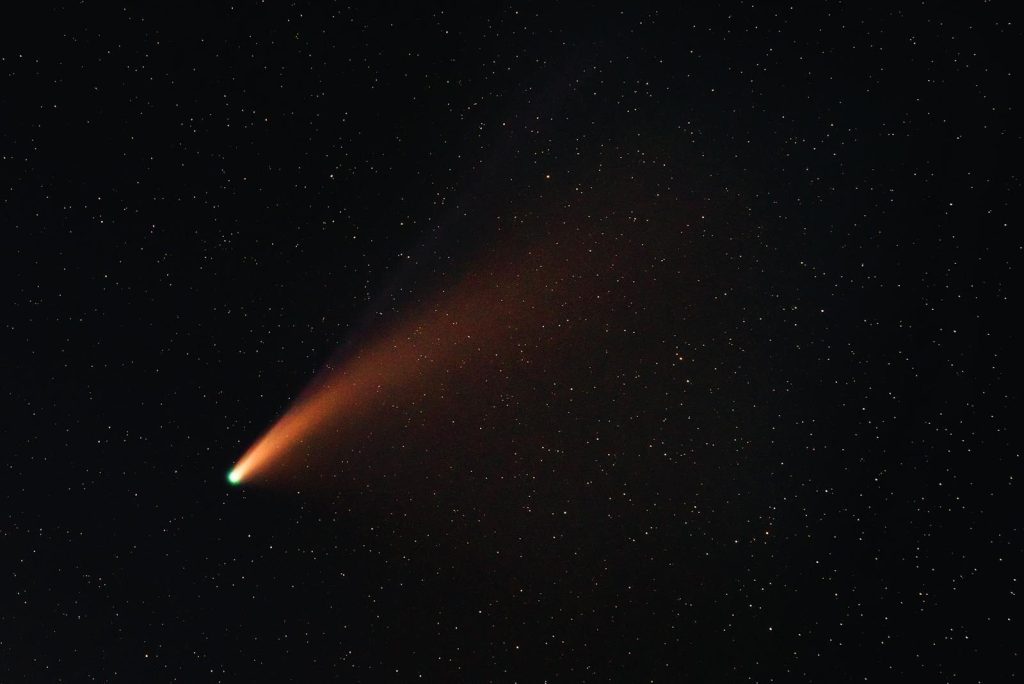
    A vibrant comet with a glowing tail traversing the starry night sky, showcasing the wonders of the universe.
    Photo by Alex Andrews on Pexels

    Scientists believe that the two killers might have been part of the same parent body. It is possible that a massive asteroid or comet broke apart as it approached Earth. This created a “cluster” of rocks that hit different parts of the planet within days or even hours of each other. This theory changes how we think about “Impact Winters.” Instead of one dust cloud, the Earth was choked by multiple layers of soot and debris. It was a global shutdown that lasted for years. But the “Second Killer” did more than just kick up dust.

    The Tsunami That Flattened Continents

    time lapse photography of ocean waves
    Photo by Tim Marshall on Unsplash

    When the Nadir asteroid hit the Atlantic, it didn’t just make a splash. It displaced so much water that it created a “mega-tsunami.” These waves weren’t just big; they were high enough to wash over mountains. They would have traveled thousands of miles inland, drowning entire ecosystems in minutes. The evidence of these waves is still etched into the rocks of South America and Africa. It was a watery grave for millions of creatures. But as the water receded, the air became the next weapon of destruction.

    Living in a Global Pressure Cooker

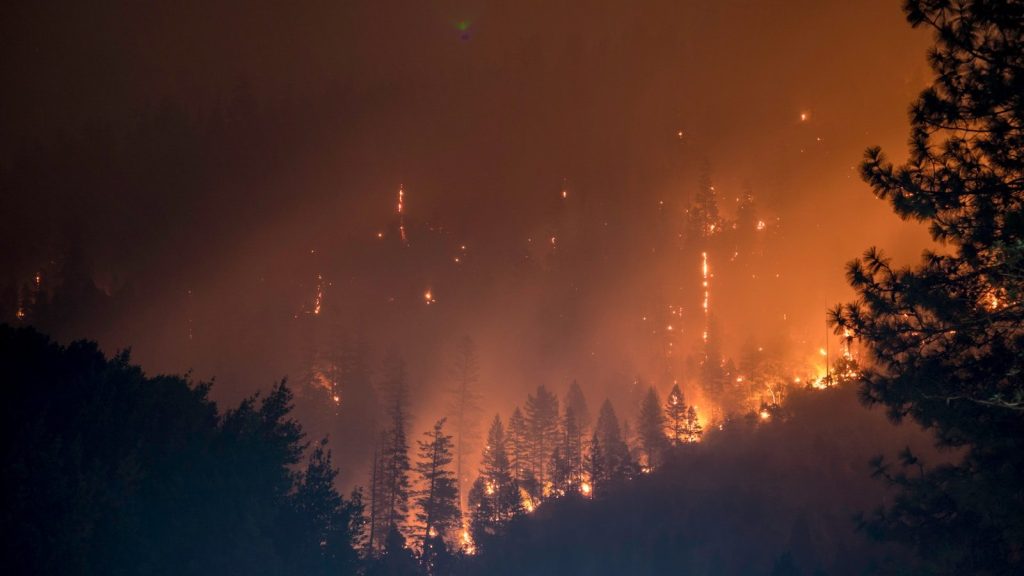
    trees on fire
    Photo by Matt Howard on Unsplash

    The friction of the asteroid entering the atmosphere turned the air into an oven. For a few hours after the impact, the surface of the Earth was likely as hot as a pizza oven. This “thermal pulse” would have ignited forests instantly across entire continents. Dinosaurs that weren’t killed by the blast or the floods were likely caught in a global firestorm. The “Second Killer” added a massive amount of heat to an already dying world. It was a nightmare scenario that no species could prepare for. But some animals found a way to survive the heat.

    The Survivors Who Hid Underground

    fox, puppy, evening atmosphere, curious, hello, cave, burrow, cute, forest animal, small, snub nose, redhead, fluffy, rare, careful, mammal, grass, nature, animal, wildlife, fox, fox, hello, burrow, burrow, burrow, burrow, burrow
    Photo by tommileew on Pixabay

    While the giants died, our ancestors were hiding. Small mammals, reptiles, and birds that could burrow into the ground or hide in deep caves were the only ones that made it. The soil acted as an insulator against the heat and the radiation. These “underground refugees” waited out the worst of the disaster. When they finally emerged, the world was empty and silent. The “Second Killer” had cleared the stage for a new era of life. We are only here today because our ancestors were the ultimate hide-and-seek champions. But the mystery of the “Second Killer” isn’t fully solved yet.

    Searching for the Third Impact Site

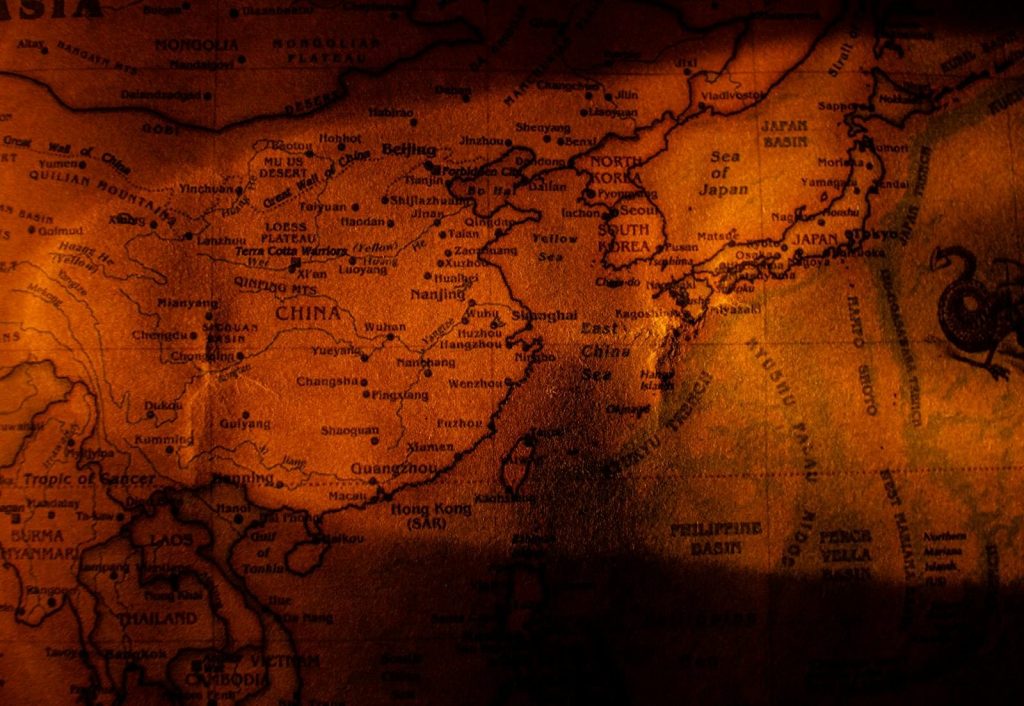
    A close-up vintage map showing East Asia with sepia tones, highlighting China, Japan, and Korea.
    Photo by Nothing Ahead on Pexels

    If the parent asteroid broke into two pieces, why not three or four? Geologists are now scouring the globe for more hidden craters from the same time period. There are suspicious structures in India and the Pacific that are being re-examined. We might find that the end of the dinosaurs was caused by a “meteor shower” of massive proportions. Every new crater we find is a piece of the puzzle that explains why life on Earth changed so drastically. It’s a detective story that is 66 million years old. But wait until you see the technology we are using to find them.

    Using Satellites to Map Ancient Deaths

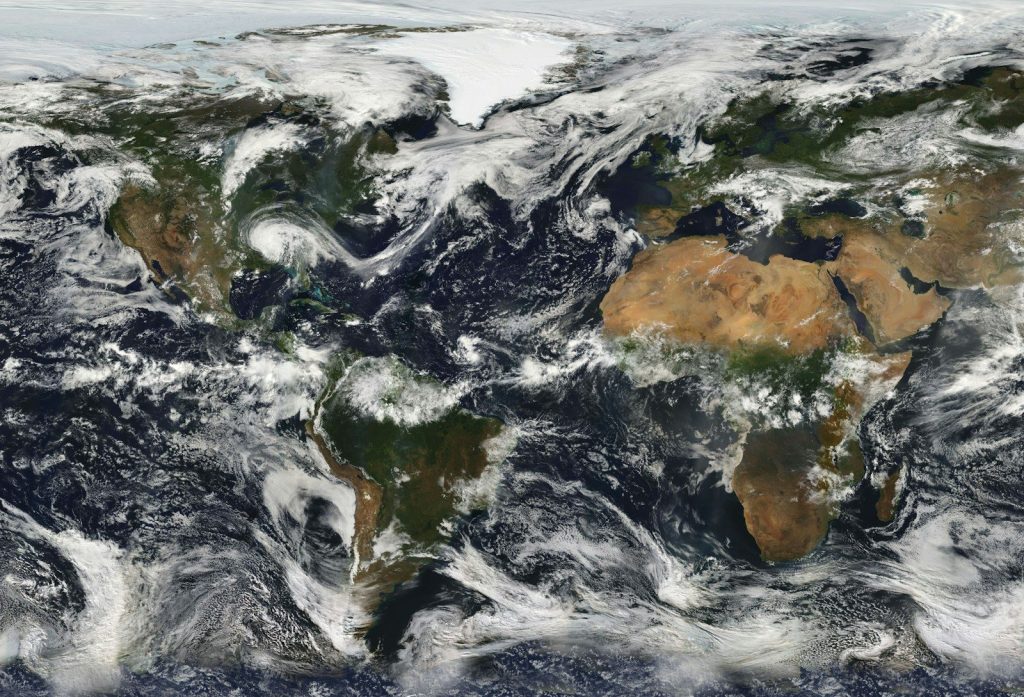
    The continents and oceans with clouds
    Photo by NASA on Unsplash

    We no longer need to walk every inch of the planet to find craters. High-resolution gravity maps from space allow us to see through the Earth’s crust. These satellites can detect “dents” in the planet’s gravity caused by buried impact sites. It is how we found the Nadir Crater, and it is how we will find the next one. We are using 21st-century tech to look back at the beginning of our world. As the map becomes clearer, the story of the “Second Killer” is just the beginning. But the most shocking truth about our origins was found in the ice.

    The Final Verdict on the Asteroid Duo

    a very large object in the middle of the night sky
    Photo by NASA Hubble Space Telescope on Unsplash

    The discovery of the Nadir Crater has changed paleontology forever. We can no longer talk about a single asteroid in isolation. The death of the dinosaurs was a complex, multi-stage disaster that happened at a global scale. It teaches us that the Earth is a target in a very crowded solar system. We are living on a planet that has been hit before and will likely be hit again. The “Second Killer” is a warning from the past that we need to keep our eyes on the sky. Are you ready for the shocking truth about the world’s most famous mummy?

    Featured Image: Photo by NASA Hubble Space Telescope on Unsplash

  •  The Mysterious New Signal From a Distant Magnetar

     The Mysterious New Signal From a Distant Magnetar

    Deep in the vacuum of space, something is waking up. Astronomers have detected a strange, rhythmic radio signal coming from a magnetar known as XTE J1810-197. Magnetars are the most powerful magnets in the universe, essentially neutron stars with magnetic fields a trillion times stronger than Earth’s. This specific star has been quiet for years, but suddenly it started “screaming” in radio waves again. This isn’t just a random burst of noise; the signal is behaving in a way that defies our current understanding of physics.

    The signal features a unique type of “circular polarization,” where the light appears to spiral as it travels through space. Scientists are baffled because this behavior is incredibly rare for stars of this type. It suggests that something massive is shifting on the star’s surface, or perhaps something even more mysterious is happening in the atmosphere surrounding it. As we point our most powerful telescopes toward the constellation Sagittarius, the data coming back is making researchers rewrite the textbooks on how dead stars behave. But the most chilling part is how the signal seems to be changing its own tempo.

    The Star That Acts Like a Living Magnet

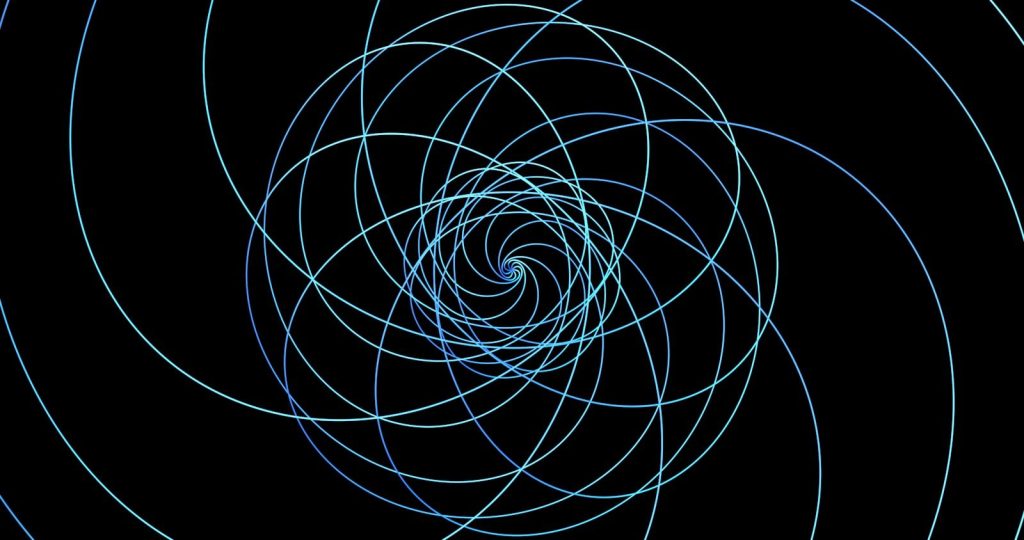
    A spiral of blue lines on a black background
    Photo by Buddha Elemental 3D on Unsplash

    A magnetar is not your average sun. If one were to drift halfway to the Moon, it would strip the data from every credit card on Earth instantly. The magnetic pressure is so intense that it can actually warp the shape of atoms. XTE J1810-197 is currently acting like a giant cosmic lighthouse, but the light it’s throwing out is distorted. Researchers believe we are witnessing a “starquake,” a massive shift in the star’s crust that is releasing bursts of energy. This discovery is a rare opportunity to see how the universe’s strongest forces interact. But why is the signal spiraling toward us like a corkscrew?

    The Mystery of the Spiraling Radio Waves

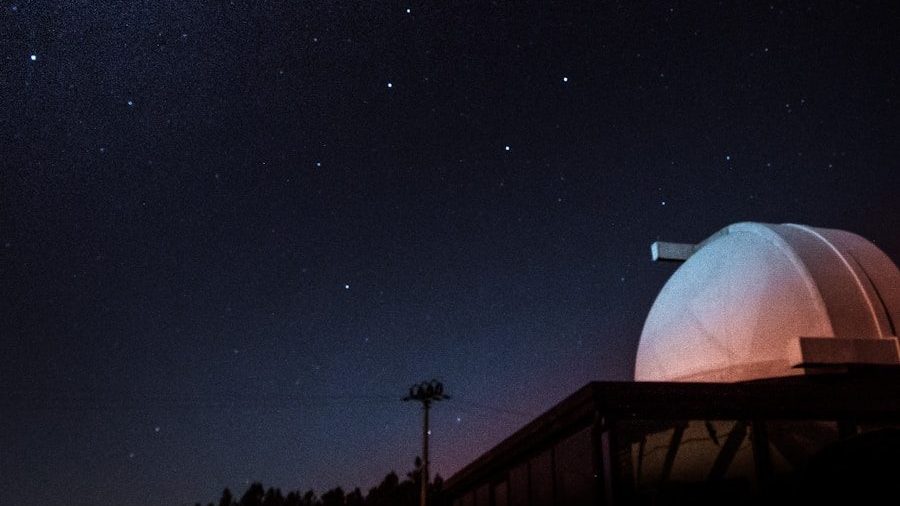
    white dome ground telescope
    Photo by Paolo Bendandi on Unsplash

    Light usually travels in straight lines, but the radio waves from this magnetar are twisting. This “circular polarization” is usually a sign of something very complex happening in the star’s magnetic field. It acts as a fingerprint for the environment around the star. Scientists think the light is passing through a thick “soup” of plasma that is forcing it to spin. However, some data suggests the twist might be coming from the star’s core itself. This could mean the interior of neutron stars is even weirder than we thought. But there is a pattern in the noise that looks almost intentional.

    Is It a Message or Just Physics?

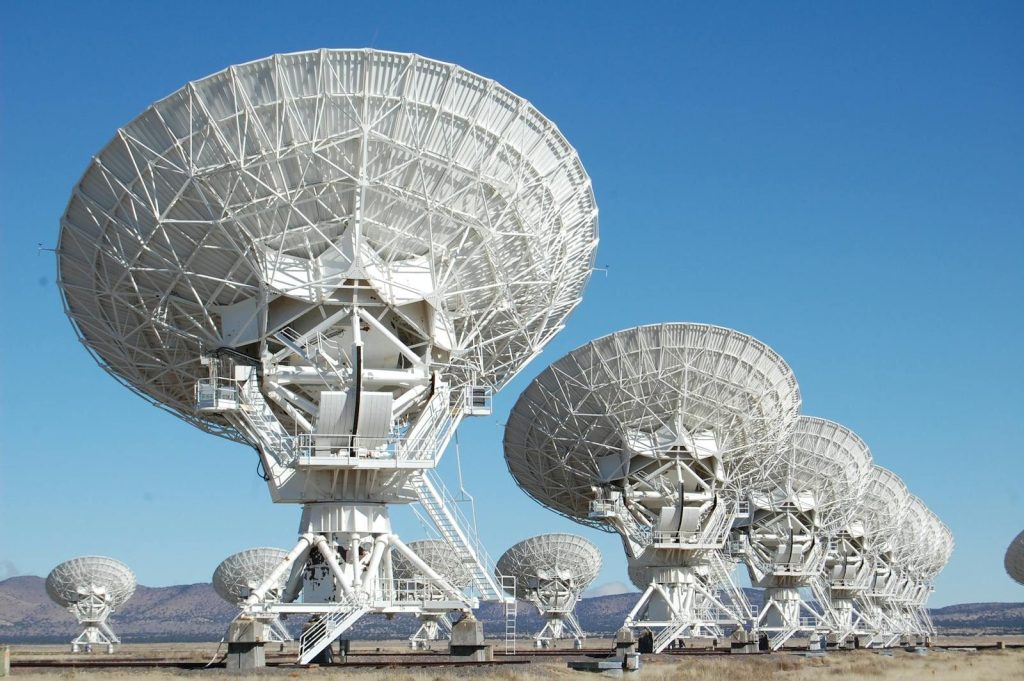
    Array of radio telescopes at the Very Large Array in New Mexico under a clear blue sky.
    Photo by braincontour on Pexels

    Whenever a rhythmic signal comes from space, the “alien” question always comes up. While most scientists believe this is a natural event, the precision of the timing is startling. The signal repeats with a regularity that rivals the best watches on Earth. This “ticking” helps astronomers map the distance to the star with incredible accuracy. It provides a “cosmic GPS” point that could help future space travelers navigate the galaxy. But even if it’s just a star, the energy it’s releasing is enough to power our entire civilization for millions of years. Wait until you see how this energy compares to a supernova.

    Energy Bursts That Could Rip Space

    blue, orange, and red abstract digital wallpaper
    Photo by ActionVance on Unsplash

    The bursts coming from XTE J1810-197 are short, but they are incredibly violent. In just a fraction of a second, the magnetar releases more energy than our Sun does in a month. These are known as Fast Radio Bursts, and they are one of the biggest mysteries in modern astronomy. By catching this magnetar in action, we are finally seeing the “smoking gun” of where these bursts come from. It’s like watching a cosmic engine misfire in high definition. This information is critical for understanding the “dark energy” that holds the universe together. But this star is also acting as a massive time machine.

    Looking Back Into the Deep Past

    Milky Way Galaxy wallpaper
    Photo by Graham Holtshausen on Unsplash

    Because this magnetar is thousands of light-years away, we aren’t seeing what it’s doing today. We are seeing what happened thousands of years ago. The signal has been traveling through the void for millennia just to reach our sensors. This delay allows us to study the history of the galaxy as if it were happening right now. We are effectively looking at the “ghost” of a star’s tantrum. As the signal continues to pulse, we are waiting to see if it will eventually fade away or explode. But scientists have noticed something else moving in the darkness nearby.

    The Ghostly Neighbors of the Magnetar

    Vibrant green nebula with starry background, showcasing cosmic beauty.
    Photo by Marek Pavlík on Pexels

    XTE J1810-197 isn’t alone in its part of the galaxy. It is surrounded by a cloud of gas and dust that is glowing from the star’s radiation. This “halo” is helping researchers see the invisible magnetic lines that reach out from the star. It’s like seeing the wind by watching the leaves move. These observations are helping us understand how magnetars influence the stars around them. It turns out these dead stars might be the “sculptors” of their local neighborhoods. But the signal is starting to show a new, terrifying frequency that we haven’t seen before.

    What Happens When the Signal Stops?

    black textile on white background
    Photo by Francesco Ungaro on Unsplash

    Magnetars don’t stay active forever. Eventually, the magnetic energy runs out, and the star becomes a cold, silent lump of matter. The current “outburst” from XTE J1810-197 could end at any moment. Astronomers are racing to collect as much data as possible before the lighthouse goes dark again. Each second of the signal is a precious piece of a puzzle that spans the entire universe. When it finally stops, we might be left with more questions than answers. But while we look at the stars, a secret killer was found hiding in Earth’s own history.

    Featured Image: Photo by Frank Cone on Pexels

  • The Tech That Makes Fiber Optics Look Like Dial-Up

    The Tech That Makes Fiber Optics Look Like Dial-Up

    For 20 years, fiber optics has been the “gold standard” of the internet. We thought that moving data at the speed of light through glass cables was the final limit. But in 2026, a new breakthrough in “Terahertz Waves” has officially made fiber look like ancient dial-up. We are no longer talking about Megabits or Gigabits; we are entering the era of “Petabits.” This new technology enables data speeds 1,000 times faster than the fastest fiber-optic cable.

    Imagine downloading a thousand 8K movies in a single second. That is the reality of this new “T-Wave” tech. It isn’t just a small upgrade; it is a fundamental shift in how the world connects. The barrier to “Real-Time” global communication has finally been erased. This isn’t just for big companies; it is coming to your home sooner than you think. But how can a wireless wave actually beat a physical cable?

    The Power of the Terahertz Wave

    frequency, sine, physics, light, seem, background, blue, graphic, wave, waveform, audio, volume, spectrum, frequency, frequency, frequency, frequency, frequency, waveform, spectrum
    Photo by geralt on Pixabay

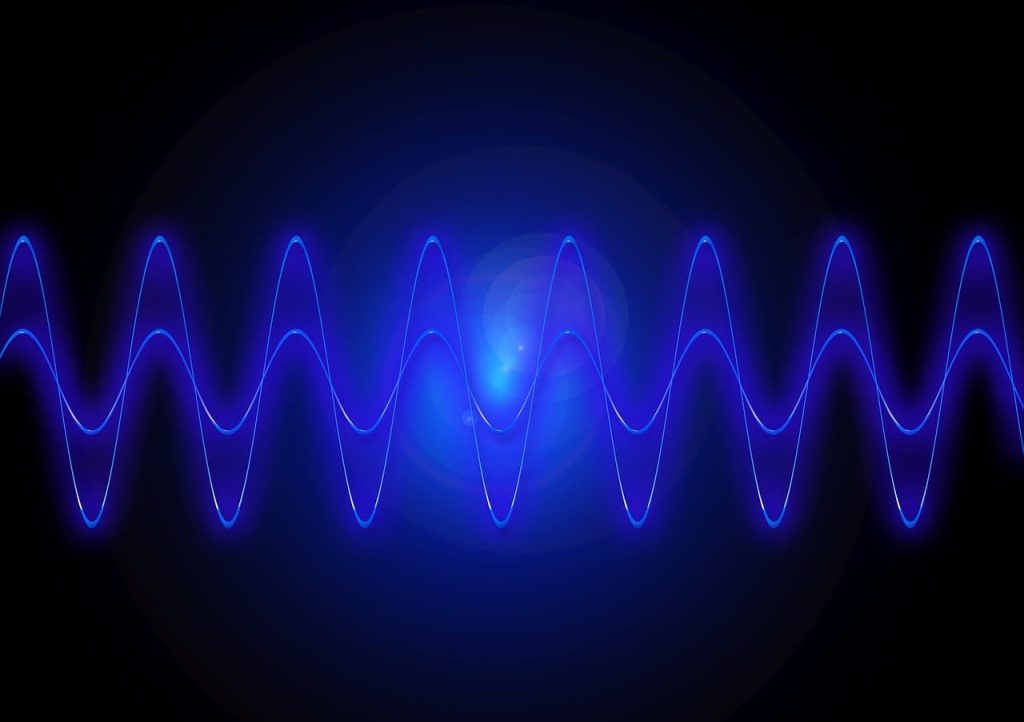
    The secret is the frequency. Terahertz waves sit between microwaves and infrared light on the spectrum. They can carry massive amounts of data because they vibrate trillions of times per second. In the past, these waves were too difficult to control because they couldn’t travel very far. But a 2026 breakthrough in “Orbital Angular Momentum” has allowed scientists to “twist” these waves into a tight beam that can travel miles without losing energy. It is like replacing a garden hose with a high-pressure laser. But wait until you see what this does to your phone.

    The End of the “Loading” Bar Forever

    time-lapse photography
    Photo by CHUTTERSNAP on Unsplash

    With T-Wave tech, the concept of “buffering” or “loading” is officially dead. Everything on the internet will be “Instant.” This allows for a new type of “Cloud Computing” where your phone doesn’t even need a powerful processor. All the heavy work is done on a supercomputer miles away and beamed to your screen in real-time. Your phone becomes a “portal” to infinite power. But this speed is also enabling a new type of medical miracle.

    Remote Surgery with Zero Latency

    Senior scientist observing robot performing a task indoors.
    Photo by Pavel Danilyuk on Pexels

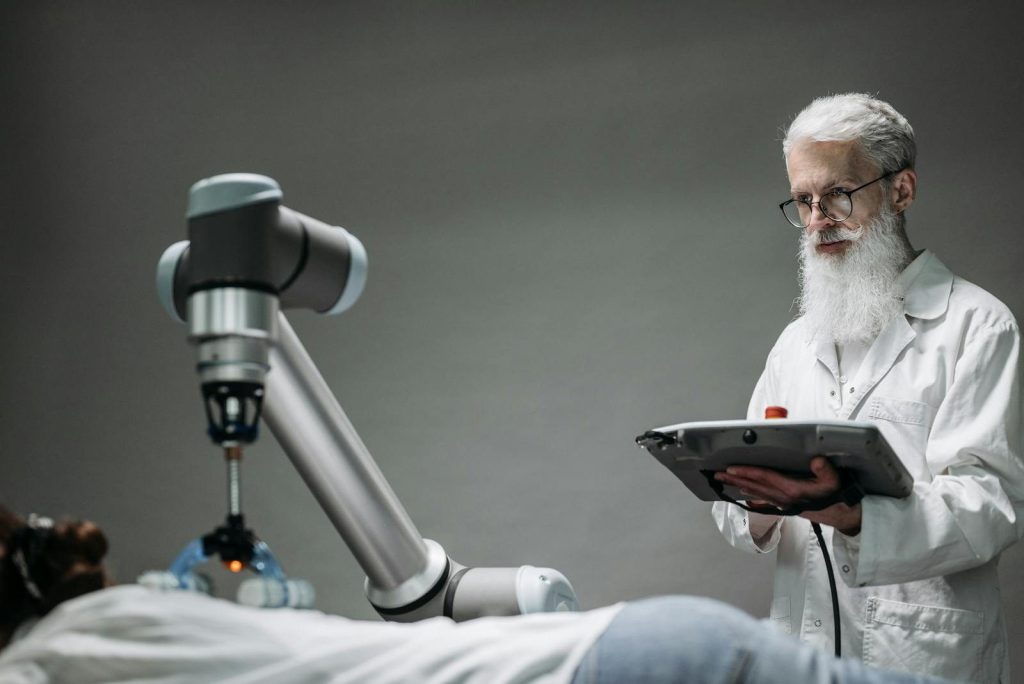
    The biggest problem with remote surgery was “Latency”—the tiny delay between the doctor’s hand movement and the robot’s reaction. Even a half-second delay could be deadly. T-Wave technology has reduced latency to “Absolute Zero.” A surgeon in New York can now operate on a patient in Tokyo with the same precision as if they were in the same room. It is the end of medical borders. But wait until you see what this does to the world of gaming.

    True 16K Virtual Reality is Here

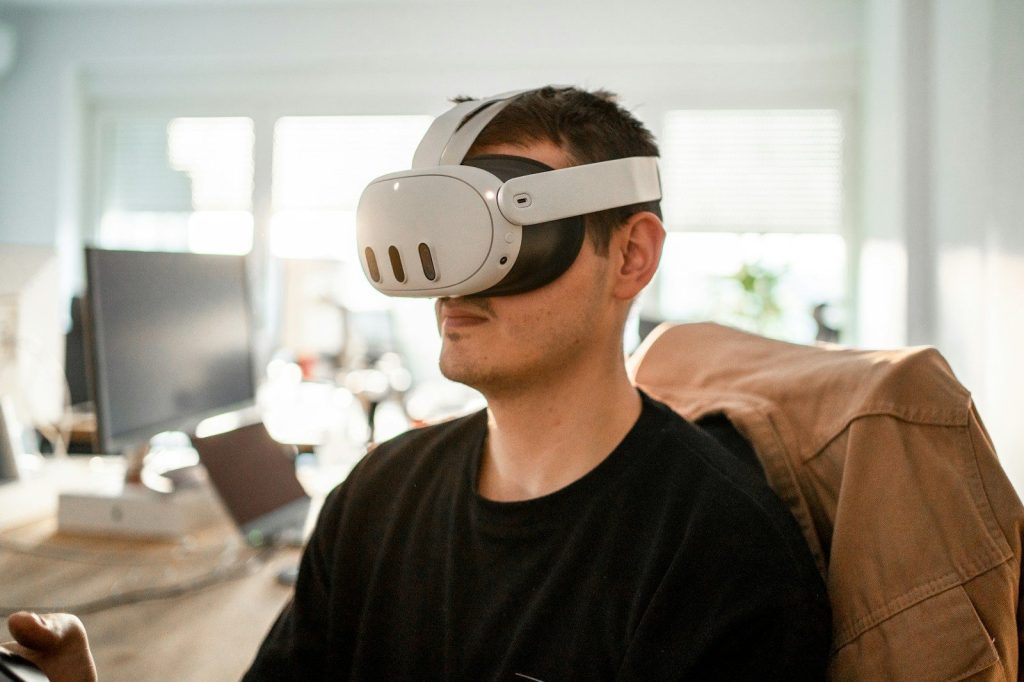
    a man sitting in a chair wearing a pair of virtual glasses
    Photo by Azwedo L.LC on Unsplash

    Current VR headsets often feel “blurry” or cause motion sickness because the data can’t move fast enough. T-Wave technology allows for 16K resolution at 240 frames per second. The result is a digital world that is indistinguishable from reality. You can explore a virtual city or a fantasy world with perfect clarity and no lag. We are looking at the birth of the “Metaverse” that actually works. But how does this tech handle the “dead spots” in your house?

    The World’s First “Wall-Piercing” Signal

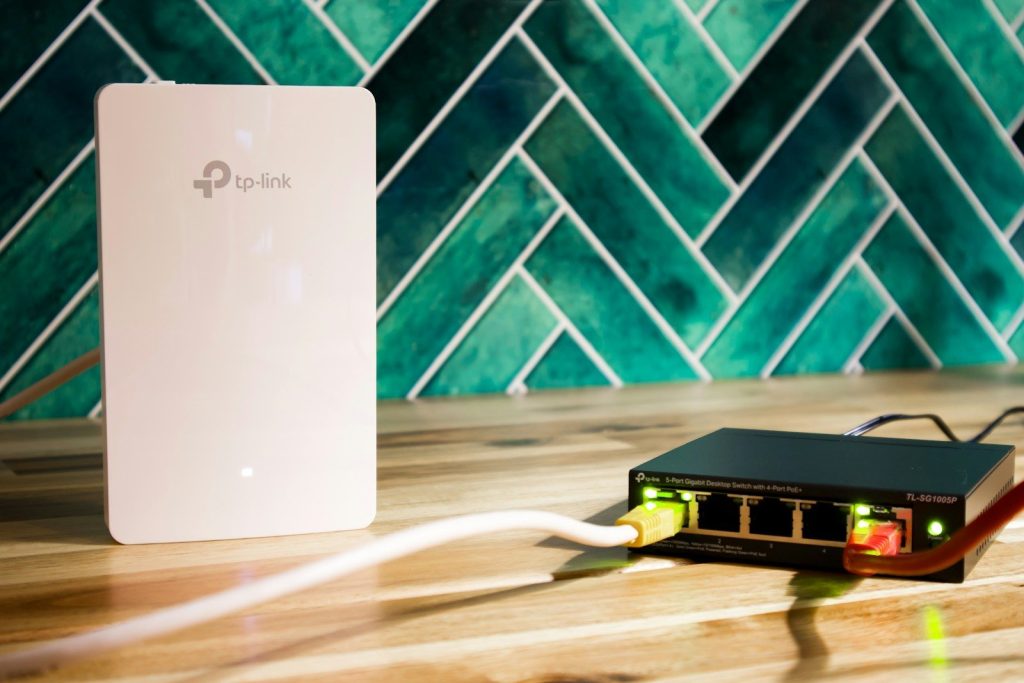
    A wi-fi router and a network switch sit side-by-side.
    Photo by User_Pascal on Unsplash

    In the past, high-frequency waves were blocked by walls and trees. The 2026 T-Wave routers use “Intelligent Reflective Surfaces.” These are tiny, invisible stickers you can put on your walls that “bounce” the signal around corners and through obstacles. Your entire house becomes a perfect zone of ultra-fast data. There is no corner where you won’t have the full Petabit speed. But is all this power safe for your body?

    The Radiation Debate of 2026

    a car with a screen and a tag on the front
    Photo by Talal elmountassir on Unsplash

    Every time a new network arrives, people worry about radiation. Scientists have spent years studying T-Waves and have found they are “Non-Ionizing,” meaning they don’t have enough energy to damage your DNA. In fact, they are safer than the sunlight you feel on your skin. Governments have officially cleared the tech for global rollout. We are once again moving forward with confidence. But who is the giant company that is secretly running this whole network?

    The Death of the Traditional ISP

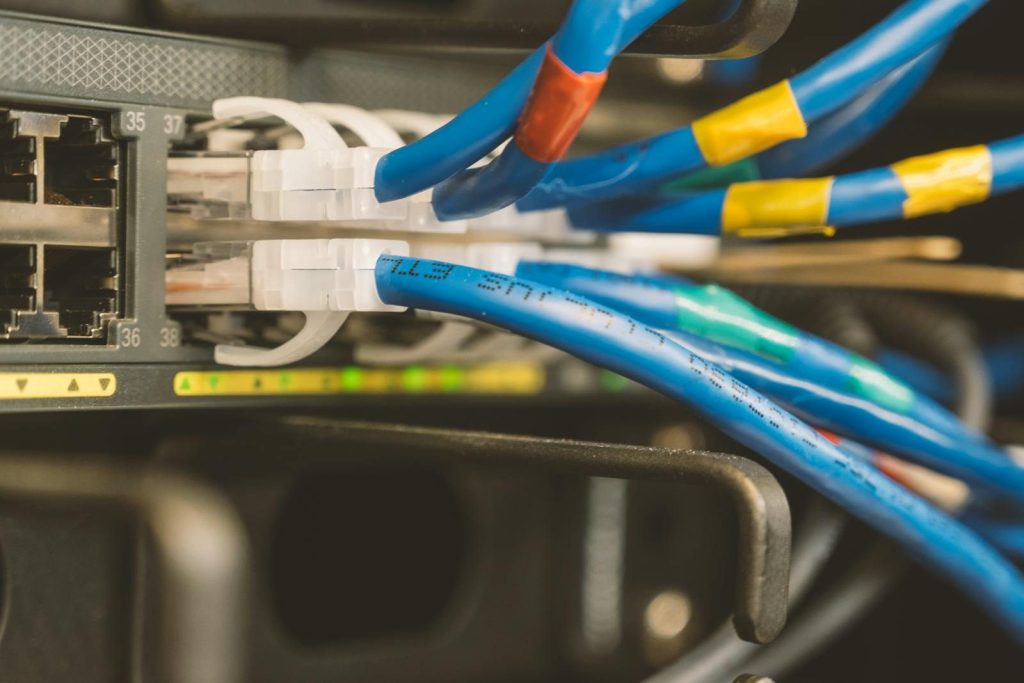
    Network switch and blue ethernet cable with white tips connected to system for maintenance
    Photo by Brett Sayles on Pexels

    T-Wave technology doesn’t require miles of expensive underground copper or glass cables. It uses a “Mesh Network” of small, solar-powered boxes on every street light. This means the old “Cable Companies” are quickly becoming obsolete. A new group of “Community Networks” is taking over, providing ultra-fast internet for a fraction of the price. We are finally taking back the web from the monopolies. But wait until you see the next big discovery that is already hitting the news.

    The Journey to an Infinite Internet

    Modern digital spheres interconnected by glowing lines, showcasing a futuristic network concept.
    Photo by Merlin Lightpainting on Pexels

    The era of “Dial-Up” and “Fiber” is over. We are now living in the “T-Wave” era, where information moves at the speed of thought. This breakthrough is the foundation for everything we have discussed: memory offloading, AI judges, and lunar mining. We have finally built a nervous system for the planet that can handle our infinite curiosity. The future is here, and it is moving faster than you ever imagined.

    Featured Image:Photo by Denny Müller on Unsplash

  • Can AI Write Fairer Laws? The Algorithmic Judge Rise

    Can AI Write Fairer Laws? The Algorithmic Judge Rise

    The human legal system is slow, expensive, and often biased. We have all heard stories of two people committing the same crime but receiving completely different sentences. But in 2026, a new force is entering the courtroom: the “Algorithmic Judge.” Governments are now using AI to draft new laws and even assist in making legal rulings. The goal is simple: to create a system of “Pure Justice” that is based on data, not emotion.

    This isn’t about replacing humans with robots; it’s about giving our legal system a “logical upgrade.” The AI can scan millions of past cases in seconds to find the most consistent and fair outcome. It can identify hidden patterns of bias that human judges might not even realize they have. We are entering an era where “the law” is becoming a living, breathing piece of code. But can a machine really understand the difference between right and wrong?

    Deleting Human Bias from the Bench

    woman in dress holding sword figurine
    Photo by Tingey Injury Law Firm on Unsplash

    Human judges are affected by hunger, tiredness, and their own personal history. Studies have shown that judges are more likely to give harsher sentences right before lunch. An AI doesn’t get hungry or tired. It treats every case with the same level of focus and neutrality. In 2026, many cities have started using AI to handle “small claims” and traffic tickets, leading to a 90 percent drop in appeals. But the technology is moving toward much more serious crimes.

    Speeding Up Justice at Lightning Speed

    brown wooden hand tool on white printer paper
    Photo by Markus Spiske on Unsplash

    The average legal case takes months or even years to resolve. This “Justice Delay” often ruins lives and businesses. The Algorithmic Judge can process evidence and provide a preliminary ruling in minutes. It allows human lawyers to focus on the complex human elements of a case while the AI handles the paperwork and the history. We are moving from a system of “wait and see” to a system of “instant resolution.” But wait until you see the “Black Box” problem.

    The Mystery of the Black Box Courtroom

    ai generated, data center, server, data, network storage, server room, network, technology, green, high-tech servers, computer, futuristic, storage, high-tech, lights
    Photo by Yamu_Jay on Pixabay

    One of the biggest fears is that we won’t understand how the AI makes its decisions. This is known as the “Black Box” problem. If an AI sentences someone to prison, we need to know why. To fix this, the 2026 AI models are “Explainable.” Every ruling comes with a plain-language report detailing exactly which laws and cases were used to reach the conclusion. It is a level of transparency that most human judges can’t match. But does this mean we don’t need human lawyers?

    The Rise of the AI Public Defender

    Man in suit using stylus on tablet for business work indoors
    Photo by Towfiqu barbhuiya on Pexels

    In the past, only the rich could afford the best legal defense. Now, AI “Public Defenders” are providing top-tier legal advice to everyone for free. These AI tools can find a tiny loophole in a thousand-page document in seconds. It is leveling the playing field between giant corporations and the average citizen. We are seeing a “Democratization of Law” that is changing the face of our society. But wait until you see how AI is “predicting” crimes.

    Predictive Policing and the New Minority Report

    white and black electric meter
    Photo by Eagan Hsu on Unsplash

    Using historical data, the Algorithmic Judge can predict where crimes are likely to happen before they occur. Police departments are using this data to deploy resources more effectively. While this sounds like a sci-fi movie, the 2026 results show a significant drop in violent crime in major cities. However, this has sparked a massive debate about “Pre-Crime” and civil liberties. We are forced to choose between a safer world and a more private one.

    Ethical Safeguards for the Machine Judge

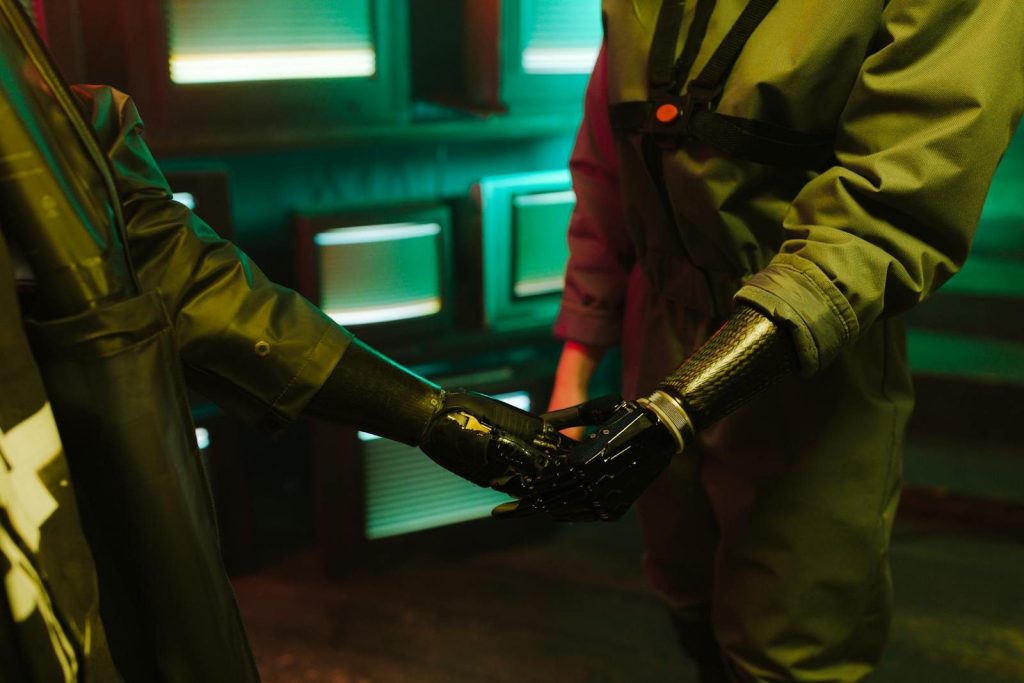
    A compelling handshake featuring modern prosthetic arms in an industrial environment.
    Photo by Yaroslav Shuraev on Pexels

    To prevent the AI from becoming a “Digital Dictator,” every algorithmic ruling must be reviewed by a human oversight committee. We are keeping the “Human in the Loop” to ensure that mercy and compassion are never forgotten. The law is no longer just a set of rules; it is a partnership between human wisdom and machine logic. It is a delicate balance that we are still perfecting. But as we fix our courts, we are also rebuilding our internet.

    A Future Built on Data-Driven Truth

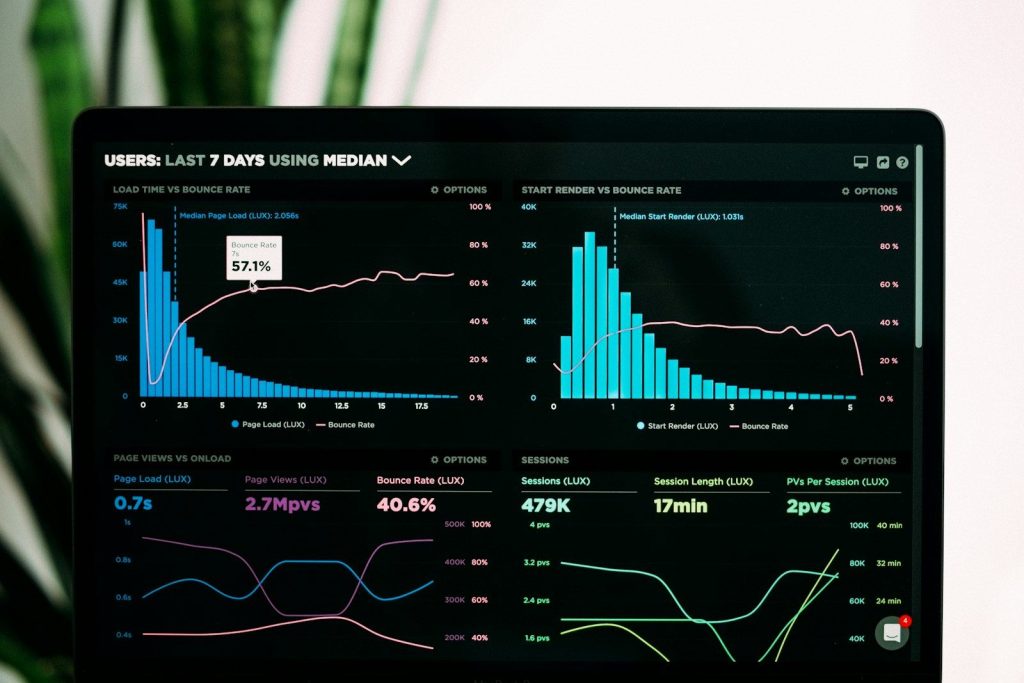
    graphs of performance analytics on a laptop screen
    Photo by Luke Chesser on Unsplash

    The era of the “Algorithmic Judge” is just the beginning of a data-driven society. We are moving toward a world where truth is calculated, not guessed. While it might feel scary to give power to a machine, the results so far are a fairer, faster, and more accessible legal system for everyone. We are finally building a world where “The Law” truly applies to all. But you won’t believe how fast your data is about to travel.

    The Final Verdict on AI Justice

    An empty parliamentary chamber with seating and a central table
    Photo by ANGIE BAONGOC on Unsplash

    We are standing at the end of the “Human-Only” law. The transition to AI-assisted justice is happening faster than anyone predicted. By the end of this decade, your lawyer, your judge, and your legislator might all be powered by code. It is an exciting and challenging time to be an inhabitant of Earth. We are rewriting the rules of our civilization, and the future looks bright. Are you ready for the tech that makes fiber optics look like a toy?

    Featured Image: Photo by KATRIN BOLOVTSOVA on Pexels

  • Why Your Doctor Wants You to Wear Bio-Sensing Silk

    Why Your Doctor Wants You to Wear Bio-Sensing Silk

    The future of healthcare isn’t in a pill bottle; it’s in your wardrobe. In 2026, a revolutionary material called “Bio-Sensing Silk” has arrived, changing how doctors monitor your health. This isn’t just luxury fabric; it is a high-tech medical device that feels as soft as a cloud. Scientists have figured out how to weave microscopic sensors directly into silk fibers. These sensors can track your heart rate, blood pressure, and even your blood sugar levels without a single needle.

    Your doctor wants you to wear this silk because it provides “Passive Monitoring.” Instead of going to a clinic for a checkup, your clothes continuously send health data to your medical team. It can detect a heart attack or a stroke hours before you feel the first symptom. We are looking at a world where your favorite shirt could literally save your life. But how does a piece of thread actually “talk” to a computer?

    The Secret of the Conductive Thread

    a close up of water droplets
    Photo by Skyler Ewing on Unsplash

    The secret lies in a “Liquid Metal” coating applied to natural silk. This coating allows the fabric to conduct electricity without losing its flexibility or softness. The silk acts as a giant sensor that wraps around your entire body. When your skin produces sweat or your heart beats, the conductive silk picks up the tiny electrical signals. This data is then processed by a tiny, button-sized chip hidden in the collar. It is a masterpiece of “Invisible Tech.” But can this silk actually heal your wounds, too?

    Silk Stitches That Detect Infection

    brown and black roots
    Photo by Matt Artz on Unsplash

    One of the most incredible uses for this tech is in “Smart Stitches.” Surgeons are now using bio-sensing silk to sew up patients after surgery. These stitches can monitor the wound’s pH levels in real time. If an infection starts to form, the stitches change color or send an alert to your phone. It allows doctors to catch complications before they become dangerous. It is the end of the “wait and see” era of surgical recovery. But wait until you see the “Smart Bandage” version.

    The Bandage That Thinks for Itself

    man and woman holding hands
    Photo by Sasun Bughdaryan on Unsplash

    Standard bandages just cover a wound; bio-sensing silk bandages actually treat it. These “Smart Bandages” can release antibiotics or growth hormones automatically based on what the sensors detect. If the wound is too dry, the bandage releases moisture. If it’s too hot, it provides a cooling effect. It is like having a tiny, robotic nurse sitting on your skin. This tech is already being used to help diabetic patients heal much faster. But what about the air you breathe?

    A Shirt That Measures Air Quality

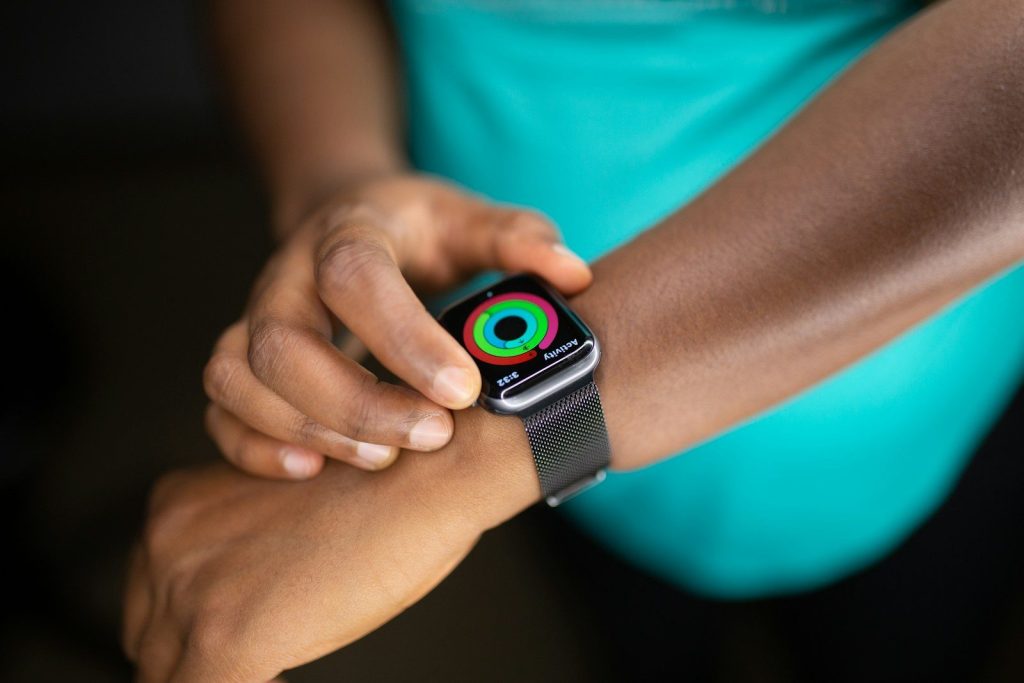
    person wearing silver aluminum case apple watch with white sport band
    Photo by Solen Feyissa on Unsplash

    The silk sensors aren’t just looking inward; they are looking outward, too. New 2026 clothing lines include silk that can detect harmful pollutants or allergens in the air. If you walk into a room with high levels of carbon monoxide or pollen, your shirt will vibrate to warn you. This is a game-changer for people with asthma or severe allergies. Your clothes are becoming a protective “environmental shield.” But how do you wash a computer shirt?

    The World’s First Washable Computer

    pink and green plastic container
    Photo by engin akyurt on Unsplash

    In the past, wearable tech was bulky and fragile. Bio-sensing silk is different because it is “Durable by Design.” The liquid metal coating bonds to the silk at a molecular level, so you can throw it in a regular washing machine. It can be stretched, folded, and worn for years without losing its sensing power. We have finally moved past the “gadget” phase of wearables into true “lifestyle” integration. But who is paying for all this expensive silk?

    Affordable Health for Every Neighborhood

    woman in white scrub suit holding gray laptop computer
    Photo by National Cancer Institute on Unsplash

    While silk sounds expensive, the 2026 manufacturing process has become surprisingly cheap. Large-scale labs are now “printing” these sensors onto silk by the mile. Governments are looking at bio-sensing silk as a way to lower overall healthcare costs. By preventing hospital visits through early detection, the silk pays for itself in just a few months. We are seeing the democratization of high-end medical care. But is there a catch to being “always connected”?

    Privacy in the Age of Medical Fabric

    pink and silver padlock on black computer keyboard
    Photo by FlyD on Unsplash
    The biggest concern is who owns your heart rate data. To solve this, the bio-sensing silk uses “Local Encryption.” Your health data is processed on the chip and only shared with your doctor through a secure, private link. You have the “kill switch” to stop the data flow at any time. It is a “Privacy-First” approach to the future of medicine. But as we fix our bodies, we are also changing our laws. Are you ready for the judge without a heart?

    The Future of the Human Body

    person holding white tablet computer
    Photo by Tom Claes on Unsplash

    Bio-sensing silk is just the first step in the “Biological Revolution.” We are moving toward a future where our technology and our bodies are perfectly in sync. From the clothes we wear to the memories we save, the line is disappearing. We are building a world that is safer, cleaner, and more intelligent. Keep your eyes on the runway, because the next big medical breakthrough is coming to a clothing store near you.

    Featured Image: Photo by Jatin Gajjar on Unsplash
  • Is Your Brain Obsolete? The 2026 Reality of Memory Offloading

    Is Your Brain Obsolete? The 2026 Reality of Memory Offloading

    Human memory is notoriously unreliable. We forget names, lose our keys, and blur the details of our own history. But in 2026, a new technology known as “Memory Offloading” is making the natural brain look like outdated hardware. Scientists have developed a “Neural Bypass” that allows you to store your memories on an external cloud drive. It sounds like science fiction, but the first human trials are already showing 100 percent recall accuracy.

    This isn’t just about remembering your grocery list. It is about capturing every second of your life in high-definition data. We are entering an era where you can “scroll” through your past just like you scroll through a social media feed. The barrier between biological thought and digital storage has finally been smashed. But as we start to rely on external drives for our thoughts, people are asking a terrifying question: what happens to the person you used to be?

    An External Hard Drive for the Mind

    ai generated, ai brain, neural networks, digital connections, futuristic concepts, artificial intelligence, advanced technology, digital art, technological innovation, ai visualizations, digital images, neural pathways, technological art, ai graphics, digital design, futuristic art, technological concepts, digital brains, neural art, technological visualizations
    Photo by Soul_Canvas on Pixabay

    The technology uses a “Neural Mesh” that sits on the surface of the brain. It records the electrical patterns created when you form a new memory. This data is then encrypted and sent wirelessly to a secure “Personal Memory Cloud.” If you ever forget a detail, your brain can “request” the data back from the cloud, and it appears in your mind as a vivid thought. It is the ultimate upgrade for the human experience. But this breakthrough was actually designed for a much more tragic reason.

    Ending the Nightmare of Alzheimer’s Disease

    Doctor shows patient an x-ray of a skull.
    Photo by Vitaly Gariev on Unsplash
    The primary goal of memory offloading is to fight dementia and Alzheimer’s. By “backing up” a patient’s memories early on, doctors can feed those thoughts back into the brain even as the biological tissue begins to fail. It allows people to stay “themselves” for much longer. Families are already using the 2026 prototypes to keep their loved ones connected to their history. It is a miracle of modern medicine that is giving hope to millions. But wait until you see how students are using this tech.

    Instant Learning and Skill Uploading

    A brain over cpu represents artificial intelligence.
    Photo by Sumaid pal Singh Bakshi on Unsplash
    If you can offload memories, can you also “upload” them? Researchers have found that they can transfer the “muscle memory” of a master pianist or a surgeon into the memory cloud. A student could theoretically download the “memory” of how to play a song or perform a task in seconds. We are looking at the death of traditional education. Instead of years of practice, we are talking about seconds of data transfer. But this raises a massive security risk that no one was prepared for.

    The Danger of Hackable Thoughts

    Crop unrecognizable computer geek typing on netbook with codes on screen while hacking system in darkness
    Photo by Sora Shimazaki on Pexels

    If your memories are on a cloud, can they be stolen? Cybersecurity experts are warning about “Memory Hijacking,” where hackers could access your private thoughts or even “edit” your past. Imagine waking up with a memory of a crime you never committed or a family you never had. The 2026 security protocols are incredibly strict, but the risk remains. We are trading our privacy for a perfect mind. But the tech is moving even further into “Digital Twins.”

    Living Forever in a Digital Box

    A woman with digital code projections on her face, representing technology and future concepts.
    Photo by ThisIsEngineering on Pexels

    By offloading an entire life’s worth of memories, scientists can create a “Digital Twin” of a person’s consciousness. This digital version can think and react exactly like a human. Some companies are already offering services that let you “talk” to a deceased relative based on their memory backups. It is the beginning of a world where death is no longer the end of a conversation. But does a digital copy actually have a soul?

    The Philosophical Crisis of 2026

    cyborg, future, futuristic, robot, technology, robotics, web, network, cyberpunk, mind, ai generated
    Photo by sandragielen71 on Pixabay

    Philosophers are debating whether a person who offloads 90 percent of their brain is still “human.” If our identity is just a collection of data, then what makes us special? The 2026 reality is forcing us to redefine the concept of the “soul” and “self.” We are becoming a hybrid species, half-meat and half-machine. It is a high-speed evolution that we cannot slow down. But while we worry about our souls, our doctors are looking at a new type of silk.

    The Final Verdict on Memory Tech

    a digital image of a brain with the word change in it
    Photo by Growtika on Unsplash

    Memory offloading is no longer a dream; it is a product. Within the next decade, it will likely be as common as having a smartphone. We are standing on the edge of a new era of human intelligence where forgetfulness is a choice. The only thing left to decide is how much of our biological mystery we are willing to give up for digital perfection. Are you ready for a world that never forgets anything?

    Featured Image: Photo by Ecliptic Graphic on Unsplash

  • The $500 Billion Lunar Gold Rush – Moon South Pole Secrets

    The $500 Billion Lunar Gold Rush – Moon South Pole Secrets

    The Moon is not simply a glowing rock in the night sky. In 2026 it became the most valuable piece of real estate in the solar system. A massive “Lunar Gold Rush” is currently underway, with world powers and private companies hurrying toward the Moon’s South Pole. Experts estimate that the resources buried there are worth at least $500 billion. This isn’t just planting flags anymore; it is about survival and massive profit.

    The South Pole is the target, because it contains something more precious than gold: ice. This ice can be turned into drinking water, oxygen and most importantly rocket fuel. If we can harvest fuel on the Moon it becomes the ultimate gas station for the rest of the galaxy. This discovery has transformed space exploration from a scientific hobby into a high-risk industrial race. But the ice is hidden in places where sunlight does not shine, creating a terrifying challenge for the robots already on the ground.

    Water is the New Lunar Oil

    blue and white floral textile
    Photo by Annie Spratt on Unsplash
    For decades, we thought the Moon was a dry, dead desert. We were wrong. NASA has confirmed that billions of tons of water ice are trapped in “permanently shadowed regions.” Because these craters never see sunlight, the ice has stayed frozen for billions of years. Companies are now designing giant “lunar drills” to extract this resource from the dust. Whoever controls the water controls the path to Mars. But water isn’t the only treasure hiding in the grey dirt.

    Harvesting Energy for a Million Years

    a circular window with a circle in the middle
    Photo by Ethan Currier on Unsplash

    The Moon’s South Pole also contains high concentrations of Helium-3. This rare isotope is almost impossible to find on Earth, but it is the perfect fuel for nuclear fusion. Scientists believe that just a few shuttle-loads of Helium-3 could power the entire United States for a year. It is a clean, limitless energy source that could end the climate crisis once and for all. However, the machines needed to mine it have to survive the most brutal environment known to man.

    Robots are Already Building the First Cities

    robot, humanoid, office, advanced, technology, interactive, expression, mechanics, sensors, modern, artificial, intelligence, circuit, high technology, autonomous, innovation, cybernetics, robotics, technique, machine, ai is generated
    Photo by ImJey on Pixabay

    We aren’t sending humans first; we are sending builders. Autonomous robots are currently being tested to 3D-print lunar habitats using “regolith,” or moon dust. These structures will protect future astronauts from radiation and meteorites. These robots work 24/7 without air or food, turning a desolate landscape into a functional outpost. It is a masterclass in automated engineering that is happening 238,000 miles away. But wait until you see the “Lunar GPS” that is currently being launched.

    The First Satellite Network for the Moon

    an artist's rendering of a space station in orbit
    Photo by Andrej Sachov on Unsplash

    To navigate the deep craters of the South Pole, you need more than a compass. A new constellation of satellites is being placed in lunar orbit to provide the Moon’s first navigation and communication network. This “Lunar GPS” will allow mining bots and human rovers to pinpoint their location within inches. Without this network, explorers would get lost in the dark, frozen valleys forever. But this network is also tracking something mysterious moving on the surface.

    Hidden Craters That Defy The Laws of Physics

    a man standing in a tunnel with a flashlight
    Photo by Mick Haupt on Unsplash

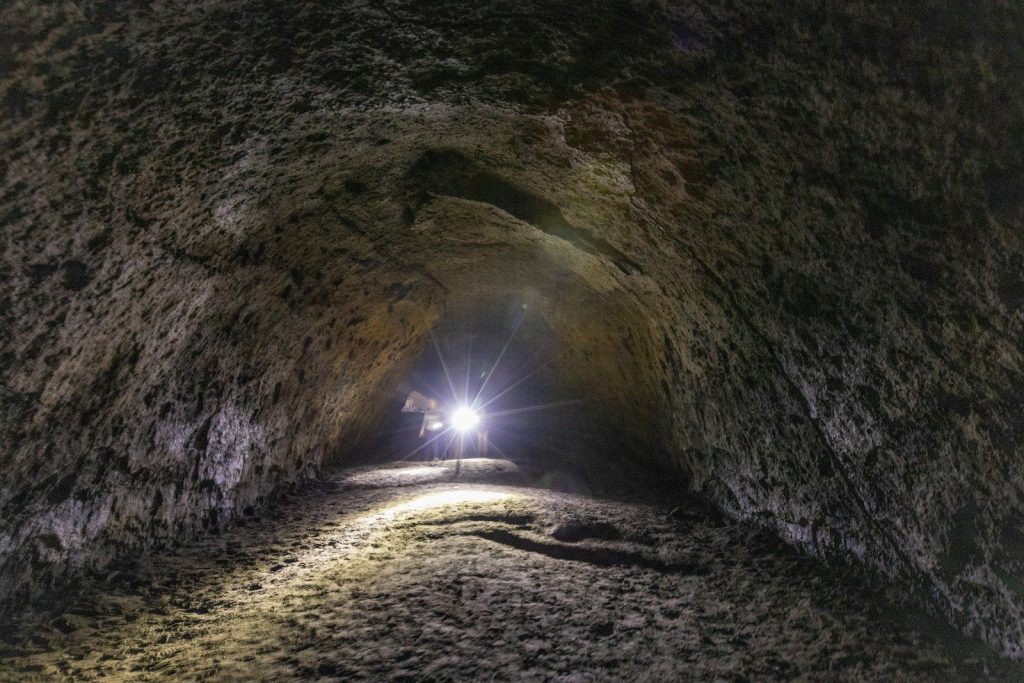
    Deep-space scans have revealed massive “lava tubes” beneath the lunar surface. These are giant, natural tunnels created by ancient volcanic activity. They are large enough to house entire cities and provide a natural shield against the vacuum of space. Inside these tubes, the temperature is surprisingly stable. It is the perfect place for a permanent human colony. But explorers are finding that some of these caves contain strange, unidentifiable chemical signatures.

    Sovereignty and the New Space Law Conflict

    a piece of paper with writing on it
    Photo by NISZOgen on Unsplash

    Who owns the Moon? The 1967 Outer Space Treaty says no nation can own it, but it doesn’t address private companies mining resources. As the “Gold Rush” intensifies, legal experts are scrambling to write new laws to prevent a “lunar war.” We are seeing the birth of “Safety Zones” where countries can operate without interference. It is a diplomatic nightmare that could boil over at any moment. But the biggest secret isn’t what we are taking from the Moon.

    The Launchpad to the Rest of the Galaxy

    A research station in a desert landscape, resembling the surface of Mars, with red rock formations.
    Photo by Wine Food Travel on Pexels

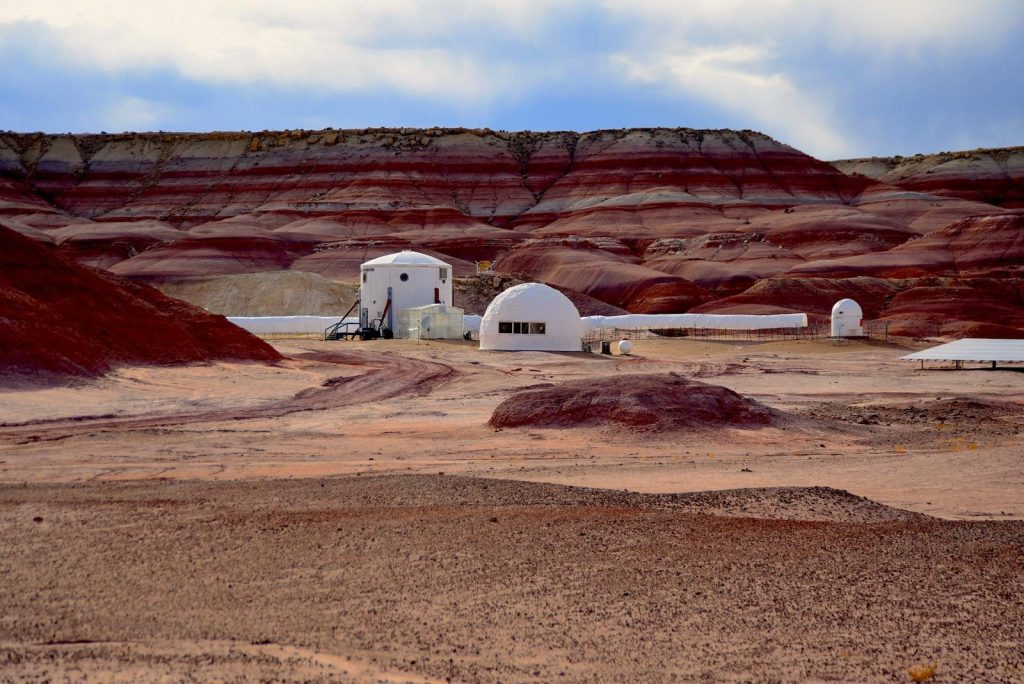
    The ultimate goal of the $500 billion rush is to use the Moon as a stepping stone. Because the Moon has very low gravity, it is much easier and cheaper to launch rockets from the lunar surface than from Earth. The South Pole will become the industrial hub for missions to Mars, Jupiter, and beyond. We are building the first port for a multi-planet civilization. But you won’t believe how this tech is already changing your own brain right now.

    The Final Countdown for the Lunar Era

    Rocket launchpad with a tall rocket and surrounding structures.
    Photo by Jay Wedgeworth on Unsplash

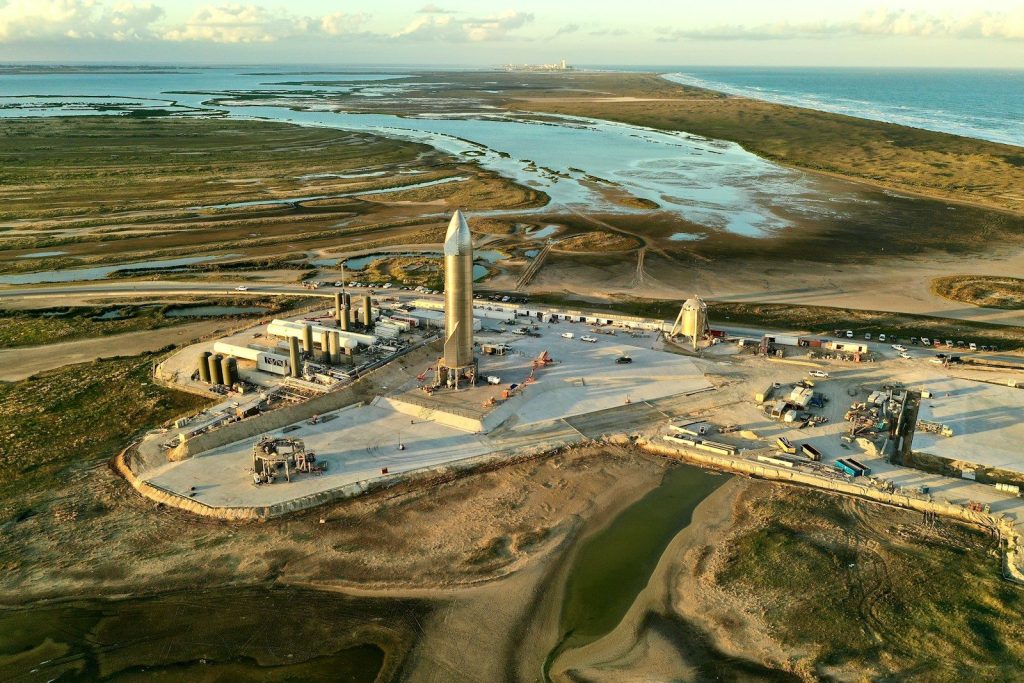
    The next three years will decide the winner of this race. With missions scheduled by NASA, China, and SpaceX, the South Pole is about to get very crowded. We are living through the most significant moment in human history since we first walked upright. The resources are there, the tech is ready, and the money is flowing. The Moon is open for business, but are we ready for what we will find in the permanent dark?

    Featured Image: Photo by WikiImages on Pixabay

  • Why modern bridges are actually designed to “break” during an earthquake

    Why modern bridges are actually designed to “break” during an earthquake

    When a massive earthquake hits, you might think the goal of a bridge is to stand perfectly still. But in modern engineering, that is exactly how a bridge collapses. If a bridge is too stiff, the energy of the earthquake will snap the concrete like a dry twig. Today, the world’s most advanced bridges are actually designed to “break” in very specific places. Engineers call these “sacrifice zones.” By allowing certain parts of the bridge to fail or move, the main structure stays standing, and lives are saved. It is a “smart” way of handling disaster that turns a bridge into a giant, flexible machine.

    The secret is “Base Isolation” and “Ductile Design”. Instead of fighting Earth’s movement, the bridge rides it like a surfboard. By using rubber pads, giant springs, and “fuses” that are meant to snap, engineers can control exactly where the damage happens. This makes sure that the parts carrying the cars never lose their strength. But how can a “broken’ bridge actually be safer than a solid one?

    The philosophy of sacrifice zones

    broken brown concrete bridge
    Photo by Indira Tjokorda on Unsplash

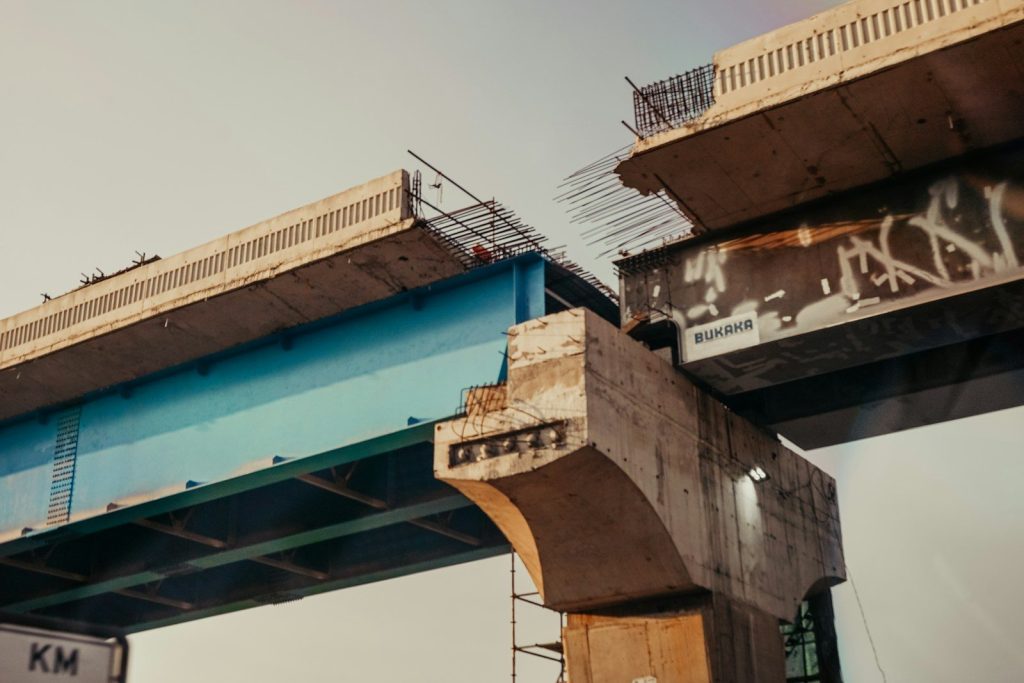
    In an earthquake, the energy has to go somewhere. If it doesn’t have a “weak spot” to go to, it will find its own. Engineers build “plastic hinges” into the support columns. These are areas that are designed to bend and deform during a quake. They soak up the energy like a sponge. The concrete might crack and look “broken,” but the steel inside stays strong. It is like the crumple zone on a car. The bridge is “sacrificed” to keep the people on top safe. But the real magic happens at the very bottom.

    Riding on giant rubber sandwiches

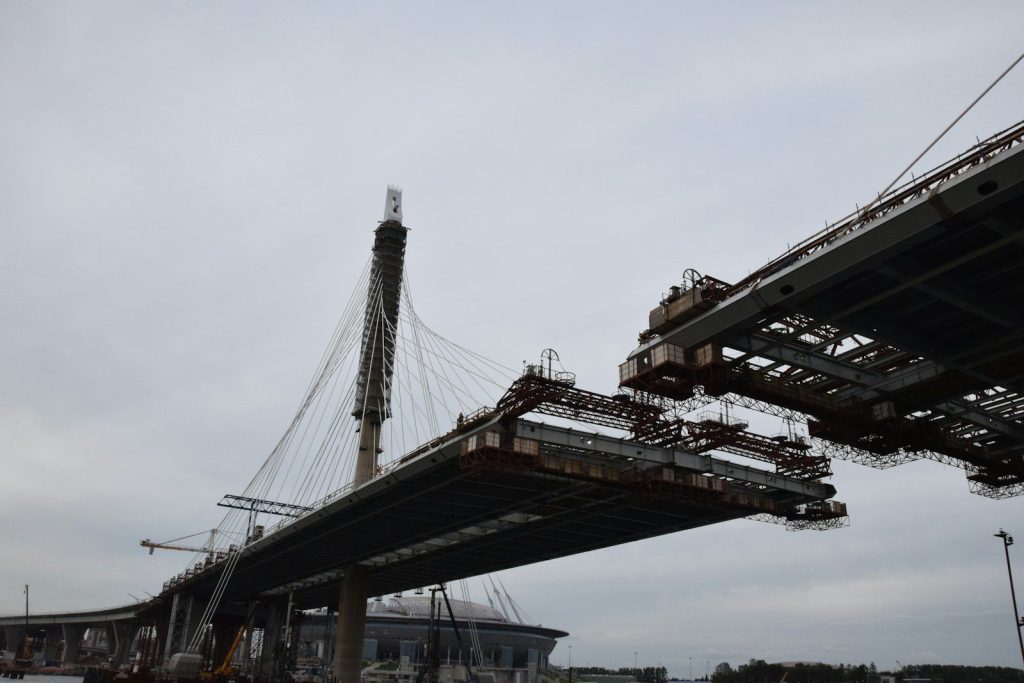
    arches, architecture, bridge, columns, nature, construction, curve, engineering, foundation, outdoors, steel, travel, water
    Photo by Pexels on Pixabay

    Modern bridges often sit on “Lead-Rubber Bearings.” These look like giant sandwiches made of rubber and steel. When the ground shakes, these pads allow the entire bridge to slide back and forth while the columns stay still. The rubber absorbs the vibrations before they can reach the main structure. It effectively “disconnects” the bridge from the earthquake. In a major quake, a bridge might move three feet in every direction and still come back to its original spot. But what happens when the road itself needs to move?

    Expansion joints that act like zippers

    A close-up view of an urban bridge showcasing its architectural design during daylight.
    Photo by Anshu Kumar on Pexels

    Have you ever seen those metal “teeth” in the road when you drive over a bridge? Those are expansion joints. Usually, they handle changes in temperature, but in an earthquake, they are a lifesaver. They allow the different sections of the bridge to pull apart and crash back together without destroying the pavement. During a quake, these joints act like a “zipper” that opens and closes to handle the movement. Without them, the road would buckle and toss cars into the air. But the “dampers” are the secret weapon for wind and quakes.

    Using giant shocks to slow the shake

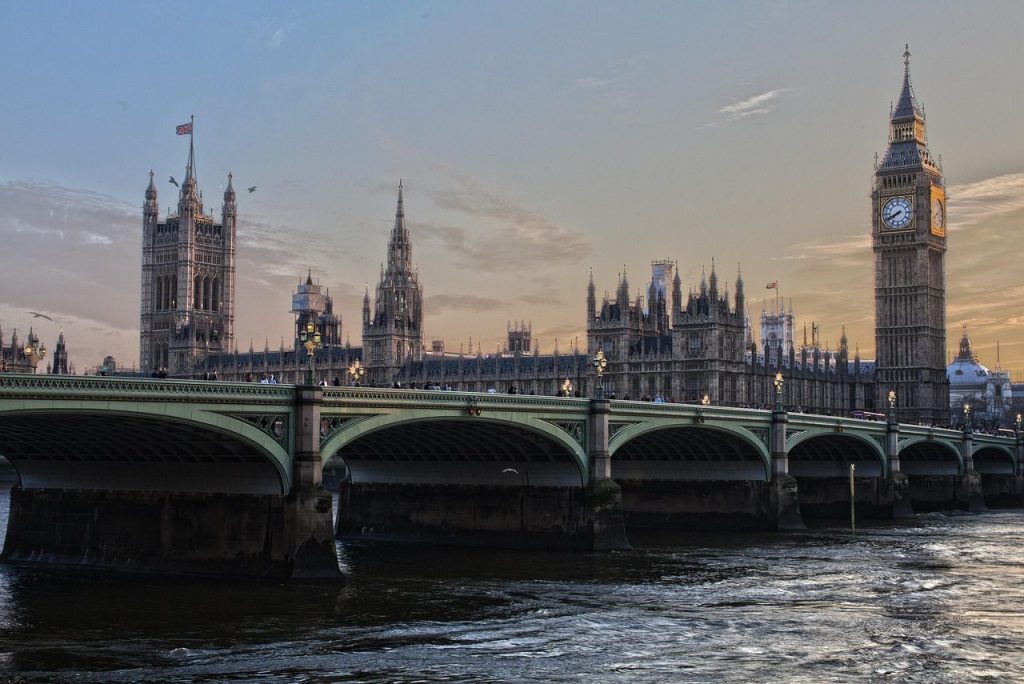
    palace, london, parliament, big ben, england, river thames, palace of westminster, buildings, architecture, city, skyline, clock tower, bridge, river, westminster, tower, british, travel, uk, thames, clock, landmark, urban, history, capital, tourism, historical, europe, cityscape, historical architecture, gothic architecture, london, london, london, london, london, england
    Photo by derwiki on Pixabay

    Inside the towers of many bridges are giant hydraulic pistons called “Viscous Dampers.” These work exactly like the shock absorbers on your car, but they are the size of a bus. They are filled with a thick oil that resists movement. When the bridge starts to sway, the dampers push against that movement and turn the energy into heat. This keeps the bridge from swinging too far and falling over. It is a high-tech way to “calm” the bridge during a crisis. But why do some bridges use “breakaway” walls?

    The wall that is meant to fall

    bridge, column, monochrome
    Photo by Pexels on Pixabay

    On the sides of a bridge, engineers often build “Breakaway Retaining Walls.” These are not meant to hold up the bridge; they are just there to look nice and hold the soil. In an earthquake, these walls are designed to fall over instantly. This clears a path for the main bridge columns to move freely. If the walls were too strong, they would block the bridge’s movement and cause a total failure. It is one more part that is “designed to break” so the whole system can survive. But is a flexible bridge scary to drive on?

    Why “rigid” is a dirty word in engineering

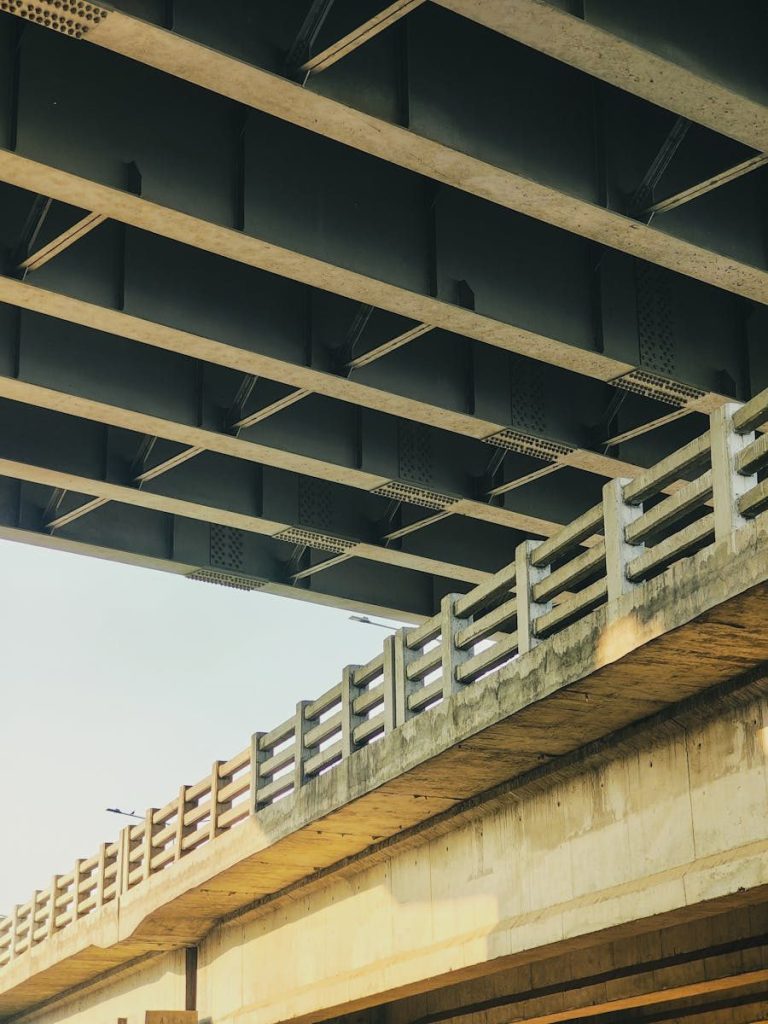
    low-angel photography of bridge during daytime
    Photo by Mason Kimbarovsky on Unsplash

    If you are on a bridge during an earthquake, you will feel it move. This can be terrifying, but it is a sign that the bridge is working. A bridge that doesn’t move is a bridge that is about to snap. Modern engineers have moved away from the idea of “impenetrable fortresses.” They now build “living systems” that can adapt to the Earth’s power. The “breaking” you see is actually a carefully planned survival strategy. It is the height of human intelligence working against nature’s raw force. But how much does this “broken” safety cost?

    The price of a bridge that bends

    a bridge over a body of water next to a forest
    Photo by Meatball Overexposure on Unsplash

    Building a bridge with dampers, rubber bearings, and sacrifice zones is 20% to 30% more expensive than building a “regular” bridge. But the cost of a bridge collapse is measured in billions of dollars and thousands of lives. Governments are finally realizing that it is cheaper to build a bridge that “breaks” than to rebuild one that has fallen. We are investing in “controlled failure” to ensure our long-term survival. Every crack you see might be exactly what was planned to keep you alive. But wait until you see why Saudi Arabia’s dream is turning into a nightmare.

    The final verdict on modern safety

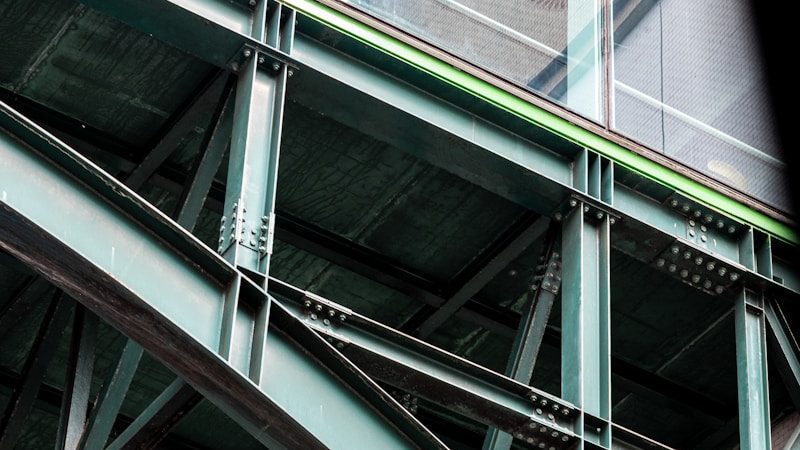
    Green steel beams form an industrial bridge structure.
    Photo by Juan Pablo on Unsplash

    The next time you drive over a bridge, look for joints and hinges. You are riding on a work of “calculated destruction”. We have learned to work with the Earth rather than against it. The “broken” parts are the secret of our strength. It is a high-speed physics game where losing a few pieces means winning the game. We are building a world that can bend without breaking, and it’s a future on which we can all stand. Are you ready for the next “breakthrough’ in our world?

    Featured Image: Photo by Lance Asper on Unsplash

  • The manufacturing flaw that’s quietly killing the electric car revolution

    The manufacturing flaw that’s quietly killing the electric car revolution

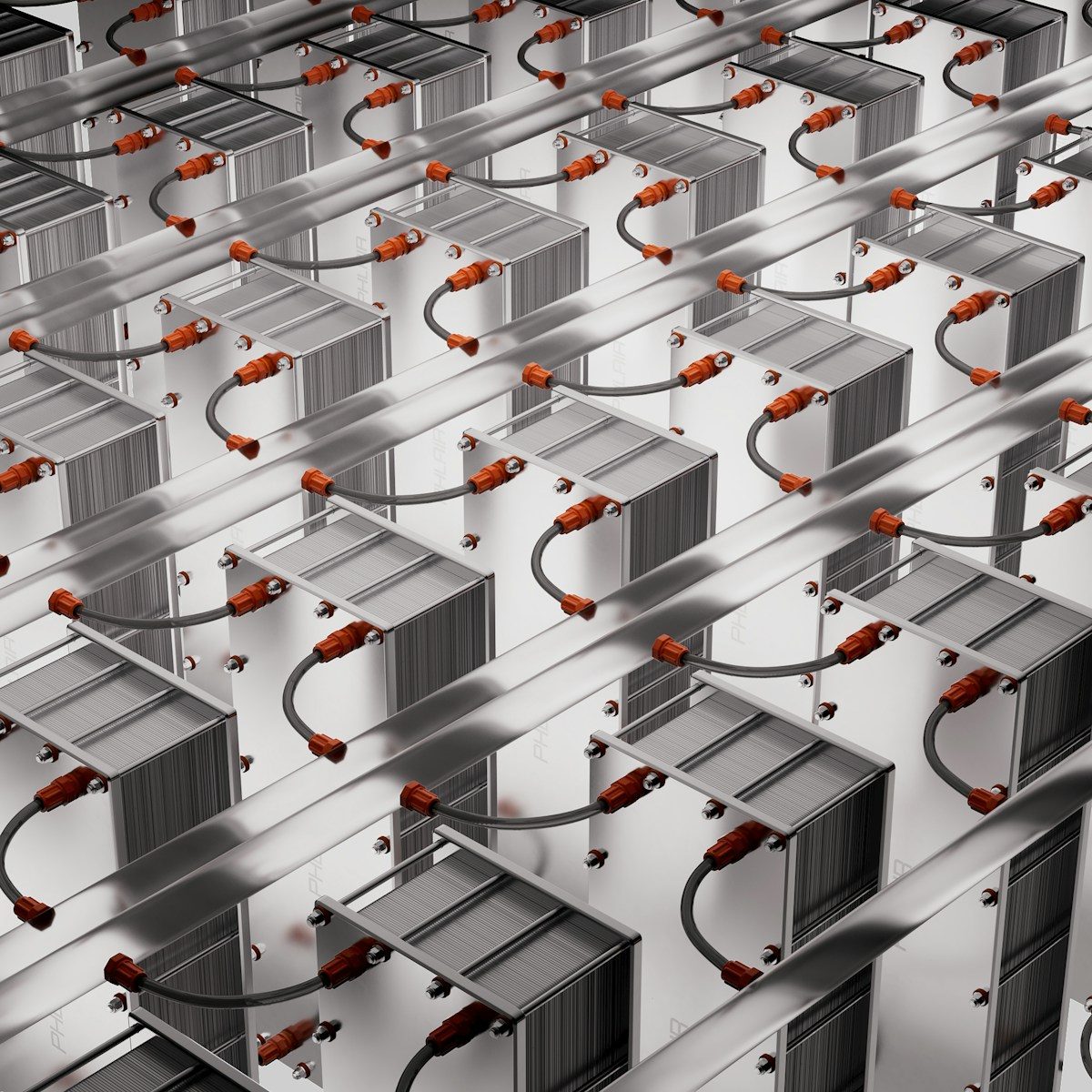
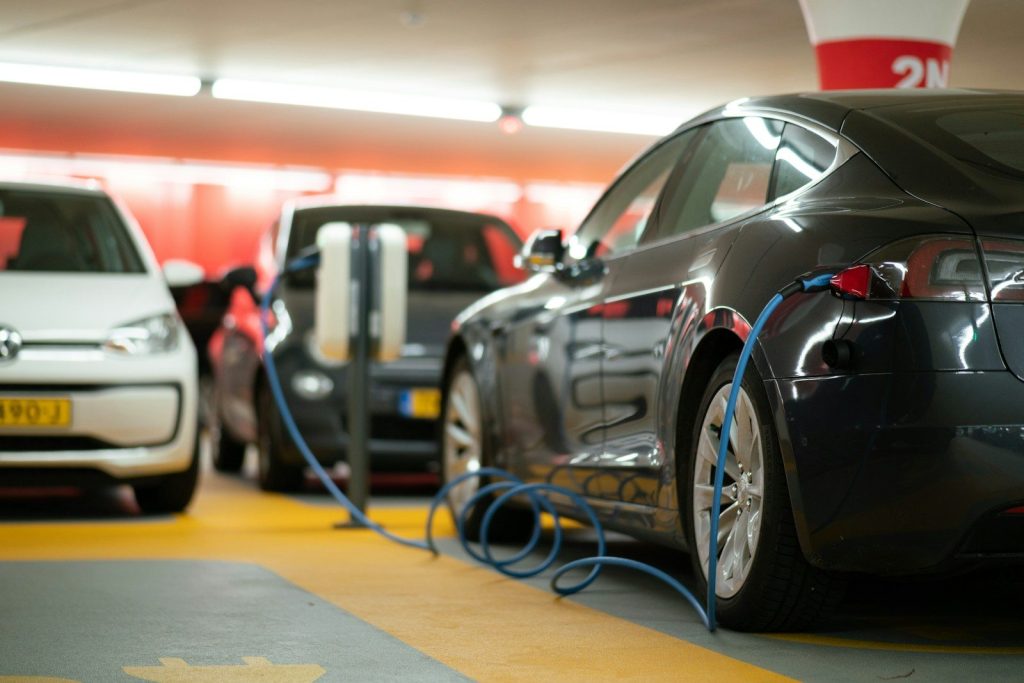
    The electric automobile revolution was supposed to save our planet and our wallets. We were promised cheap travel, low maintenance and a clean future. Behind the scenes, a major manufacturing flaw is causing a silent disaster. Thousands of electric vehicles (EVs) are sent to the scrapyard for problems that would be a simple fix in a gas car. Because of how these cars are built, even a tiny bit of damage to the battery casing can make the entire vehicle a “total loss.” This hidden flaw is driving insurance rates up and making used EVs almost impossible to sell. If we don’t fix how we build these cars, the revolution could end before it really begins.

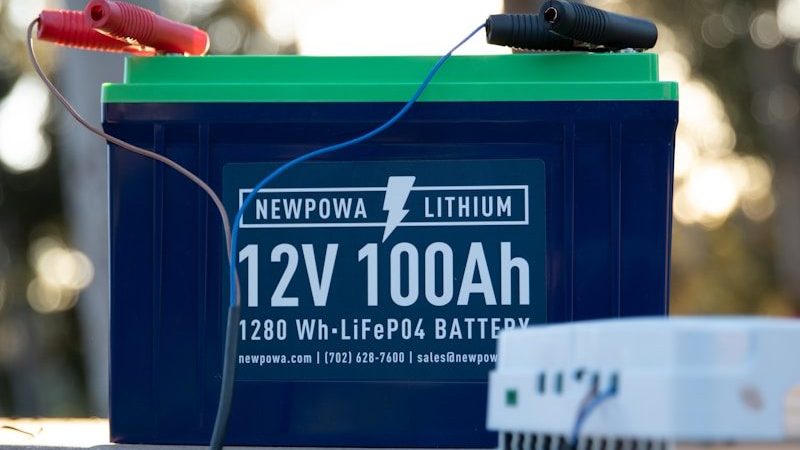
    The problem lies in “cell consistency” and the “unrepairable battery.” In most EVs, the battery is part of the car’s structure. It is glued or welded into the frame to save weight and space. This sounds like smart engineering, but it means you can’t replace just one part of the battery. If a single cell fails or a rock hits the bottom of the car, the whole $20,000 battery must be replaced. But that is just the beginning of the problem.

    The unfixable battery pack design

    a battery and a charger sitting on a bench
    Photo by Newpowa on Unsplash

    In a traditional car, you can swap out an engine or a transmission. In a modern EV, the battery is often “potted” in a hard plastic foam to keep it safe from vibrations. This makes it impossible for a mechanic to get inside and fix a loose wire or a bad sensor. Because nobody can see what’s wrong inside, insurance companies choose to throw the whole car away rather than risk a fire. We are creating “disposable” cars that cost $60,000. But the weight of these batteries is causing another problem on the road.

    The crushing weight of the battery

    a man is working on a car's engine
    Photo by Maxim Hopman on Unsplash

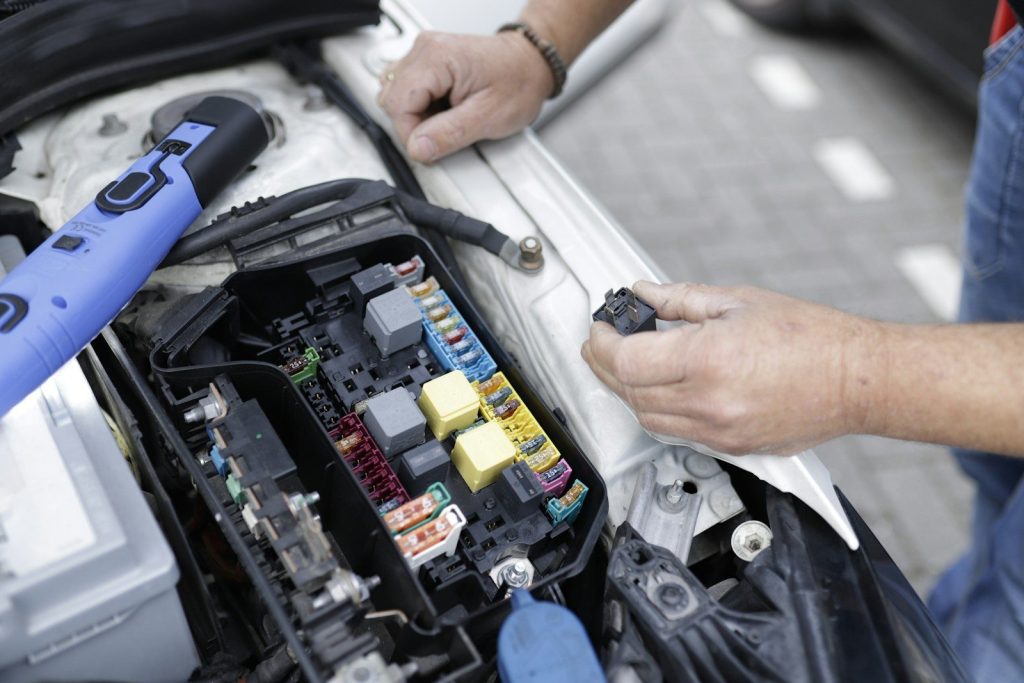
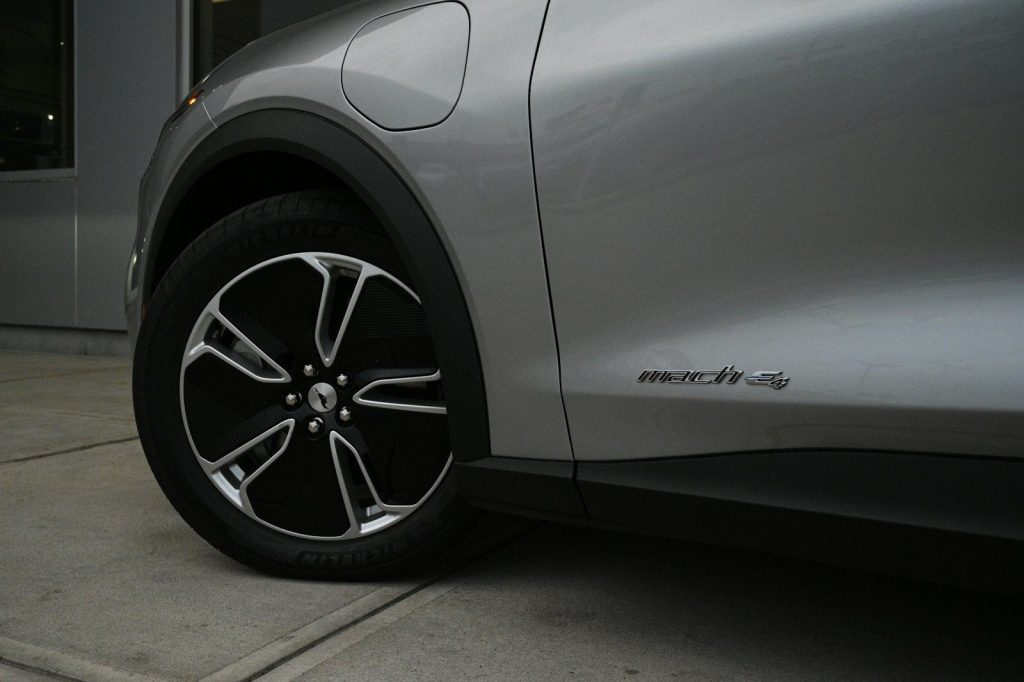
    Batteries are incredibly heavy. An electric SUV can weigh 1,000 pounds more than its gas equivalent. This extra weight puts a massive strain on tires and suspension parts. EV tires wear out 30% faster than regular tires, creating more microplastic pollution. It also means that when an EV hits a pothole, the damage is much more severe. The car is literally “crushing” its own components because of a manufacturing choice to use heavy, low-density batteries. But wait until you see the “software glitch” that stops the car.

    The software that locks the hardware

    a close up of a car tire on a sidewalk
    Photo by J Z on Unsplash

    Modern EVs are “computers on wheels.” Every part of the car is controlled by software that is proprietary to the manufacturer. This means you cannot take your car to a local mechanic for a simple electronic fix. If the software “glitches,” it can “brick” the entire car, making it unmovable. Manufacturers are using this to prevent people from using third-party parts. It is a manufacturing flaw designed to keep you paying the dealer forever. But the “thermal runaway” risk is the scariest part.

    The hidden fire risk in the frame

    a car is seen through a glass window
    Photo by John Cameron on Unsplash

    When a lithium battery gets damaged, it can enter “thermal runaway.” This is a chemical fire that produces its own oxygen and cannot be put out with water. Because the battery is built into the bottom of the car, a fire there will melt the frame in minutes. Firefighters often have to let the car burn for days or submerge it in a giant tank of water. This danger is why many parking garages are starting to ban electric cars. It is a fundamental flaw in how we store energy in vehicles. But the depreciation is what hits the wallet.

    The used car value trap

    black and silver car on parking lot
    Photo by Michael Fousert on Unsplash

    Because everyone is afraid of a failing battery, used EVs are losing their value faster than any other type of car. Who wants to buy a 5-year-old car if the battery might die tomorrow and cost $20,000 to fix? This manufacturing choice has destroyed the “resale” market. People are finding themselves stuck with cars that they owe more money on than they are worth. It is a financial disaster for the average family. But can “solid state” technology save us?

    The gamble on solid-state batteries

    Close-up of a scientist handling metal samples in a laboratory experiment with precision tools.
    Photo by ThisIsEngineering on Pexels

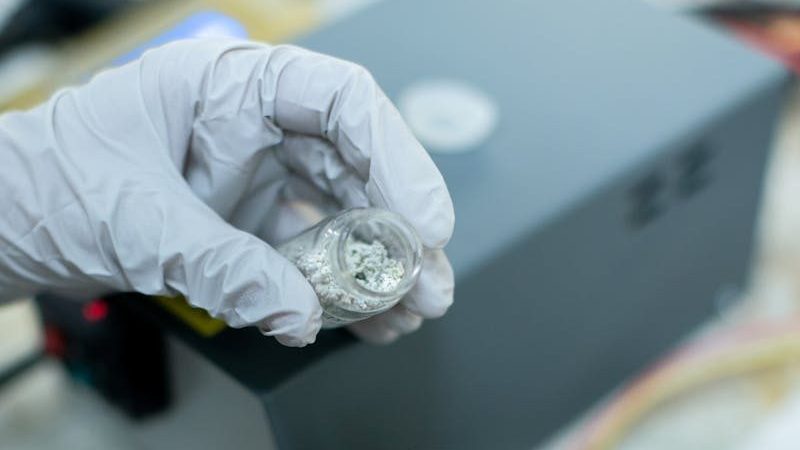
    The car industry is betting everything on “Solid State” batteries. They are supposed to be lighter, safer and easier to repair. They are still years away from mass production. For now, manufacturers still pump out cars with the same old flaws. We are building the “old” tech while we wait for the “new” tech to arrive. It is a high-risk gamble that could leave millions of drivers with “obsolete” cars. Wait until you see why bridges are actually designed to break.

    The end of the disposable car era

    ai generated, scrapyard, car, scrap, rust, trash, garbage, landfill, old, waste, ai generated, scrapyard, scrapyard, scrapyard, scrapyard, scrapyard, scrap
    Photo by TheDigitalArtist on Pixabay

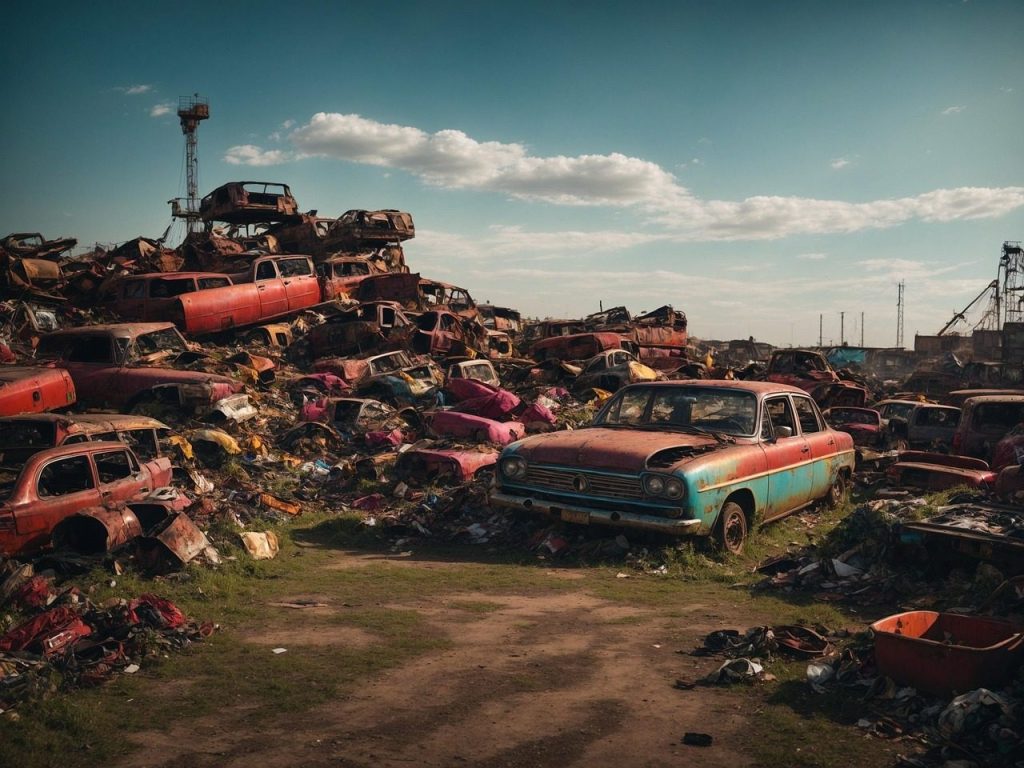
    The electric car revolution isn’t dead, but it needs a major reboot. We have to stop building cars as “disposable gadgets” and go back to building them as machines that can be fixed. The manufacturing flaw of the “unrepairable battery” is a choice, not a necessity. If we want a green future, we need cars that last 20 years, not 5. We are learning the hard way that you can’t save the planet with a product that goes into the trash. The next generation of EVs will have to be built to break, but in a way that we can put them back together.

    Featured Image: Photo by PHLAIR on Unsplash