Blog

  • A submersible found a dark mirror on the seafloor – then saw the bodies

    A submersible found a dark mirror on the seafloor – then saw the bodies

    The deep ocean is one of the most hostile environments on Earth. It is a place of absolute darkness, crushing pressure, and freezing temperatures. Yet, when a research submersible dove to the bottom of the ocean, the crew spotted something that looked impossible. They saw what appeared to be a shimmering lake with a perfectly flat, dark surface. It looked exactly like a dark mirror resting on the seafloor. But as the submersible moved closer to investigate, the ocean researchers gasped. The edges of this mysterious lake were littered with the perfectly preserved bodies of deep-sea creatures. This discovery is shedding light on a terrifying natural phenomenon known as a brine pool. The science behind these underwater lakes of death is absolutely mind-boggling. It reveals how extreme chemistry can create a perfect, silent trap in the deep sea.

    Diving into the deep unknown

    black and white water pump
    Photo by Simon Infanger on Unsplash

    Deep-sea exploration requires highly specialized submersibles. These vessels are built to withstand pressures that would instantly crush a human. According to reports from the Ocean Exploration Trust, a research team was exploring the Gulf of Mexico when they spotted the anomaly. The cameras on the robotic arm caught a strange, shimmering boundary on the seafloor. It looked like a body of water within the ocean itself. This bizarre sight immediately captured the attention of the scientific crew.

    The illusion of an underwater lake

    smelled, fishes, nature, water, sea, animal, underwater, underwater world, dive, red sea, reef, to travel, stingray, sea creatures, sea animal, creature
    Photo by Franziska_Stier on Pixabay

    The shimmering surface was actually the boundary of a brine pool. These pools are bodies of water that have an incredibly high salt concentration. According to studies by researchers at the University of Miami, this water is up to five times saltier than normal ocean water. Because of this extreme density, the brine does not mix with the surrounding sea. It settles in deep depressions on the seafloor, creating a perfect underwater lake. But this beautiful mirror hides a highly lethal chemical secret.

    A toxic chemical cocktail of death

    A dark room with a blue light coming from the ceiling
    Photo by Алекс Арцибашев on Unsplash

    Brine pools are completely devoid of oxygen. They are also packed with toxic levels of hydrogen sulfide and heavy metals. According to research published in the journal Scientific Reports, this chemical mix is highly lethal to almost all marine life. Any fish, crab, or shrimp that accidentally swims into the pool experiences immediate toxic shock. They cannot breathe in the dense, oxygen-free water. This rapid effect leads to a grim scene around the edges of the pool.

    Finding the perfectly preserved victims

    a group of fish swimming in a body of water
    Photo by erika m on Unsplash

    The edges of these brine pools are often covered in dead marine life. Submersible cameras have captured images of crabs and fish lying perfectly still at the water’s edge. According to marine biologists, these creatures have been dead for years. Yet, their bodies look as if they died just moments ago. They are not decaying. This eerie preservation is a direct result of the extreme environment inside the brine pool.

    Why the bodies never decay
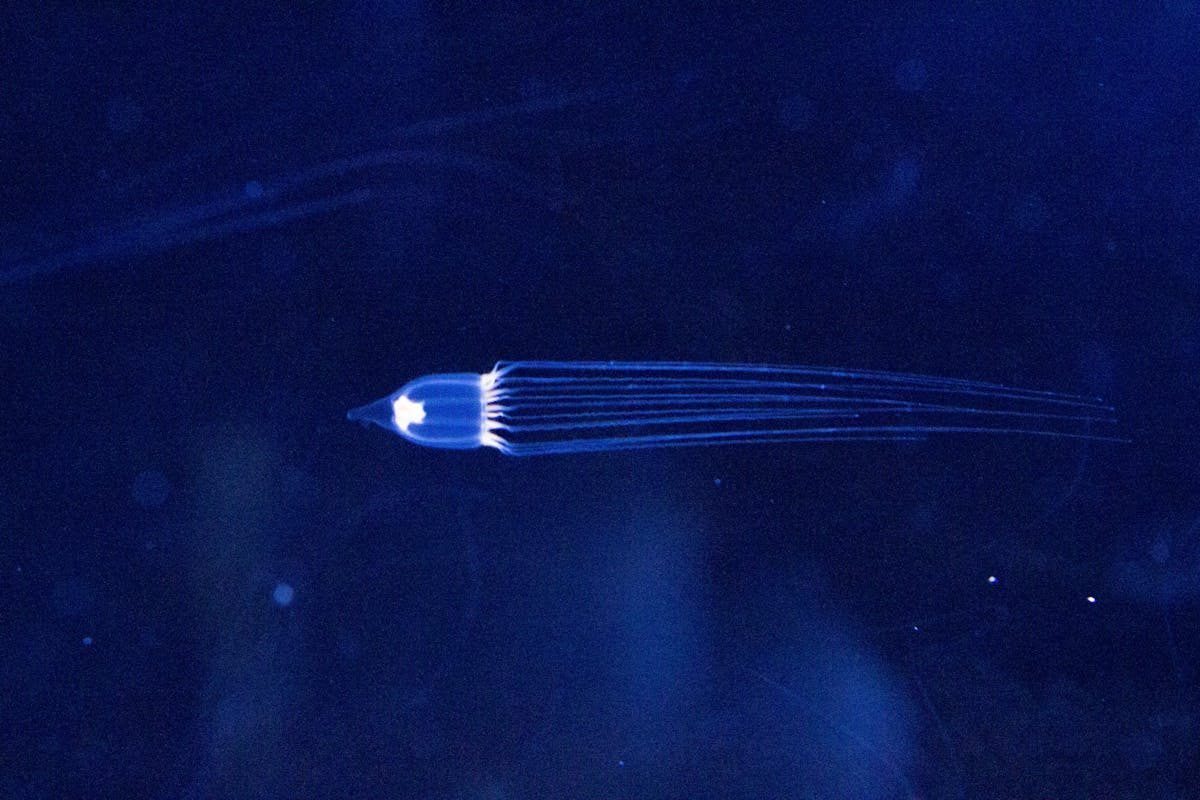
    A mesmerizing jellyfish with tentacles gracefully floating in a deep blue underwater setting.
    Photo by Nina Simková on Pexels

    Decomposition requires oxygen and active bacteria. Because the brine pool contains zero oxygen, normal decaying organisms cannot survive inside the water. According to studies by the Marine Science Institute, the high salt content acts like a natural preservative, essentially pickling the creatures. This stops the natural process of decay completely. The bodies remain intact on the seafloor for decades. But these pools are not entirely lifeless.

    Extreme life thriving in the dead zone
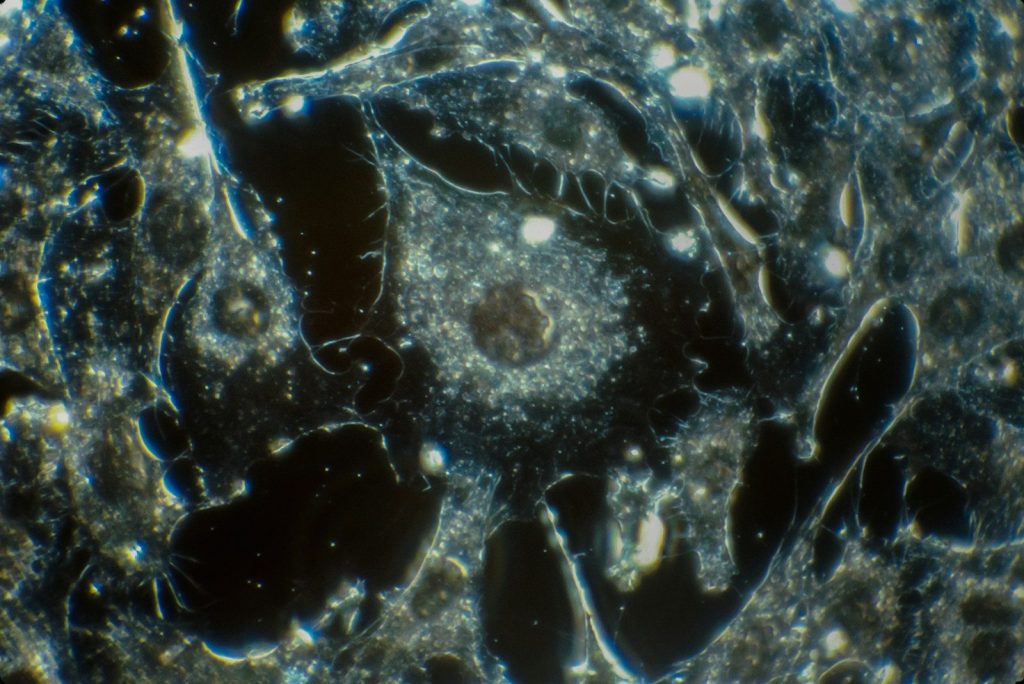
    white and black abstract painting
    Photo by National Cancer Institute on Unsplash

    Brine pools are home to specialized organisms called extremophiles. These are bacteria and microbes that have adapted to survive in highly toxic environments. According to research from the University of Texas, these microbes use the chemical energy from the brine to create food. This process is called chemosynthesis. It allows a unique ecosystem to survive without any sunlight or oxygen. This discovery is helping scientists search for life on other planets.

    Unlocking the deepest mysteries of Earth

    Mountains reflect in a dark, wet landscape.
    Photo by Karsten Winegeart on Unsplash

    The discovery of brine pools is changing how we look at the ocean floor. These extreme environments prove that Earth still holds secrets that challenge our understanding of biology. By studying these pools, researchers are learning how life can adapt to the most hostile conditions imaginable. It is a powerful reminder of the diversity of our world. The deep ocean continues to be a frontier of endless discovery and scientific wonder.

    Featured Image: Photo by Victor Oonk on Unsplash
  • The Micro-Pump Miracle – How Engineers Shrunk Extreme Liquid Cooling

    The Micro-Pump Miracle – How Engineers Shrunk Extreme Liquid Cooling

    If you have ever felt your smartphone get hot while playing a game or recording a video, you have felt the failure of modern engineering. For years, the only way to keep a powerful computer cool was with giant fans and liters of liquid. But in 2026, a “Micro-Pump Miracle” has arrived. Engineers have successfully shrunk a full-scale liquid cooling system down to the size of a postage stamp.

    This isn’t just a fancy heat sink; it is an active, high-pressure pump system that lives inside your phone. It moves specialized cooling fluid across the processor at incredible speeds, whisking away heat before it can ever slow down your device. This breakthrough means your next phone could have the power of a high-end gaming PC without ever getting warm. It is a total reset for the mobile tech industry. But how do you fit a mechanical pump into a device that is only 7 millimeters thick?

    The Magic of Piezoelectric Pressure

    Abstract, colorful, swirling pattern with purples and blues.
    Photo by Logan Voss on Unsplash

    The secret isn’t a traditional motor. Instead, the micro-pump uses “Piezoelectric” materials that vibrate trillions of times per second when electricity hits them. These vibrations act like tiny heartbeats, pushing the cooling fluid through microscopic channels etched into the silicon. It has no moving parts to break and makes zero noise. It is essentially a “solid-state” pump that never wears out. But what is the mysterious liquid flowing through your phone?

    Using Synthetic Blood to Cool Chips

    black circuit board
    Photo by Cristiano Firmani on Unsplash

    Regular water would destroy a phone, so engineers developed a “Synthetic Heat-Blood.” This fluid is non-conductive and can absorb ten times more heat than water. It is designed to work at the molecular level, grabbing heat from the processor and carrying it to the phone’s metal frame to be released. This fluid is so efficient that the processor stays at room temperature even under the heaviest loads. But wait until you see what this does to your battery life.

    Ending the Battery Drain Forever

    smartphone, mobile, phone, gadget, touchscreen, battery, charger, cord, hand, battery, battery, battery, battery, battery, charger, charger, charger, charger
    Photo by StockSnap on Pixabay

    Heat is the number one killer of battery life. When your phone gets hot, the battery’s chemical reactions become inefficient, and the charge disappears in minutes. By keeping the entire system cool, the micro-pump miracle increases battery life by 30 percent overnight. It also prevents the “throttling” that makes old phones feel slow. Your phone will perform like it’s brand new for its entire life. But this technology isn’t just for phones.

    Pocket-Sized Artificial Intelligence is Here

    black android smartphone displaying home screen
    Photo by The Average Tech Guy on Unsplash

    Running a massive AI model like ChatGPT locally on a phone used to be impossible because the chips would melt. With active liquid cooling, the 2026 smartphone can run full-scale AI models entirely offline. This means your private data never has to leave your device. You can translate entire languages or generate 8K videos in your pocket without an internet connection. We are witnessing the birth of the truly “Personal” AI assistant. But how do they manufacture something so tiny?

    Printing Cooling Systems with Lasers

    a close up of a machine with a red light on it
    Photo by Jakub Żerdzicki on Unsplash

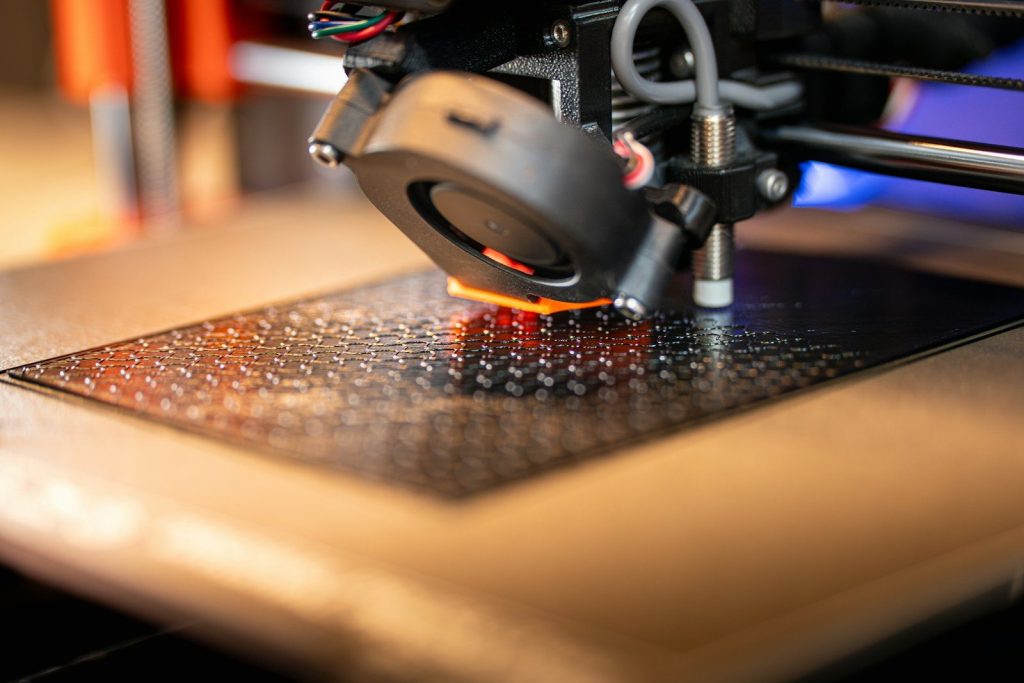
    You can’t build these pumps on a traditional assembly line. Instead, they are “grown” using 3D laser lithography. Scientists use lasers to carve channels into the chips that are smaller than a human hair. It is a level of precision that was reserved for the aerospace industry until now. This manufacturing breakthrough is what allowed the cost to drop enough for consumer electronics. But wait until you see the next big move in the global battery war.

    The End of the Hot Laptop Era

    a laptop computer sitting on top of a white desk
    Photo by Ibrahim Abazid on Unsplash

    Laptops are the next target for the micro-pump miracle. By replacing heavy, loud fans with these silent pumps, engineers are designing laptops that are as thin as a tablet but as powerful as a workstation. We are finally moving into a world of “Silent Power.” No more fan noise during meetings and no more hot laps. It is a lifestyle shift that everyone has been waiting for. But can this technology handle the extreme power of a cargo ship?

    A Future Without Thermal Limits

    battery, motorcycle battery, battery acid, scooter battery, battery pack, fill up, load, electricity, 12v, acid, battery, battery, battery, battery, battery
    Photo by Ralphs_Fotos on Pixabay

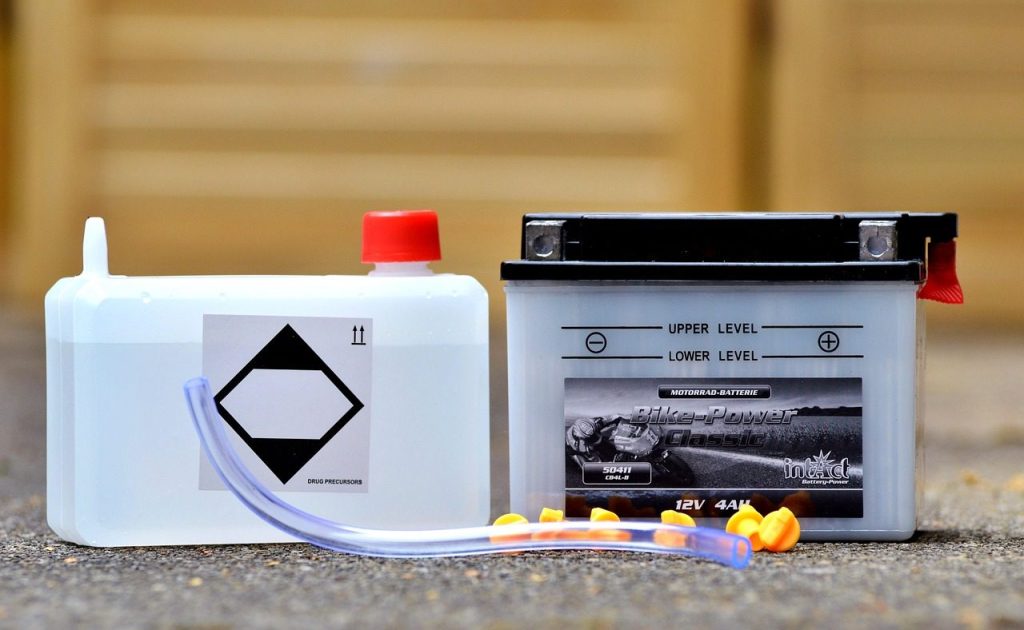
    The micro-pump is just the beginning. The same logic is being used to cool electric car batteries and city-wide power grids. We are removing the “Heat Wall” that has held back human technology for a century. The 2026 tech reveals that when we solve the cooling problem, we solve the performance problem. The future is cool, fast, and incredibly quiet. But while we fix our gadgets, a different type of battery is quietly taking over the world’s oceans.

    Featured Image: Photo by Austin on Unsplash

  • Cellular Time Travel – The Medical Breakthrough Making Old Cells Young

    Cellular Time Travel – The Medical Breakthrough Making Old Cells Young

    Human aging has always been viewed as a one-way street. We are born, we grow, and our cells slowly lose their ability to repair themselves. But in 2026, the medical world is buzzing with a discovery that feels like a scene from a science fiction movie. Researchers have successfully performed what they are calling “Cellular Time Travel.” By using a specific cocktail of proteins, scientists have managed to “reset” the internal clock of adult stem cells, making them act and function as if they were decades younger.

    This isn’t just about looking better in the mirror; it is about restoring the fundamental building blocks of the human body. These rejuvenated cells regain their youthful energy and precision, allowing them to repair damaged tissues with incredible speed. This breakthrough is hitting the news as a potential cure for age-related decline. We are looking at a future where “getting old” might be a choice rather than a certainty. But how do you actually convince a cell to forget its own history? The secret lies in a process called epigenetic reprogramming. But wait until you see what this means for our most vital organs.

    The Epigenetic Reset Button

    Woman in sleek attire operates cutting-edge laboratory equipment in a tech-focused environment.
    Photo by cottonbro studio on Pexels

    Every cell carries a record of the stress and damage it has endured. This record is stored in the epigenome. The new 2026 breakthrough uses “Yamanaka Factors” to scrub these records clean. It is like formatting a cluttered hard drive back to its original factory settings. Once the “noise” is removed, the cell remembers how to be young again. It starts producing the same proteins it did during childhood. But can this process actually be controlled safely inside a living human?

    Fixing Broken Hearts from Within

    heart, organ, muscle, line art, biology, anatomy, cardiac, vintage, retro, antique
    Photo by GDJ on Pixabay

    The most immediate application of cellular time travel is in heart health. After a heart attack, the muscle usually scars and stays weak forever. By injecting these “young” stem cells directly into the heart, doctors are seeing the scars disappear and be replaced by healthy, beating muscle. It is a level of healing we thought was impossible for the human body. The heart essentially learns to beat with youthful vigor once again. But what happens when we apply this logic to the human brain?

    A Shield Against Memory Loss

    Nervous Tissue: Spinal Cord Motor Neuron
    Photo by Bioscience Image Library by Fayette Reynolds on Unsplash

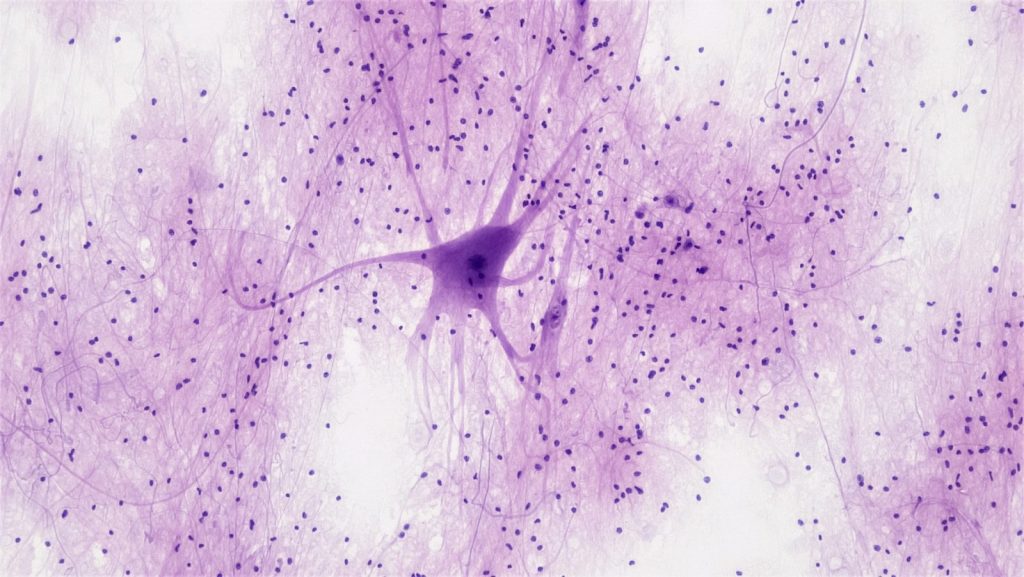
    Our neurons are the oldest cells in our bodies, and they rarely regenerate. This makes conditions like Alzheimer’s a nightmare. However, early 2026 trials show that “resetting” the supporting cells in the brain can stop and even reverse cognitive decline. The “young” cells clear away the toxic plaques that cloud our memory. We are watching the first real evidence that dementia could be a reversible condition. But how does this technology affect the way we look on the outside?

    The End of Skin Aging

    Detailed image highlighting dry, flaky skin texture for dermatological study.
    Photo by www.kaboompics.com on Pexels

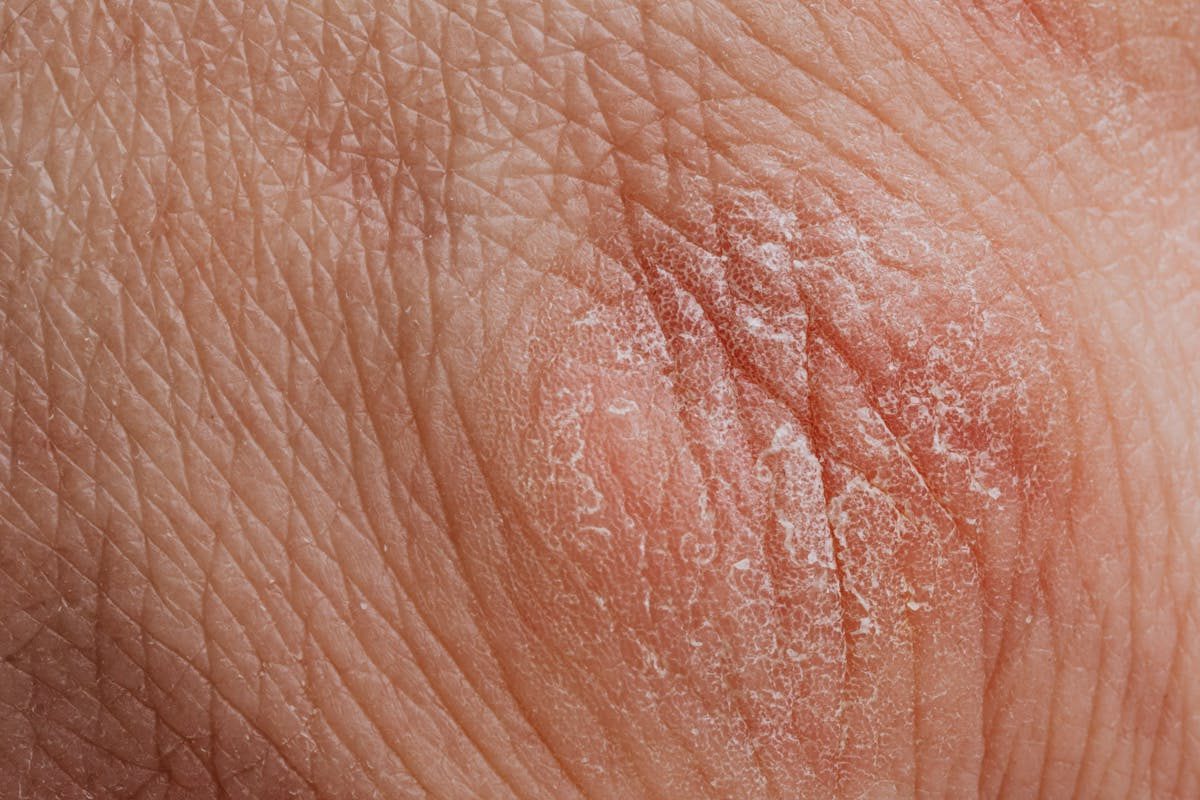
    While organ repair is the priority, the cosmetic benefits are hard to ignore. This breakthrough allows for a permanent “skin reset.” Instead of creams that sit on the surface, this treatment works at the cellular level to restore collagen production to teenage levels. Scars, wrinkles, and sun damage are simply erased as the cells revert to their healthiest state. It is a total transformation of the dermatology industry. But wait until you see the “Longevity Pill” currently in development.

    Making the Treatment Affordable

    Close-up of a nurse in gloves giving a vaccination to a patient.
    Photo by www.kaboompics.com on Pexels

    High-tech cures are usually for the rich, but the 2026 “Time Travel” proteins are surprisingly easy to manufacture. Scientists are already working on a way to deliver these factors through a simple injection or even a pill. The goal is to make cellular rejuvenation as common as a flu shot. Governments are looking at this as a way to lower the massive cost of elder care. But is there a hidden danger to living in a body that never feels old?

    The Ethics of the New Human

    Elderly man with glasses and gray hair appearing pensive and thoughtful indoors.
    Photo by cottonbro studio on Pexels

    If everyone stays young, our society will have to change completely. Philosophers and lawmakers are debating the rules of a world where people can live for 150 years or more. Will there be enough jobs? How will retirement work? We are being forced to redefine what it means to have a “natural” lifespan. It is the most important conversation of the decade, and it’s happening right now. But can this technology actually prevent future diseases before they even start?

    Pre-Emptying Sickness Forever

    a person with a blood pressure meter on a table
    Photo by Mufid Majnun on Unsplash
    The ultimate goal of cellular time travel is “Proactive Health.” By resetting our cells every few years, we could potentially prevent cancer and organ failure from ever occurring. We are moving from a world of “sick care” to a world of “vitality maintenance.” The 2026 data proves that we are no longer at the mercy of our biological clocks. We have finally found the keys to the engine room. But while we fix our cells, what is happening to the clothes we wear every day?

    The Journey to a Perfect Body

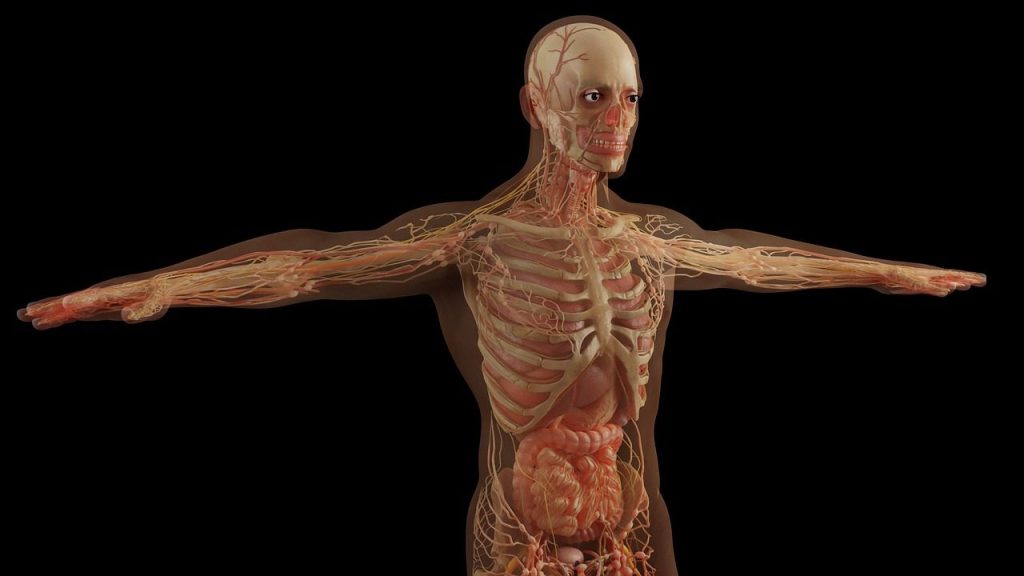
    anatomy, skull, skeleton, muscles, organs, human organs, science, health, human, bones, nerves, human body, body, man, medical, 3d, model, adult, 3d render, anatomy, human body, human body, human body, human body, human body
    Photo by Monoar_CGI_Artist on Pixabay

    The cellular time travel breakthrough is the final piece of the puzzle for a healthier future. We have learned to work with the body instead of fighting it. Every day, more data arrives proving that we can cure the “incurable.” The world is getting safer, one cell at a time. But are you ready for the “Smart Underwear” that is currently being woven in high-tech textile labs?

    Featured Image: Photo by Marek Piwnicki on Pexels

  • Is Smart Underwear Made of Bio-Sensing Silk the Next Health Frontier?

    Is Smart Underwear Made of Bio-Sensing Silk the Next Health Frontier?

    The future of healthcare isn’t in a pill bottle or a giant hospital machine; it is sitting inside your dresser. In 2026, a revolutionary material called “Bio-Sensing Silk” has arrived, and it is moving into the world of everyday fashion. Specifically, “Smart Underwear” is hitting the news as the most important medical device you will ever own. This isn’t just about comfort; it is about having a high-tech lab pressed against your skin 24 hours a day.

    Scientists have figured out how to weave microscopic sensors directly into silk fibers that are soft enough for daily wear. These sensors can track your heart rate, stress levels, and even your hydration without a single wire. Because underwear sits close to the body’s core, it provides the most accurate health data possible. We are looking at a world where your clothes warn you about a health crisis before you even feel a symptom. But how does a piece of silk actually “talk” to your doctor?

    The Secret of the Conductive Thread

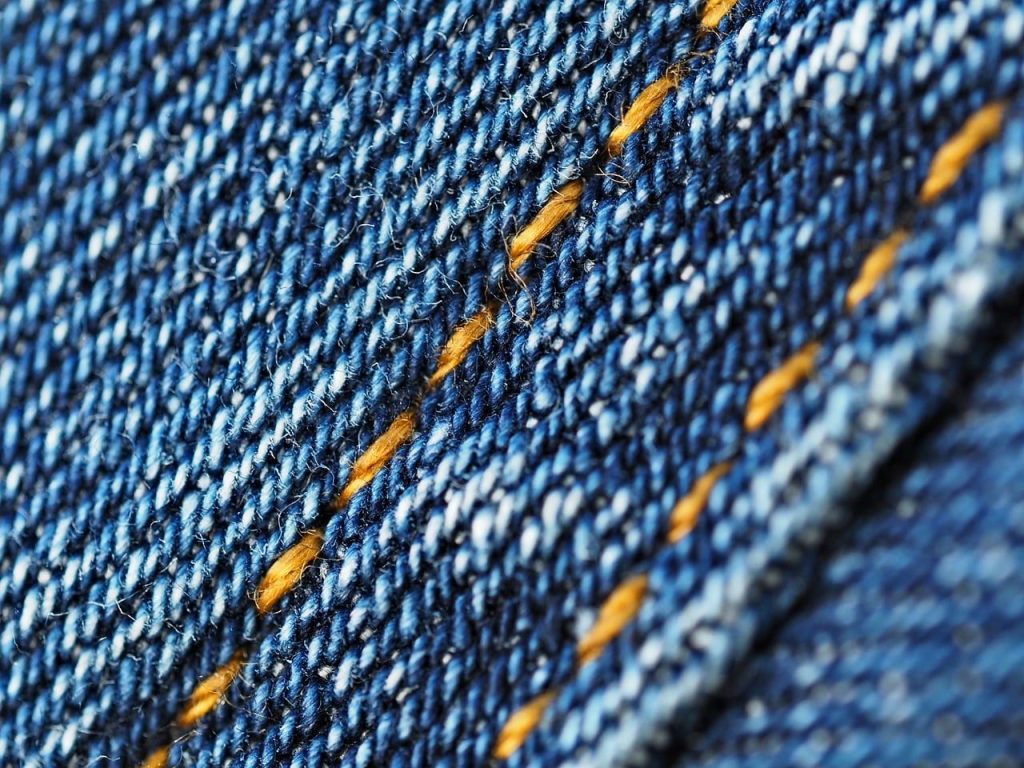
    jeans, denim, blue, seam, material, hd wallpaper, desktop backgrounds, macro, close up
    Photo by Ralf1403 on Pixabay

    The secret lies in a “liquid metal” coating applied to natural silk. This coating allows the fabric to conduct electricity without losing its flexibility or softness. The silk acts as a giant sensor that wraps around your body. When your skin produces sweat or your heart beats, the conductive silk picks up the tiny electrical signals. This data is then processed by a tiny, button-sized chip hidden in the waistband. But can this silk actually detect a heart attack before it happens?

    Real-Time Heart Health Monitoring

    healthcare, diagnostics, machine learning, data analytics, precision medicine, drug discovery, remote monitoring, telemedicine, virtual assistants, clinical trials, image recognition, predictive analytics, personalized treatment, natural language processing, robotics, genomics, patient engagement, rehabilitation
    Photo by geralt on Pixabay

    Unlike a watch that sits on your wrist, bio-sensing underwear is perfectly positioned to monitor your heart’s electrical rhythm. In 2026, these garments are being used to detect “silent” arrhythmias that often go unnoticed. If the sensors pick up an irregular pattern, they instantly send an alert to your smartphone and your doctor. It is like having a cardiologist watching over you every second of the day. But wait until you see how this tech handles your stress levels.

    Tracking Stress Through Your Sweat

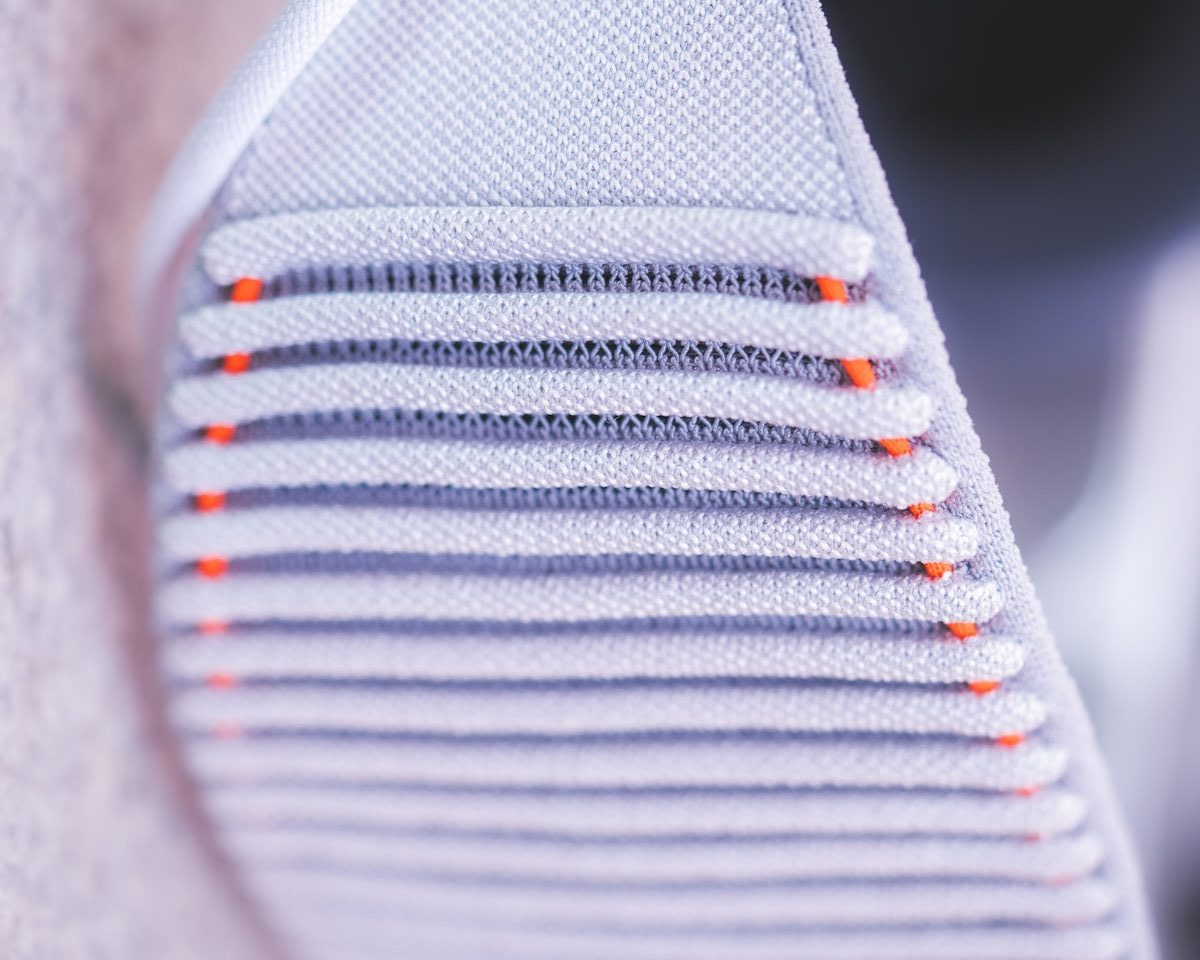
    a close up of a pair of white sneakers
    Photo by Jaime Marrero on Unsplash

    Our sweat contains a goldmine of information about our mental state. The bio-sensing silk can detect tiny amounts of cortisol—the stress hormone—in your perspiration. If your levels spike while you are at work or home, your “Smart Underwear” can suggest a breathing exercise or a break. It is a physical way to monitor mental health that doesn’t rely on you “feeling” stressed. But is this high-tech clothing actually washable in a normal machine?

    The World’s First Washable Computer

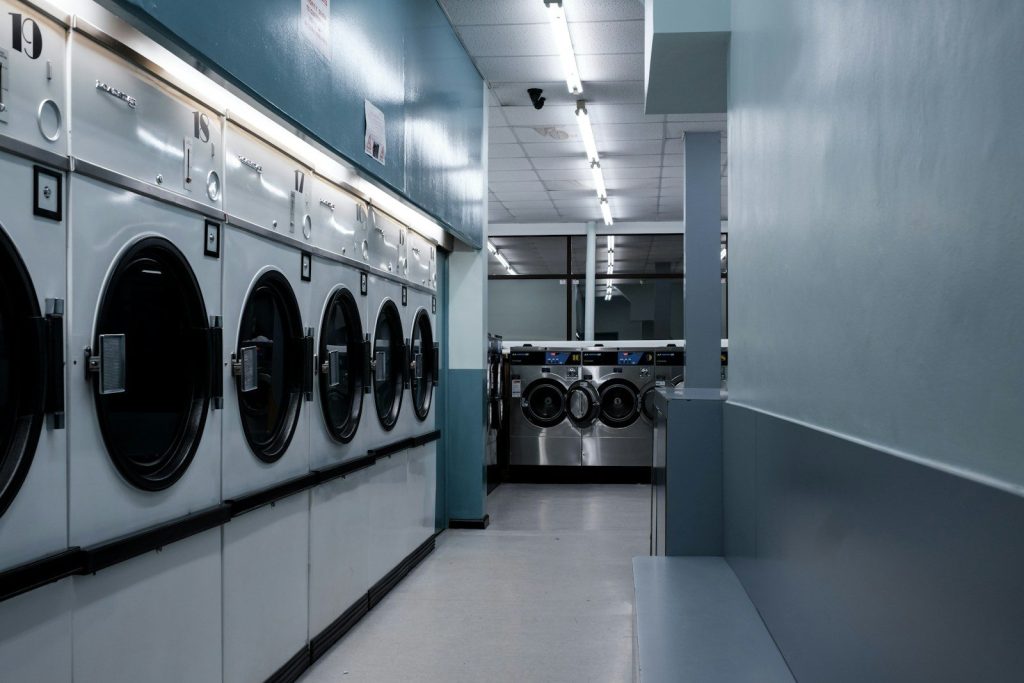
    white front load washing machines
    Photo by Oli Woodman on Unsplash
    In the past, wearable tech was bulky and fragile. Bio-sensing silk is different because it is “Durable by Design.” The liquid metal coating is bonded to the silk at a molecular level, meaning you can throw it in a regular washing machine. It can be stretched, folded, and worn for years without losing its sensing power. We have finally moved past the “gadget” phase of wearables into true “lifestyle” integration. But who is paying for all this expensive silk?

    Affordable Health for Every Neighborhood

    coronavirus, people, face mask, crowd, covid-19, pandemic, covid, covid infections, stop covid-19, disease, sickness, epidemic, mask, healthcare, protection, safety, diversity, covid-19, covid, covid, covid, covid, covid
    Photo by Elf-Moondance on Pixabay

    While silk sounds expensive, the 2026 manufacturing process has become surprisingly cheap. Large-scale labs are now “printing” these sensors onto silk by the mile. Governments are looking at bio-sensing underwear as a way to lower overall healthcare costs. By preventing hospital visits through early detection, the clothing pays for itself in just a few months. We are seeing the democratization of high-end medical care. But is there a catch to being “always connected?”

    Privacy in the Age of Medical Fabric

    a person holding a stethoscope
    Photo by Nappy on Unsplash
    The biggest concern is who owns your heart rate data. To solve this, the bio-sensing silk uses “Local Encryption.” Your health data is processed on the chip and only shared with your doctor through a secure, private link. You have the “kill switch” to stop the data flow at any time. It is a “Privacy-First” approach to the future of medicine. But as we fix our bodies, we are also changing our phones. Are you ready for the micro-pump miracle?

    The Future of the Human Body

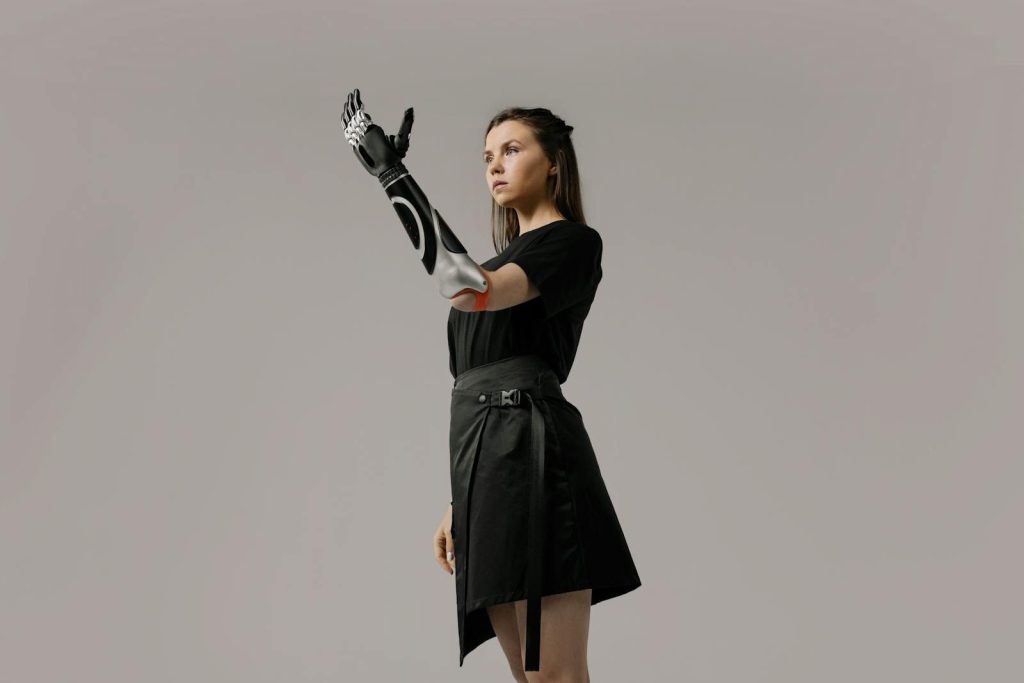
    Empowering portrait of a young woman showcasing a futuristic prosthetic arm in a studio setting.
    Photo by cottonbro studio on Pexels

    Bio-sensing silk is just the first step in the “Biological Revolution.” We are moving toward a future where our technology and our bodies are perfectly in sync. From the clothes we wear to the memories we save, the line is disappearing. We are building a world that is safer, cleaner, and more intelligent. Keep your eyes on the headlines, because the next big medical breakthrough is already hitting the stores. But wait until you see how engineers just shrunk extreme liquid cooling for your pocket.

    Featured Image: Photo by Davis Vidal on Pexels

  • Why the Arrival of Agriculture Didn’t Actually Stop Ancient Humans From Fishing

    Why the Arrival of Agriculture Didn’t Actually Stop Ancient Humans From Fishing

    We have always been told a very simple story about human history. First, we were hunter-gatherers, and then we “invented” agriculture, settled down, and stopped looking for wild food. It was portrayed as a clean break—the “Agricultural Revolution.” But a massive new archaeological survey has just proven that this story is a lie. New evidence shows that even after humans mastered wheat and cattle, they continued to fish at an “industrial” scale.

    Researchers found that ancient farming villages were often built right next to the most productive fishing spots. Instead of giving up the old ways, they combined them. Agriculture wasn’t a replacement; it was a “side hustle.” This discovery is hitting the news as the “Hybrid Survival” model. It turns out that ancient humans were much better at managing their risks than we ever suspected. But why would a farmer spend all day at sea when he has a field full of food?

    The “Safety Net” of the Sea

    fishing, nature, fisherman, sunset, sea, ocean, silhouette, vietnam, traditional
    Photo by Quangpraha on Pixabay

    Farming is a high-risk gamble. A single drought or a swarm of locusts can wipe out a year’s worth of work. The ocean, however, is a much more reliable resource. By continuing to fish, ancient farmers created a “biological safety net.” If the crops failed, they could always turn back to the water. This dual strategy is likely the only reason many of the world’s first civilizations survived their first major climate shifts. But the tools they used are what really shocked the researchers.

    High-Tech Hooks from the Stone Age

    A bunch of dead animals that are laying on the ground
    Photo by Francesco Ungaro on Unsplash

    Archaeologists have uncovered thousands of bone and shell fishhooks in early farming sites. These hooks were designed with sophisticated barbs and eyelets that match modern designs. They even found “lures” made of shiny mother-of-pearl. This proves that fishing wasn’t just a backup plan; it was a highly skilled craft that humans continued to perfect even while they were breeding cows. They were “multi-skilled” professionals. But wait until you see the size of the fish they were catching.

    Monsters of the Deep in the Village Pot

    Close-up of a fish skeleton displayed against a black backdrop.
    Photo by ClickerHappy on Pexels

    The bone fragments found in these ancient kitchen pits don’t belong to small pond fish. They belong to giant deep-sea species like tuna and sturgeon. This means that “farmers” were actually building sturdy boats and sailing miles out into the open ocean. They were braving the waves to bring back hundreds of pounds of protein to their villages. This changes our entire view of how “settled” these people really were. They were still explorers at heart. But did they prefer fish over beef?

    The Health Secret of the Ancient Diet

    Close-up of assorted nuts and berries on a wooden tray highlighting healthy eating.
    Photo by atelierbyvineeth . . . on Pexels

    New analysis of human tooth enamel from 7,000 years ago shows that many early farmers got up to 50% of their protein from the sea. This “Omega-rich” diet kept them much healthier than if they had lived on grain alone. They had stronger bones and better eyesight than later generations who relied purely on farming. The “Hybrid Diet” was the secret to the human population explosion. But the next discovery shows that fishing also shaped their social life.

    Fishing as a Team Sport

    A group of people standing on a beach next to a net
    Photo by Sohan Rahat on Unsplash

    You can’t catch a six-foot sturgeon alone. Fishing encouraged large-scale cooperation between different families in the village. They had to build nets together and maintain the boats as a community. This social bonding is what eventually led to the creation of the first real laws and governments. The “rules of the sea” were likely the first rules humans ever wrote down. But what happens when the fish start to disappear?

    The First Environmental Regulations

    brown fish on blue table
    Photo by Andy Tang on Unsplash

    In later agricultural sites, archaeologists found evidence of the first “closed seasons” for fishing. They found piles of fish bones that only belonged to certain sizes of fish, suggesting the ancients were throwing the small ones back to keep the population healthy. They were the world’s first conservationists. They knew that if they overfished, their “safety net” would break. But the arrival of giant cities changed the balance forever.

    The End of the Hybrid Era

    houses near sea during sunset
    Photo by Janosch Diggelmann on Unsplash

    As cities grew into empires, the connection to the sea began to fade for the average person. Farming became the only way to feed millions, and fishing became a specialized industry for a few. We lost the “Hybrid Survival” skills that kept us healthy for millennia. Today, we are trying to rediscover those ancient secrets to save our own food supply. The past is a blueprint for a more resilient future.

    The Final Lesson from the Ancient Coast

    a group of people walking on a beach
    Photo by Shiva Mardahi on Unsplash

    The discovery that agriculture and fishing worked together for centuries is a wake-up call. It proves that there is no single “right way” for humans to live. We have always been a species that adapts and combines the best of all worlds. As we face our own climate crisis, we can look back at these ancient villagers for inspiration. They knew that diversity is the key to survival. Are you ready for the next breakthrough in our understanding of human history?

    Featured Image: Photo by Fahim on Unsplash

  • The Solomon’s Knot Mystery: The Stunning Ancient Mosaic Just Uncovered Beneath a Bustling Modern City

    The Solomon’s Knot Mystery: The Stunning Ancient Mosaic Just Uncovered Beneath a Bustling Modern City

    Every day, thousands of people walk over a secret they never knew existed. In the heart of a bustling European city, a routine construction project for a new subway line has just hit the jackpot. Construction workers digging thirty feet below the pavement stopped their machines when they saw a flash of color in the grey dirt. They had accidentally uncovered a massive, perfectly preserved Roman mosaic floor featuring the legendary “Solomon’s Knot.”

    This geometric pattern, consisting of two interlocking loops, was considered a symbol of eternity and protection in the ancient world. Finding it here, in the middle of a modern shopping district, is a “historical bomb.” The mosaic is over forty feet wide and likely belonged to a luxury villa that was the center of power 1,800 years ago. It is a total transformation of what we know about the city’s origins. But what exactly does this mysterious knot represent?

    The Symbol That Crosses Continents

    Explore the ancient mosaic patterns set against the rugged landscape of Vathia, Greece, under a clear blue sky.
    Photo by Lydia Griva on Pexels

    The Solomon’s Knot isn’t just a pretty design. It is one of the oldest symbols in human history, appearing in cultures from Rome to China. Because the loops have no beginning and no end, they were used as a “spiritual lock” to keep out demons. In this newly discovered villa, the knot was placed at the very center of the dining hall. It was meant to protect the guests while they ate and talked. But who were the people walking on this masterpiece?

    Life in the Underground Villa

    brown plastic bucket near brown concrete building
    Photo by Yaopey Yong on Unsplash

    Archaeologists believe the villa belonged to a high-ranking Roman governor. Along with the mosaic, they have found fragments of painted plaster walls and bronze lamps. The level of luxury is staggering for what was supposed to be a small frontier town. It seems this city was much more important to the Roman Empire than history books ever suggested. The villa was essentially a “smart home” of the ancient world, complete with heated floors. But how did the mosaic stay so bright?

    The Secret of the Roman Stone

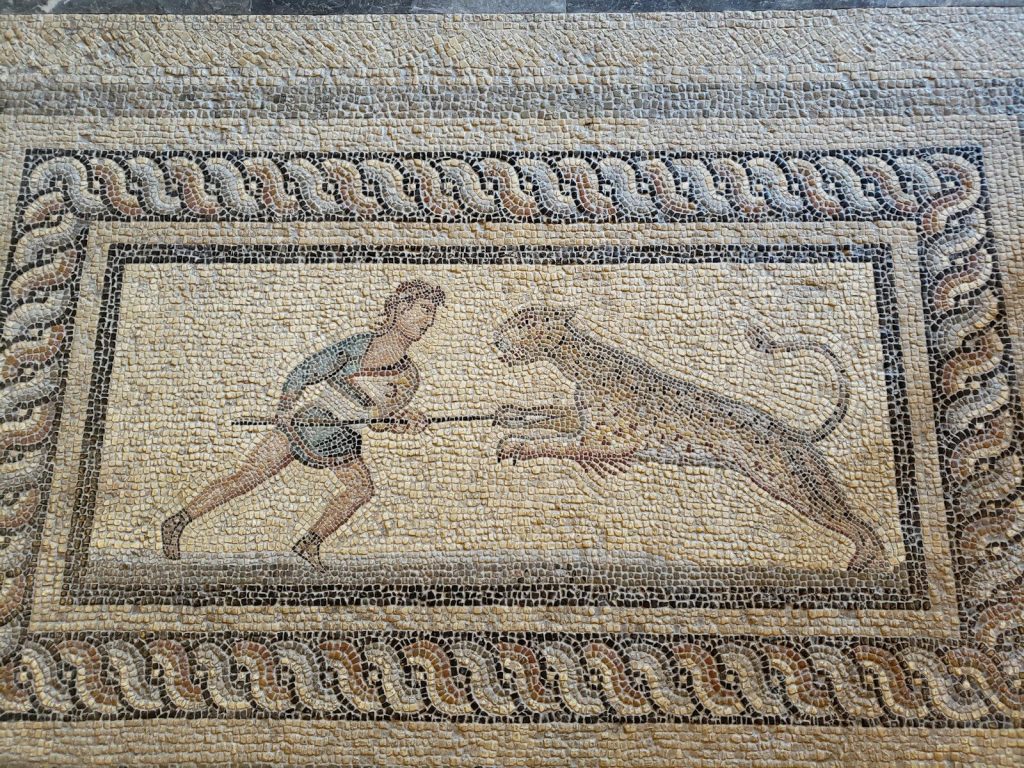
    a close up of a mosaic on a wall
    Photo by Adrien Antal on Unsplash

    The mosaic is made of thousands of tiny cubes called “tesserae.” The Roman artists used natural stones like marble, limestone, and even glass to get the colors just right. Because the city was built directly on top of the villa, the layers of asphalt and concrete acted as a protective seal. The moisture was kept out, and the colors never faded. It is a biological miracle that the stones haven’t shifted at all in 1,800 years. But wait until you see what was found hidden under the knot.

    A Hidden Message in the Mortar

    Ancient mosaic with greek inscription and floral pattern
    Photo by Cansu Sarp on Unsplash

    When researchers lifted a small, loose section of the Solomon’s Knot, they found a surprise. Scratched into the drying mortar underneath was the name of the artist: “Felix.” In the Roman world, mosaic artists were usually anonymous slaves or low-wage workers. For Felix to leave his name suggests he was a “superstar” of his time. This discovery gives a human name to a masterpiece that has been nameless for centuries. But the city’s modern growth is now a major threat.

    The Battle Between Progress and History

    Workers polishing large stone slabs outdoors
    Photo by Annie Spratt on Unsplash

    Now that Solomon’s Knot has been found, the billion-dollar subway project has been put on hold. There is a massive public debate happening right now: should the mosaic be moved to a museum, or should the subway be rerouted to keep the history where it belongs? Moving such a large mosaic is incredibly risky and could shatter the stones. Rerouting the subway would cost millions. It is a high-stakes standoff between the past and the future. But the knot is telling us another secret.

    A Global Network of Knowledge

    eyeglasses, world map, map, map of the world, nickel glasses, glasses, vacations, plan, world map, world map, world map, world map, world map, map, map, map
    Photo by beasternchen on Pixabay

    Finding Solomon’s Knot in this specific city proves that ancient architects were following a “global blueprint.” They were sharing design tips and symbolic meanings across thousands of miles without the internet. It shows a level of “intellectual trade” that we are only just beginning to map. The knot is a reminder that humans have always been connected. But while these Romans were building cities, they were still doing something very “primitive.”

    The Final Verdict on the City’s Roots

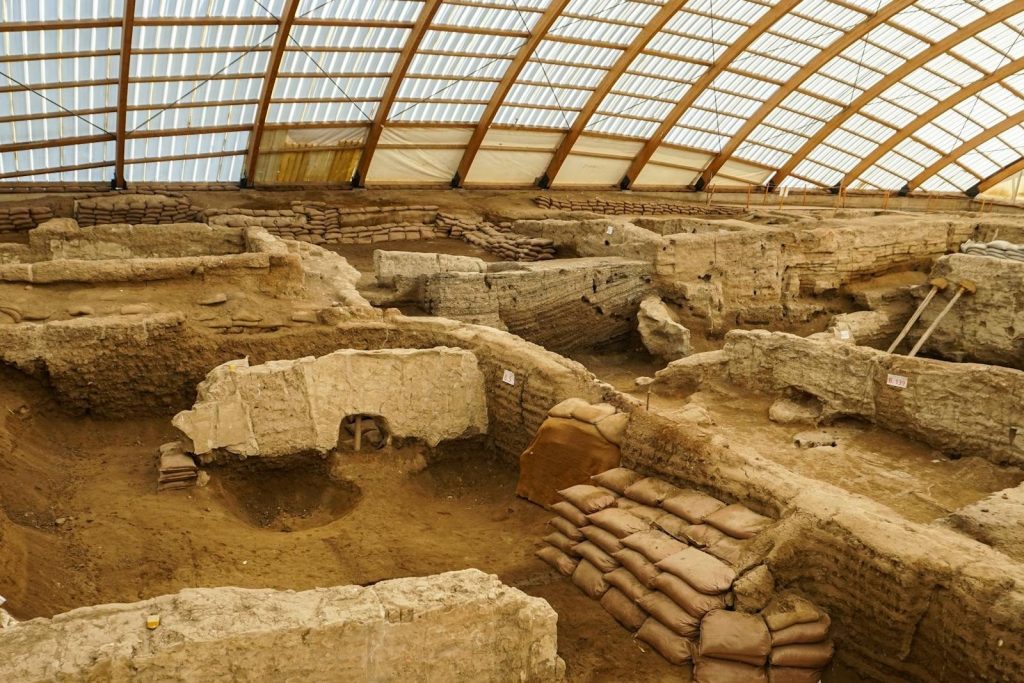
    Explore the excavated ancient site of Çatalhöyük in Çumra, Konya, Türkiye, showcasing remarkable ruins.
    Photo by Talha Aytan on Pexels

    The Solomon’s Knot discovery is a wake-up call for modern urban planners. It reminds us that we are just the latest layer in a long story. As we continue to dig, we are finding that our ancestors were much more like us than we thought. They loved beauty, security, and luxury. The mystery of the knot is finally opening up, but are you ready to hear why the arrival of farming didn’t stop people from fishing?

    The Puzzle is Just Beginning

    a painting on the side of a building
    Photo by Casey Lovegrove on Unsplash

    We have only uncovered about 20% of the villa. There is so much more to find beneath the city streets. Every time a bulldozer hits the ground, we might be seconds away from the next world-changing discovery. The Solomon’s Knot was just the first piece of the puzzle. Keep your eyes on the dirt, because the history books are being rewritten in real-time. But why did our ancestors keep their fishing poles even after they learned to farm?

    Featured Image: Photo by David Klein on Unsplash

  • What Eerie Relics Are Hiding Inside the Newly Discovered 2,300-Year-Old Scythian Tomb?

    What Eerie Relics Are Hiding Inside the Newly Discovered 2,300-Year-Old Scythian Tomb?

    Deep in the Altai Mountains of Siberia, a team of archaeologists has just cracked open a portal to a forgotten world. They have discovered a massive, undisturbed tomb belonging to the Scythians—the legendary nomadic warriors who terrified the ancient Greeks. Because the tomb was built into a permafrost zone, it has acted as a giant natural refrigerator for over 2,300 years. This isn’t just a site of old bones; it is a time capsule of “eerie” perfection.

    Inside, researchers found the mummified remains of royalty, still wearing their clothes and covered in intricate tattoos that look like they were inked yesterday. The Scythians were known for their love of gold and their brutal rituals, and this tomb contains both in shocking amounts. From gold-plated horses to masks made of human skin, the relics are a grim reminder of a culture that lived and died by the sword. But how did these items stay so perfect for two millennia?

    The Secret of the Frozen Mound

    archaeology, burial mound, hill, stonehenge, stones, building, burial mounds, great stone grave, ditch, place of worship, sightseeing, tomb, boulders, pillars, burial mound, stonehenge, stonehenge, stonehenge, tomb, tomb, tomb, tomb, tomb
    Photo by gerwitt on Pixabay

    The Scythians built their tombs, called “Kurgans,” by stacking stones over a wooden burial chamber. In the Altai region, rainwater would seep into the stones and freeze. This created a permanent block of ice inside the tomb that never melted, even in summer. This “frozen shield” prevented bacteria from breaking down organic materials. We are finding leather, wood, and silk that are as strong as the day they were buried. But the most disturbing find was the skin.

    Tattoos of the Ancient Dead

    Tattoo artist working on eye design
    Photo by Haberdoedas on Unsplash

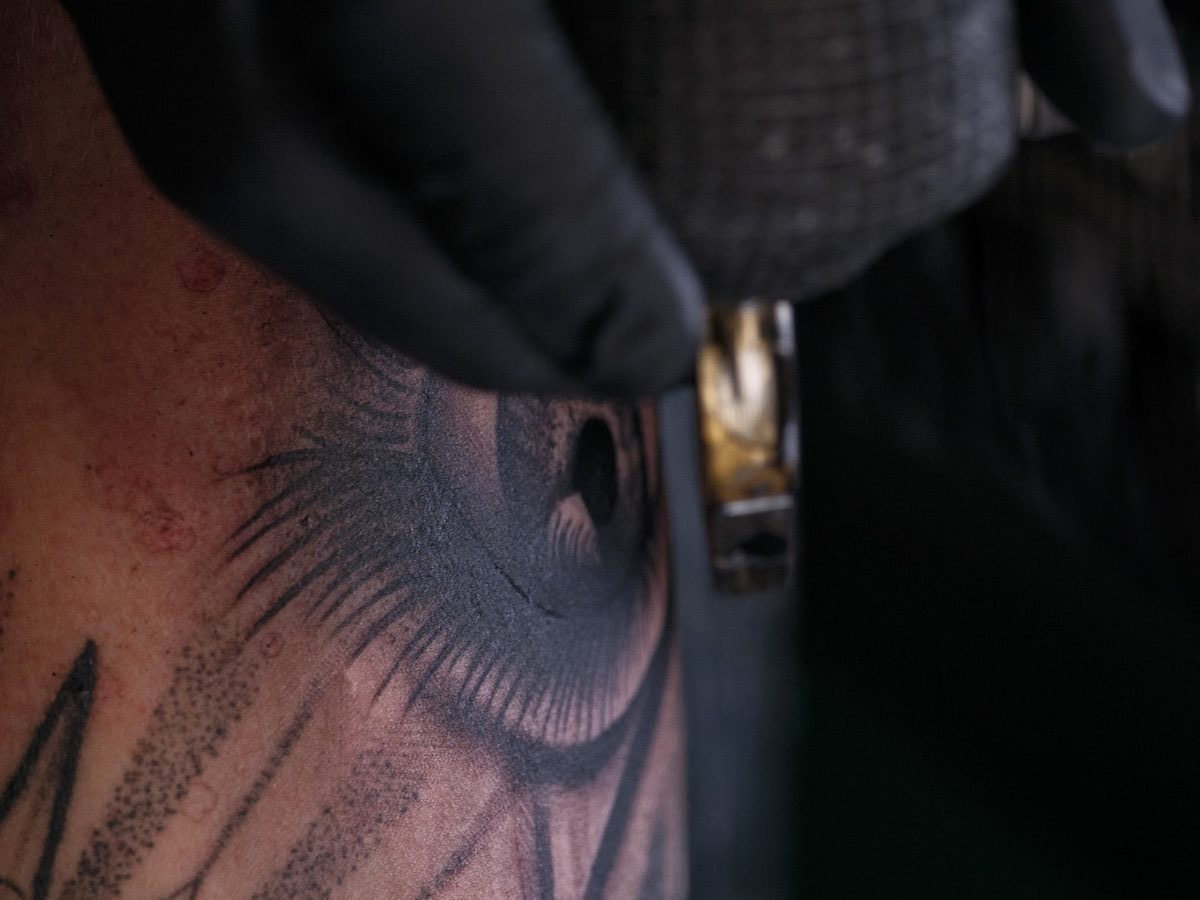
    One of the mummies in the tomb is a high-ranking warrior whose entire body is covered in complex tattoos. The designs feature mythical creatures like griffins and “monstrous” deer with flowering antlers. For the Scythians, these tattoos weren’t just art; they were a map of the warrior’s life and rank. The ink has stayed so clear that scientists can actually see individual needle marks. But wait until you see the gold-covered companions that were found next to him.

    Horses Built for the Afterlife

    a gold statue of a man riding a horse
    Photo by Jay Kettle-Williams on Unsplash

    The Scythians believed that a warrior needed his horses in the next world. In this tomb, eighteen horses were found sacrificed and placed in a circle around the main chamber. Each horse was wearing a “costume” made of gold and silver. Some wore masks that turned them into dragons or reindeer. These weren’t just work animals; they were spiritual guides designed to fly the king to the stars. But the humans weren’t the only ones wearing masks.

    The Eerie Face of the Shaman

    Eerie figure with mask and red candle in a haunting forest setting.
    Photo by Dmitry Demidov on Pexels

    In a smaller side chamber, researchers found a set of masks made from processed leather and real human hair. These were likely used by shamans during the burial ceremony. The Scythians were famous for using hemp and “magic” herbs to enter trances before talking to the dead. The masks have a terrifying, frozen expression that was meant to scare away evil spirits. It is a level of ritualism that feels like it belongs in a movie. But why did they need so much gold?

    A King’s Ransom in Gold

    bells, shop, display, decoration, gold, bells, bells, bells, gold, gold, gold, gold, gold
    Photo by SwastikArora on Pixabay

    The tomb is packed with hundreds of small gold plaques that were once sewn onto the royal clothing. These plaques depict scenes of lions attacking stags and warriors in battle. The Scythians were master goldsmiths, but they had no permanent cities. They carried their entire bank account on their backs. Finding this much gold in one spot is a miracle, as most Scythian tombs were looted centuries ago. But there is a hidden danger in the tomb that still works.

    Weapons Still Sharp Enough to Kill

    arrows on organizer near trees
    Photo by Marija Zaric on Unsplash

    The researchers also found a “Gorytos,” which is a combined bow-case and quiver, still full of arrows. The tips of these arrows are coated in a dark, sticky substance. In the ancient world, Scythian archers were famous for using “deadly venom” made from snake blood and rotted human remains. Even after 2,300 years, the residue is being handled with extreme caution. The warriors are still guarding their king. But wait until you see the secret message hidden in the “Knot” found under a modern city.

    The Future of the Scythian Legacy

    a painting of a cross on a black background
    Photo by Karsten Klemme on Unsplash

    The excavation of this frozen Kurgan will take another five years. Scientists are using 3D scanners to map the mummies’ internal organs before the ice melts. Every relic tells a story of a culture that was both beautiful and terrifying. We are finally learning the truth about the “ghosts of the steppe.” But while we dig in the mountains, a construction crew in a busy city just hit a “Solomon’s Knot” that has been waiting to be solved.

    Featured Image: Photo by Europeana on Unsplash

  • Don’t Believe the Old History Books: New Proof Shows Horse Riding Began Centuries Earlier Than We Thought

    Don’t Believe the Old History Books: New Proof Shows Horse Riding Began Centuries Earlier Than We Thought

    For decades, historians have argued about exactly when humans first climbed onto a horse’s back. Most textbooks claim it happened around 3,500 years ago with the rise of the great chariots. But a massive new study of ancient skeletons has just moved that date back by nearly a thousand years. This isn’t just a small correction; it is a total transformation of our understanding of human migration.

    Researchers analyzed the bones of the Yamnaya people, a group of nomads who lived 5,000 years ago in what is now Eastern Europe. They found specific patterns of wear on their hips and spines that can only be caused by long hours in a saddle. It turns out that humans were mastering the horse while the pyramids were still being built. This early “speed” is what allowed our ancestors to conquer entire continents in record time. But the secret wasn’t found in a museum—it was hidden in the “grooves” of human bone.

    The Bio-Markers of a Rider

    Four views of a human skeleton.
    Photo by Aakash Dhage on Unsplash

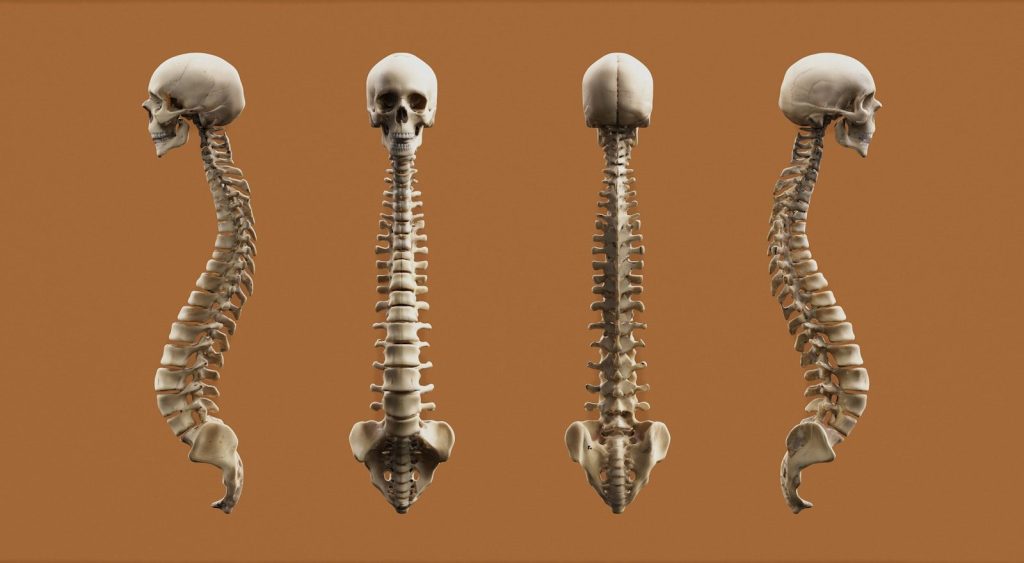
    You can’t hide a life on horseback from your own skeleton. Riding a horse without modern stirrups requires intense muscle work and puts unique pressure on the pelvis and lower back. Scientists identified “horsemanship syndrome” in five Yamnaya skeletons. The bones had thickened in response to the constant bouncing and gripping. It is a physical “memory” of a rider that has lasted 5,000 years. But why were these people moving so fast across the world?

    The Speed of the Steppe

    Serene view of a vast grass plain under a bright blue sky in rural Russia. Ideal for nature and travel themes.
    Photo by Михаил Крамор on Pexels

    The Yamnaya were the first to move out of their local valleys and into the vast, open grasslands. Before horses, traveling across the steppe was a slow and dangerous walk. With horses, they could cover fifty miles in a day. This mobility changed everything. They could manage larger herds of cattle and move their families to better land before anyone else. This “horse advantage” is why Yamnaya DNA is now found in almost every modern European. But did they have saddles or bridles back then?

    Bridles Made of Bone and Rope

    Two horses in harnesses ready for a carriage ride, showcasing equine teamwork.
    Photo by Gavin Young on Pexels

    One reason we missed the date for so long is that ancient tack doesn’t last. Leather and rope rot away in the dirt. However, archaeologists have recently found bit-wear on horse teeth from the same period. This means the Yamnaya were using bits made of bone or hard rope to control their mounts. They weren’t just “hanging on”; they were steering with precision. It was the first “high-tech” transportation system in history. But wait until you see how this changed the way they fought.

    The Invention of the Warrior Class

    A historical Turkish warrior in armor on horseback in Konya, Türkiye, captured outdoors.
    Photo by Necati Ömer Karpuzoğlu on Pexels

    Being able to ride a horse turned a simple farmer into a powerful warrior. A rider with a spear is much more dangerous than a man on foot. The new proof suggests that the first “cavalry” emerged centuries before we thought. This led to a new type of social hierarchy where the best riders became the leaders. The horse wasn’t just a tool; it was a symbol of wealth and power. But what kind of horses were they actually riding?

    Finding the DNA of the First Mounts

    dna, analysis, research, genetic material, spiral, biology, chemistry, medical, science, genetically, discovery, development, biological, dna, dna, dna, dna, dna
    Photo by geralt on Pixabay

    Geneticists have been tracking the DNA of ancient horses to find the “Founder” breed. They discovered that around 5,000 years ago, one specific type of horse from the Volga-Don region suddenly replaced all others. This was the “modern” horse—the one that was easy to train and strong enough to carry a human. Humans didn’t just find horses; they selectively bred them for speed and loyalty. This biological partnership is what built our world. But could a horse also be a companion in the afterlife?

    Buried with Their Best Friend

    A haunting black and white photo of a horse skeleton in a natural wilderness setting.
    Photo by Matheus Bertelli on Pexels

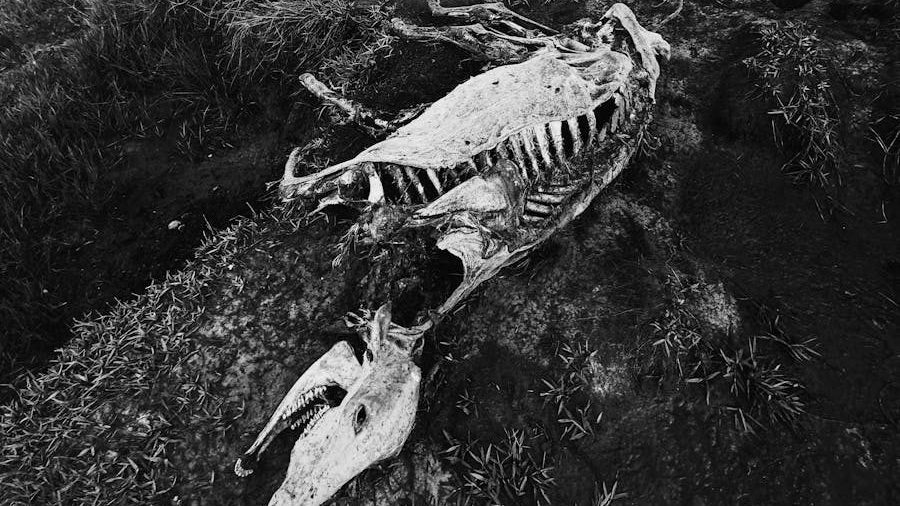
    In some Yamnaya graves, horses were buried alongside their owners. This shows an emotional bond that goes beyond just using an animal for work. They believed the horse would help them navigate the world of the dead. This spiritual connection is the foundation of the “horse culture” that dominated human history until the car was invented. But wait until you see the eerie gold relics found in a different kind of tomb in the mountains.

    Rewriting the Ancient Map

    treasure map, navigation, map, exploration, hands, directions, navigate, treasure hunt, brown map, hunting, treasure hunting, adventure, treasure map, treasure map, map, map, map, map, map, treasure hunt
    Photo by Pexels on Pixabay

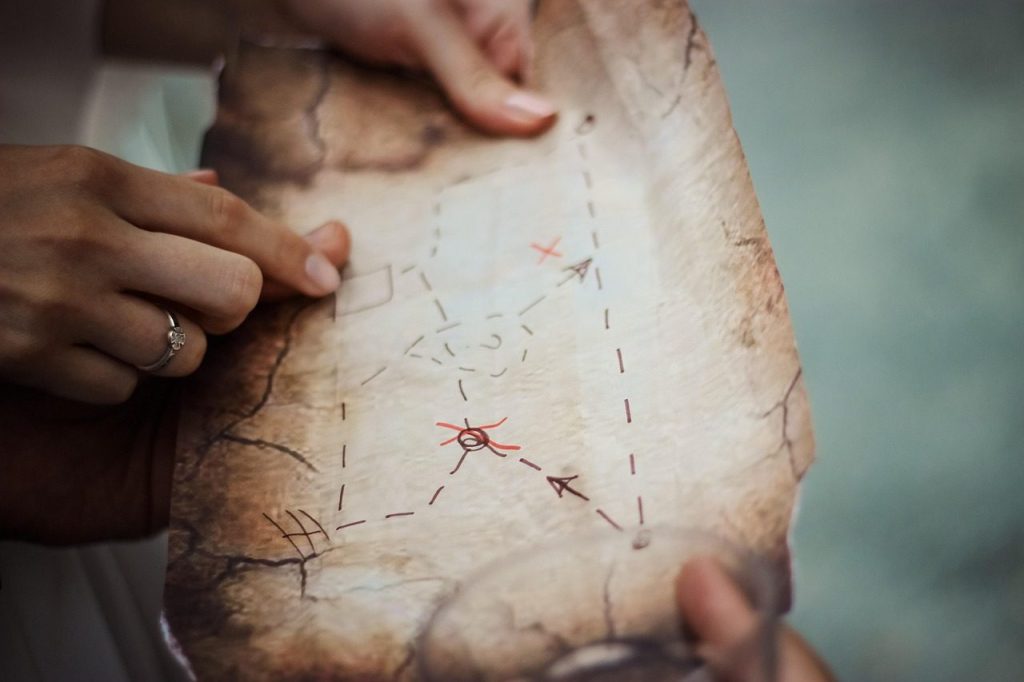
    This new timeline forces us to redraw the map of ancient human movement. The Yamnaya weren’t just slow-moving nomads; they were a high-speed expansion. They brought their language, their technology, and their horses to every corner of Eurasia. We are living in a world that was shaped by these early riders. But while the riders were conquering the plains, a group of mysterious nomads was building hidden cities of gold in the mountains.

    The Final Verdict on the History Books

    man with steel and chainmail armor holding sword
    Photo by Henry Hustava on Unsplash

    The discovery of 5,000-year-old riders is a reminder that we are still uncovering the truth about our past. Our ancestors were smarter, faster, and more adventurous than we gave them credit for. The horse was the first thing that truly made the world feel small. As we update our books, we have to stay curious. But are you ready for the terrifying secrets waiting inside a 2,300-year-old tomb in Siberia?

    Featured Image: Photo by Jens Aber on Unsplash

  • The Desert Find: How an 8-Year-Old Boy Stumbled Upon a 1,700-Year-Old Roman God

    The Desert Find: How an 8-Year-Old Boy Stumbled Upon a 1,700-Year-Old Roman God

    A typical afternoon walk in the desert just turned into a historical sensation. An 8-year-old boy playing near his home has made the discovery of a lifetime. While exploring a dry riverbed, he spotted a smooth, white stone that looked out of place among the jagged rocks. After brushing away the dust, he realized he was looking at a face staring back at him from the dirt. He had found a perfectly preserved marble head of a Roman god, dating back over 1,700 years.

    Archaeologists were called to the scene immediately and were stunned by the quality of the carving. This isn’t just a fragment; it is a high-status piece of art that suggests a much larger, hidden complex might be buried right beneath the sand. The boy’s sharp eyes have opened a new chapter in local history that experts didn’t even know existed. But the real mystery is why this specific god was found so far from any known Roman city. Wait until you see which deity it actually represents.

    A Face Frozen in Time

    a statue of a man with curly hair
    Photo by Tucker Monticelli on Unsplash

    The statue head is made of fine Mediterranean marble, a material that had to be imported from thousands of miles away. It depicts a young man with curly hair and a crown of laurel leaves. Experts believe it represents Apollo, the god of light and music. The craftsmanship is so detailed that you can still see the pupils of the eyes and the texture of the hair. It is a masterpiece that has survived centuries of erosion and war. But how did it end up in a remote desert wash?

    The Secret of the Ancient Villa

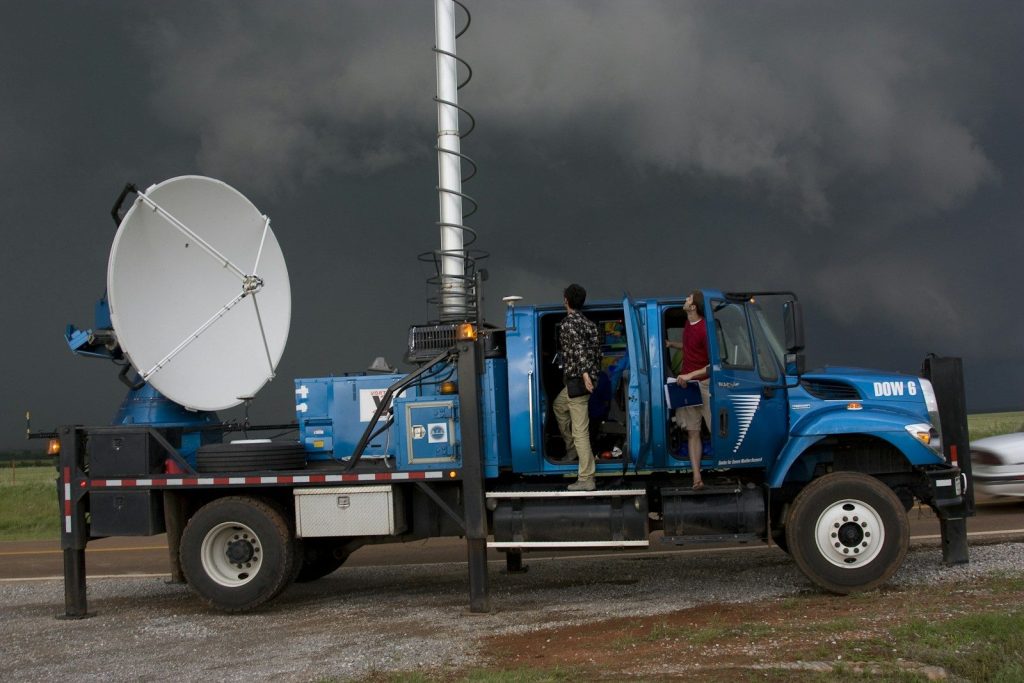
    man in blue jacket and blue denim jeans sitting on blue truck
    Photo by NOAA on Unsplash

    Shortly after the boy found the head, ground-penetrating radar revealed something massive. Just a few feet below the surface where he was playing lies the foundation of a sprawling Roman villa. It appears that a wealthy official once lived in this remote outpost, bringing his expensive art and luxury lifestyle with him. The villa features at least twelve rooms and traces of a private bathhouse. But the researchers found something even more valuable than marble in the next room.

    Gold Coins in the Dust

    a pile of coins sitting on top of a white table
    Photo by Barry A on Unsplash

    Inside what was likely the villa’s treasury, archaeologists discovered a hoard of gold coins. These coins date to the reign of Emperor Diocletian, which helps pinpoint exactly when the villa was abandoned. The coins are in “mint” condition, meaning they hadn’t circulated much before they were buried. It looks like the owner left in a great hurry, leaving their fortune behind. The question is, what were they running from?

    A Sudden Escape from Danger

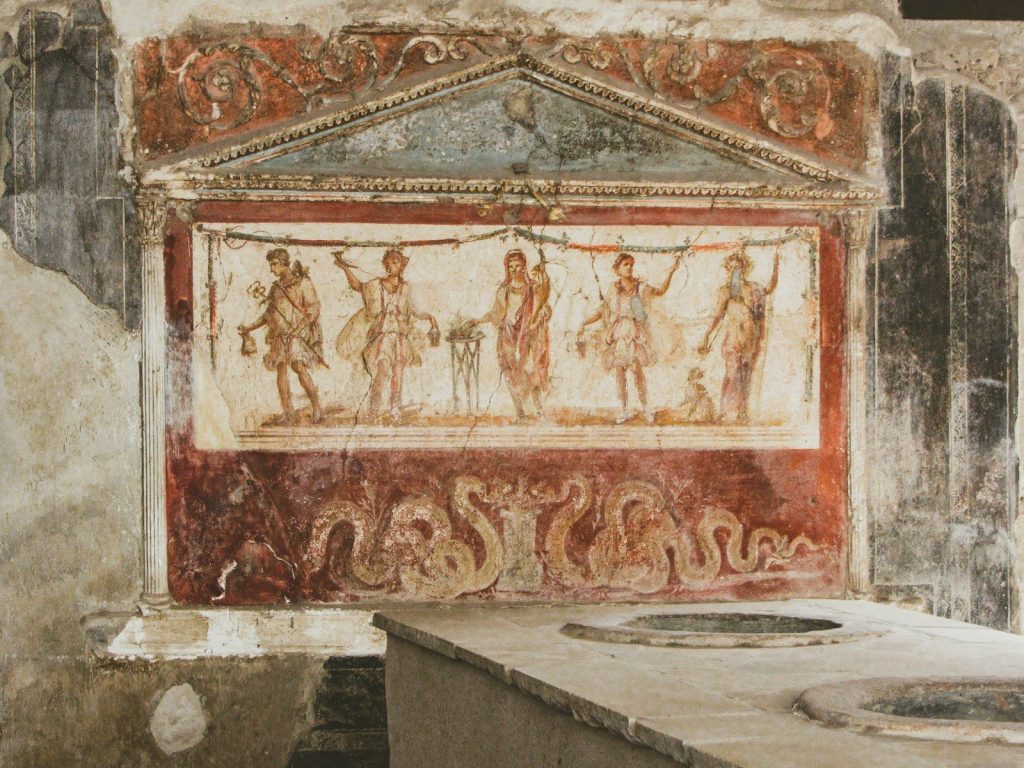
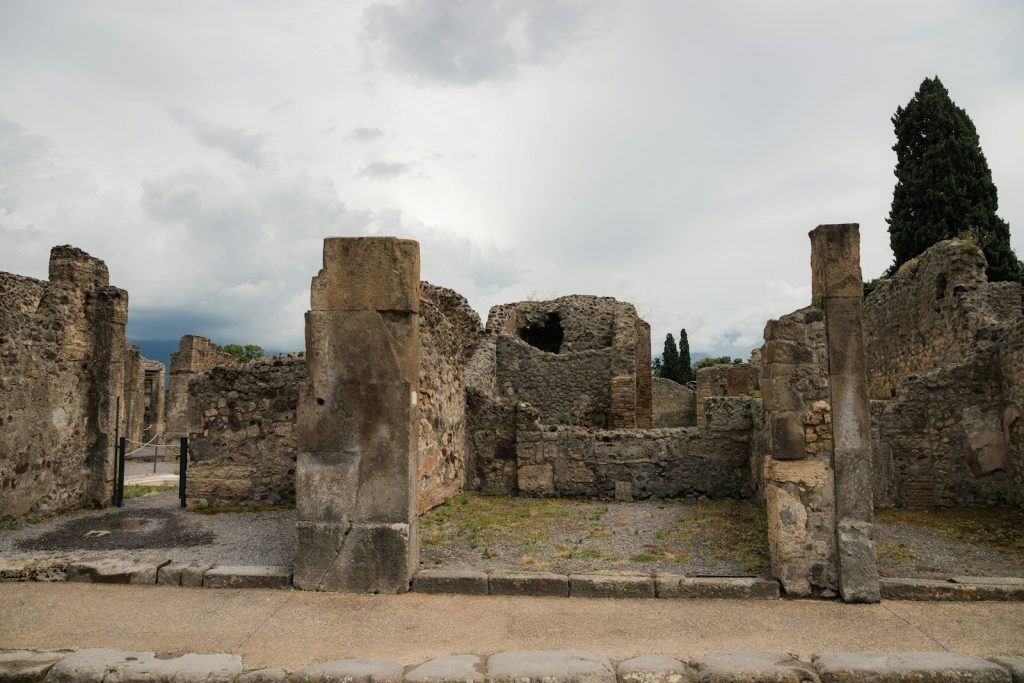
    the ruins of the ancient city of pompei
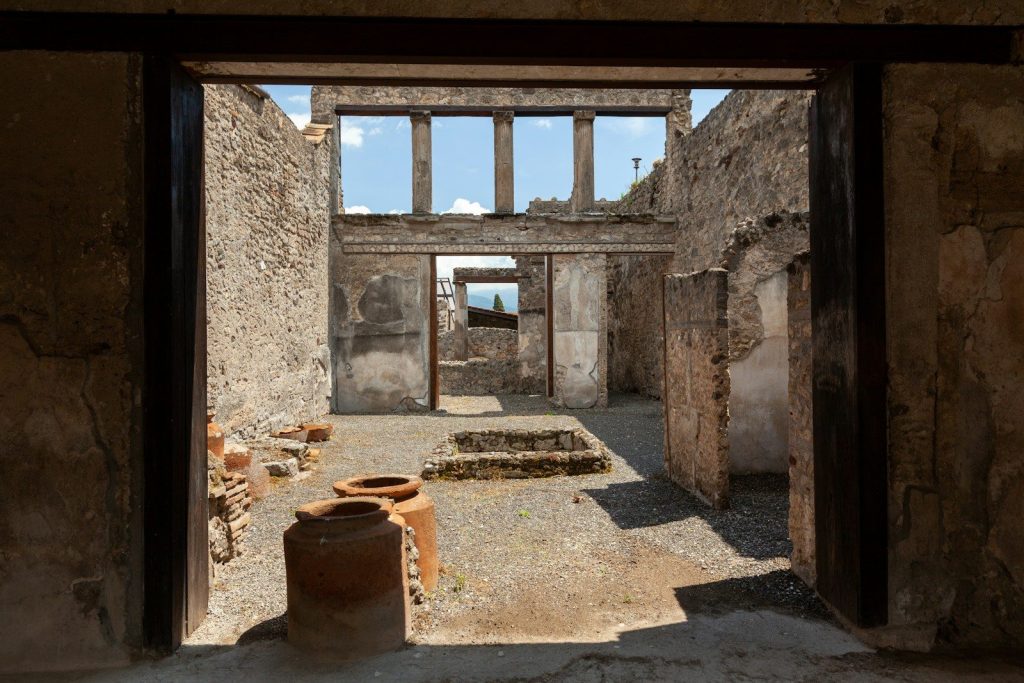
    Photo by Jovan Vasiljević on Unsplash

    Evidence of charring on the walls suggests the villa was attacked. Around 300 AD, the Roman borders were becoming unstable, and nomadic tribes were frequenting the area. The high-status owner likely fled the moment the first signal fires appeared on the horizon. They grabbed what they could, but the heavy marble statue of Apollo was left to fall into the dirt. But wait until you see the “protection” the owner left at the front door.

    The Guardian of the Threshold

    brown and beige wall art
    Photo by Bernardo Ferrari on Unsplash

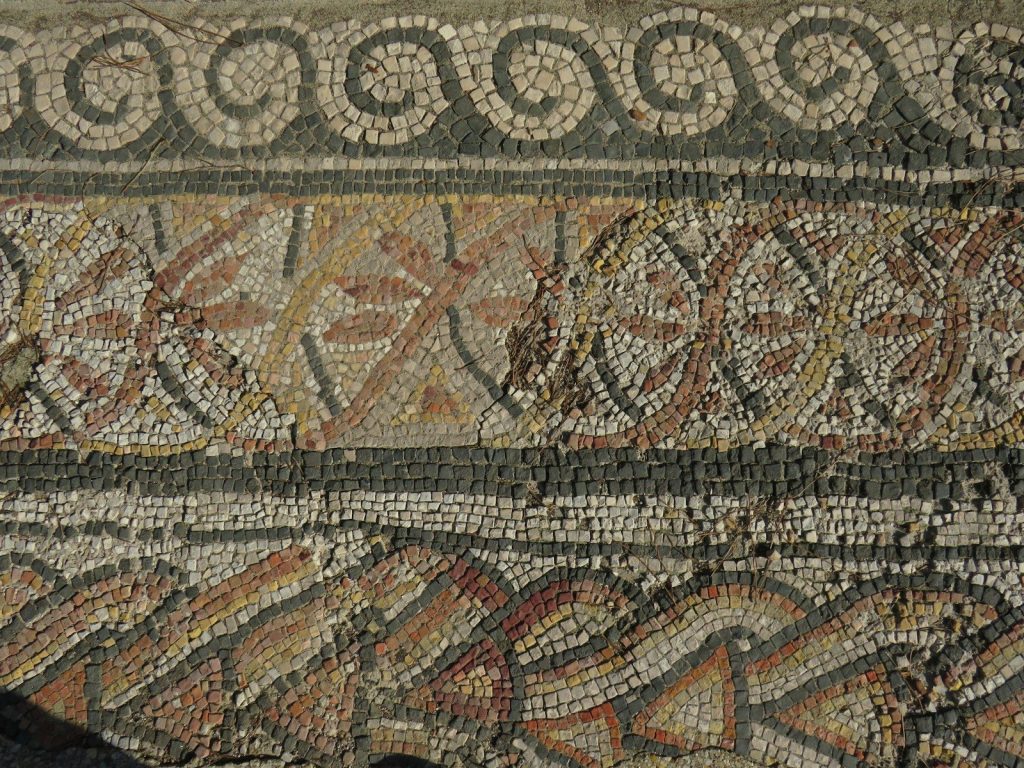
    At the entrance of the villa, a stunning mosaic floor was uncovered. It depicts a guard dog with the Latin words “Cave Canem” (Beware of the Dog). Even in the middle of the desert, Roman citizens were obsessed with security and style. The colors of the stones are still vibrant after being shielded from the sun for 1,700 years. This discovery shows that the desert was once a place of high fashion and international trade. But what happened to the boy who found it all?

    From Playtime to National Hero

    man writing on paper
    Photo by Senshiro Sama on Unsplash

    The 8-year-old discoverer is now a local celebrity. The government has awarded him a certificate of honor for his “archaeological intuition.” He says he wants to be a historian when he grows up, but for now, he’s just happy his “weird stone” turned out to be a god. The site is now a protected national monument, and digging will continue for years. But while the Romans were building villas, another culture was changing the world on horseback.

    The Legacy of the Find

    Rocky desert landscape under a clear blue sky
    Photo by Francesca Fabian on Unsplash

    The discovery of the Roman god has changed how we view the ancient frontier. It proves that Roman influence was much wider and more permanent than we previously thought. Every artifact pulled from the dirt tells a story of survival and ambition. The desert still holds thousands of secrets, and this 8-year-old just proved that anyone can find them. But are you ready for the new proof that says our history books have the dates of horse riding all wrong?

    Featured Image: Photo by Azzedine Rouichi on Unsplash

  • Is the Need to Learn a Foreign Language About to Disappear Completely?

    Is the Need to Learn a Foreign Language About to Disappear Completely?

    For thousands of years, the language barrier has been the ultimate wall between people. If you wanted to travel, do business, or make a new friend in another country, you had to spend years studying grammar and vocabulary. But in 2026, that wall is officially being torn down. New “Neural Translation” earbuds have arrived that translate speech in real-time with 99 percent accuracy. It feels like having a professional translator sitting in your ear. Whether you are in Tokyo or Paris, you can speak your native language and the person in front of you will hear their own.

    This isn’t just about simple phrases like “Where is the bathroom?” This is about deep, emotional conversations. The AI can now capture the tone, the slang, and even the “personality” of the speaker. It is hitting the news as the “Death of the Language Barrier.” We are looking at a world where everyone can talk to everyone. But does this mean that learning a new language is a waste of time? The answer is more complex than you think.

    The End of the “Lost in Translation” Era

    man in black crew neck shirt wearing black framed eyeglasses and black hat
    Photo by NONRESIDENT on Unsplash

    In the past, translation apps were slow and robotic. They often missed the context and made embarrassing mistakes. The 2026 “Neural” models are different. They use the massive computing power of the orbital AI hubs we talked about earlier. They understand “cultural nuances.” If you use a joke or a metaphor, the AI finds the equivalent in the other language. It is a seamless bridge between minds. But how does this affect the brains of the next generation?

    Will We Lose Our “Brain Power” Without Languages?

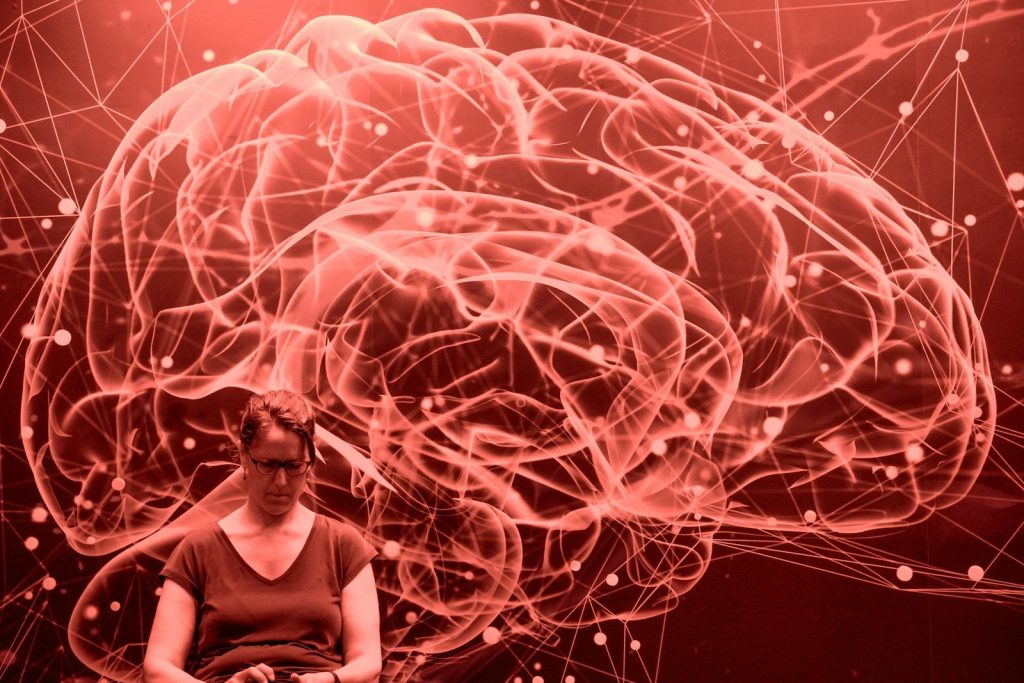
    Abstract red brain network with a person
    Photo by Markus Kammermann on Unsplash

    Scientists have long known that being bilingual is like a workout for the brain. It improves memory and problem-solving skills. Some experts worry that if we stop learning languages, our brains will get “lazy.” If a machine does the work for us, do we lose a part of our intelligence? This is the big debate in schools today. We are moving from a world of “learning” to a world of “using.” But wait until you see how this is changing the way we travel.

    The Rise of the Global Neighborhood

    A diverse group of friends taking a selfie outdoors.
    Photo by Vitaly Gariev on Unsplash

    Travel used to be scary for many people because they couldn’t communicate. Now, tourism is exploding in areas that were previously off-limits. You can walk into a small village in the Amazon or a high-tech city in Korea and feel right at home. This is leading to a “Global Renaissance” where cultures are mixing like never before. The world is becoming one single, giant neighborhood. But is there a hidden danger to having a machine control our conversations?

    The Privacy of Your Private Thoughts

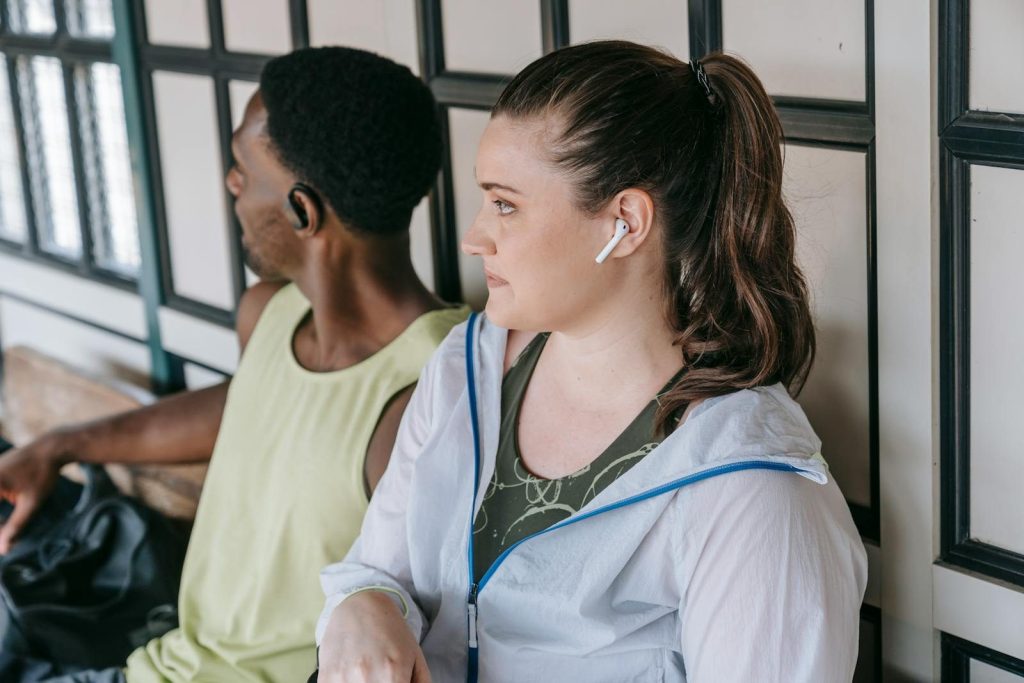
    Casual interaction between friends wearing earbuds indoors, focused on technology and relaxation.
    Photo by Liliana Drew on Pexels

    If a device is always listening to your conversation to translate it, where does that data go? Privacy activists are warning about “Conversation Mining.” Tech companies could theoretically know your most private secrets just by translating them. This is where the “W-State” quantum security we discussed becomes vital. We need unhackable links to ensure our private talks stay private. We are trading our intimacy for convenience. But wait until you see the “Intimacy Gap” problem.

    Can a Machine Really Feel Your Soul?

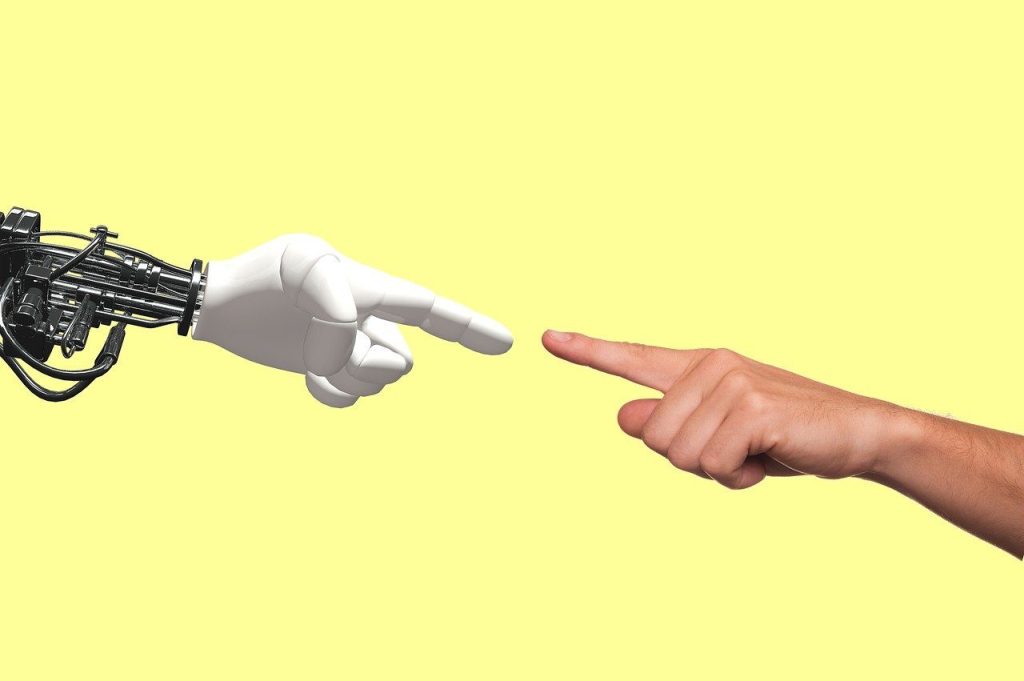
    technology, robot, human, hand, pointing, machine, science, cyborg, artificial, future, robotic, bionic, cyber, android, creation of adam, yellow technology, yellow science, yellow robot, yellow future, yellow human, robot, robot, robot, robot, robot, cyborg, future
    Photo by Tumisu on Pixabay

    There is something special about the effort of learning someone else’s language. It shows respect and a desire to connect. When a machine handles the talk, some of that “soul” might be lost. We are seeing the birth of “Algorithmic Relationships.” While the words are correct, the “heart” might be missing. We have to decide if we want to be “efficient” or “connected.” It is a philosophical crisis for the 21st century. But can this tech actually save lives in an emergency?

    The Real-Time Medical Miracle

    Nurse and sailor attend patient in hospital bed.
    Photo by Navy Medicine on Unsplash

    The biggest win for this tech is in healthcare. In an emergency, every second counts. If a doctor can’t understand a patient’s symptoms, the result can be deadly. Neural translation is saving thousands of lives every day by providing instant medical communication. It is a level of safety that was impossible just five years ago. We are using AI to ensure that no one dies because of a language barrier. It is a masterpiece of applied science. But what is the final verdict on the “End of Languages”?

    A World of Infinite Voices

    group of people sitting on chair
    Photo by Brock DuPont on Unsplash

    The need to learn a language for “survival” is gone. But the desire to learn a language for “love” will always be there. We are entering an era of “Augmented Humanity,” where technology fills the gaps in our biology. We have explored DNA cures, quantum shields, orbital AI, and self-assembling code. These are all tools that make our world faster and safer. The future is here, and it speaks every language on Earth.

    The Journey to a Unified Future

    blue and brown globe on persons hand
    Photo by Greg Rosenke on Unsplash

    We have reached the end of our series on the breakthroughs of 2026. From our cells to the stars, everything is changing at lightning speed. These stories remind us that the future isn’t something that happens to us—it’s something we build. Stay curious, stay skeptical, and keep looking for the next discovery in your own backyard. The world is just beginning to open up, and the best is yet to come.

    Featured Image: Photo by Look Studio on Unsplash