
The future of healthcare isn’t in a pill bottle; it’s in your wardrobe. In 2026, a revolutionary material called “Bio-Sensing Silk” has arrived, changing how doctors monitor your health. This isn’t just luxury fabric; it is a high-tech medical device that feels as soft as a cloud. Scientists have figured out how to weave microscopic sensors directly into silk fibers. These sensors can track your heart rate, blood pressure, and even your blood sugar levels without a single needle.
Your doctor wants you to wear this silk because it provides “Passive Monitoring.” Instead of going to a clinic for a checkup, your clothes continuously send health data to your medical team. It can detect a heart attack or a stroke hours before you feel the first symptom. We are looking at a world where your favorite shirt could literally save your life. But how does a piece of thread actually “talk” to a computer?
The Secret of the Conductive Thread
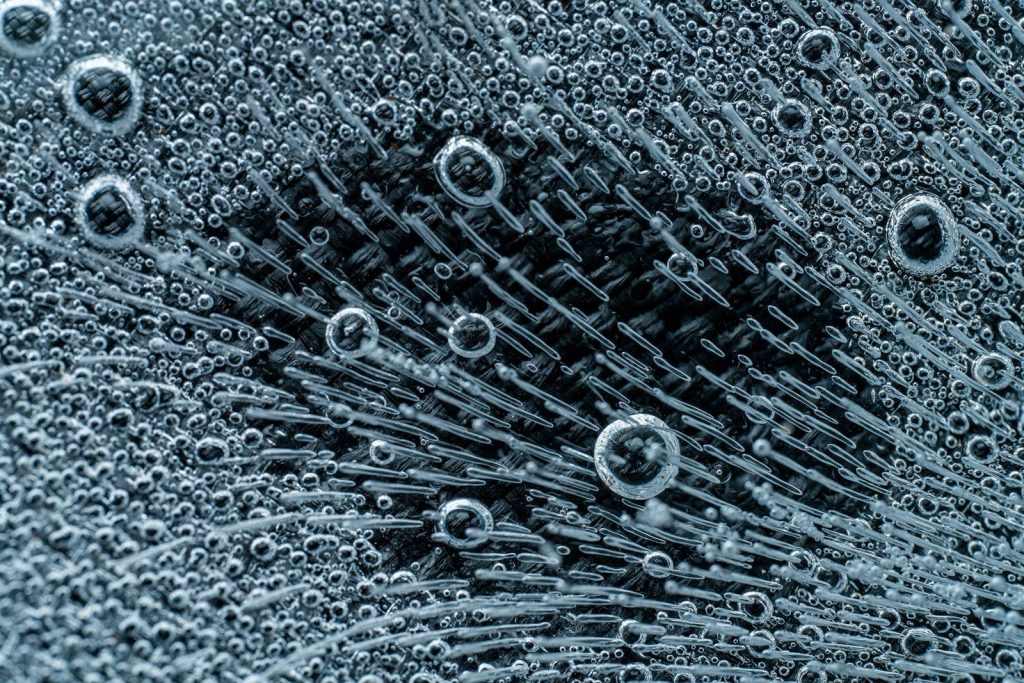
The secret lies in a “Liquid Metal” coating applied to natural silk. This coating allows the fabric to conduct electricity without losing its flexibility or softness. The silk acts as a giant sensor that wraps around your entire body. When your skin produces sweat or your heart beats, the conductive silk picks up the tiny electrical signals. This data is then processed by a tiny, button-sized chip hidden in the collar. It is a masterpiece of “Invisible Tech.” But can this silk actually heal your wounds, too?
Silk Stitches That Detect Infection

One of the most incredible uses for this tech is in “Smart Stitches.” Surgeons are now using bio-sensing silk to sew up patients after surgery. These stitches can monitor the wound’s pH levels in real time. If an infection starts to form, the stitches change color or send an alert to your phone. It allows doctors to catch complications before they become dangerous. It is the end of the “wait and see” era of surgical recovery. But wait until you see the “Smart Bandage” version.
The Bandage That Thinks for Itself
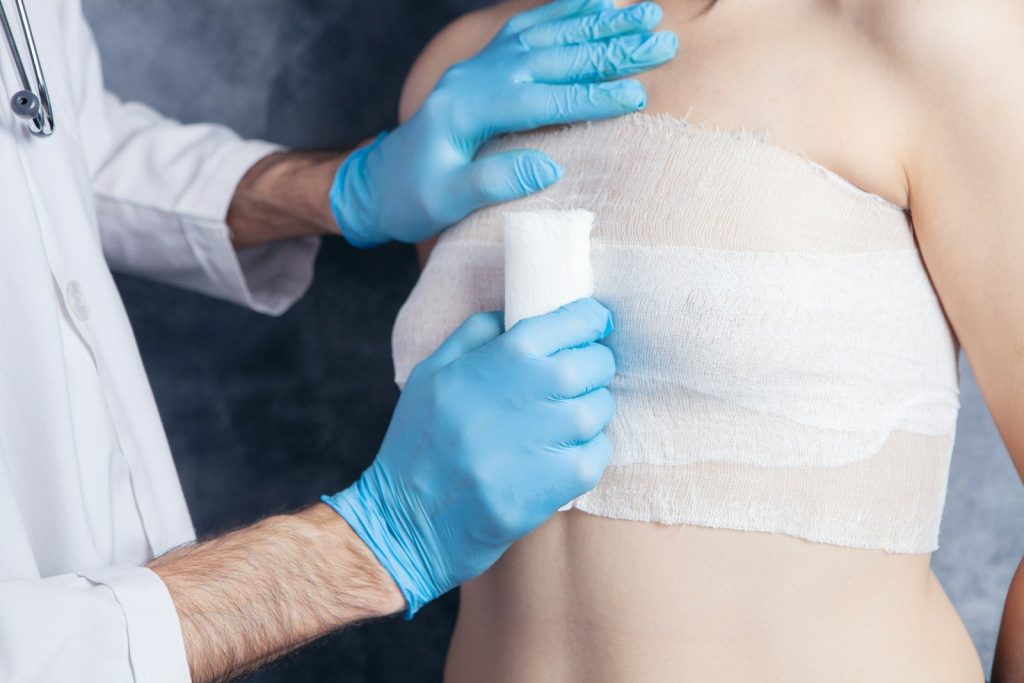
Standard bandages just cover a wound; bio-sensing silk bandages actually treat it. These “Smart Bandages” can release antibiotics or growth hormones automatically based on what the sensors detect. If the wound is too dry, the bandage releases moisture. If it’s too hot, it provides a cooling effect. It is like having a tiny, robotic nurse sitting on your skin. This tech is already being used to help diabetic patients heal much faster. But what about the air you breathe?
A Shirt That Measures Air Quality
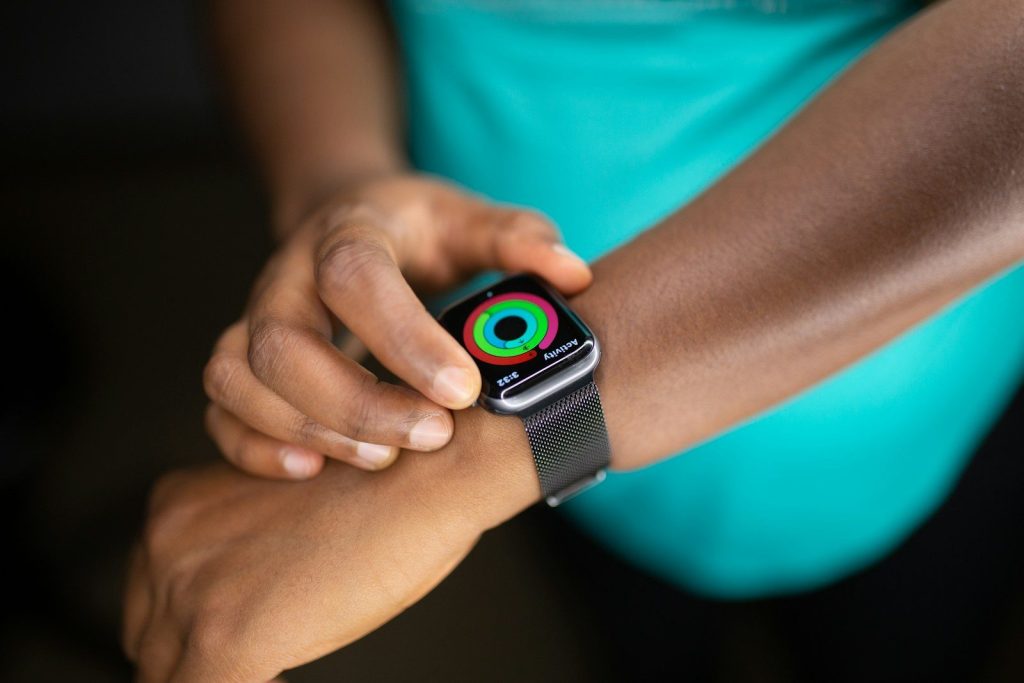
The silk sensors aren’t just looking inward; they are looking outward, too. New 2026 clothing lines include silk that can detect harmful pollutants or allergens in the air. If you walk into a room with high levels of carbon monoxide or pollen, your shirt will vibrate to warn you. This is a game-changer for people with asthma or severe allergies. Your clothes are becoming a protective “environmental shield.” But how do you wash a computer shirt?
The World’s First Washable Computer

In the past, wearable tech was bulky and fragile. Bio-sensing silk is different because it is “Durable by Design.” The liquid metal coating bonds to the silk at a molecular level, so you can throw it in a regular washing machine. It can be stretched, folded, and worn for years without losing its sensing power. We have finally moved past the “gadget” phase of wearables into true “lifestyle” integration. But who is paying for all this expensive silk?
Affordable Health for Every Neighborhood

While silk sounds expensive, the 2026 manufacturing process has become surprisingly cheap. Large-scale labs are now “printing” these sensors onto silk by the mile. Governments are looking at bio-sensing silk as a way to lower overall healthcare costs. By preventing hospital visits through early detection, the silk pays for itself in just a few months. We are seeing the democratization of high-end medical care. But is there a catch to being “always connected”?
Privacy in the Age of Medical Fabric

The biggest concern is who owns your heart rate data. To solve this, the bio-sensing silk uses “Local Encryption.” Your health data is processed on the chip and only shared with your doctor through a secure, private link. You have the “kill switch” to stop the data flow at any time. It is a “Privacy-First” approach to the future of medicine. But as we fix our bodies, we are also changing our laws. Are you ready for the judge without a heart?
The Future of the Human Body
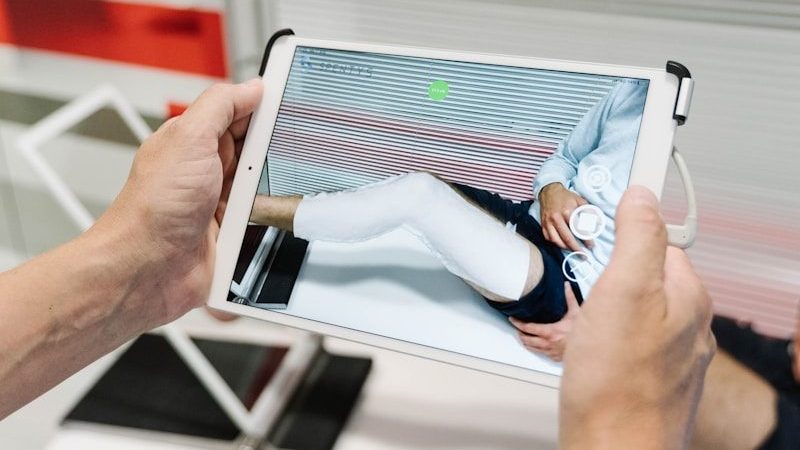
Bio-sensing silk is just the first step in the “Biological Revolution.” We are moving toward a future where our technology and our bodies are perfectly in sync. From the clothes we wear to the memories we save, the line is disappearing. We are building a world that is safer, cleaner, and more intelligent. Keep your eyes on the runway, because the next big medical breakthrough is coming to a clothing store near you.
Featured Image: Photo by Jatin Gajjar on Unsplash
Leave a Reply