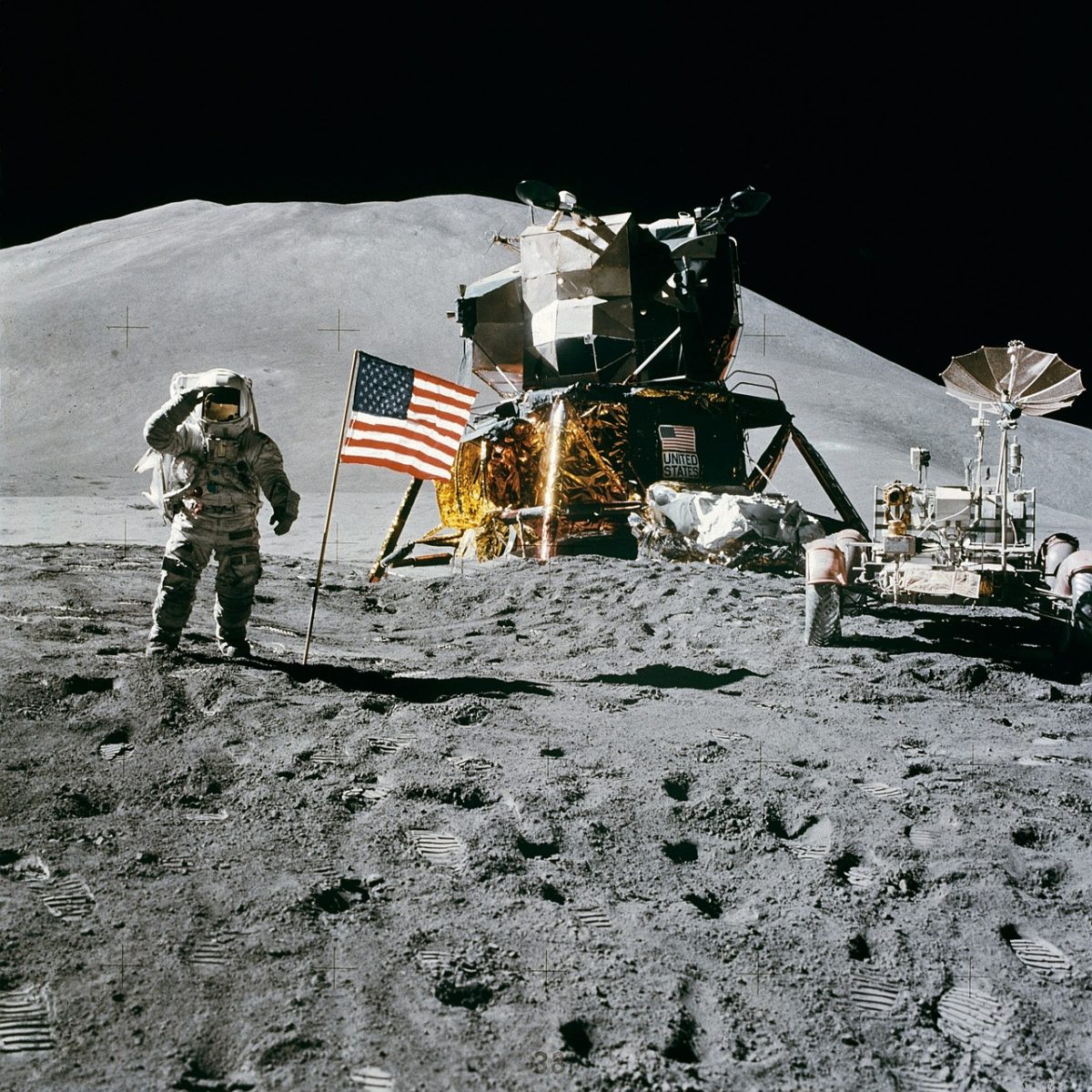
The Moon is not simply a glowing rock in the night sky. In 2026 it became the most valuable piece of real estate in the solar system. A massive “Lunar Gold Rush” is currently underway, with world powers and private companies hurrying toward the Moon’s South Pole. Experts estimate that the resources buried there are worth at least $500 billion. This isn’t just planting flags anymore; it is about survival and massive profit.
The South Pole is the target, because it contains something more precious than gold: ice. This ice can be turned into drinking water, oxygen and most importantly rocket fuel. If we can harvest fuel on the Moon it becomes the ultimate gas station for the rest of the galaxy. This discovery has transformed space exploration from a scientific hobby into a high-risk industrial race. But the ice is hidden in places where sunlight does not shine, creating a terrifying challenge for the robots already on the ground.
Water is the New Lunar Oil
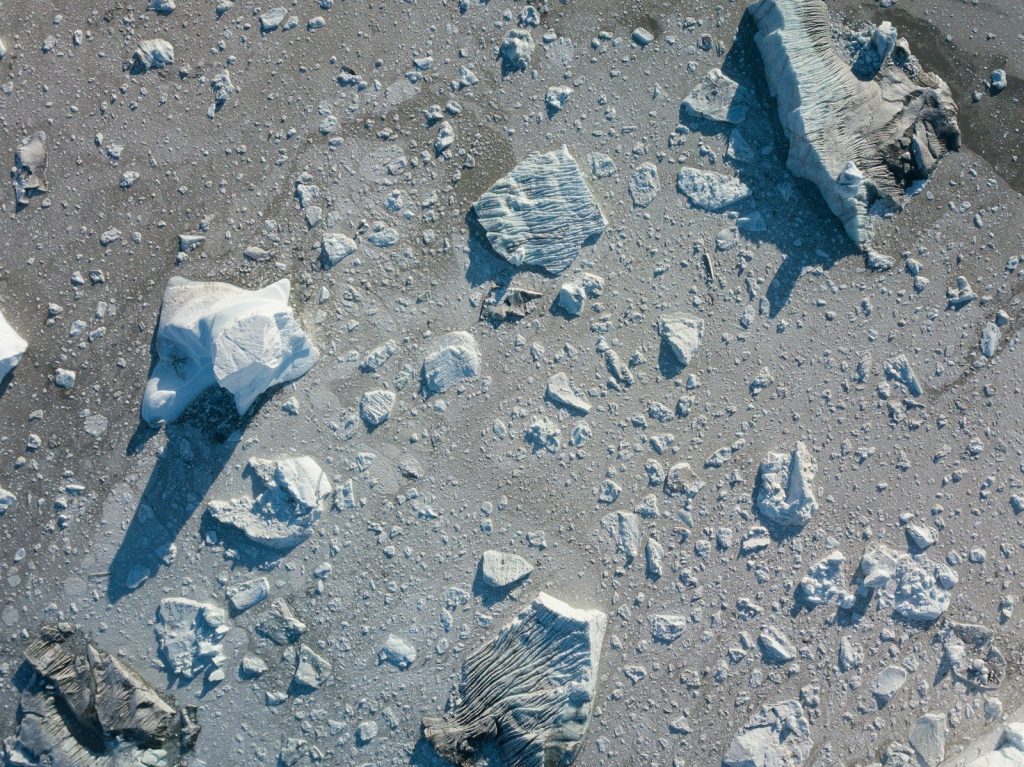
For decades, we thought the Moon was a dry, dead desert. We were wrong. NASA has confirmed that billions of tons of water ice are trapped in “permanently shadowed regions.” Because these craters never see sunlight, the ice has stayed frozen for billions of years. Companies are now designing giant “lunar drills” to extract this resource from the dust. Whoever controls the water controls the path to Mars. But water isn’t the only treasure hiding in the grey dirt.
Harvesting Energy for a Million Years
The Moon’s South Pole also contains high concentrations of Helium-3. This rare isotope is almost impossible to find on Earth, but it is the perfect fuel for nuclear fusion. Scientists believe that just a few shuttle-loads of Helium-3 could power the entire United States for a year. It is a clean, limitless energy source that could end the climate crisis once and for all. However, the machines needed to mine it have to survive the most brutal environment known to man.
Robots are Already Building the First Cities

We aren’t sending humans first; we are sending builders. Autonomous robots are currently being tested to 3D-print lunar habitats using “regolith,” or moon dust. These structures will protect future astronauts from radiation and meteorites. These robots work 24/7 without air or food, turning a desolate landscape into a functional outpost. It is a masterclass in automated engineering that is happening 238,000 miles away. But wait until you see the “Lunar GPS” that is currently being launched.
The First Satellite Network for the Moon
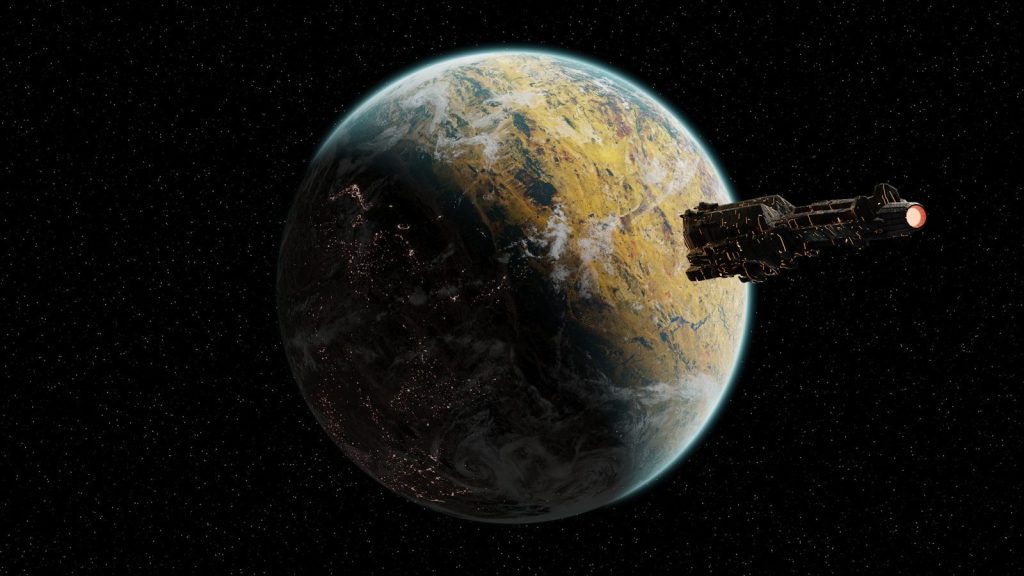
To navigate the deep craters of the South Pole, you need more than a compass. A new constellation of satellites is being placed in lunar orbit to provide the Moon’s first navigation and communication network. This “Lunar GPS” will allow mining bots and human rovers to pinpoint their location within inches. Without this network, explorers would get lost in the dark, frozen valleys forever. But this network is also tracking something mysterious moving on the surface.
Hidden Craters That Defy The Laws of Physics
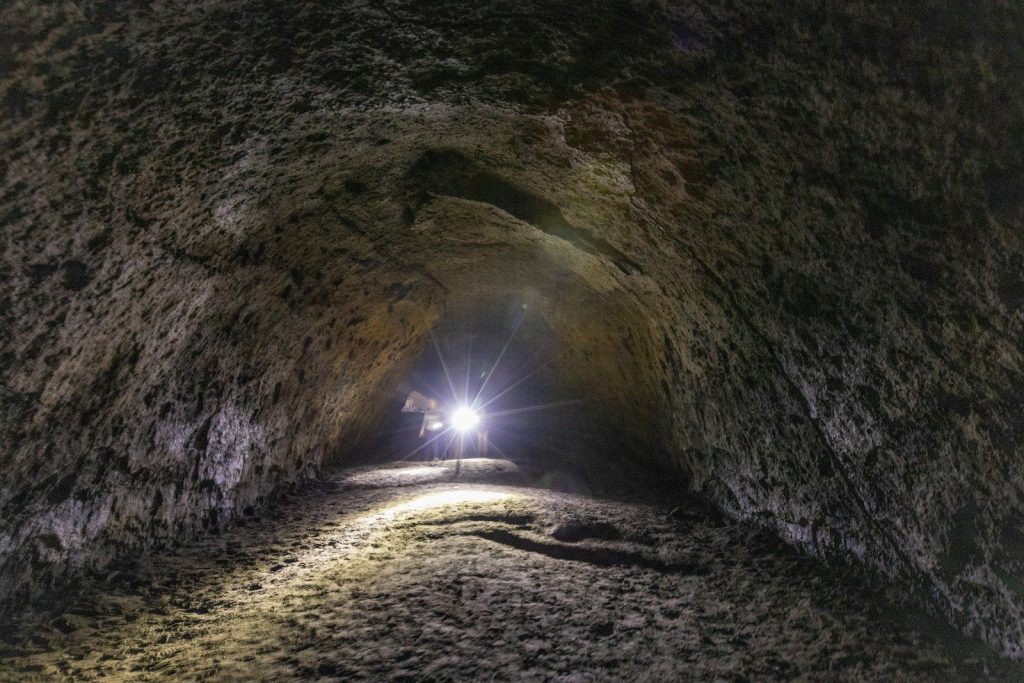
Deep-space scans have revealed massive “lava tubes” beneath the lunar surface. These are giant, natural tunnels created by ancient volcanic activity. They are large enough to house entire cities and provide a natural shield against the vacuum of space. Inside these tubes, the temperature is surprisingly stable. It is the perfect place for a permanent human colony. But explorers are finding that some of these caves contain strange, unidentifiable chemical signatures.
Sovereignty and the New Space Law Conflict

Who owns the Moon? The 1967 Outer Space Treaty says no nation can own it, but it doesn’t address private companies mining resources. As the “Gold Rush” intensifies, legal experts are scrambling to write new laws to prevent a “lunar war.” We are seeing the birth of “Safety Zones” where countries can operate without interference. It is a diplomatic nightmare that could boil over at any moment. But the biggest secret isn’t what we are taking from the Moon.
The Launchpad to the Rest of the Galaxy
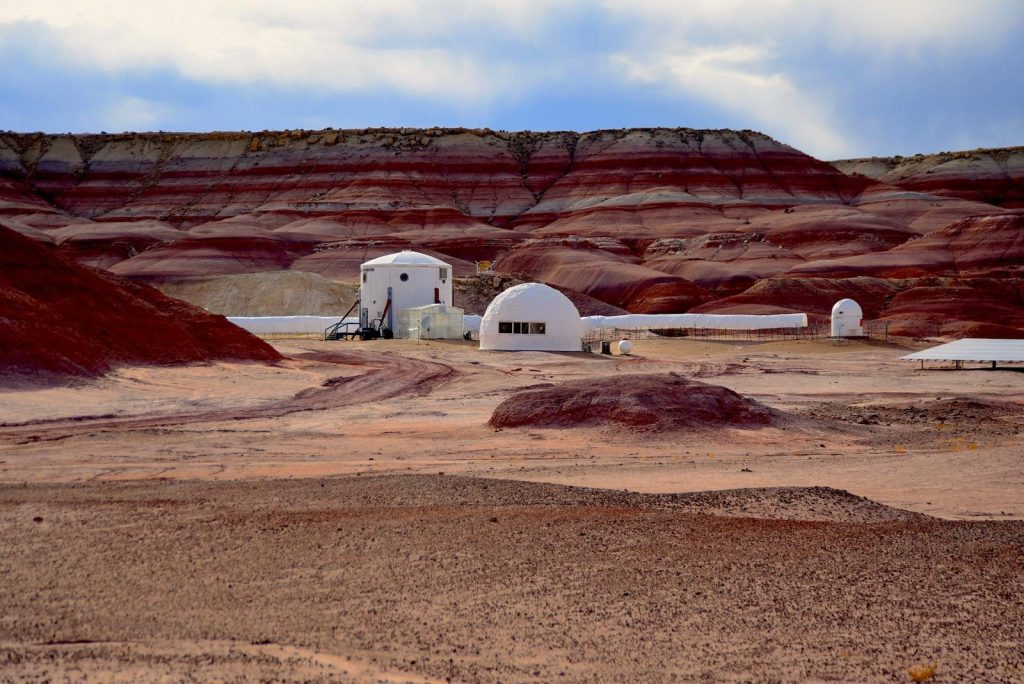
The ultimate goal of the $500 billion rush is to use the Moon as a stepping stone. Because the Moon has very low gravity, it is much easier and cheaper to launch rockets from the lunar surface than from Earth. The South Pole will become the industrial hub for missions to Mars, Jupiter, and beyond. We are building the first port for a multi-planet civilization. But you won’t believe how this tech is already changing your own brain right now.
The Final Countdown for the Lunar Era
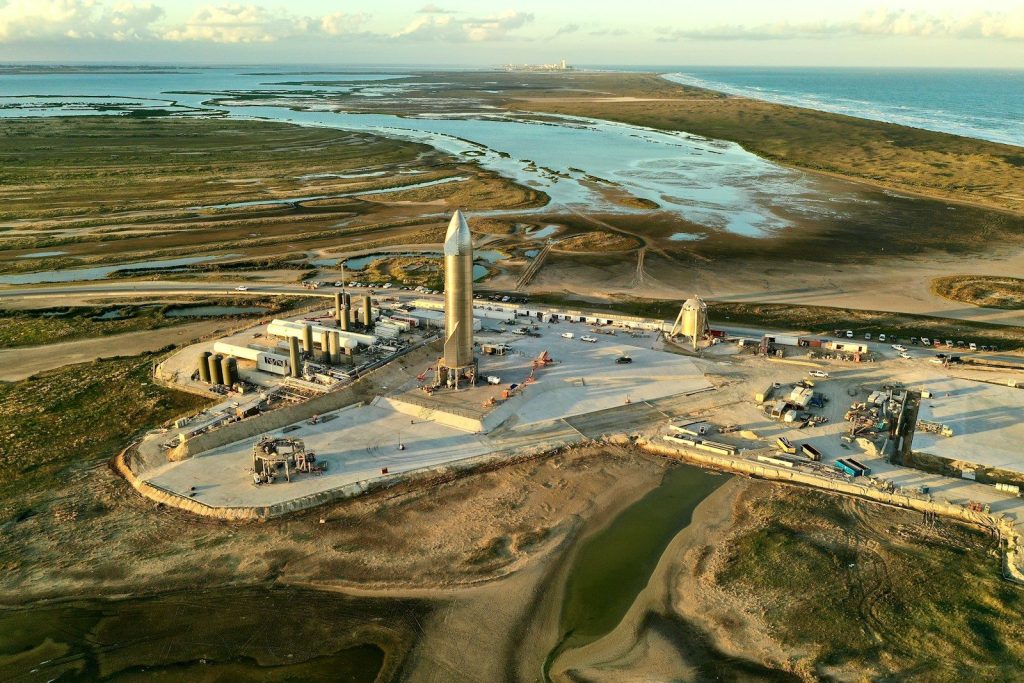
The next three years will decide the winner of this race. With missions scheduled by NASA, China, and SpaceX, the South Pole is about to get very crowded. We are living through the most significant moment in human history since we first walked upright. The resources are there, the tech is ready, and the money is flowing. The Moon is open for business, but are we ready for what we will find in the permanent dark?
Featured Image: Photo by WikiImages on Pixabay
Leave a Reply