The electric automobile revolution was supposed to save our planet and our wallets. We were promised cheap travel, low maintenance and a clean future. Behind the scenes, a major manufacturing flaw is causing a silent disaster. Thousands of electric vehicles (EVs) are sent to the scrapyard for problems that would be a simple fix in a gas car. Because of how these cars are built, even a tiny bit of damage to the battery casing can make the entire vehicle a “total loss.” This hidden flaw is driving insurance rates up and making used EVs almost impossible to sell. If we don’t fix how we build these cars, the revolution could end before it really begins.
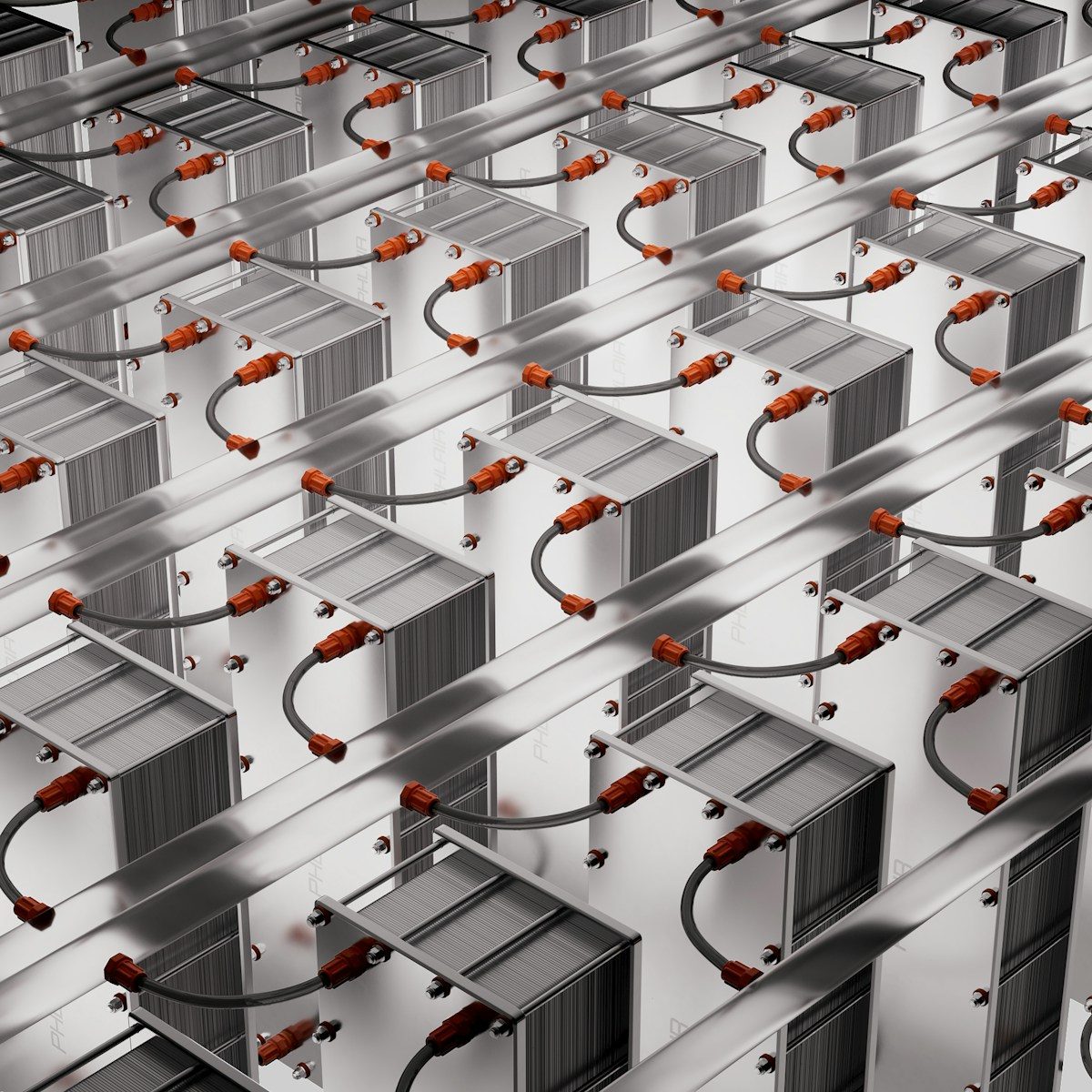
The problem lies in “cell consistency” and the “unrepairable battery.” In most EVs, the battery is part of the car’s structure. It is glued or welded into the frame to save weight and space. This sounds like smart engineering, but it means you can’t replace just one part of the battery. If a single cell fails or a rock hits the bottom of the car, the whole $20,000 battery must be replaced. But that is just the beginning of the problem.
The unfixable battery pack design
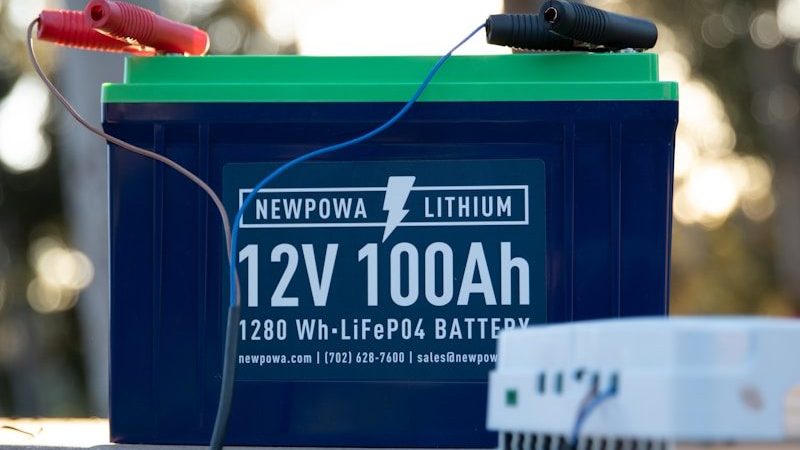
In a traditional car, you can swap out an engine or a transmission. In a modern EV, the battery is often “potted” in a hard plastic foam to keep it safe from vibrations. This makes it impossible for a mechanic to get inside and fix a loose wire or a bad sensor. Because nobody can see what’s wrong inside, insurance companies choose to throw the whole car away rather than risk a fire. We are creating “disposable” cars that cost $60,000. But the weight of these batteries is causing another problem on the road.
The crushing weight of the battery
Batteries are incredibly heavy. An electric SUV can weigh 1,000 pounds more than its gas equivalent. This extra weight puts a massive strain on tires and suspension parts. EV tires wear out 30% faster than regular tires, creating more microplastic pollution. It also means that when an EV hits a pothole, the damage is much more severe. The car is literally “crushing” its own components because of a manufacturing choice to use heavy, low-density batteries. But wait until you see the “software glitch” that stops the car.
The software that locks the hardware
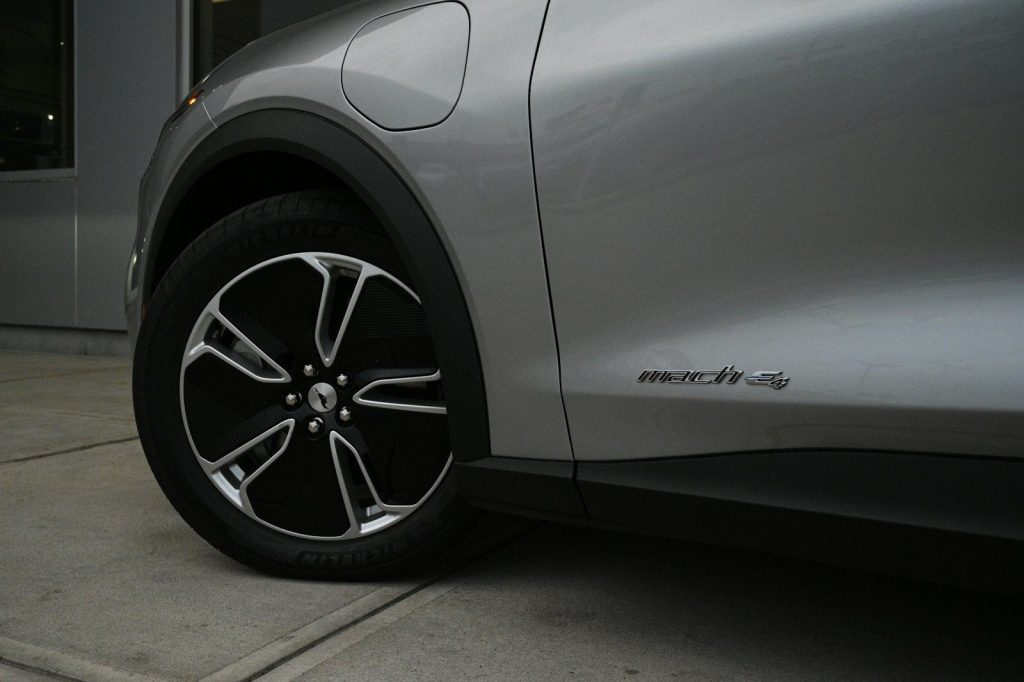
Modern EVs are “computers on wheels.” Every part of the car is controlled by software that is proprietary to the manufacturer. This means you cannot take your car to a local mechanic for a simple electronic fix. If the software “glitches,” it can “brick” the entire car, making it unmovable. Manufacturers are using this to prevent people from using third-party parts. It is a manufacturing flaw designed to keep you paying the dealer forever. But the “thermal runaway” risk is the scariest part.
The hidden fire risk in the frame

When a lithium battery gets damaged, it can enter “thermal runaway.” This is a chemical fire that produces its own oxygen and cannot be put out with water. Because the battery is built into the bottom of the car, a fire there will melt the frame in minutes. Firefighters often have to let the car burn for days or submerge it in a giant tank of water. This danger is why many parking garages are starting to ban electric cars. It is a fundamental flaw in how we store energy in vehicles. But the depreciation is what hits the wallet.
The used car value trap
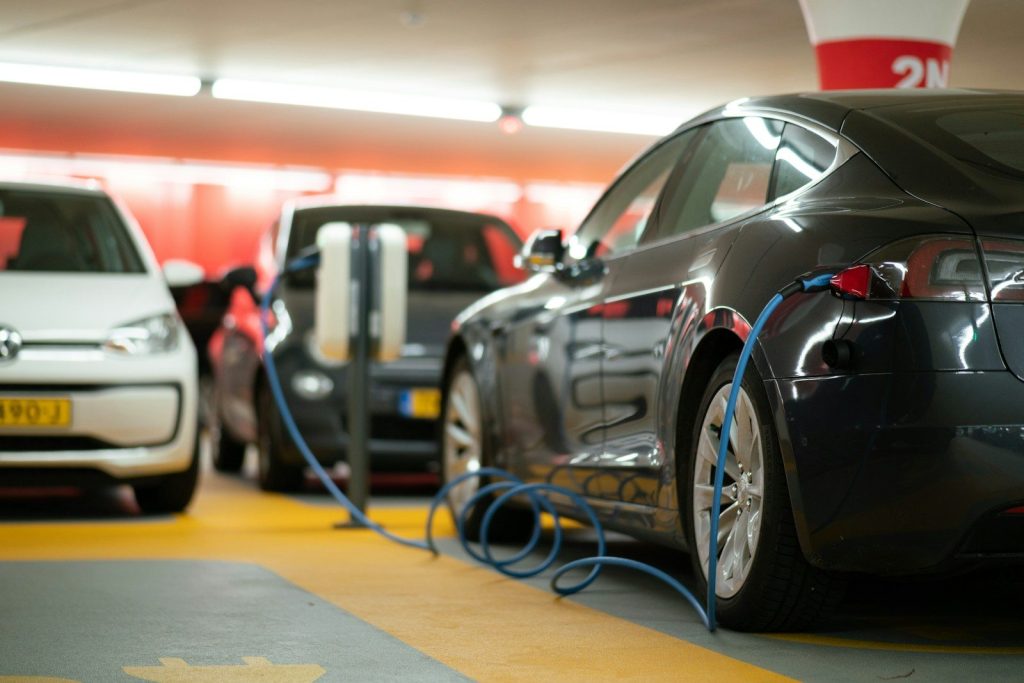
Because everyone is afraid of a failing battery, used EVs are losing their value faster than any other type of car. Who wants to buy a 5-year-old car if the battery might die tomorrow and cost $20,000 to fix? This manufacturing choice has destroyed the “resale” market. People are finding themselves stuck with cars that they owe more money on than they are worth. It is a financial disaster for the average family. But can “solid state” technology save us?
The gamble on solid-state batteries
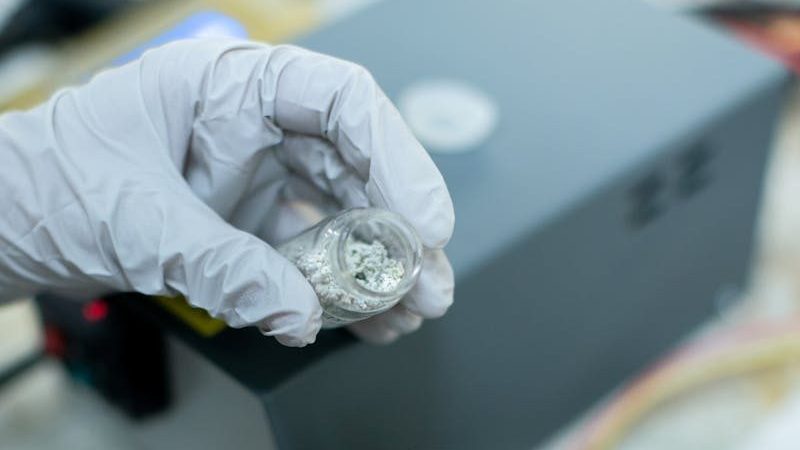
The car industry is betting everything on “Solid State” batteries. They are supposed to be lighter, safer and easier to repair. They are still years away from mass production. For now, manufacturers still pump out cars with the same old flaws. We are building the “old” tech while we wait for the “new” tech to arrive. It is a high-risk gamble that could leave millions of drivers with “obsolete” cars. Wait until you see why bridges are actually designed to break.
The end of the disposable car era
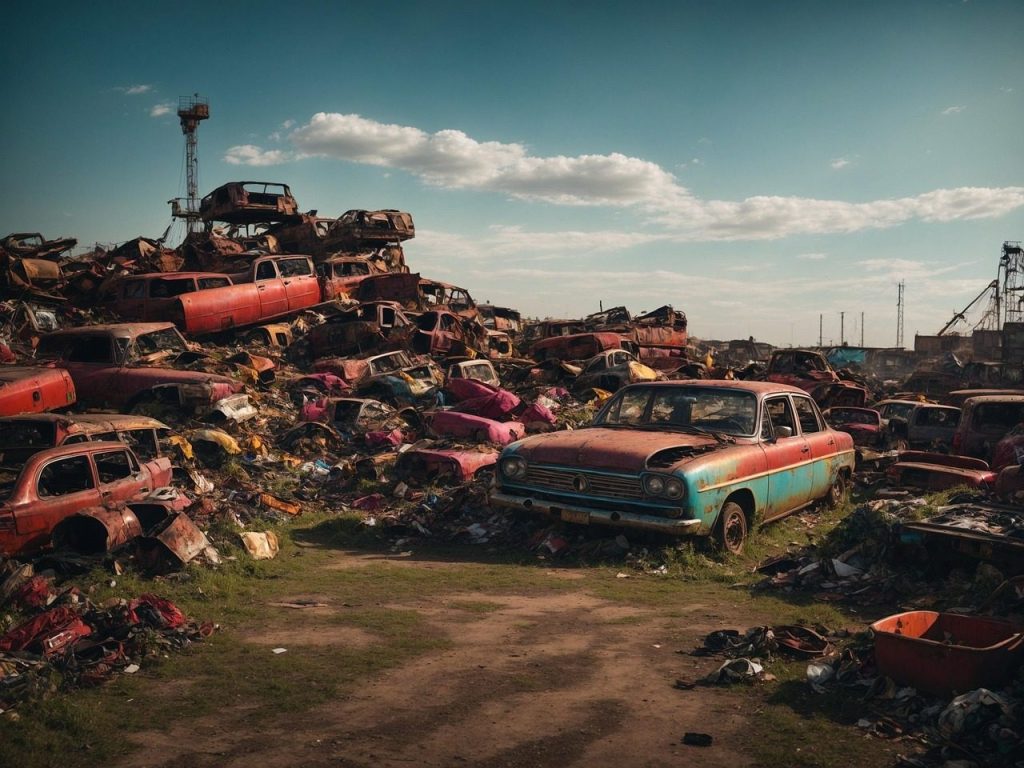
The electric car revolution isn’t dead, but it needs a major reboot. We have to stop building cars as “disposable gadgets” and go back to building them as machines that can be fixed. The manufacturing flaw of the “unrepairable battery” is a choice, not a necessity. If we want a green future, we need cars that last 20 years, not 5. We are learning the hard way that you can’t save the planet with a product that goes into the trash. The next generation of EVs will have to be built to break, but in a way that we can put them back together.
Leave a Reply