
The human legal system is slow, expensive, and often biased. We have all heard stories of two people committing the same crime but receiving completely different sentences. But in 2026, a new force is entering the courtroom: the “Algorithmic Judge.” Governments are now using AI to draft new laws and even assist in making legal rulings. The goal is simple: to create a system of “Pure Justice” that is based on data, not emotion.
This isn’t about replacing humans with robots; it’s about giving our legal system a “logical upgrade.” The AI can scan millions of past cases in seconds to find the most consistent and fair outcome. It can identify hidden patterns of bias that human judges might not even realize they have. We are entering an era where “the law” is becoming a living, breathing piece of code. But can a machine really understand the difference between right and wrong?
Deleting Human Bias from the Bench

Human judges are affected by hunger, tiredness, and their own personal history. Studies have shown that judges are more likely to give harsher sentences right before lunch. An AI doesn’t get hungry or tired. It treats every case with the same level of focus and neutrality. In 2026, many cities have started using AI to handle “small claims” and traffic tickets, leading to a 90 percent drop in appeals. But the technology is moving toward much more serious crimes.
Speeding Up Justice at Lightning Speed
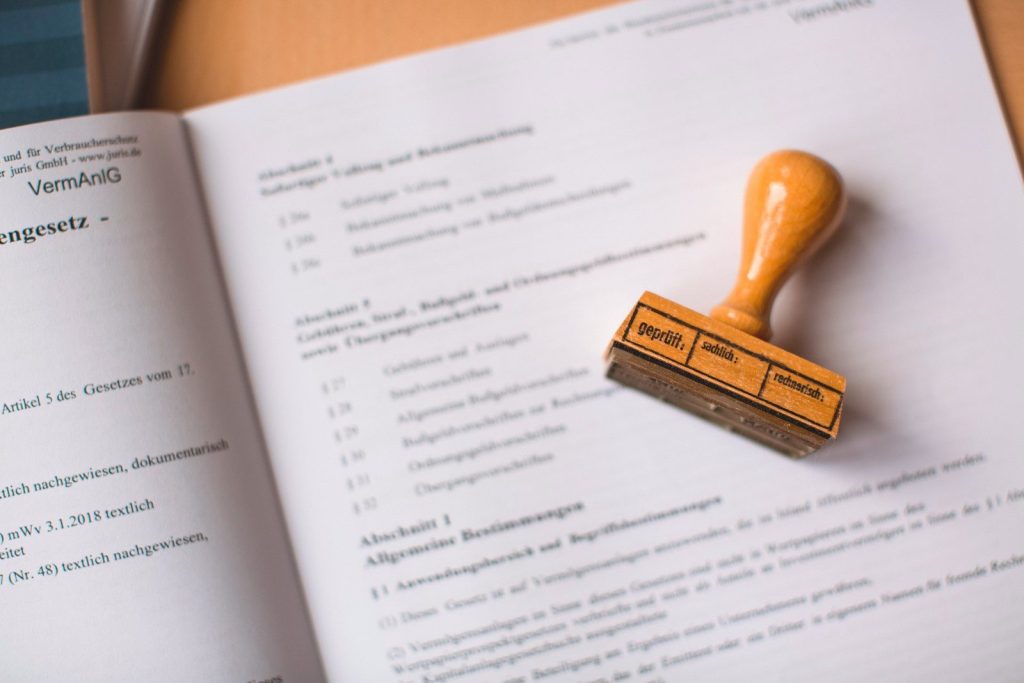
The average legal case takes months or even years to resolve. This “Justice Delay” often ruins lives and businesses. The Algorithmic Judge can process evidence and provide a preliminary ruling in minutes. It allows human lawyers to focus on the complex human elements of a case while the AI handles the paperwork and the history. We are moving from a system of “wait and see” to a system of “instant resolution.” But wait until you see the “Black Box” problem.
The Mystery of the Black Box Courtroom

One of the biggest fears is that we won’t understand how the AI makes its decisions. This is known as the “Black Box” problem. If an AI sentences someone to prison, we need to know why. To fix this, the 2026 AI models are “Explainable.” Every ruling comes with a plain-language report detailing exactly which laws and cases were used to reach the conclusion. It is a level of transparency that most human judges can’t match. But does this mean we don’t need human lawyers?
The Rise of the AI Public Defender

In the past, only the rich could afford the best legal defense. Now, AI “Public Defenders” are providing top-tier legal advice to everyone for free. These AI tools can find a tiny loophole in a thousand-page document in seconds. It is leveling the playing field between giant corporations and the average citizen. We are seeing a “Democratization of Law” that is changing the face of our society. But wait until you see how AI is “predicting” crimes.
Predictive Policing and the New Minority Report

Using historical data, the Algorithmic Judge can predict where crimes are likely to happen before they occur. Police departments are using this data to deploy resources more effectively. While this sounds like a sci-fi movie, the 2026 results show a significant drop in violent crime in major cities. However, this has sparked a massive debate about “Pre-Crime” and civil liberties. We are forced to choose between a safer world and a more private one.
Ethical Safeguards for the Machine Judge

To prevent the AI from becoming a “Digital Dictator,” every algorithmic ruling must be reviewed by a human oversight committee. We are keeping the “Human in the Loop” to ensure that mercy and compassion are never forgotten. The law is no longer just a set of rules; it is a partnership between human wisdom and machine logic. It is a delicate balance that we are still perfecting. But as we fix our courts, we are also rebuilding our internet.
A Future Built on Data-Driven Truth
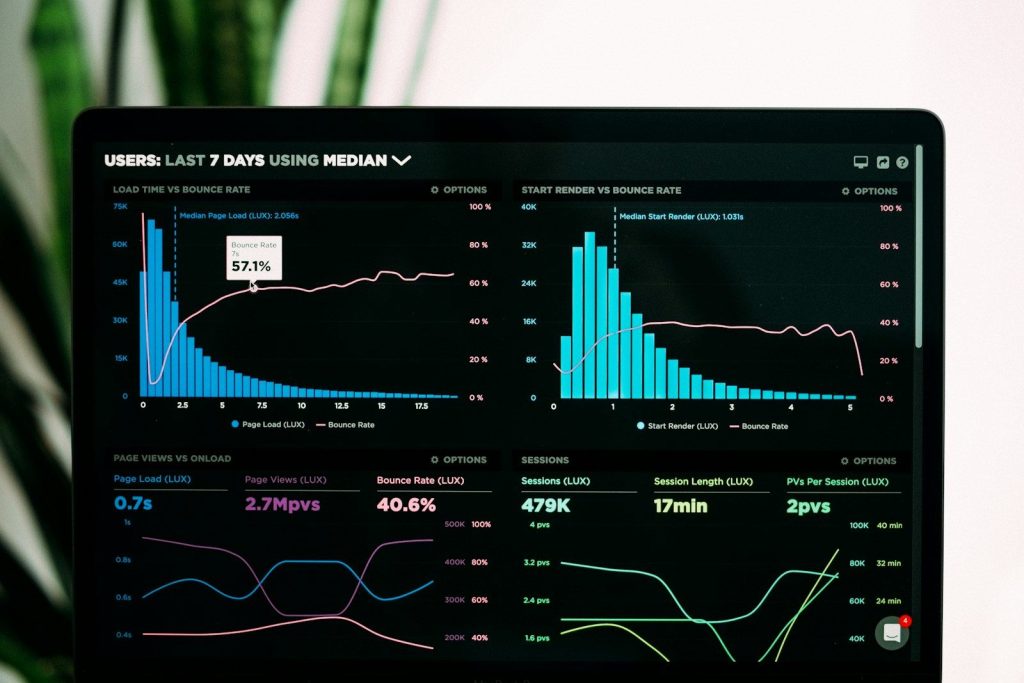
The era of the “Algorithmic Judge” is just the beginning of a data-driven society. We are moving toward a world where truth is calculated, not guessed. While it might feel scary to give power to a machine, the results so far are a fairer, faster, and more accessible legal system for everyone. We are finally building a world where “The Law” truly applies to all. But you won’t believe how fast your data is about to travel.
The Final Verdict on AI Justice

We are standing at the end of the “Human-Only” law. The transition to AI-assisted justice is happening faster than anyone predicted. By the end of this decade, your lawyer, your judge, and your legislator might all be powered by code. It is an exciting and challenging time to be an inhabitant of Earth. We are rewriting the rules of our civilization, and the future looks bright. Are you ready for the tech that makes fiber optics look like a toy?
Featured Image: Photo by KATRIN BOLOVTSOVA on Pexels
Leave a Reply