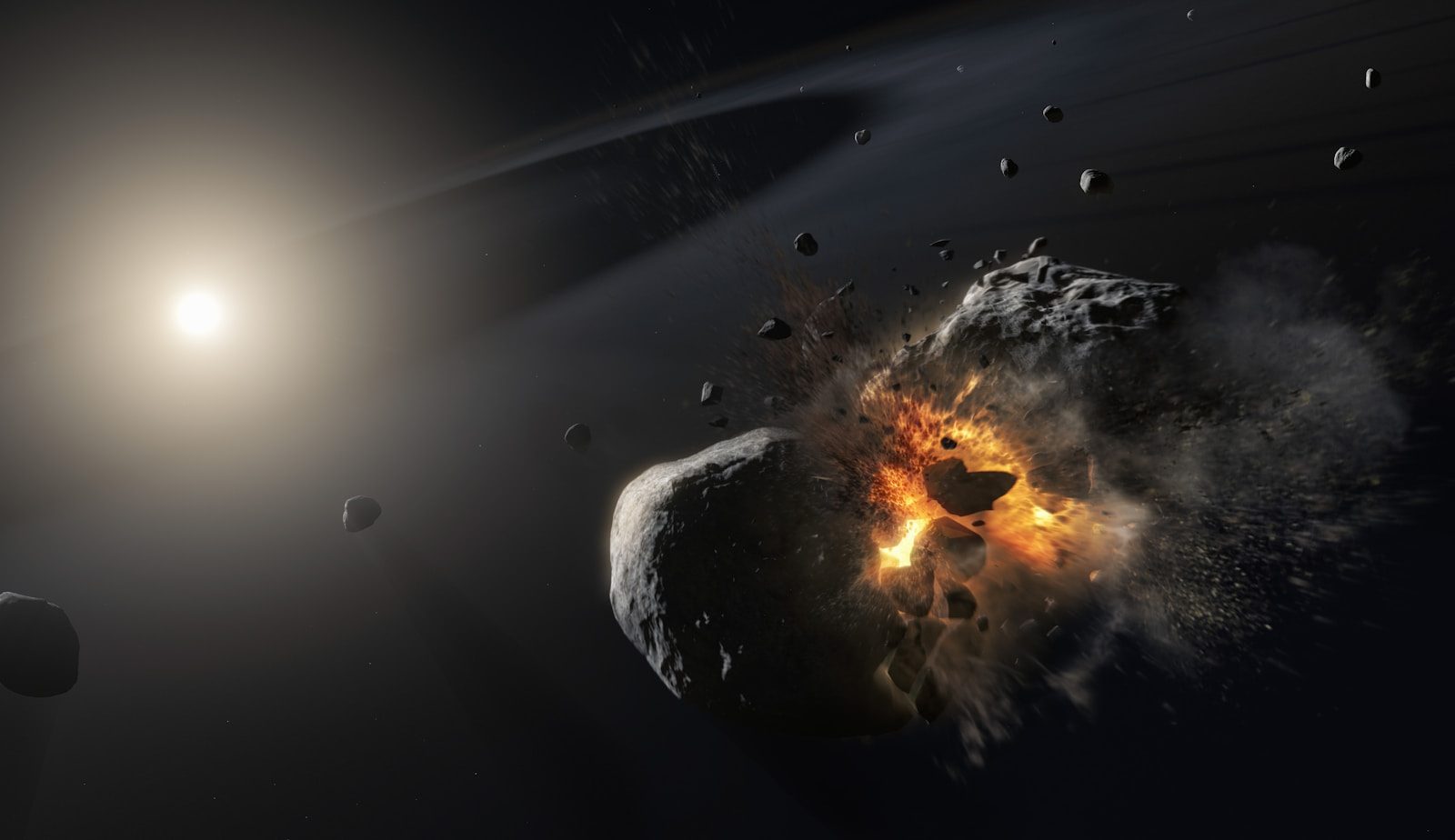
For decades, we have blamed a single giant asteroid for the death of the dinosaurs. We were taught that one rock hit Mexico 66 million years ago and ended the age of giants. But a shocking new discovery on the other side of the Atlantic is rewriting that story. Scientists have found a second, massive impact crater off the coast of West Africa. Known as the Nadir Crater, it dates back to the exact same time as the famous Chicxulub impact. It turns out the dinosaurs weren’t hit by a single bullet; they were caught in a cosmic crossfire.
This “Second Killer” was nearly five miles wide and slammed into the ocean with the force of thousands of nuclear bombs. It would have triggered tsunamis over 2,600 feet high that raced across the Atlantic. While the Mexico impact was the main event, this African strike ensured that any survivors had nowhere to hide. We are now looking at a “double-whammy” extinction event that makes the end of the Cretaceous period look even more violent than we imagined. But how did this second rock hide from us for so long?
The Crater Hiding Under the Sea Floor
The Nadir Crater is buried under 1,000 feet of water and hundreds of feet of sediment. It was only discovered when researchers were scanning the seafloor for oil and gas. They saw a perfect circular shape that didn’t belong in the natural geology of the area. Using seismic waves, they mapped the structure and found the signature “ring” of an asteroid strike. It is a time capsule of a disaster that has been hidden by the ocean for millions of years. This discovery proves that we are still missing major pieces of our planet’s history. But what was this second rock made of?
A Broken Piece of a Giant Comet
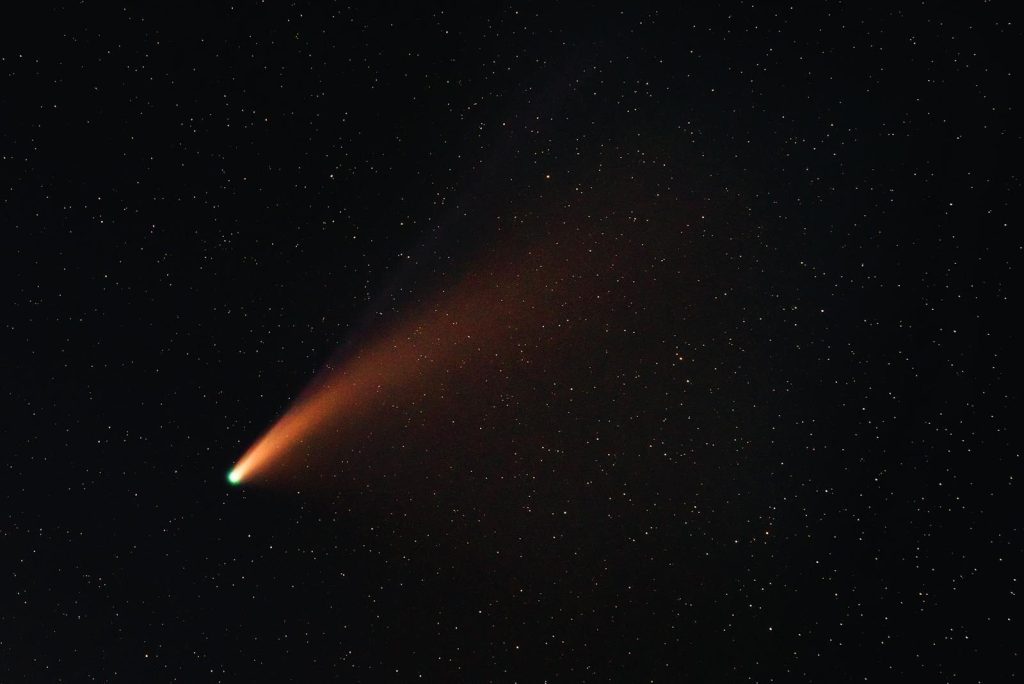
Scientists believe that the two killers might have been part of the same parent body. It is possible that a massive asteroid or comet broke apart as it approached Earth. This created a “cluster” of rocks that hit different parts of the planet within days or even hours of each other. This theory changes how we think about “Impact Winters.” Instead of one dust cloud, the Earth was choked by multiple layers of soot and debris. It was a global shutdown that lasted for years. But the “Second Killer” did more than just kick up dust.
The Tsunami That Flattened Continents

When the Nadir asteroid hit the Atlantic, it didn’t just make a splash. It displaced so much water that it created a “mega-tsunami.” These waves weren’t just big; they were high enough to wash over mountains. They would have traveled thousands of miles inland, drowning entire ecosystems in minutes. The evidence of these waves is still etched into the rocks of South America and Africa. It was a watery grave for millions of creatures. But as the water receded, the air became the next weapon of destruction.
Living in a Global Pressure Cooker
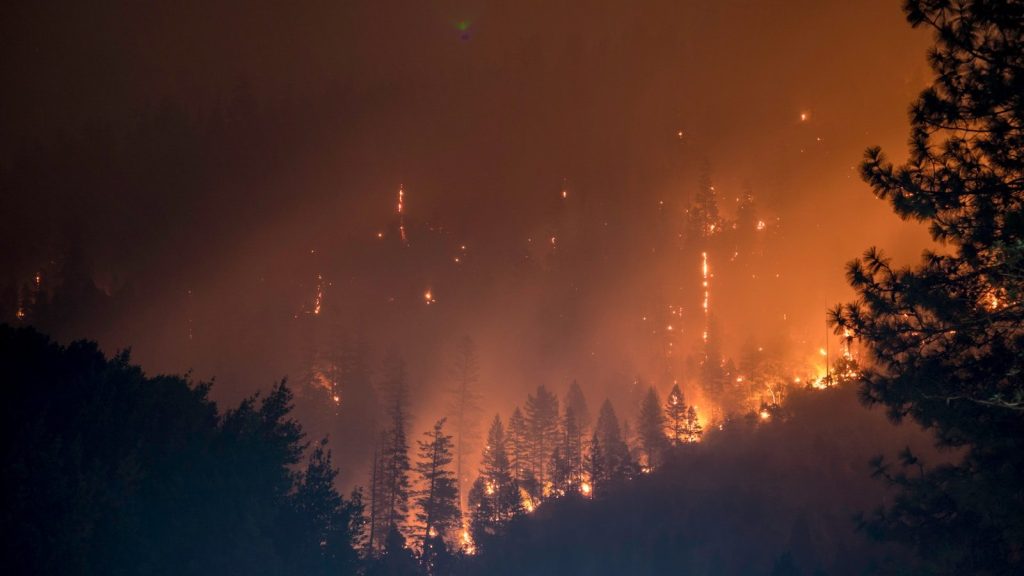
The friction of the asteroid entering the atmosphere turned the air into an oven. For a few hours after the impact, the surface of the Earth was likely as hot as a pizza oven. This “thermal pulse” would have ignited forests instantly across entire continents. Dinosaurs that weren’t killed by the blast or the floods were likely caught in a global firestorm. The “Second Killer” added a massive amount of heat to an already dying world. It was a nightmare scenario that no species could prepare for. But some animals found a way to survive the heat.
The Survivors Who Hid Underground
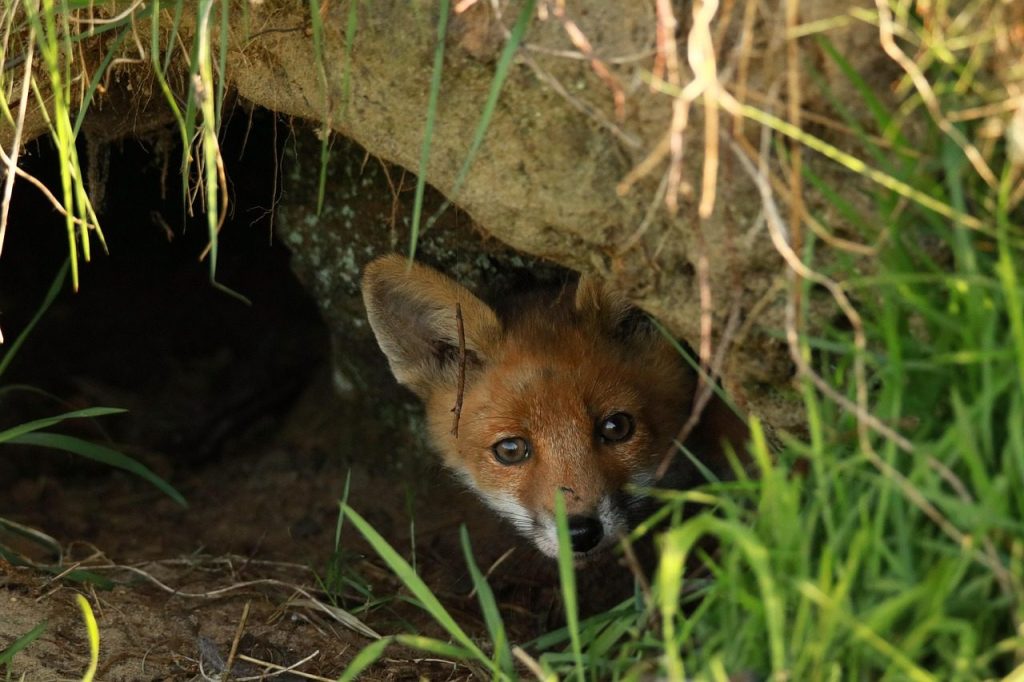
While the giants died, our ancestors were hiding. Small mammals, reptiles, and birds that could burrow into the ground or hide in deep caves were the only ones that made it. The soil acted as an insulator against the heat and the radiation. These “underground refugees” waited out the worst of the disaster. When they finally emerged, the world was empty and silent. The “Second Killer” had cleared the stage for a new era of life. We are only here today because our ancestors were the ultimate hide-and-seek champions. But the mystery of the “Second Killer” isn’t fully solved yet.
Searching for the Third Impact Site
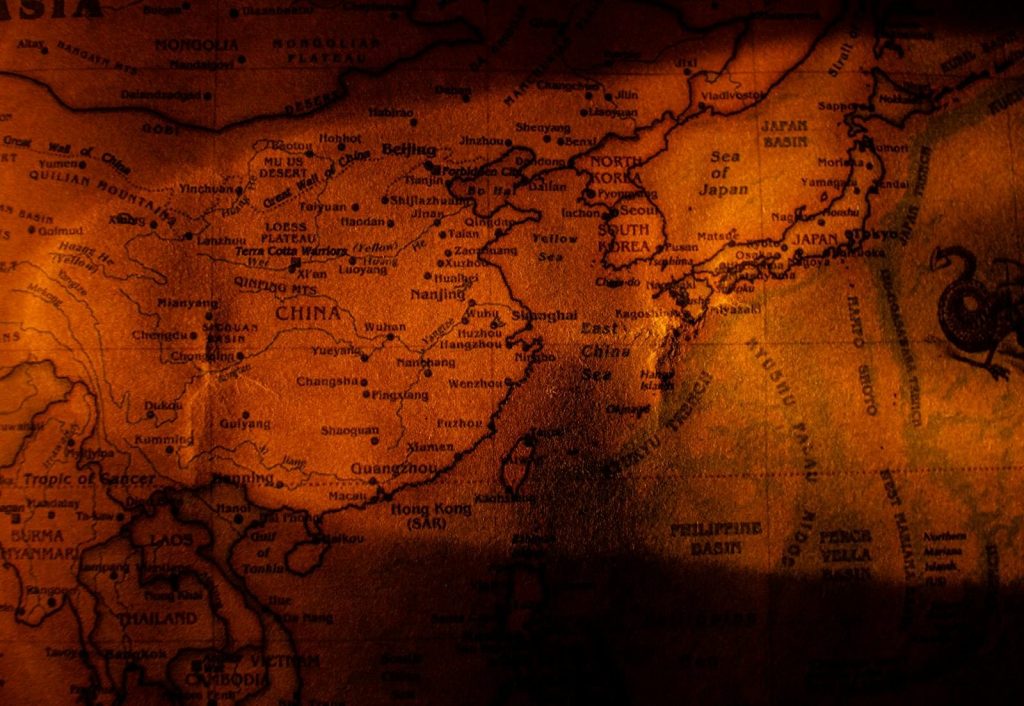
If the parent asteroid broke into two pieces, why not three or four? Geologists are now scouring the globe for more hidden craters from the same time period. There are suspicious structures in India and the Pacific that are being re-examined. We might find that the end of the dinosaurs was caused by a “meteor shower” of massive proportions. Every new crater we find is a piece of the puzzle that explains why life on Earth changed so drastically. It’s a detective story that is 66 million years old. But wait until you see the technology we are using to find them.
Using Satellites to Map Ancient Deaths
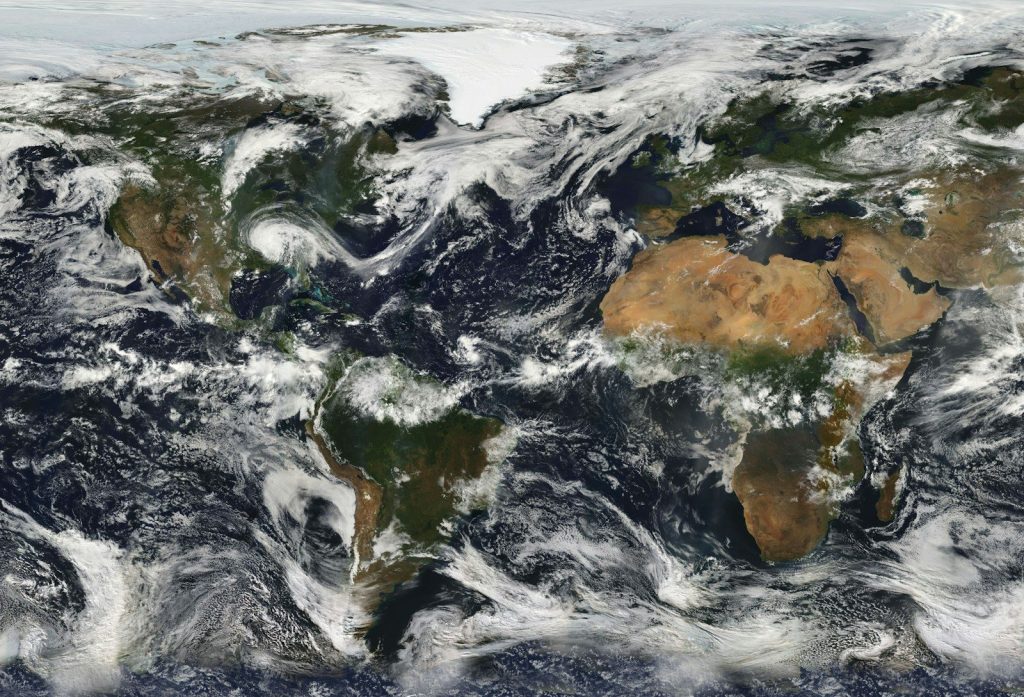
We no longer need to walk every inch of the planet to find craters. High-resolution gravity maps from space allow us to see through the Earth’s crust. These satellites can detect “dents” in the planet’s gravity caused by buried impact sites. It is how we found the Nadir Crater, and it is how we will find the next one. We are using 21st-century tech to look back at the beginning of our world. As the map becomes clearer, the story of the “Second Killer” is just the beginning. But the most shocking truth about our origins was found in the ice.
The Final Verdict on the Asteroid Duo
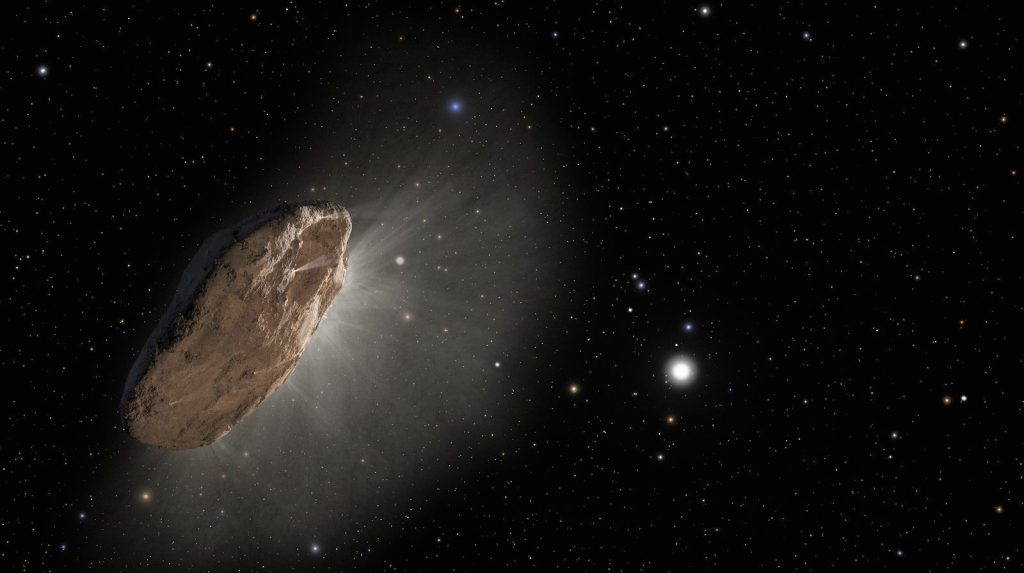
The discovery of the Nadir Crater has changed paleontology forever. We can no longer talk about a single asteroid in isolation. The death of the dinosaurs was a complex, multi-stage disaster that happened at a global scale. It teaches us that the Earth is a target in a very crowded solar system. We are living on a planet that has been hit before and will likely be hit again. The “Second Killer” is a warning from the past that we need to keep our eyes on the sky. Are you ready for the shocking truth about the world’s most famous mummy?
Featured Image: Photo by NASA Hubble Space Telescope on Unsplash
Leave a Reply