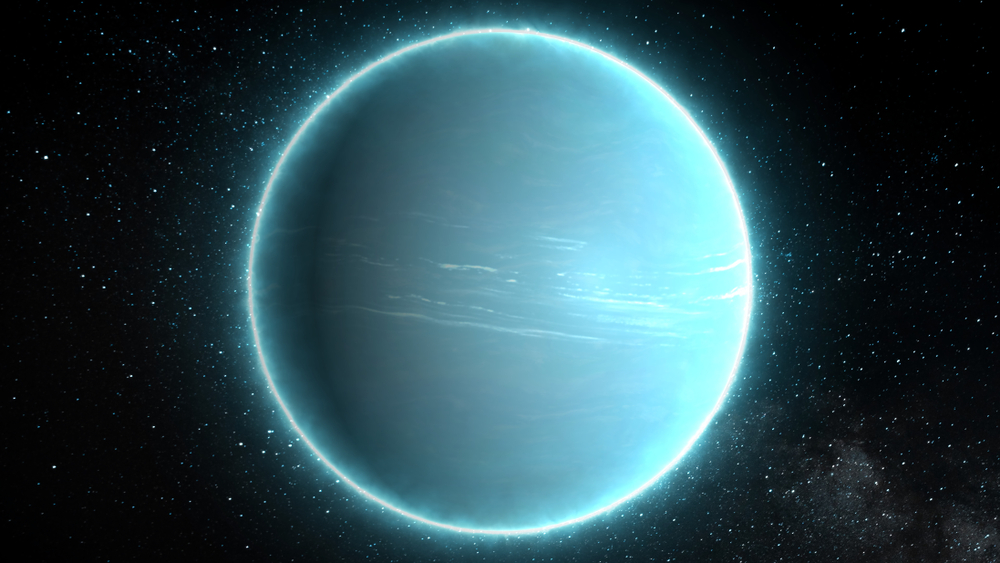
Most planets in our solar system spin almost upright like top toys. We expect world rotations to follow this standard cosmic alignment.
But Uranus spins at an extreme ninety-eight-degree angle on its side. New timelapse imagery shows this strange planetary movement in motion.
Planet Uranus Sideways Rotation
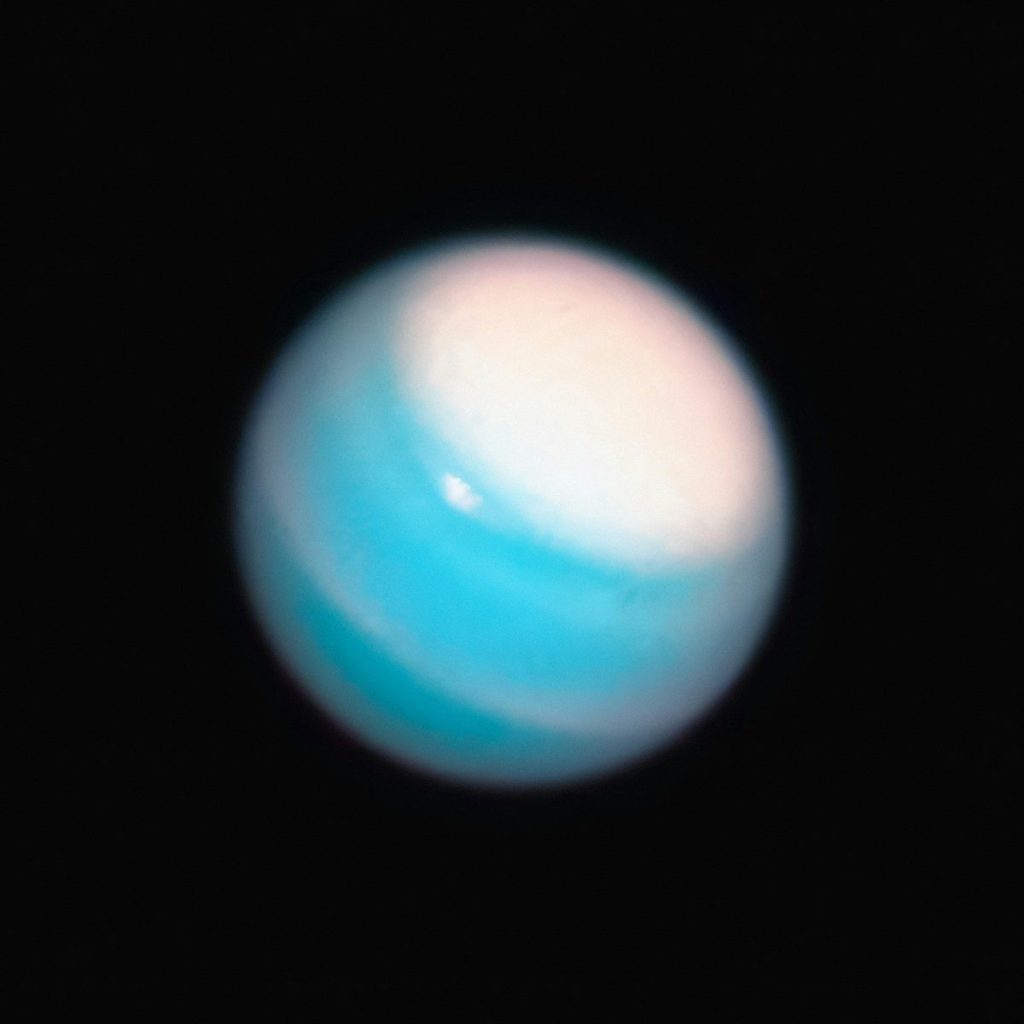
Astronomers have mapped planetary orbits across our solar system for centuries. According to NASA telescope data, Uranus rotates almost completely parallel to its orbital path. Planets spin upright. This sideways orientation makes its weather and ring patterns move in strange directions. But scientists needed higher-resolution imagery to trace its true rotational speed.
Uranus Atmosphere Telescope Observation
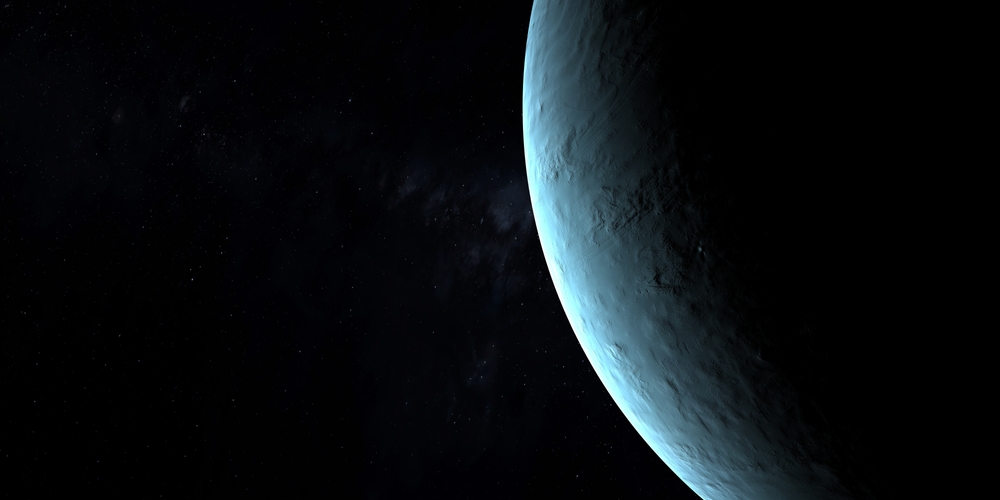
Space observatories monitored the distant ice giant over multiple continuous observation cycles. According to space agency imaging reports, faint cloud features allowed researchers to track the rotation. Motion was steady. A single day on Uranus lasts just over seventeen hours. Yet tracking these atmospheric clouds revealed deeper atmospheric mysteries.
Protoplanet Impact Uranus Collision
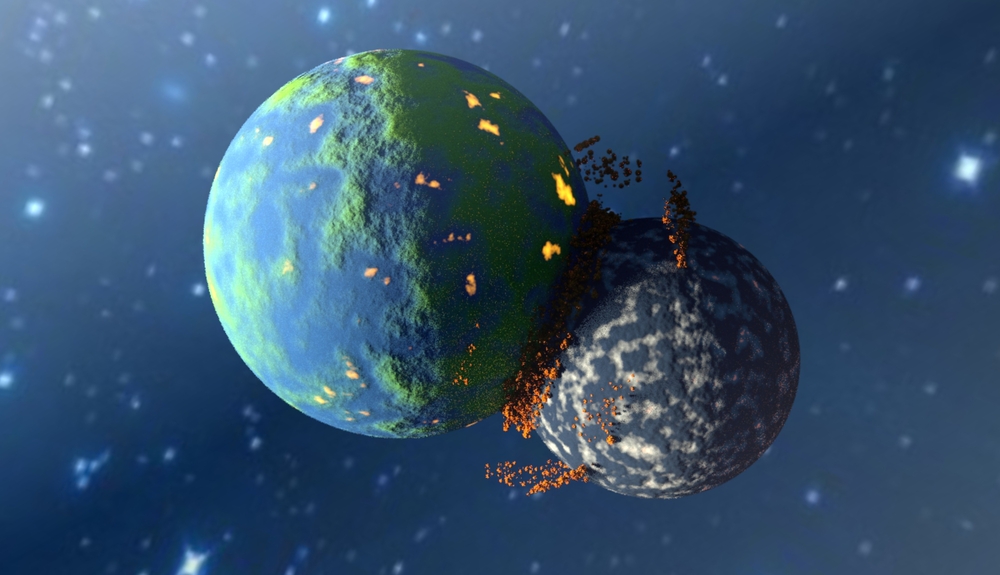
Geophysicists analyzed how a planet could gain such an unusual spin orientation. According to research from Durham University, an Earth-sized protoplanet likely struck Uranus billions of years ago. The impact was massive. This ancient collision tipped the world onto its side forever. And that tilt created extreme seasonal patterns across the ice giant.
Uranus Extreme Solar Seasons
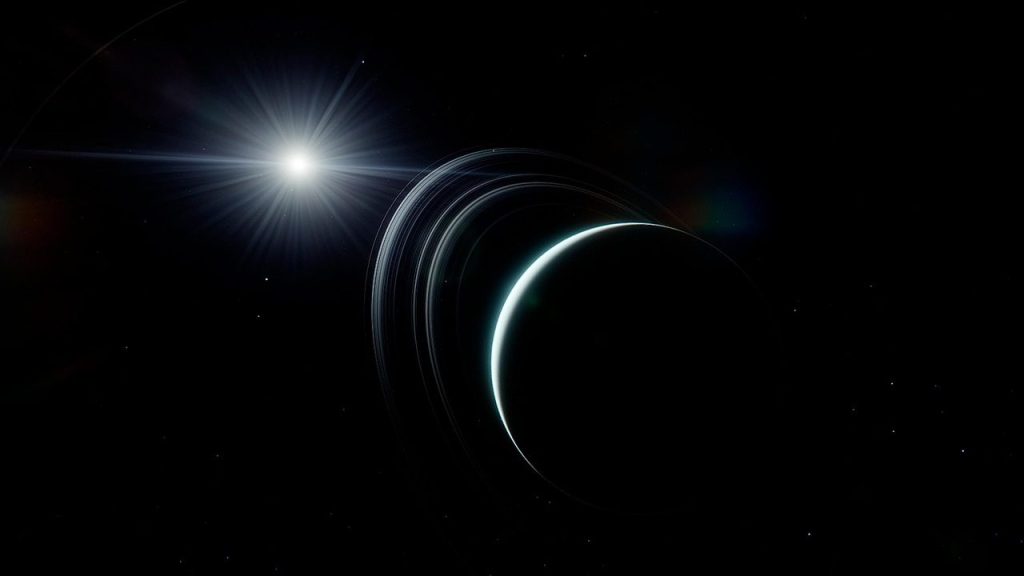
Because of its sideways rotation, each pole on Uranus receives decades of direct sunlight. According to European Space Agency planetary studies, one pole stays in darkness for forty-two years straight. Seasons last decades. This creates extreme light changes across the atmosphere. Yet the faint ring system around Uranus spins along with the planet.
Vertical Rings Of Uranus
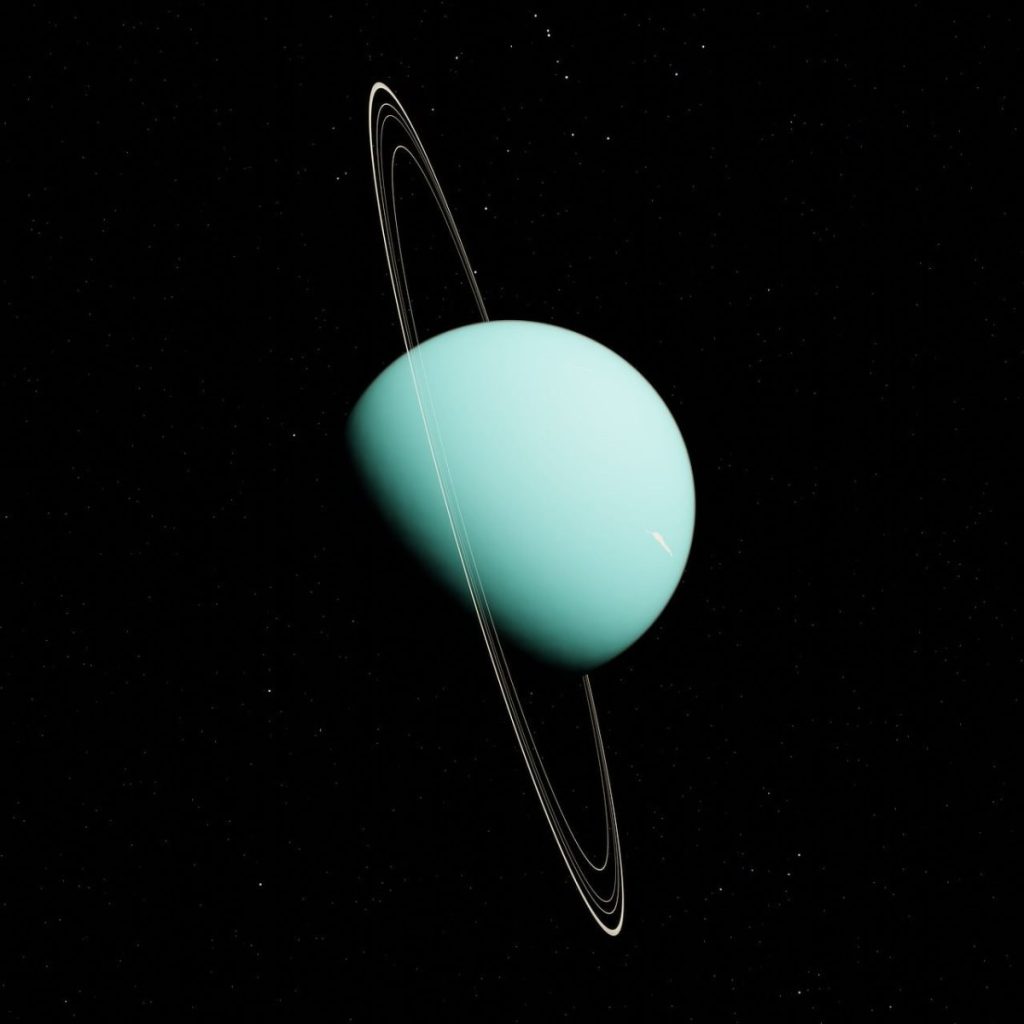
Unlike the horizontal rings of Saturn, the ring system around Uranus appears vertical from Earth. According to Hubble Space Telescope observations, thirteen distinct rings circle the equator of the planet. Space structures align. As the planet rotates, the rings tilt alongside the atmosphere. But new space missions aim to study this icy world more closely.
Uranus Fast Wind Currents
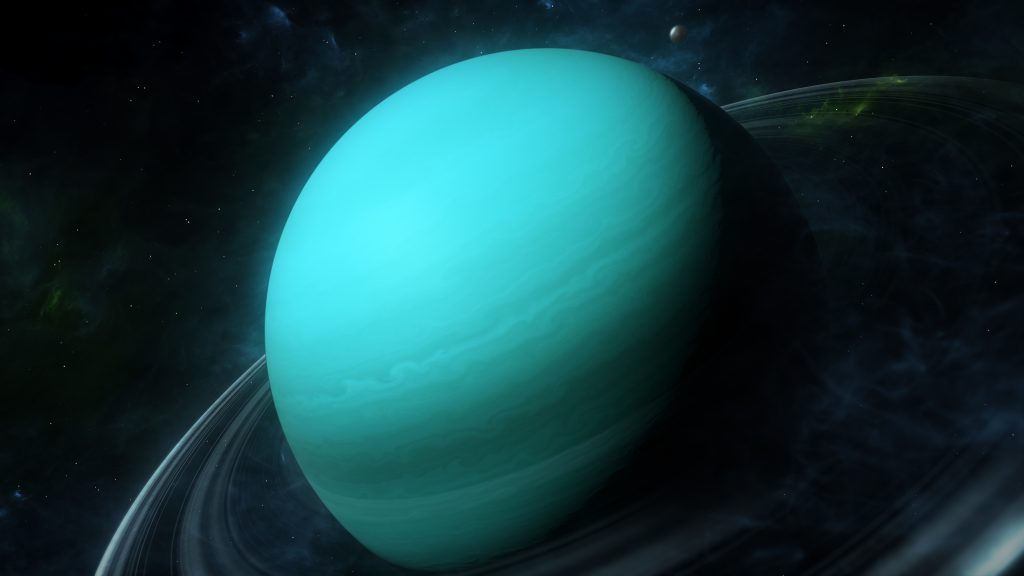
Fast rotation speeds generate intense wind currents through the hydrogen and helium atmosphere. According to planetary meteorologists at Leicester University, wind speeds on Uranus reach over five hundred miles per hour. Currents move fast. These thermal patterns continue shaping the upper clouds seen in modern time-lapses. And scientists are planning future probes to unravel remaining secrets.
Uranus Ice Giant Space Probe
Studying the rotational dynamics of Uranus helps astronomers understand distant exoplanets across the galaxy. According to planetary scientists, future robotic missions will explore the ice giant directly in the coming decades. Knowledge grows daily. Understanding our outer solar system reveals how unique planetary evolution can be. This article is for informational purposes only.
Featured Image: Shutterstock
Leave a Reply