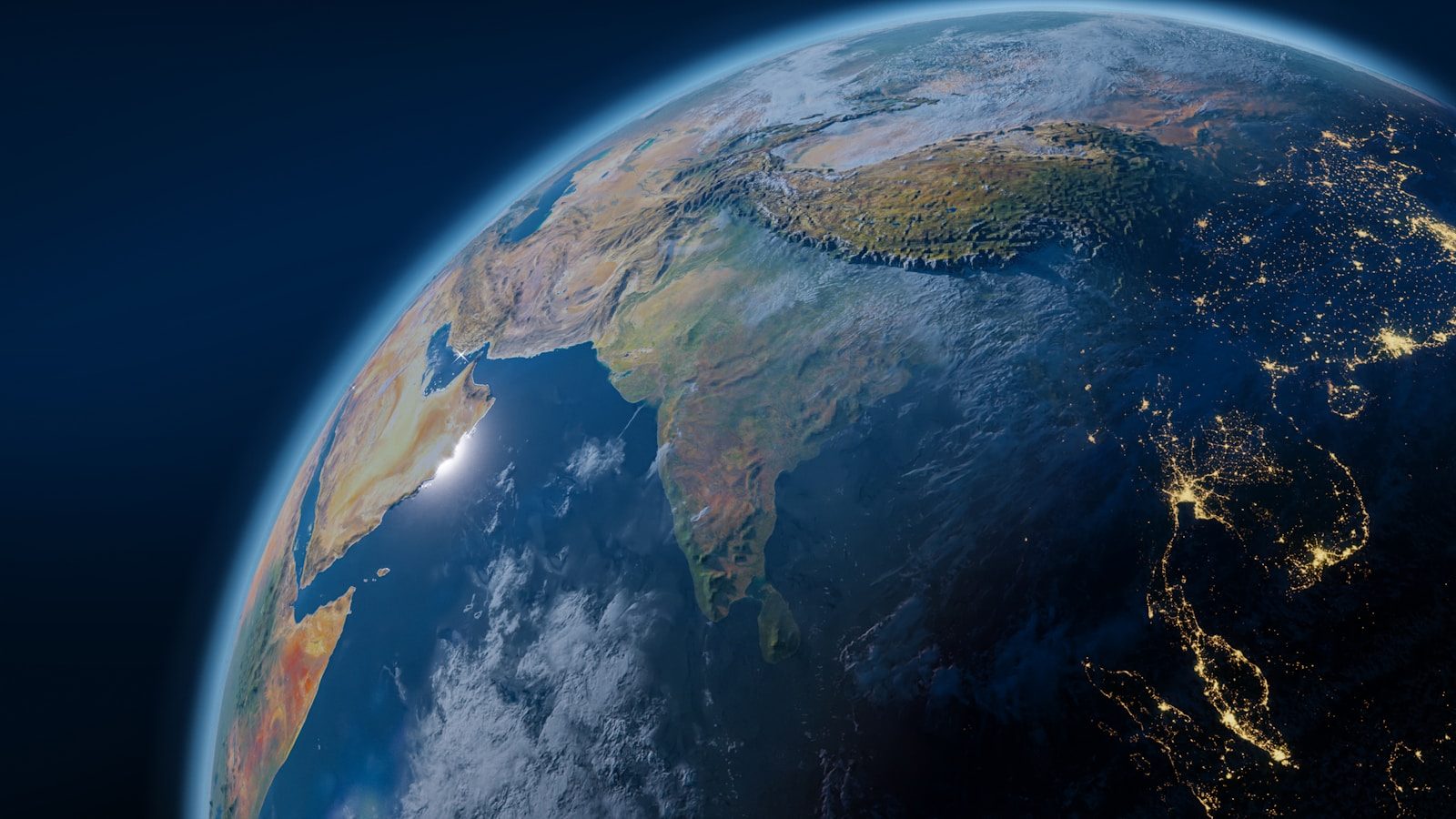
Most people think the Moon is just a beautiful night sky ornament. We assume its absence would only make our nights darker.
But lunar gravity actively stabilizes our planet’s living systems every single day. Losing our celestial neighbor would trigger extreme planetary turmoil.
Earth Axial Tilt Stability
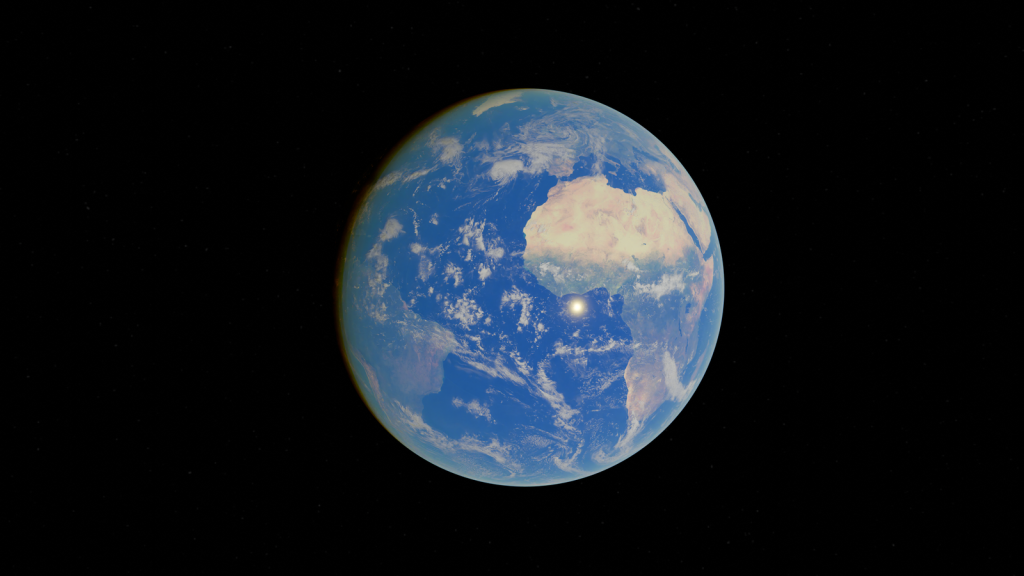
Earth wobbles on its axis as it spins through space. According to NASA, gravitational pulls from the Moon keep our axial tilt steady at roughly twenty-three degrees. Balance is everything. Without this gravitational anchor, Earth could tilt wildly and chaotic climate shifts would follow. But wild climate changes are only part of the problem.
Low Ocean Coastal Tides

Ocean water moves constantly in response to lunar gravitational pulls. According to oceanographers at NOAA, the Moon generates over two-thirds of global tidal movement. Currents would weaken. Ocean tides would instantly shrink by more than sixty percent worldwide. And that sudden marine shift would impact coastal life immediately.
Coral Reef Spawning Moon
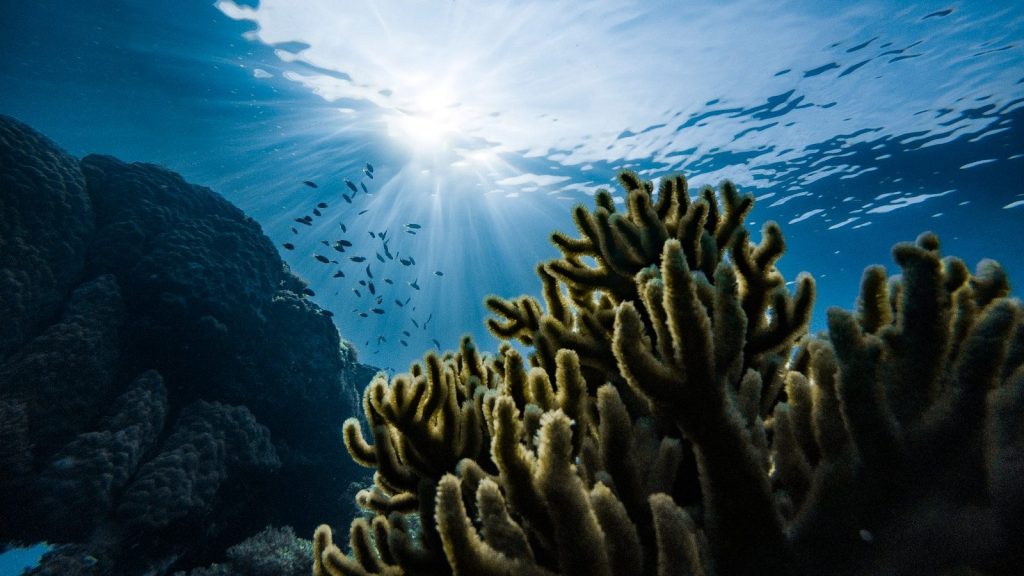
Countless marine species rely on lunar light and tides for reproduction cycles. According to marine biologists at Plymouth University, coral reefs sync their spawning events directly with full moon cycles. Life needs rhythm. Without lunar cues, many marine species would fail to reproduce efficiently. But ocean life is not the only group facing danger.
Severe Ocean Storm Weather
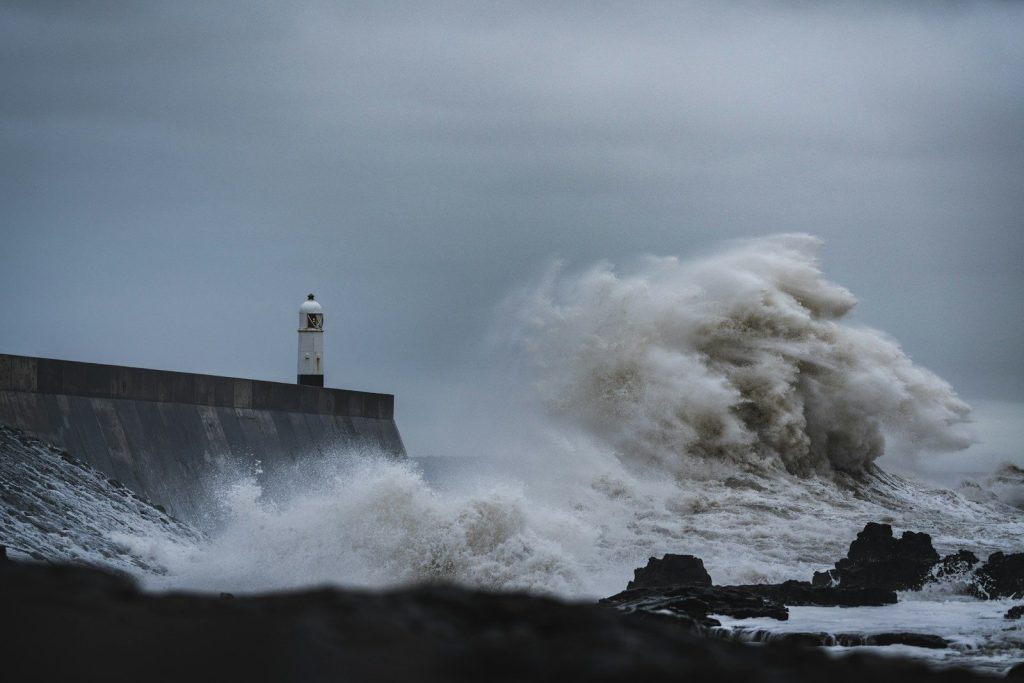
The steady rotation of Earth maintains our current wind and weather patterns. According to climate scientists at Columbia University, losing lunar tides would alter heat distribution across global oceans. Storms would change. Equatorial regions would experience severe temperature swings over short periods. And nocturnal wildlife would struggle under dark night skies.
Nocturnal Animal Hunting Dark Night

Sunlight reflecting off the Moon illuminates ecosystems after sunset. According to wildlife researchers at Lund University, nocturnal predators depend on moonlight to track prey effectively. Hunters need light. Without reflected lunar brightness, nocturnal food webs would collapse across many habitats. But shorter calendar days would create an even bigger shock.
Earth Rapid Spinning Axis
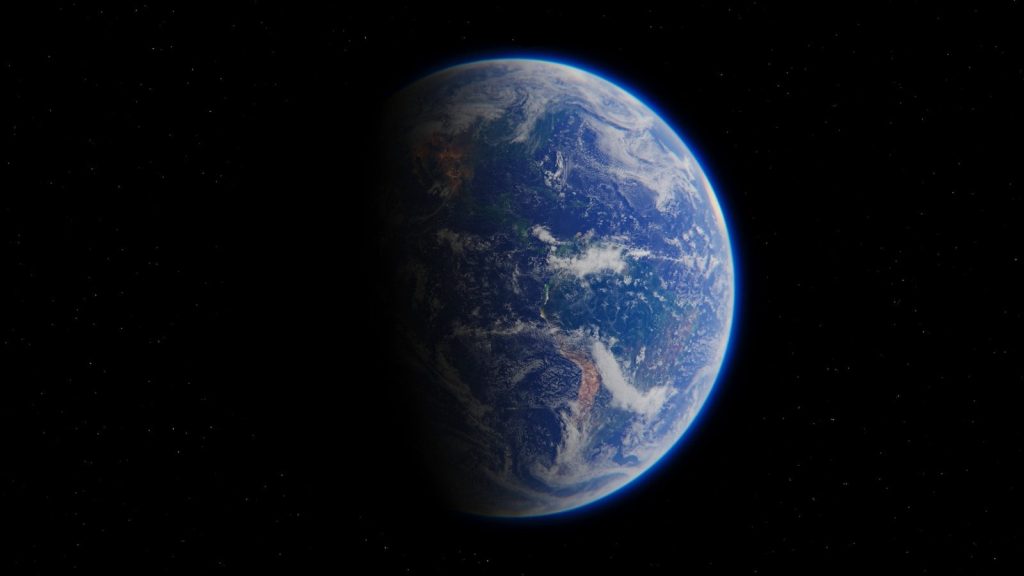
Lunar gravity acts as a gentle brake on the rotation speed of our planet. According to geophysicists at MIT, tidal friction from the Moon has slowed Earth’s rotation over billions of years. Spin speeds increase. Without that drag, a single Earth day would last only six hours. Yet scientists know our Moon is already slowly drifting away.
Moon Drifting Away From Earth

Measurements confirm that the Moon recedes from Earth at roughly one inch per year. According to astronomers at Caltech, this slow departure will not affect our daily lives for billions of years. Earth remains safe. Our Moon will continue stabilizing ocean tides and climate patterns for a long time. This article is for informational purposes only.
Leave a Reply