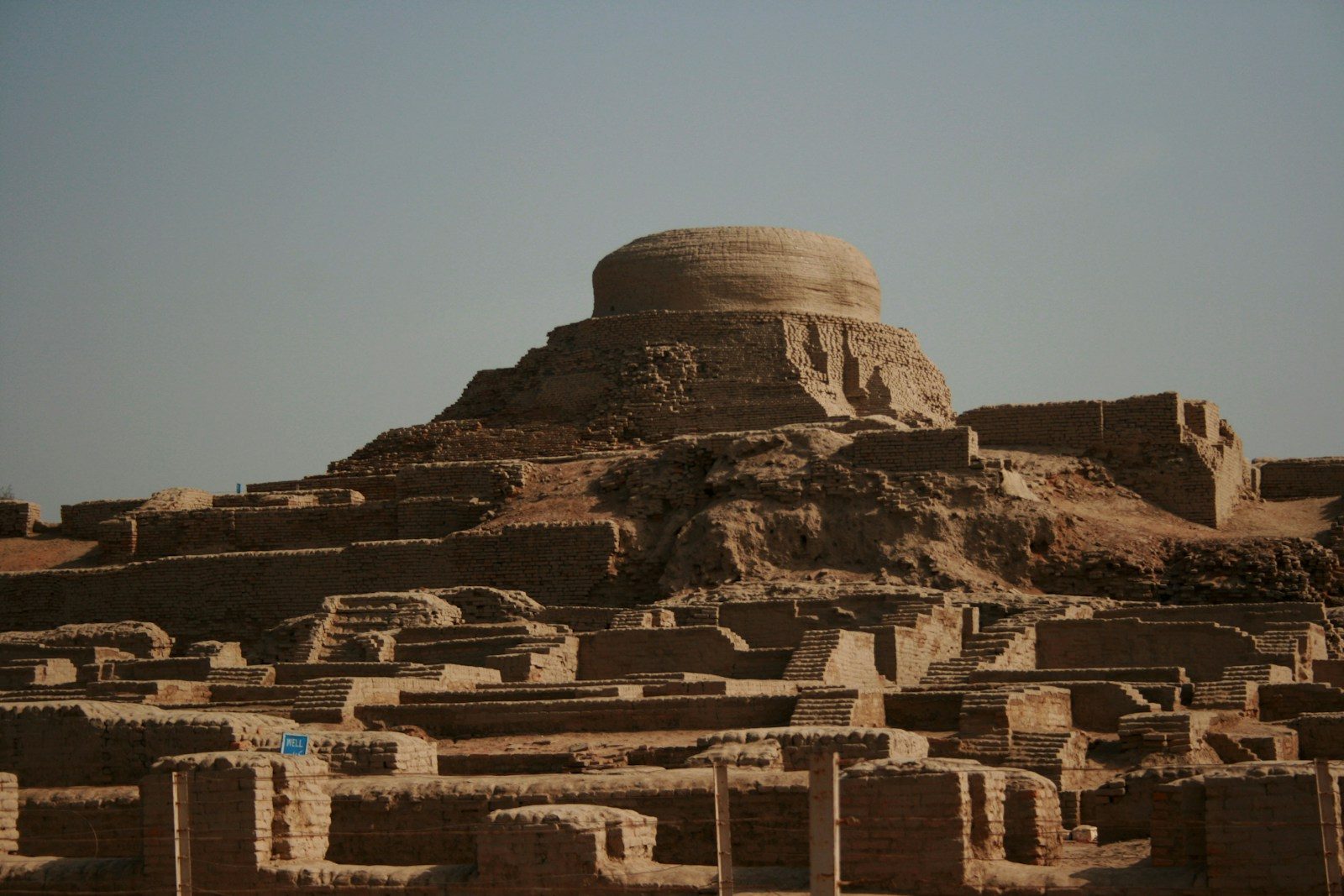
Most people assume that ancient metropolises eventually fell to ruin and vanished into history books. We picture lost stone walls covered by jungle vine or desert sand.
But several extraordinary urban centers have remained continuously inhabited across thousands of years. These living monuments still welcome visitors to their historic streets.
Ancient Athens Greece Architecture
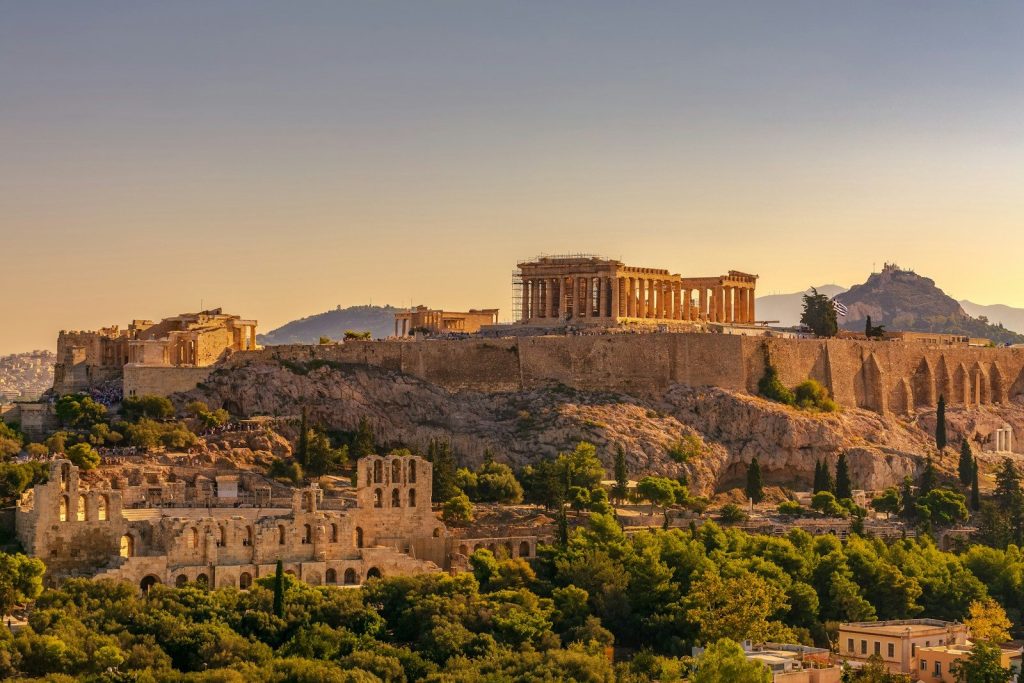
The capital of modern Greece, Athens has been continuously occupied for over three thousand years. According to archaeological surveys from the University of Athens, ancient monuments stand directly alongside modern urban architecture. History lives here. Visitors can walk ancient marble paths while exploring bustling modern neighborhoods today. But another Mediterranean city holds an even older story.
Damascus Syria Ancient Old City
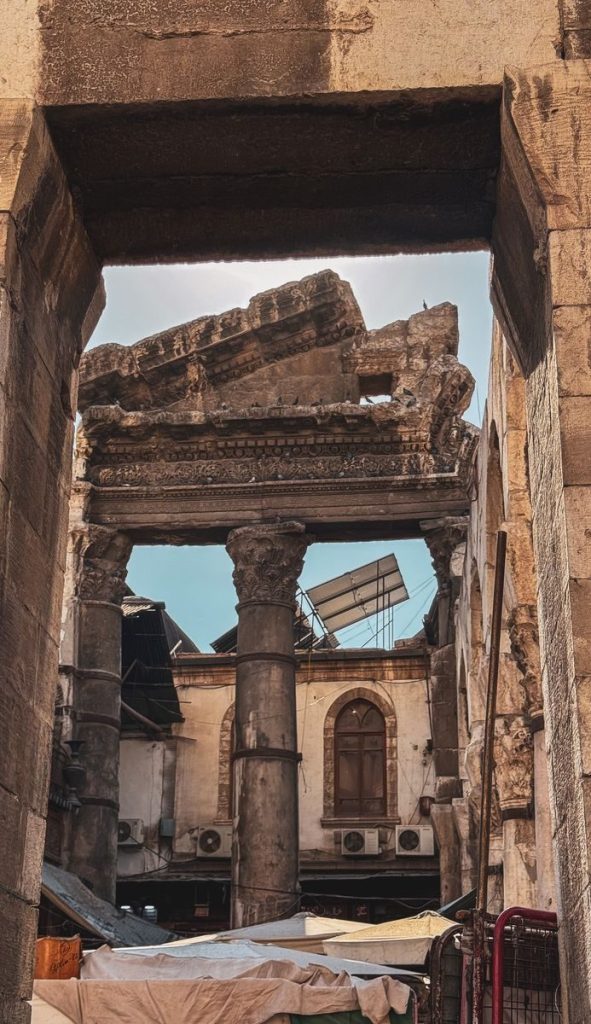
Settled in the third millennium BCE, Damascus remains one of the oldest inhabited cities globally. According to UNESCO heritage records, the city served as a major trade center for ancient empires. Culture survived wars. Its ancient markets and courtyard homes reflect centuries of continuous human occupation. And other ancient centers expanded across the Middle East.
Plovdiv Bulgaria Ancient Roman Amphitheatre
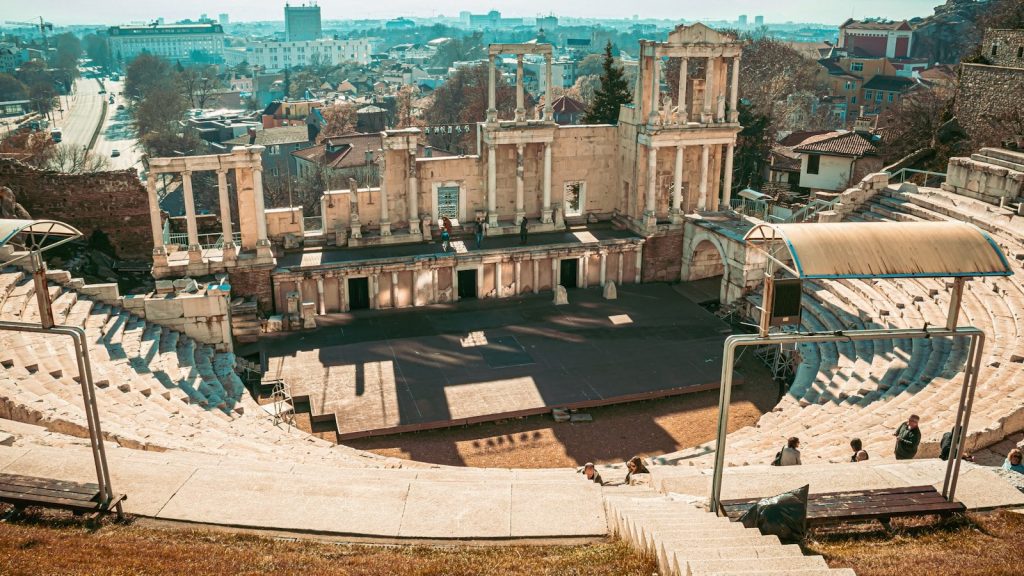
Located in modern Bulgaria, Plovdiv features architectural layers spanning more than six thousand years. According to Bulgarian archaeological excavations, Thracians built fortresses here long before Roman legions arrived. Empires came and went. Today visitors watch live theatre inside an ancient Roman amphitheater built in the second century. But Asia holds equally ancient urban centers.
Varanasi Ganges River Stone Steps

Varanasi stands as the spiritual heart of India and a center of continuous settlement. According to historical records from Banaras Hindu University, religious traditions have thrived here for over three thousand years. Faith built endurance. Pilgrims perform daily rituals along stone steps leading directly into the sacred river water. Yet another ancient city flourished in the Americas.
Cusco Peru Ancient Inca Stone Wall
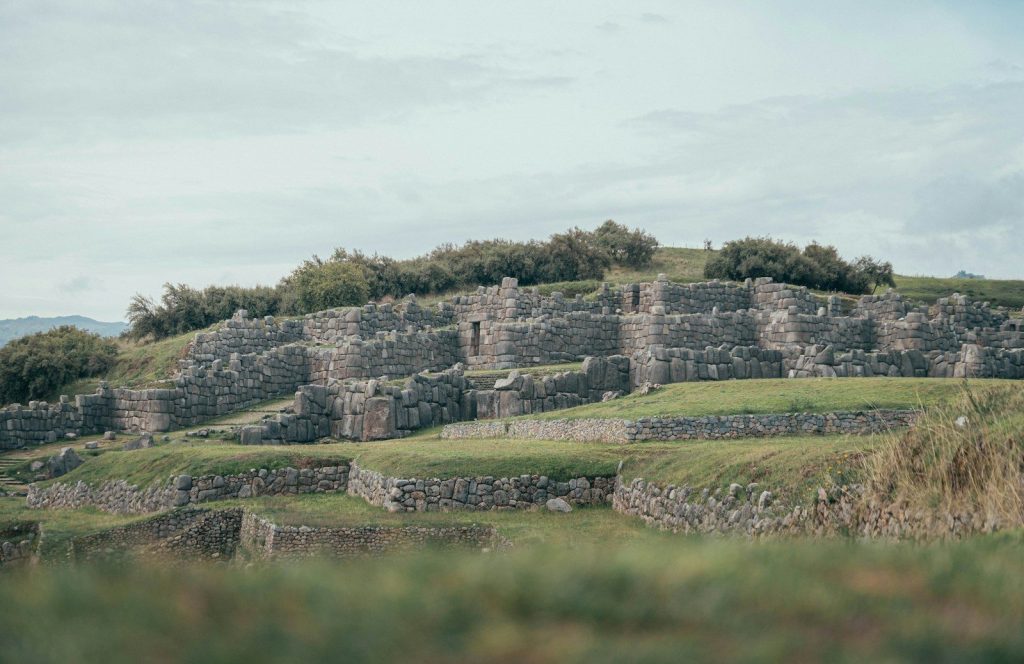
Perched high in the Peruvian Andes, Cusco served as the historic imperial capital of the Inca Empire. According to archaeological studies from the University of San Antonio Abad, original Inca masonry forms foundations for colonial buildings. Stone walls survived earthquakes. The interlocking stonework remains so precise that mortar was never needed. And Europe preserves incredible urban survivals too.
Matera Italy Ancient Cave Dwellings
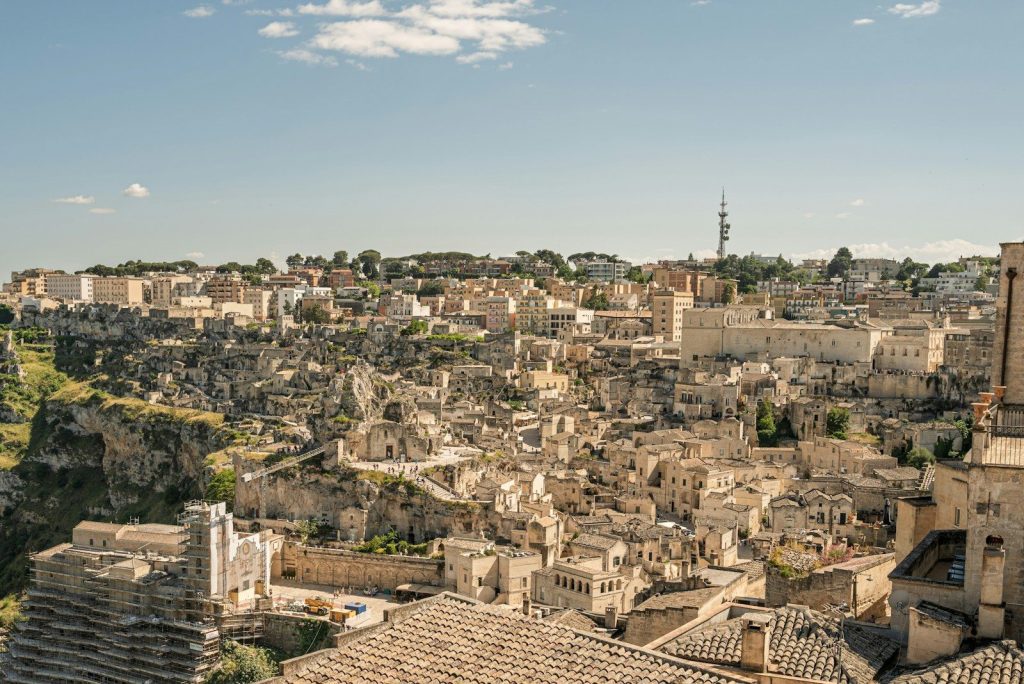
Southern Italy holds Matera, a city famous for stone dwellings carved directly into limestone canyons. According to Italian heritage surveys, cave homes here have been occupied since Paleolithic times. Cave homes endured. Entire families lived inside subterranean chambers until modern preservation efforts transformed the town. But preserving living ancient cities requires ongoing care.
Historic Urban City Preservation
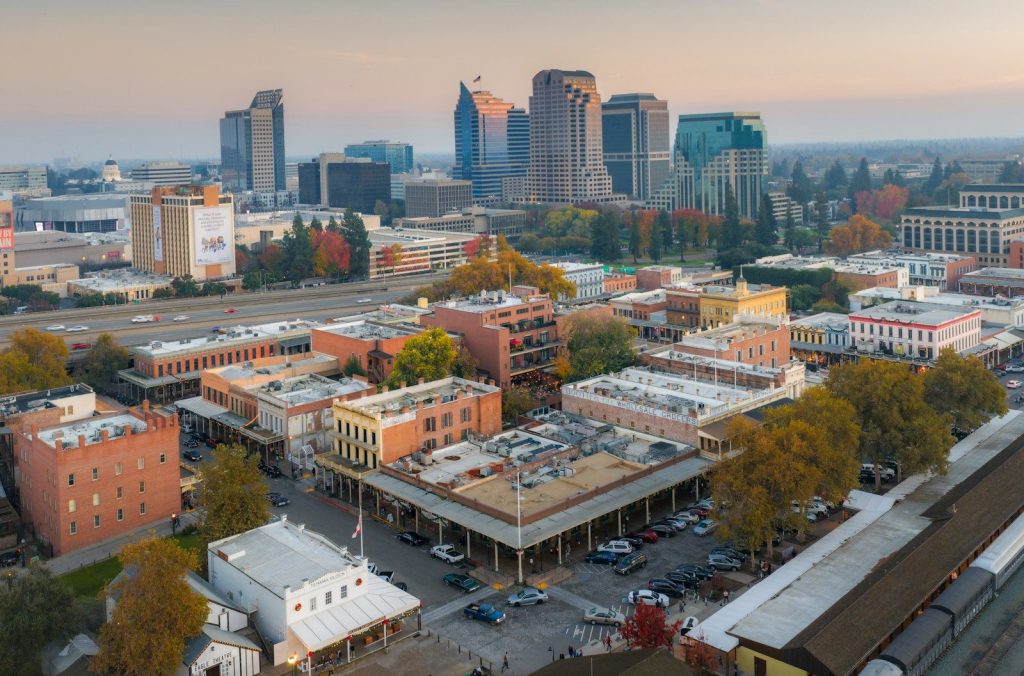
Preserving continuously inhabited cities allows researchers to study how urban planning adapted over millennia. According to historic preservationists, these living ruins bridge the gap between ancient ancestors and modern communities. History lives among us. Visiting these ancient sites keeps the stories of past civilizations alive today. This article is for informational purposes only.
Featured Image; Photo by Noman Bukhari on Unsplash
Leave a Reply